分类: society

  • LETTER TO THE EDITOR: Abortion saw, the High Court, and Society

    LETTER TO THE EDITOR: Abortion saw, the High Court, and Society

    The Caribbean region faces a stark, decades-long paradox when it comes to abortion policy: it boasts the highest abortion rate globally, according to data from the Guttmacher Institute, yet has some of the world’s most strict, criminalized abortion laws on the books. For local reproductive justice advocates, this disconnect offers clear evidence that punitive, outright bans on abortion have been an unmitigated failure. Criminalization has never stopped abortions from occurring, meaning it has failed to uphold the very commitment to the sanctity of life that conservative opponents of reform often cite.

    Despite this documented failure, conservative religious leaders across the region continue to defend the status quo, arguing that legalizing abortion would send an unacceptable moral message to the public. But advocates with ASPIRE, a pro-choice Caribbean reproductive health NGO registered in Dominica and five other neighboring nations, push back on this reasoning: opponents prioritize ideological dogma over actual protection of life, given that research and real-world experience from countries including Barbados and Guyana confirm that liberalizing abortion laws correlates with a reduction in total abortion rates.

    Recently, ASPIRE won a landmark constitutional challenge to Dominica’s existing abortion ban, securing a favorable ruling from the nation’s High Court. Justice Zainab Jawara-Alami, who presided over the case, took a measured, incremental approach to reform rather than scrapping the country’s restrictive abortion laws entirely. Where ASPIRE had asked the court to strike down the existing laws as fully unconstitutional, clearing the way for the Dominican government to draft new, permissive legislation, the justice opted for a narrower ruling.

    Instead of declaring sections 56 and 57 of Dominica’s abortion law outright unconstitutional, Justice Jawara-Alami ruled that the provisions cannot remain in force in their current form, and ordered the Dominican government to amend the laws to resolve their constitutional inconsistency. The ruling specifically identifies four circumstances where continuing a pregnancy violates a pregnant person’s constitutional rights: cases of rape, incest, severe fetal anomaly, and situations where the pregnant person’s physical or mental health is at risk.

    ASPIRE acknowledges that Justice Jawara-Alami’s ruling is legally sound: it is well-supported by existing legal precedent, aligned with the long legal tradition of incremental judicial reform, and stays firmly within the bounds of the court’s constitutional authority. Advocates applaud the step forward for reproductive rights that the ruling represents.

    Even so, the organization argues that the narrow scope of the decision fails to address the grim on-the-ground reality of unsafe abortion in Dominica, disconnecting sound legal reasoning from the harsh experiences of pregnant people across the country. ASPIRE’s own data collected for the case shows that at least 83 percent of the reasons that compel Dominican women to seek abortions are not covered by the new ruling, and will remain criminalized under current law.

    Breakdown of the data shows that 40 percent of abortions are sought for timing-related reasons, such as having recently given birth, needing to complete an education, or other personal timing concerns. Another 24 percent are driven by socioeconomic instability: patients simply do not have the financial or social resources to support a child at the time of pregnancy. An additional 20 percent of abortions are sought due to patient age, whether the patient is too young or too old to safely carry a pregnancy to term. None of these cases will be decriminalized under the High Court’s ruling.

    Worsening the contradiction, ASPIRE notes, is the fact that the court has tasked the Dominican government — which opposed the constitutional challenge and has repeatedly refused to engage in open dialogue about abortion reform — with updating the legislation to align with the ruling. Advocates question what meaningful progress can be expected from a government that has already made its opposition to abortion liberalization clear.

    ASPIRE is a non-governmental advocacy group focused on advancing fair and just reproductive health policy across the Caribbean. The organization frames itself as pro-motherhood and pro-family while supporting expanded access to safe, legal abortion, and works to conduct research and facilitate dialogue between civil society and governments across the region.


  • Residents question water outages, tanker response

    Residents question water outages, tanker response

    Across three rural districts of Barbados, thousands of residents have spent up to a full week grappling with no running water, as critical infrastructure upgrades and unexpected technical failures shut down local water supplies – and left many questioning the delayed response and long-term planning of the island’s water authority. The outages, which hit communities in St George, St John, and St Philip starting last week, stemmed from two overlapping issues: a required pump replacement at the Bowmanston Pumping Station and an unplanned electrical fault at the separate St John Pumping Station. But for many families already dealing with chronically low water pressure, the extended outage and slow arrival of emergency water tankers have amplified long-simmering frustrations over misaligned water distribution infrastructure.

    Barbados TODAY sent reporters to central and southeastern parts of the island earlier this week to document the ongoing crisis, speaking with dozens of residents who detailed daily disruptions to work, family care, and basic household needs. In the small St George community of Sweet Vale, long-time resident Adrian Brewster told reporters his neighborhood had been without consistent water for four full days, with one neighbor on higher ground facing persistent outages for as long as two months. Brewster explained that low water pressure prevents any meaningful flow to homes positioned uphill, forcing those households to trek down to the community’s public standpipe to collect every drop of water they need. For his uphill neighbor, who keeps livestock to support his family, the situation is particularly dire: only in the earliest hours of the morning, around 3 a.m. when most of the community is asleep, does pressure climb high enough to allow him to fill containers and bathe alongside his family. If he waits even until 5 a.m., the water stops flowing entirely.

    Brewster noted that a single emergency water tanker visited the area two days after his pipes ran dry, and no additional trucks have been seen since. He lives adjacent to the public standpipe, which has only operated intermittently through the outage, running for just a few hours at a time before cutting out completely. “I’ve timed it – sometimes you’ll have water for three hours, other times nothing at all,” he told reporters, laughing bitterly at the unreliable service. While water did trickle back into his home late Sunday, the pressure remains far too low for normal use. “It runs, but it runs so slow. Just yesterday it didn’t come on at all until around 6 in the evening,” he said.

    After decades of reliable service in the area, Brewster said these persistent water problems only started recently, following government-led pipe replacement work in the region. He added that what confuses him most is the area’s assignment to the Bowmanston water system, when Sweet Vale sits much closer to the Golden Ridge Pumping Station. “I can’t understand why our water has to come all the way from Bowmanston when Golden Ridge is right here,” he said. The Golden Ridge reservoir actually draws its water from the same Bowmanston aquifer, but local residents argue connecting local homes directly to Golden Ridge would resolve many of their pressure issues.

    Not all residents in the area have been equally affected: one Sweet Vale resident who installed a private water tank years ago to adapt to inconsistent supply told reporters she did not face a full outage, but she recalled past outages when emergency trucks never arrived, forcing her to call friends for water to care for her elderly household member. She also echoed Brewster’s confusion over the fragmented distribution system, noting that different sections of the small Sweet Vale community are split between the Bowmanston and Golden Ridge systems for no clear reason.

    In Bayley Alley, a community that only just received its first official piped water connections after years of relying on shared community water tanks serving roughly 50 households, residents spent four days without running water. Resident Jeremy told reporters that while the community sits lower on the hill, allowing them to retain a small amount of water, pressure remained extremely low through the outage, even after a single tanker visit.

    Similar stories of extended outages and rare emergency assistance came from St John’s Sherbourne community, where the Shorey family told reporters they had been without water since the previous Thursday, with only a single water tanker arriving at midday the previous day – the only emergency support they had seen since the outage began. Like many other residents affected, the Shoreys already had a private water tank on their property to store water amid increasingly frequent outages in recent years. In Four Roads, one resident reported going almost a full week without water, and never seeing an emergency tanker at all.

    Multiple residents confirmed that the outage was caused by two technical issues: an electrical fault at the St John Pumping Station and a faulty pump that required replacement at Bowmanston. The Barbados Water Authority (BWA) released its first official statement on the outage at 5:46 p.m. on Monday, confirming that the St John Pumping Station had been brought back online after crews discovered and repaired a leaking joint on the facility’s main pipe. Reporters also confirmed that a full pump replacement was required to restore full service to the affected districts. In a follow-up update released Wednesday, the BWA announced that all technical issues affecting the St John facility had been fully resolved. The authority noted that water service would return to normal gradually as the distribution system repressurizes, with customers in the affected areas of St George, St John, and St Philip seeing a progressive restoration of supply over the coming days. The BWA also issued an apology for the widespread disruption and thanked affected customers for their patience and understanding through the outage.

  • VVI: Drie wegen springen eruit in analyse verkeersongevallen

    VVI: Drie wegen springen eruit in analyse verkeersongevallen

    Three major thoroughfares in Suriname – Indira Gandhiweg, Martin Luther Kingweg, and Garnizoenspad – have emerged as the country’s most accident-prone routes, registering a disproportionately high share of severe and fatal traffic collisions, prompting a data-driven initiative to improve road safety across the nation.

    The Verkeersveiligheidsinstituut (VVI, or Road Safety Institute of Suriname) has launched a comprehensive mapping project to catalog high-risk roads and dangerous intersections using real-world traffic collision data. The compiled insights are designed to enable the Ministry of Public Works and Spatial Planning (OWRO) to implement targeted, evidence-based interventions rather than relying on broad, unfocused upgrades.

    Purcy Landveld, Deputy Director for Data, Education and Outreach at VVI, confirmed that initial analysis of collected incident reports has flagged the three routes for urgent prioritization. The institute is currently conducting detailed black spot analyses to pinpoint exactly which intersections and road segments carry the highest collision risk, rather than generalizing risk across entire routes.

    This data-centric approach is rooted in the reality that Suriname’s traffic landscape is rapidly evolving: the total number of registered vehicles continues to rise, overall mobility levels are increasing, and road user behavior is also shifting over time. VVI’s core goal through this project is to drive long-term, structural reduction in the number of traffic injuries and fatalities across the country.

    OWRO is already moving forward to act on VVI’s data, with plans to conduct targeted investigations and infrastructure upgrades at high-risk sites. Lucretia Beeldstroo, Deputy Director for Traffic and Mobility at OWRO, noted that a formal Terms of Reference has already been finalized for the project. A competitive tender process will be launched to select engineering firms to carry out detailed assessments of Indira Gandhiweg and Martin Luther Kingweg, the two highest-priority routes. Assessments will go beyond just reviewing past collision data to examine underlying conditions that may increase crash risk.

    To capture an accurate picture of traffic dynamics, new surveillance cameras will be installed at busy, high-risk intersections to track traffic flow patterns and identify dangerous maneuvers by road users. Evaluations will also cover multiple infrastructure factors, including vehicle speed limits, road lighting and visibility, road marking quality, pedestrian crossing facilities, and right-of-way protocols at intersections. Following assessments, immediate low-cost upgrades will also roll out across multiple sites: new road markings will be added, and missing or outdated traffic signs will be replaced to improve clarity for road users. Beeldstroo emphasized that the ministry is pursuing all feasible improvements within existing budget and resource constraints to cut collision risk.

    Landveld, however, stresses that infrastructure upgrades alone cannot solve Suriname’s road safety crisis. A cohesive, effective national road safety policy requires sustained cross-sector collaboration between government ministries and all relevant stakeholder agencies, he says. VVI is positioning itself as a central convener to bring all parties together, translating raw traffic data into actionable, site-specific safety measures.

    “That is VVI’s core mission: bring all stakeholders to the table, turn raw traffic data into concrete interventions, and work collaboratively to build safer roads for all Surinamese road users,” Landveld said.

  • Temporary road closure: Belmont, St George

    Temporary road closure: Belmont, St George

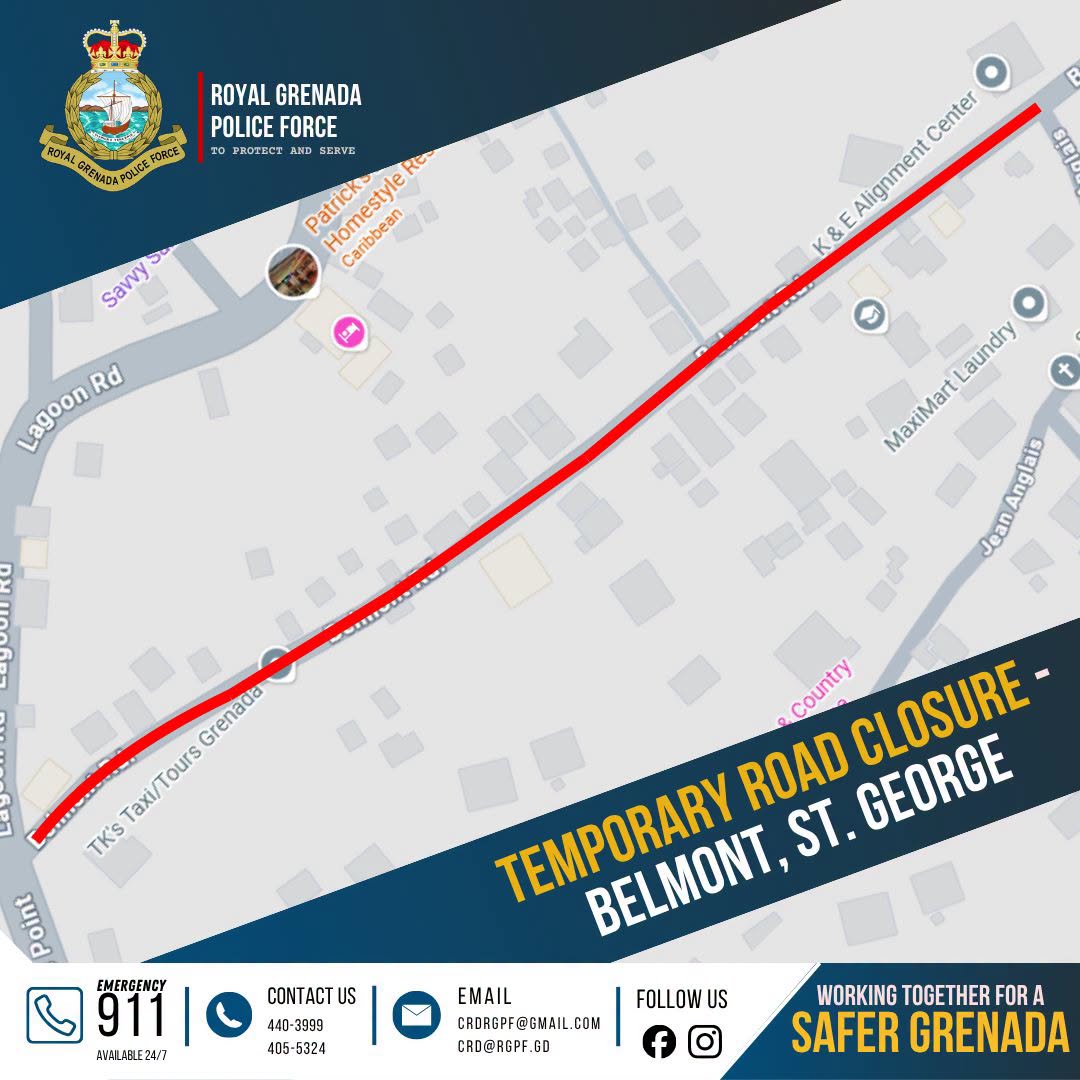
    Drivers and commuters in Grenada are being given advance notice of an upcoming full road closure that will affect access through one of Belmont’s busiest corridors next year. The Traffic Department of the Royal Grenada Police Force (RGPF) has officially announced that a central stretch of Belmont Minor Road will be completely closed to all motor vehicle traffic on Sunday, September 13, 2026. The closure will run from 7 a.m. through 6 p.m., covering an 11-hour window that spans most of the day. The affected segment stretches from the junction of Belmont Minor Road and Jean Anglais Public Road all the way to the intersection with Belmont Main Road at the traffic light, a heavily traversed connection for local and through traffic. The closure is being implemented to make way for critical concrete construction work being carried out by the Grenada State Engineering Construction Group Ltd. RGPF confirmed that the restriction is necessary to ensure worker safety and allow the construction team to complete the project work efficiently within the scheduled time frame. The law enforcement agency has issued a formal apology to motorists, local businesses, and residents for any travel disruptions or inconvenience that the temporary closure may cause, and urged all road users to plan alternate routes and adjust their travel schedules accordingly ahead of the date. RGPF also said it expects full cooperation from the general public to ensure the work can proceed smoothly and wrap up on schedule. This announcement was originally released via the Office of the Commissioner of Police, Grenada. Source: Office of Commissioner of Police

  • CCTV Footage Captures Accident in Glanvilles

    CCTV Footage Captures Accident in Glanvilles

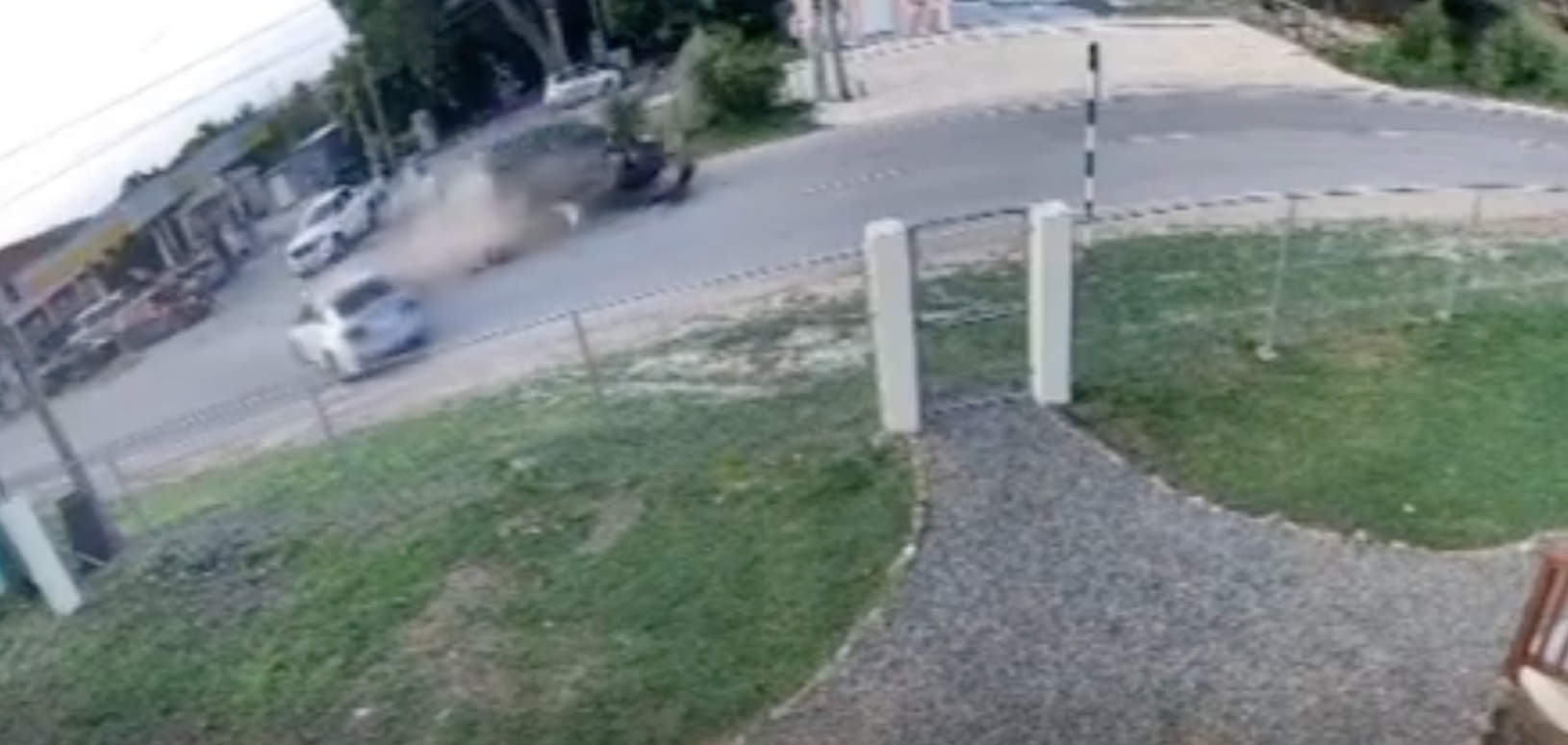
    A sudden accident that unfolded in the Glanvilles area has been fully captured on closed-circuit television cameras, leaving local residents and emergency responders assessing the aftermath of the unplanned incident. According to initial reports from local law enforcement agencies, the event unfolded during peak daytime hours when pedestrian and vehicle traffic in the area was at its busiest. The surveillance recording, which provides clear, timestamped visual documentation of the entire sequence of events, is now serving as a key piece of evidence for ongoing investigations into what caused the incident and how it could have been prevented. Emergency services were dispatched to the scene within minutes of the accident being reported, and first responders quickly worked to extract any individuals who were trapped, provide on-site medical attention, and clear the damaged debris that was blocking public thoroughfares. So far, local authorities have not released the full details of any injuries or property damage that resulted from the incident, citing an ongoing, systematic investigation that is focused on confirming all facts before making a full public statement. Community leaders in Glanvilles have noted that this accident has sparked new conversations about the need for improved safety infrastructure in high-traffic areas of the district, with many residents calling for additional traffic calming measures and more frequent safety inspections of nearby structures. Local government officials have confirmed that they will review all findings from the accident investigation once it is completed, and consider what policy or infrastructure changes may be necessary to prevent similar events from occurring in the future. As the investigation continues, authorities are asking any members of the public who were in the Glanvilles area at the time of the accident and who may have additional information or personal observations to come forward to assist with the inquiry.

  • Suspect Arrested After Stolen Quad Recovered Near Tyrells

    Suspect Arrested After Stolen Quad Recovered Near Tyrells

    A major break in a recent quad bike theft case has seen local law enforcement take one man into custody, after the stolen off-road vehicle was located in a remote area just hours after it was taken from a private property. The theft, which occurred at a residence in Herbert’s, was captured on home surveillance footage in the early hours of Thursday, and the stolen machine – a 2024 model green-and-black Yamaha Raptor 700, a popular high-powered all-terrain vehicle – was eventually recovered in bushland near Tyrells, off Olney Frederick Road.

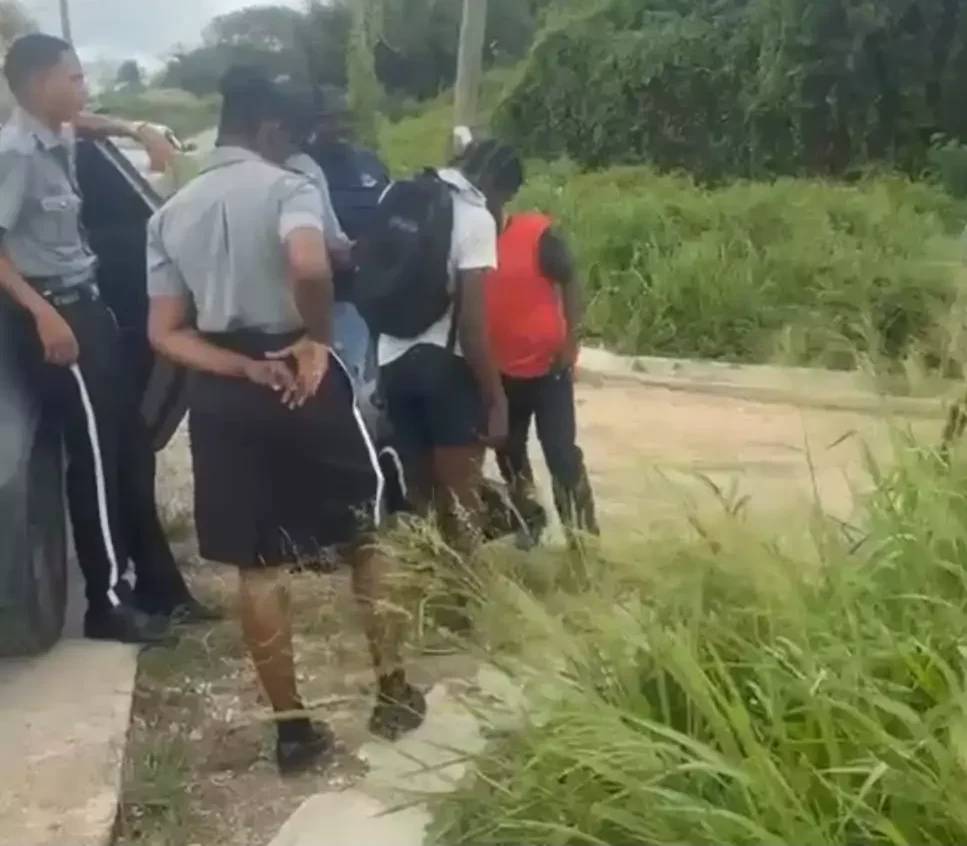
    Surveillance recordings from the original theft confirmed that two individuals were involved in removing the quad bike from the property, with the incident taking place between 12:30 a.m. and 1:00 a.m. local time. Acting on investigative leads, officers tracked a suspect to the recovery site, where body-worn and police cruiser footage captured the officer taking the man into detention. According to sources close to the investigation, the suspect was discovered attempting to pull the stolen all-terrain vehicle out of thick roadside shrubbery when law enforcement arrived.

    Prior to the recovery, the registered owner of the quad bike had publicly posted a $2,000 reward for any information that would help recover the vehicle or identify the people responsible for the theft. As of the latest update from responding agencies, law enforcement has not yet released any official confirmation about whether investigations are ongoing to locate and arrest a second person of interest connected to the theft. A full video of the recovery operation is available for public viewing via the news outlet’s original portal.

  • Rotary Club of Portsmouth opens sixth playground at Morne Jaune Primary

    Rotary Club of Portsmouth opens sixth playground at Morne Jaune Primary

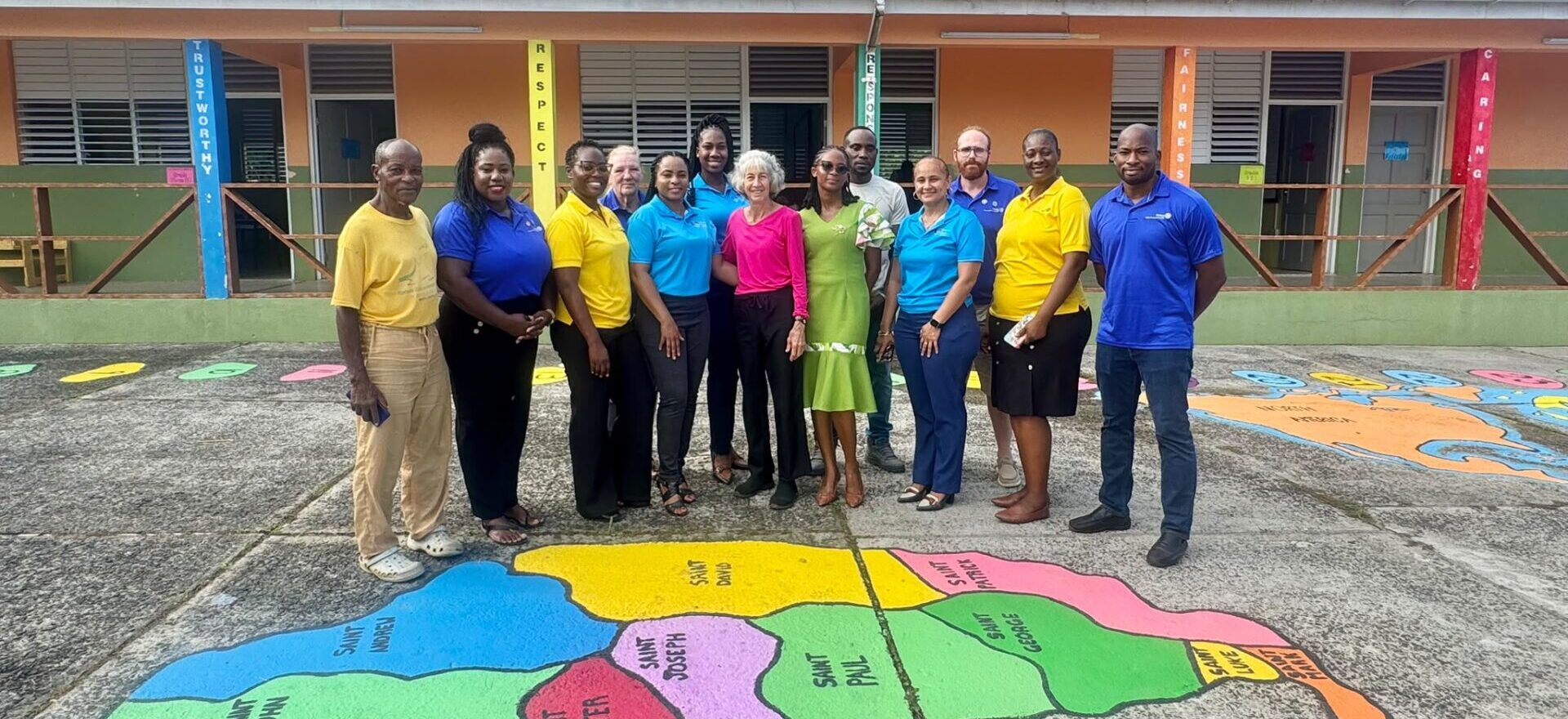
    Children across the Morne Jaune region of Dominica have gained a vibrant new hub for play, physical activity and social connection, following the formal inauguration of a custom-built playground at Morne Jaune Primary School. This newly completed facility is the sixth project delivered under the Rotary Club of Portsmouth’s signature Playground Initiative, a long-term campaign to expand safe recreational access for young people across the island.

    Funding for the Morne Jaune playground was made possible through a partnership with Republic Bank (EC) Limited, which provided financial backing via the bank’s regional “Power to Make a Difference Programme.” This corporate initiative is explicitly designed to support community-focused projects that boost quality of life and strengthen local social fabric across the Eastern Caribbean.

    Unlike many single-use school facilities, the new recreational space is built to serve both the enrolled students of Morne Jaune Primary School and children living in the surrounding neighbourhood. Organizers designed the site to be a secure, inclusive environment where young people can gather for unstructured play, organized physical activity, peer interaction, and the social skill-building that is critical to healthy childhood development.

    For the Rotary Club of Portsmouth, the project is rooted in a core organizational belief that play is not a luxury, but a foundational component of healthy childhood growth. Beyond simple recreation, the club emphasizes that well-designed public playgrounds offer a wide range of developmental benefits: they help children build self-confidence, foster lasting friendships, improve physical coordination and spark creative thinking, while supporting overall physical and emotional well-being.

    Kalisha Aaron, President of the Rotary Club of Portsmouth, framed the project as a dual investment in public health and youth opportunity. “This playground is important for our club as it is part of our efforts to eradicate childhood obesity by keeping our children active. Additionally, it is an investment in our children, their happiness, and their development, as every child deserves a safe place to play, dream, explore, and simply enjoy being a child,” Aaron explained.

    The Morne Jaune playground forms part of the club’s broader vision to build child-friendly public spaces in communities across Dominica. Since launching the Playground Initiative, Rotary Portsmouth has worked collaboratively with a wide range of stakeholders: local businesses, public school authorities, community leaders, independent contractors, volunteer groups, and local residents, all joining forces to convert underused empty lots and school grounds into safe, accessible recreational hubs for young people.

    Rotary leadership has publicly emphasized its gratitude to Republic Bank for turning the Morne Jaune project from a plan into a reality. The bank’s contribution through the Power to Make a Difference Programme, the club notes, sets a powerful example of how intentional corporate partnerships can drive meaningful progress in public education, community development, and youth well-being.

    Additional recognition was extended to a long list of contributing partners, including Dominica’s Ministry of Education, the principal, teaching staff, student body and Parent-Teacher Association of Morne Jaune Primary School, the construction contractor and on-site work team, local community members, participating Rotarians, and every individual who donated time, professional expertise or material support to the project.

    Looking ahead, the Rotary Club is calling on the school administration and local community to take collective ownership of the new facility, committing to regular maintenance and care to ensure it remains a safe, welcoming space that benefits generations of children for decades to come.

    As the sixth completed project under the Playground Dominica umbrella, the Morne Jaune playground marks another key milestone on the club’s journey toward its ultimate goal: ensuring every child across Dominica has access to a safe, well-equipped space to play. The Rotary Club of Portsmouth reaffirmed its long-standing commitment to its core principle of “service above self,” saying it will continue pursuing sustainable, community-centered partnerships with organizations like Republic Bank to deliver lasting positive change across the island.

  • Domestic violence up more than 125%

    Domestic violence up more than 125%

    Newly released mid-year crime statistics from the Royal Bahamas Police Force paint a concerning picture of shifting crime trends in the country, revealing a dramatic 125% jump in domestic-related incidents over the first six months of 2026 compared to the same period the year prior. Total domestic cases have surged to 825 this year, up from just 366 in the first half of 2025 – a sharp acceleration from 2025’s already concerning 16% year-over-year increase, which saw cases rise from 317 in 2024. What makes this year’s jump particularly notable is that dozens of subcategories of domestic harm have recorded triple-digit percentage increases, signaling a widespread escalation of intimate partner and family-related violence. Breaking down the data, domestic-related assaults have climbed 118% from 94 incidents to 205, while assaults involving deadly weapons have skyrocketed 267%, jumping from only three cases to 11. Requests for emergency protection and assistance from police have spiked 254%, growing from 35 to 124, and public disturbances linked to domestic conflict have risen 200% from 17 to 51. General domestic incident reports have jumped 173% from 48 to 131, and cases of grievous bodily harm have increased 133% from three to seven. Non-lethal harm cases have more than doubled with a 106% increase from 50 to 103, death threats have risen 102% from 42 to 85, property damage linked to domestic conflict has grown 74% from 31 to 54, harassment has increased 54% from 13 to 20, and general threats of harm are up 38% from 16 to 22. On the fatal side, this mid-year period saw two domestic-related murders, double the one recorded in the first half of 2025, while attempted murders held steady at one case. Only a small handful of domestic incident categories saw declines: fighting fell 25% from eight to six cases, threats of arson dropped 50% from two to one, zero domestic-related woundings were recorded compared to one last year, and trespassing cases remained unchanged at two. Alongside the surge in domestic incidents, police data also confirms a 13% increase in overall sexual offenses, rising from 87 cases in the first half of 2025 to 98 in 2026. This increase reverses the encouraging downward trend recorded in 2025, when sexual offenses fell 30% from 125 cases in 2024’s first half to 87. Within sexual offense statistics, reported rapes increased 12% from 25 to 28, and unlawful sexual intercourse cases rose 19% from 57 to 68. The only decline in this category was seen in attempted rapes, which fell 60% from five to two. Demographic breakdowns of the 2026 rape data reveal stark disparities: all 28 reported rape victims were female, 86% (24 victims) were under the age of 36, 18% (five victims) were tourists, 11% (three cases) were linked to domestic relationships, and in 36% of cases (10 incidents), the victim already knew the person accused of the attack. All identified rape suspects were male, 46% (13 suspects) were under 36, and 11% (three suspects) were tourists. Police note that single rape cases can sometimes involve multiple suspects, so these numbers do not represent a one-to-one ratio of cases to suspects. For unlawful sexual intercourse cases, 93% of the 68 victims were female and 7% were male. A striking 96% of victims knew their alleged attacker, and more than half (57%) of all incidents took place inside a private residence. Looking back at 2025’s mid-year data, that period’s decline was broad: rapes fell 24% from 33 in 2024 to 25 in 2025, attempted rapes dropped from six to five, and unlawful sexual intercourse cases fell 34% from 86 to 57, making 2026’s reverse in that trend all the more notable for law enforcement and public safety advocates.

  • Advocate calls for chargesafter dog thrown to ground

    Advocate calls for chargesafter dog thrown to ground

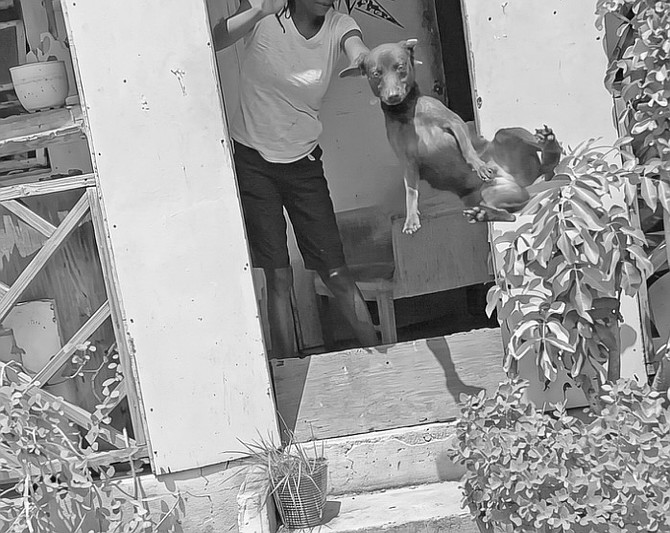
    A disturbing viral video has sparked widespread outrage among animal welfare advocates in The Bahamas, who are calling for felony animal cruelty charges against a woman caught on camera assaulting a dog following a heated confrontation with a local animal advocacy group. The incident, which took place on August 7, has thrown a spotlight on gaps in animal welfare enforcement and the link between animal abuse and broader patterns of violence in the country.

    The sequence of events began three days earlier, on August 5, when members of the Bahamas Alliance for Animal Rights and Kindness (BAARK) were conducting a routine spay and neuter outreach across local communities. During the outreach, a local man flagged down the BAARK mobile clinic and asked the team to collect two unsterilized dogs from his property on St Charles Vincent Street. After granting the team permission to enter his land and collect the animals, BAARK workers spotted an additional stray dog without a collar, wandering loose under a parked car on a public roadway. Since the animal had no identifying tags and was not on private property, the team added it to their transport and brought all three canines to the clinic for sterilization procedures.

    Once all the dogs recovered from their surgery, the BAARK team returned the animals to their neighborhood on August 7 to be released back to their original environment. It was during this return process that the conflict erupted, according to BAARK’s official account of the incident. After the stray dog stepped onto a private porch, a local woman approached the animal, grabbed it forcefully, and hurled it down to the hard ground. Video footage of the confrontation captures the woman screaming repeatedly at BAARK members who were recording the interaction, while the team members confronted her about her obligation to spay her companion animals and questioned her ability to care for the dog.

    Kim Aranha, an advocate with the Bahamas Humane Society, told reporters that the footage left her physically ill, and that there is no justification for failing to file formal animal cruelty charges against the woman. “It’s on tape. There’s no reason why she shouldn’t be charged,” Aranha stated in an interview. She added that the unprovoked attack on a defenseless animal raises serious questions about potential harm to other vulnerable people in the woman’s home, noting that animal cruelty is widely documented as an early warning sign of other forms of violent behavior toward people. “If she does that with a dog, then my next question is, ‘Oh please God, tell me she doesn’t have children or an elderly person in the house,’” Aranha said, calling for the country’s Department of Social Services to launch a parallel investigation into the home environment if at-risk individuals live there.

    BAARK has labeled the incident “horrific and deeply disturbing,” arguing that the attack serves as a painful reminder of why consistent enforcement of existing animal welfare laws is so critical across the archipelago. As of press time, the organization confirmed it has not received any response or update from Bahamian Ministry of Agriculture officials, which oversees animal welfare regulation in the country, regarding the documented incident.

    Aranha noted that the dog appeared unharmed but visibly shaken after the assault, and remarkably returned to the woman moments later wagging its tail — a moment she said highlighted the innate loyalty and forgiveness of canines even in the face of abuse. She added that the incident reflects wider, systemic gaps in animal welfare protection in The Bahamas, saying, “because I know that she’s not the only person who behaves like that, and I know that there are hundreds of dogs out there being treated like that.” Aranha was careful to emphasize, however, that the violent behavior captured on video does not represent the majority of Bahamian animal owners, many of whom provide loving, responsible care for their companion animals. She noted that cases of good animal stewardship rarely receive the same viral attention as graphic footage of abuse.

    BAARK’s ongoing spay and neuter program is designed to address the root of the country’s stray animal crisis by reducing the number of unwanted litters born on public streets and cutting down on the widespread suffering of homeless canines. The organization is also currently working alongside the Bahamian national government to update existing animal protection legislation and improve the enforcement of animal welfare standards across the country.

  • Census Office Warns of Possible Legal Action as Residents Resist National Count

    Census Office Warns of Possible Legal Action as Residents Resist National Count

    The completion of Antigua and Barbuda’s long-awaited 2025 Population and Housing Census is facing growing headwinds, as persistent noncompliance from a segment of residents continues to throw up major barriers for frontline enumerators, national census officials confirmed this week.

    Deputy Census Officer Tracelyn Joseph detailed the range of challenges field teams have encountered since enumeration work kicked off earlier this year. In multiple communities across the twin-island nation, workers have faced outright refusal to answer census questions, intentional efforts by residents to avoid contact, and even coordinated attempts to hide participation – with some people reportedly coaching family members to tell enumerators they are not home. Joseph added that even outreach outside residential properties has failed to win cooperation from a subset of holdouts, with these residents turning down participation when approached in public spaces.

    Amid these widespread difficulties, however, there have been small signs of progress. Joseph noted that a number of residents who initially rejected involvement have softened their stance over time, choosing to cooperate after multiple return visits from enumerators.

    Even as the field team works to win voluntary participation, officials are reminding the public that census participation is not optional. Under Section 17 of Antigua and Barbuda’s 2013 National Bureau of Statistics Act, all residents are legally required to complete the census. Those who fail to provide the requested information face severe legal penalties: fines of up to $10,000 Eastern Caribbean dollars, a prison sentence of up to two years, and an additional $1,000 fine for every day noncompliance continues after a conviction.

    Joseph stressed that if widespread resistance does not abate, enforcement action will eventually be required to bring the census to a successful close. She also pushed back against common concerns that have driven nonparticipation, emphasizing that all individual data collected during the enumeration process is protected by strict confidentiality rules. No information will ever be released in a format that identifies individual respondents, she confirmed.

    Census leadership has set a target of wrapping up the entire national enumeration exercise by the end of 2025. This is not the first setback the 2025 census has faced, however. Field operations have already experienced multiple delays since launching earlier this year, including a mandatory temporary pause during the country’s general election period earlier in 2025.

    Officials reiterate that the final census data will serve as a foundational resource for the country, supporting evidence-based research, advancing educational initiatives, and shaping long-term development planning and government decision-making across every sector in Antigua and Barbuda.