分类: society

  • “My Baby Gaan From Me Too Quick”: Jaheim Sanchez Shot Dead

    “My Baby Gaan From Me Too Quick”: Jaheim Sanchez Shot Dead

    A young Belize City resident with hopes of turning his life around has been killed in a shooting on T Street, leaving his family grappling with a devastating second loss in just over a month. Twenty-one-year-old Jaheim Sanchez was the victim of the fatal attack, which was confirmed by local authorities following his arrival at a local hospital.

    Shanice Ysaguirre, Sanchez’s mother, shared her story of overwhelming grief with reporters this week, recounting the moment she received the shocking news of her son’s shooting. She was at her family home when her partner broke the news that Jaheim had been hit by gunfire. Ysaguirre immediately rushed to the hospital, where she was confronted with the devastating confirmation that her son had succumbed to his injuries.

    In the midst of her pain, Ysaguirre highlighted a little-known side of her son: in the months after his family relocated from their former neighborhood to start fresh, Jaheim had been actively working to rebuild his life and surround himself with positive influences. He had made clear to his mother that he was ready to leave old patterns behind, telling her, “I need to find friends who want to see me uplift.”

    Tragically, this shooting is not the first act of violent death the family has endured in recent weeks. On August 31, just under two weeks before Sanchez’s killing, Ysaguirre’s cousin Brianna was murdered in a separate shooting. Sanchez had been deeply shaken by Brianna’s death, and the loss has left the entire family reeling from compounded grief. After Brianna’s killing, Ysaguirre had asked her to watch over her son from beyond; now, she faces the unthinkable pain of losing Jaheim far earlier than she ever imagined.

    “My baby gaan from me too quick,” Ysaguirre said through tears, a heartbroken statement that captures the raw pain of a family torn apart by ongoing gun violence in Belize City.

  • DCOA President urges families to honour grandparents on Grandparents Day

    DCOA President urges families to honour grandparents on Grandparents Day

    As the Caribbean nation of Dominica prepares to observe Grandparents Day on Sunday, September 13, 2026, the top leader of the country’s leading ageing advocacy body is urging families and local communities across the island to turn the annual observance into a meaningful moment that honors the irreplaceable contribution of grandparents to daily life.

    Nigel Lawrence, President of the Dominica Council on Ageing, delivered a public address centered on the value of grandparents in modern society, framing these older family members as far more than just senior relatives. In his remarks, Lawrence emphasized that grandparents serve as the unshakable foundational pillar of most families, offering consistent intergenerational gifts of unconditional love, hard-won wisdom accumulated through decades of life experience, and quiet resilience that sustains communities through times of uncertainty and change.

    Lawrence pushed back against the idea that Grandparents Day should remain merely a symbolic date marked on annual calendars. Instead, he argued, the occasion should create a dedicated space for people of all ages to pause and reflect on the countless contributions and quiet sacrifices that grandparents have made to lift up their children, grandchildren, and broader community networks.

    To turn that reflection into action, the council president issued a clear call to the public: for people who still have living grandparents, take intentional time this Grandparents Day to connect in a meaningful way—whether that means an in-person visit, a warm phone call to check in, or a heartfelt embrace to express gratitude. For those whose grandparents have passed away, Lawrence encouraged honoring their legacy by upholding and living out the core values and lessons that their grandparents passed down to them through generations.

    A full audio recording of Lawrence’s full address, ahead of the September 13 observance, has been published online by local Dominican news outlets for the public to listen to in full.

  • Schools adjust routines to protect students in hot weather

    Schools adjust routines to protect students in hot weather

    As record-breaking persistent heat continues to blanket the Caribbean island nation of Saint Lucia, educational institutions across the country have rolled out a series of targeted adjustments to their daily policies and infrastructure to protect student health and maintain safe learning environments. The unrelenting high temperatures have pushed school administrations to rethink long-standing rules around water access, classroom routines and even school uniforms to keep learners comfortable, hydrated and focused on their studies.

    At Saint Mary’s College, a leading secondary education institution, principal Neal Fontenelle outlined the sweeping changes his team has implemented in response to the heat wave. Long-standing rules that previously restricted water access to pre-school hours and scheduled break times have been lifted entirely. Today, students are permitted to step out of class for water whenever they feel thirsty, and administrators have prioritized keeping the campus canteen consistently stocked with sufficient water supplies to meet rising demand.

    The campus already benefits from several natural and built cooling features that have helped mitigate extreme temperatures: large floor-to-ceiling windows that promote cross ventilation, working ceiling fans in every classroom, and mature shade trees scattered across school grounds. When temperatures climb particularly high, some teachers have even moved lessons outdoors to hold class under the cover of these cool, leafy canopies. When it comes to uniforms, Fontenelle noted that the school’s current standard attire already leans into lightweight fabrics: white cotton-polyester blend shirts for daily wear, and moisture-wicking Dri-Fit materials for physical education classes, which he says have performed exceptionally well in the heat. If temperatures continue to climb, the administration is open to adopting even lighter uniform options, though no immediate changes are planned. Widespread installation of air conditioning across the entire campus, he added, is not a feasible option due to the enormous upfront and operational costs, as well as concerns that prolonged exposure to cold air-conditioned environments would leave many students uncomfortable. Fontenelle emphasized that both local school budgets and government funding are already stretched thin by other critical infrastructure priorities, making full campus air conditioning unworkable for the foreseeable future.

    Other schools across the island have rolled out similarly creative, low-cost adaptations to support student well-being. At Aux Lyons Combined School, a second-grade teacher named Ms Pierre has set up a dedicated “hydration corner” in her classroom, giving students free access to water at any point during the school day, rather than only during scheduled breaks. Administrators at the school have also launched public health campaigns urging students to drink water regularly, and teaching them to report heat-related symptoms immediately to teaching staff — including dizziness, headaches, nausea, weakness, extreme fatigue and fainting.

    At Ave Maria Girls’ Primary School, principal Valerie St Helene-Henry confirmed that the ongoing heat wave has already begun to impact student health and learning outcomes across the island. She explained that the severity of heat impacts varies by school, depending on factors including the school’s location, building design, ventilation quality, and time of day. So far, St Helene-Henry says she has received multiple reports of students fainting, experiencing excessive thirst and perspiration, and struggling with fatigue — all symptoms of heat exposure that make it far harder for students to concentrate and for teachers to lead effective lessons.

    To counter these impacts, Ave Maria Girls’ Primary has added extra scheduled water breaks throughout the day, encouraged all students to bring personal reusable water bottles from home, and shortened 40-minute physical education sessions to 30 minutes to reduce the time students spend being active in high temperatures. Like Saint Mary’s College, the administration is open to adjusting uniform requirements if heat conditions worsen, potentially switching to lightweight, breathable fabrics and lighter color garments that absorb less heat. Any uniform changes, St Helene-Henry stressed, will preserve the school’s unique institutional identity and will only be implemented after full consultations with parents and other key education stakeholders.

  • Catholic Church Unites in Prayer for Antigua

    Catholic Church Unites in Prayer for Antigua

    On September 10, 2026, communities across Antigua came together in a powerful display of national solidarity, as the country’s Catholic Church organized and led a nationwide Day of Prayer designed to bring citizens together in spiritual reflection and collective intercession for the nation and its people. This intentional observance created a dedicated, inclusive space for worship, quiet self-reflection, and targeted prayer for the well-being of all Antiguans.

    The centerpiece of the Church’s participation in the national event was a solemn celebration of Holy Mass held at the iconic Holy Family Cathedral, led personally by Bishop Robert Llanos. Serving as the core spiritual anchor for the entire day of observance, the Mass was made accessible to far more worshippers than could fit within the cathedral walls through a live broadcast partnership with ABS Television and Catholic Radio. This broadcast outreach allowed faithful followers across every corner of Antigua, as well as those living abroad, to join the gathering remotely. During the Eucharistic celebration, Church leadership asked for divine wisdom and guidance for the nation, with specific prayers lifted up for lasting peace, collective healing, deep national unity, and a renewed sense of hope for Antigua’s future.

    Beyond the central Mass at Holy Family Cathedral, the spirit of collective prayer expanded through dedicated contributions from a wide range of Catholic movements across the country. On Catholic Radio, the Catholic Charismatic Renewal hosted a full hour of scripture reflection and targeted intercession, while the Couples for Christ movement led a specialized session centered on the critical role that strong marriages and healthy family units play in building a thriving, cohesive national society. These varied, topic-focused programming segments illustrated the diverse range of spiritual expression within the Church, all aligned around the shared goal of advancing Antigua’s common welfare.

    Throughout the entire day, Catholic Radio functioned as an essential connecting thread, weaving together a widespread sense of community for all those who were unable to travel to the cathedral to participate in person. For Antigua’s Catholic faithful, the Day of Prayer was far more than a one-off religious gathering. It served as a clear and intentional call to sustain an ongoing, prayerful focus on the nation and its future beyond the single day of observance.

    In closing the event, the Catholic Church reaffirmed its longstanding commitment to lifting up Antigua and Barbuda in constant prayer, with specific focus on cultivating integrity in national leadership, strengthening family units across the country, and upholding the well-being of every resident. Yesterday’s collective Day of Prayer stands as a clear reflection of the Church’s enduring mission to support the national community both through active public service and the unwavering power of faith and collective hope.

  • Missing young man found dead in Playa Costámbar, Puerto Plata

    Missing young man found dead in Playa Costámbar, Puerto Plata

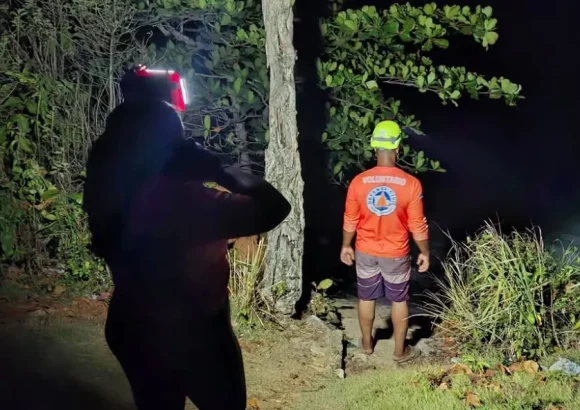
    A devastating tragedy has unfolded at Puerto Plata’s popular Costámbar Beach, where Civil Defense teams recovered the body of a 16-year-old boy Saturday morning, nearly 18 hours after the teen was reported missing in the beach’s waters. The young athlete, identified by family members as a rising baseball prospect with a bright future ahead, had been enjoying time in the coastal area alongside a group of friends and a supervised instructor Friday afternoon when the incident occurred. Witness accounts confirm that sudden, unexpected ocean currents pulled the teenager under, leaving him unable to resurface and unaccounted for as rescue operations launched hours earlier. Search crews began scouring the stretch of coastline near his last known location immediately after the disappearance was reported, working through the night to locate the missing teen. By approximately 6:30 a.m. Saturday, search teams successfully located his remains close to the spot where he was last spotted entering the water. Following recovery procedures, the body was officially transferred to the National Institute of Forensic Sciences (INACIF), where forensic experts will carry out required examinations and complete all necessary legal processing to finalize the incident report. Local community members have expressed shock and grief over the loss of the young athlete, who was widely regarded as having exceptional potential in baseball, a sport that holds deep cultural significance across the Dominican Republic.

  • Civil Defense searches for 16-year-old missing at Costambar beach, Puerto Plata

    Civil Defense searches for 16-year-old missing at Costambar beach, Puerto Plata

    A large-scale, multi-domain search mission is currently ongoing across land, sea and air after a 16-year-old aspiring baseball player was reported missing from Costambar Beach, located in the northern Dominican province of Puerto Plata. Local Civil Defense rescue units have mobilized all available resources to locate the missing teenager, who vanished while visiting the popular coastal stretch.

    Witness accounts from people present at the beach on the day of the disappearance confirm the minor was accompanied by a group of close friends and his baseball coach when he went missing. No further details about the exact circumstances of his disappearance have been released by authorities as the investigation remains active.

    To maximize the coverage and efficiency of the search, rescue coordinators have deployed a tiered operational strategy that combines cutting-edge technology with traditional ground and maritime work. Specialized surveillance drones are being flown to conduct continuous aerial scans of the shoreline and adjacent waters, spotting hard-to-reach areas that ground teams cannot access easily. These aerial efforts are tightly coordinated with dedicated maritime patrols that comb the offshore waters, as well as foot patrols that systematically search every inch of the coastal strip and nearby inland areas close to the beach.

    Local public safety officials have issued a formal statement confirming that the search operation will continue around the clock without interruption, until the missing 16-year-old is located. No stone will be left unturned, authorities emphasized, as rescue teams remain committed to bringing the teenager home.

  • ‘Sleeping Women’ network seduced, drugged and robbed victims

    ‘Sleeping Women’ network seduced, drugged and robbed victims

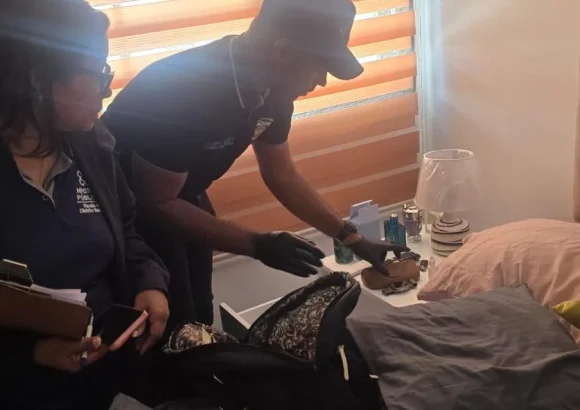
    In a targeted law enforcement operation in the Dominican Republic, investigative agents have dismantled a coordinated criminal ring known colloquially as “The Sleepers”, taking three Colombian citizens into custody for their alleged roles in a series of targeted drug-facilitated robberies. The arrests were carried out by agents from the Central Directorate of Investigation (DICRIM), which operates under the Department of Investigation of Crimes and Offenses Against Property, following the execution of a court-authorized search warrant at an apartment located in the Arrecifes del Sol residential complex in Santo Domingo East.

    The three detainees have been publicly identified as Natali Valeria Castillo González, Laura Valentina Villegas Villafaña, and Diego Armando González. According to lead investigators, the criminal network operated using a consistent, predatory modus operandi: female members of the group first contacted and seduced unsuspecting male victims, before slipping an unrecognized chemical sedative into the victims’ drinks. Once the substance took effect and left victims incapacitated, the group stole cash, high-value personal goods, payment cards, mobile devices and other sensitive personal property from their targets.

    The search operation yielded a substantial haul of recovered stolen property and evidence tied to the ring’s criminal activity. Investigators retrieved multiple electronic devices including smartphones, laptops, tablets and smartwatches, alongside gold jewelry and branded luxury items that had been reported stolen by previous complainants. In addition to the recovered goods, agents seized 197,000 Dominican pesos, as well as undeclared funds in Canadian dollars and Colombian pesos. A chemical substance suspected to be the sedative used in the robberies was also seized, and will undergo forensic testing at a laboratory run by the Scientific Police to confirm its exact composition and link it to the criminal acts under investigation.

    During a search of the third detainee, Diego Armando González, officers also found an identity document that showed clear indicators of forgery, adding an additional criminal charge to the ongoing case. The investigation is being conducted in close coordination with the Dominican Public Prosecutor’s Office, and remains open as authorities work to identify any additional victims who have not yet come forward, as well as uncover any other co-conspirators who may be part of the broader criminal structure. All three detainees and all seized evidence are currently in the custody of the Public Prosecutor’s Office, to be processed through the Dominican legal system in line with standard procedure.

  • Vakbonden MAS, Staatsolie en Luchthavenbeheer veroordelen inmenging en geweld tegen OWOS

    Vakbonden MAS, Staatsolie en Luchthavenbeheer veroordelen inmenging en geweld tegen OWOS

    On September 11, four major trade union organizations in Suriname — the unions of MAS, Staatsolie, Airport Management, and the Forest Management and Supervision Foundation — issued a joint statement affirming their unwavering, unconditional solidarity with the Ogem Workers Organization Suriname (OWOS), as the independent labor movement faces escalating, severe threats to its autonomy.

    Concerns over external interference in OWOS’s internal affairs first emerged ahead of the organization’s recent leadership elections, with multiple sources pointing to unauthorized meddling by the management board of EBS into the union’s internal processes. In their joint statement, the four supporting unions emphasized that employers have no legitimate place in the governing structure of an independent trade union, mirroring the long-standing principle that unions do not interfere in corporate management decision-making. The groups stressed this reciprocal non-interference must be respected by both sides.

    “An independent trade union must be fully free to select its own leadership and advocate for its members’ interests, free from external pressure or improper preferential treatment,” the statement read. The supporting unions also issued a direct warning to workers who have accepted favorable treatment from EBS amid the interference: if OWOS loses its independence, those workers will ultimately pay a heavy price for the concessions they have accepted in the short term.

    Tensions in the conflict escalated dramatically last week when the OWOS union headquarters was targeted in a shooting attack that left one person injured. Authorities have not yet confirmed whether the attack is directly linked to the ongoing leadership election dispute and external interference, but the four supporting unions made clear that all forms of violence and intimidation against labor organizers are completely unacceptable, no matter the context.

    In a forceful rebuke of the escalating threats, the joint statement declared: “Abuse of power, intimidation, threats, and violence must never be used to influence the free choice of workers or undermine the independence of their union.” The unions called on all involved parties to take immediate steps to prevent further escalation, and to allow the rule of law to proceed unimpeded, with a particular focus on tracking down the perpetrators of the shooting attack and holding them fully accountable for their actions.

    Addressing the leadership and members of OWOS directly, the supporting unions offered words of encouragement and resolve: “Do not back down in the face of intimidation. Do not let fear decide who leads your union. We will not respond to violence with violence, but with unwavering resolve and the democratic tools available to us.”

    The statement closed with a stark warning for the entire nation of Suriname: if intimidation succeeds in silencing the independent labor movement, the entire country will face severe consequences. The unified message from the four major unions was clear and uncompromising: Hands off the independent trade union movement!

  • New push to put youth at heart of community change

    New push to put youth at heart of community change

    The Caribbean island nation of Saint Lucia is currently in active discussions to forge a new collaborative partnership between the government and the grassroots Ubuntu Movement, an initiative designed to unlock meaningful developmental opportunities for young Saint Lucians by placing them at the center of community-led projects, voluntary action and local peacebuilding work. At the heart of these negotiations is the movement’s signature Ambassadors of Justice and Peace Programme, a structured initiative that equips participating youth with targeted professional training, one-on-one mentorship, and formal platforms to lead community-focused volunteer projects, empowering them to emerge as transformative agents of positive change in their local neighborhoods.

    Leana Wallice, manager of the island’s Boys Training Centre, emphasized that the programme addresses a critical gap in Saint Lucia’s youth development ecosystem by fostering a culture of volunteerism among young people, while also giving them tangible avenues to contribute to the betterment of their communities. Wallice noted that widespread public misunderstanding of the value of voluntary service remains a persistent barrier to collective community progress across the country. She explained that embedding the Ambassadors of Justice and Peace within a formal, structured framework creates mutually beneficial outcomes: it delivers personal and professional growth for the young participants themselves, while also delivering tangible benefits to the community members that their projects serve. Beyond individual impact, Wallice argued that this collaborative initiative has the potential to help Saint Lucia make meaningful progress on a wide range of pressing social challenges the nation currently confronts.

    Beyond core programme design, ongoing talks have also centered on how the Ubuntu Movement’s initiative can complement, rather than duplicate, existing youth-focused projects run by the government and local community groups. The partnership is positioned to expand access to structured youth development opportunities across the island, reaching more young people in underserved areas that existing initiatives have not fully served. Emma Hippolyte, Saint Lucia’s Minister for Equity, Social Justice, Gender and Older Persons, framed the proposed partnership as part of a broader government strategy to strengthen ties with grassroots organizations already doing impactful work in local communities. Hippolyte pointed out that dozens of non-governmental organizations across the island already run similar youth and community development programs, and formal government partnership can strengthen their existing work, amplify their reach, and ensure that more community members see tangible improvements in their daily lives.

    Rooted in the traditional Southern African philosophical principle of “I am because we are,” the Ubuntu Movement centers its work on the values of collective responsibility and shared community well-being. The organization has already established a track record of impactful work across Saint Lucia, having previously supported community-led violence intervention programs in three major population centers: Castries, Vieux Fort and Soufriere. Those previous initiatives were co-led by the movement’s Deputy President, Honourable Priest Kailash. If finalized, the proposed government partnership will scale up the movement’s work to advance three core priorities: empowering young Saint Lucians to take leadership roles, growing a culture of active volunteerism across the country, and embedding peacebuilding work at the local level. The ultimate goal of the collaboration is to support the development of safer, more socially connected and more resilient communities across all of Saint Lucia.

  • Social : 30,500 kits already distributed by FAES to the most vulnerable families.

    Social : 30,500 kits already distributed by FAES to the most vulnerable families.

    As the 2026 academic year kicks off across Haiti, thousands of low-income households continue to grapple with the rising financial burden of purchasing school supplies for their children. To address this persistent annual challenge, Haiti’s Economic and Social Assistance Fund (FAES) has launched a nationwide distribution initiative, and has already delivered 30,500 supply kits to students in need across four of the country’s departments. The ongoing operation expanded to two new regions on Tuesday, September 8, 2026, marking another key milestone in the program’s rollout. Early that morning, FAES teams transferred 6,500 pre-assembled school kits to the Departmental Emergency Operations Center (COUD) based in Fort-Liberté, which serves Haiti’s Northeast department. Just hours later, a second shipment of 7,500 kits was delivered to the COUD facility in Vaudreuil, located in the country’s northern department of Cap-Haitien. These latest deliveries push the total number of kits distributed across the country since the initiative launched on September 6 to 30,500. All collected supplies will be passed from regional COUD offices to local public high schools and national public primary schools, which will handle final redistribution directly to targeted students and their families. FAES designed the program with two core goals in mind: first, to guarantee that every participating child starts the school year with the basic materials they need to participate in class, and second, to cut down on the crippling back-to-school expenses that push many vulnerable households further into financial instability. The initiative covers five of Haiti’s most underserved departments: Artibonite, Northwest, Northeast, North, and Centre, with plans to expand to the Greater South region once initial rollouts are complete. The distribution campaign first launched in Artibonite on Sunday, September 6, where FAES handed over 10,000 kits to local education representatives shortly after the launch event. The following days brought a 6,500-kit shipment to the Departmental Directorate of Education (DDE) for the Northwest department, before the operation moved to the Northeast and North regions this week. As of mid-September, the mission remains ongoing. After wrapping up distribution logistics in the four already reached departments, FAES deployment teams will shift their focus to the Centre department, before moving onward to serve communities in the Greater South region in the coming weeks. For low-resource families that struggle to cover basic monthly expenses, each full school kit represents far more than a collection of notebooks and writing utensils: it is critical, timely relief that eliminates one major line item from their back-to-school budget, at a time when education-related costs are rising steadily across Haiti. For students, the kits also address a key barrier to equal access to education: many low-income children have previously been forced to start the school year without basic supplies, putting them at an immediate disadvantage compared to their peers from higher-income households. For Haiti’s most vulnerable communities, the back-to-school season is never just a routine transition. It is an annual financial shock that many households working with limited incomes struggle to absorb. By directly targeting this unmet need with targeted on-the-ground assistance, FAES’s initiative aims to remove one critical barrier to education access, making the start of the new school year a little more equitable and accessible for the children and families that need support the most.