分类: society

  • Coasts on brink of more blackouts

    Coasts on brink of more blackouts

    On Monday, September 14, 2026, Guyana’s President Irfaan Ali issued a stark public warning about an impending crisis in the country’s power sector, confirming that state-owned utility Guyana Power and Light (GPL) has alerted authorities and residents that communities across the Demerara, Berbice and Essequibo coasts face a heightened risk of prolonged, unplanned blackouts due to a total lack of spinning reserve capacity in the national grid.

    Speaking at a press briefing, President Ali declined to outline specific emergency intervention measures, including speculation that the government would rent a third power ship to prevent widespread outages in the event that overworked, maintenance-overdue generators are forced offline for urgent repairs. When pressed for details on the government’s response plan, he only stated that officials would adopt a comprehensive, context-driven approach to address the unfolding emergency.

    The President singled out the Essequibo Coast as the region facing the most acute risk, explaining that peak electricity demand in the area already matches the maximum available generation capacity, leaving no unused capacity to serve as a spinning reserve. All currently operational generators are running at full capacity, he added, meaning there is no flexibility to take any unit offline for scheduled overhauls or repairs. If any generator suffers an unexpected failure, the entire regional power system will collapse entirely. Ali emphasized his commitment to full transparency with the Guyanese public, calling the situation a critical national priority.

    New data released by GPL underscores the rapid growth in demand that has driven the current crisis. By early September 2026, peak electricity demand in Anna Regina alone had surged 109% from 5.75 megawatts (MW) to 12 MW, outpacing projections for capacity expansion. Across all affected coastal regions, GPL reports total installed firm generation capacity of 17 MW, but only 14.7 MW is currently available to serve customers, leaving the grid with no buffer to absorb unexpected disruptions.

    President Ali made clear that the shortage of spinning reserve is not isolated to Essequibo, but affects all coastal power networks across the country. “The challenge is in all of the areas. There is no spinning reserve, absolutely no spinning reserve,” he stated, adding that a large share of the country’s operational generators have either already passed their scheduled overhaul deadlines or are quickly approaching required maintenance windows. This combination of zero buffer capacity and aging, overworked equipment has created what experts describe as a high-risk scenario for cascading power outages that could disrupt daily life, business operations and essential public services across Guyana’s most populated coastal regions.

  • 15-jarige tiener overleden na plotseling bewusteloos te zijn geraakt

    15-jarige tiener overleden na plotseling bewusteloos te zijn geraakt

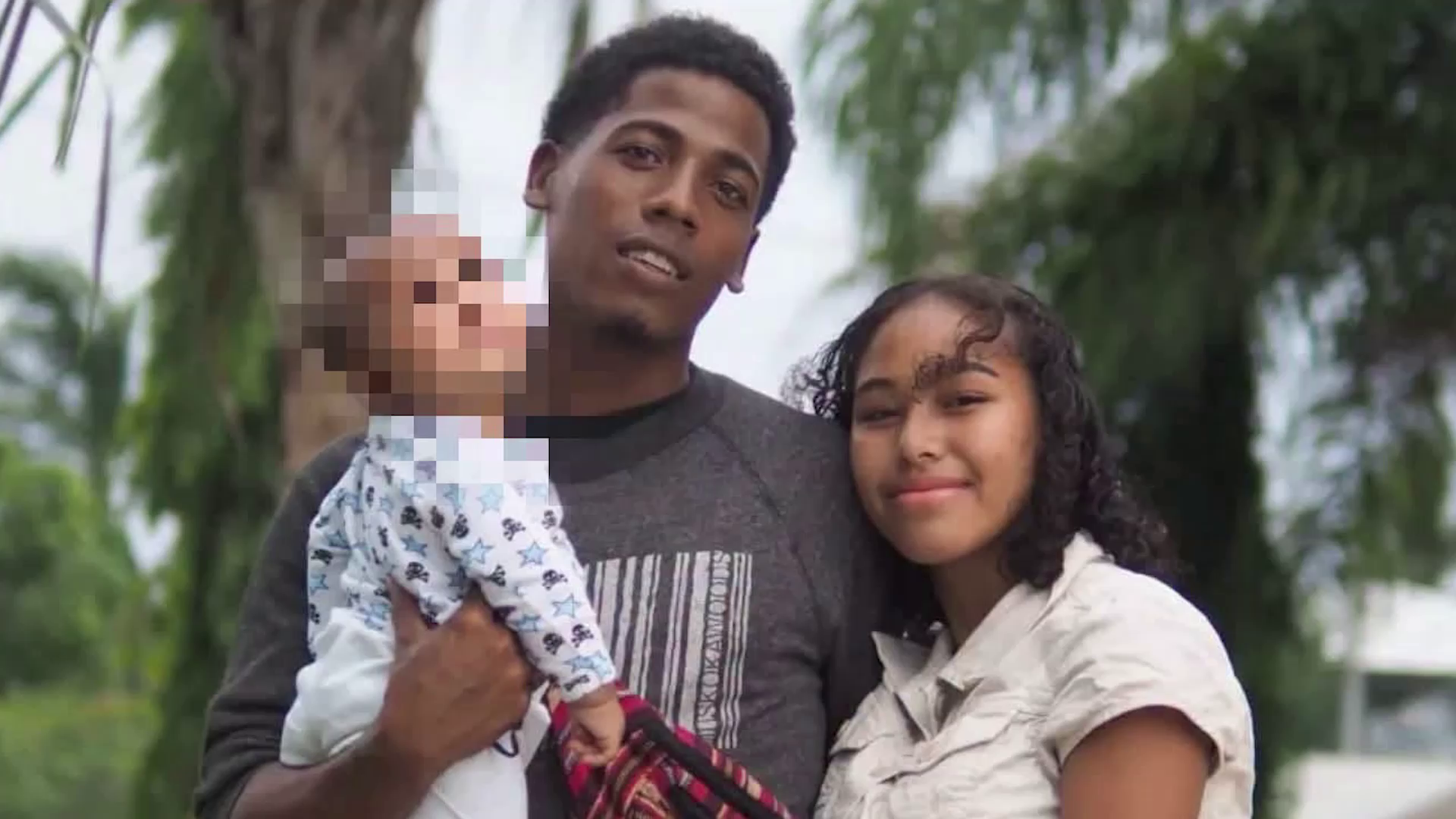
    A sudden and unexplained death of a 15-year-old teenage girl has prompted an ongoing criminal investigation by Dutch law enforcement agencies, after the teen was found unresponsive at a residential address in the Netherlands on Sunday, September 13.

    Local police from the Munder precinct were dispatched to the property on Recifestraat following an emergency report, where officers discovered the teenager, identified only as A.P., already lifeless. A attending medical professional formally pronounced her death at the scene, and preliminary records indicate A.P. is believed to be of Cuban descent. Per an order from the Dutch Public Prosecution Service, the teen’s body has been taken into custody for full forensic autopsy to pinpoint the exact cause of death.

    Initial investigative findings from police show that A.P. was at the property with her boyfriend, S.L., also 15 years old. According to S.L.’s official statement to investigators, the pair had agreed to have sexual intercourse for the first time during their meeting. Minutes after the intimate activity began, A.P. suddenly reported severe shortness of breath. In an attempt to ease her symptoms, S.L. moved her to an air-conditioned room on the property. However, the teen quickly lost consciousness and died before emergency services could be contacted.

    As of the latest update, authorities have not confirmed a definitive cause of death, nor have they established a direct causal link between A.P.’s death and the intimate encounter that preceded it. Forensic testing and additional investigative work are required to reach a conclusive finding, which is why the Public Prosecution Service ordered the seizure of the body for further examination. S.L. has been brought to a local police station for additional questioning as part of the ongoing investigation, and law enforcement officials confirm they are continuing to probe all circumstances surrounding the teen’s sudden passing.

  • Mystery in Santa Elena: Couple Found Dead

    Mystery in Santa Elena: Couple Found Dead

    In the tight-knit community of Santa Elena, Cayo District, a grim discovery has left two grieving families begging for answers and local residents reeling from shock. The bodies of 31-year-old Michael Williams and 21-year-old Delisha Estrada were found inside the rented home they shared near Hillview Park, launching an active police investigation that has so far failed to pinpoint a cause of death or confirm if foul play was involved.

    As of September 14, 2026, forensic specialists were still conducting on-site examinations to collect critical evidence, with authorities noting the bodies had reached an advanced state of decomposition. This key detail has complicated efforts to determine how long the couple had been deceased before their bodies were discovered, leaving even basic case questions unanswered.

    According to local accounts, the couple had only put down roots in the Santa Elena home four months prior, and were in the early stages of building a small produce business to support their young child. Just a month before their deaths, they visited the San Ignacio and Santa Elena Town Hall to meet with Mayor Earl Trapp to request support for a trade license that would formalize their street-side fruit and vegetable vending operation, which had only been running for one week before the incident.

    Mayor Trapp, who interacted with the pair multiple times in their final week, described the young couple as driven, intelligent and full of hope for their future. “I met them just last week in my office, and again after the Santa Elena parade on Thursday,” Trapp shared in an on-camera interview. “They were two enthusiastic, ambitious people working to build a better life for their family. This has been absolutely shocking for me and for everyone who knew them.”

    For Delisha Estrada’s family, the uncertainty surrounding her death has only deepened their pain. Locett Vanega, Estrada’s mother, vehemently rejected early unconfirmed rumors that her daughter died by suicide, noting she had recently returned to high school to continue her education and doted deeply on her infant son. “My daughter would never kill herself and leave her little boy,” Vanega said. “She loved that child more than anything. I just want to know what happened so I can lay my daughter to rest.”

    Local police have not yet released any updates on potential suspects or a timeline for closing the investigation. The Cayo community, which has already faced multiple recent violent deaths, is once again in mourning as residents wait alongside the families for clarity on this tragic, unexplained loss.

    This report is adapted from a televised evening newscast originally published online, with all direct quotes preserved in their original context as transcribed from the original broadcast.

  • “Bones” Gunned Down Outside His Orange Walk Home

    “Bones” Gunned Down Outside His Orange Walk Home

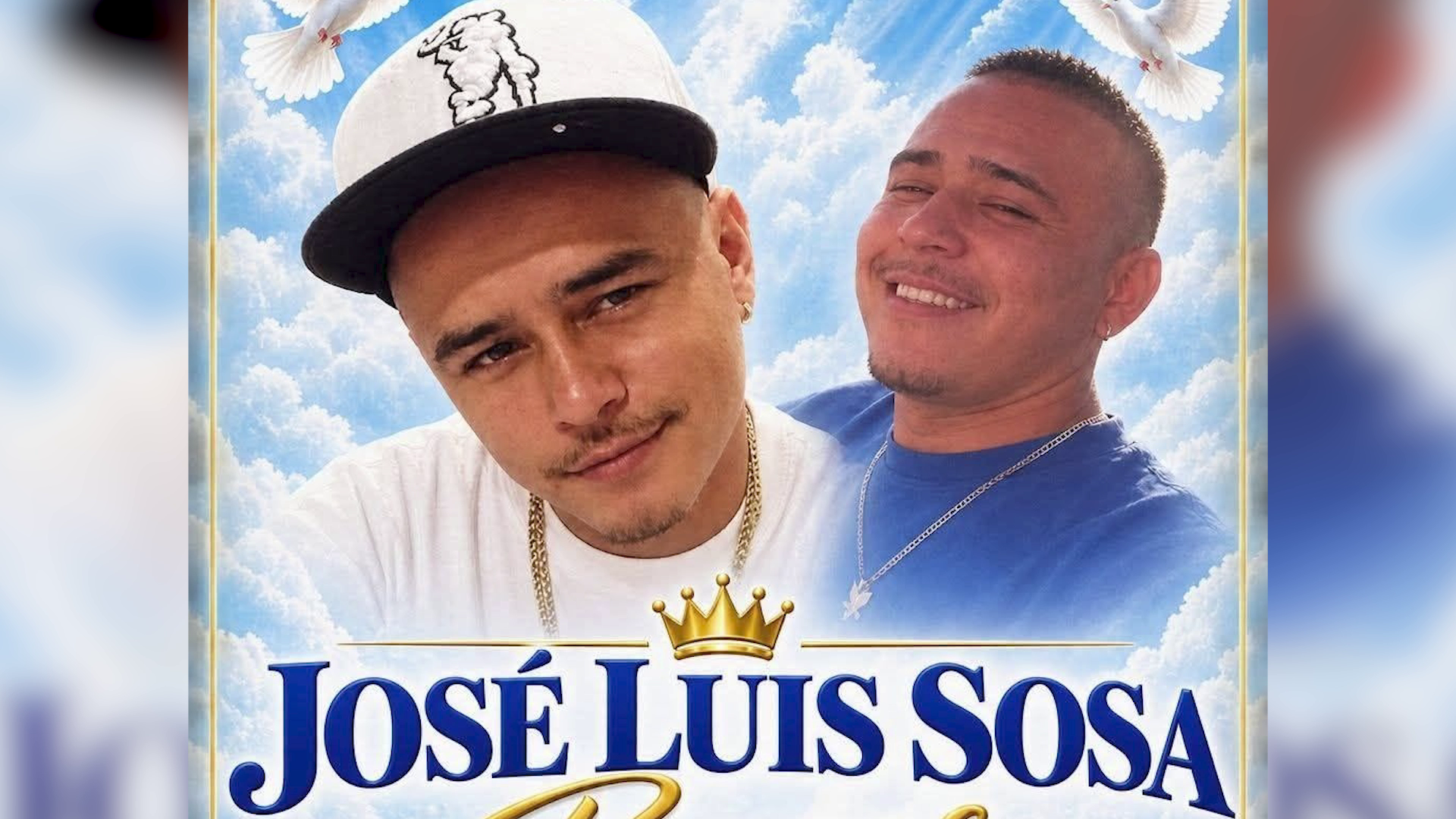
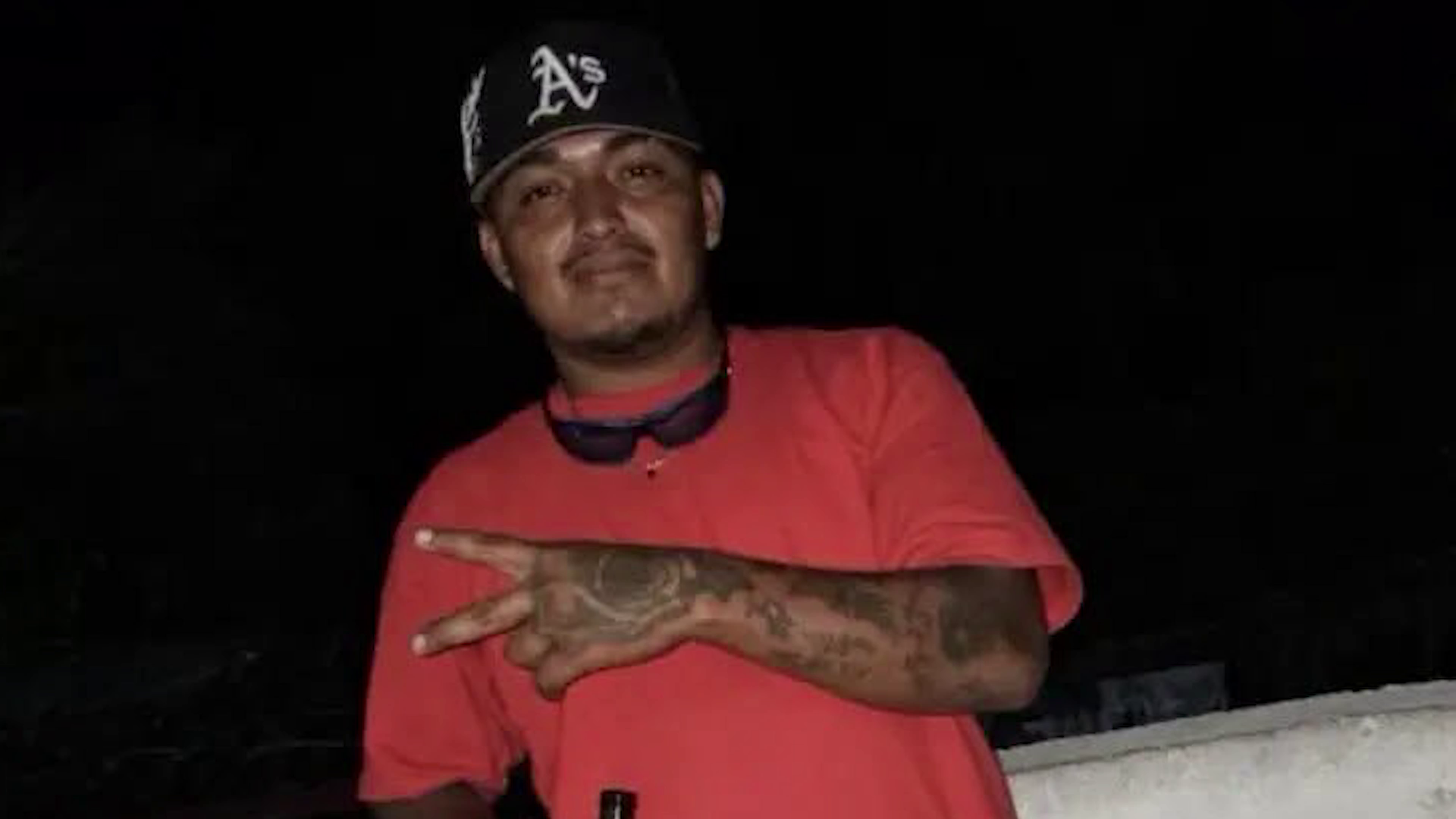
    A pre-dawn ambush has left a 40-year-old Orange Walk resident dead, sending shockwaves through the tight-knit community of Baeza Alley and leaving his grieving family calling for urgent action from law enforcement. Jose Sosa Sr., widely known by his nickname “Bones,” was killed in the attack in the early hours of Sunday, September 13, 2026, when an unidentified motorcyclist pulled up to his home and opened fire.

    According to official details from Belize’s National Crime Investigation Branch, Sosa was relaxing in a hammock on the second-floor veranda of his home, waiting for his son who lived next door to return, when the attacker struck. The gunman, who hid his face behind a black helmet, fired multiple rounds at Sosa before fleeing the scene on his motorcycle. Neighbors who heard the gunshots rushed to the scene immediately, called police and arranged emergency transport for Sosa to the Northern Regional Hospital. Despite the quick response, Sosa succumbed to his gunshot wounds not long after arrival.

    ACP Hilberto Romero, head of the National Crime Investigation Branch, told reporters that investigators are working under the working theory that the killing is connected to drug activity. Law enforcement had prior encounters with Sosa dating back more than a decade, including a violent 2015 incident where he was shot in the foot after allegedly attacking multiple people with lumber and steel pieces. But Sosa’s family pushes back against attempts to frame the killing as a justified outcome of his past, saying he had turned his life around in recent years.

    In an interview with local outlet News Five, Sosa’s son spoke publicly about his father’s transformation, confirming that he had made mistakes earlier in life but had changed his ways. “He wasn’t going out much anymore, he minded his own business, he took care of himself and helped everyone in the community,” his son said, speaking in local Kriol. “He wasn’t perfect, but he was trying his best.”

    Relatives remember Sosa as a hardworking, generous father who provided for his family and was always willing to lend a hand to neighbors in need. Described as a warm, playful person who loved to dance and joke with those around him, Sosa never shared any information about potential threats with his family, leaving them completely blindsided by the attack.

    As of Monday, no arrests have been made in connection with the killing. Police confirmed they are currently following multiple lines of inquiry and have identified several persons of interest as they work to track down the responsible party and bring closure to the Sosa family. The family says they will not rest until justice is served for their loved one, and are calling on anyone with information about the attack to come forward to law enforcement.

  • Police Hunt Two Persons of Interest in Jaheim Sanchez’s Murder

    Police Hunt Two Persons of Interest in Jaheim Sanchez’s Murder

    A simmering, long-standing feud between two rival factions in Belize City’s T Street neighborhood has ended in the death of 21-year-old Jaheim Sanchez, and law enforcement officials are now actively searching for two persons of interest connected to the fatal September 9 shooting.

    According to top law enforcement leadership from Belize’s National Crime Investigation Branch, responding officers were dispatched to the T Street area shortly after the gunfire broke out. When they arrived at the scene, they learned that the wounded victim had already been transported to the country’s main public hospital, Karl Heusner Memorial Hospital (KHMH).

    Upon arriving at the medical facility, investigators confirmed that Sanchez had sustained multiple gunshot wounds and was pronounced dead by attending medical staff. Preliminary accounts from witnesses and initial inquiries paint a clear picture of the attack: Sanchez was seated on a vehicle alongside another man when an unidentified gunman approached and opened fire repeatedly in their direction. While Sanchez received fatal injuries, the second man only suffered a graze wound, was treated at the hospital, and released shortly after.

    ACP Hilberto Romero, head of the National Crime Investigation Branch, confirmed to reporters that the killing is directly tied to the ongoing, long-running rivalry between two local groups in the T Street area, marking the latest violent escalation of the conflict. When asked explicitly if the murder was gang-related, Romero confirmed the attack stemmed from the longstanding territorial and personal feud between the two factions.

    Investigations remain active and ongoing, with law enforcement prioritizing identifying all individuals involved in the planning and execution of the attack, as well as uncovering the specific trigger that led to the September 9 shooting. This report is based on a transcribed broadcast from local Belizean news outlets.

  • T Street Family Loses Everything in Devastating Fire

    T Street Family Loses Everything in Devastating Fire

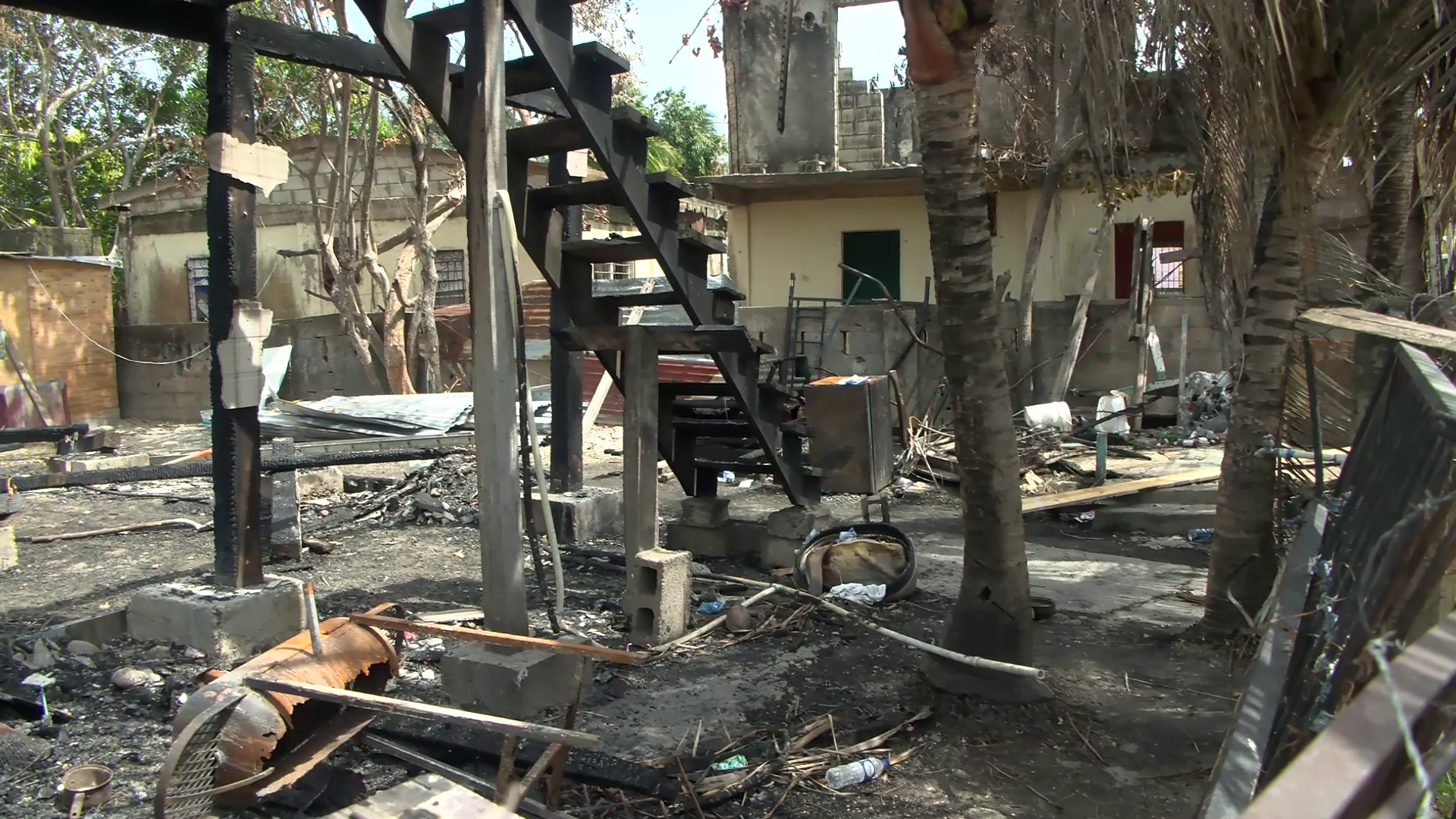
    A T Street, Belize District family has been left with nothing but the clothes on their backs after a devastating late-night fire broke out on Thursday, September 10, 2026, just moments after reports of gunfire in the area. The destructive blaze ignited shortly before 10 p.m., rapidly engulfing the entire property and destroying nearly all of the household’s personal belongings and possessions.

    As official investigators continue their work to pinpoint the exact origin and cause of the fire, one family member has raised suspicions that the blaze may have been intentionally set. This marks the second tragedy to strike the T Street community in recent days, compounding the shock and hardship for the affected family.

    In an on-phone interview with local reporters, Ashlyn Diaz, a member of the affected family, shared her harrowing first-hand account of the escape. Diaz explained that she had been preparing to move out of the property into a new apartment when a strange instinct told her to leave the bedroom immediately. Just two minutes after she stepped outside to check the rear of the home, she turned around to find the entire structure already engulfed in roaring flames.

    Diaz escaped with only minor injuries, suffering a small burn to her hand when she helped her sister retrieve items from the upper level of the burning home as burning plastic debris fell around them. She carried nothing out with her except her mobile phone, which she had been holding when she left the bedroom. By the time she realized the scale of the fire, it had already spread too rapidly to allow for any additional belongings to be saved. Diaz confirmed that every single one of her personal possessions was destroyed in the blaze, and investigators noted the fire appears to have started along an exterior wall of the home.

    Now left homeless and without access to basic daily necessities, the family is reaching out to the general public for urgent assistance. They are currently in critical need of clothing, toiletries, and other essential items to rebuild their lives after the disaster. Community members who wish to donate supplies or offer support can contact the family directly at the phone number 634-5037.

    This report is adapted from a transcript of a televised local evening newscast, with Kriol language quotes preserved in standard spelling for accuracy.

  • Justice Delivered, but Did Authorities Fail Nestor Vasquez?

    Justice Delivered, but Did Authorities Fail Nestor Vasquez?

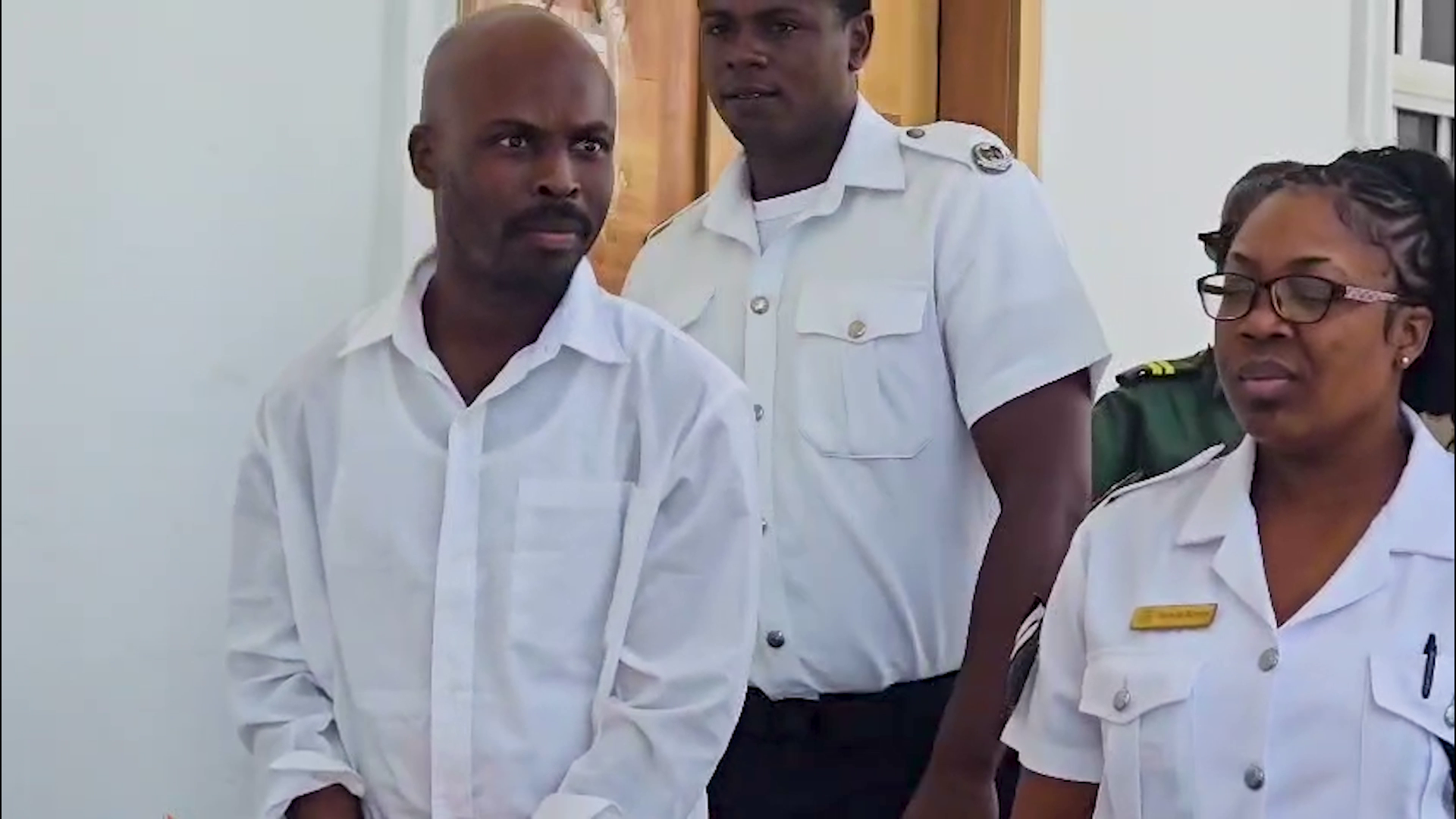
    In a Belizean court ruling that closes one chapter of a tragic 2019 case but leaves critical systemic questions unanswered, Collin Francis has been handed a 16-year prison sentence for the manslaughter of Nestor Vasquez, alongside a concurrent 10-year sentence for the attempted murder of nurse Augustina Elijio. With time already served since Francis’ arrest in June 2019 factored into his sentence, approximately nine years remain on his combined term.

    The case has reignited long-simmering debates over how public safety and mental health care intersect in the country’s criminal justice system. Court documents confirm that Francis was living with severe, untreated mental illness at the time of the attacks, and he has since received an official diagnosis of schizophrenia. Testimony during the trial revealed that Francis had been off his psychiatric medication for an extended period leading up to the June 2019 violence, and that marijuana use – which the presiding judge identified as a trigger for his psychotic episodes – was also a contributing factor.

    What has hit hardest for the Vasquez family is the ongoing failure of authorities to explain why Nestor Vasquez, a detainee, was placed in the same police holding cell as Francis, a man who had already documented a pattern of violent behavior. Jules Vasquez, brother of the slain victim, says the conviction delivers a measure of legal justice but does not undo the systemic lapse that cost his brother his life.

    In an interview following the sentencing, Jules Vasquez emphasized that the gaps in care for severely mentally ill violent offenders put entire communities at risk. “Mr. Francis tried to kill two people in June of 2019. He killed one but I do not want another family to have to go through that,” he stated. Vasquez argued that neither the family of Francis nor the national system has the capacity to provide consistent, appropriate care for someone with Francis’ condition. A social inquiry report submitted to the court confirmed that Francis’ elderly parents lacked the resources and ability to manage his care, even before the attacks. While Francis has reportedly remained stable in prison while accessing his medication and being barred from marijuana, Vasquez says he remains unconvinced that any community-based system can ensure he consistently adheres to his treatment plan.
    “When he’s off his meds and experiencing hallucinations, he is capable of killing,” Vasquez noted. “I do not believe that we have the healthcare infrastructure to properly manage someone with these needs.”

    Justice Pilgrim, who presided over the case, echoed these concerns in his remarks from the bench. He publicly criticized the national prison system for failing to comply with court-ordered psychiatric assessments for offenders, and called on the government of Belize to invest in dedicated, proper care facilities for mentally ill people involved in the criminal justice system.

    This report is a transcript of a televised evening news broadcast, with all Kriol language statements transcribed using a standardized spelling system.

  • Violence Goes Viral, but Who Is Paying the Price?

    Violence Goes Viral, but Who Is Paying the Price?

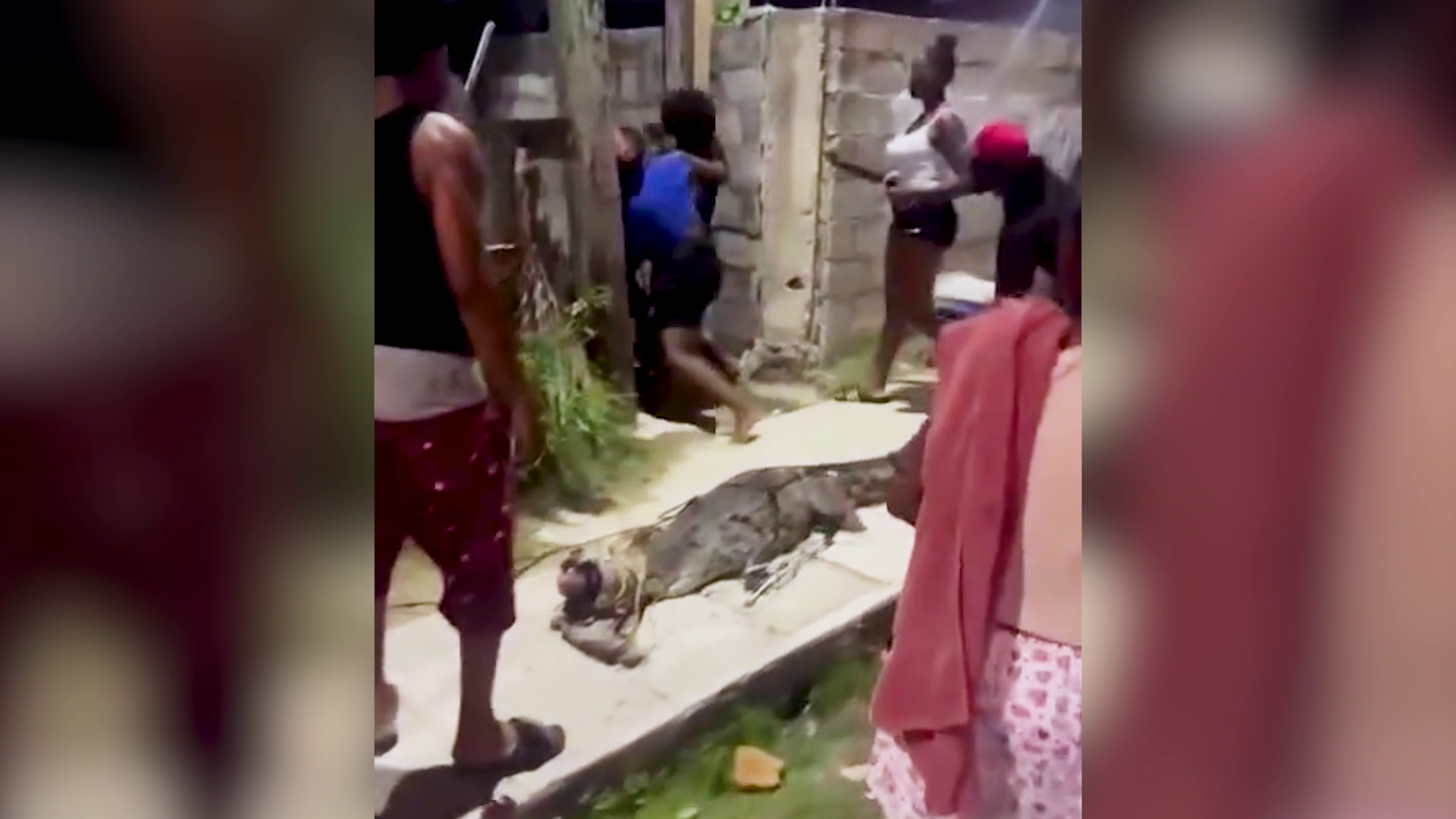
    In an era where every public altercation can become overnight social media content, a 2026 investigation out of Belize is unpacking a growing cultural crisis: as violent street brawls are packaged and consumed as cheap entertainment, society is slowly losing its ability to recognize aggression as a harmful, unacceptable outcome rather than viral clickbait.

    What starts as a few seconds of scuffling between two people can spiral into days of online circulation, with thousands of views, shares, and laughing emojis fueling its reach. Instead of intervening to de-escalate conflict or contacting emergency services, bystanders now more often reach for their smartphones, prioritizing content creation over public safety. This trend has experts sounding the alarm that widespread consumption of violent viral content is desensitizing audiences to real harm, eroding core empathy and normalizing aggression as a go-to response to frustration.

    Local mental health counselor Aimee Jex told News Five reporter Paul Lopez that the roots of this normalization stretch back to childhood socialization in many Belizean communities. “When we look at violence in our community, it starts at home. That child needs lashing. When that child grows up that is how they will discipline,” Jex explained. “So from a very young age, we are normalizing that hitting is normal. Shouting at someone is normal.”

    This early conditioning creates a cycle where conflict becomes automatic: instead of processing complex emotions like hurt or disappointment when wronged, people default to anger and aggression. Jex noted that many people now react to even minor inconveniences — a stranger bumping them on the street, an offhand comment — with verbal abuse or physical force before they even stop to name what they are feeling. “It is always looking for retribution, and we are not actually figuring out what we are feeling,” she said.

    The harm of this trend extends far beyond the people directly involved in a fight. Innocent bystanders often suffer unintended injuries, public spaces are thrown into chaos, and already strained local law enforcement resources are diverted to investigate incidents that could have been de-escalated before turning violent. Assistant Commissioner of Police Hilberto Romero, head of Belize’s National Crime Investigation Branch, confirmed that authorities do investigate publicized violent incidents, including a high-profile brawl that went viral over a recent weekend. “Once those are brought to our attention, we see them on Facebook, we carry out an investigation,” Romero said. “Once the persons are identified, we bring them into custody and they will be charged.” The Cyber Crime Unit is currently handling the investigation into that specific viral incident.

    Compounding the issue is the way social media audiences frame this violence as a form of leisure. Jex pointed out that most viewers consume viral fight clips purely as entertainment, rarely stopping to consider the broader context of the conflict — including whether it is rooted in longstanding community harm or domestic abuse. Jex, who opts out of receiving or viewing these clips personally, emphasized that the cycle of normalization only continues as long as audiences engage with the content for amusement.

    Mental health experts say breaking this dangerous cycle requires two key shifts: first, teaching people to identify and process their emotions before they escalate into aggressive responses, and second, a collective refusal to treat real-world violence as social media entertainment. As viral violent content continues to spread across platforms, the question remains: how long will society continue to let the demand for clicks erode community safety and collective empathy? Reporting for News Five, Paul Lopez contributed to this report.

  • They Stopped to Help, but Never Made It Home

    They Stopped to Help, but Never Made It Home

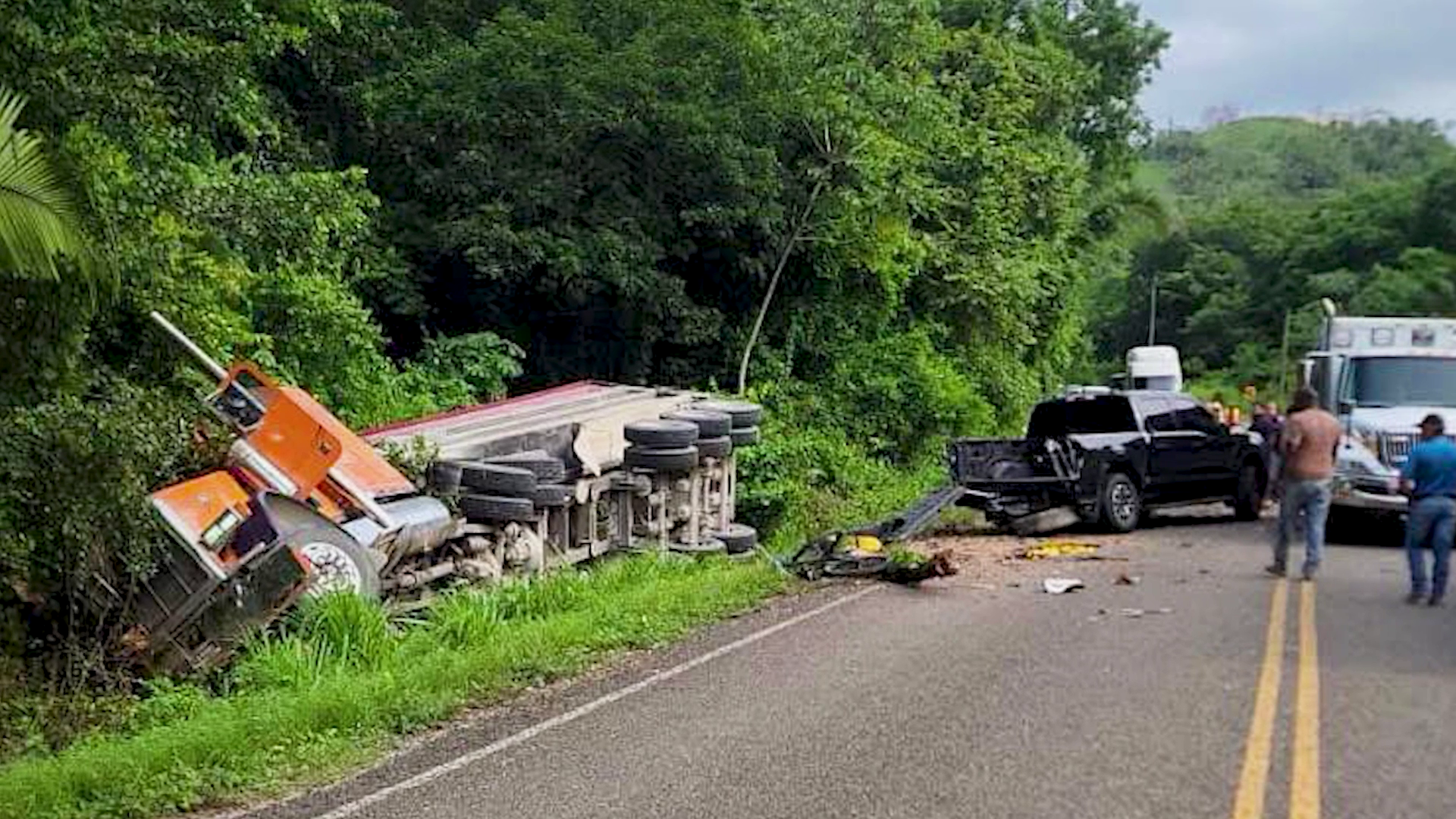
    In the wake of a severe storm that swept across Belize’s Cayo District this week, an act of public-spirited kindness has ended in devastating loss of life, leaving the small community reeling from an unthinkable tragedy. On Wednesday, as storm damage left roadways blocked and hazardous for passing drivers, Jaheed Lopez and Ervin Gutierrez pulled over to the side of the Hummingbird Highway between mile markers 51 and 52 to remove a fallen tree from the pavement, working to make the route safer for every motorist that would follow behind them. What began as a selfless act ended in a deadly collision that has claimed both of their lives.

    Assistant Commissioner Hilberto Romero, head of Belize’s National Crime Investigation Branch, has detailed the sequence of events that led to the fatal crash in an official briefing on the incident. According to Romero, when law enforcement officers arrived at the accident site just after the collision, they found the involved truck overturned across the highway, with four additional parked vehicles heavily damaged in the impact. Initial investigation confirmed that the truck, operated by driver Melvin Chinchinilla, was traveling toward the city of Belmopan when it failed to stop in time to avoid the vehicles parked by Lopez and Gutierrez as they cleared debris. The truck crashed directly into the parked cars, flipping itself and trapping the two good Samaritans underneath.

    Initial reports after the crash noted that Lopez died immediately at the scene, while Gutierrez was rushed to medical care with critical injuries. In the days following the incident, authorities have confirmed that Gutierrez has also succumbed to the wounds he sustained in the collision. Romero confirmed that both men were officially pronounced dead at the site after first responders arrived.

    The official investigation into the crash is currently ongoing. Law enforcement teams have already collected multiple witness statements, taken on-site forensic measurements, and obtained required toxicology samples from the truck driver. All relevant permits and investigative notifications have been served as required by Belizean law. Once the investigation is fully completed, the full case file will be submitted to the Director of Public Prosecutions for final review and guidance on next steps, including any potential legal action against the driver.

    This report is a transcribed account of an evening television news broadcast, adapted for online publication. All statements from public officials have been preserved accurately for the record.

  • Deadly Collision Claims Motorcyclist’s Life in Orange Walk

    Deadly Collision Claims Motorcyclist’s Life in Orange Walk

    A routine commute along a residential Orange Walk District street has ended in fatal tragedy, after a van turning across a travel lane collided head-on with an oncoming motorcyclist who later succumbed to his injuries in hospital care.

    The September 14 crash occurred on Munoz Street, where 52-year-old Antonio Novelo, operating a white van, pulled into the path of Lorenzo Castro’s moving motorcycle, according to senior law enforcement officials overseeing the investigation. Castro, who police confirmed was operating an unlicensed, uninsured motorcycle, suffered catastrophic internal and blunt force trauma in the impact. He was rushed immediately to a local medical facility for emergency intervention, but medical teams were unable to save him, and he was pronounced dead shortly after arrival.

    Following an initial on-scene probe, investigators from Belize’s National Crime Investigation Branch served Novelo with an official Notice of Intended Prosecution, a standard pre-charge document that documents the preliminary findings of the crash investigation. Senior officials confirmed they have also collected a urine sample from the van driver to test for the presence of alcohol or controlled substances, a routine step in fatal traffic collision probes.

    “We are still working to map out every detail of what led to this crash, from road conditions to driver actions and any potential contributing factors,” stated Assistant Commissioner of Police Hilberto Romero, head of the National Crime Investigation Branch, in an on-record briefing following the incident. “Once our full investigation file is compiled, it will be sent to the Director of Public Prosecutions for final review and directives on what formal charges, if any, will be pursued.”

    When asked by reporters whether Castro was wearing a required safety helmet at the time of the crash, Romero confirmed that investigators have not yet confirmed that detail as of the latest update.

    This report is adapted from a transcript of an original evening television news broadcast, with unedited local Kriol language quotations adjusted to standard English spelling for clarity.