分类: society

  • Padvinders herdenken Baden-Powell met traditionele cook-out en installatieceremonie

    Padvinders herdenken Baden-Powell met traditionele cook-out en installatieceremonie

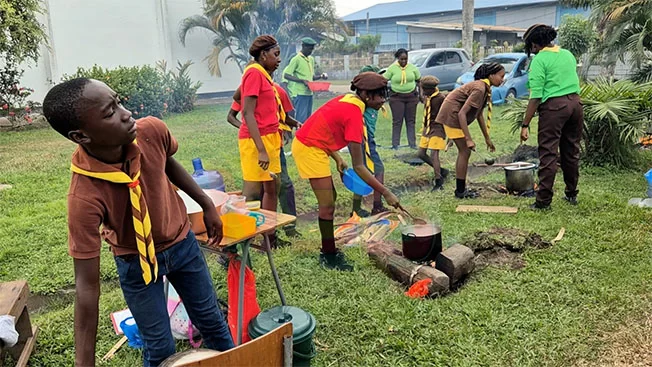
    The Pater Anton Donicie Scout Group in Suriname marked the 167th birthday of scouting founder Robert Baden-Powell with a weekend of traditional activities that tested both culinary skills and character development. The centerpiece event featured a cook-out where scouts prepared meals exclusively over wood fires, embracing the movement’s back-to-basics philosophy.

    The most anticipated culinary experiment involved baking chicken pastry in an underground oven—a pit dug into the earth and heated with charcoal. While Sheritsa consulted her mother by phone for cassava preparation advice, Jo-Sara diligently maintained the soup kettle’s wood fire. Other patrols struggled with fundamental tasks: chopping wood proved challenging, and onion preparation brought tears to many young scouts’ eyes.

    Saturday’s installation ceremony at Sunny Point saw formal induction of new cub scouts and explorers, with visibly proud parents participating in the tradition of presenting flowers and placing caps on their children. Bystanders from the neighborhood observed from a distance, seemingly intrigued but hesitant to approach the formal proceedings.

    Group leader Wilgo Koster emphasized the critical role of parental involvement in scouting, noting that ‘it contributes significantly to a child’s development.’ He acknowledged the movement’s ongoing challenges in recruitment despite teaching valuable life skills including self-reliance, cooperation, leadership, nature knowledge, thrift, courage, and perseverance.

    Koster identified discipline as scouting’s foundational pillar, connecting it to broader values: ‘Progress begins with discipline. We teach scouts not just survival skills, but also to avoid materialistic behavior—unfortunately, society seems increasingly focused on acquiring more possessions, which leads to certain problematic behaviors.’

    The Sunday cook-out tested scouts’ patience and ingenuity, requiring them to create fires using only matches and wood, cook soup, and then restore the site to its original condition. Despite initial struggles, the event culminated in impressive culinary achievements that surprised and satisfied casual tasters. The underground-baked chicken pastry received particular praise, though cleaning soot-blackened pots provided an unexpected final challenge that proved more difficult than the cooking itself.
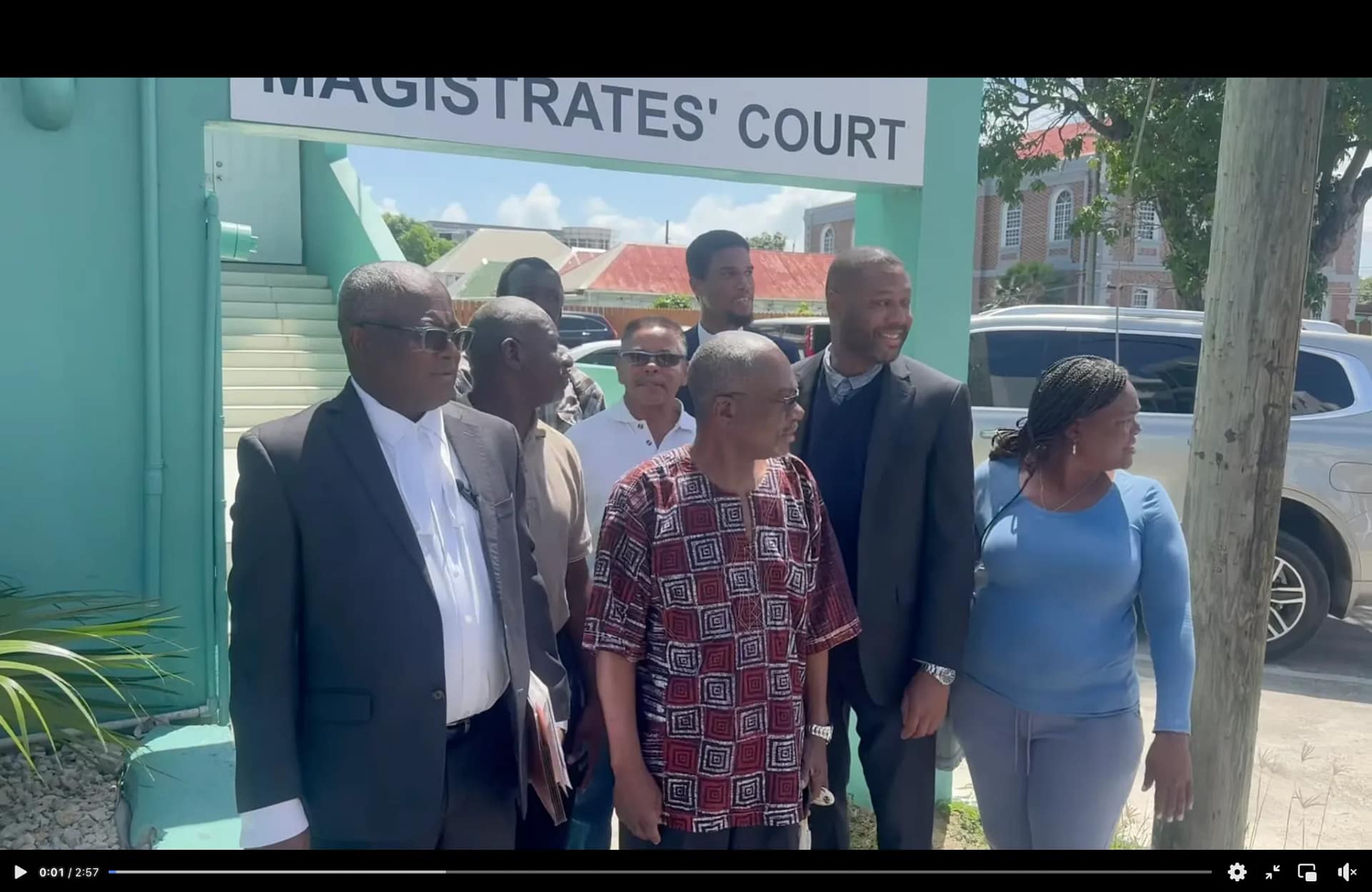

  • UPP Supporters Return to Court in Ongoing ‘Beaches Case’

    UPP Supporters Return to Court in Ongoing ‘Beaches Case’

    The protracted legal battle known as the ‘Beaches Case’ continues as defendants return to the Magistrate’s Court on Monday, February 23, at 9 a.m. These individuals face charges related to an alleged trespassing incident at Laurys Bay in the St. Philip North constituency that occurred on Whit Monday, June 9, 2025.

    According to prosecution claims, the group unlawfully accessed property connected to a private development project during the June incident. The case has evolved beyond a simple trespassing matter, transforming into a symbol of the ongoing tension between private development and public beach access rights.

    The proceedings have attracted significant political and public attention, with supporters of the accused characterizing them as patriots defending traditional public access to coastal areas. The case’s prominence was further highlighted when government officials addressed the matter during a Cabinet press briefing on June 11, 2025, confirming that development concerns had been elevated to executive-level discussions.

    Monday’s hearing represents the latest development in a series of court appearances for the defendants as the judicial process continues. The outcome of this session is anticipated to provide further direction for this closely watched case that sits at the intersection of property rights and public access advocacy.

  • Candlelight Vigil Planned for Former MP Eustace “Teco” Lake

    Candlelight Vigil Planned for Former MP Eustace “Teco” Lake

    The community will gather in a solemn tribute to commemorate the life and public service of the late Eustace ‘Teco’ Lake, former Member of Parliament, during a candlelight vigil scheduled for Wednesday evening. The commemorative event is set to occur at the Nut Grove Basketball Court on February 25th, commencing at 6:30 PM, as formally announced through public channels. Event coordinators have indicated that the vigil will serve as a poignant celebration of Lake’s enduring contributions and dedicated service to his constituency and the broader society. Further particulars regarding the ceremony’s program and participating speakers are anticipated to be disclosed in the coming days, allowing community members to properly honor his political legacy and community impact.

  • Nominees Announced For Nurses Association General Elections

    Nominees Announced For Nurses Association General Elections

    The Antigua and Barbuda Nurses Association (ABNA) has officially unveiled its comprehensive list of nominees for the upcoming 2026 General Election, setting the stage for a significant leadership transition within the organization. The candidate roster reveals several prominent figures vying for key executive roles that will shape the future direction of nursing advocacy and healthcare policy in the nation.

    Leading the presidential ticket is Laurellyn Williams, who has been nominated for the association’s highest office. The vice presidential positions feature Kesha Willock as First Vice President candidate and Emelda Atilla Peters-Smith contending for Second Vice President. The critical role of Public Relations Officer has Oona Cabral Knight as the nominated candidate.

    Notably, Zena Knight Barnes appears multiple times in the nomination list, being put forward for three separate positions: Secretary, Treasurer, and Executive Member—a rare occurrence that highlights her extensive involvement and recognized capabilities within the nursing community. The Secretary position features additional candidates including Cavelle Morris Willis and Eletha George.

    The Treasurer nomination includes Alden Robins alongside Knight Barnes, while the Assistant Treasurer position has Petals Adams Nedd as the sole nominee. For Assistant Secretary, the association has nominated Wanda Ferris and Althea Georges.

    The Executive Members slate represents a broad cross-section of nursing leadership, featuring McBert Arthur, Jenita Cuffy, Sonia Farrell Willock, Mitchell Sealey, Tanasha Roberts, Nerissa Skepple Thomas, Eletha George, and Leonise Taylor alongside Knight Barnes. This diverse group of candidates brings together experienced nursing professionals from various specialties and backgrounds, ensuring comprehensive representation within the association’s governing body.

    The 2026 election represents a crucial moment for ABNA as it addresses evolving healthcare challenges, nursing workforce development, and the ongoing professional advancement of nurses throughout Antigua and Barbuda. The election outcomes will determine the leadership that will advocate for nursing interests, negotiate working conditions, and influence national health policy formulation in the coming years.

  • Update: 30% of power restored after blackout

    Update: 30% of power restored after blackout

    Santo Domingo – The Dominican Republic’s electrical grid is undergoing gradual restoration following a significant system-wide failure that triggered a partial blackout on Monday morning. Approximately 30% of the National Interconnected Electrical System (SENI) has been successfully reactivated as technicians work to stabilize the network.

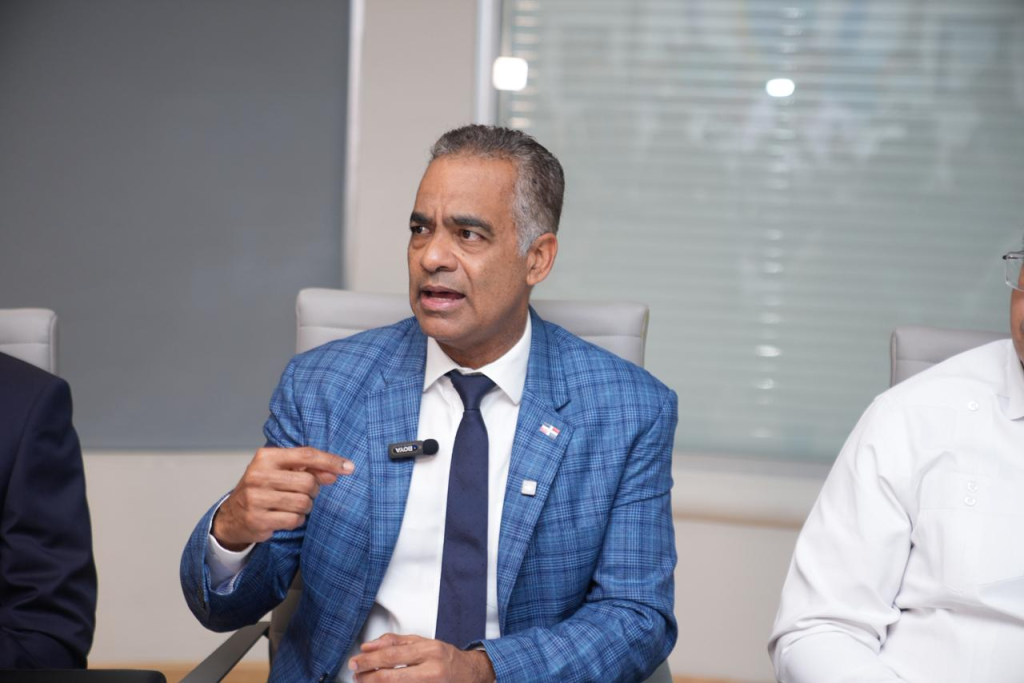
    The incident originated with the unexpected tripping of a critical 138-kilovolt transmission line connecting Hainamosa and Villa Duarte, causing cascading disruptions throughout the nation’s power infrastructure. Energy and Mines Minister Joel Santos emphasized the technical complexities involved in the restoration process, noting that system reintegration must proceed methodically to ensure operational safety and grid stability.

    Emergency protocols were immediately activated to prioritize service restoration while maintaining infrastructure integrity. Despite the widespread outage, essential services including hospital operations, water supply systems, airport facilities, public transportation, and traffic control networks maintained functionality through backup power systems, substantially reducing the disruption’s impact on public safety and services.

    Government authorities have confirmed that a comprehensive technical investigation will be launched once full service is restored. This probe will analyze the root cause of the system failure and develop preventive measures to enhance grid reliability and avoid future occurrences of similar incidents.

  • Major failure in National Electrical System affects service in parts of the country

    Major failure in National Electrical System affects service in parts of the country

    Santo Domingo – The Dominican Republic faced a severe nationwide power crisis on Thursday morning following a major failure in its National Interconnected Electrical System (SENI). The collapse triggered widespread blackouts across multiple regions, disrupting normal life and economic activities throughout the Caribbean nation.

    Emergency response protocols were immediately activated as technical crews from the national grid operator, electricity distributors, and generation companies launched coordinated efforts to address the system failure. Engineers are working around the clock to implement a phased restoration plan that prioritizes grid stability and safety measures.

    Government authorities emphasized that their primary focus remains on ensuring an orderly recovery process that maintains the integrity of the national power infrastructure. The Coordinating Body for the electrical sector is overseeing the complex restoration operation, which requires careful load management to prevent secondary failures.

    Official communications channels have been established to provide regular updates to the public as the situation evolves. Residents are advised to monitor authorized information sources for details on restoration timelines and affected areas. The incident represents one of the most significant power disruptions to hit the country’s electrical infrastructure in recent years, highlighting ongoing challenges in maintaining reliable energy services.

  • Column: Suriname blijft worstelen, maar hoop gloort aan de horizon

    Column: Suriname blijft worstelen, maar hoop gloort aan de horizon

    For decades, Suriname has been trapped in a recurring cycle of systemic challenges that continue to plague its transportation, agricultural, and environmental sectors. Public transport operators face persistently ambiguous and fluctuating fare regulations, while rice farmers—the backbone of the nation’s economy—repeatedly confront seasonal irrigation shortages and unfavorable pricing structures. Meanwhile, citizens regularly battle worsening urban flooding and inefficient waste management systems that remain unresolved despite years of political discussions.

    The renewal processes for bus permits undergo constant procedural changes without achieving meaningful efficiency or transparency. Critical water canal maintenance appears neglected, resulting in increasingly severe flooding during routine rainfall. The rice sector, vital to Suriname’s economic stability, faces the same fundamental challenges season after season without sustainable solutions.

    Despite periodic changes in government leadership, the approach remains consistently characterized by temporary fixes and partial measures that provide momentary relief rather than comprehensive solutions. The waste management crisis continues as a persistent eyesore, with paid garbage collection systems remaining in discussion phases while trash accumulation worsens.

    Suriname nevertheless possesses unique advantages that many nations lack. The country experiences none of the catastrophic natural disasters—hurricanes, earthquakes, or tsunamis—that regularly devastate other regions. Its air quality remains pristine, and abundant high-quality drinking water is readily available—resources that millions globally still struggle to access. Additionally, Suriname maintains a peaceful society characterized by rich cultural diversity and remarkable social harmony.

    These blessings often go underappreciated as citizens focus on daily frustrations, yet they provide a solid foundation for transformative development. Realizing this potential requires leadership willing to break from traditional patterns and implement long-term vision rather than short-term fixes. The nation needs administrators who view the country as a collective responsibility rather than a personal playground, prioritizing communal welfare over individual interests.

    The path forward demands courageous leadership committed to substantive change, combined with active citizen engagement and renewed institutional trust. While Suriname’s challenges are significant, the capacity for meaningful transformation exists within its societal framework. Through determined collaboration and visionary governance, Suriname can transcend its cyclical problems and build a future worthy of its citizens’ pride and aspirations.

  • Authorities launch international training program for emergency rescue teams

    Authorities launch international training program for emergency rescue teams

    SANTO DOMINGO – In a significant move to bolster national disaster preparedness, Dominican authorities have inaugurated a comprehensive international training and certification initiative designed to enhance specialized search and rescue (SAR) capabilities. The program specifically targets operations in collapsed structures and confined spaces, aiming to elevate the technical and operational proficiency of emergency response teams across the country.

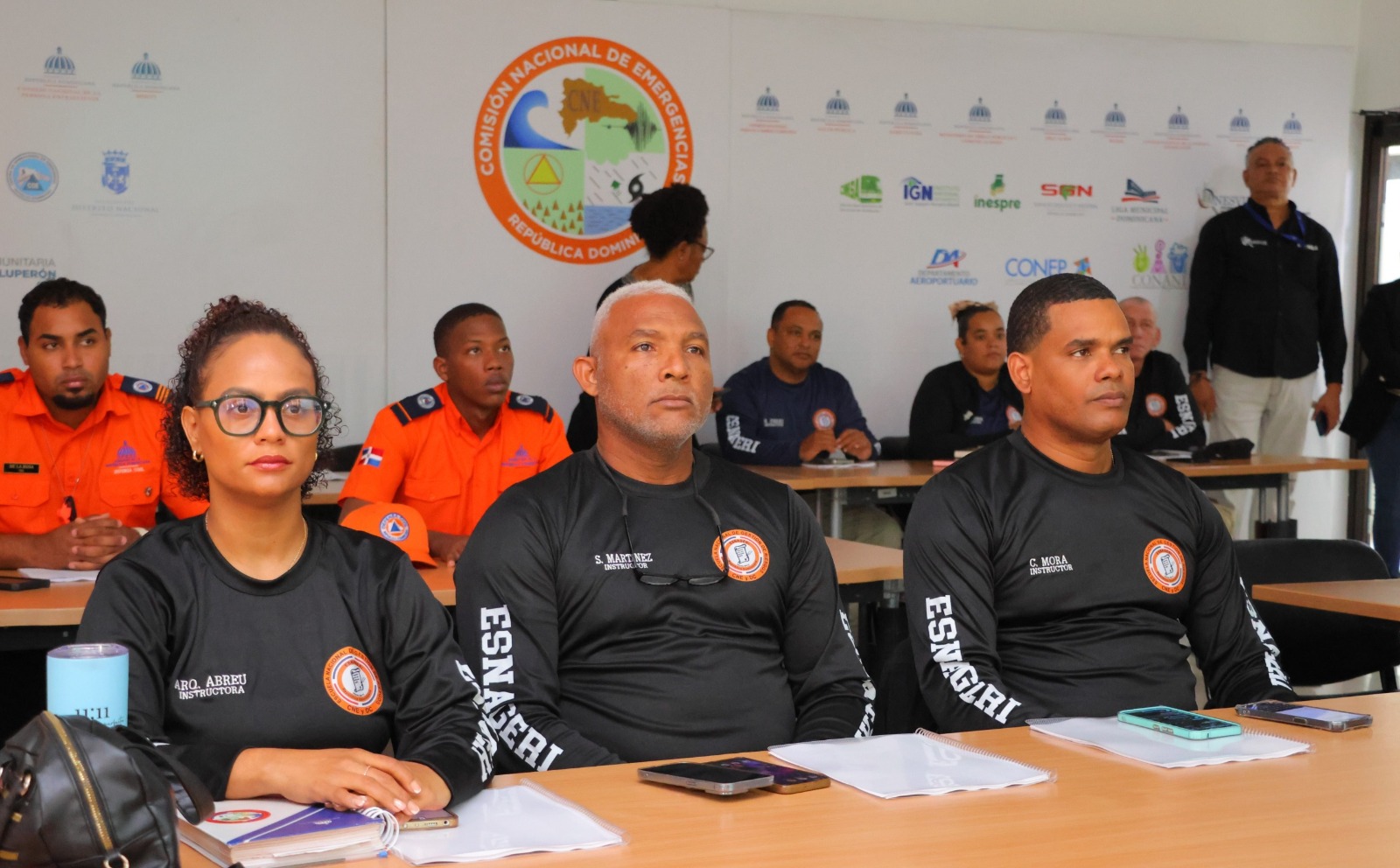
    This strategic endeavor represents a collaborative inter-institutional partnership, spearheaded by the National Office for Seismic Evaluation and Vulnerability of Infrastructure and Buildings (Onesvie). The initiative is being executed in coordination with major international and domestic partners, including the United Nations Development Programme (UNDP), the National School of Risk Management (Esnageri), and the National Emergency and Security System 9-1-1.

    Official communications clarify that the program’s core objective is to systematically reduce seismic vulnerability and significantly improve emergency response outcomes for disasters triggered by earthquakes and catastrophic structural failures. This will be achieved through the rigorous implementation of internationally recognized training protocols and certification standards.

    The curriculum is structured around four specialized courses. The foundational training commenced with the Incident Command System (ICS), which is being delivered by instructors from the American Safety & Rescue Institute. This module carries international accreditation certified by Texas A&M University. A subsequent series of advanced courses, slated for March, will complete the training cycle. These will encompass critical skill sets in hazardous materials (HAZMAT) management, confined space rescue techniques, and advanced strategies for rescue operations in collapsed buildings.

  • Baby girl found abandoned on Anacaona Street in San Juan de la Maguana

    Baby girl found abandoned on Anacaona Street in San Juan de la Maguana

    In a distressing incident that has unsettled the local community, a three-month-old female infant was discovered abandoned on Anacaona Street in San Juan de la Maguana this past Sunday. The child was found carefully wrapped in a small blanket and appropriately dressed, left unattended on a neighborhood curb. Alert residents promptly notified municipal authorities, who swiftly responded to secure the infant’s safety. Emergency services transported the baby to a nearby medical facility for comprehensive health evaluation, where physicians confirmed the child remains in stable condition despite the traumatic circumstances. The identity of those responsible for abandoning the infant remains unknown as investigations continue. The case has been formally referred to the National Council for Children and Adolescents (Conani), the Dominican Republic’s primary agency responsible for protecting vulnerable minors. Community members expressed profound shock regarding the incident, highlighting ongoing concerns about child welfare in the region.

  • Abinader leads second diversion of Guayubín River at Boca de los Ríos Dam

    Abinader leads second diversion of Guayubín River at Boca de los Ríos Dam

    SANTIAGO RODRÍGUEZ – In a significant development for national infrastructure, Dominican President Luis Abinader presided over a pivotal ceremony for the Boca de los Ríos Dam project. The event centered on the second strategic diversion of the Guayubín River, signaling the final construction phase of this major hydroelectric initiative managed by the Dominican Hydroelectric Generation Company (Egehid).

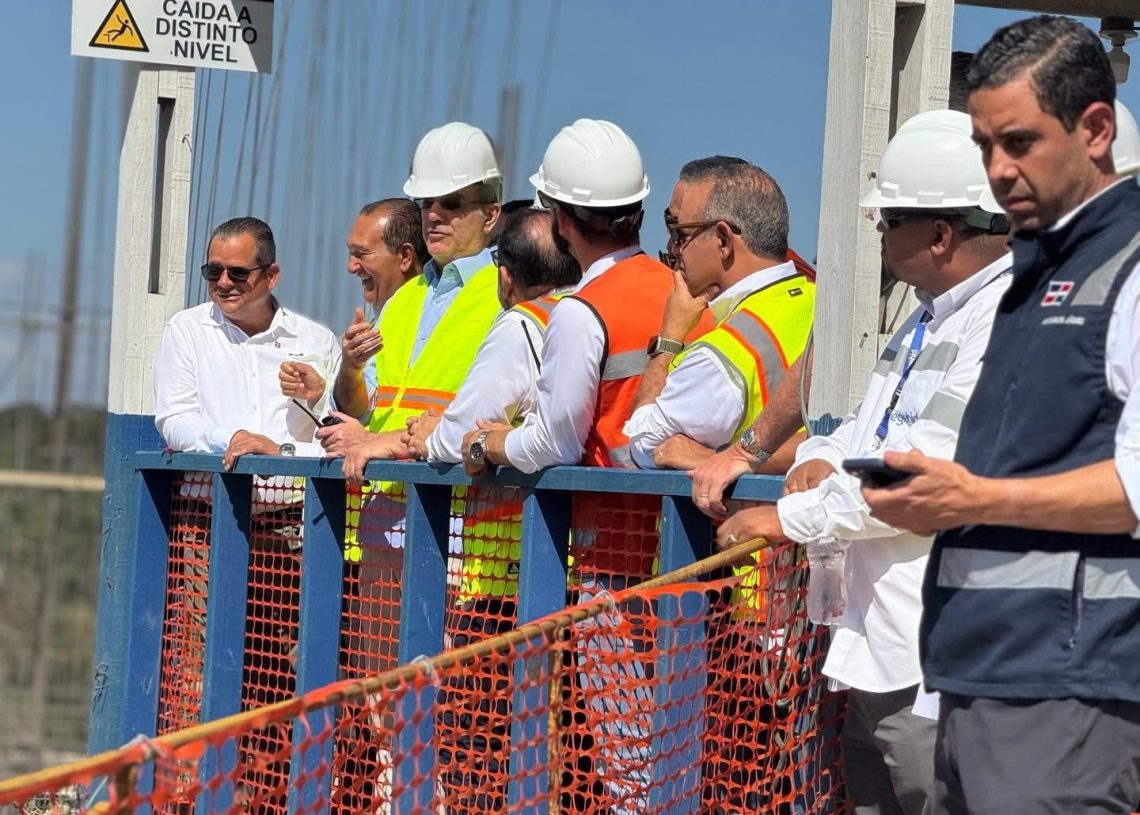
    At the project site, President Abinader initiated the removal of a temporary cofferdam. This action authorized heavy machinery to carve a new channel, redirecting the river’s flow into specially constructed diversion galleries. This engineered pathway will guide water toward the emerging dam structure for the remainder of the construction period.

    José Augusto Caputo, the Project Director, emphasized the operation’s critical nature, stating, ‘This second river diversion represents a fundamental milestone for the project’s advancement and denotes a crucial transition within the construction sequence.’

    Egehid’s General Manager, Rafael Salazar, provided technical context, noting that an initial diversion in March 2023 enabled construction crews to build the dam’s primary structure on dry land. He clarified that this latest maneuver will temporarily restore the river to its natural course, channeled through the concrete diversion galleries. Upon project completion, these galleries will be permanently sealed, initiating the reservoir filling process.

    Concurrently, this phase enables construction to commence on a lower segment of the closure dam adjoining the main wall. The project also progresses with the arrival of the first three massive radial spillway gates. Each gate, an engineering feat in itself, measures 12 meters in width, 14 meters in height, and weighs roughly 110 tons, with installation preparations now underway.