分类: society

  • Police Officer Shot by BDF Soldier

    Police Officer Shot by BDF Soldier

    A violent altercation between an off-duty Belize police officer and a member of the Belize Defence Force (BDF) has left both men receiving medical care at Belize City’s premier public medical facility, Karl Heusner Memorial Hospital (KHMH). The clash unfolded in the early hours of Sunday in Lemonal Village, a quiet community located in Belize River Valley, after a verbal dispute escalated into physical harm, law enforcement officials confirmed.

    Assistant Commissioner of Police (ACP) Hilberto Romero, who leads the National Crimes Investigation Branch, outlined the sequence of events to reporters on Tuesday. Both men—Police Constable Pharon Musla of the Belize Police Department and BDF Lance Corporal Alexander Reynolds—were in attendance at a repast gathering shortly after midnight when tensions boiled over between them. All official accounts confirm that both personnel were off-duty at the time of the incident, and alcohol was involved in the gathering, per ACP Romero’s statement.

    Initial accounts from the police investigation allege that Musla first inflicted a chop wound to Reynolds’ head. In response, Reynolds drew a personal firearm and fired multiple shots at Musla. There remains a discrepancy in early official accounts over the weapon’s specifications: ACP Romero stated the firearm was a privately licensed 9-millimeter pistol, while preliminary investigations conducted by the BDF have identified the weapon as a 0.380 caliber handgun registered to a female owner.

    Following the exchange of violence, both injured men were rushed to KHMH for urgent medical intervention. Musla was admitted with multiple gunshot wounds, while Reynolds is being treated for the head injury he sustained during the confrontation. As of the latest update, both individuals are in stable condition, and a full joint investigation is underway to clarify the details of the incident and determine what criminal charges, if any, will be filed.

    “They are both at the KHMH receiving treatment. They are both in stable condition,” Romero reiterated to reporters. “A thorough investigation will be carried out to determine charges.”
  • Joy, tears, hope fill St Paul’s as students embrace next chapter

    Joy, tears, hope fill St Paul’s as students embrace next chapter

    On the much-anticipated results day for primary school students transitioning to secondary education, the halls of St Paul’s Primary School, located on Brittons Cross Road in St Michael, hummed with a complex tapestry of emotions: unbridled excitement, quiet relief, and raw, heartfelt emotion. Students and educators gathered to mark the milestone, celebrating successful school placements before the cohort moves on to the next chapter of their academic journeys.

  • Second Venezuelan charged in AK-47s bust

    Second Venezuelan charged in AK-47s bust

    On Monday, June 22, 2026, Guyana law enforcement announced that a second Venezuelan national has been formally charged and remanded to custody in connection with a major illegal arms seizure earlier this month that uncovered 23 AK-47 assault rifles.

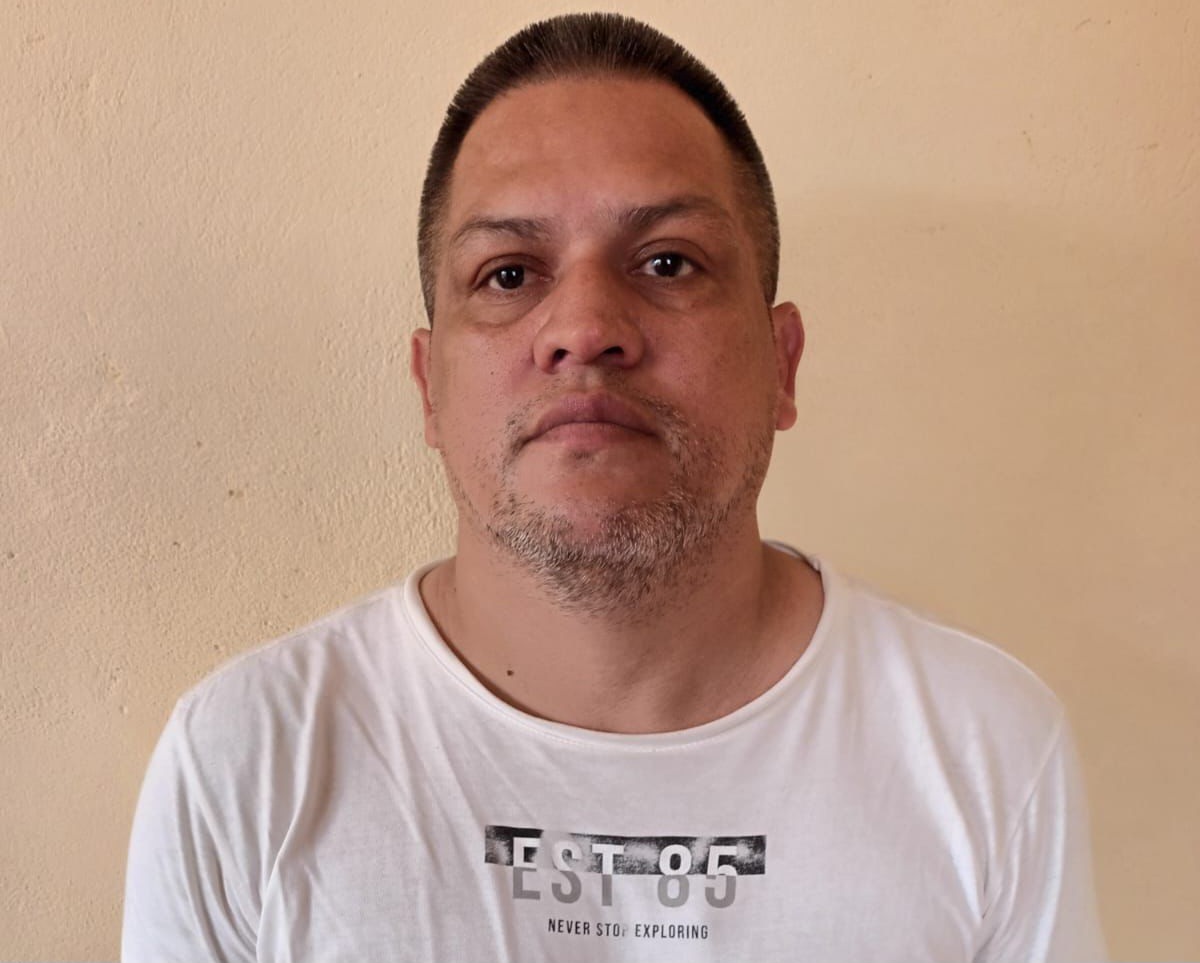
    The accused individual is 54-year-old Juan Felipe Gonzalez, a resident of Tuschen Housing Scheme located on Guyana’s East Bank Essequibo. According to official statements from the Guyana Police Force, Gonzalez faces one count of Conspiracy to Commit a Felony, a charge brought under Section 33 of the country’s Criminal Law (Offences) Act, Chapter 8:01.

    The charge stems from an ongoing multi-agency investigation into the unauthorized possession of firearms and ammunition, an incident that was first uncovered on June 11, 2026, in Schoonard, a community on Guyana’s West Bank Demerara. Gonzalez was taken into law enforcement custody one week after the initial seizure, on June 18, 2026, and appeared before Magistrate Rhondell Weaver at the Wales Magistrate’s Court this Monday to hear the formal charges read.

    Court procedures saw Gonzalez not required to enter a plea at this stage of proceedings. Requests for bail were rejected by the court, and Gonzalez was immediately remanded to prison to await further action in the case. The legal matter has been adjourned until July 14, 2026, when a progress report on the investigation is scheduled to be submitted to the court.

    Gonzalez is the second person to face charges connected to this high-profile arms cache. The first suspect, 27-year-old construction worker Jonathan David Gans, a resident of Great Diamond on East Bank Demerara, was arrested on the same day the cache was discovered. Gans has already been charged with two separate offenses: possession of an unlicensed firearm and possession of unlicensed ammunition.

    The illegal arms stockpile, which included 23 fully automatic AK-47 assault rifles alongside more than 500 rounds of matching ammunition, was seized during a coordinated joint operation conducted by the Guyana Police Force and the Customs Anti-Narcotics Unit, launched to target illicit contraband smuggling in the region.

  • Republic Bank commends MWAG on successful media development programme

    Republic Bank commends MWAG on successful media development programme

    Grenada’s media sector took a major step toward professional growth last month, as the Media Workers Association of Grenada (MWAG) wrapped up a week-long intensive journalism training initiative with key support from Republic Bank. Held between June 15 and 19 at the island’s National Cricket Stadium, the program brought together a diverse cohort of working media professionals, aspiring early-career journalists, and young communications specialists to elevate core journalistic standards across the country’s local media landscape.

    Unlike passive training formats, the workshop centered on hands-on skill building, covering critical topics ranging from foundational news writing and advanced interviewing techniques to narrative story development and core principles of ethical reporting. Beyond technical instruction, the program created dedicated space for peer connection and one-on-one mentorship, linking up-and-coming communicators with veteran media practitioners to share on-the-ground insights and career guidance.

    In a statement following the program’s conclusion, Republic Bank Managing Director Naomi De Allie praised MWAG for leading the forward-thinking initiative, emphasizing the long-term value of investing in professional development for the media sector. “At Republic Bank, we recognize the vital role that journalists and media practitioners play in informing, educating, and empowering our communities,” De Allie said. “A strong and responsible media sector contributes significantly to national development, transparency, and public engagement. We are therefore proud to have supported a programme that helps strengthen the skills and capacity of both current and future media professionals.”

    De Allie added that the bank’s sponsorship of the training aligns with its broader institutional commitment to advancing education, cross-sector knowledge sharing, and sustainable community development across Grenada. “The participants in this programme represent the future of journalism in Grenada. By investing in their growth and development, we are helping to build a more informed society and a stronger communications environment for generations to come,” she noted.

    Leading the instructional design and delivery of the program was Johnson John Rose, a widely respected regional media leader with decades of experience across journalism, broadcasting, strategic communications, and media management across the Caribbean. Drawing on his deep roots in the regional media industry, John Rose walked participants through the unique challenges and opportunities of modern journalism, sharing actionable insights on upholding professional standards, maintaining ethical reporting practices, and crafting compelling storytelling in a fast-changing digital media ecosystem. Industry observers and participants alike credited John Rose’s expertise and hands-on mentorship as a core driver of the program’s success, noting that the skills gained will have a lasting positive impact on the next generation of Grenadian journalists.

    Moving forward, Republic Bank extended formal congratulations to all participants who completed the full training curriculum, and expressed gratitude to MWAG for the collaborative partnership to deliver the impactful initiative. As a socially responsible financial institution operating across the Caribbean, Republic Bank reaffirmed its ongoing commitment to supporting learning-focused initiatives that expand access to professional growth opportunities, drive individual advancement, and support inclusive national development throughout Grenada and the wider region.

  • Police searching for missing 12-year-old girl

    Police searching for missing 12-year-old girl

    Law enforcement officials in Barbados have issued a public call for assistance as they work to track down a preteen girl who has been missing for more than a week. Kalicia Ariana Layne, 12, a resident of Vauxhall in the parish of Christ Church, was last spotted by members of the public on Sunday, June 21, 2026.

    Investigators with the Barbados Police Service have released a detailed physical description of the missing child to help community members identify her. Layne stands roughly 5 feet 7 inches tall with a slim build and brown skin. Her facial features include full-set eyes, a medium-sized nose, and a sharply pointed chin. In terms of hairstyle, the 12-year-old wears her hair in a combination style: cornrow braids along the front of her head, with single plaits falling down her back. When she was last observed by witnesses, Layne was dressed in a plain black short-sleeved shirt and full-length brown trousers.

    Authorities have also noted the specific areas across the country that Layne is known to visit regularly, including the Vauxhall Gardens neighborhood and Adams Castle, both located in her home parish of Christ Church, as well as the Bayville district in the neighboring parish of St Michael.

    The Barbados Police Service is urging any member of the public who may have seen Layne since her disappearance, or who holds any information that could help officers confirm her current location, to reach out to law enforcement immediately. Tips can be submitted directly to the Oistins Police Station by calling either 418-2612 or 418-2604, to the national 24/7 police emergency line at 211, or to the anonymous Crime Stoppers hotline at 1-800-8477. Information can also be filed in person at any local police station across the island.

  • Persons Who Murdered Pregnant Woman Are Belize City Residents

    Persons Who Murdered Pregnant Woman Are Belize City Residents

    On a Saturday afternoon in June 2026, a brazen public shooting claimed the life of pregnant Jane Urbina at a bus terminal in Hattieville, Belize, leaving law enforcement authorities racing to track down two at-large attackers who officials confirm are residents of Belize City. Senior police officials have formally classified the mid-day killing as a pre-planned targeted attack, and are currently exploring a potential connection between the murder and the high-profile murder case against Urbina’s jailed brother, former Police Constable Lionel Urbina.

    Per official accounts of the incident, the tragedy unfolded shortly after Jane Urbina and her mother completed a prison visit to see Lionel, who is currently being held on remand at Belize Central Prison as he awaits trial for the 2025 killing of 19-year-old Belizean-American Kevin DePaz in Caye Caulker. After leaving the correctional facility, the pair traveled back to Hattieville to wait for connecting transportation to their home in Santa Elena, when the attack unfolded in broad daylight in front of other passengers at the bus stop.

    Assistant Commissioner of Police Hilberto Romero, head of Belize’s National Crimes Investigation Branch, confirmed the premeditated nature of the assault in a press briefing held the morning after the killing. “It was a targeted attack,” Romero stated. “They had specific information on where she was at the time.” Romero detailed the attackers’ approach: two individuals traveled to the bus stop on a single motorcycle, with one gunman dismounting the vehicle, approaching Urbina directly, and firing multiple shots that inflicted fatal wounds on the victim before the pair fled the scene.

    Investigators also revealed that prior threats were made against Lionel Urbina before he was formally charged with DePaz’s murder, though Romero could not confirm whether any direct threats had been received by Jane Urbina or other members of the Urbina family ahead of the attack. Following the shooting, responding authorities initiated an immediate pursuit of the suspects, forcing the motorcycle off the public road roughly a quarter of a mile from the Hattieville bus stop. The two assailants managed to escape on foot, disappearing into dense vegetation near the roadway before law enforcement could apprehend them.

    As of the latest official update, no arrests have been made in connection with Urbina’s killing, and the two suspects remain at large. Police have issued a public appeal for any witnesses with information on the identity or whereabouts of the attackers to come forward to assist with the ongoing investigation.

  • Will Climate-Resilient Roads Worsen Flooding in Low-Lying Areas?

    Will Climate-Resilient Roads Worsen Flooding in Low-Lying Areas?

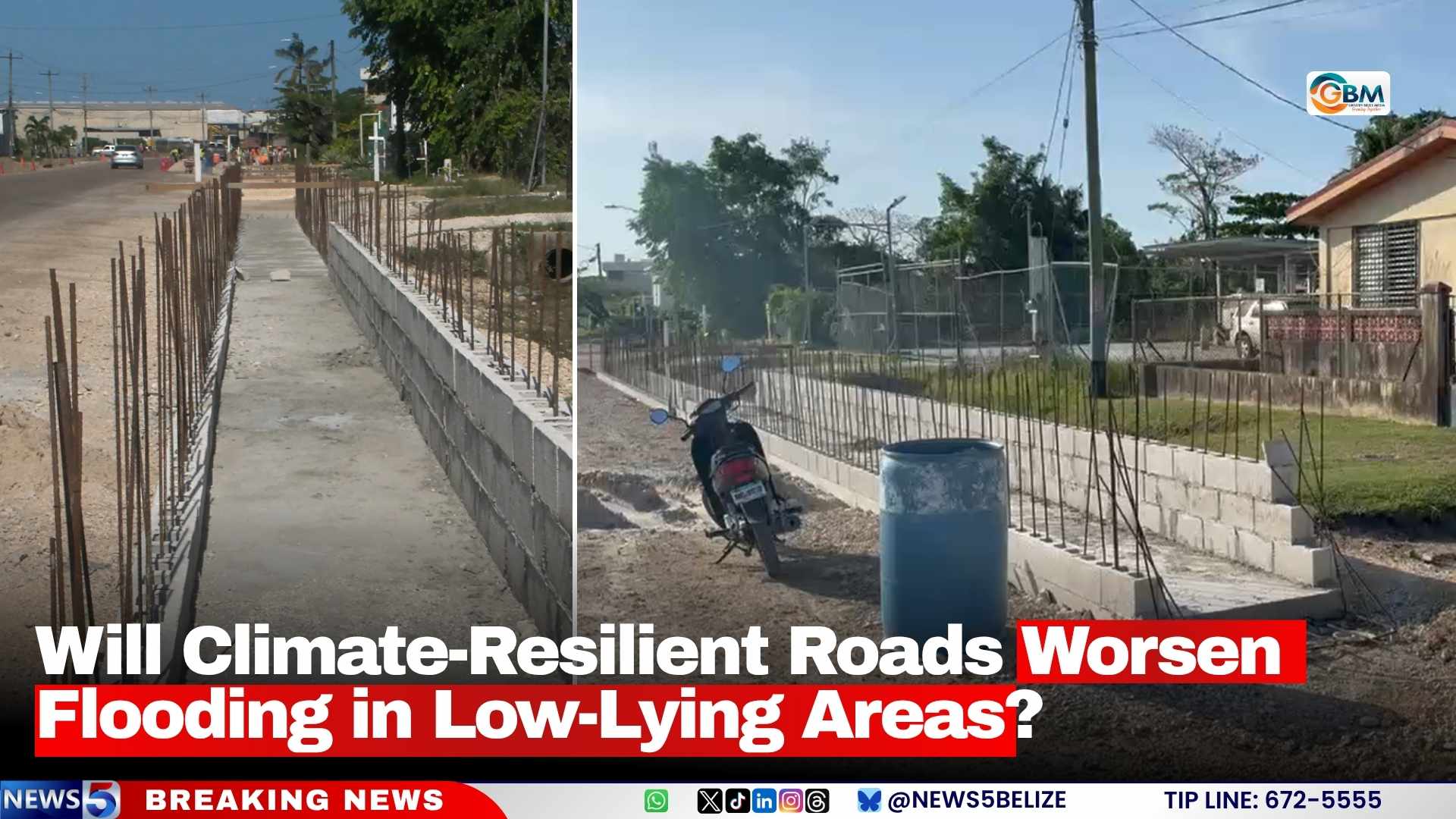
    Along the George Price Highway in Belize, a major infrastructure upgrade aimed at building climate-resilient transportation has ignited sharp concern from nearby residents who warn the new design could bring more frequent and severe flooding to their low-lying properties.

    The controversy centers on the new drainage systems being installed as part of the highway improvement works, which residents say sit far higher than the ground level of adjacent homes and residential lots in communities including Ladyville. Locals point out that when heavy rains arrive, elevated surrounding infrastructure will block water runoff from their yards, trapping floodwater in residential areas rather than diverting it away.

    One resident who shared her perspective with local reporters questioned whether the project actually lives up to its “climate-resilient” labeling, asking, “My concern is that, is this really climate resilient, or is it going to flood my yard every single time it rains?” A second resident added that the retaining wall constructed for the upgraded highway is three blocks higher than her property elevation, leaving her unable to park a car in her yard and all but guaranteeing flooding in an area already known for its flood risk.

    Julius Espat, Belize’s Minister of Infrastructure Development and Housing, has acknowledged the public pushback, explaining that the current elevation and drainage design is mandated by international financial institutions that provide funding for the upgrade project, which requires all works to meet strict climate-resilient building standards. Under these standards, the entire highway network is being elevated, with drainage channels deepened to improve long-term flood resistance for the road itself.

    When asked how residential properties are expected to drain excess water if surrounding infrastructure sits at a higher elevation, Espat noted that the overall system is engineered to improve regional water flow, and ministry engineers will conduct individual assessments for each resident’s specific complaint. He did, however, admit that it may not be possible to resolve all concerns completely. “In all honesty, if you’re living in an area that’s lowland, it’s hard to 100% satisfy all of the queries,” he told local outlet News 5.

    Espat also pointed out that many affected residential areas were developed in natural lagoon watersheds—zones that naturally function to hold excess floodwater during heavy rain events, and that increasing residential construction in these inherently flood-prone areas has compounded the challenge. Despite the difficulties, he emphasized that the government is not avoiding the issue: “We are doing our best. We will address every single situation. When the complaints come in, we don’t hide from it, we address it.”

    Currently, ministry engineers alongside dedicated social outreach staff for the project are conducting one-on-one meetings with residents in Belize City and Ladyville to review and respond to their individual concerns. Espat added that most complaints emerge in the early stages of construction, when new road elevations are first put in place, framing the disruption as a growing pain of necessary progress. “Progress brings problems,” he said. “You’re making sure residents of the country can travel from one area to the next, and yes, you will have problems in other areas that we have to address. We can’t run away from it.”

  • Antigua and Barbuda May Import Construction Workers to Meet Housing Targets

    Antigua and Barbuda May Import Construction Workers to Meet Housing Targets

    The twin-island nation of Antigua and Barbuda is facing a critical bottleneck in its ambitious national housing expansion initiative, with Prime Minister Gaston Browne confirming that overseas recruitment of construction labour is now on the table to overcome widespread workforce gaps.\n\nSpeaking during his regular weekly broadcast to the public, Browne framed labour scarcity as one of the most pressing barriers to delivering much-needed new housing across the country, even as the government pushes to ramp up construction output. The administration has a clear goal: scale annual housing production to 500 units per year, a target that the current domestic workforce simply cannot support, according to the Prime Minister.\n\nBrowne clarified that while securing sufficient funding remains an ongoing challenge for the programme, acute shortages of both skilled tradespeople and general unskilled labour have equally slowed the pace of new home development. To unlock progress, the government is actively evaluating all options to expand the available construction workforce, with bringing in additional workers from international markets emerging as a viable solution to supplement local teams.\n\nThese remarks accompanied the Prime Minister’s formal outline of the government’s 10-year housing strategy, which sets a minimum target of 5,000 new residential units to be delivered across the country by the end of the decade. Browne emphasized that this ambitious target is designed to directly address unmet demand and lift living standards for a large share of the population.\n\n“Over the next 10 years, we must deliver no fewer than 5,000 new homes to our people,” Browne stated. He projected that the initiative could improve housing outcomes for as many as 15,000 Antiguans and Barbudans: based on an average occupancy of three people per home, the programme would move roughly that number of residents into quality, middle-income housing stock.\n\nThe scale of unmet demand for housing in the country far outpaces the 10-year target, official data shared by the Prime Minister shows. Currently, roughly 7,500 completed housing applications are waiting to be fulfilled, and demand continues to climb even as new units are completed and allocated to applicants.\n\nAlongside workforce expansion, the government is working to lock in additional financing to support the scaling of the housing programme. Browne revealed that negotiations are currently ongoing for a proposed $100 million housing bond, which would allow the government to lift annual construction output to between 300 and 400 units in the near term, before ramping up to the full 500-home annual target. The National Housing Development and Urban Renewal Company, the state entity leading the initiative, has also been directed to step up its own recruitment efforts as part of the broader push to accelerate construction.\n

  • Human rights groups urge end to migration checks in Dominican public hospitals

    Human rights groups urge end to migration checks in Dominican public hospitals

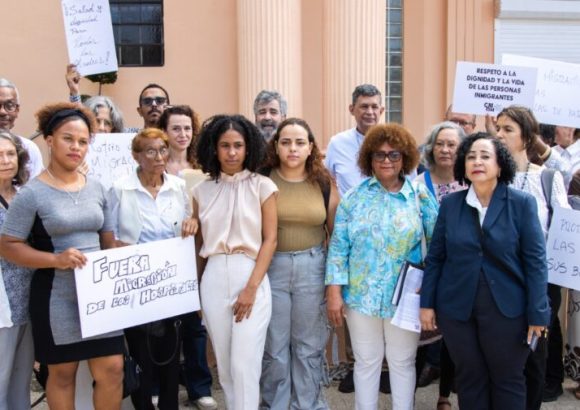
    On a Monday in Santo Domingo, the Dominican Republic, a broad coalition of human rights and civil society organizations delivered a clear demand to the country’s executive leadership at the National Palace. Led by the Migration and Human Rights Collective (CMDH), the coalition submitted a petition boasting more than 1,000 citizen signatures calling for the full repeal of a controversial migration protocol currently enforced at the nation’s public hospitals.

    Implemented by state authorities, the protocol grants medical and immigration officials authorization to verify the immigration status of foreign patients under specific circumstances. For coalition members and supporting groups, this policy has triggered a dangerous ripple effect across the country’s public health system: undocumented migrant patients now avoid seeking life-saving medical care out of well-founded fear of being targeted for immigration enforcement. This avoidance not only delays urgent treatment for individual patients but also creates measurable risks to the broader Dominican public’s health, organizers argue.

    At the core of the coalition’s advocacy is a firm principle: public hospitals must remain safe spaces that guarantee universal access to care, with medical treatment provided regardless of a patient’s immigration documentation status. Representatives emphasized that the burden of the current policy falls disproportionately on the most vulnerable populations, including expectant mothers, young children, and patients requiring emergency life-saving intervention.

    The delegation that delivered the petition brought together representatives from a diverse cross-section of Dominican civil society, including Pablo Mella from the Montalvo Center, Abraham Apolinario of Caritas Archdiocese, Lía Concepción and Yildalina Tatem from CMDH, and independent journalist Ana Mitila Lora. In total, more than 70 national and international organizations have thrown their support behind the repeal initiative, ranging from prominent faith-based groups like Cáritas Arquidiocesana and civil society groups such as Participación Ciudadana, Casa Abierta, CIPAF, CONAMUCA, CE-MUJER, and Foro Ciudadano, among others.

    CMDH spokespersons specifically highlighted the disproportionate harm the policy inflicts on patients of Haitian descent. The visible presence of immigration enforcement personnel within hospital grounds, they explained, fosters a pervasive climate of fear that pushes many migrant patients to delay care until their conditions become life-threatening. “A delivery room is not the place to implement migration policy,” coalition members stated, reiterating their warning that the protocol threatens both individual patient lives and the stability of the Dominican Republic’s public health system.

    While the coalition explicitly recognizes the Dominican government’s sovereign authority to set and enforce national migration regulations, organizers maintain that the country’s commitment to fundamental human rights demands that immigration enforcement never come between patients and life-saving care. The coalition is calling on the administration to withdraw the controversial protocol entirely, remove all immigration enforcement activities from public hospital premises, and launch a structured inclusive dialogue with health care providers and civil society groups. The goal of this dialogue, organizers say, would be to craft alternative policies that fairly balance the state’s legitimate interest in migration regulation with the non-negotiable protection of all people’s right to access life-saving health care.

  • Youth Arise Antigua Opens Membership Registration for 2026

    Youth Arise Antigua Opens Membership Registration for 2026

    In St. John’s, Antigua, a local youth-focused non-profit initiative, Youth Arise Antigua, has officially launched its 2026 membership recruitment campaign, opening applications for young people across the island aged 16 to 35. The drive comes as the organization scales up two core pillars of its work: community outreach programming and targeted leadership development training for emerging young voices.

    Online and in-person registration for the new membership cohort opened to the public on June 20, 2026, and will remain available to interested applicants through August 10 of the same year, according to official details released by the organizing team.

    Youth Arise Antigua has outlined clear priorities for this year’s recruitment: the group is specifically seeking driven, proactive young people who hold genuine interest in leadership building, volunteer service, local community engagement, and intentional personal growth. Organizers frame the membership program as more than just a club—it is a structured platform that empowers young people to sharpen actionable leadership competencies, grow their professional and personal networks, and directly contribute to grassroots projects that create tangible, positive change for communities across Antigua.

    “In this recruitment cycle, we are welcoming applications from 16 to 35-year-olds who are eager to contribute their energy, learn new skills, and take meaningful action in their communities,” the organization shared in its official public announcement.

    For accepted members, the benefits extend far beyond a membership card. Participants will gain structured opportunities to connect with like-minded young leaders from across the island, develop hands-on practical skills that translate to both academic and professional settings, and take part in a range of curated activities centered on youth empowerment and increased civic participation. The group noted that these experiences are designed to help young people turn their passion for change into action, building a pipeline of engaged community leaders for Antigua’s future.

    In a call to action shared across local social media channels and youth centers, Youth Arise Antigua encouraged all eligible young people to submit their applications before the deadline, reminding prospective applicants that “every great change begins with individuals who are willing to step forward and take action.”

    This year’s membership campaign is being carried out under the unifying theme: “Together We Rise, Together We Strive, to Make a Difference in Someone’s Life,” a motto that reflects the organization’s core mission of collective growth and community service.