分类: society

  • Massy Foundation expands to Saint Lucia, opens new grant opportunities

    Massy Foundation expands to Saint Lucia, opens new grant opportunities

    The Massy Foundation, the philanthropic arm of Caribbean retail conglomerate Massy Group, has launched its newest chapter in Saint Lucia, marking its third market entry following successful operations in Barbados and Trinidad. This expansion brings critical new resourcing opportunities to local nonprofits and community organizations working to drive inclusive, grassroots development across the island nation.

    Since its founding, the foundation has centered its strategic investments on four high-priority focus areas that align with pressing regional community needs: strengthening local food security systems, expanding equitable access to quality education, advancing accessible health and wellness services, and supporting environment sustainability projects that build climate resilience for vulnerable communities. Eligible organizations operating in these sectors are now invited to submit grant applications for funding to advance their work.

    According to an official statement from Massy Stores Saint Lucia, the island’s new foundation chapter will be overseen by a local advisory panel, which has been explicitly mandated to ensure all funding decisions and project implementations follow rigorous strategic planning, full transparency, and a strict focus on delivering measurable, long-term community impact.

    Speaking at the official launch ceremony for the Saint Lucia chapter, advisory panel member Linda Augier emphasized the foundation’s core mission: to back purpose-driven, meaningful initiatives that address unmet local needs across Saint Lucia. Augier noted that the Massy Foundation fills a key gap in regional philanthropy by offering a more structured, collaborative funding model than many traditional grantmakers, creating space for sustained partnership between the foundation and local community groups.

    The expansion is framed as a long-term commitment to the social development and collective well-being of all Saint Lucians, rooted in the organization’s core value of intentional corporate giving. The foundation is currently accepting both grant applications from eligible organizations and partnership inquiries from other stakeholders seeking to amplify community impact across the island.

    For prospective grant seekers, all applications must meet clearly defined eligibility criteria to be considered. Kelly Mitchell, Divisional Head of Marketing and Corporate Communications at Massy Stores Saint Lucia, confirmed that full details on eligibility requirements, application guidelines, and funding priorities are now available to the public on the official Massy Stores Saint Lucia website. Organizations with additional questions can also reach the foundation team directly via email at massyfoundation.slu@massystores.com.

  • Dad gunned down in front son at QPS

    Dad gunned down in front son at QPS

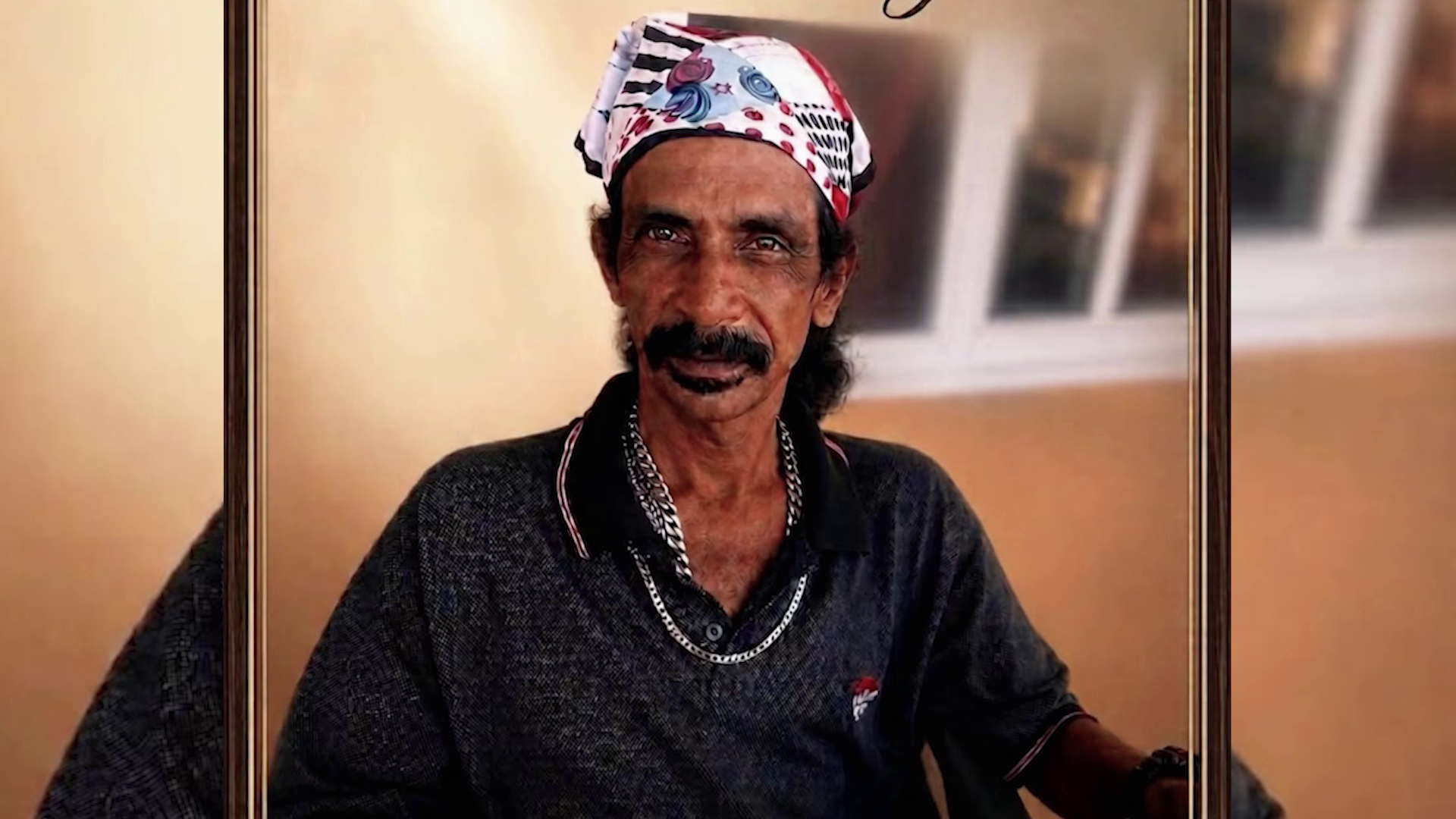
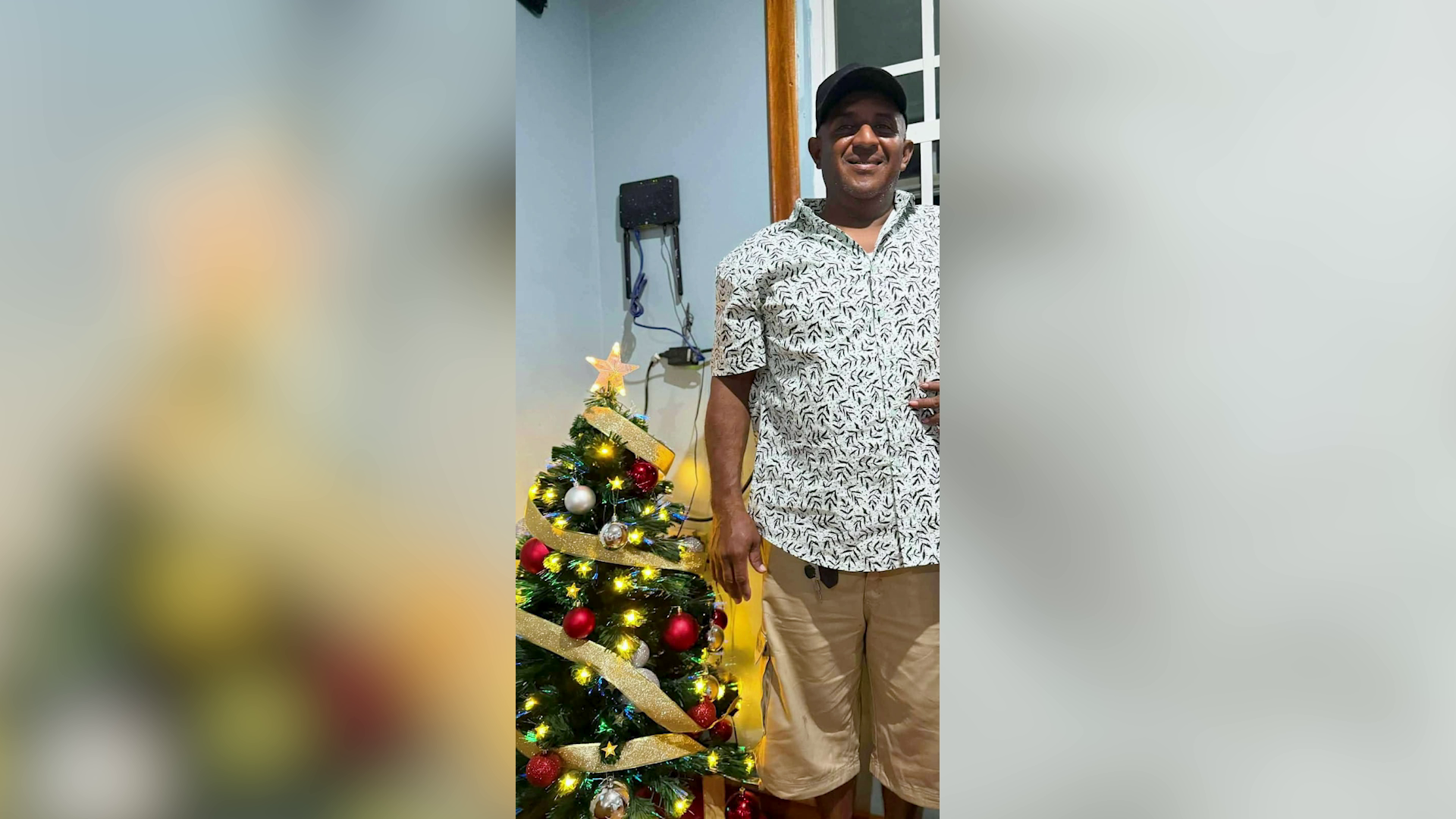
    A senseless act of violence has shaken Port of Spain, Trinidad and Tobago, after a 49-year-old father was fatally shot in full view of his young child at a popular public gathering space — just hours after he buried a victim of an earlier deadly mass shooting.

    Masud Prosper, a long-time employee of the Ministry of Health who resided on Belle Eau Road in Belmont, had just finished picking up his 9-year-old son from football practice on the afternoon of the incident. At approximately 5:30 p.m., he pulled his black Mitsubishi Lancer into a parking zone behind the food court at Queen’s Park Savannah, a central open space frequently used by local families for recreation and public events.

    As the pair sat together in the parked vehicle, an unidentified gunman walked up to the car and opened fire, striking Prosper multiple times. The attack was immediate, and Prosper died at the scene. Miraculously, his young son escaped the incident without physical injury.

    Shortly after first responders arrived at the scene, Adisha Pierre, Prosper’s common-law wife, arrived with her daughter. In an interview with reporters, she described Prosper as a quiet, hardworking man who focused entirely on providing for his family and stayed far removed from gang activity.

    “All I was thinking was he would have been having a time playing football with our son, but they killed him in front of his own child,” Pierre said. “He goes to work, he minds his business, he comes home, and he sees about his son. He’s a father trying his best out here and he didn’t deserve that at all. He never had any ties to violence or gang activity in all the time I’ve known him.”

    Pierre confirmed that Prosper had spent that same morning at the funeral for one of the four people killed in a mass shooting along Lady Young Road in Morvant on April 19, the latest in a string of gang-linked killings to hit the country.

    She questioned why her partner was targeted, saying the attack clearly appeared to be a pre-planned hit. “Why was my spouse targeted? This was a hit but why him? What did he do to deserve this?” she asked. Though Prosper was not involved in any gangs, Pierre said she believes his killing is a consequence of the rising gang violence that has plagued the area, adding that Prosper had repeatedly warned her to avoid traveling along Belle Eau Road due to safety risks linked to gang activity.

    The killing brings the country’s national murder toll to 118 for the year up to the date of the incident, compared to 130 recorded by the same point last year. While the overall murder count has seen a minor year-over-year decline, the brazen nature of the latest killing — which took place in a busy public area in the capital, with a young child as a witness — has renewed public outcry over the persistent gun violence that continues to tear apart communities across the nation.

  • ‘They said they would kill me’

    ‘They said they would kill me’

    Early yesterday morning, a coordinated string of violent home invasions swept through the quiet residential community of Longdenville, Trinidad, leaving one local survivor traumatized and highlighting a growing regional crime crisis that has put ordinary residents on high alert.

    A 44-year-old female resident of Raghunanan Road, one of the attack targets, spoke publicly to local media outlet Express on condition of anonymity, citing ongoing fears for her personal safety. She shared a harrowing minute-by-minute account of the 45-minute attack that unfolded just after 2:30 a.m., when she was the only person home.

    The incident began when unusual outdoor noises pulled her out of sleep. Checking her home security camera system, she immediately noticed something was wrong: all of her cameras had been shifted out of their normal positions. Spotting a stranger moving along the side of her home, she fumbled to call the national 999 emergency line, and had only just managed to blurt out her address when the three attackers forced their way into the property, cornering her in the bathroom where she had hidden.

    According to the victim, the assailants—who appeared to be in their early 20s, wore concealing ski masks, work boots, long-sleeve tees and dressed to look like local construction workers—were all armed with what she believes were pistols. They quickly seized her phone, throwing it into a toilet to cut off any potential communication with police, before demanding cash, gold jewelry and access to a safe, none of which the victim kept stored at her home.

    After stealing a small amount of cash from her wallet, the trio began ransacking every room of the property, turning over closets, opening cabinets and even searching inside kitchen appliances. One attacker ordered the others to bind the victim, cutting a cord from her own standing fan to tie her hands behind her back and force her to lie face down on the floor. Working up the courage to free herself while the men were distracted by looting, the victim managed to wiggle out of the loose bonds and made a desperate dash for the front door, only to be caught quickly by the assailants, who re-bound her more tightly—this time securing both her hands and feet before returning to their search.

    The attack took a more chilling turn when the criminals, frustrated by the small amount of valuables they had found, began pressing the victim for information about her neighbors. They demanded to know how many people lived in adjacent homes, where those neighbors worked, and if any of them kept large amounts of cash or valuables on the property. The victim told reporters she believes the gang was already scoping out their next target after coming up empty at her home. Throughout the ordeal, the men repeatedly threatened to kill her if she lied or did not cooperate, warning they would return later to harm her if she gave them false information.

    The invasion ended abruptly when the gang spotted the lights from a private security patrol the victim had hired to monitor her neighborhood. Panicked by the approaching patrol, the attackers fled out of the back of the property, running through the yard before escaping over a fence. After waiting several minutes to confirm the men were gone, the victim once again managed to wiggle free of her bonds and flag down the security team, who contacted local law enforcement.

    Police investigators later confirmed to the victim that her attack was one of three separate home invasions carried out in the Longdenville area overnight, all linked to the same criminal network. One of the other attacks, police said, targeted a home in a gated community, where six masked armed assailants carried out the robbery. A forensic check of the victim’s property revealed how the gang gained entry: they climbed over the back boundary wall of her home, broke through the steel burglar proofing on a side window, and squeezed one man through the opening to unlock the back door for the other two accomplices.

    In the wake of the traumatic attack, the victim slammed the ongoing state of violent crime across Trinidad, calling it “ridiculous” and noting she had taken every possible precaution to protect her home, including sturdy locked doors, burglar proofing, a professional alarm system and regular private security patrols. “I never thought something like this would happen to me,” she said. “I don’t know what else to do. My privacy was invaded.”

    She is now calling for policymakers to implement harsher criminal penalties for home invasion offenders, and demanding increased, more consistent patrols and vigilance from local police. Traumatized by the attack, she said she is even reconsidering her long-held opposition to personal gun ownership for self-defense, despite her discomfort with the idea. “I can’t see myself killing somebody, but at one point, I thought they were going to kill me because they were upset that I had nothing valuable,” she explained.

    The victim also acknowledged that the recent passage of new, stricter home invasion legislation by the national government was a direct response to this growing wave of violence. “It is innocent people being attacked. This is a pure home invasion looking to rob people and terrorise them,” she said. For her part, the attack has left her so shaken that she is now considering leaving the country entirely. “Sometimes, I consider migrating because I used to think I’m safe, but I don’t think I could ever feel safe again,” she added.

    This string of attacks is just the latest in a growing surge of home invasions across Central Trinidad over the past month. Reports of similar violent robberies have already been recorded in nearby communities including Chaguanas, Cunupia, and Freeport, leaving residential communities across the region on edge.

  • Family welcomes conviction

    Family welcomes conviction

    Sixteen months after a brutal double homicide claimed the life of an abused woman and her 14-month-old daughter, the perpetrator has been convicted and sentenced to death, bringing a measure of closure to the victim’s family — while also shining a harsh light on systemic failures that allowed the fatal violence to occur.

    On Monday, Justice Nalini Singh delivered a guilty verdict on two counts of murder against 31-year-old Rishi Motilal, who killed his estranged partner Tara “Geeta” Ramsaroop and their young child Shermaya Motilal. Motilal was sentenced to death following the conviction.

    The tragedy unfolded on October 8, 2024, inside Motilal’s Barrackpore residence on Rig Road, during a confrontation that escalated from a verbal dispute to fatal violence. Prosecutors laid out the gruesome sequence of the attack: Motilal first struck Ramsaroop with an iron pipe, then grabbed a cutlass, repeatedly chopping the 31-year-old woman before slitting her throat. He turned the same weapon on their toddler daughter to complete the killing. After the attack, he fled the scene in a blue station wagon owned by a relative of Ramsaroop’s new partner.

    In interviews with local media outlet *Express* following the verdict, Ramsaroop’s sister Jassodra Rajaram broke down in tears as she described the family’s overwhelming mix of relief, grief, and gratitude for the judicial outcome.

    “I am very grateful and thankful to the judge. If I could just meet her, I would hug her and say, ‘thanks very much for justice for my sister’,” Rajaram said. “This is a moment of long-awaited justice for my sister and niece. For 16 months, we have waited for this outcome, and many families go years or even decades without ever seeing justice for their loved ones. Our whole family is content that we got this result.”

    Yet for all the family’s satisfaction with the verdict, Rajaram stressed that the trauma of the brutal murders will never fade. “This will never heal; it has been 16 months and I feel it has been only yesterday. When we were getting the verdict, I feel my heart was pounding out of my chest. Everything came back fresh. The sentencing cannot bring them back and we have to learn to adjust to live. We cannot heal from this,” she said.

    Most critically, Rajaram drew attention to the repeated failures by local police to intervene, even as Ramsaroop endured ongoing abuse at Motilal’s hands. She said multiple reports of domestic violence that she and her sister filed with law enforcement were ignored, with officers dismissing the conflict as a routine marital disagreement that the couple would resolve on their own.

    “To the police, think of the women in these reports as if they were your family members — your sister, mother or someone close to you. Say, ‘let me get myself involved and help in this situation’,” Rajaram urged. “Not everyone wants to make up and reconcile. Some women want to leave and never go back.”

    Rajaram recalled that after Ramsaroop eventually left Motilal to build a new life for herself and her child, he stalked her and escalated his threats before carrying out the fatal attack at his home. “She went through torture with him,” Rajaram said. “My sister wanted to work, achieve, and accomplish. She endured enough. She came out of it and was happy to build her house, sit on her step, and be at peace—not knowing that was when her life was going to end.”

    Drawing on her family’s devastating loss, Rajaram used the moment of the verdict to issue a urgent message to other women trapped in abusive relationships: prioritize your own safety and escape whenever possible.

    “Get out of it. I know it is hard. I used to go through it with my sister. Some men feel they own women, and act as if they are property. These men have to realise that women have feelings and ambitions,” she said. “Acknowledging how hard it is to leave, I still stress that getting out can save your life.”

  • National Education : Important Strategic Orientation Workshop in Haiti

    National Education : Important Strategic Orientation Workshop in Haiti

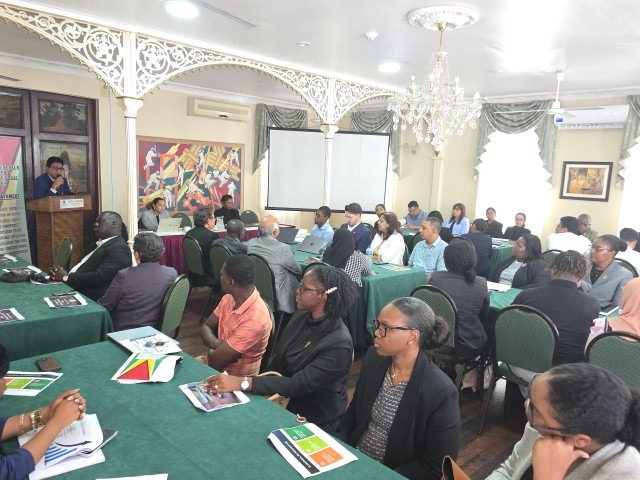
    Between April 24 and 27, 2026, nearly 100 top-tier leaders from Haiti’s Ministry of National Education gathered at Villa Saint-Viateur, located in the hilly Turgeau neighborhood of Port-au-Prince, for a landmark Strategic Orientation Workshop. The assembled delegation included the ministry’s Inspectors General, departmental coordinators, technical directors, and departmental directors, all brought together to align on a shared path for the country’s struggling education system. During the workshop, Minister of National Education Vijonet Déméro laid out his comprehensive vision for Haitian education, walking attendees through the specific priorities he plans to guide the ministry toward over the coming months. Over three days of collaborative discussion, participants coalesced around three core pillars that require urgent attention: cross-departmental strategic alignment, standardized administrative management, and stronger leadership at all levels of the organization. The targeted framework is designed to streamline operations across both central and decentralized ministry structures, and boost the effectiveness of every policy and program the institution rolls out. Conversation also extended to a range of pressing systemic challenges, including gaps in the ministry’s existing legal and governance framework, inconsistencies in educational supply chains and quality control, operational bottlenecks within departmental education directorates, ongoing management issues at public schools, and the persistent underfunding that blocks the implementation of existing education policy plans. In his opening address to the cohort, Minister Déméro called on attendees to prioritize strengthening the Ministry of National Education’s organizational culture, which he argued must center shared, widely understood and respected values, operational standards, and work practices across all teams. He equally emphasized that the ministry’s existing organizational structures — including coordination offices, technical directorates, and departmental directorates — must evolve to establish a clear, robust chain of command with unambiguous operational guidelines. For the organizational restructuring, Déméro noted the new framework will prioritize placing qualified, competent professionals in positions of responsibility, empowering these leaders to act with flexibility while upholding institutional directives and order. The minister systematically detailed a full slate of upcoming policy and infrastructure priorities during the workshop, including the ministry’s draft Organic Decree, a new proposed decree governing school opening and closing protocols, reforms to teacher appointment processes, upgrades to the digital e-document platform for issuing and legalizing academic certificates and transcripts, plans for new public school construction, commitments to bring electricity and internet access to all public schools and departmental public universities, and a proposal to launch a new national Institute for Digital Education. Ministry Director General Osny Jean Marie and Chief of Staff Ecclésiaste Thélémaque also led working sessions focused on key operational topics, including the evolving role of Departmental Directorates of Education (DDEs), pedagogical supervision standards, mandated teaching hours for national primary and secondary schools, and reforms to national state examination processes. Multiple interactive panel discussions gave attendees space to debate high-priority issues the ministry cannot afford to delay addressing. Key topics of debate included updates to the ministry’s legal framework, human resources management reforms spanning recruitment, appointments, and internal transfers, upgrades to the Education Management Information System (EMIS), improved school infrastructure management, updated operations manuals for DDEs and high schools, a new practical guide for school administration, formal school accreditation processes, and the ongoing Good Governance Engineering project, a joint initiative between the Ministry of Education and the Ministry of Economy and Finance carried out through the General Inspectorate of Finance. By the close of the workshop, participating senior leaders had put forward dozens of actionable proposals focused on institutional strengthening for the ministry, accelerating the shift to digital administration, improving internal cross-departmental coordination, and raising the quality of public services delivered to students, families, and education workers across Haiti.

  • Firefighters stretched as six bushfires rage islandwide

    Firefighters stretched as six bushfires rage islandwide

    A series of six separate grass fires broke out across Barbados on Thursday, putting the island’s entire fire service under unprecedented resource strain as crews raced to stop the blazes from spreading into heavily populated residential and commercial areas. The fires spanned from the northern parish community of Alleynedale all the way to Adams Castle in the south, creating plumes of thick smoke that were visible as far inland as the capital city of Bridgetown by early afternoon.

    One of the most dangerous outbreaks rapidly expanded westward toward the Vauxhall district, advancing to within a hair’s breadth of homes, educational institutions, and local businesses in the Sargeants Village neighborhood. Vast stretches of grassland stretching from Vallery to the Globe Drive-In were either fully engulfed in flames or left blackened and charred by the blaze. Faced with extreme heat and poor visibility from dense smoke, motorists were forced to reroute their trips through Kendal Hill to bypass the affected zone. Fire department responders dispatched one fire truck urgently to the drive-in area, working against the clock to corral the fire before it could push deeper into developed residential neighborhoods.

    Leading Fire Officer Natasha Forde told local outlet Barbados TODAY that firefighting teams had been continuously deployed across the island since approximately 9 a.m., responding to a nonstop stream of new fire reports. “We have fires going on in Vauxhall, two fires were alight. We have fires in Bannatyne, Alleynedale, South Ridge, Sheraton Heights, as well as Adams Castle,” Forde outlined, confirming that all six incidents were classified as grass fires that had put adjacent populated zones at direct risk.

    Forde explained that the widespread nature of the concurrent blazes had pulled in resources from every fire station across Barbados, stretching personnel thin across multiple response teams. “The majority of our resources are utilised, we have fire officers out, we have station officers out, we also have divisional officers also, we have a number of personnel out in different teams. Because they’re all our units, it means all of the stations are out, so we have Bridgetown, we have Arch Hall, Worthing, the Port,” she said. Crews have been juggling multiple assignments, she added, with teams diverted straight from one extinguished blaze to the next new reported outbreak.

    While damage assessments were still ongoing by midday Thursday, Forde confirmed that a number of local schools had already shut down due to hazardous smoke permeating their campuses, including the Barbados Community College and the Samuel Jackman Prescod Institute of Technology. She added that officials could not yet confirm how many residential properties had suffered damage, but emphasized the immediate health risk posed by widespread smoke pollution.

    In an official advisory, Forde urged residents located in or traveling through affected areas to evacuate whenever they can do so safely, particularly for people with pre-existing respiratory conditions. “Persons living in these areas or who are traversing these areas, businesses and such, if you can evacuate, the smoke is impacting you and you can evacuate and do it safely, then do that. We’re not asking persons, especially those individuals with respiratory ailments, to remain within the environment. It’s not healthy. At the same time, if you’re going to evacuate, make sure that you can breathe safely,” she said.

    The leading fire officer also issued a sharp warning to motorists, urging them to avoid driving through smoke-covered zones where visibility has been drastically cut. “Do not try to traverse through that smoke. You do not know what you are going to buck up on, it could be another vehicle that is stalled in the road. It could be one of our appliances carrying out firefighting operations, and you do not see that. Where the visibility is limited, we’re asking persons find alternative routes or remain where you are, but do not try to go through that smoke,” she added.

  • MP visits Bay Primary to rally pupils ahead of 11-plus exam

    MP visits Bay Primary to rally pupils ahead of 11-plus exam

    As countdown hours tick down to one of the most high-stakes assessments in Barbados’ primary education system, students at Bay Primary School got a much-needed dose of emotional encouragement and practical support this Thursday, when local Member of Parliament Kirk Humphrey made a special stop to prepare the cohort before their 11-plus common entrance examination next Tuesday.

    Even after an unexpectedly uncomfortable morning trip to the dentist – an experience he lightheartedly called far from enjoyable – the St. Michael South representative did not reschedule his visit. He arrived bearing custom stationery kits, a small but meaningful gesture of community investment in the young test-takers’ success, and stepped into a classroom humming with a unique mix of jittery nerves and quiet excitement for the milestone ahead.

    Instead of leaning on generic last-minute study tips that most students had already heard dozens of times from teachers and family members, Humphrey centered his remarks on the emotional resilience that matters most on exam day. “I know you’ve already gotten piles of advice from everyone around you, so I won’t add more,” he told the assembled students. “The only word I want to leave you with is brave. Bravery means trusting that you have the confidence to tackle anything you set your mind to, no matter how hard it looks.”

    Humphrey walked students through simple, actionable strategies for managing test-day anxiety: starting the morning with a moment of gratitude or prayer, leaning on the years of structured preparation their teachers have provided, and not letting one tricky question derail their entire performance. “If you hit a question that stumps you, don’t freeze. Be brave enough to move on to the next one, and circle back when you’ve finished what you know,” he advised. “Above all, read every question slowly, take your time, and don’t rush through the paper.”

    One of his core goals for the visit was dismantling the pervasive stigma that links secondary school placement to lifelong success. When he asked the room which secondary school they hoped to attend, dozens of students shouted out “Foundation!” – one of the island’s most prestigious institutions – but Humphrey was quick to reframe the narrative. He emphasized that a young person’s character, work ethic, and personal values will always shape their future more than the name of the secondary school they attend. “This one exam does not determine the rest of your life,” he insisted. “The idea that you have to get into a specific school to be successful is just not true. You can thrive at any school you attend. And I truly believe that being a good person matters more than any score you get on this test.”

    Before wrapping up his remarks, Humphrey paused to honor the hard work of Bay Primary’s teaching staff, noting their consistent advocacy for their students’ needs. He highlighted the unique commitment local primary teachers show every exam cycle, when they gather outside test centers to cheer on their students before they go in to sit the paper. “The teachers here have done extraordinary work with these children over the years, and that doesn’t go unnoticed,” he said.

    This cohort of test-takers holds a unique distinction: they are widely referred to as the “COVID babies,” having navigated major pandemic-related disruptions to their learning throughout their early primary school years. Class Four lead teacher Dwayne Hayde shared that while the pandemic created unforeseen learning gaps, his students have put in relentless work to catch up and build the skills they need for the exam. “I’m confident they’re as ready as they can be,” Hayde said. “Of course, as teachers we always want a little more practice time, but I genuinely believe these kids are prepared to do their best. They’ve mastered all the core concepts for math – questions change on the exam, but the fundamentals stay the same. All they need to do is identify what’s being asked and apply what they’ve learned.”

    Hayde identified time management as the biggest potential hurdle for the cohort on test day, noting that many students struggle to complete all questions within the allotted window. “The biggest challenge is pacing yourself to get through everything you know in the given time,” he explained. “But if they can keep that under control, they should do well, and I hope they all get into the school of their choice.”

    As the visit drew to a close, each student collected their new stationery kit, and Humphrey closed the session by leading the group in a calming deep breathing exercise, followed by a group recitation of Bay Primary’s core motto: “I will use my head, my heart, and my hands to strive for excellence.” He also made two promises to the students: he will be present outside the test center to cheer them on Tuesday morning, and he will return after results are released to celebrate all of their hard work, regardless of the outcome.

  • WATCH: Trevor Walker celebrates with supporters in Barbuda

    WATCH: Trevor Walker celebrates with supporters in Barbuda

    Moments of collective celebration unfolded across Barbuda on [relevant date] as local political figure Trevor Walker gathered with hundreds of cheering supporters to mark a key milestone in his political career. Footage captured by on-site journalists and attendees shows crowds waving branded flags, singing traditional Barbudan folk songs, and cheering in response to Walker’s public remarks delivered shortly after the official announcement of election results.

    Barbuda, the smaller of the two main islands that make up the nation of Antigua and Barbuda, has long faced unique socio-economic challenges, from limited infrastructure development to the lingering impacts of 2017’s Hurricane Irma, which destroyed more than 90% of the island’s buildings. Walker, a native Barbudan who has spent more than a decade advocating for increased federal investment in Barbuda’s coastal protection, housing reconstruction, and tourism sectors, has positioned himself as a vocal advocate for the island’s autonomous development within the national framework.

    During the celebration, Walker addressed the crowd, emphasizing that his victory is not a personal win but a victory for every Barbudan family that has pushed for greater representation and investment in their home. He outlined early priorities, including accelerating the completion of new affordable housing projects, expanding access to high-speed internet across remote areas of the island, and strengthening local disaster preparedness protocols to mitigate the risks of future extreme weather events.

    Supporters in attendance told reporters that they see Walker as a leader rooted in the daily struggles of Barbudan residents, pointing to his consistent presence on the island through post-hurricane recovery and periods of economic stagnation. Local observers note that the outcome of this race carries broader implications for national politics, as Barbudan representation will shape upcoming debates around land use policy, environmental conservation, and resource allocation between Antigua and the smaller sister island.

    The celebration wrapped up in the early evening with a community feast featuring local seafood and cultural performances, a reflection of the tight-knit social fabric that defines life on the low-lying Caribbean island. As the footage of the gathering circulates across local social media platforms, it has already drawn thousands of reactions from Barbudans both on the island and in the diaspora, who have expressed hope that the new term will bring tangible progress for the community.

  • CBvS lanceert digitale leeromgeving voor financiële educatie

    CBvS lanceert digitale leeromgeving voor financiële educatie

    A 2022 study conducted by the Central Bank of Suriname (CBvS) has laid bare a critical gap in the country’s financial capability: 40 percent of the national population lacks sufficient knowledge to understand basic financial concepts. To tackle this widespread challenge, CBvS Governor Maurice Roemer officially launched the Digitale Leeromgeving (DLO), a free digital financial education pilot project hosted on the central bank’s official website, on April 30. Students from the Christelijk Pedagogisch Instituut Suriname became the first group of users to explore the new platform ahead of its wider public rollout.

    The DLO is structured around four core thematic pillars that cover key aspects of everyday finance: the broader domestic financial landscape, personal financial planning and management, money handling and digital transactions, and the relationship between financial risk and reward. The platform’s modular learning resources are designed to build practical, actionable financial skills, including how to create and stick to a monthly budget, build long-term savings habits, borrow responsibly, and plan for large life expenses. Following the pilot period, the CBvS plans to refine the platform’s content and functionality based on user feedback, with a long-term goal of sharing the open educational system with other public and private organizations across Suriname.

    Dirk Currie, Suriname’s Minister of Education, Science and Culture, emphasized the transformative potential of the initiative during the launch, urging participating students to take full advantage of the free resource. “Take advantage of every initiative that helps improve your chances of future success,” Currie said. “This is one of those opportunities.”

    For his part, Governor Roemer outlined the three core missions driving the DLO project: boosting public financial self-sufficiency, expanding equitable access to formal financial services across all population groups, and encouraging responsible long-term financial behavior among Surinamese citizens. Roemer stressed that the pilot launch is only the first step in addressing the country’s financial literacy gap, noting that the 2022 CBvS study uncovered an additional unexpected trend: even people who already have access to formal financial services often fail to utilize the tools and opportunities available to them. “So there is still a great deal of room for improvement,” he added.

    Right now, the DLO is in a controlled, phased testing phase. During this period, development teams will gradually refine the platform’s features, educational content, and overall user experience to meet public needs. As a result, access to the platform is currently limited, and its functionality and content availability may shift during testing. Once the pilot phase is completed and all adjustments are made, the DLO will be opened up to a broader audience across Suriname.

  • Second Man Charged as Police Close In on Jamir Cambranes’ Killers

    Second Man Charged as Police Close In on Jamir Cambranes’ Killers

    Almost one week after the first arrest, law enforcement officials in Belize have secured a second murder charge against a suspect connected to the fatal shooting of 25-year-old Belize City-based technician Jamir Cambranes, a high-profile homicide that has drawn widespread public attention across the small Central American nation.

    Twenty-one-year-old Kameron Kareem Heusner made his initial court appearance before the Belize Lower Court on the morning of April 30, 2026, where a judicial official formally read a single count of murder against him. Investigative reports from the Belize Police Department outline that Heusner is alleged to have been behind the wheel of a silver Chevrolet Equinox – a vehicle captured clearly on regional surveillance footage – that picked Cambranes up on April 22 along the Burrell Boom/Hattieville Road, just minutes before the technician was killed.

    The available surveillance footage records the sequence of events that unfolded that day: Cambranes is seen voluntarily entering the front passenger seat of the Equinox, shortly before a second individual, identified by investigators as Kenrick Lindbergh Robinson, climbs into the vehicle’s back seat before the car departs the pickup area. After leaving the location, Cambranes reportedly exchanged final WhatsApp messages with his girlfriend before all communication stopped. When repeated attempts to contact him went unanswered, his girlfriend used her shared location access to track Cambranes’ mobile phone, ultimately guiding police to his body, which had been dumped in dense brush off the roadway and suffered multiple gunshot wounds.

    Surveillance evidence also indicates that following the shooting, Robinson returned to the area and removed Cambranes’ bicycle from the scene before fleeing. Robinson became the first suspect charged in the case when he was formally arraigned on a murder count on April 27, 2026, five days ahead of Heusner’s court appearance.

    Both suspects are scheduled to make their next joint court appearance on June 22, 2026. Police have confirmed that the investigation into the killing remains active, with detectives continuing to pursue leads to establish a clear motive and confirm any additional potential connections to the crime. This report is a transcription of an evening broadcast news segment, with any Kriol language phrases transcribed using a standardized spelling system for public access.