分类: society

  • Maxboro Drug Sweep Nets Multiple Parcels of Cocaine

    Maxboro Drug Sweep Nets Multiple Parcels of Cocaine

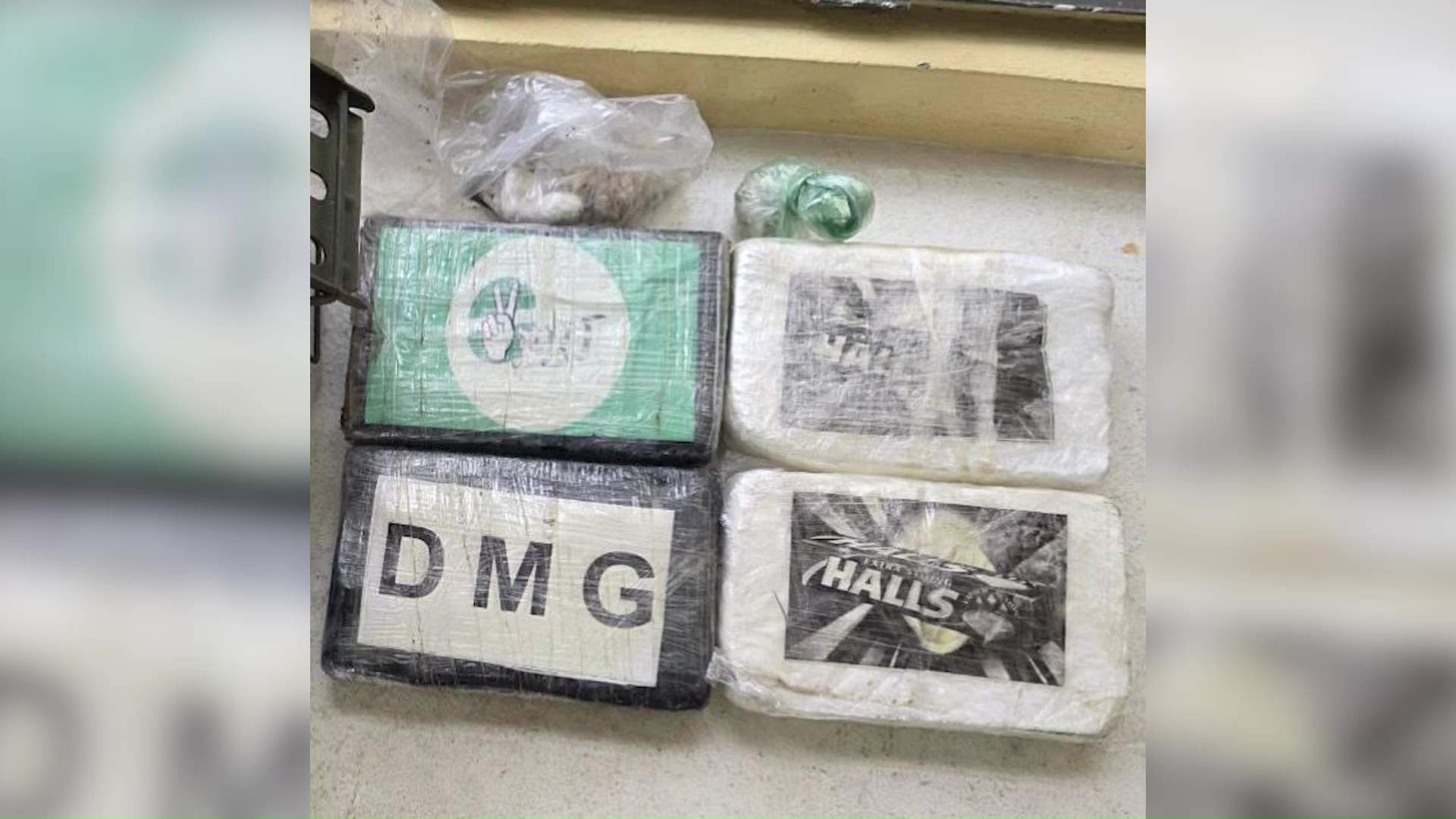
    In a significant law enforcement operation on Wednesday, authorities from Sandhill Village uncovered a substantial cache of illegal narcotics during a targeted sweep of the Maxboro community. The operation resulted in the discovery of multiple cocaine parcels with a combined weight exceeding 4,385 grams (approximately 9.67 pounds).

    According to official reports, investigators initially located four separate packages containing the illicit substance during their systematic search of the area. The operation yielded further results when officers identified an additional 109 grams of cocaine in the immediate vicinity, significantly increasing the total quantity of confiscated drugs.

    While the precise street value of the seizure remains undisclosed, law enforcement experts indicate that the amount represents a substantial disruption to local drug distribution networks. The discovery of such a considerable quantity suggests possible connections to organized criminal operations rather than individual consumer-level possession.

    Police authorities have maintained that their investigation remains active and ongoing, with forensic analysis and evidence collection continuing at the scene. No suspects have been publicly identified in connection with the drug cache at this time, and officials have not disclosed whether any arrests were made during the operation.

    The successful intervention forms part of broader ongoing efforts by Sandhill Village law enforcement to combat narcotics trafficking and distribution within the community. Police representatives have encouraged residents with additional information to come forward as investigators work to identify those responsible for the substantial drug stash.

  • Ruta Maya Organizers Defend Race’s True Purpose

    Ruta Maya Organizers Defend Race’s True Purpose

    BELIZE CITY – The La Ruta Maya River Challenge, Belize’s premier river race event, faces mounting criticism over its most significant route alteration in nearly thirty years, prompting organizers to vigorously defend the competition’s foundational principles against accusations of commercial drift.

    With the 2026 edition introducing contentious modifications including finish-line relocation and stricter vending regulations, spectators and local vendors have expressed growing frustration. Critics contend these changes signal a departure from the event’s original focus on environmental consciousness and cultural tradition toward revenue-oriented priorities.

    Committee Vice Chair Roberto Harrison, a 29-year veteran of the event, directly addressed these concerns in an exclusive interview. ‘We have never shied away from the original creators’ vision that environmental awareness constitutes the essential core of “it’s more than just a race,”‘ Harrison asserted.

    The vice chair detailed the committee’s ongoing efforts to highlight ecological challenges facing the Belize River, including improper waste disposal and agricultural development encroaching on riverbanks. While acknowledging the need for enhanced environmental initiatives, Harrison emphasized the necessity of collaborative partnerships with government agencies and non-governmental organizations to effectively address these complex issues.

    The controversy emerges as the race undergoes its most substantial operational overhaul since inception, testing the balance between preserving tradition and implementing organizational changes. Harrison maintains that despite procedural adaptations, the event’s commitment to river conservation and public education remains unwavering, though he concedes additional measures are required to strengthen environmental advocacy efforts.

  • Central America Unites to Safeguard Indigenous Languages

    Central America Unites to Safeguard Indigenous Languages

    In a landmark regional collaboration, Central American nations have united to launch a comprehensive initiative aimed at preserving and revitalizing indigenous languages. The Indigenous Language Plan for Central America was formally inaugurated during a significant gathering in Guatemala this past weekend, strategically timed to coincide with International Mother Language Day observances.

    Belize emerged as a pivotal contributor to this multinational effort, with cultural representatives playing instrumental roles in the plan’s development. Rolando Cocom, Director of the Institute for Social & Cultural Research, emphasized the extensive preparatory work behind the initiative, noting that months of collaborative assessment and strategic planning preceded Saturday’s official launch. The regional cooperation involved thorough evaluation of indigenous language status across Central America and establishment of shared preservation objectives.

    Delmer Tzib, Coordinator of the Intercultural Indigenous Language Institute at the University of Belize, provided crucial philosophical grounding for the initiative, articulating a dual framework for understanding linguistic preservation. Beyond their undeniable value as cultural heritage artifacts, Tzib emphasized that indigenous languages represent fundamental human rights—specifically the right to speak one’s mother tongue, share it openly within communities, and ensure its intergenerational transmission.

    This coordinated regional approach marks a significant advancement in language conservation efforts, moving beyond national boundaries to create a unified front against linguistic erosion. The plan establishes mechanisms for international visibility, systematic safeguarding protocols, and promotion strategies designed to address the urgent preservation needs identified across the region.

  • Belize Joins Regional Push to Preserve Afro‑Descendant Heritage

    Belize Joins Regional Push to Preserve Afro‑Descendant Heritage

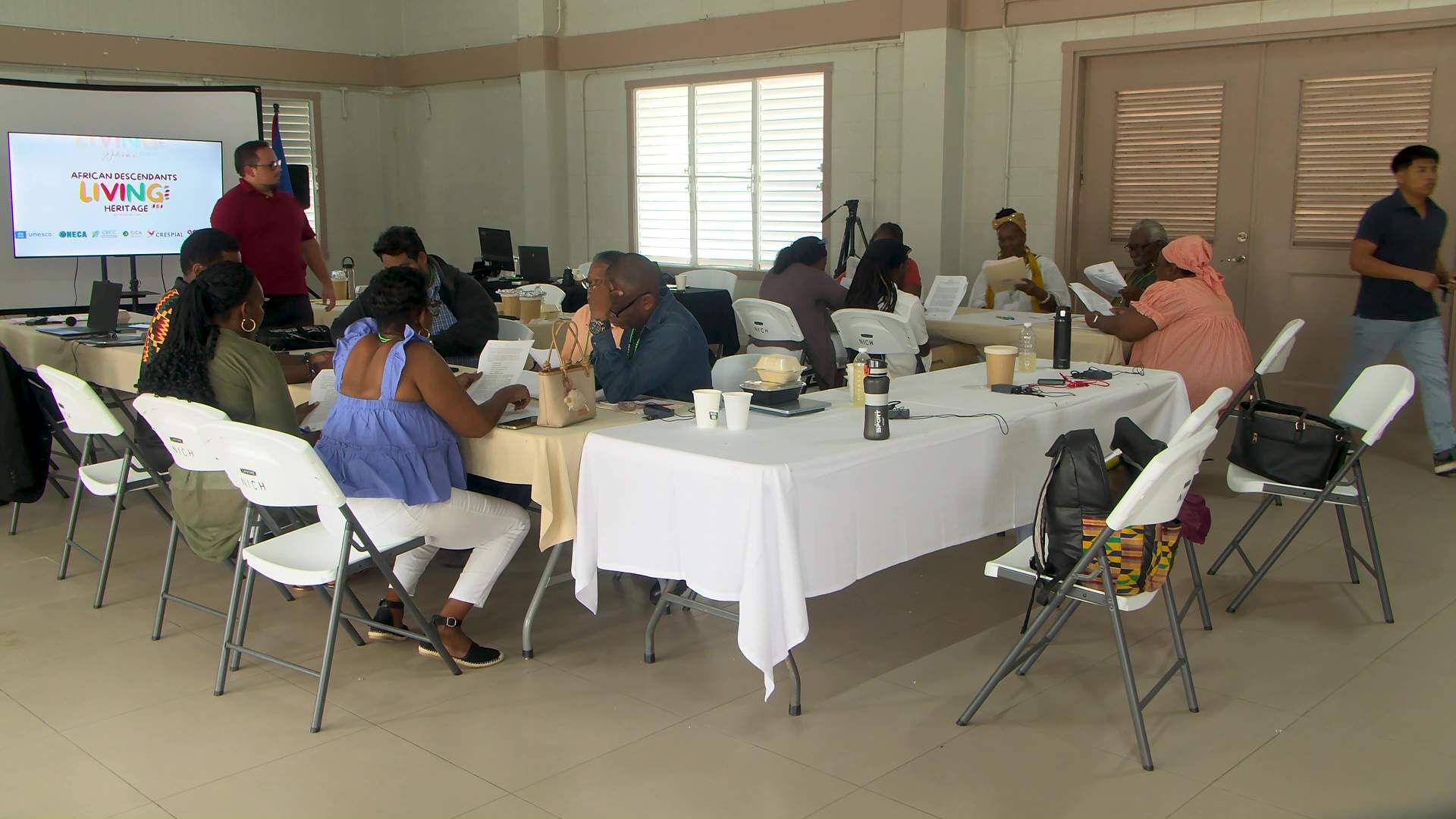
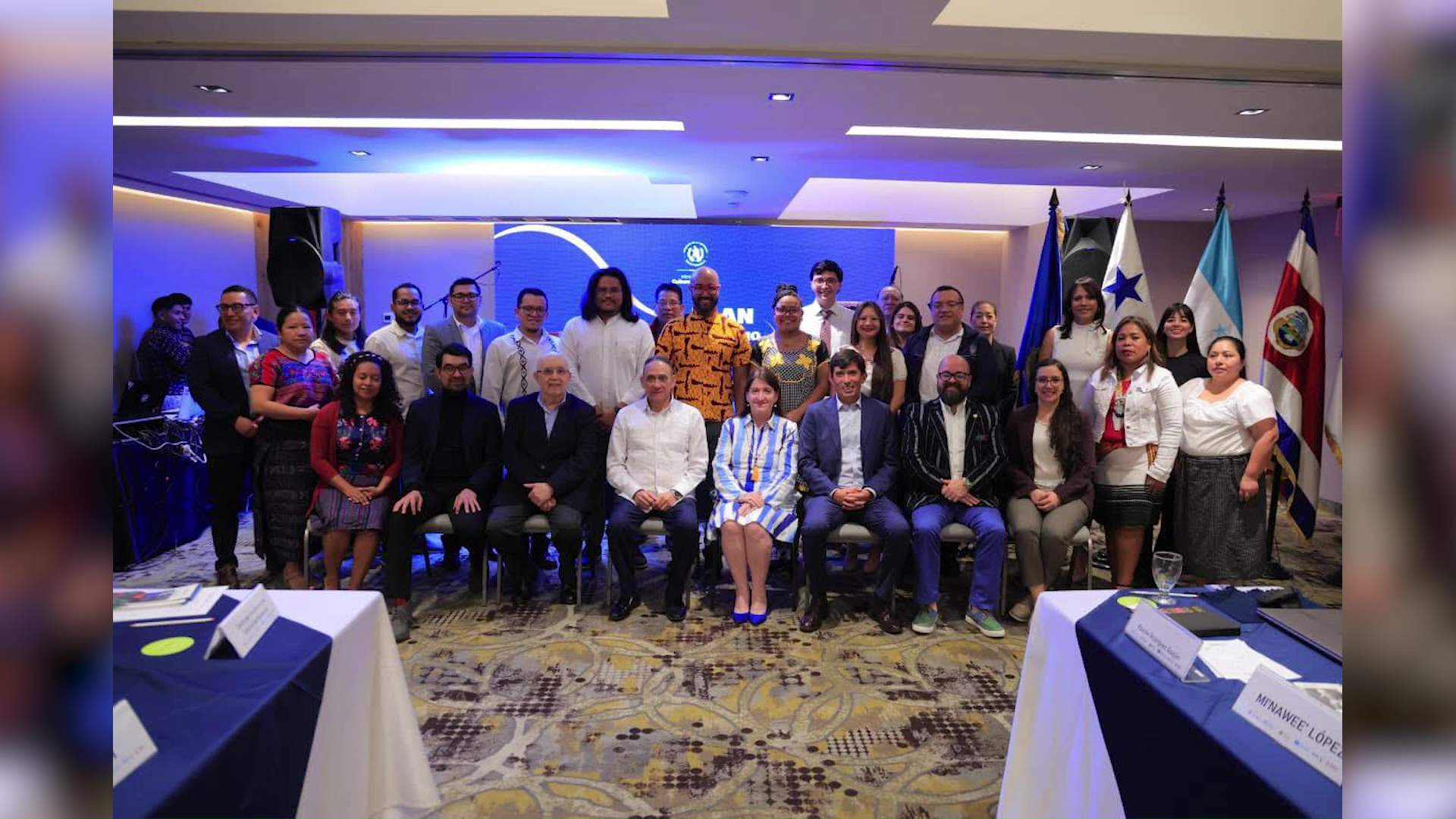
    Belize is intensifying its cultural preservation initiatives through active participation in a multinational Central American endeavor focused on Afro-descendant heritage. Following recent regional efforts to protect Indigenous languages, Belizean cultural representatives are now engaged in a specialized workshop designed to document and conserve intangible cultural assets.

    Key institutions leading Belize’s involvement include the National Garifuna Council and the National Kriol Council, both sending delegates to receive training in international methodologies for inventorying oral traditions, community knowledge, and intergenerational wisdom that characterize Afro-descendant communities.

    Rafael Mona, Central American Cultural & Education Coordination official, emphasized the multinational nature of the initiative, noting its specific focus on African descendant heritage across the region.

    Wilford Felix, President of the National Kriol Council, highlighted the workshop’s significance: “This allows us to work closer with communities and preserve those age-old wisdoms that you can only get, in most cases, from your granny and your grandpa.” He explained that intangible heritage encompasses aspects passed between generations without artifacts, particularly oral traditions that require specialized documentation techniques.

    Cultural leaders express strong commitment to maintaining these ancestral stories and traditions for future generations, recognizing the urgency of preserving cultural knowledge that exists primarily in oral form rather than written records. The initiative represents a growing recognition throughout Central America that cultural preservation requires both local engagement and international methodology.

  • No Parking: Stadium Ring Road, St George

    No Parking: Stadium Ring Road, St George

    The Royal Grenada Police Force (RGPF) Traffic Department has issued an immediate parking prohibition along Stadium Ring Road in St. George. Authorities have mandated the prompt removal of all vehicles currently stationed in the affected area to accommodate unimpeded vehicular movement and enhance pedestrian safety measures.

    This regulatory intervention responds to growing concerns about traffic congestion and potential safety hazards in the vicinity of the stadium. The police commissioner’s office emphasized the necessity of these measures for maintaining orderly traffic patterns and protecting public welfare.

    The parking restriction will remain indefinitely until official authorities determine otherwise. Motorists are advised to seek alternative parking arrangements and comply with traffic directives to avoid penalties. The RGPF maintains its commitment to ensuring road safety and efficient traffic management throughout Grenada.

    This public notice represents part of broader ongoing efforts by Grenadian law enforcement to optimize traffic flow in high-density areas, particularly around venues that frequently host large public gatherings.

  • Mayor’s Office launches “Boca Chica Verde” program

    Mayor’s Office launches “Boca Chica Verde” program

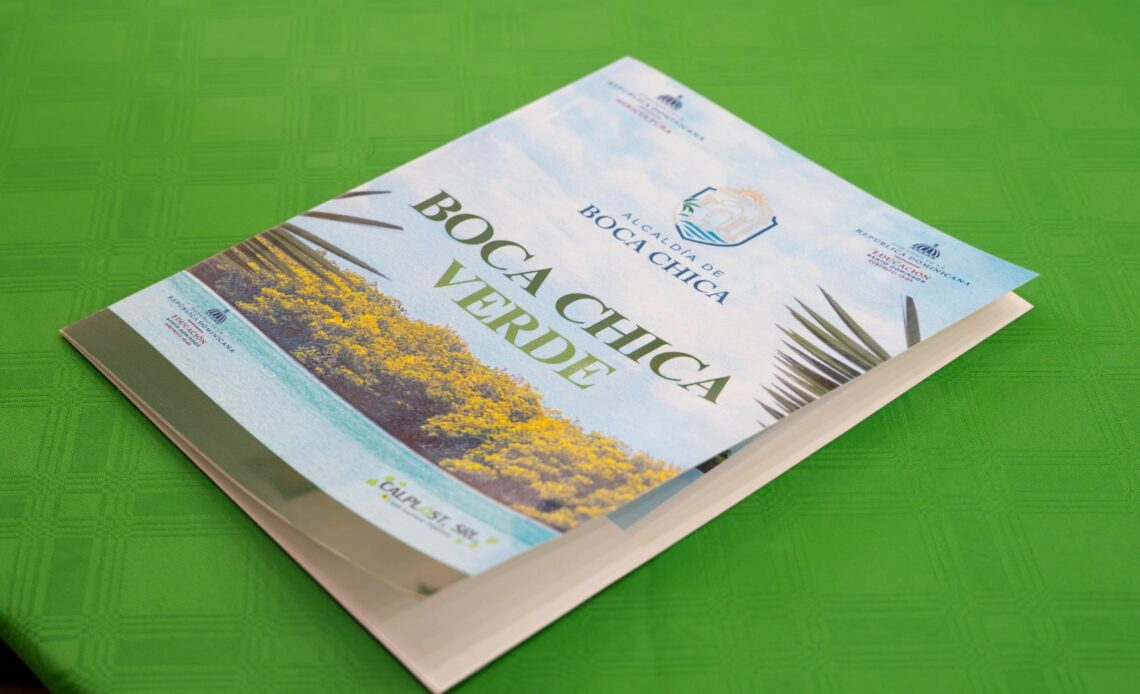
    The Boca Chica Mayor’s Office has inaugurated a comprehensive environmental program titled “Boca Chica Verde,” marking a significant step toward enhancing ecological awareness and youth engagement in municipal sustainability efforts. This collaborative initiative brings together multiple institutions, including the Municipal Environmental Management Department (UGAM) and the local Education Department, with additional support from the Ministry of Agriculture, the 10-05 Educational District, and the Deep Green Foundation.

    The program commenced with a formal launch event at the Boca Chica Town Hall, gathering representatives from ten educational institutions across the municipality. A central component of the initiative is the ECORETO competition, which challenges student teams to conceptualize and present innovative ecological solutions addressing pressing environmental concerns. Participating schools will develop practical projects across several critical areas: recycling and waste reuse strategies, establishment of school nurseries and reforestation efforts, restoration of vital ecosystems including mangroves, beaches, and coral reefs, and the organization of environmental volunteer corps.

    To ensure the success of these projects, students received expert technical guidance and motivational addresses from program coordinators and distinguished guests. These included officials from the Ministry of Agriculture, representatives from the Deep Green Foundation, and influential youth communicator Mario Joshua, known professionally as “Mario RD.” The initiative is scheduled to culminate during the national Environment Week with a Municipal Ecological Fair. This concluding event will serve as a platform for showcasing the student-led projects and will feature the presentation of the ECOLÍDERES award, recognizing outstanding environmental leadership. The program reinforces the administration’s commitment to sustainable development under the leadership of Mayor Ramón Candelaria.

  • Social : The CDH denounces the blocking of the recruitment of 80 new customs agents

    Social : The CDH denounces the blocking of the recruitment of 80 new customs agents

    The Haitian Customs Collective (CDH) has issued a formal condemnation of the General Customs Administration’s management practices, alleging systematic corruption in the recruitment process for new agents. The organization expressed profound concern over what it describes as opaque hiring procedures that favor personal connections over merit-based selection.

    According to the CDH’s investigation, the legitimate recruitment process for 80 customs surveillance agents has been effectively sidelined. This process, which involved competitive examinations administered to 3,232 candidates on August 24, 2025, was initially scheduled to conclude with new agents joining the administration by October. However, the CDH claims that Director Gérald Remplais has instead overseen the appointment of 210 agents based on personal connections rather than examination performance.

    The collective’s statement reveals that since November, internal investigations have uncovered evidence of favoritism and irregular practices within the institution. These findings suggest a management approach that allegedly prioritizes personal relationships over professional qualifications, potentially undermining both institutional integrity and operational effectiveness.

    The CDH has called upon relevant state authorities, oversight bodies, and international customs partners to intervene urgently. The organization emphasizes that ethical governance and professional standards are essential for maintaining public trust and ensuring the proper functioning of Haiti’s customs services. The collective reaffirmed its commitment to advocating for transparency, merit-based appointments, and the protection of agents’ rights within the customs administration.

  • ONA : Working meeting on the ONAPolis program

    ONA : Working meeting on the ONAPolis program

    Port-au-Prince, Haiti – In a significant move to bolster its social security infrastructure, Haiti’s National Old-Age Insurance Office (ONA) convened a high-level interdepartmental meeting on February 25, 2026, to evaluate and reinforce the ONAPolis program. The gathering brought together key stakeholders including representatives from the Haitian National Police (PNH), Portfolio Directorate, Budget Directorate, and the Ministry of Economy and Finance (MEF).

    During the comprehensive working session, participants addressed operational challenges identified during the program’s implementation and developed strategies to enhance institutional cooperation. Ronald Bazile, Director General of ONA, emphasized the importance of adhering to the established memorandum of understanding to ensure clear understanding of respective responsibilities among all participating entities.

    The ONAPolis program, designed as an integral component of Haiti’s structured social protection system, provides police officers with identical benefits and subjection to the same regulations as all ONA insured members. Regarding credit applications, the agency reinforced that all requests must be channeled exclusively through the Police Human Resources Department, with direct submissions to ONA remaining ineligible for consideration.

    To maintain transparency and operational efficiency, ONA has implemented rigorous financial assessment protocols that include systematic verification through the National Credit Bank (BNC) to evaluate applicants’ solvency status. These measures are specifically designed to prevent over-indebtedness, preserve the program’s financial stability, and protect beneficiaries from unsustainable debt burdens.

    Following productive discussions, participating institutions agreed to enhance operational collaboration with the Police HR Department, establish periodic financial reconciliation mechanisms, improve institutional communication channels, and further clarify financial processes and administrative responsibilities.

    ONA reaffirmed its commitment to maintaining stringent financial analysis standards, safeguarding beneficiaries against over-indebtedness, consolidating ONAPolis for sustainable social protection, and facilitating prioritized processing for specialized units where feasible. This strategic approach underscores ONA’s central role in administering a robust social program founded on administrative rigor, institutional accountability, and effective protection of insured individuals.

  • Authorities investigate environmental impact of land clearing in Santo Cerro

    Authorities investigate environmental impact of land clearing in Santo Cerro

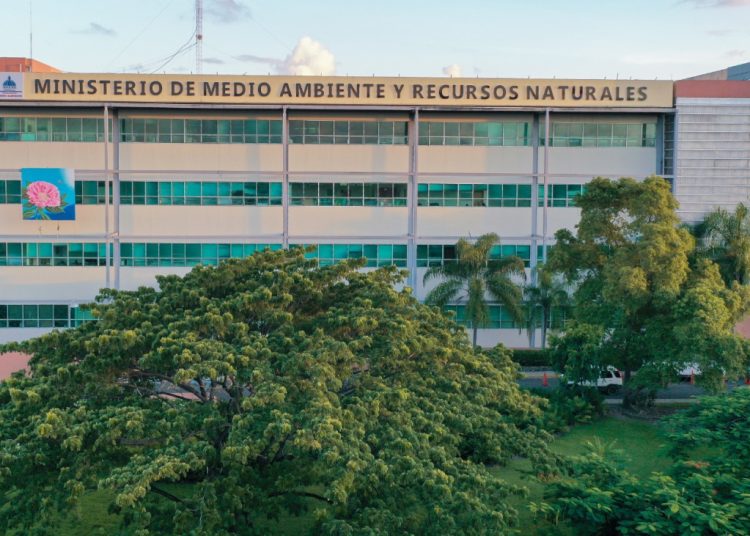
    Environmental authorities in the Dominican Republic have intervened to stop a significant land development project in La Vega province after uncovering potential regulatory violations. A team of specialists from the Ministry of Environment conducted a thorough inspection in the Santo Cerro sector’s Burende section on February 4, 2026, responding to citizen reports submitted through the Green Line platform.

    The inspection team, comprising technicians Darío Concepción and Anderson Santana with security support from Major Echavarría of the National Environmental Protection Service, documented extensive mechanized clearing operations across approximately 100 tareas (about 62,500 square meters). The site assessment revealed comprehensive vegetation removal including undergrowth, shrubs, and immature trees, accompanied by road construction, land grading activities, and the rehabilitation of an existing structure previously owned by engineer Rey Concepción.

    Investigators discovered promotional signage marketing the property for sale, indicating potential plans for parcel subdivision and ecotourism development. The technical evaluation concluded that these activities likely caused substantial disruption to native vegetation, wildlife habitats, and adjacent micro-watershed systems. In response to these findings, officials have mandated an immediate cessation of all development work and initiated requirements for large-scale reforestation efforts, with particular emphasis on areas showing evidence of prior excavation. The Ministry is pursuing administrative penalties for breaches of environmental protection statutes while continuing to assess the situation for potential legal action.

  • ‘RIP, Ninja Man’: Health warnings echo through City streets as street character dies

    ‘RIP, Ninja Man’: Health warnings echo through City streets as street character dies

    The sudden passing of Anthony Fitzpatrick Lynch, widely known as ‘Ninja Man,’ has created an emotional void across Bridgetown’s vibrant streets where he became both a legendary character and controversial figure. His death this Tuesday has ignited profound reflections on mental health awareness, social care systems, and the complex relationships between street personalities and their communities.

    Interviews conducted throughout the capital reveal deeply divided yet heartfelt perspectives on Lynch’s legacy. Vendors and regular pedestrians described him as “everybody’s boy”—a man whose unpredictable behavior ranged from delightfully eccentric to profoundly troubling. Vino Williams, emotionally capturing the prevailing sentiment, noted: “He gave enough trouble when ready, but was everybody’s baby regardless.”

    The conversation has evolved beyond mourning into urgent public health discourse. Frankie Browne, a local entertainer, emerged as a vocal advocate for systematic health interventions: “This tragedy underscores the critical need for all street individuals—and indeed every Barbadian—to undergo regular health screenings. We cannot wait until crisis strikes to address medical needs.”

    Memories of Ninja Man paint a portrait of contradictions: a non-violent yet disruptive presence who wore nurses’ uniforms and formal dresses with equal flair, slept near government buildings, and offered quirky wisdom to passersby. His 2023 alleged theft of $100,000 in historical artifacts from the Parliament Buildings, including National Hero Errol Barrow’s boots—later accidentally destroyed by police during his apprehension—added layers to his complex narrative.

    Ricardo Maynard offered psychological insight: “He clearly faced unresolved challenges that manifested in unpredictable behavior. We must understand such individuals through compassionate lenses rather than mere judgment.”

    Not all recollections were fond. A critic identified as Foxx called him “a societal nuisance” whose actions necessitated increased security measures around government properties.

    As Bridgetown adjusts to his absence, Ninja Man joins Barbados’ folklore of unforgettable street personalities like Tallah-Lallah and Gearbox. His legacy now serves as both a cultural memory and a catalyst for meaningful dialogue about mental healthcare accessibility and proactive public health strategies for vulnerable populations.