分类: society

  • Youth urged to take lead in safeguarding heritage across Barbados, Africa

    Youth urged to take lead in safeguarding heritage across Barbados, Africa

    At a recent virtual gathering focused on intercontinental cultural collaboration, leading cultural preservation advocates have emphasized that active youth participation stands as a make-or-break factor for the long-term survival of cultural heritage across both Barbados and the African continent. The urgent appeal was delivered during the Office of Pan-African Affairs and Heritage’s annual Heritage Month youth webinar, an event that convened hundreds of young cultural stakeholders from both regions to exchange ideas on protecting collective cultural traditions, historic landmarks, and shared communal identities.

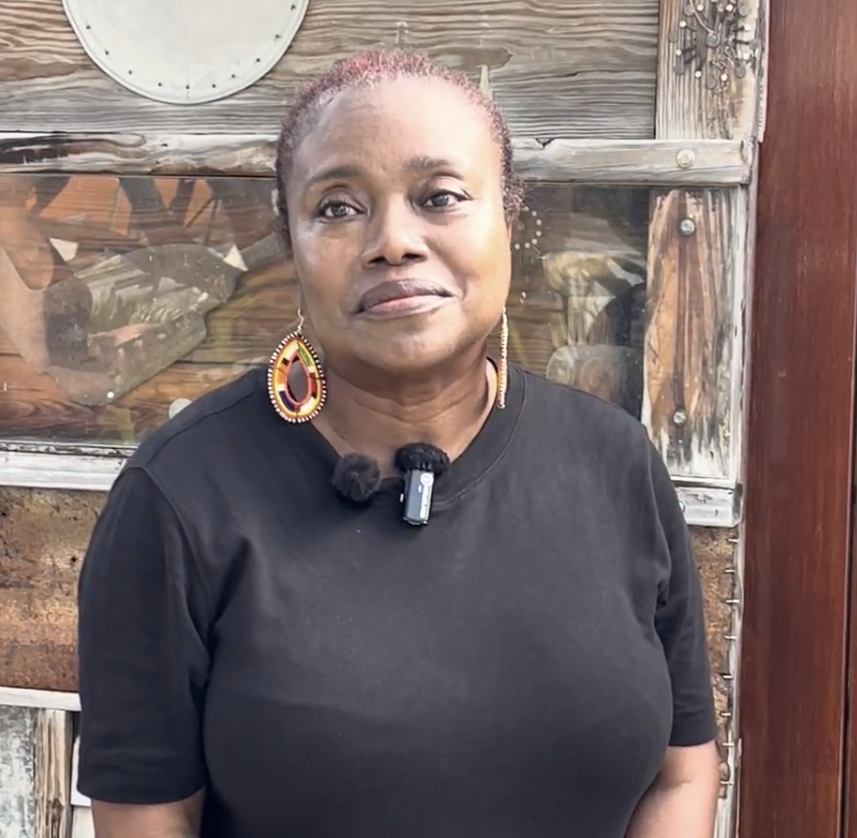
    Dr. Sheron Johnson, Heritage Month Coordinator for the Office of Pan-African Affairs and Heritage, explained that the annual webinar was intentionally structured to center youth perspectives in global conversations about heritage stewardship, a space that has long been dominated by established institutions and older experts. “As part of our core mandate to build long-term stewardship capacity across the heritage sector, each year we create a dedicated platform for young people to share their thoughts and take ownership of preservation work,” Johnson said during the opening remarks.

    She pushed back against the widespread misconception that heritage protection falls exclusively to government bodies, formal cultural institutions, and senior academic experts, arguing that younger generations bring irreplaceable value to the movement. “All too often, heritage preservation is framed as a job for established organizations and long-time specialists. But young people hold an equally critical role in safeguarding the stories, traditions, ancestral spaces, and core values that shape who we are as communities,” Johnson noted.

    She added that the unique combination of youth creativity, digital innovation, boundless energy, and fresh commitment is essential to making heritage feel relevant to contemporary and future generations, rather than a static artifact of the past. Johnson also highlighted that the webinar forms part of a broader diplomatic and cultural push to deepen ties between Barbados and African nations, most notably Kenya, where Barbados recently opened a dynamic embassy to cement cross-continental collaboration.

    “Barbados is moving quickly to build and solidify meaningful partnerships across the African continent. As many know, we have launched a thriving embassy in Nairobi, and today’s conversation is a direct extension of that commitment to building people-to-people bridges between our regions,” she explained.

    The event’s featured special guest, Khaulah Abdulkadir, a rising young Kenyan expert in cultural heritage conservation, echoed the call for broad public engagement, particularly from younger demographics, to keep heritage alive. “Heritage cannot survive without people. Our collective memories, cultural practices, and shared histories depend on active participation from communities to endure,” Abdulkadir said. She went on to outline the multifaceted benefits of intentional heritage stewardship, noting that it provides marginalized and local communities with a renewed sense of confidence, cultural pride, collective identity, and tangible economic opportunities through cultural tourism and heritage-related enterprise.

    Abdulkadir encouraged young people around the world to start their heritage journey by building connections to their own cultural roots, through engagement with elder community members, master artisans, and local cultural organizations. “To protect something, you first have to understand it and feel connected to it,” she said. She outlined accessible entry points for young people interested in the field, including visiting local museums, reading independent histories of their regions, attending public educational events like the webinar, and following the work of global heritage bodies such as UNESCO on digital platforms.

    “Volunteering is almost always the first step into the heritage preservation field. When you show up and contribute your time, casual interest grows into meaningful, lasting impact,” Abdulkadir said. Drawing from her own professional path, she shared that her career in conservation began with volunteer work in Kenya’s UNESCO World Heritage Site of Lamu Old Town, where she supported projects to digitize fragile historical manuscripts and document at-risk traditional cultural practices for future generations. That hands-on community work, she explained, gave her first-hand insight into how local heritage stewardship can help communities protect culturally significant sites from the growing threats posed by climate change, including coastal erosion and extreme weather.

    The youth-focused webinar is one of dozens of events hosted during this year’s Heritage Month, all designed to break down barriers to youth participation in heritage work and strengthen people-to-people cultural ties between Barbados and the African continent.


  • Antigua and Barbuda Loses Its Only Male Centenarian

    Antigua and Barbuda Loses Its Only Male Centenarian

    Denzil O’Brien Cummins, the last surviving male centenarian in the Caribbean nation of Antigua and Barbuda, has passed away at the age of 101. A long-time resident of the tight-knit community of Sea View Farm, Cummins drew his final breath on Thursday evening, mere days after being formally recognized by the government during the island’s annual Centenarian Week observances.

    The late centenarian was among a select group of the country’s oldest citizens celebrated in a series of community outreach events earlier this month. The gatherings drew senior government representatives including Governor General Sir Rodney Williams and Dale O’Brien, Director of the Community Development and Citizens’ Engagement Division, who paid tribute to Cummins and his fellow honorees for their lifelong contributions to national life.

    In the wake of his passing, Antigua and Barbuda’s Ministry of Social and Urban Transformation released an official statement extending its deepest sympathies to Cummins’ surviving family members, as well as the entire Sea View Farm area that he called home for decades. Local residents who knew Cummins have stepped forward to share their memories, remembering him as a warm, caring figure who left a lasting positive impression on every person he encountered throughout his 101 years of life. Born in September 1925, Cummins witnessed more than a century of global and local change before his death.

  • Felle brand legt woning aan Wanestraat volledig in de as

    Felle brand legt woning aan Wanestraat volledig in de as

    A devastating residential fire broke out in the early hours of Thursday morning around 4:30 a.m., completely destroying a high-rise apartment located on Wanestraat in the Nickerie district, according to local law enforcement and emergency response sources.

    At the time the blaze ignited, five people were inside the multi-story residential unit. Fortunately, all occupants were able to detect the fire quickly and evacuate the building before the flames spread out of control. Emergency responders confirmed that no injuries or fatalities have been reported following the incident, a rare positive outcome amid the extensive property damage.

    While the building itself suffered total loss, with the entire structure reduced to ashes, investigations into the fire’s origins are still in their early stages. Authorities have launched a formal inquiry to pinpoint the exact cause of the ignition.

    An additional detail that compounds the impact of the incident for the displaced residents is confirmation that the destroyed property was not covered by fire insurance, leaving the affected family without financial compensation for their total loss of housing and belongings.

  • PCA IT manager gunned down in Charlieville

    PCA IT manager gunned down in Charlieville

    A shocking act of violence has claimed the life of a senior Information Technology manager with Trinidad and Tobago’s Police Complaints Authority, after a gunman ambushed him in a public parking lot Wednesday evening.

    The victim has been formally identified as 38-year-old Sa-id Khan, a resident of St Augustine and father of two who had separated from his wife. The fatal attack unfolded shortly after 8 p.m., as Khan sat inside his Honda Vezel SUV parked outside a local insurance company along Caroni Savannah Road in Charlieville.

    Law enforcement officials confirmed that the attacker opened fire directly on the vehicle, shattering the front windscreen and side windows before fleeing the scene. Khan was struck multiple times by gunfire and was pronounced dead at the location by first responders. By Thursday morning, officers had cordoned off the entire crime scene to process forensic evidence, but a thorough search of the surrounding area had not yielded any suspects, and the underlying motive for the killing remains unconfirmed.

    In an interview with local outlet *Express* on Thursday, Police Complaints Authority (PCA) director David West shared an emotional tribute to Khan, who had only joined the independent oversight body six months prior to the attack. West described Khan as a warm, skilled professional who integrated seamlessly into the authority’s team, noting that “everybody loved him. He was a genuine guy, who enjoyed his work; very professional. He was a joy to be around.”

    Before joining the PCA, an independent civilian oversight body established by Parliament to monitor police conduct, Khan held a position at National Flour Mills. When asked whether the murder could be connected to his role at the authority, West clarified that Khan’s work focused exclusively on managing the organization’s IT systems, and he had no direct involvement with any ongoing oversight cases. “I can’t comment on that, but he’s the IT manager so he doesn’t have any direct dealings with any case,” West said.

    West added that the PCA had not been informed of any active leads in the investigation as of Thursday, and extended the organization’s full condolences to Khan’s bereaved family. “On behalf of the Police Complaints Authority, we’re very sorry to lose an employee in that manner, in that fashion. We wish his family all the best to cope and recover,” he said.

    West also used the incident to highlight the persistent challenge of violent crime in the country, adding, “just to know that crime is very high in Trinidad and Tobago, and I wish everybody just to be careful and safe out there.”

    As of this week, the national murder toll in Trinidad and Tobago stands at 184, a slight decrease from the 187 recorded over the same period last year.

  • Column: Meer dan een baard of een tatoeage

    Column: Meer dan een baard of een tatoeage

    Public discourse has long served as a mirror held up to society, reflecting more about the core values and unwritten norms of a community than it does about the specific topic being debated. The arguments people deploy, the reactions they share, and the priorities they highlight all combine to paint a clear picture of what a given society holds important. This truth has once again been proven by a fiery new conversation ignited by a recent op-ed from Revelino Eijk, chair of the Suriname Police Union.

    In his submitted article, Eijk laid out a straightforward argument about grooming standards for officers of the Suriname Police Corps, specifically addressing the rules surrounding beards and visible tattoos. His core position is unambiguous: a beard does not interfere with an officer’s ability to carry out police work, and a tattoo does not impact an officer’s capacity to complete official reports. Eijk stressed that the quality of a police officer is not determined by superficial physical traits, but by four critical factors: training, discipline, integrity, and professional skill.

    This perspective is rooted in on-the-ground experience: anyone who has worked alongside an ethical, skilled police officer knows that character cannot be read from a person’s facial hair, haircut, or visible ink. A clean-shaven face, by the same logic, does not automatically make an officer more competent or trustworthy. Professionalism is defined by actions, not outward appearance.

    Yet despite this logical framing, hundreds of public comments on the Starnieuws platform reveal the debate is far from settled. In fact, the discussion has only grown more divided, with a large segment of Surinamese society arguing that police officers should be held to higher standards than just basic professional competence. For many ordinary citizens, an officer does not only represent themselves — they are the public face of state authority. And for a large share of the public, that authority demands a specific, traditional public image. This is not an unreasonable viewpoint.

    A police uniform is never just work clothing. Judges wear robes to signal their institutional role, military personnel wear uniforms to mark their service, and police officers interact with the public every day as representatives of the national government. Before an officer even speaks, members of the public already form an immediate first impression. Whether one considers this fair or not, outward appearance shapes how the public perceives authority. But this raises a critical, unanswered question: who ultimately gets to define what that appropriate public image is? Does that power lie with the police union, the police leadership, the national government, or is it ultimately the public that sets the norms, consciously or unconsciously, for what it expects from the people tasked with guaranteeing its safety? That question, many argue, is the most important takeaway from this entire conversation.

    Throughout the debate, many participants have pointed to international precedents to bolster their arguments, particularly pointing to grooming rules for police officers already in place in the Netherlands. But observers warn against adopting foreign standards wholesale. Suriname is not the Netherlands, they note. It has its own unique national history, its own distinct cultural identity, and a one-of-a-kind mix of population groups and religious communities. What is considered appropriate appearance for police in the Netherlands does not automatically translate to Suriname’s social context.

    For this reason, many commentators including this piece’s author argue that this conversation deserves more than a quick exchange of opposing views on social media. It requires a broad, inclusive public conversation across all layers of Surinamese society. This dialogue should not aim to exclude officers with beards or tattoos; instead, its goal should be to collectively define what public image Suriname expects of its national police force in the 21st century. A careful, broad conversation could ultimately lead to a modern, widely supported grooming and dress regulation that carefully balances competing priorities: professional competence, public representation, personal autonomy for officers, and societal expectations of authority.

    It is also important to acknowledge that societal norms change over time. There was once a time when no one debated topics like police hat standards, acceptable mustache styles, or hair length for officers. Today, the debate centers on beards and tattoos; tomorrow, it will likely shift to new, unforeseen topics. This is not a sign of division or chaos — it is simply proof that institutional authority must continuously adapt to a changing society.

    For all these reasons, the outcome of this debate should not be decided by emotion, personal preference, or foreign examples alone. It demands a deliberate, thoughtful public conversation that gives full weight both to the rights of individual police officers and the expectations of the communities they serve. At its core, this debate is not about ink under the skin or hair on the face. It is about public trust, it is about institutional authority, and it is about answering a fundamental question: what does Suriname want the public face of its police force to look like?

  • Police probe death of teen motorcyclist amid protest on Corentyne

    Police probe death of teen motorcyclist amid protest on Corentyne

    On June 25, 2026, public outrage erupted across Corentyne, Berbice, after 16-year-old motorcyclist Aftaz King died following an encounter with local law enforcement, prompting widespread protests that saw demonstrators set fires along the Corentyne Public Road. By late Thursday night, the Guyana Police Force (GPF) bowed to mounting pressure from opposition political groups, announcing a formal investigation into the circumstances of the teenager’s death.

    According to the GPF’s initial account, King— a resident of Eliza Mary Race Course, Corentyne— was killed at approximately 6:45 p.m. on Princeton Access Road. Police investigators stated that King was operating motorcycle #CL 5607 when he attempted to evade a routine police patrol, lost control of his vehicle, and crashed head-on into a utility pole. King was rushed to the No. 75 Regional Public Hospital, where medical staff pronounced him dead on arrival, the force added.

    This official narrative has been directly challenged by opposition groups, who have alleged that police deliberately struck the teenager. The smaller opposition We Invest in Nationhood (WIN) party was the first to publicly dispute the police account, issuing a statement calling for “justice for young Altaf that was purposely hit by Police Officer in Corriverton.”

    Main opposition coalition A Partnership for National Unity (APNU), led by the People’s National Congress Reform (PNCR), amplified these calls hours later, demanding a full, independent, and transparent investigation. The coalition released a formal statement saying it was “deeply disturbed” by reports that King was being actively pursued by officers from the Springlands Police Station at the time of the crash. The PNCR-APNU called for immediate preservation of all relevant evidence, including internal police records, officer communications, and any available surveillance footage, and pushed for public release of investigation findings to uphold accountability and maintain public trust in law enforcement.

    “The PNCR/APNU stands with the grieving family in their pursuit of truth and justice. No family should have to endure the pain of losing a child under such circumstances without clear answers and accountability,” the coalition said in its statement.

    Just over two hours after APNU made its formal demand for an inquiry, the GPF announced that its Office of Professional Responsibility (OPR) had already launched an immediate probe into the incident. “The OPR investigation will examine all aspects of the incident and establish whether there was any criminal or disciplinary culpability,” the police force said in an official public statement.

    Acknowledging the profound public concern surrounding the case, GPF sought to reassure King’s family and the broader Guyanese public that it would handle the investigation with full impartiality. “Appropriate action would be taken should any criminal or disciplinary culpability be established,” the statement added.

    As of Thursday night, protests continued to disrupt traffic and daily life along the Corentyne Public Road, with local residents demanding swift and transparent answers about the teenager’s death.

  • “Bobo Youth’s” Murder Case Crumbles as Key Witness Vanishes

    “Bobo Youth’s” Murder Case Crumbles as Key Witness Vanishes

    In a stunning development that has brought a high-profile Caribbean murder trial to an abrupt end, two men charged in the killing of well-known local figure Rudolph “Bobo Youth” Lewis have had their charges dismissed after the prosecution’s critical witness vanished without a trace. The case fell apart entirely this Wednesday, when the Director of Public Prosecutions formally entered a nolle prosequi to discontinue the proceedings, after law enforcement authorities confirmed they could not locate the witness, who had previously reported ongoing threats to their life.

    Twenty-five-year-old Travis Jamaal Herbert has been fully released from custody following the dismissal of charges. His co-accused, 23-year-old Robert Arnold, has not regained his freedom, however; he remains detained at a correctional facility to face an unrelated separate murder charge.

    The trial centered on the fatal shooting of Lewis, which took place on March 22, 2024, on Elston Kerr Street. Prosecutors’ account of the incident laid out that Lewis was riding his motorcycle through the neighborhood when a vehicle carrying armed suspects pulled alongside him, and the gunmen inside opened fire, killing him at the scene. The case was already assembled and scheduled to get underway before Justice Nigel Pilgrim when the last-minute development about the missing witness forced prosecutors to end the proceedings abruptly.

    This report is a transcript of an evening television newscast, with Kriol language statements transcribed using a standardized spelling system for publication.

  • Five Days After Hattieville Tragedy, Violence Strikes Again

    Five Days After Hattieville Tragedy, Violence Strikes Again

    Five days after a horrific double killing that claimed the life of expectant mother Jane Urbina and her unborn child in Hattieville, Belize has been shaken by another outbreak of gang-related violence, leaving one man dead and another wounded in a shooting in Lord’s Bank. The latest attack has fanned growing public anger and anxiety over the country’s persistent crisis of violent crime, and thrown into sharp question the effectiveness of the recently declared state of emergency (SOE) that was meant to curb bloodshed in high-risk zones.

    Authorities believe the Hattieville killing was carried out by perpetrators based out of Belize City, and the Lord’s Bank shooting falls within the boundaries of the areas placed under heightened security through the SOE. Critics of the measure have quickly pointed to the back-to-back attacks as proof that the emergency order has failed to deliver on its core promise of improving public safety in the most violence-prone communities across the nation.

    Despite the widespread criticism, Belize Police Commissioner Dr. Richard Rosado has defended the SOE, arguing that the measure has already met its central operational objective: giving law enforcement investigators the unimpeded space needed to crack open unsolved homicide cases. In comments to reporters, Dr. Rosado noted that the declaration of emergency has already allowed police to clear at least four separate murder cases, a key win for an overstretched force grappling with a years-long surge in violent crime.

    When pressed by reporters about why a brazen murder was able to occur on Albert Street, a central thoroughfare that sees steady police presence even during peak Saturday shopping hours, Dr. Rosado acknowledged that criminal actors often exploit unexpected opportunities to carry out attacks. He emphasized that protecting the safety and security of all Belizean citizens remains the top priority for the national police force, and rejected suggestions that a small cohort of violent offenders would be allowed to upend public order across the country.

    “ We will not allow a few criminal-minded individuals to dictate the security environment of our country,” Dr. Rosado told reporters, confirming that the department has already redirected additional personnel and resources to stabilize the security situation in Belize City. He added that police remain committed to identifying all perpetrators of recent violence and bringing them before the courts to face justice.

    As of the latest update, no suspects have been arrested or charged in connection with the killing of Jane Urbina, a case that has galvanized national outrage over Belize’s ongoing crime epidemic. This report is a edited account of an original televised evening news broadcast, transcribed and adapted for online publication.

  • Ocean Academy Rejects Government Takeover Plan

    Ocean Academy Rejects Government Takeover Plan

    On the small Caribbean island of Caye Caulker, Belize, a beloved local high school has made the firm decision to stand its ground and remain independent, turning down a government proposal that would have absorbed the institution into a new state-run secondary campus. The June 2026 announcement caps months of tense negotiations between school leadership and government officials, and comes amid longstanding infrastructure challenges that have disrupted classes for the school’s student body.

    What was initially framed as a collaborative solution to Ocean Academy’s pressing space and infrastructure crisis quickly unraveled after government negotiators made a non-negotiable demand: the private nonprofit school would have to voluntarily surrender its operating license to make way for the new public institution. Under the original proposal, floated late last year, the government planned to partner with Ocean Academy to address the school’s long-running issues with chronic flooding, toxic mold infestations, and rampant mosquito populations that have forced the school to shift to online learning and host classes in borrowed community spaces for months. Construction on the new state high school is still scheduled to break ground next month, but it will move forward without Ocean Academy’s participation.

    Principal Noemi Zaiden confirmed that the school’s stakeholder community — including parents, students, alumni, and local supporters — overwhelmingly rejected the government’s terms. “What we’ve been told is that the new government high school would have no ties to Ocean Academy, and we were also asked to voluntarily revoke our license,” Zaiden explained. “After consulting our stakeholders, it was clear they did not want us to surrender our license, so Ocean Academy will remain an independent high school serving Caye Caulker.”

    To address its immediate infrastructure needs, the school has already begun adapting its current campus to the island’s flood risks, moving all core instructional and administrative spaces to the second story and permanently abandoning the flood-prone ground floor. School leadership aims to have all students back on a physical campus by the start of the new academic term in August. In the short term, two modular movable classrooms will be installed on a nearby elevated parcel of land to keep students close to the existing campus while long-term plans are finalized. Counselor Elizabeth Usher noted that the modular solution was designed to accommodate the upcoming rainy season, as the school continues to monitor flood risks on the original site.

    Andre Perez, the Area Representative for Belize Rural South who has been shepherding the government’s new high school project, said he respects Ocean Academy’s right to retain its independence, but made clear he is disappointed by the outcome. “That is most unfortunate. Deeply disheartening,” Perez told reporters. “We all recognized the urgency of expanding high school access on the island, and we thought we could work together to make that happen. There were unfounded allegations that ministry officials had sold off public beachfront land for the project, which we clarified, and we had a productive meeting. The Ministry of Education was clear that this would be a government-run institution, with all teachers and students transferred to the new campus, but Ocean Academy wanted to retain its own unique curriculum and institutional identity, which did not align with the government’s plan.”

    Now Ocean Academy is turning to community and donor support to fund its independent path forward, launching a public fundraising campaign to cover the cost of the temporary modular classrooms and secure a larger plot of land for a permanent, flood-resilient campus. Founder Heidi Curry says the school already has preliminary commitments from donors ready to contribute to a down payment for the permanent campus once a suitable property is finalized, and project updates will be posted regularly on the school’s official website. “The next update will include specific numbers for the cost of the temporary classrooms, and as soon as we lock in the parcel for our permanent home, we will share full details about the down payment and construction timeline we’re targeting,” Curry said.

    While Perez confirmed that Ocean Academy currently qualifies for free tuition for its students through the national government’s Education Upliftment program, it remains unclear whether the school will retain access to this public funding in future years after rejecting the government’s takeover proposal.

  • ‘Anticipatory action’: New scheme calculates payouts before impact

    ‘Anticipatory action’: New scheme calculates payouts before impact

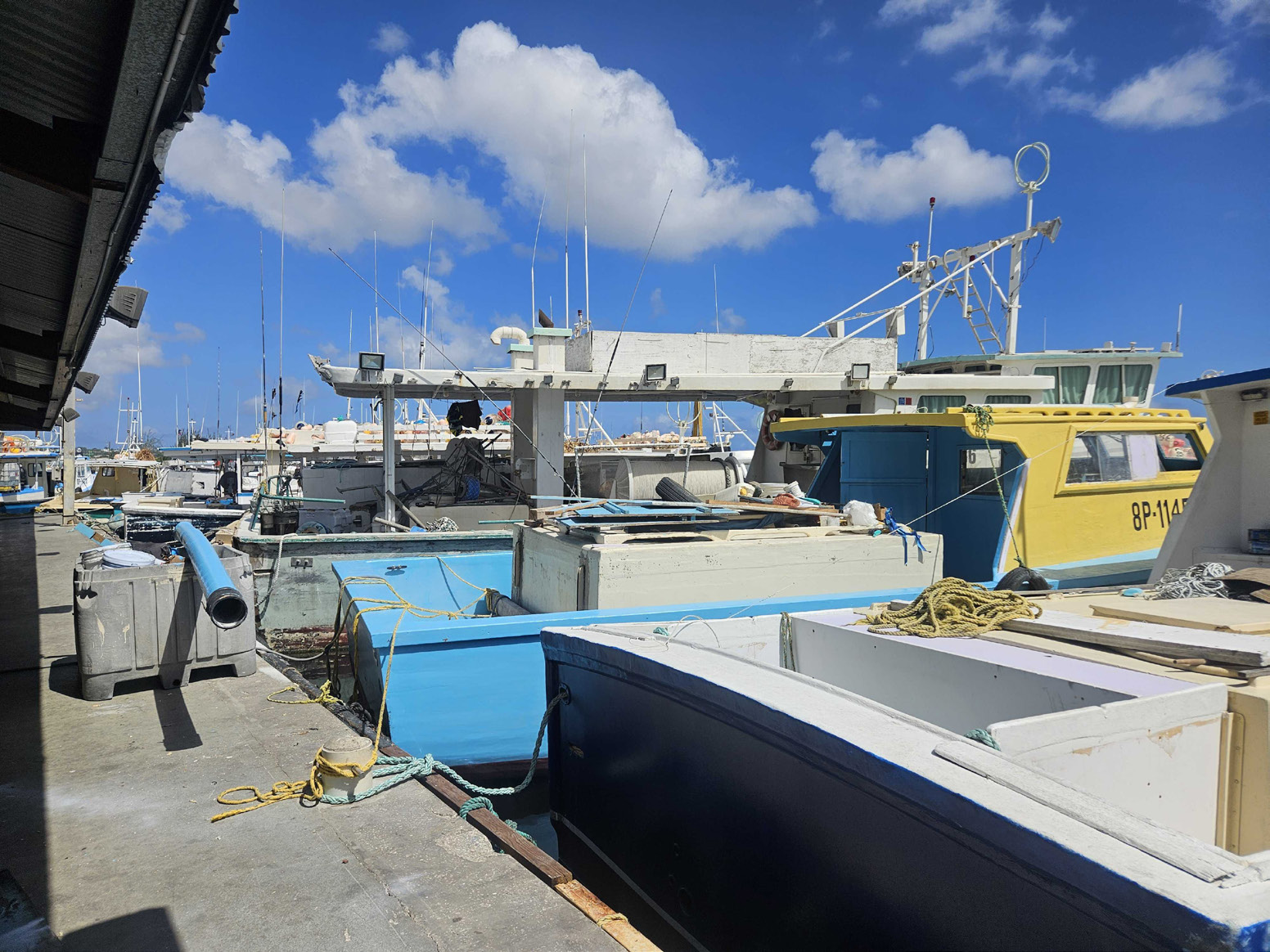
    As Caribbean communities brace for another active Atlantic hurricane season, a historic shift in disaster risk management is delivering new protection to one of the region’s most vulnerable economic sectors: small-scale fishing. In a first-of-its-kind launch, Barbados has rolled out an anticipatory action (AA) insurance mechanism that will disburse emergency funds to fishing communities up to three days before a hurricane makes landfall, a change that moves disaster support from post-damage response to pre-event preparedness and is set to benefit roughly 6,000 people across Barbados’ fishing industry.

    The new program was developed through a partnership between the government of Barbados, the United Nations Office for Disaster Risk Reduction (UNDRR), and CCRIF SPC, the Caribbean region’s dedicated catastrophic risk insurance facility. It builds on the framework of COAST (the Caribbean Oceans and Aquaculture Sustainability Facility), the world’s first parametric insurance product built specifically for the fisheries sector that launched in 2019 and is currently used by seven Caribbean nations.

    Unlike traditional disaster insurance, which only processes payouts after a storm has hit and caused damage, this AA mechanism leverages cutting-edge probabilistic hurricane forecasting and pre-set, transparent risk thresholds to trigger automatic early payouts when a credible hurricane threat is identified. This advance access to funding gives fishers the resources they need to take life-saving protective action: pulling vessels out of the water, securing expensive equipment like boat engines, moving gear to safe storage, and evacuating to shelter before conditions deteriorate. By proactively reducing risk, the initiative aims to cut down on avoidable loss of life, cut economic losses, shorten post-storm recovery times, and make disaster management far more cost-effective for the region.

    The launch comes directly in the aftermath of 2024’s Hurricane Beryl, which devastated Barbados’ fishing fleet and left countless workers still struggling to rebuild their livelihoods months later. Moonesh Dharampaul, president of the Blackfin Fleet Cooperative Society (BFCS) which participated in pre-launch consultations on the program, confirmed the initiative will cover all workers connected to Barbados’ fishing sector, not just active fishermen. This includes net menders, fish vendors, processors, and workers across all fishing sub-sectors from pot fishing to spear fishing.

    Dharampaul emphasized that the new mechanism fills a long-unmet need for rapid financial protection for the industry amid growing climate-driven extreme weather. Payouts are routed through the Barbadian Ministry of Finance and Division of Fisheries, which will direct funds to the most vulnerable coastal fishing communities. The scheme also extends coverage to impacts from heavy rainfall and coastal erosion, two additional climate-linked threats that harm fishing livelihoods in the region.

    While industry leaders have broadly welcomed the new safety net, Dharampaul highlighted ongoing gaps that still threaten fishing communities ahead of hurricane season. Currently, Barbados lacks sufficient slipways and haul-out facilities to quickly and safely remove all 280 active fishing boats from the water before a storm. Even with early funding, it takes a minimum of 72 hours to move all vessels to safe storage, and workers still face challenges finding secure, storm-resistant locations to park boats out of the water. Dharampaul said the cooperative is working with government to address these infrastructure gaps to maximize the benefits of the new insurance program.

    Financially, the AA mechanism builds on the proven probabilistic hurricane risk models that already underpin CCRIF’s existing insurance products, with a key innovative twist: the timing of payouts. To maintain long-term financial sustainability despite more frequent trigger activations (a natural outcome of forecast-based early action), the program uses carefully calibrated risk thresholds, geographic adjustments, and adjusted premium pricing to balance operational effectiveness with financial stability. Payout calculations are structured to account for the number of affected workers, the value of at-risk vessels, and impacts across the entire supply chain, not just directly harm to fishermen.

    The initiative solves a deadly dilemma that has faced Atlantic fisherfolk for generations: when a hurricane is approaching, workers must choose between staying ashore and losing critical income that supports their families, or venturing out into dangerous seas to catch one last haul before the storm. With early access to emergency funding, that no longer has to be a choice, as workers have the resources to secure their livelihoods without risking their lives.

    Developers note the AA model has significant potential for expansion across the entire Caribbean, and can be adapted for other hurricane-prone regions around the world. It could also be modified to cover other forecastable climate hazards including drought, extreme lightning, and heavy rainfall that disproportionately harm vulnerable coastal communities. At present, it remains unclear whether the scheme will cover losses linked to invasive Sargassum seaweed blooms, another growing threat to Caribbean fishing.

    Structured as a macro-scale insurance solution, the program pays out to an intermediary institution rather than individual fishers, which then distributes funds to affected communities quickly. The World Food Programme has already expressed strong interest in serving as the policyholder, and has confirmed it has the capacity to disburse funds to thousands of fisherfolk rapidly at scale, though other organizations including the United Nations Office for the Coordination of Humanitarian Affairs and national governments can also fill this intermediary role.

    The technical groundwork for the initiative was laid through a UNDRR-commissioned study as part of the global Early Warnings for All initiative, which tested feasibility across three pilot countries: Barbados, Jamaica, and Dominica. The study confirmed that an anticipatory action insurance product for hurricane wind impacts is technically viable, and integrates smoothly with the region’s existing forecasting and risk management infrastructure.