
The annual rainy season in Suriname is no unforeseen event. Every student learns about the country’s distinct seasonal patterns in school, the national Meteorological Service issues advance warnings, and even long-time residents mentally prepare for wet conditions months ahead. Yet year after year, when the heavy downpours arrive, the widespread chaos they trigger still catches communities off guard. As a healthcare worker working in a local clinic, these disruptions are visible from the very start of the rainy season. Patients cancel appointments or fail to show up entirely because their yards and homes are submerged under floodwater. Others arrive hours late after impassable roads forced them to abandon their vehicles halfway to the facility. Temporary parking lots turn into makeshift ponds, turning what should be a quick trip to the hospital into an unexpected, logistically challenging expedition. Even routine procedures such as blood draws become unnecessarily complicated. Access roads to off-site testing laboratories are frequently rendered unusable, and some collection sites face flooding themselves. What was supposed to be a standard check-up gets pushed back not out of patient negligence, but simply because reaching the care facility has become impossible. The impact of unmanaged flooding stretches far beyond the healthcare sector, however. Flooded homes leave residents with water-damaged furniture, destroyed electrical appliances, and the unplanned burden of cleaning and rebuilding. For households already struggling to make ends meet, these unexpected repair costs push budgets even further out of balance, leaving a costly bill the rainy season leaves behind that many cannot afford. Food prices for fresh vegetables and other staple groceries have also spiked in the wake of repeated flooding. For many Surinamese families, accessing affordable nutritious food was already a major challenge; seasonal flooding only makes that burden much heavier. On top of economic strains, flood conditions create ideal breeding grounds for a range of health hazards. Standing water is the perfect environment for mosquito breeding, driving up the risk of mosquito-borne diseases across affected communities. Floodwater also increases exposure to dangerous infections such as Weil’s disease, which spreads when people come into contact with water contaminated by rat urine. To add to the list of problems, the rising floodwaters drive unwanted wildlife — including rats, cockroaches, and even snakes — out of their natural habitats and into dry residential homes, turning living spaces into unexpected refuges for displaced wildlife. It is important to acknowledge that individual residents bear some responsibility for reducing flood risk. Improper disposal of waste in drainage trenches and canals is a common contributor to blockages, and unkempt residential yards can make flooding worse. A clogged drainage system can often trace its origin back to a single plastic bottle or plastic bag discarded carelessly. But individual responsibility is only one piece of the puzzle. Building and maintaining a flood-resilient Suriname is first and foremost a public responsibility. The government bears the core duty of ensuring routine maintenance of drainage canals, sewer systems, and other flood management infrastructure. This work should not wait until streets are already submerged; it needs to happen long before the first heavy rains of the season arrive. As the old saying goes, an ounce of prevention is worth a pound of cure — and this principle applies as much to public governance as it does to healthcare. As a physician, I would far rather prevent high blood pressure than treat the life-threatening complications that result from uncontrolled disease. I would rather manage diabetes early to prevent kidney failure than intervene after irreversible damage has been done. Prevention requires advance planning, consistent ongoing maintenance, and sometimes upfront investments whose benefits only become visible years down the line. Flood management works exactly the same way. A well-maintained, fully functional drainage system rarely makes headline news. But a flooded residential neighborhood does. This may be the core challenge we face. Too often, governments and communities only invest in infrastructure after a crisis has already developed and become visible to the public. But effective governance, just like effective healthcare, centers on stopping problems before they ever start. The rainy season was never unexpected. Only our preparation for it was.
分类: society
-
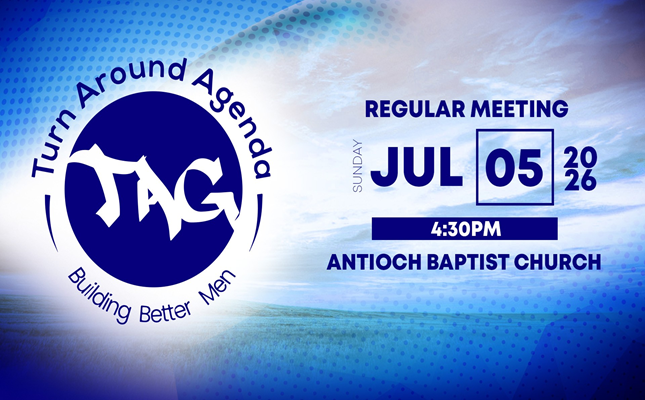
TAG Building Men Session – July 05, 2026
A new community development initiative aimed at supporting young male growth has announced its upcoming session, open to adolescents and young adults across the region. Organized by the Turn Around Agenda (TAG) under its Building Men program, the event is scheduled to take place on Sunday, July 5, 2026, kicking off at 4:30 p.m. local time.
The session, which targets young people between the ages of 11 and 21, will be hosted at Antioch Baptist Church, located within the Lime Kiln Commercial Development area. Organizers confirmed that all eligible young men within the target age range are welcome to attend the session, which is designed to foster personal development, skill-building, and community connection for participants. The official notice of the event was first published on Thursday, June 25, 2026 at 7:48 p.m., giving interested attendees and their families more than a week to plan for participation.
-

Policeman used teddy bear in killing of Cuban woman
On Thursday, June 25, 2026, senior law enforcement investigators in Guyana confirmed that a serving Guyana Police Force constable has admitted to carrying out the premeditated killing of a 26-year-old Cuban national working in the country’s public health sector.
Twenty-year-old Randy Thomas, the suspect in the case, laid out a detailed timeline of his actions to investigators, confirming the killing was planned in advance ahead of the fatal encounter. According to Thomas’s confession, he purchased rope from a local Chinese-run supermarket in his home village of Mahaica, located on Guyana’s East Coast Demerara, days before the planned meeting with the victim, Dailen Paneque Gómez.
The pair arranged to meet on June 18, 2026, the same day Gómez disappeared while en route to her scheduled shift at the Mon Repos Health Centre. After meeting in the community of Enmore, the pair traveled together in Thomas’s personal vehicle to the remote Enmore Backdam area. Thomas told investigators that a casual discussion in the car quickly escalated into a heated argument, claiming Gómez became furious and attacked him before he killed her.
In his confession, Thomas described the chilling details of the murder: he placed a teddy bear against Gómez’s head before firing an unlicensed firearm to kill her. After the shooting, he used the pre-purchased rope to bind her body, dragged the remains into a dense thicket of bushes in the backdam, and left the corpse hidden there. Following the murder, Thomas systematically disposed of all evidence linking him to the crime:
He threw the murder weapon, an unregistered gun, into separate bushes near the backdam, discarded the teddy bear along the access road leading to the remote area, tossed Gómez’s mobile phone and the spent bullet casing over a bridge in the Unity community on East Coast Demerara, and returned to his Mahaica residence to clean every trace of evidence from his vehicle using hand sanitizer.
Gómez was officially reported missing to authorities on June 19, one day after her disappearance. Following Thomas’s arrest and confession, he led law enforcement officers directly to the thicket where he had dumped her body, closing a key gap in the missing person investigation that quickly turned into a homicide probe.
The case has sent shockwaves through Guyana, drawing attention to the safety of foreign healthcare workers serving in local public health facilities and raising questions about oversight of serving police personnel accused of violent crime.
-

Education Ministry Announces Return of STEM InFuSED Summer Camp
A beloved annual hands-on STEM learning program is set to return for young students across the region, after an official announcement from the Ministry of Education, Science and Technology. The six-week STEM InFuSED Camp, crafted to spark early interest in science, technology, engineering and mathematics through immersive, practical activities, will welcome eligible participants between July 6 and August 11, 2026. All on-site programming will be hosted at Sir Novelle Richards Academy, located in Tomlinson’s Estate.
The camp is open to students falling in the 8 to 17 age range, creating opportunities for both elementary and secondary school learners to dive into STEM content tailored to their skill levels. Unlike traditional classroom-based learning that focuses heavily on theoretical concepts, the InFuSED Camp centers on active, student-led participation. Attendees will work through a structured schedule that includes hands-on scientific experiments, cross-team innovation challenges, informational talks led by industry and academic STEM experts, and group collaborative projects. Every activity is intentionally designed to build core soft skills that benefit learners across all academic areas, including advanced critical thinking and creative problem-solving.
Camp organizers have issued a reminder to interested families that spots in the program are limited, and are urging parents and guardians to complete their registration as early as possible to secure a place for their child. Registration can be completed digitally via either the QR code or the dedicated online form published on the official camp promotional flyer.
-

Antigua and Barbuda Among Caribbean Communities Celebrated During Philadelphia Heritage Month
June’s Caribbean American Heritage Month celebrations in Philadelphia are turning a well-deserved spotlight on Antigua and Barbuda, along with a host of other Caribbean nations, as local community organizers work to lift up the profound, often underrecognized contributions that Caribbean-born and Caribbean-descended residents have made to the city’s cultural fabric and civic landscape.
Danielle Mellanson, who serves as president of the United Caribbean Association of Philadelphia (UCAP), carries representation for two island nations — Antigua and Barbuda and Saint Kitts and Nevis — and called the responsibility a tremendous point of personal and professional pride. For Mellanson, growing up and building a life in Philadelphia as a person of Caribbean heritage is a uniquely meaningful experience, blending the deep traditions of her home region with the distinct character of the city she calls home. “Being of Caribbean descent and living in Philadelphia means the world to me. I am proud of my heritage and cultural background mixed with a little Philly flair,” Mellanson shared in a recent profile highlighting regional community leaders.
Mellanson pointed to the annual Philly Caribbean Carnival as the most prominent annual showcase of Caribbean culture in the city. Far more than a public celebration, she explained, the event serves as a living tribute to four core values that have defined Caribbean communities for generations: freedom, resilience, resistance against injustice, and the shared cultural heritage that unites Caribbean people across geographic boundaries.
As part of this year’s Caribbean American Heritage Month programming, the feature profiling community leaders also highlighted representatives from Guyana and Jamaica. These leaders detailed how their respective national communities have built deep, lasting roots across Philadelphia, with a visible presence spanning a wide range of sectors: from grassroots cultural associations and locally owned small businesses to neighborhood churches and civic public service roles.
In wrapping up its coverage of regional contributions, the publication emphasized that Caribbean Americans remain a foundational force in shaping Philadelphia’s modern social, cultural, and civic identity. Even as they continue to shape the city’s future, these communities actively preserve the unique cultural traditions and national identities of their home countries, creating a rich, diverse dynamic that strengthens Philadelphia as a whole.
-
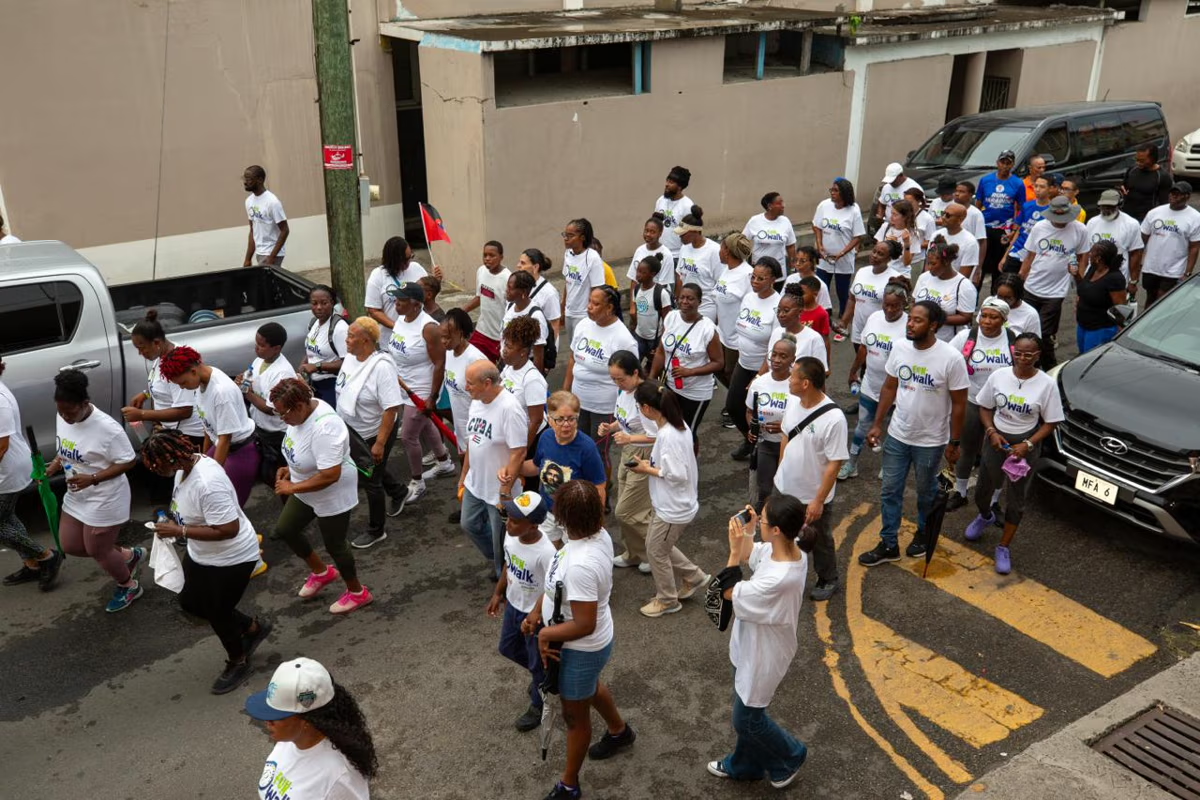
Thank You for Joining the OECS 45th Anniversary Fun Walk in Antigua & Barbuda
On June 18, 2026, the Organisation of Eastern Caribbean States (OECS) marked OECS Day with a special celebratory Fun Walk hosted in Antigua and Barbuda, wrapping up the regional bloc’s 45th anniversary commemorations. Now, the OECS Commission has issued a formal statement of gratitude to every individual and group that took part in this unifying community event. Centered around the anniversary theme “One Vision, One Voice: Navigating Challenges, Shaping Our Future,” the Fun Walk was designed to do more than just mark a milestone: it aimed to bring together diverse stakeholders to celebrate nearly half a century of regional integration and collaborative progress, while highlighting shared values of collective wellness and community cohesion. When participants gathered early at the starting point outside Antigua and Barbuda’s Ministry of Health Headquarters, unforeseen rain showers rolled across the area. Rather than dampening spirits, the light rain only reinforced the event’s message of solidarity. Walkers of all backgrounds — local citizens, permanent residents, regional integration supporters, and representatives from partner organizations — stuck to the route, walking side-by-side with government delegates, OECS Commission officials, development partners, and community leaders to complete the journey. In its statement, the OECS Commission extended special recognition to key institutional partners that made the event possible. These partners include the Government of Antigua and Barbuda, the national Medical Benefits Scheme, and the Geothermal Energy: Capacity Building for Utilization Investment and Local Development (GEOBUILD) Project, whose collaborative planning and resource support turned the commemorative idea into a successful public gathering. The Commission also emphasized the critical role of behind-the-scenes contributors, from event volunteers and lead coordinators to security teams, on-site medical staff, and media partners. Their consistent dedication and attention to detail ensured the event ran smoothly from start to finish, even with the unexpected weather disruption. In closing, the Commission reaffirmed that the Fun Walk’s success perfectly encapsulated the OECS’s 45-year mission: when regional stakeholders move forward as one collective, they can achieve goals that no individual or single nation could deliver alone. Every participant, the Commission noted, helped turn the event into a powerful demonstration of the Eastern Caribbean’s shared commitment to a cohesive, prosperous future.
-
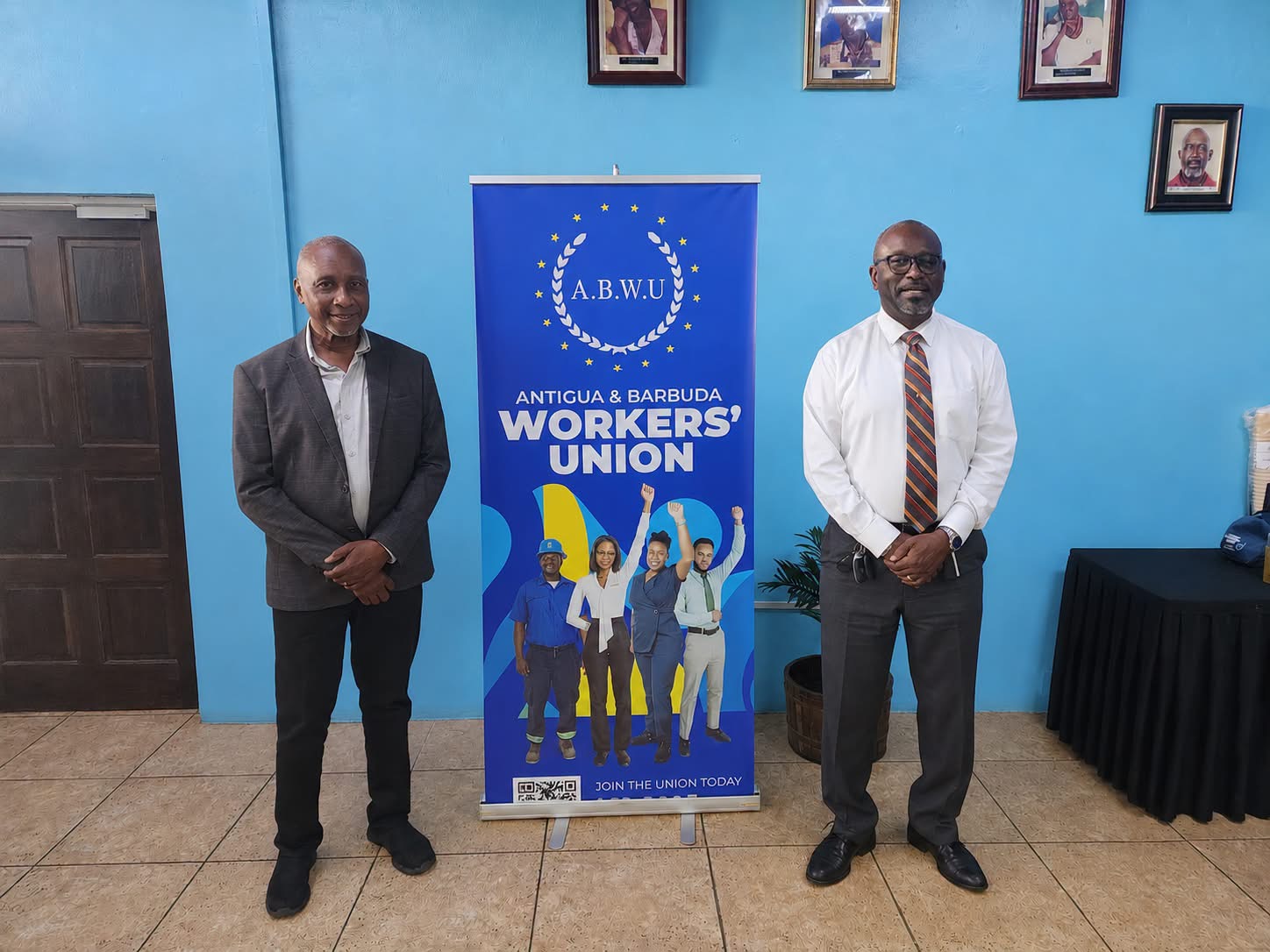
Regional Trade Union Leader Urges Unions to Rethink Engagement with Young Workers
As labor organizations across the Caribbean grapple with shifting membership demographics, a top global labor leader is calling for sweeping strategic overhauls to reverse stagnant engagement and attract the next generation of workers. Trevor Johnson, Vice President of Union Network International (UNI) and former General Secretary of Trinidad and Tobago’s Banking, Insurance and General Workers’ Union, made the case for reform in a recent interview, pushing back against the widespread narrative that young people are inherently apathetic toward organized labor.
Johnson argues that the real barrier to growth is not youth disinterest, but outdated organizing and communication strategies that fail to align with the daily lives and expectations of modern workers. What resonated with veteran union members who joined the movement decades ago, he says, does not work for today’s workforce—and it is time for established labor groups to adapt rather than blame young people for declining membership numbers.
“We need to discover what will attract a young person today, which is not necessarily the same thing that attracted me,” Johnson explained. He pointed to the massive shift in how people access information as a clear example: decades ago, posting physical notices on union office bulletin boards was enough to draw attention from members, but that strategy is obsolete now. “A young person isn’t doing that today. It has to come on their phone, and it has to be one swipe,” he said.
Beyond digital communication, Johnson added that organizers need to leave their office spaces and meet young workers where they already are, rather than relying on traditional, time-consuming phone calls that many younger workers find unappealing. Successful engagement, he stressed, requires actively listening to the specific concerns and goals of younger generations instead of forcing old frameworks onto new audiences.
Johnson also highlighted another critical gap in modern trade union organizing: the need to better include and support women workers. Today’s workforce has a far higher share of women than previous generations, he noted, but most existing collective bargaining agreements are still framed around the needs of male workers. To boost women’s participation, unions must center the unique challenges facing women workers and build outreach strategies tailored to their priorities.
Despite the significant hurdles facing Caribbean labor organizations, Johnson struck an optimistic tone about the future of collective organizing. He emphasized that the core value proposition of union membership—stronger workplace protections, better wages, and collective bargaining power—remains just as relevant today as it was decades ago. The main challenge, he argued, is not the value of the product unions offer, but how it is packaged and presented to new audiences.
“The product that we offer is still a valid product,” Johnson stated. “We simply need to repackage it to ensure that people understand what we’re about.” He closed by reminding the region’s labor movement that unionized workers continue to access far stronger workplace protections than non-unionized peers, and urged leaders to prioritize modernization to secure long-term growth, relevance, and inclusion for the Caribbean labor movement.
-
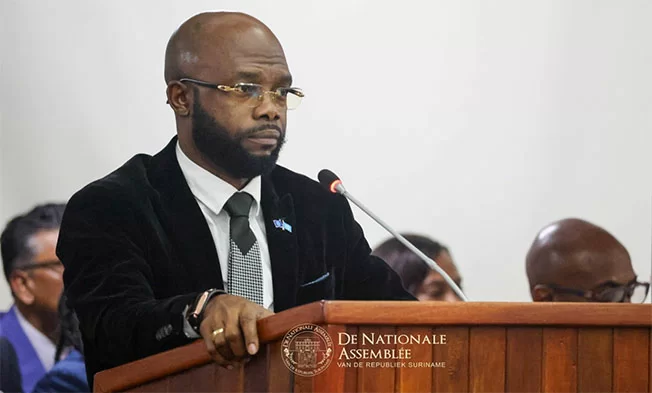
Misiekaba wil verpleegkundigen historisch beter belonen; nieuwe loonreeks naar regering
Suriname’s Minister of Public Health, Welfare and Labor (VWA) André Misiekaba has unveiled an ambitious plan to deliver long-overdue recognition for the nation’s nursing workforce, marking a landmark step toward addressing the country’s growing health care staffing crisis. Speaking for over three hours during the national budget debate in the National Assembly, Misiekaba firmly threw his support behind a special working group’s proposal to significantly boost nurse salaries, a move designed to slow the steady exodus of skilled health personnel to higher-income countries abroad.
Misiekaba emphasized that fair financial compensation for nurses stands as the top priority for his ministry’s sweeping health care reform agenda. The working group’s draft pay framework proposes setting entry-level nurse salaries between $700 and $1,000 U.S. dollars, converted to local Surinamese dollars, with final pay levels adjusted based on the classification and size of the facility where a nurse works. According to the minister, the proposal will undergo additional technical and financial reviews before being submitted to the Surinamese cabinet for approval around August.
Making his stance on nurse compensation unmistakably clear, Misiekaba stated firmly: “No one will touch my nurses.” He described nurses as the literal backbone of Suriname’s entire health care system, noting they have gone without adequate recognition and fair pay for far too long. For years, the minister explained, nurses have been systematically underpaid and undervalued despite bearing full responsibility for keeping health care services running every single day. He specifically highlighted the irreplaceable role nurses played in the country’s response to the COVID-19 pandemic, and pointed to the ongoing global shortage of skilled health care workers that has created intense competition for qualified nursing staff.
Official data shared by the minister shows that between 2020 and 2025 alone, Suriname lost more than 1,000 nurses to migration, with most relocating to the Netherlands, Belgium, and Sint Maarten. Left unaddressed, Misiekaba warned, this damaging brain drain will only continue to erode the capacity of Suriname’s health care system.
The minister rejected a piecemeal alternative proposal that would have only increased nurse allowances, arguing that the administration is intentionally pursuing a structural, long-term solution. The new standardized pay scale will harmonize salaries across the entire health sector and bring compensation in line with the value of nurses’ work, he explained.
Beyond salary adjustments, the plan includes additional measures to retain nursing talent. Starting in 2027, the Surinamese government will fully cover the cost of nursing training for students at the COVAB nursing school, in exchange for a requirement that graduates work in the country for a set number of years after completing their program. Officials are also exploring targeted housing support for nurses, and are negotiating with the Netherlands to develop joint nursing training programs that align with Suriname’s long-term staffing needs.
-
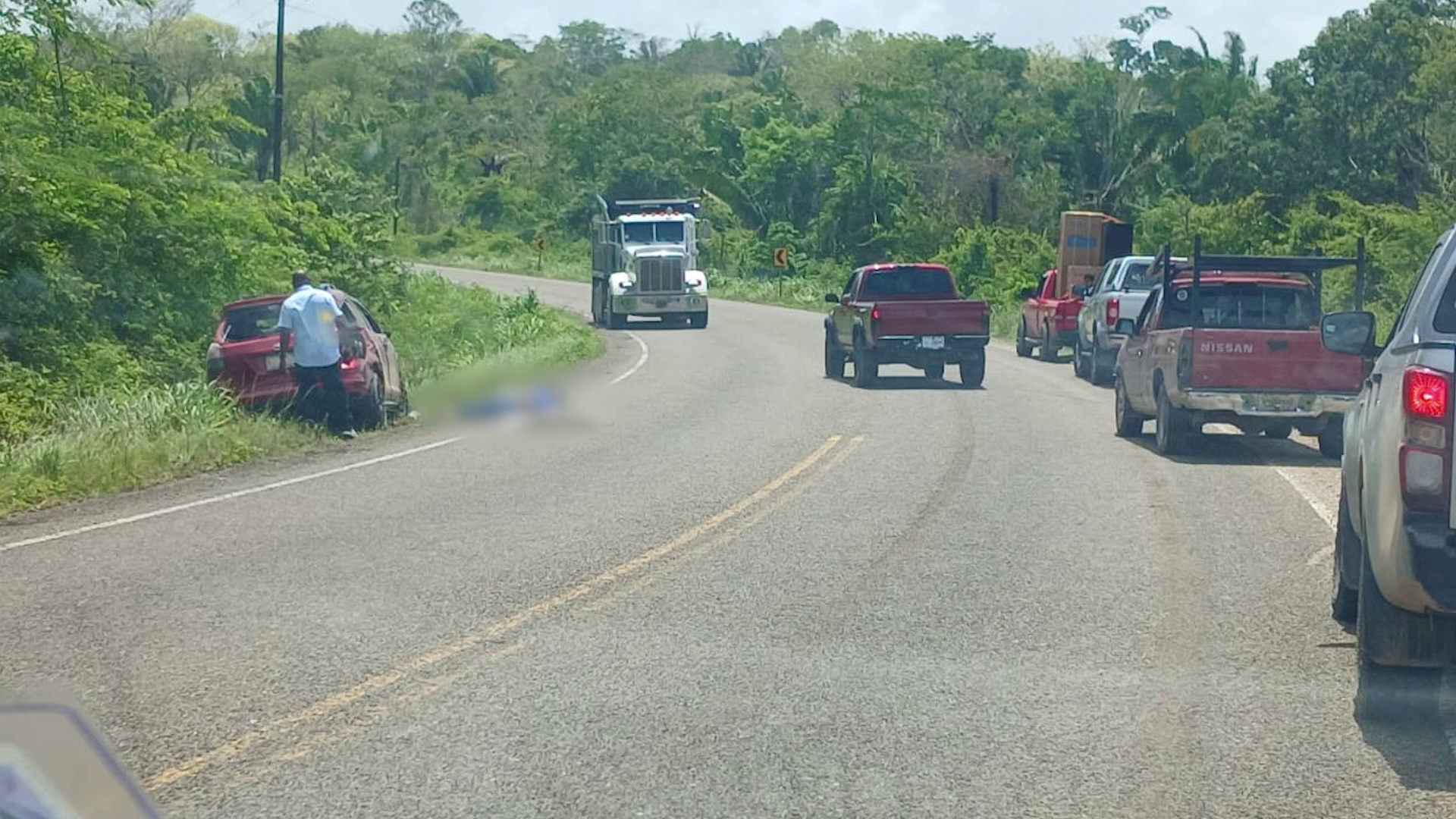
Deadly Crash Shocks Hummingbird Highway Travelers
A devastating fatal traffic collision has shaken communities and travelers along Belize’s Hummingbird Highway, leaving one person dead on Wednesday afternoon just outside Armenia Village in the Cayo District. The crash unfolded shortly before 1 p.m. along the heavily traveled stretch connecting the capital city of Belmopan to Armenia, catching both regular commuters and passing travelers off guard.
Scene documentation from first responders on location shows the deceased victim lying on the highway pavement, as emergency personnel and local law enforcement raced to the site to secure the area and render aid. As of the initial public announcement, official investigators have not released any identifying information about the person killed in the collision, nor have they confirmed key details including what caused the crash, how many vehicles were involved, or whether any additional parties suffered injuries.
The tragedy has already reignited long-simmering safety concerns among area residents, who report that this busy major thoroughfare has seen a steady and concerning uptick in severe, life-threatening crashes in recent months. Local authorities note that investigations into the collision are still ongoing, and a full briefing with additional official details is expected to be released to the public once preliminary probe work is completed.
This report is adapted from a televised evening newscast originally published online, with transcribed speaker content standardized for written distribution.
-

Unsafe at Home: Two-Thirds of Belizean Children Face Abuse
For millions of children around the world, home is supposed to be the ultimate sanctuary – a space of safety, care, and unconditional support. But in the small Central American nation of Belize, newly released survey data paints a deeply disturbing picture of this foundational expectation failing. According to the latest round of UNICEF’s Multiple Indicator Cluster Survey (MICS 7), nearly 66 percent of Belizean children experience some form of abuse, ranging from physical violence and emotional trauma to chronic neglect, most often within their own households.
This alarming statistic, featured in a recent collaborative investigative segment from News Five’s *Five Point Breakdown* series produced in partnership with UNICEF, goes far beyond raw numbers to unpack the systemic gaps that leave Belize’s youngest citizens vulnerable. Reporter Britney Gordon explores the layered structure of Belize’s national child protection system, examining how current frameworks operate, where they fall short, and what collective action is needed to better safeguard children across the country.
Experts across the sector agree that formal child protection infrastructure – including court systems, government agencies, and law enforcement – can only do so much. “Protection starts at home, with families as the first line of defense,” explained Michelle Segura-McGann, Child Protection Officer for UNICEF Belize. When that foundational line of defense breaks down, Segura-McGann says communities become the next critical safeguard. “If there is no protection or protective mechanisms in the home, the next network or safeguard could be the community. So the community could offer spaces where children can come report cases where they have been abused, neglected, where they have experienced violence, and people in the community could refer.”
To equip communities with this critical capacity, UNICEF and local partners have invested in widespread outreach campaigns such as the Blue Teddy Bear initiative, which educates community members on how to recognize abuse and properly report concerns through official referral channels. The stakes of inaction at the community level are high: when bystanders choose to look the other way or dismiss child safety concerns as “private family business,” at-risk children fall through the cracks of the formal system, experts warn.
Shakira Sutherland, Executive Director of Belize’s National Commission for Families and Children (NCFC), emphasized that effective child protection is not the sole responsibility of any single government agency or institution. Mandatory reporters – including teachers, medical professionals, and law enforcement officers – are required by law to report suspected abuse, but consistent follow-through and cross-sector coordination remain ongoing challenges. “We want to ensure that we have the community at large to speak up when they see something,” Sutherland said. “It’s not only one institution.”
Across the system, different stakeholders carry distinct but complementary roles. Government social services, led by the Ministry of Human Services, deliver ongoing care and case management for vulnerable children and families, while non-governmental organizations and community groups step in to fill unmet needs and reach isolated at-risk households. Shawn Vargas, Director of Belize’s Department of Human Services, framed investment in child protection as a critical investment in the nation’s long-term future. “The children are the future for Belize, and if you have a country that is not protecting their children, the next generation and the other generation, then you’re going to be in problems,” Vargas said.
Beyond responding to reported abuse, Vargas highlighted the system’s growing focus on proactive prevention, through initiatives such as the Community and Parent Empowerment Program, which delivers early childhood education and evidence-based parenting support to at-risk families. For reported cases, the department maintains a policy of investigating 100 percent of all referrals, whether they come from mandatory reporters in schools, hospitals, or law enforcement, or from community members themselves. Assigned social workers conduct on-the-ground investigations and coordinate follow-up support centered on the best interests of the child, connecting families and children with the resources they need to heal and thrive. Inclusive initiatives such as the children’s parliament, which elevates children’s own perspectives on policy, have also helped center youth needs in government planning, with outcomes directly incorporated into national policy.
UNICEF plays a supporting role in strengthening Belize’s child protection ecosystem, focusing on improving national legislation, training personnel, and ensuring systems are adequately resourced to meet demand. Sajid Ali, UNICEF Representative for Belize, explained that the organization acts as a convener and technical advisor rather than a frontline implementer, partnering with the Belizean government and local agencies to align systems with international child protection standards. “We are here to strengthen systems,” Ali said. “We wanna be there at least for the standards that are set and to be advising at every aspect.”
In a landmark step toward improving coordination, the Government of Belize, UNICEF, and national partners have recently launched a joint Child Protection and Child Justice Steering Committee, bringing all key stakeholders to the table to break down long-standing institutional silos. The goal of the new committee is to build a more coordinated, responsive, and proactive protection system that puts children’s needs first. As Gordon concluded in her reporting, when it comes to protecting children from abuse, neglect, and violence, cross-sector collaboration is not an optional add-on – it is a critical requirement for success. Protecting children is everyone’s responsibility, and collective action from families, communities, and institutions is the only way to build a safer Belize for every child.