分类: society

  • 4-H makes fresh appeal for volunteers with technical skills

    4-H makes fresh appeal for volunteers with technical skills

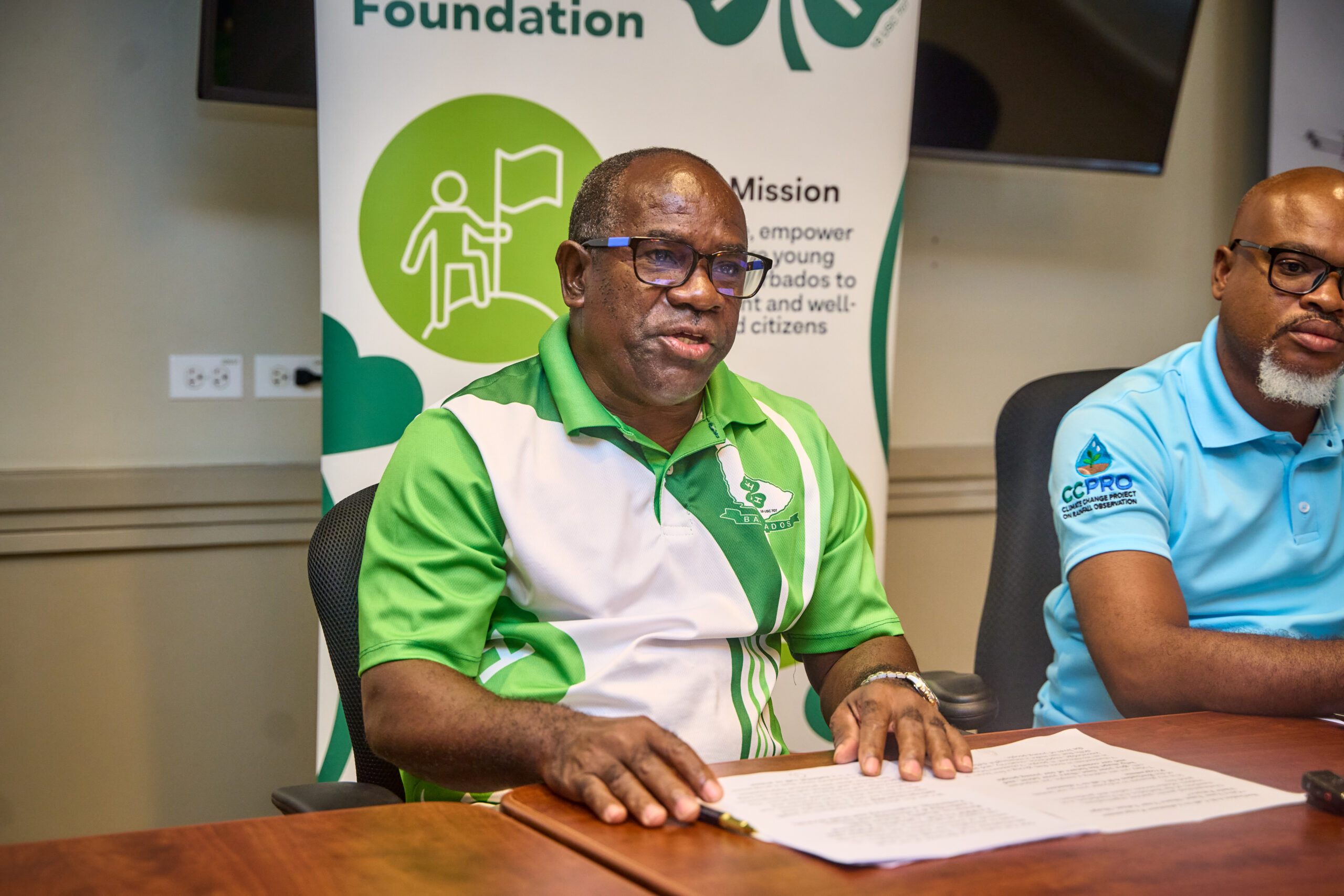
    The Barbados 4-H Foundation has thrown out a public call for technically skilled volunteers to help expand its youth-focused development programs beyond their historical roots in agricultural training, according to Vice Chairman Osmond Harewood. The appeal was formally launched this Tuesday at the Ministry of Agriculture’s Animal Nutrition Unit located in The Pine, kicking off the organization’s new “Call to Volunteer” initiative.

    Speaking to reporters on site, Harewood framed the effort as a straightforward but critical ask for community engagement. “Today we are making a simple yet important call. Give your time, share your talent, and help shape the future of all young people of our country,” he stated. Unlike common perceptions of volunteerism as just a donation of free time, Harewood emphasized that participating is fundamentally an investment in the nation’s next generation. “Volunteers bring knowledge, experience, creativity, and practical skills that can make a meaningful difference in the lives of our young people,” he added.

    The core goal of the new recruitment drive is to strengthen the network of local 4-H clubs by growing the pool of available mentors, program leaders and skilled volunteers who can support the organization’s innovative 4-H Forward curriculum. This expanded curriculum covers a far broader range of topics than the foundation’s historic agricultural training, including natural resource management, healthy lifestyle education, leadership development, civic engagement, science, technology, engineering and mathematics (STEM) training, and youth entrepreneurship.

    Harewood noted that a common public misconception frames 4-H as an agriculture-only organization, and this program expansion is designed to correct that outdated view. “Sometimes people tend to think that 4-H is just agriculture, and I think we want to show this is more than agriculture,” he said. The foundation is specifically targeting candidates with expertise in high-demand areas including public speaking, organizational leadership, civic education, club operations and financial management, as it seeks to deepen the technical skill sets available to program participants. “What we are calling for is more technical skills within the clubs. All those basic areas are part and parcel of what we are looking for [in] persons to come and give the technical skills to those young persons,” Harewood explained.

    Importantly, the vice chairman stressed that the foundation has not had to suspend any existing programming due to current volunteer shortages. Instead, the recruitment drive is focused on adding deeper, cross-disciplinary technical expertise to lighten the load for the foundation’s small full-time staff and open up new opportunities for youth. “There’s nothing we have put a pause on. What we are saying is that many hands make light work, and right now the work on the few staff that we have is pretty heavy,” he said. “We have skilled and talented persons in my business that could offer their services, but sometimes they’re waiting for somebody to call them. So we are saying yes, we need your skills.”

    National Programme Coordinator Theodore Fraser echoed Harewood’s comments, highlighting youth entrepreneurship as a particularly high-priority area where additional volunteer support is urgently needed. “Definitely one of the areas is the whole emphasis on entrepreneurship,” Fraser said. He explained that while young participants already gain valuable hands-on skills through existing 4-H programs, the organization wants to help them turn those competencies into long-term, sustainable income and career opportunities. “How do we transfer this into something that they can build a career from or earn from as well?” Fraser asked, noting that the ultimate goal is to ensure young people can leverage their 4-H experience in meaningful, economically sustainable activities long after they graduate from secondary school.

  • Police communication not optional, says commissioner

    Police communication not optional, says commissioner

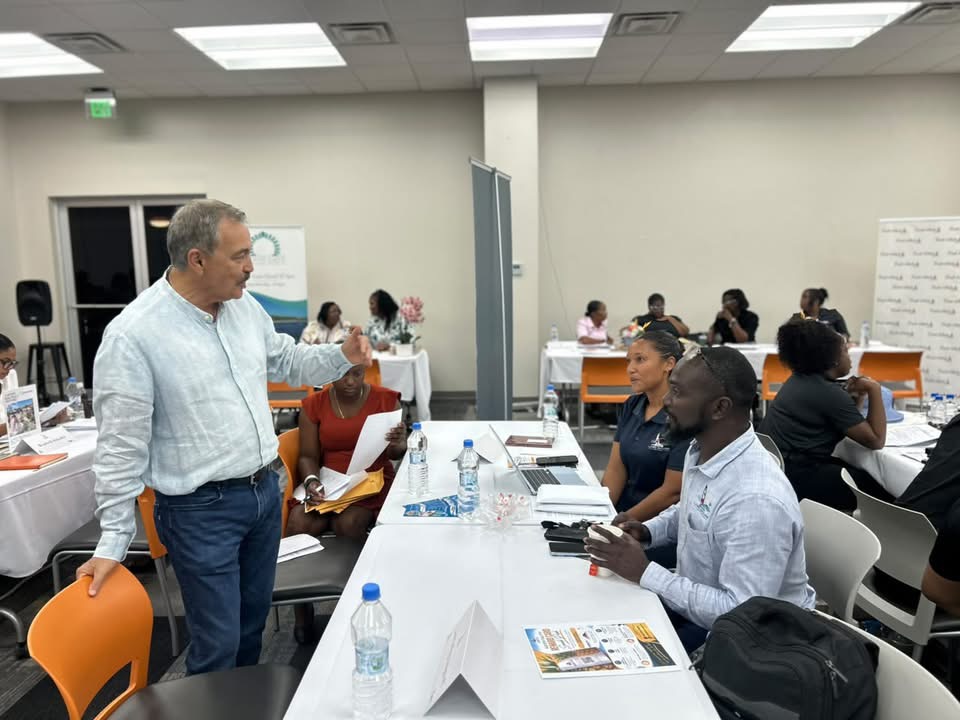
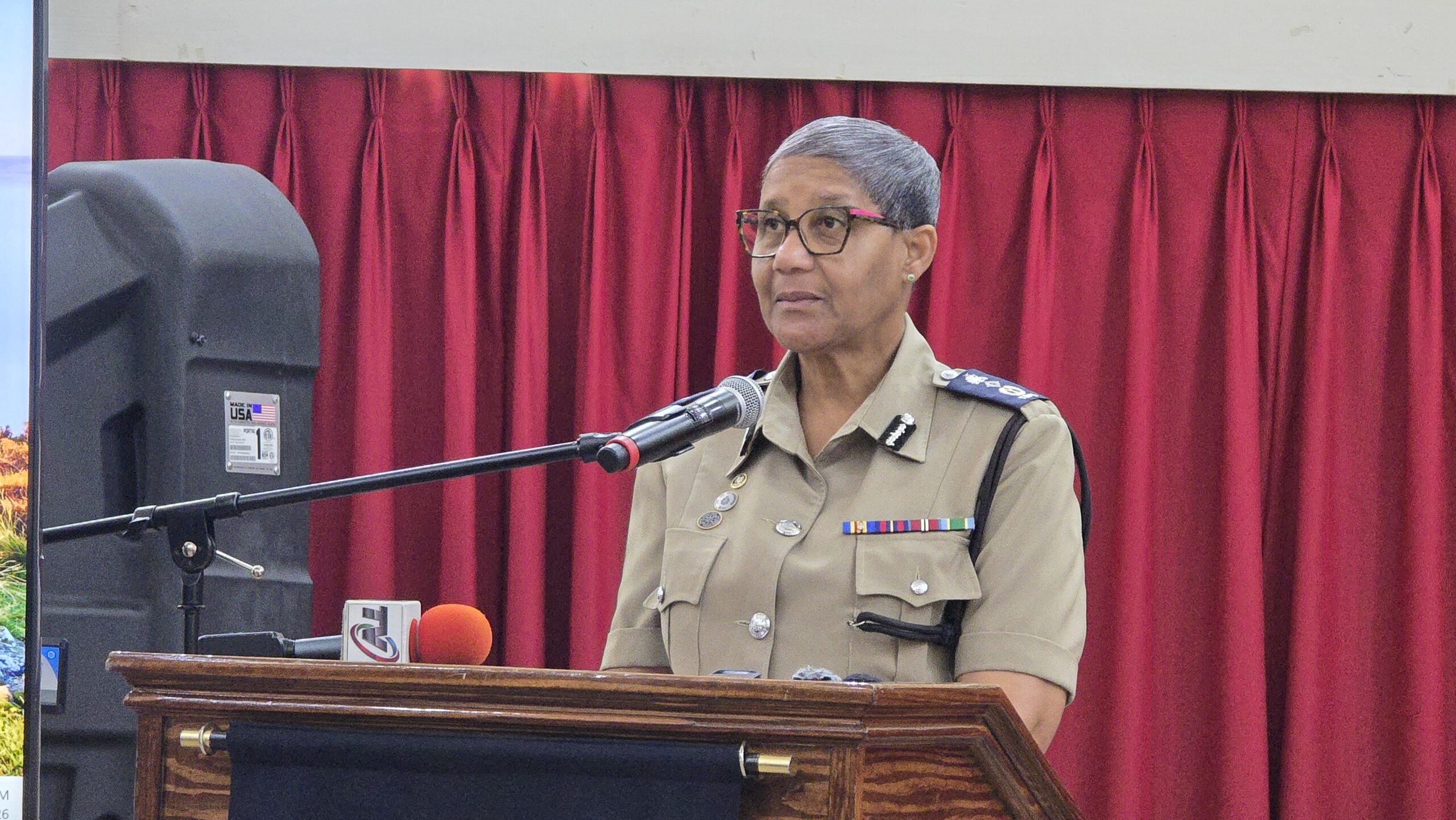
    A landmark two-day training workshop focused on elevating communication strategies and service standards for senior officers of The Barbados Police Service kicked off on Tuesday at the District ‘A’ Complex in Station Hill, St Michael. This initiative marks the first collaborative effort between the Regional Police Training Centre and the National Transformation Initiative (NTI), a government agency established in 2020 to upskill Barbados’ workforce as part of the national Economic Recovery and Transformation Programme.

    Speaking at the opening of the workshop, Police Commissioner Sonia Boyce emphasized that transparent, timely communication with the public is no longer a peripheral add-on to policing—it is a fundamental pillar of modern leadership and effective law enforcement. “In modern policing, communication is not an optional extra; it is a core part of leadership,” Boyce told attendees. She explained that every public interaction, whether through an official press briefing, a social media post, or a face-to-face conversation at an incident scene, directly shapes public trust in the police service. A single misstep or poorly timed statement can erode public confidence, while clear, compassionate communication can reinforce the service’s credibility.

    Boyce highlighted the unique challenges of policing in the digital age, where smartphone footage and unconfirmed reports spread across social media within minutes of an incident unfolding. “If we do not tell our story clearly and responsibly, someone else will tell it for us, and often not correctly,” she noted. Beyond external communication, the commissioner stressed that strong internal communication is equally critical, directly impacting officer morale, operational performance, and cross-team trust. “Good leaders do not just issue instructions; they explain the purpose, they listen to concerns, and they make sure the message is understood,” she said. Encouraging participants to engage fully with the workshop’s activities, Boyce added that meaningful professional growth often occurs when individuals step outside their familiar comfort zones.

    NTI Director Dr Allyson Leacock outlined the framework of her agency’s contribution to the training, dubbed the *Art and Heart of Service* programme. Leacock explained that the programme’s name stems from the core belief that truly exceptional public service goes beyond routine, transactional interactions—it must be rooted in empathy and intention. “Our programme is called the Art and Heart of Service because we believe that customer service can be transactional, but really great service, which we have all experienced at some point, is usually from the heart,” she said.

    Given the Barbados Police Service’s role as a public-facing institution that reflects the country’s full demographic diversity, Leacock noted that upskilling the force is a central priority for NTI’s workforce development mandate. The training is structured around four interactive modules: culture and organizational transformation, disability etiquette, professional deportment and personal branding, communication skills, and ethics and integrity. Describing ethics and integrity as the unseen foundation of public service, Leacock said the module focuses on “the anchor that predicts how each of us behaves every single day when nobody is looking.” The programme prioritizes mindset shifts before technical skill-building, she explained, noting that real-world performance under pressure depends far more on core values than classroom knowledge alone.

    Leacock also used the occasion to push for greater adoption of digital tools within the police service, urging leadership to prioritize digital literacy and eventually full digital fluency across the constabulary. “I know we are all very wedded to hard black and blue books in the public service. I know that we love our paper, but the world is going digital, and we cannot be left behind,” she said.

    Regional Police Training Centre Commandant Roderic Walcott added that the workshop was developed specifically to meet rising public expectations for transparent, accessible policing. “We are all part of the transformational policing approach, which is more practicable and suitable for today’s society,” Walcott said. “We are now policing a public who expect more interaction and communication from us.” Whether updating the public on an active crime scene, sharing information about a traffic collision, or addressing broader community security concerns, the ability to communicate clearly has become a non-negotiable skill for modern officers, he added.

    The workshop is tailored for senior command team members, lead investigating officers, and selected inspectors and station sergeants, bringing together senior leaders from across the force to align on new communication and service standards. Per the planned schedule, NTI will lead the Art of Service module first, after which communication experts will facilitate joint hands-on training sessions focused on practical application.

  • ANNOUNCEMENT: NCCU notice of judgement for debtor to appear – Mervin Boyed Anthony

    ANNOUNCEMENT: NCCU notice of judgement for debtor to appear – Mervin Boyed Anthony

    A formal notice has been made public regarding the issuance of a new re-judgement debtor summons requiring Mervin Boyed Anthony to appear before the court. This court order is part of ongoing legal proceedings centered on unpaid judgements against Anthony, requiring him to attend a scheduled hearing to answer questions related to his current financial situation, asset holdings, and ability to satisfy the outstanding court judgement.

    Court officials have confirmed that the summons was processed through standard legal channels after previous attempts to schedule the hearing were delayed for administrative reasons. The notice serves as an official reminder of Anthony’s mandatory legal obligation to attend the scheduled court appearance. Failure to comply with the summons can result in additional legal penalties, including contempt of court charges in line with local civil procedure regulations.

    The public notice was published as required by court rules to ensure proper notification when personal service of legal documents cannot be completed. No further details on the underlying value of the outstanding judgement or the original case have been released as part of this public notification.

  • Pensioner on kidnap ordeal: Worse than a jail

    Pensioner on kidnap ordeal: Worse than a jail

    For the second time in 2024, a 77-year-old retired air conditioning technician has survived a terrifying kidnapping and armed robbery that left him penned in a dark locked washroom for 10 hours and drained his bank accounts of more than $142,000. Tarran Gallai, who shared his harrowing experience with local outlet the Express, says he is convinced the same gang that abducted him earlier this year targeted him again, pointing to clear similarities in the attackers’ methods and a chilling remark one captor made during this latest ordeal.

    The incident unfolded on a Sunday morning, when Gallai left his shared home in San Francique to pick up post-operative eye medication from a neighborhood pharmacy in Debe. It was around 9:30 a.m. when he pulled up in his recently purchased Toyota Yaris, and just as he prepared to step out of the vehicle, two armed men seized him from behind and forced him into their own car at gunpoint.

    “I was scared but I tried to keep a clear head,” Gallai recalled of the moment. The attackers told him outright that they intended to kill him if he did not comply with their demands. They drove him to an unoccupied house on Dumfries Road near La Romaine, where they bound his hands and feet tightly to a toilet bowl. Unlike many kidnapping cases where victims are blindfolded, the men left Gallai’s eyes uncovered — a choice that only amplified the horror of his 10-hour confinement in the completely dark, windowless room. He was given no food or water during his entire captivity, and with no chair to sit on, he was forced to remain in an uncomfortable, strained position the entire time.

    One of the two kidnappers left the property with Gallai’s car, while the other stayed behind to guard him, checking on his bound prisoner every 30 minutes to prevent any escape attempt. Too restricted to break free, Gallai made the choice to speak gently to his abductor to avoid provoking violence, a decision he says kept him alive through the ordeal. “I was trapped. It was worse than being in jail… I started praying,” he described of the hours that stretched on, before he was finally moved on Monday morning.

    The captors drove Gallai to a bank branch in Marabella, and ordered him to withdraw the full $130,000 they demanded, threatening harm if he alerted any bank staff or police. Too terrified to refuse, Gallai followed their instructions, passed the full sum in a bag to the waiting kidnappers at a prearranged spot on Market Street, where they stashed the cash in the trunk of his car before driving off and leaving him unharmed. By 12:30 p.m. that same day, Gallai had made it safely back to his relatives’ home.

    In the aftermath, police located Gallai’s Toyota Yaris burned to a shell in Claxton Bay. But the financial damage did not end with the $130,000 bank withdrawal: the attackers kept his bank card, and made multiple additional transactions throughout Sunday, including a $5,000 ATM withdrawal and a series of point-of-sale purchases at supermarkets across Cunupia, Charlieville, and Freeport. In total, the attackers stole $142,486.80 from Gallai’s accounts.

    This latest attack comes eight months after Gallai’s first kidnapping in February, which took place in Couva before his scheduled eye operation. Gallai says multiple clues point to the same group being behind both crimes: not only do the methods of the attackers match almost exactly, but one of the captors told him during Sunday’s abduction, “I got you this time again.” Despite the close parallels between the two incidents, the February kidnapping remains unsolved, with no arrests made to date.

    Reflecting on the root of the crime, Gallai expressed his frustration that able-bodied people would choose to target and rob vulnerable citizens rather than seek work to support themselves. “People are trying to live as parasites. People don’t want to work and that causes this (kidnappings). They could do things to help themselves,” he told reporters.

    In spite of the deep trauma the incident has left him with — he says the experience has left him permanently shaken — Gallai holds out hope that investigators will crack the case this time, unlike the February abduction. He has also issued a warning to other elderly residents, urging all senior citizens to never go out alone, to avoid falling victim to similar targeted attacks. In a surprising show of forgiveness, he added of his attackers, “I wish them luck for their lives.”

    Acting Sergeant Narine is leading the ongoing investigation into the kidnapping and robbery, with no updates on arrests or recovery of the stolen funds as of the latest reports.

  • Motorists stuck for hours as early morning accidents cause gridlock

    Motorists stuck for hours as early morning accidents cause gridlock

    Commuters traveling into Port of Spain from Trinidad’s eastern and southern regions faced crippling multi-hour traffic delays on Thursday, after a cluster of four separate non-fatal accidents shut down lanes across the island nation’s busiest arterial highways. The cascade of incidents began in the pre-dawn rush hour, with three collisions unfolding within a single 60-minute window starting around 5 a.m. Two of these early crashes occurred along the Churchill-Roosevelt Highway, one near the community of Maloney and a second further along the route in El Socorro, while the third took place on the Solomon Hochoy Highway outside Gasparillo. A fourth incident, a pedestrian being struck by a moving vehicle, occurred later that morning along the Beetham Highway, prolonging disruption for thousands of inbound commuters.

  • PM: Govt to fight local drug mafia

    PM: Govt to fight local drug mafia

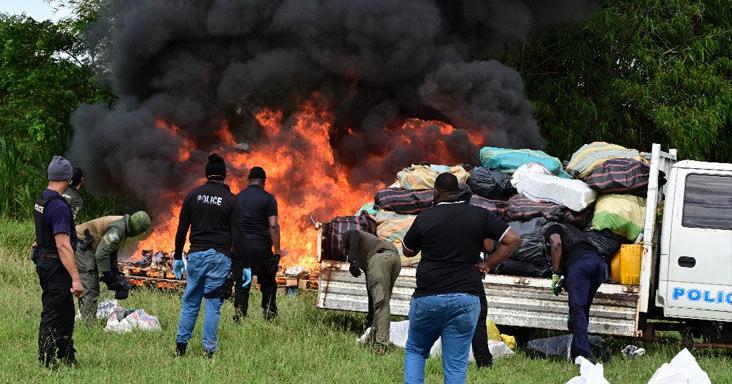
    In a high-stakes public display of commitment to combating the transnational and local drug trade, the Trinidad and Tobago Police Service (TTPS) incinerated more than 8.3 tonnes of seized illegal narcotics at the Caroni Cremation Site on Wednesday. The haul, which includes cocaine, marijuana, heroin and a range of illicit synthetic drugs, carries an estimated street value of more than $1.6 billion — a sum equal to roughly 1% of the twin-island nation’s annual gross domestic product.

    Prime Minister Kamla Persad-Bissessar, who leads the United National Congress (UNC) administration, hailed the operation in a public social media statement, crediting uniformed personnel for keeping the dangerous cargo off local streets. “These drugs never reached our communities to poison our young people and tear apart families, and that is entirely thanks to the relentless dedication of the brave men and women of our protective services,” she said. The Prime Minister went on to frame the operation as part of a broader, ongoing campaign against local drug trafficking networks, which she claimed were permitted to operate with impunity for a decade under the previous People’s National Movement (PNM) administration. “The era of the local drug mafia gaining unchecked power is over,” she stated, adding that law enforcement is targeting every layer of the trade: not just intercepting physical drug shipments, but also rooting out criminal accomplices embedded in local financial institutions, distribution rings and the public sector, with critical support from international law enforcement partners.

    The operation unfolded shortly after 8 a.m., when a convoy of TTPS vehicles escorted two truckloads of contraband to the cremation site. The seized drugs had been collected across Trinidad between 2005 and 2024, with interdictions taking place at Piarco International Airport and across multiple policing divisions including Eastern, North-Eastern, and Southern. Once on site, roughly two dozen officers unloaded the narcotic-filled packages, cut open the bags to publicly display the contraband on pallets ahead of incineration.

    TTPS Commissioner Allister Guevarro, who oversaw the event, noted that one shipment of drugs seized by Southern Division officers had not yet arrived when the fire was lit, but he later commended all participating personnel for their meticulous work and strong work ethic spanning every step of the process, from initial arrests to the final destruction of the contraband. To secure the event, the TTPS deployed a surveillance drone to monitor the perimeter and posted multiple armed officers around the site to prevent any unauthorized interference.

    Guevarro used the public destruction to address long-standing public skepticism about how seized narcotics are handled by authorities, referencing a widely circulated past incident where missing seized drugs were claimed to have been eaten by rats. “Critics have long spread the narrative that seized drugs get leaked back onto the street instead of being destroyed. Today, the entire world can see these drugs burned to ash — they can’t be resold, and rats certainly didn’t eat them,” he said. He added that when narcotics are held for years as evidence during ongoing legal proceedings, they often deteriorate naturally: cocaine breaks down from solid blocks into fine powder, while marijuana eventually decomposes into dust. The public exercise was explicitly designed to eliminate any doubt about the fate of the seized contraband, he emphasized, reinforcing transparency and accountability in TTPS counter-narcotics operations.

    Some of the destroyed narcotics dated back to a 2005 major cocaine bust on Monos Island, where nine men were detained and seven ultimately charged with trafficking, including two Trinidadian nationals, one Antiguan citizen and four Venezuelan citizens. Guevarro explained that the drugs remained in police custody for nearly 20 years as the legal process moved forward, a common timeline for high-stakes trafficking cases. Another large seizure destroyed during the event was a 1,500-kilogram marijuana shipment intercepted last year in the Caroni Swamp, which was cleared for destruction after no suspects were arrested in the case.

    Speaking to reporters on site, Minister of Homeland Security Roger Alexander framed the event as an open declaration of war against the drug trade, which he blamed for devastating local communities. “Narcotics are tearing our communities apart, so we are destroying the narcotics before they can destroy us — this is war,” he said. Alexander called on parents to join the national effort, urging them to search their homes and eliminate any drugs they find, blocking contraband from entering households and neighborhoods before it can harm residents. “Every kilogram we destroy today could save millions of young lives. This is a fight that requires action from everyone, not just law enforcement,” he added. When asked how the current UNC administration’s approach to counter-narcotics differs from previous governments, Alexander highlighted unprecedented levels of coordinated support from Trinidad and Tobago’s international law enforcement allies. He also confirmed that all government agencies collaborated immediately to approve use of the Caroni Cremation Site for the destruction, with no bureaucratic delays.

    Guevarro pointed to newly released data from the TTPS Crime and Problem Analysis Branch (CAPA) showing that cocaine seizures rose significantly between 2024 and 2025, while marijuana seizures have stayed relatively stable. He argued that the uptick in seizures is not a sign of more drugs entering the country, but proof that police operations are growing more effective at intercepting contraband before it reaches local communities. “When we seize more drugs, that means our operations are successfully pulling more poison off our streets — that is a win for public safety,” he said. He added that a large shipment of cocaine recently seized by the Trinidad and Tobago Coast Guard in a successful interdiction will be destroyed in a future public operation, noting that rising seizure counts are a promising sign that the national anti-drug strategy is delivering results.

  • Fernandez Urges Antiguans and Barbudans to Pursue Tourism Careers

    Fernandez Urges Antiguans and Barbudans to Pursue Tourism Careers

    Against the backdrop of global Tourism Month celebrations each September, Antigua and Barbuda has hosted a targeted tourism and hospitality job fair that connects local job seekers directly with industry employers, creating a dynamic space for career exploration and industry connection. The event brings a dual purpose to the island nation: it addresses immediate hiring needs across the tourism sector while centering a key strategic goal – ensuring native Antiguans and Barbudans are primed to seize the economic opportunities created by the industry’s ongoing expansion.

    Every year, countries and national tourism bodies across the globe mark September as Tourism Month, a observance that builds toward the official celebration of World Tourism Day on September 27. This annual tradition serves as a moment to step back and assess tourism’s far-reaching impact on national economies and local communities, while also shining a well-deserved spotlight on the frontline and behind-the-scenes workers that keep the global tourism machine running.

    For the dual-island Caribbean nation of Antigua and Barbuda, tourism is far more than a seasonal industry – it is the backbone of the local economy, weaving through dozens of interconnected sectors. From full-service hotels and fine dining restaurants to ground transportation, commercial aviation, luxury yachting, international cruise operations, independent tour guiding, and a host of small businesses that cater to visitor needs, tourism’s economic footprint touches nearly every corner of community life.

    As Antigua and Barbuda presses forward with plans to diversify its tourism product, expanding access and offerings across air travel, cruise arrivals, yachting experiences, and land-based adventure tourism, industry leaders have emphasized that investment in human capital remains non-negotiable for long-term, sustainable growth. Without a skilled, local workforce prepared to fill emerging roles, the sector’s expansion cannot deliver maximum benefit to the communities that call the islands home, making events like the job fair a critical piece of the nation’s tourism development strategy.

  • Cleaner Deserves Same Respect as General Manager, De Nully says

    Cleaner Deserves Same Respect as General Manager, De Nully says

    At the 87th Annual Delegates’ Conference of the Antigua and Barbuda Trades and Labour Union (AT&LU), the organization’s president, Bernard de Nully, delivered a impassioned address calling for a fundamental shift in workplace culture that centers equal dignity for all workers, regardless of their pay grade or job title.

    De Nully opened his remarks with a clear, uncompromising stance: frontline cleaning staff and other low-income workers ought to receive the same professional respect extended to senior corporate and public sector managers. He emphasized that building fair, functional industrial relations across the twin-island nation depends entirely on upholding this core principle of equal treatment.

    For de Nully, the demand for dignity in the workplace is not a special favor or discretionary perk granted to only certain employees. It is a universal human right that must be extended to every worker, both in the private sector and public service, he argued. The union leader framed this call as part of a broader push to strengthen worker protections and upgrade working conditions for thousands of employees across Antigua and Barbuda, where the AT&LU represents more than 10,000 working people.

    A strong, productive national workforce cannot be built without two key pillars, de Nully noted: first, that workers have genuine trust and confidence in their representative unions to advocate for their interests, and second, that every workplace recognizes the inherent value and contributions of team members at every occupational level. Too often, he implied, low-wage and frontline workers are sidelined and disrespected, eroding morale and weakening overall labor standards.

    Beyond his call for cultural change, de Nully used the keynote platform to highlight pressing, unresolved grievances facing public sector workers in the country. Among the most pressing issues are unpaid outstanding wages and widespread anxiety over unfair treatment of non-established workers, a group that often lacks the same job protections and benefits as their permanent counterparts. As the nation’s leading labor organization, the AT&LU is now positioning equal dignity and targeted resolution of these public sector grievances as core priorities for its coming term.

  • Antigua to Host Regional Firearm Safety Training Amid Growing Gun Concerns

    Antigua to Host Regional Firearm Safety Training Amid Growing Gun Concerns

    Against a backdrop of growing public anxiety over firearm-related violence across Antigua and Barbuda and the broader Caribbean region, a landmark three-day specialized firearm safety and practical shooting training program is set to launch at the Reservoir Range, located at Potworks Dam in St. Paul Parish, running from October 2 to 4, 2026.

    Organized under the framework of the International Practical Shooting Confederation (IPSC), the IPSC Black Badge Training Programme will bring together a cohort of certified, experienced practical shooting instructors from three separate Caribbean islands to lead sessions for a diverse group of participants. The program is open to three key groups: licensed sport shooters, lawfully registered civilian firearm owners, and active law enforcement personnel, all of whom will gain access to structured, standards-aligned training focused on core competencies.

    At its core, the initiative prioritizes non-negotiable principles of firearms safety, responsible weapons handling, range discipline, shooting accuracy, and evidence-based decision-making under pressure. A unique collaborative component of the program allows local law enforcement officers to train side-by-side with seasoned regional instructors, creating an opportunity to refine their existing practical skills in safe handling, range protocol, accuracy, and standardized shooting procedures, ultimately boosting their operational readiness.

    The International Practical Shooting Confederation, which governs practical shooting as a recognized international competitive sport, embeds safety as a foundational requirement across all its rules, training guidelines, and competition standards. The Black Badge programme will cover far more than just basic handling: participants will receive in-depth instruction on official IPSC competition rules and match procedures, range safety protocols, stage briefing protocol, scoring systems, core practical shooting fundamentals, and end-to-end match management.

    Organizers have framed the initiative as a targeted response to current public discourse around gun safety. At a moment when communities across the region are rightly focused on the harms of unlawful and reckless firearm use, the program seeks to fill a critical gap by fostering a culture of responsibility among the population that is legally authorized to own and use firearms.

    “At a time when our society is understandably concerned about the unlawful and reckless use of firearms, we believe it is important to also promote a culture of responsibility among those who are legally authorized to possess and use them. Firearms demand discipline, sound judgement, proper training and an unwavering respect for safety,” organizers shared in a formal statement.

    The core message of the training remains clear and consistent: responsible gun ownership cannot be separated from consistent, high-quality training, self-discipline, commitment to safety, and personal accountability. For those interested in registering, requesting additional information, or coordinating media access to the event, organizers can be reached directly at Reservoir Range via phone at +1 (268) 726-3864.

  • Moravian Church and Scrub Life Cares Provide School Supplies and Menstrual Products to Grenada Children

    Moravian Church and Scrub Life Cares Provide School Supplies and Menstrual Products to Grenada Children

    In a groundbreaking model of cross-sector collaboration, the Moravian Church Eastern West Indies Province has joined forces with nonprofit public health organization Scrub Life Cares to host a community-focused Back-to-School Fair in Grenada, delivering holistic support to local children and families ahead of the new academic year.

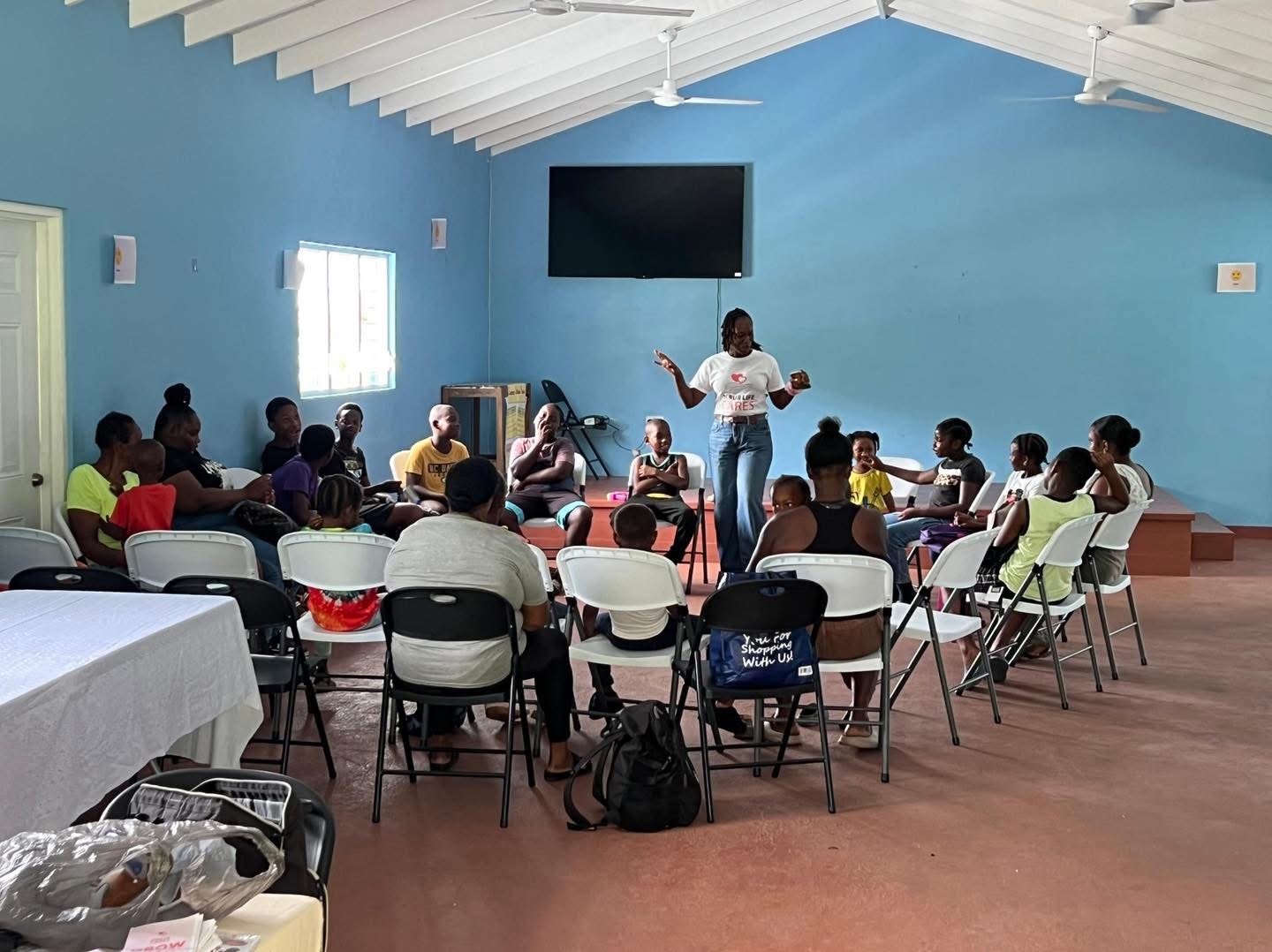
    Held on August 29, 2026 at Vincennes Community Center, the initiative brought together a broad coalition of partners, including the Moravian Church St. Kitts Conference, Moravian Church Tobago Conference, Bethshalom Fellowship of the Moravian Church in Grenada, and multiple local community groups. The event was designed to address more than just academic preparedness, integrating faith-based service, public health education, and practical wraparound support to meet the full spectrum of community needs.

    By the close of the fair, more than 60 local children had received free school supplies and personal hygiene kits, while organizers distributed over 500 free menstrual products to expand access to this essential health resource for community members. The partnership grew from a shared core conviction: supporting young people to thrive requires intentional investment in not only their educational tools, but also their physical health, personal dignity, self-confidence, and overall well-being.

    For the Moravian Church Eastern West Indies Province, the fair represented living ministry in action, weaving together faith, service, and community care into tangible action. Beyond educational and hygiene supplies, the event offered free haircuts, hair braiding, interactive life skills workshops, and other resources designed to help students start the school year feeling prepared, supported, and valued. For Scrub Life Cares, an organization dedicated to advancing menstrual equity and expanding access to reproductive, sexual, and maternal health resources, the collaboration created a rare opportunity to embed evidence-based public health education within a deeply trusted community setting.

    “Community health reaches its full potential only when aligned organizations unite around a shared mission,” explained Tanya Ambrose, MPH, Founder and CEO of Scrub Life Cares. “This partnership let us combine the Moravian Church’s deep, long-standing roots in this community with our specialized work in menstrual, reproductive, sexual, and maternal health education. This is exactly the type of collaboration that delivers meaningful, lasting change for local people.”

    Ambrose emphasized that menstrual health is an often-overlooked core component of school readiness and youth well-being. “When young people lack consistent access to menstrual products or accurate, shame-free information about their changing bodies, it directly undermines their confidence, their ability to participate fully in class, and their long-term health,” she noted. “Distributing essential products is critical, but it is just as important to build safe spaces where young people can ask questions, learn without judgment, and feel seen and supported.”

    The Grenada initiative also shines a spotlight on the underrecognized valuable role faith-based institutions can play in advancing public health and community development. Across many local contexts, churches and faith communities remain among the most trusted institutions, placing them in a unique position to connect vulnerable families to life-saving health information, critical resources, and wrap-around services that many would otherwise struggle to access.

    This Back-to-School Fair stands as a living example of how faith-based ministry and public health practice can work in lockstep, merging compassionate service, evidence-based education, and practical on-the-ground support to address the most pressing unmet needs of children and families. Both leading organizations emphasized that sustained cross-sector collaboration remains non-negotiable for addressing complex community needs effectively.

    “No single organization has the capacity or reach to do this transformative work alone,” Ambrose noted. “When faith groups, nonprofits, local businesses, health care professionals, and community leaders all bring their unique strengths to the table, we can reach far more people and deliver far more comprehensive, holistic support than any of us could alone.”

    Organizers extended formal gratitude to all contributing businesses, institutions, and individual donors whose contributions made the initiative possible. Special recognition was given to Caribbean Pharmaceuticals, Senator Lamin Newton, Aunt Flow, and Go To Enterprises, whose support ensured a full stock of menstrual products and other key resources were available for distribution. Their backing expanded the event’s capacity to meet the immediate practical needs of Grenadian children and families, while also reinforcing the critical value of cross-sector partnerships between private industry and community groups to advance public health and collective well-being.

    For Scrub Life Cares, the Grenada outreach marks another key milestone in the organization’s ongoing expansion, bringing its core mission of menstrual, reproductive, sexual, and maternal health education and resource distribution to new communities beyond its existing program footprint. For the Moravian Church Eastern West Indies Province, the initiative forms part of the province’s long-standing regional commitment to service, ministry, and community strengthening across the Caribbean.

    Moving forward, both organizations hope the Grenada Back-to-School Fair will serve as a replicable model for collaborative impact across the region. The project demonstrates what can be achieved when faith-based leadership, public health expertise, community engagement, and cross-sector partnership align around a single shared goal: healthier children, stronger families, and more resilient, connected Caribbean communities.