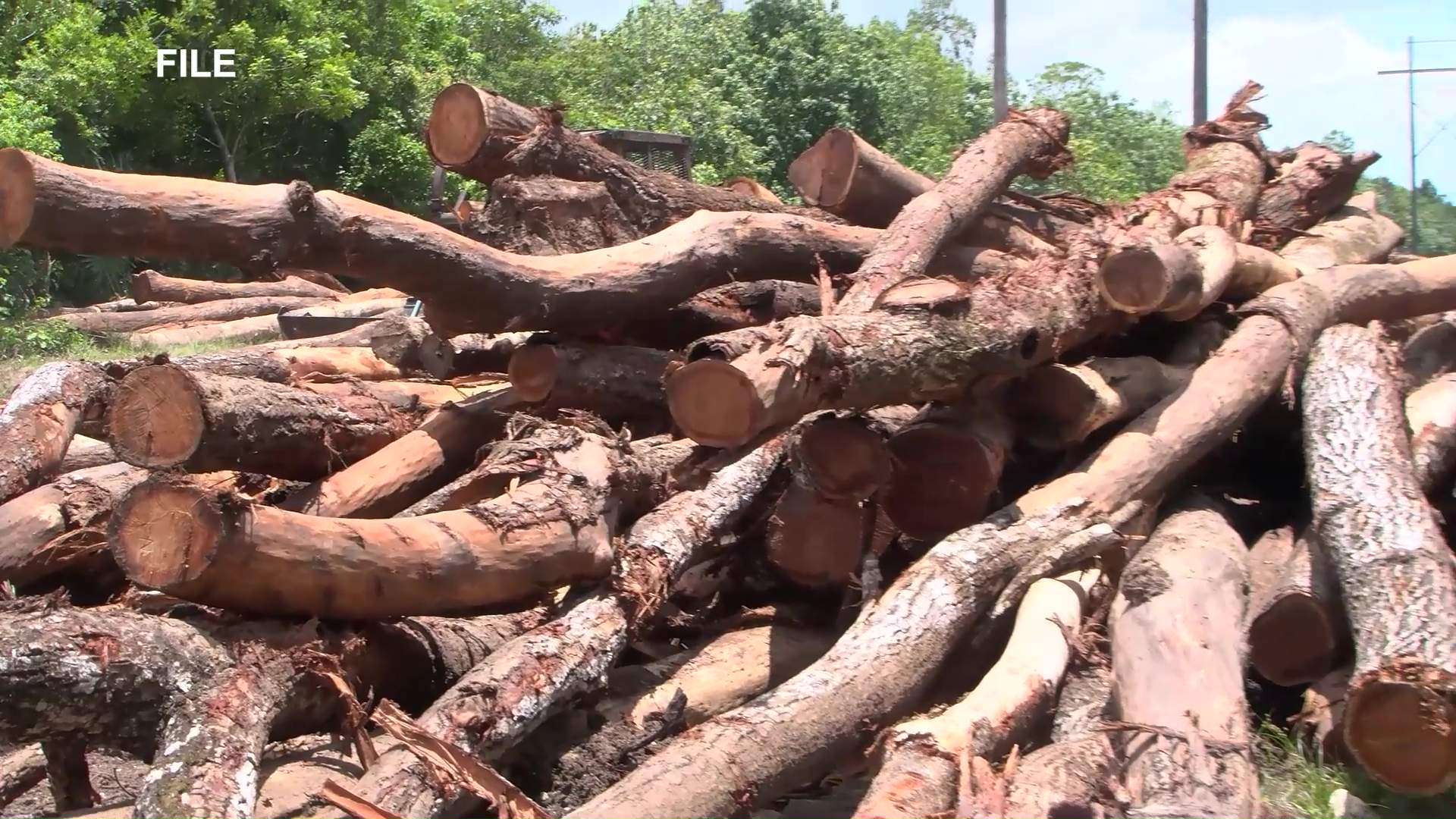
Belize’s Chiquibul forest region is experiencing a dangerous resurgence of illegal logging activities, creating an unprecedented challenge for national authorities. The Forest Department, critically understaffed and outmaneuvered, is struggling to contain the escalating environmental threat as sophisticated logging operations intensify along vulnerable border areas.
Minister of Sustainable Development Orlando Habet revealed the tactical difficulties facing enforcement teams, noting that illegal loggers strategically time their operations during early mornings, late nights, and in remote locations where surveillance is limited. With only a handful of new forest guards joining the force, the ministry is seeking enhanced collaboration with police units and potentially mobilizing the Belize Defense Force for support operations within national parks.
The effectiveness of current penalties has emerged as a significant concern. Minister Habet acknowledged that while fines theoretically serve as deterrents, outdated legislation has rendered them practically insignificant. Fines that amounted to substantial sums twenty or thirty years ago—such as $5,000—now represent minimal risk for illegal operators who profit substantially from timber extraction. Habet emphasized the urgent need to modernize penalties to thirty, forty, or fifty times current levels to create meaningful disincentives.
Rafael Manzanero, Executive Director of Friends for Conservation and Development (FCD), provided historical context to the crisis, revealing that between 2010 and 2014, Guatemalan loggers extracted approximately $15 million worth of timber from Chiquibul jungles, penetrating up to seventeen kilometers into Belizean territory. After a period of decline, illegal activities have dramatically resurged over the past two years, particularly along the western border region.
The combined impact of sophisticated logging operations, inadequate staffing, insufficient penalties, and cross-border incursions is creating irreversible damage to forest ecosystems. Officials warn that the current rate of extraction far exceeds natural regeneration capabilities, threatening both biodiversity and long-term forest health in one of Belize’s most critical conservation areas.