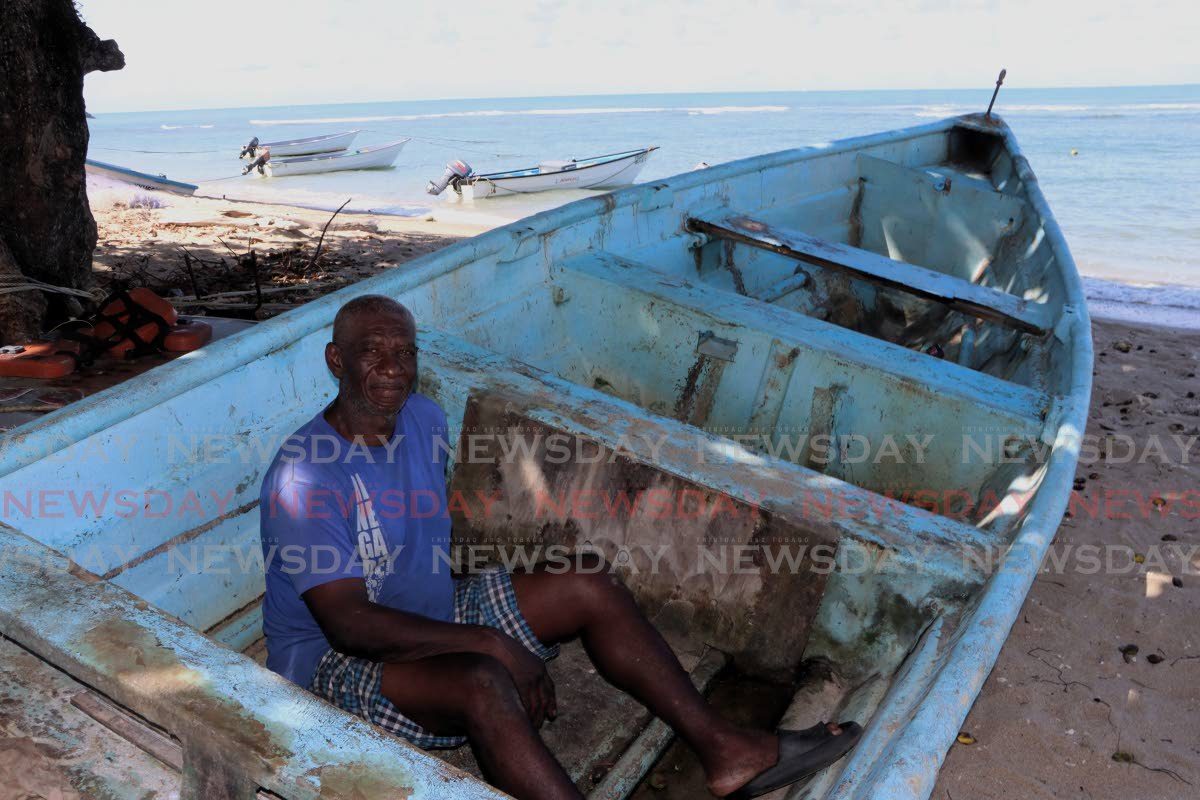
The tranquil fishing villages along Trinidad’s northeastern coast, from Salybia to Matelot, are facing unprecedented challenges as US military strikes against narco-traffickers have severely disrupted the local fishing industry. Fisherfolk, already grappling with fear and uncertainty, are hesitant to venture far from shore, leaving once-bustling fishing hubs like Toco and Saline Bay eerily quiet. The US has conducted 21 missile strikes since September 2, killing 83 individuals suspected of drug trafficking in the Caribbean Sea and eastern Pacific Ocean. This military escalation, coupled with thousands of marines and naval vessels stationed in the region, has created a tense atmosphere for coastal communities. At the Toco Fishing Centre, a key hub for fresh fish, stalls remain empty, and the compound is deserted, a stark contrast to its former vibrancy. Nearby, fish vendor Nixon Kissoon, 53, and his nephew Andrew struggle to adapt to the new reality. Nixon highlights the Coast Guard’s restrictions, which limit fishing to within two miles of the shore, making it nearly impossible to catch deep-water species like carite and kingfish. Fishermen on the west and south coasts face similar constraints. Nixon, a veteran of the industry, has pivoted to transporting fish from Orange Valley to Manzanilla and Toco, but the rising costs of fuel and wholesale fish have placed immense financial strain on families. Veteran fisherman Winston Miller, 63, echoes these concerns, describing the situation as a “high-risk gamble.” The economic fallout extends beyond fishing, with local businesses like clothing shops and food outlets closing early. Former MP Roger Munroe notes that the Toco lighthouse, a potential tourist attraction, remains closed. Calls for government intervention, such as subsidies, have grown louder, but local officials remain unresponsive. As the crisis deepens, the once-thriving coastal communities face an uncertain future.
分类: society
-
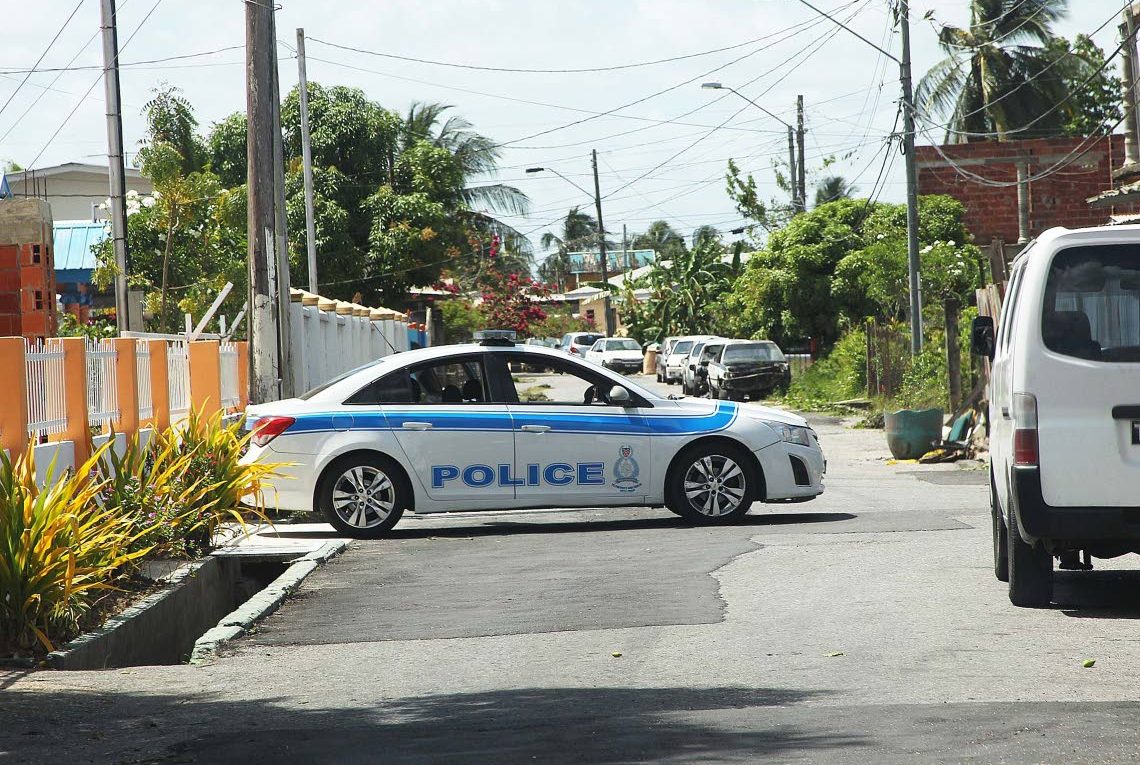
Cops shoot Arima carjacker, seize gun
A dramatic police-involved shooting unfolded in Arima on November 22 after a reported carjacking, leading to the arrest of a 25-year-old man who sustained gunshot wounds. According to a media release issued on November 23, the incident began when a woman was confronted by an armed assailant at her La Horquetta residence around 7 pm. The gunman, accompanied by another suspect, stole her Hyundai Elantra and fled the scene. Northern division police swiftly responded, intercepting the stolen vehicle and engaging in a high-speed chase. During the pursuit, the suspects allegedly fired at the officers, prompting the police to return fire in accordance with their use-of-force policy. The vehicle eventually crashed in the Mt Pleasant area, where the 25-year-old driver was found injured and hospitalized. His accomplice managed to escape into nearby bushes. Authorities recovered a firearm from the scene. In a separate but related operation, Inter-Agency Task Force officers discovered 3.1 kilograms of cannabis during a search in Snake Valley, Laventille. The operation, conducted between 2 pm and 8:30 pm on November 22, was led by senior officers including ACP Hazel, Snr Supt Ramnarine, Supt Ramsook, and ASP Singh. Investigations into both incidents are ongoing.
-
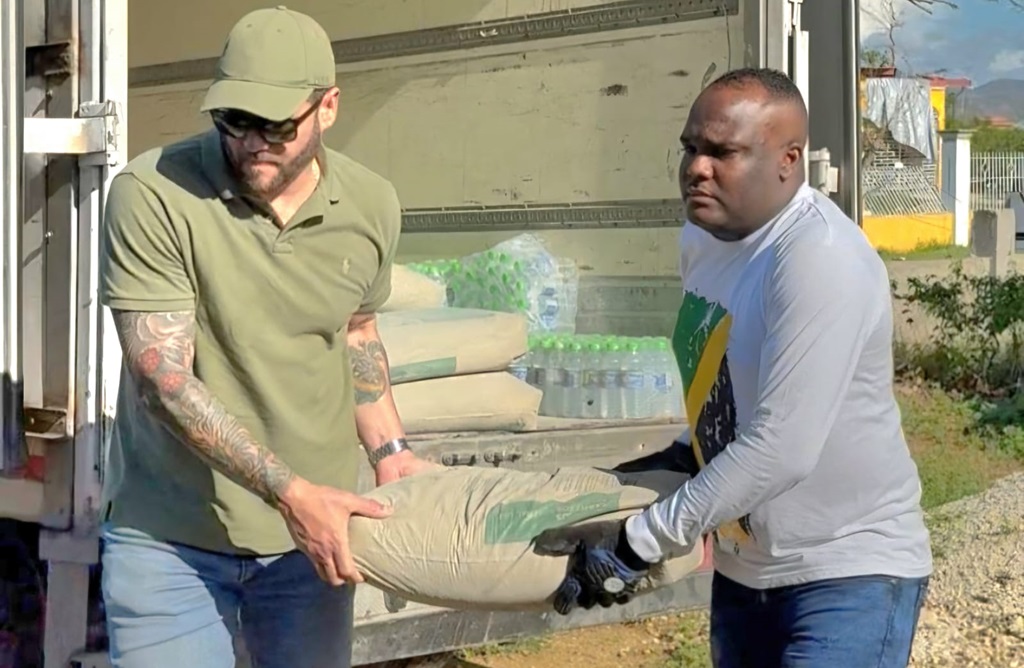
Fitz-Henley and Tavares-Finson return to St Elizabeth with building supplies, urge multi-stakeholder effort
Government Senators Abka Fitz-Henley and Christian Tavares-Finson have emphasized the critical role of private stakeholders in aiding the state’s efforts to provide secure shelter for Jamaicans displaced by Hurricane Melissa. The senators made this appeal during their recent visit to several communities in St. Elizabeth, where they distributed essential building supplies, including cement, tarpaulin, zinc, nails, and water, all sourced from private contributions. These supplies were delivered to residents in Black River, Springvale, and Middle Quarters, areas severely impacted by the hurricane.
-

Fund established to support tourism workers affected by Melissa
In a significant move to support tourism workers affected by Hurricane Melissa, Jamaica’s Minister of Tourism, Edmund Bartlett, has announced the establishment of a $1 billion recovery fund. The initiative, backed by both government and private sector contributions, aims to provide immediate relief and long-term rehabilitation for those impacted by the natural disaster. The government has pledged $600 million, while private sector organizations have contributed over $400 million, showcasing a collaborative effort to safeguard the livelihoods of tourism employees. Bartlett highlighted the resilience of the sector, emphasizing the importance of protecting the workforce that embodies the ‘Jamaica brand.’ During a recent tour of hotels and attractions in Ocho Rios, St. Ann, the minister praised the swift mobilization of resources and the commitment of industry leaders. Notably, RIU Hotels has pledged $1 million for relief efforts and an additional $1.3 million for staff home repairs. Bartlett commended such initiatives, stating they not only provide essential support but also reinforce confidence in the sector’s recovery. The minister also stressed the importance of ongoing worker rehabilitation programs, including health support, training, and re-skilling, to ensure the long-term sustainability of Jamaica’s hospitality industry. Bartlett expressed his gratitude for the sector’s unified response and called for continued collaboration to maintain momentum in rebuilding efforts, with workers at the heart of every plan.
-

UNC Councillor Ramona Victor, husband dead
The Siparia community is in shock following the tragic deaths of Councillor Ramona Victor and her husband, whose bodies were discovered on Coora Road, Siparia, on November 23. While details surrounding the incident remain unclear, authorities have confirmed the grim findings. Ramona Victor, a dedicated representative for Siparia East/San Francique South, was widely respected for her unwavering commitment to public service and her tireless efforts to uplift her community. Siparia Mayor Doodnath Mayrhoo expressed profound grief in a heartfelt Facebook post, praising Victor’s legacy of compassion, leadership, and service. He described her as a hardworking and passionate servant of the Siparia Borough Corporation, whose contributions will continue to inspire. Mayor Mayrhoo revealed that he first learned of her death around 4 pm on November 23 and attempted to contact her repeatedly without success. The devastating news was later confirmed by another official. The community has been plunged into mourning as they grapple with the loss of a beloved leader and her husband.
-
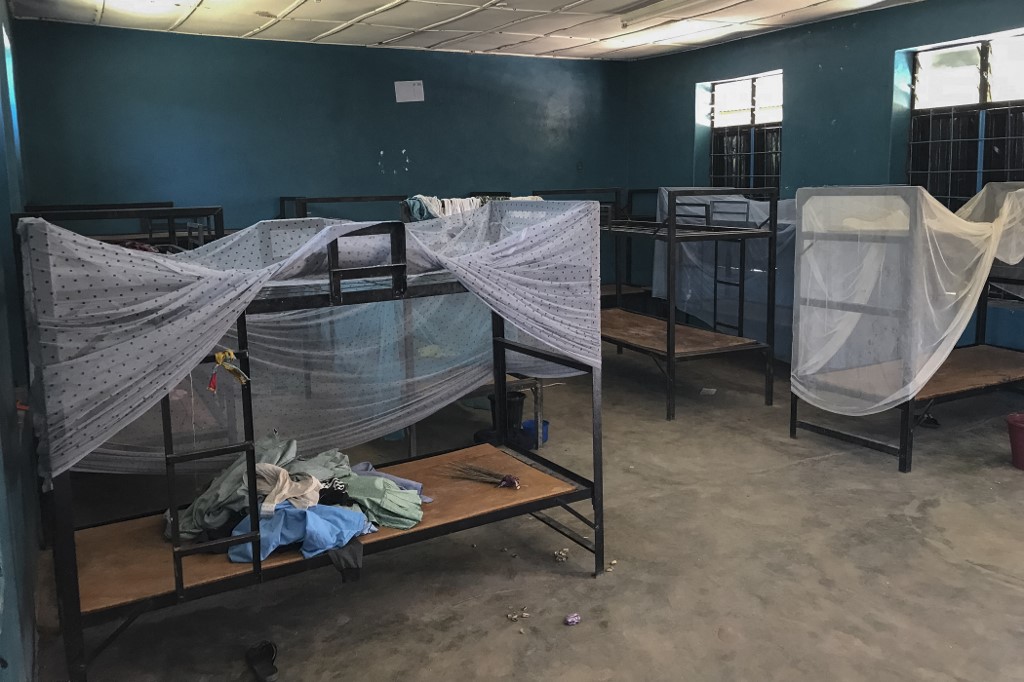
50 children kidnapped from Nigerian school have escaped—Christian group
In a glimmer of hope amidst a harrowing crisis, fifty of the over 300 children abducted from St Mary’s co-education school in Niger state, Nigeria, have managed to escape their captors, according to a statement released by the Christian Association of Nigeria (CAN) on Sunday. The children, aged between eight and 18, fled between Friday and Saturday and have since been reunited with their families. This development follows a brazen attack by gunmen on Friday, who stormed the school and kidnapped 303 students and 12 teachers in one of the largest mass abductions in the country’s history. The incident has exacerbated growing security concerns in Nigeria, Africa’s most populous nation, prompting widespread school closures. Earlier in the week, a similar attack occurred in Kebbi state, where 25 girls were abducted from a secondary school. Reverend Bulus Dauwa Yohanna, CAN chairman in Niger State, expressed cautious relief but urged continued prayers for the safe return of the remaining victims. The Nigerian government has yet to issue an official statement regarding the abduction.
-
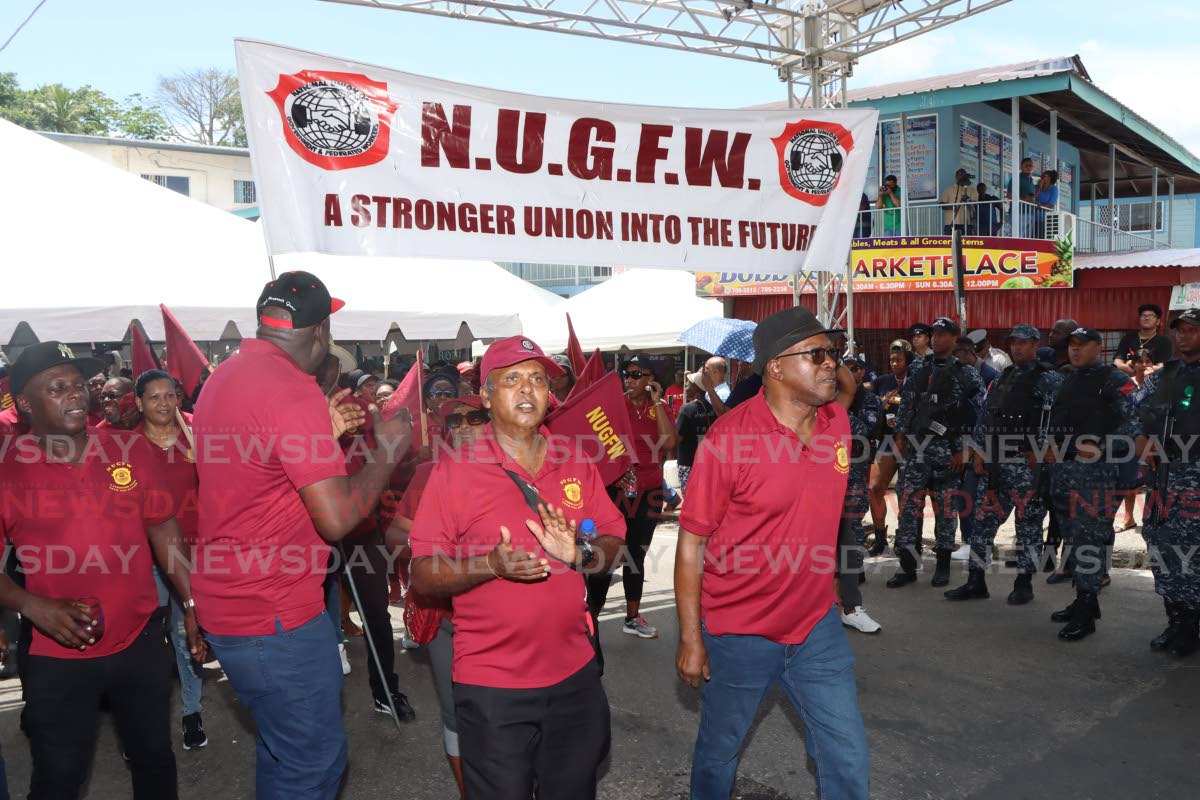
NUGFW: Our 17,000 workers want 10% too
The National Union of Government and Federated Workers (NUGFW) is optimistic about upcoming salary negotiations after the Trinidad and Tobago government formalized a 10% wage increase offer for public servants. The offer, covering two outstanding periods from 2014 to 2019, was presented to the Public Services Association (PSA) on November 21 during a meeting involving the Personnel Department and the Ministry of Finance. NUGFW President General Christopher Streete expressed his elation and hopes that his union, representing 17,000 daily-rated workers, will soon be invited to the bargaining table for similar discussions. Streete emphasized that the NUGFW had previously rejected a 4% offer under the former administration and supported the current government’s campaign promises for better terms. He also thanked the PSA for its persistence in resolving the issue and expressed confidence that other trade unions would receive comparable offers. The government’s economic briefing during the meeting provided a comprehensive overview of the nation’s fiscal position to guide negotiations. Streete assured that if the NUGFW is not contacted by mid-week, he will initiate discussions to ensure his members receive their due.
-

Importance of investing in our children’s future
In many Caribbean households, including Trinidad and Tobago (TT), the age-old saying ‘children should be seen and not heard’ has long been a cultural norm. Rooted in traditional values, this adage emphasized children’s passive role in adult-dominated spaces, discouraging them from voicing their opinions or interrupting elders. However, as global perspectives on childhood have evolved, this proverb now stands in stark contrast to modern understandings of children’s rights, marking a shift from enforced silence to active participation.
The phrase ‘children should be seen and not heard’ reflects a hierarchical view of family and society, where adults held authority and children were expected to learn through observation rather than vocal expression. While this approach aimed to instill discipline, it often stifled children’s natural curiosity and self-expression. In TT, a nation rich in cultural diversity, this saying shaped family gatherings, schools, and community events, influencing how children navigated social spaces.
The 20th and 21st centuries brought a profound re-evaluation of such norms. In 1989, the United Nations Convention on the Rights of the Child (UNCRC) was adopted, becoming the most widely ratified human rights treaty in history. The UNCRC outlines fundamental rights for children, including the right to express their views freely, be heard in matters affecting them, and participate in decisions shaping their lives. This landmark agreement has transformed children’s lives globally, challenging outdated adages and promoting a world where young people are active contributors to society.
On Universal Children’s Day, November 20, 2025, the theme ‘My Day, My Rights’ emphasized amplifying children’s voices and understanding how their rights are present, missing, or pursued in daily life. This theme aligns with the 35th anniversary of the UNCRC, urging active participation by children in shaping their world. Rather than being passive observers, children are now encouraged to share their experiences, advocate for their needs, and influence policies. This shift fosters dialogue between adults and young voices, building inclusive communities and addressing global disparities.
The benefits of children’s rights extend far beyond rhetoric, offering tangible improvements worldwide. The UNCRC has driven initiatives to end child labour, combat trafficking, and provide mental health support. In countries like Sweden and Canada, robust implementation of the convention has enabled children to participate in school councils and family decisions, fostering confidence and resilience. Globally, it has reduced child mortality rates and increased literacy, empowering generations to break cycles of poverty.
In TT, the UNCRC’s principles have been integrated into the legal framework, including the Children Act of 2012, which emphasizes children’s best interests, protection from harm, and the right to be heard. This has led to advancements in child welfare, such as improved access to education and healthcare, and efforts to combat issues like child abuse and juvenile delinquency. Programmes like the Child Protection Unit safeguard vulnerable children, while school initiatives encourage student voices through councils and debates.
Despite progress, challenges remain. In TT, issues like poverty, domestic violence, and limited resources hinder the full realization of children’s rights. Globally, conflicts in places like Ukraine and Yemen continue to threaten children’s rights, underscoring the need for ongoing advocacy. The ‘My Day, My Rights’ theme serves as a reminder that progress requires collective action from governments, families, and communities.
In conclusion, the adage ‘children should be seen and not heard’ reflects a bygone era of enforced quietude, but the UNCRC and Universal Children’s Day 2025 herald a new chapter of empowerment. By prioritizing children’s voices, we unlock their potential, benefiting societies in TT and worldwide. As we celebrate on November 20, 2025, let us commit to a world where children are not just seen, but truly heard – shaping a brighter, more equitable future for all.
-
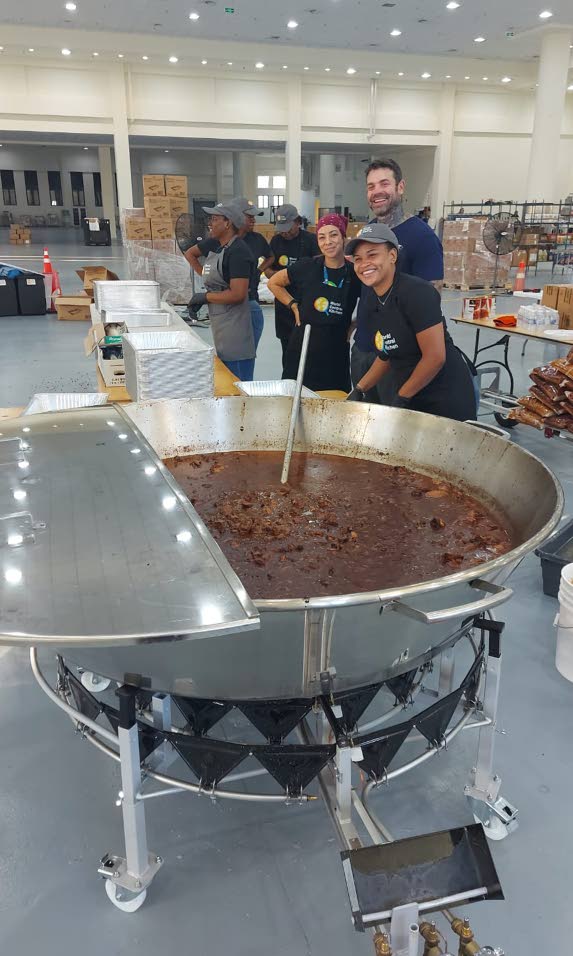
World Central Kitchen serves over one million meals in Jamaica after Hurricane Melissa
In the aftermath of Hurricane Melissa, World Central Kitchen (WCK) has delivered more than one million hot meals to residents in western Jamaica, offering crucial support to those impacted by the disaster. This milestone was announced by Montego Bay Mayor Richard Vernon during a press briefing following an Emergency Operations Centre (EOC) meeting on November 20. Mayor Vernon highlighted the significant aid provided to St James and expressed gratitude for WCK’s ongoing efforts to assist vulnerable communities across the municipality. He praised the dedication of volunteers and donors, urging continued contributions to sustain the initiative, which serves a vital humanitarian purpose. WCK, founded by celebrity chef José Andrés in 2010, specializes in rapid food relief during emergencies, setting up kitchens and collaborating with local partners to deliver immediate assistance. Shifting focus, Mayor Vernon also addressed the reopening of Montego Bay’s tourism sector, a cornerstone of the city’s economy. He emphasized that tourism contributes 30% to Jamaica’s GDP and 25% of national employment, with Montego Bay relying on it for over half of its economic activity and jobs. Vernon detailed efforts to restore hotels safely, ensuring workers regain employment. He commended Sandals for retaining its staff and encouraged other hotels to follow suit. The mayor underscored the importance of reopening tourism facilities to maintain Montego Bay’s appeal to visitors and assured that recovery efforts would balance economic revitalization with addressing residents’ immediate needs.
-
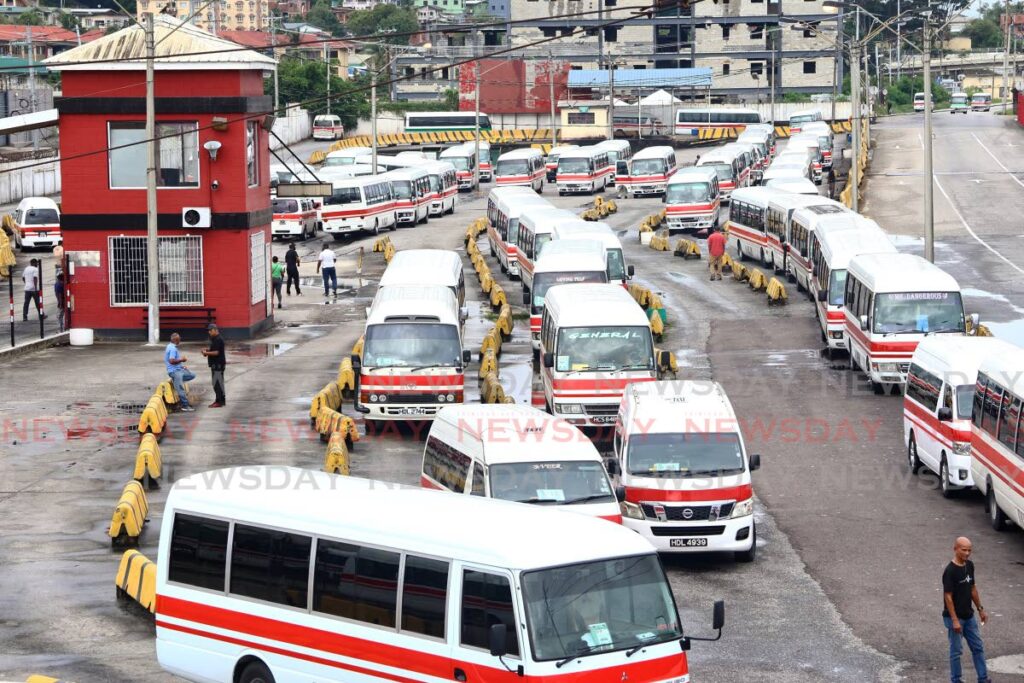
Brazen crimes of opportunity
A harrowing video capturing the robbery of passengers and a driver aboard a maxi taxi in Trinidad and Tobago on November 19 has underscored the alarming rise in brazen daytime crimes in the country. The incident, recorded on the driver’s dashboard camera, began as an ordinary journey along the Priority Bus Route in Arouca. However, the scene quickly turned violent when the vehicle stopped, and five masked men boarded, brandishing weapons and demanding cash and valuables. Passengers, visibly terrified, complied as their belongings were snatched. The driver, displaying remarkable composure, handed over his earnings without resistance. The entire ordeal lasted less than a minute, leaving the victims shaken but unharmed. This incident is part of a troubling trend of opportunistic crimes in the region. Homeland Security Minister Roger Alexander revealed that while robberies on the route decreased from ten last year to one this year, the Transit Police Unit remains critically understaffed, with a shortage of at least 60 officers. Recent weeks have seen a spike in similar crimes, including the armed robbery of a businesswoman at her Signal Hill home and a Trade Ministry official in Cascade. These incidents highlight the urgent need for enhanced police presence and proactive measures to deter criminals. As the holiday season approaches, authorities must prioritize public safety through increased patrols and visible law enforcement to restore public confidence.