分类: society

  • Herboren Waterkant moet aanjager worden van een vernieuwd historisch Paramaribo

    Herboren Waterkant moet aanjager worden van een vernieuwd historisch Paramaribo

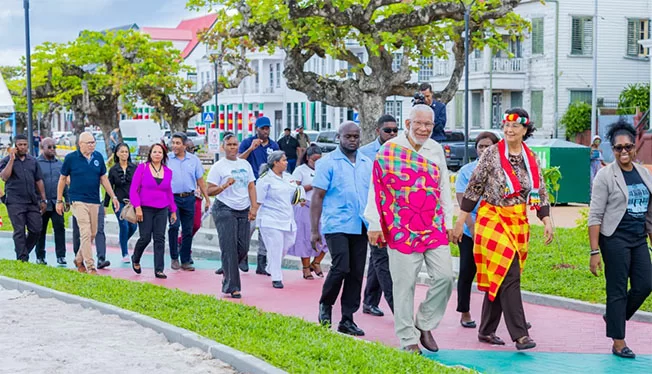
    The second phase of the renovated Waterkant in Paramaribo was officially unveiled on Saturday, marking a significant milestone in the large-scale revitalization of Suriname’s historic capital. President Jennifer Simons announced that the city center is set to become a Caribbean tourism hotspot within the next five to ten years. The Waterkant project is seen as the cornerstone of a broader transformation aimed at preserving and enhancing the city’s cultural heritage.

    During the inauguration, President Simons emphasized the importance of creating a space that both locals and tourists would cherish. ‘What we are building here must endure for future generations. This is a step toward a future where Paramaribo stands as a magnificent city,’ she stated. The president also revealed plans for a specialized management institute to oversee the continued development of the historic district, offering support to owners of heritage buildings struggling with maintenance.

    Collaboration with the private sector and the Inter-American Development Bank (IDB) was highlighted as crucial to elevating the city’s appeal. ‘We call on urban planners to contribute, as this is particularly vital for tourism,’ Simons added. Vice President Gregory Rusland described the Waterkant as ‘one of Suriname’s most significant heritage sites,’ emphasizing that the project goes beyond construction to safeguard national identity and boost tourism.

    Minister Dirk Currie praised the initiative as a symbol of unity and connection, while Natasja Deul, program manager of the Paramaribo Urban Rehabilitation Project (PURP), expressed satisfaction with the results. ‘The outcome exceeded expectations. Despite challenges, we’ve gained valuable insights for PURP 2,’ she said.

    Ravindra Patandin, director of Ilaco Suriname N.V., the supervising company, described the project as a ‘mega job,’ noting that it was entirely designed and executed by Surinamese professionals using sustainable materials. ‘This is lasting heritage,’ he remarked, urging government ministries to ensure long-term maintenance.

    Minister Raymond Landveld of Transport, Communication, and Tourism announced funding for a public awareness campaign to keep the Waterkant clean and intact. Additionally, efforts are underway to expand the management board to include departments like Public Green Spaces and Waste Management, as well as the Ministry of Justice and Police, to ensure round-the-clock security.

    The Waterkant renovation is part of the IDB-funded Paramaribo Urban Rehabilitation Project, which also includes the restoration of historic buildings. IDB representative Adriana La Valley called on the community to take pride in the achievements. ‘Paramaribo is a special place that reflects Suriname’s historical and cultural heritage. This heritage is a source of strength that can drive sustainable development and improve living standards,’ she said.
  • Guyanese man killed in Antigua during vehicular collision with horse

    Guyanese man killed in Antigua during vehicular collision with horse

    A tragic vehicular accident in Antigua has resulted in the death of a Guyanese man, Brenton Anthony Bristol, following a collision with a horse. The incident occurred late Thursday night near the Sir Wright F. George Police Training Academy in Antigua and Barbuda. According to police reports, the accident involved a silver Audi motor car and a brown horse, both of which sustained fatal injuries. The vehicle was reportedly traveling at a high speed along Friars Hill Road when it struck the horse, causing the driver to lose control momentarily. Both the driver and his passenger, Bristol, were injured in the crash. Bristol, a 40-year-old resident of Hodges Bay who had been living in Antigua since 2006, succumbed to his injuries shortly after the accident. The driver was transported to the Sir Lester Bird Medical Centre, where he was treated for head injuries and remains in stable condition. The Antigua and Barbuda Police Force is currently investigating the circumstances surrounding the accident.

  • Alert Have you seen Josefina? Family members are searching for the missing woman.

    Alert Have you seen Josefina? Family members are searching for the missing woman.

    A concerning disappearance has prompted a widespread search for Mrs. Josefina Espinal, who vanished after departing from La Vega on the morning of Friday, November 21. Mrs. Espinal was en route to Santo Domingo, specifically the Duarte commercial district, to purchase goods. Her sudden absence has left family members and authorities deeply worried. The family is appealing to the public for assistance in locating her. Anyone with information regarding her whereabouts is urged to contact the following numbers immediately: 849-280-8884 or 809-903-1731. The community’s cooperation is crucial in ensuring her safe return.

  • Telecom : Television in Haiti and the 2026 World Cup

    Telecom : Television in Haiti and the 2026 World Cup

    On World Television Day, the National Telecommunications Council (CONATEL) of Haiti highlighted the transformative role of television in the nation’s social, cultural, and educational fabric. This annual observance serves as a reminder of television’s power as a medium for reliable information, public dialogue, and national unity. CONATEL also took the opportunity to commend the dedication of Haitian broadcasters, who are striving to modernize infrastructure and enhance programming despite significant challenges. This year’s celebration holds added significance as Haiti marks a historic milestone: the Grenadiers’ qualification for the 2026 FIFA World Cup on November 18, 2025. This achievement underscores television’s pivotal role in fostering national pride and unity. Haitian broadcasters now face the critical task of ensuring widespread media coverage of the World Cup, bringing the nation together to support their team. CONATEL acknowledges the technical and economic hurdles ahead but pledges its support to ensure every Haitian can partake in this global sporting event. The council also lauded the Grenadiers for their unprecedented success and celebrated the tireless efforts of audiovisual professionals in shaping Haiti’s media landscape.

  • EDITORIAL: St. Jude Demands an Inquiry, Not Excuses

    EDITORIAL: St. Jude Demands an Inquiry, Not Excuses

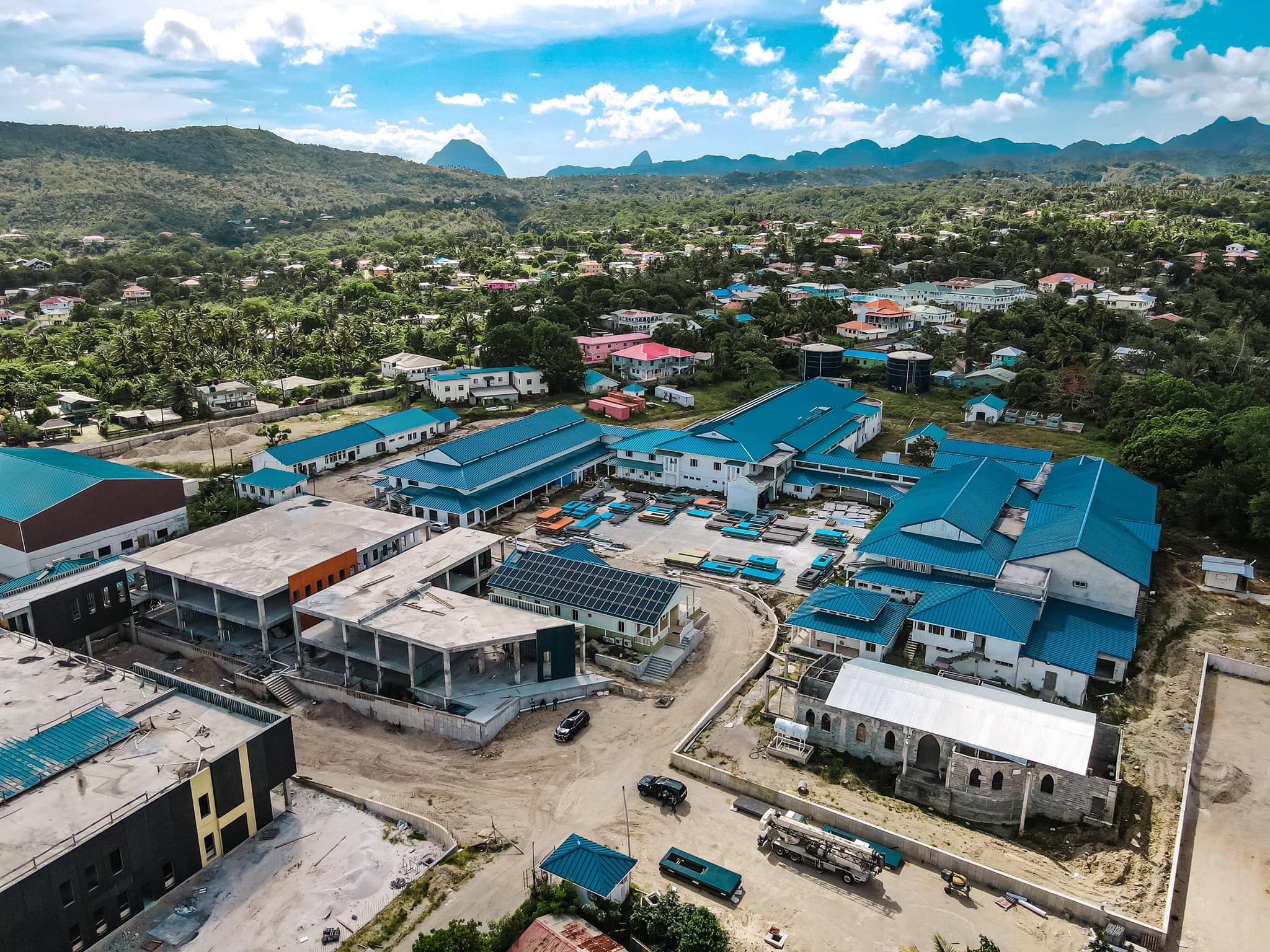
    After a prolonged 16-year wait, the residents of Saint Lucia are finally nearing the reopening of St. Jude Hospital in the southern region. The original hospital was devastated by a fire in 2009, and since then, the project has been marred by delays, political disputes, and multiple administrations. Last Sunday, a significant milestone was reached as the St. Jude complex was officially handed over from the contractor to the Ministry of Health and the hospital’s board. However, the ceremony has sparked debates about whether the facility is fully operational or merely a structural completion. The reconstruction process has been fraught with inefficiency and political maneuvering, with successive governments failing to prioritize the project. The prolonged absence of adequate healthcare in the south has forced residents to rely on a makeshift hospital at the George Odlum Stadium, which also deprived athletes of a proper sports facility. The project has cost approximately $400 million, yet questions remain about the delays and expenditures. Critics argue that the handing-over ceremony should not be seen as a resolution but as a reminder of the systemic failures in governance. Calls for an independent inquiry have grown louder, demanding transparency and accountability. The situation underscores the need for political leaders to set aside partisan interests and prioritize public welfare. The St. Jude saga serves as a cautionary tale against the start-stop mentality of successive administrations, which has hindered progress on critical infrastructure projects. Moving forward, political parties must commit to completing ongoing projects regardless of changes in leadership. The hospital, named after St. Jude, the biblical figure symbolizing hope and faith, should inspire leaders to embody qualities of compassion and courage. It is time to end the nonsensical practice of stalling projects that benefit the people and focus on forward-thinking governance.

  • The import of electric cars shows a sustained decline in the Dominican Republic

    The import of electric cars shows a sustained decline in the Dominican Republic

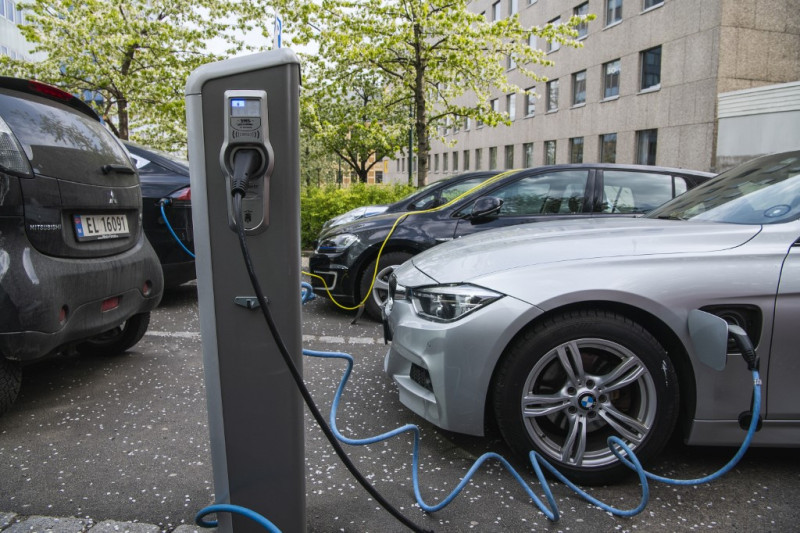
    The Dominican Republic’s ambitious plan to decarbonize its vehicle fleet remains far from realization, with electric vehicle (EV) adoption rates painting a bleak picture. Despite legislative incentives and the global push toward sustainable transportation, the country has seen a significant decline in EV imports in recent years. Data from the General Directorate of Internal Taxes (DGII) reveals that only 11,169 electric vehicles were imported between 2017 and 2025. While the initial years showed promising growth—from just four EVs in 2017 to 2,732 in 2022—the trend reversed sharply in 2023, with imports dropping to 1,793. This downward trajectory continued in 2024, with 1,651 units imported, and has further worsened in 2025, with only 647 vehicles entering the country so far. The government has attempted to stimulate EV adoption through initiatives like Law 103-03, which offers a 50% tax exemption on EV imports. However, these measures have failed to sustain momentum, highlighting the challenges of transitioning to a greener transportation system in the Dominican Republic.

  • Cruise passenger detained after security breach at Bridgetown Port

    Cruise passenger detained after security breach at Bridgetown Port

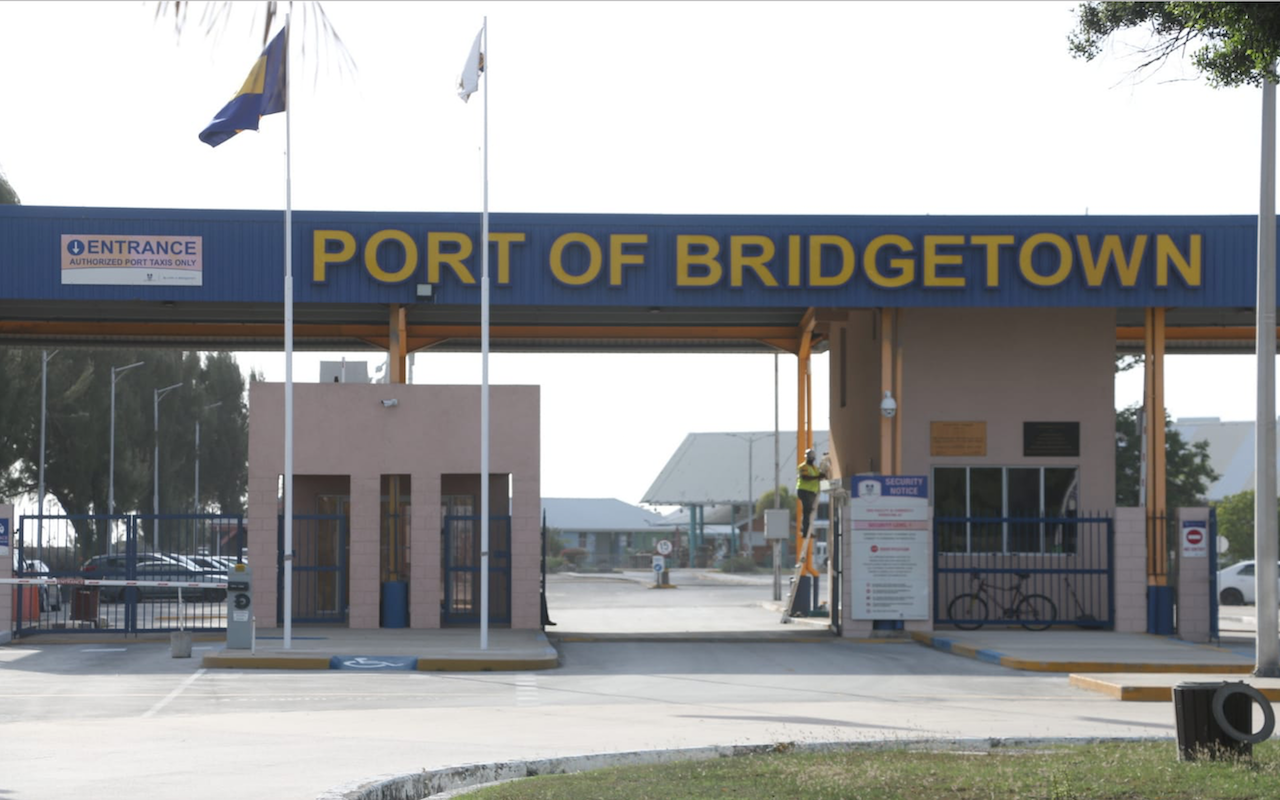
    A cruise passenger was apprehended by authorities on Friday night following a security breach at the Port of Bridgetown in Barbados. The individual attempted to re-enter a ship without proper clearance, leading to a confrontation with port security. During the incident, a Port Security Officer sustained injuries and was promptly provided with medical attention.

  • Still waters run deep

    Still waters run deep

    The implementation of a stringent vaccine mandate in Saint Vincent and the Grenadines has ignited widespread controversy, legal battles, and ethical dilemmas. Initially, Prime Minister Dr. Ralph Gonsalves dismissed calls for draconian measures, contrasting his approach with what he termed ‘Chinese methods’ of pandemic control. However, the eventual mandate, introduced in October 2021, imposed severe consequences on unvaccinated public officers, including job termination without compensation or reinstatement options. This policy, deemed ‘absurd’ by critics, has drawn sharp criticism for its lack of flexibility and disregard for individual circumstances, such as medical exemptions or religious beliefs. The mandate’s impact was particularly felt in the education sector, where dedicated principals and teachers, who had tirelessly served during the La Soufriere volcanic crisis, were abruptly dismissed. Legal challenges have since escalated, with the case now referred to the Privy Council for final adjudication. Critics argue that the mandate was neither necessary nor proportionate, given the country’s relatively low COVID-19 infection and mortality rates compared to regional counterparts. The government’s insistence on maintaining the policy, coupled with its refusal to compensate affected workers, has further deepened public discontent. As the debate continues, questions linger about the fairness of reinstatement offers and the broader implications for workers’ dignity and rights.

  • Government Ramps Up Farm Support With Security, Water and Access Upgrades

    Government Ramps Up Farm Support With Security, Water and Access Upgrades

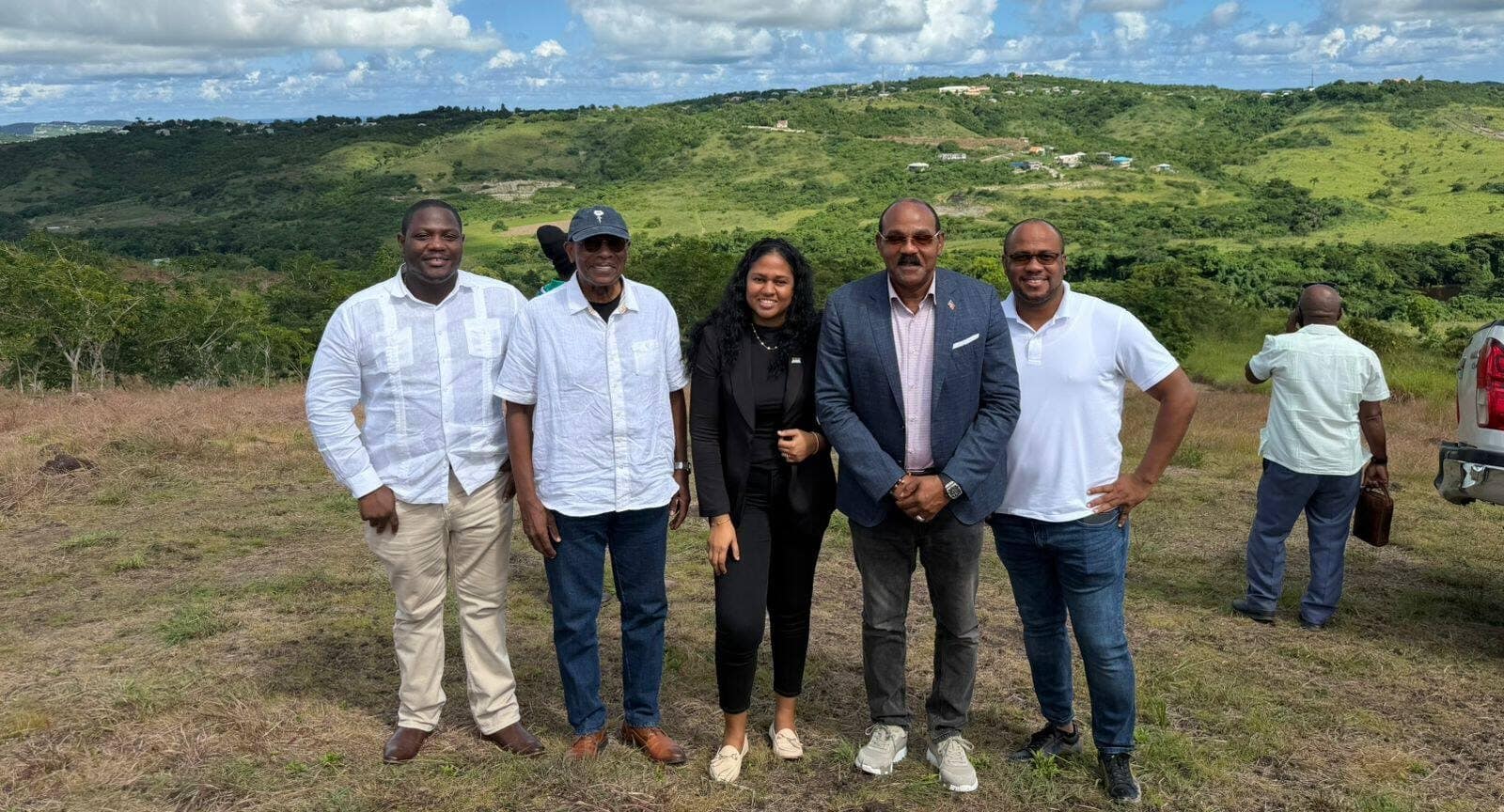
    In response to escalating geopolitical tensions in the Caribbean region, the Cabinet of Antigua and Barbuda has unveiled a comprehensive strategy to enhance national food security. Recognizing the potential risks posed by rising uncertainties, particularly between Venezuela and the United States, the government has prioritized a significant boost in domestic agricultural production. This initiative aims to safeguard the nation’s access to affordable and reliable food supplies, ensuring resilience against potential disruptions in regional supply chains.

    Over the past decade, Antigua and Barbuda has made notable progress in agricultural development, including the expansion of farm infrastructure, construction of dams, implementation of drip-irrigation systems, and provision of incentives for farmers. However, the Cabinet emphasized that current global and regional challenges necessitate a more intensified national effort. As part of this renewed focus, lands leased for farming but left unproductive will be reassigned. Farmers failing to utilize their acreage within 30 days will see their lands reallocated to active farmers and cooperatives ready to cultivate. The Cabinet clarified that this measure is not punitive but essential to maximize the contribution of agricultural assets to food security, employment, and economic sustainability.

    To support this initiative, the Ministry of Agriculture has been directed to accelerate state assistance to the farming community. Immediate actions include fencing farms to prevent theft, expanding nursery production, constructing new wells and dams, lighting farms for enhanced security, and improving farm access roads. Additionally, fishermen will receive fuel subsidies, acknowledging their critical role in the domestic food supply chain.

    The government also announced the establishment of an Agro-Industrial Park at Diamonds and an Eco Park at Christian Valley to modernize large-scale production and support agro-enterprise development. Furthermore, the national reforestation program has been revised, with a new target of planting 300,000 trees annually, deemed both challenging and achievable. This initiative aims to bolster climate resilience, restore watersheds, and enhance biodiversity.

    Over the last decade, Antigua and Barbuda has expanded domestic egg, poultry, and livestock production, implemented duty-free concessions for farm equipment, and invested in drought-resilient technologies. The Cabinet underscored the urgency of transitioning into full “production mode” to reduce dependence on food imports, stating, “Food security is national security.”

    The government reaffirmed its commitment to collaborating with farmers, fishermen, the private sector, and educational institutions to position Antigua and Barbuda as one of the most food-secure small states in the Western Hemisphere.

  • Restoration of Ernesto Guevara Museum Progresses in Cuba

    Restoration of Ernesto Guevara Museum Progresses in Cuba

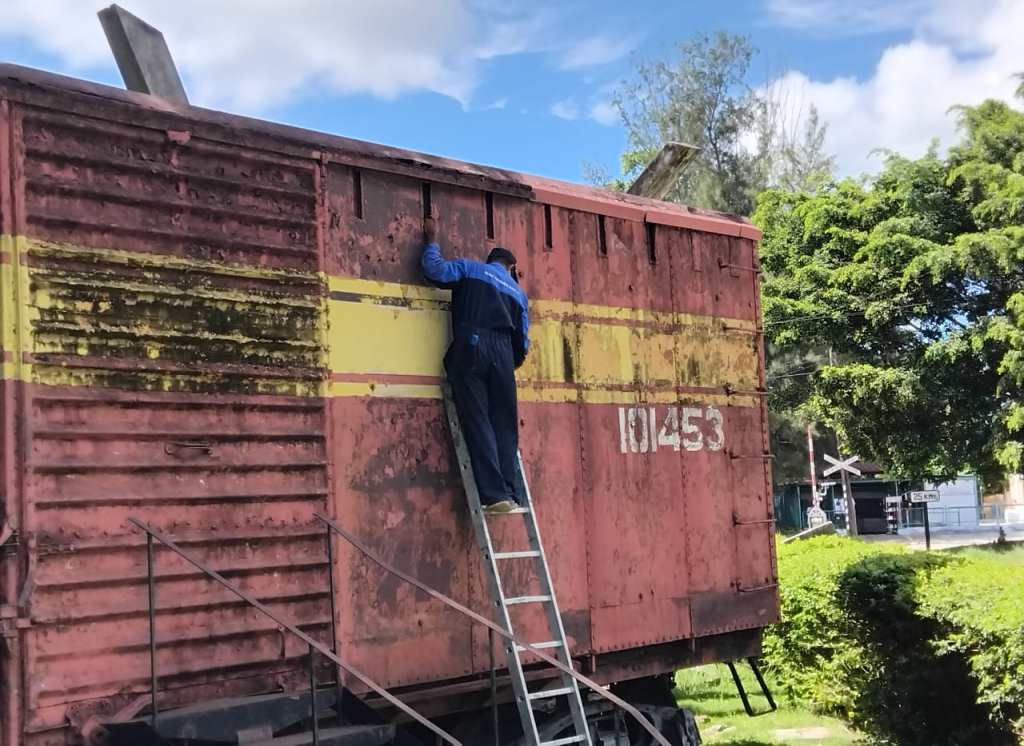
    At a site declared a National Monument in 1990, restoration teams are diligently working across various sections, with primary focus on repairing train cars and constructing a protective wall to mitigate the impact of a nearby river. This unique location, designed by the acclaimed Cuban architect Jose Delarra, commemorates the derailment and capture of an armored train by Che Guevara’s troops in December 1958 during the Battle of Santa Clara—a decisive moment in the Cuban Revolution. The military convoy, laden with soldiers and weapons, was en route to reinforce dictator Batista’s troops in eastern Cuba but was intercepted by Che’s forces, altering the course of history. Lilian Laura Rodriguez, the museum’s director, highlighted the collaborative efforts of local entities, including Cuban Railways, the Institute of Hydraulic Resources, and the Provincial Directorate of Culture, in addressing the site’s primary challenges. The restoration plan aims to complete the first two train cars by December 29, marking the 67th anniversary of the historic event. Despite ongoing restoration work on planters, paving stones, and other sculptural elements like columns and pedestals, the museum remains open to the public, offering a glimpse into Cuba’s revolutionary past.