分类: society

  • Importance of investing in our children’s future

    Importance of investing in our children’s future

    In many Caribbean households, including Trinidad and Tobago (TT), the age-old saying ‘children should be seen and not heard’ has long been a cultural norm. Rooted in traditional values, this adage emphasized children’s passive role in adult-dominated spaces, discouraging them from voicing their opinions or interrupting elders. However, as global perspectives on childhood have evolved, this proverb now stands in stark contrast to modern understandings of children’s rights, marking a shift from enforced silence to active participation.

    The phrase ‘children should be seen and not heard’ reflects a hierarchical view of family and society, where adults held authority and children were expected to learn through observation rather than vocal expression. While this approach aimed to instill discipline, it often stifled children’s natural curiosity and self-expression. In TT, a nation rich in cultural diversity, this saying shaped family gatherings, schools, and community events, influencing how children navigated social spaces.

    The 20th and 21st centuries brought a profound re-evaluation of such norms. In 1989, the United Nations Convention on the Rights of the Child (UNCRC) was adopted, becoming the most widely ratified human rights treaty in history. The UNCRC outlines fundamental rights for children, including the right to express their views freely, be heard in matters affecting them, and participate in decisions shaping their lives. This landmark agreement has transformed children’s lives globally, challenging outdated adages and promoting a world where young people are active contributors to society.

    On Universal Children’s Day, November 20, 2025, the theme ‘My Day, My Rights’ emphasized amplifying children’s voices and understanding how their rights are present, missing, or pursued in daily life. This theme aligns with the 35th anniversary of the UNCRC, urging active participation by children in shaping their world. Rather than being passive observers, children are now encouraged to share their experiences, advocate for their needs, and influence policies. This shift fosters dialogue between adults and young voices, building inclusive communities and addressing global disparities.

    The benefits of children’s rights extend far beyond rhetoric, offering tangible improvements worldwide. The UNCRC has driven initiatives to end child labour, combat trafficking, and provide mental health support. In countries like Sweden and Canada, robust implementation of the convention has enabled children to participate in school councils and family decisions, fostering confidence and resilience. Globally, it has reduced child mortality rates and increased literacy, empowering generations to break cycles of poverty.

    In TT, the UNCRC’s principles have been integrated into the legal framework, including the Children Act of 2012, which emphasizes children’s best interests, protection from harm, and the right to be heard. This has led to advancements in child welfare, such as improved access to education and healthcare, and efforts to combat issues like child abuse and juvenile delinquency. Programmes like the Child Protection Unit safeguard vulnerable children, while school initiatives encourage student voices through councils and debates.

    Despite progress, challenges remain. In TT, issues like poverty, domestic violence, and limited resources hinder the full realization of children’s rights. Globally, conflicts in places like Ukraine and Yemen continue to threaten children’s rights, underscoring the need for ongoing advocacy. The ‘My Day, My Rights’ theme serves as a reminder that progress requires collective action from governments, families, and communities.

    In conclusion, the adage ‘children should be seen and not heard’ reflects a bygone era of enforced quietude, but the UNCRC and Universal Children’s Day 2025 herald a new chapter of empowerment. By prioritizing children’s voices, we unlock their potential, benefiting societies in TT and worldwide. As we celebrate on November 20, 2025, let us commit to a world where children are not just seen, but truly heard – shaping a brighter, more equitable future for all.
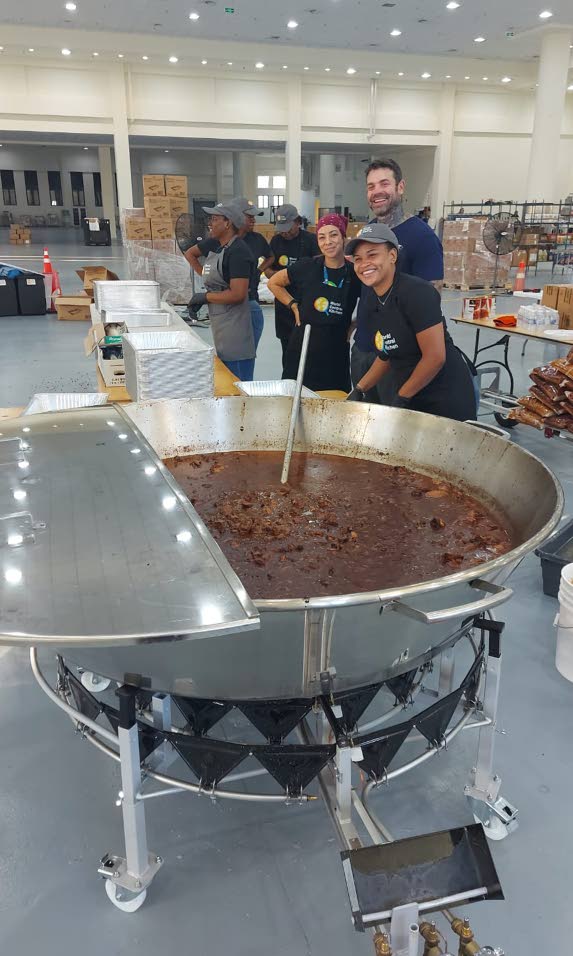

  • World Central Kitchen serves over one million meals in Jamaica after Hurricane Melissa

    World Central Kitchen serves over one million meals in Jamaica after Hurricane Melissa

    In the aftermath of Hurricane Melissa, World Central Kitchen (WCK) has delivered more than one million hot meals to residents in western Jamaica, offering crucial support to those impacted by the disaster. This milestone was announced by Montego Bay Mayor Richard Vernon during a press briefing following an Emergency Operations Centre (EOC) meeting on November 20. Mayor Vernon highlighted the significant aid provided to St James and expressed gratitude for WCK’s ongoing efforts to assist vulnerable communities across the municipality. He praised the dedication of volunteers and donors, urging continued contributions to sustain the initiative, which serves a vital humanitarian purpose. WCK, founded by celebrity chef José Andrés in 2010, specializes in rapid food relief during emergencies, setting up kitchens and collaborating with local partners to deliver immediate assistance. Shifting focus, Mayor Vernon also addressed the reopening of Montego Bay’s tourism sector, a cornerstone of the city’s economy. He emphasized that tourism contributes 30% to Jamaica’s GDP and 25% of national employment, with Montego Bay relying on it for over half of its economic activity and jobs. Vernon detailed efforts to restore hotels safely, ensuring workers regain employment. He commended Sandals for retaining its staff and encouraged other hotels to follow suit. The mayor underscored the importance of reopening tourism facilities to maintain Montego Bay’s appeal to visitors and assured that recovery efforts would balance economic revitalization with addressing residents’ immediate needs.

  • The changing outlook of contemporary trade unions

    The changing outlook of contemporary trade unions

    Modern trade unions appear to have lost much of their former vigor, a stark contrast to their dynamic presence in previous decades. This decline can be attributed to a confluence of factors, with ineffective leadership emerging as a central issue. The current state of trade unions suggests a movement in crisis, struggling to adapt to contemporary challenges. Historically, trade unions thrived under strong, visionary leaders who commanded respect from members, employers, and political figures alike. While not all current leaders are ineffective, many have been criticized for their silence on critical issues affecting workers and society at large. Traditionally, unions played a crucial role as societal watchdogs, overseeing social, economic, and political policy changes. However, their vigilance and passion seem to have waned over time. The reasons for this shift remain debated. Some attribute it to a lack of enthusiasm among leaders, while others point to a disengaged membership that fails to hold leadership accountable. Critics argue that many union leaders have failed to evolve, clinging to outdated strategies and parochial concerns. This resistance to change has created tension between older leaders and younger workers, who bring fresh perspectives but often feel marginalized. The generational divide poses a significant challenge, with younger members advocating for succession planning and modernization, while entrenched leaders resist relinquishing control. Bridging this gap is essential for the survival of the labor movement. Additionally, trade unions must address their public image, often marred by perceptions of bureaucracy and self-interest, which hinder efforts to attract new members and gain public support. Dennis De Peiza, a Labour & Employee Relations Consultant at Regional Management Services Inc., highlights the urgent need for unions to adapt and rebuild their relevance in today’s rapidly changing world.

  • Drag Racing Community Mourns Jerome Marsh After Fatal Parham Crash

    Drag Racing Community Mourns Jerome Marsh After Fatal Parham Crash

    The drag racing community is mourning the loss of Jerome Marsh, a passionate enthusiast who tragically lost his life in a devastating two-vehicle collision in Parham on Friday night. According to police reports, Marsh was behind the wheel of a yellow Toyota Vitz when it collided with a Toyota Noah van. Emergency responders utilized specialized equipment, commonly referred to as the ‘jaws of life,’ to extricate Marsh from the wreckage. Despite their efforts, he was pronounced dead shortly after the incident. Marsh’s 14-year-old son, who was a passenger in the vehicle, sustained injuries and remains hospitalized. The driver and a passenger of the Toyota Noah were also injured and are currently receiving medical care at Sir Lester Bird Medical Centre. Authorities have confirmed that investigations into the crash are ongoing, with further details expected to be released in due course.

  • Seamoss Storefront and Interpretative Centre opens in Bequia

    Seamoss Storefront and Interpretative Centre opens in Bequia

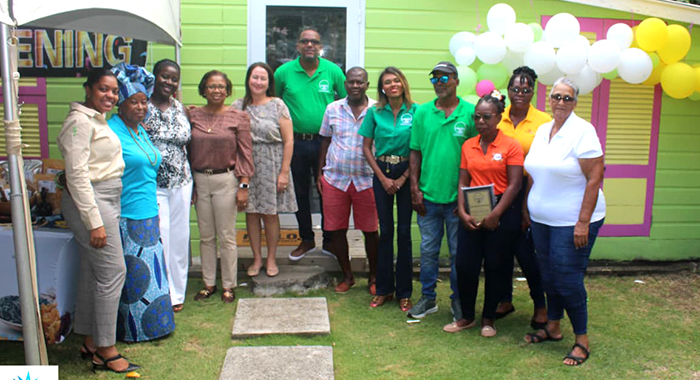
    In a landmark move for sustainable economic development, the Seamoss Association of St. Vincent and the Grenadines has unveiled the region’s first dedicated Seamoss Storefront and Interpretative Centre in Bequia. Funded by the Government of Canada through the Canada Fund for Local Initiatives (CFLI), the centre represents a significant stride in empowering local communities and preserving cultural heritage. Shavorn Stephens, the association’s founder, hailed the opening as a historic milestone, emphasizing its role as a symbol of economic empowerment, cultural pride, and resilience within the sea moss community. The facility offers local producers a specialized retail space to showcase a diverse range of products, from raw and dried sea moss to innovative value-added items like teas, gels, and skincare products. Additionally, the centre features an interpretative section that educates visitors on the history, cultivation practices, nutritional benefits, and cultural significance of sea moss, while paying tribute to the pioneering contributions of women like Ann Bernard Harvey. Jessica Mackie, representing the Government of Canada, underscored Canada’s commitment to supporting sustainable, community-driven initiatives, while Chief Fisheries Officer Jennifer Howard-Cruickshank praised the project for its role in advancing the blue economy. The centre is poised to enhance local income opportunities, promote food security, and position St. Vincent and the Grenadines as a leader in sustainable marine resource development.

  • The lasting impact of the Boy Scout movement on my life

    The lasting impact of the Boy Scout movement on my life

    In 1950, at the age of nine, Dr. Basil Springer first stepped onto the grounds of Harrison College in Barbados, unaware of how the Boy Scout movement would profoundly shape his life. Under the guidance of Mrs. Beryl Sharpe, he joined the Cub Scout programme, where he discovered discipline, camaraderie, and a sense of purpose that would remain with him throughout his life. This marked the beginning of a transformative journey that would leave an indelible mark on his character and values. At age 11, Dr. Springer transitioned to the Scout movement under the leadership of Mr. Ralph Mann, an English Scout leader and teacher at Harrison College. Mr. Mann’s dedication to Scouting and his emphasis on leadership development had a lasting impact on young Basil, providing him with opportunities for personal growth and a commitment to community service. One of the most cherished aspects of Dr. Springer’s Scouting journey was his enduring friendship with Trevor Austin Hassell, whom he met on his first day at Harrison College. Together, they rose through the ranks, from Cubs to Scouts, eventually achieving the prestigious title of Queen’s Scouts. In 1958, alongside Trevor’s younger brother, the late Frank Hassell, they embarked on a memorable Venture Scout journey along the old Barbados train line, now known as The Barbados Trailway. Their adventures extended beyond Barbados, as they participated in Scout camps in St Vincent and the Grenadines, Trinidad and Tobago, and represented Barbados at the 8th World Scout Jamboree in Niagara-on-the-Lake, Ontario, Canada, in 1955. Led by Captain Reuben Sealy, this event was a defining moment in their Scouting careers. After the Jamboree, Dr. Springer spent a memorable week in New York with his Aunt Iris, further enriching his experiences. Decades later, the bond between Dr. Springer and Trevor remains strong, nurtured by their shared Scouting memories. Now back in Barbados after years abroad, they meet every two months for lunch, reflecting on their past adventures and the enduring lessons of Scouting—discipline, leadership, and service. These principles continue to guide their lives, leaving a legacy of friendship and community impact. Dr. Basil Springer GCM, a corporate governance adviser, credits the Boy Scout movement for shaping his character and values, which he carries forward in his professional and personal life.

  • Government Scales Back One Million Trees Goal to 300,000 on Advice of Forestry Experts

    Government Scales Back One Million Trees Goal to 300,000 on Advice of Forestry Experts

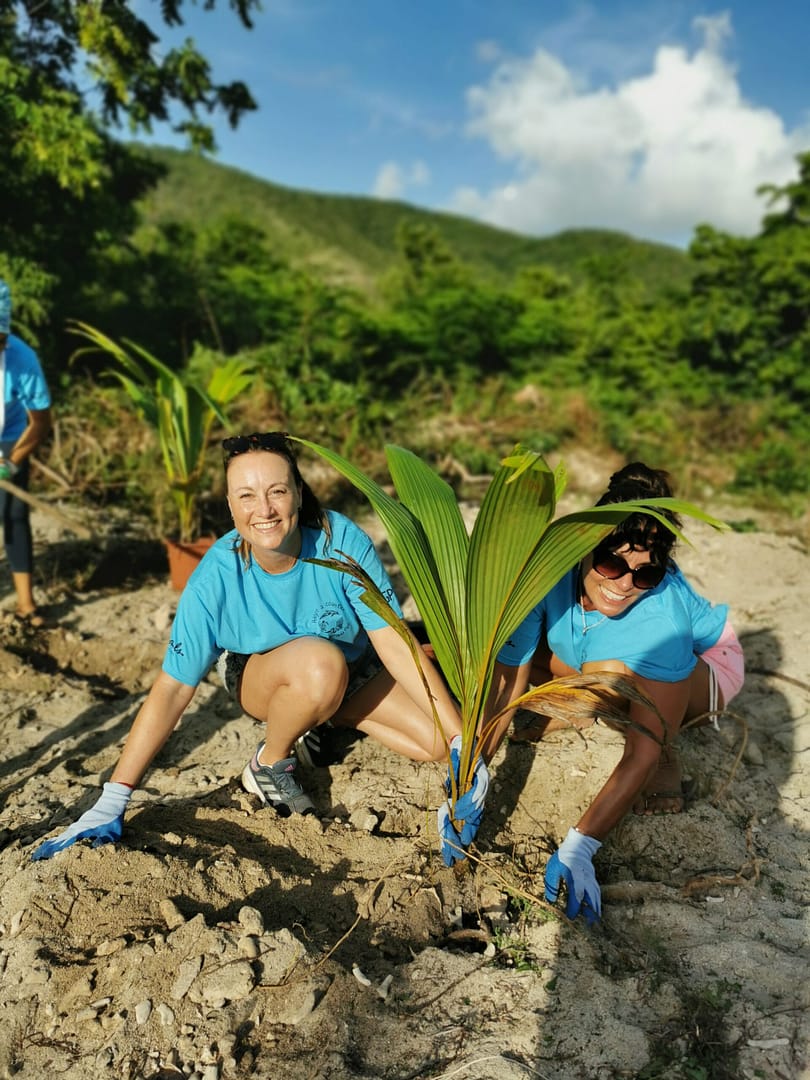
    In a significant shift, the government has scaled back its ambitious tree-planting campaign from one million trees to 300,000, following recommendations from forestry experts. The decision was announced by Cabinet spokesman Maurice Merchant during Friday’s post-Cabinet briefing. Merchant explained that the Forestry Division had advised the Cabinet that the original target was unfeasible, prompting a reevaluation of the initiative. The revised goal, now set at 300,000 trees, reflects a more realistic and achievable approach, ensuring the program’s success and proper implementation. The Forestry Division, alongside the Department of Agriculture and other relevant agencies, will spearhead the adjusted campaign. This move underscores the government’s commitment to aligning its environmental agenda with expert insights, prioritizing practicality and sustainability in national reforestation efforts.

  • Black Bar Association to Host Major U.S. Legal Conference in Antigua Next Year, Cabinet Spokesman Says

    Black Bar Association to Host Major U.S. Legal Conference in Antigua Next Year, Cabinet Spokesman Says

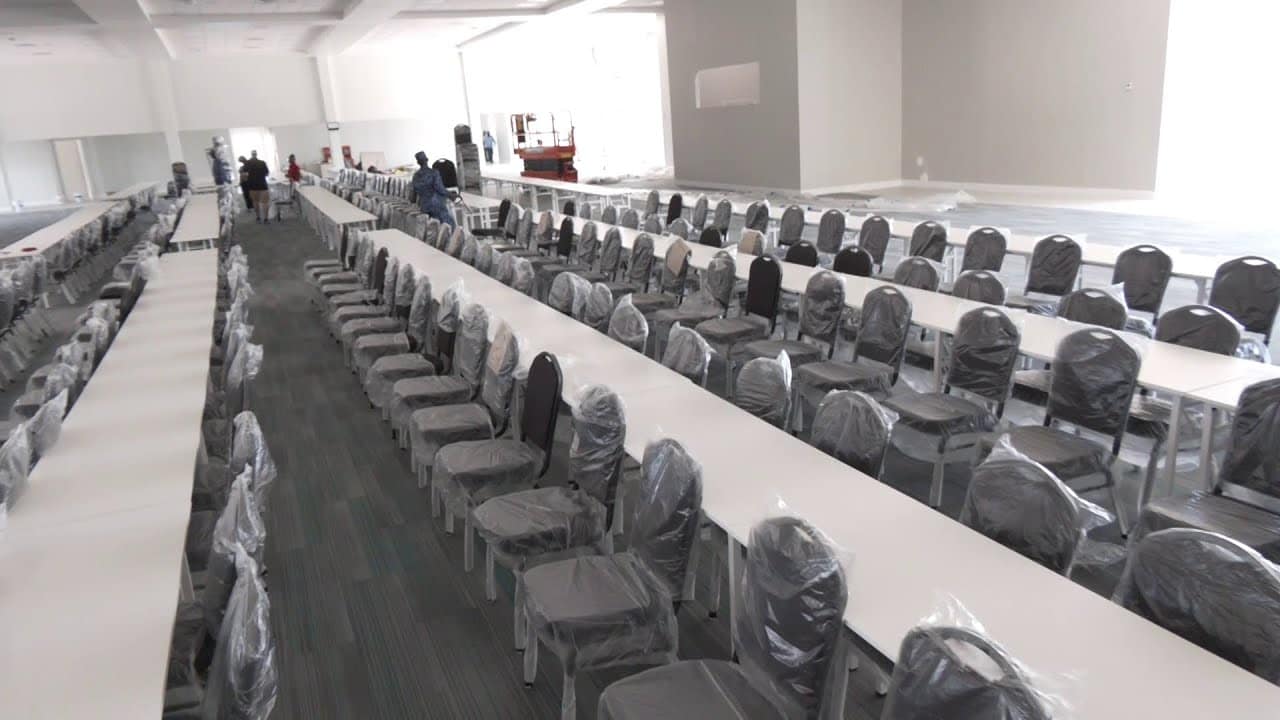
    Antigua and Barbuda has been chosen as the host nation for a significant U.S. legal conference organized by the Black Bar Association of the United States, scheduled for January 2024. The announcement was made by Cabinet spokesman Maurice Merchant during a post-Cabinet briefing on Friday. Attorney General Steadroy Benjamin confirmed that the association has finalized its plans to hold the event in Antigua, marking another milestone in the country’s growing portfolio of international gatherings. This decision underscores Antigua and Barbuda’s emerging status as a prime destination for high-profile professional, legal, and academic conferences. Merchant emphasized that the government views this development as a testament to the nation’s enhanced reputation as a regional hub for major events. He highlighted the country’s improved infrastructure, robust air connectivity, and its welcoming environment for international delegations as key factors driving this trend. While specific details regarding the number of attendees and conference sessions remain undisclosed, Merchant assured that further information will be released by the Attorney General’s office closer to the event. The government anticipates substantial economic benefits from the influx of conference tourism, including increased hotel bookings, restaurant patronage, and local spending. This initiative aligns with the administration’s broader strategy to diversify tourism and attract new visitor demographics to the country.

  • Taiwan’s participation in the ‘Global Mutirão’ on climate transition

    Taiwan’s participation in the ‘Global Mutirão’ on climate transition

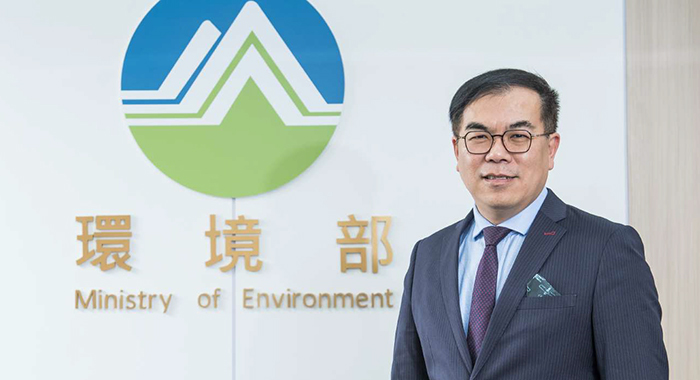
    Taiwan is taking decisive steps to address the escalating challenges posed by climate change, aligning its efforts with global initiatives to limit temperature increases to 1.5 degrees Celsius. In 2025, Taiwan faced severe flooding due to consecutive typhoons and torrential rains in its southern and eastern regions, highlighting the urgent need for robust climate action. As a proactive member of the international community, Taiwan has outlined a clear Nationally Determined Contribution (NDC) for 2035, setting ambitious goals for a low-carbon transition. The country is also publishing regular National Inventory Reports and Biennial Transparency Reports to ensure transparency and accountability in its emissions reduction efforts. President Lai Ching-te’s National Project of Hope, launched in 2024, emphasizes green growth and a 2050 net-zero transition. This initiative is supported by five key strategies: intelligent green energy development, dual-track industrial transformation, fostering sustainable lifestyles, government leadership, and ensuring a just transition. In June 2024, the National Climate Change Committee was established to drive societal momentum and dialogue on climate governance. Taiwan has set mid-term emissions reduction targets of 26-30% by 2030 and 36-40% by 2035, with a long-term goal of achieving net-zero emissions by 2050. The Climate Change Response Act enshrines this commitment in law, while the Comprehensive Carbon Reduction Action Plan mobilizes ministries and agencies to implement mitigation programs. Taiwan is also advancing carbon pricing through a combined fee system and emissions trading scheme, aiming to reduce emissions by 37 million metric tons of CO2e by 2030. Additionally, the country is enhancing climate adaptation efforts through a National Climate Change Adaptation Action Plan, focusing on critical infrastructure, water resources, and public health. Taiwan’s submission of its NDC 3.0 and participation in COP30 underscore its commitment to global climate action and its call for international support in achieving a net-zero future.

  • BREAKING: Louis Armstrong Of Upper Fort Road Dies Following Shooting Incident

    BREAKING: Louis Armstrong Of Upper Fort Road Dies Following Shooting Incident

    The Royal Police Force of Antigua and Barbuda has launched a homicide investigation following a fatal shooting incident on Upper Fort Road. Louis Armstrong, a 43-year-old local resident, tragically passed away on Saturday morning at approximately 7:24 a.m. while receiving medical care at the Sir Lester Bird Medical Centre. The incident occurred early Friday morning near Toy Toy Restaurant, where Armstrong was found with multiple gunshot wounds to his chest, eye, and left hand. Police officers swiftly responded to the scene after receiving reports of the shooting. Authorities are now actively investigating the case as a murder and are urging the public to come forward with any information that could help identify the perpetrator(s). Individuals with relevant details are encouraged to contact the Criminal Investigations Department at 462-3913 or use the anonymous Crimestoppers hotline at 800-TIPS (8477).