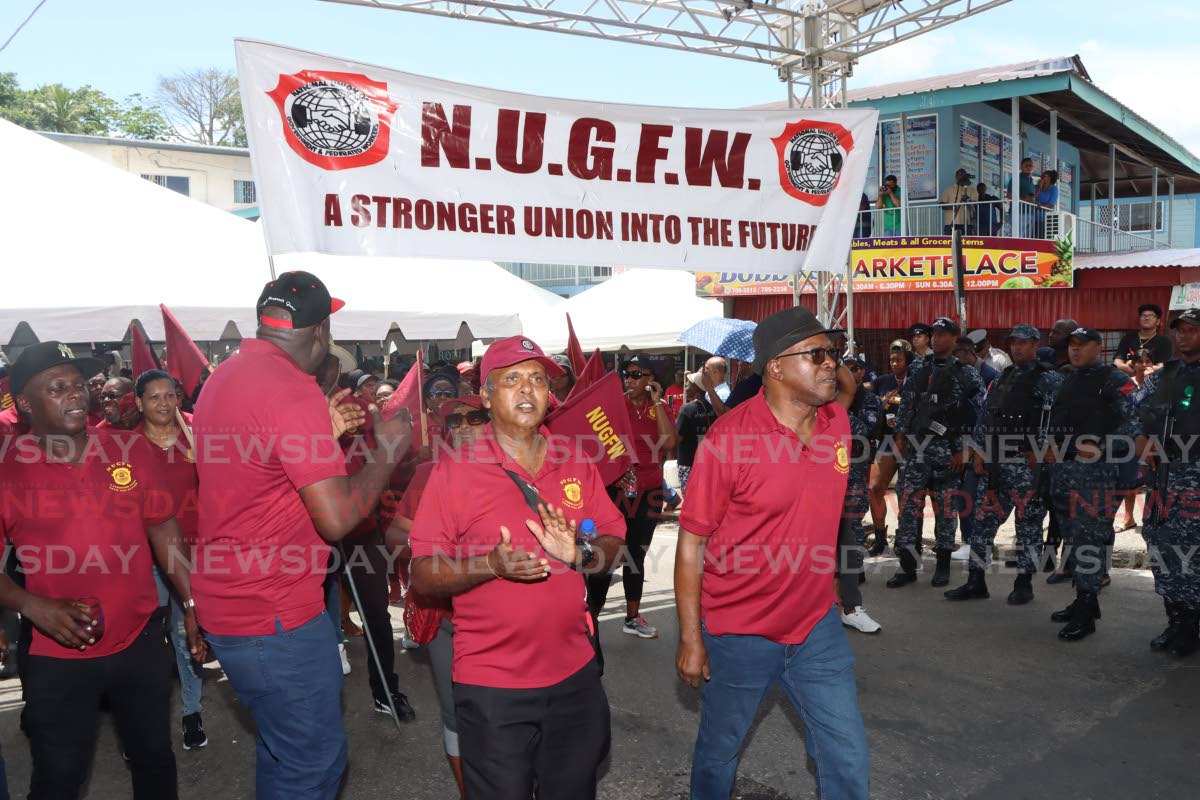
The National Union of Government and Federated Workers (NUGFW) is optimistic about upcoming salary negotiations after the Trinidad and Tobago government formalized a 10% wage increase offer for public servants. The offer, covering two outstanding periods from 2014 to 2019, was presented to the Public Services Association (PSA) on November 21 during a meeting involving the Personnel Department and the Ministry of Finance. NUGFW President General Christopher Streete expressed his elation and hopes that his union, representing 17,000 daily-rated workers, will soon be invited to the bargaining table for similar discussions. Streete emphasized that the NUGFW had previously rejected a 4% offer under the former administration and supported the current government’s campaign promises for better terms. He also thanked the PSA for its persistence in resolving the issue and expressed confidence that other trade unions would receive comparable offers. The government’s economic briefing during the meeting provided a comprehensive overview of the nation’s fiscal position to guide negotiations. Streete assured that if the NUGFW is not contacted by mid-week, he will initiate discussions to ensure his members receive their due.
分类: society
-

Importance of investing in our children’s future
In many Caribbean households, including Trinidad and Tobago (TT), the age-old saying ‘children should be seen and not heard’ has long been a cultural norm. Rooted in traditional values, this adage emphasized children’s passive role in adult-dominated spaces, discouraging them from voicing their opinions or interrupting elders. However, as global perspectives on childhood have evolved, this proverb now stands in stark contrast to modern understandings of children’s rights, marking a shift from enforced silence to active participation.
The phrase ‘children should be seen and not heard’ reflects a hierarchical view of family and society, where adults held authority and children were expected to learn through observation rather than vocal expression. While this approach aimed to instill discipline, it often stifled children’s natural curiosity and self-expression. In TT, a nation rich in cultural diversity, this saying shaped family gatherings, schools, and community events, influencing how children navigated social spaces.
The 20th and 21st centuries brought a profound re-evaluation of such norms. In 1989, the United Nations Convention on the Rights of the Child (UNCRC) was adopted, becoming the most widely ratified human rights treaty in history. The UNCRC outlines fundamental rights for children, including the right to express their views freely, be heard in matters affecting them, and participate in decisions shaping their lives. This landmark agreement has transformed children’s lives globally, challenging outdated adages and promoting a world where young people are active contributors to society.
On Universal Children’s Day, November 20, 2025, the theme ‘My Day, My Rights’ emphasized amplifying children’s voices and understanding how their rights are present, missing, or pursued in daily life. This theme aligns with the 35th anniversary of the UNCRC, urging active participation by children in shaping their world. Rather than being passive observers, children are now encouraged to share their experiences, advocate for their needs, and influence policies. This shift fosters dialogue between adults and young voices, building inclusive communities and addressing global disparities.
The benefits of children’s rights extend far beyond rhetoric, offering tangible improvements worldwide. The UNCRC has driven initiatives to end child labour, combat trafficking, and provide mental health support. In countries like Sweden and Canada, robust implementation of the convention has enabled children to participate in school councils and family decisions, fostering confidence and resilience. Globally, it has reduced child mortality rates and increased literacy, empowering generations to break cycles of poverty.
In TT, the UNCRC’s principles have been integrated into the legal framework, including the Children Act of 2012, which emphasizes children’s best interests, protection from harm, and the right to be heard. This has led to advancements in child welfare, such as improved access to education and healthcare, and efforts to combat issues like child abuse and juvenile delinquency. Programmes like the Child Protection Unit safeguard vulnerable children, while school initiatives encourage student voices through councils and debates.
Despite progress, challenges remain. In TT, issues like poverty, domestic violence, and limited resources hinder the full realization of children’s rights. Globally, conflicts in places like Ukraine and Yemen continue to threaten children’s rights, underscoring the need for ongoing advocacy. The ‘My Day, My Rights’ theme serves as a reminder that progress requires collective action from governments, families, and communities.
In conclusion, the adage ‘children should be seen and not heard’ reflects a bygone era of enforced quietude, but the UNCRC and Universal Children’s Day 2025 herald a new chapter of empowerment. By prioritizing children’s voices, we unlock their potential, benefiting societies in TT and worldwide. As we celebrate on November 20, 2025, let us commit to a world where children are not just seen, but truly heard – shaping a brighter, more equitable future for all.
-
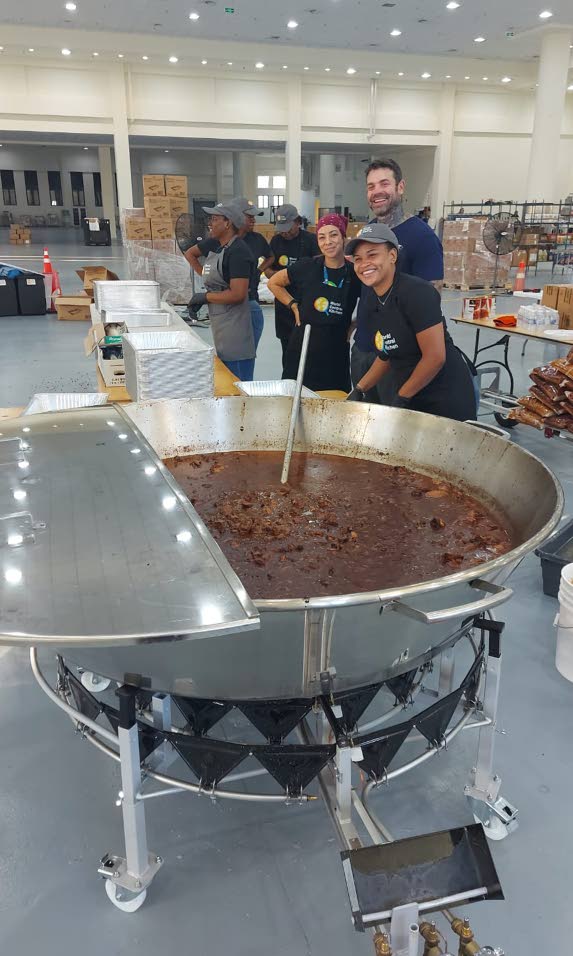
World Central Kitchen serves over one million meals in Jamaica after Hurricane Melissa
In the aftermath of Hurricane Melissa, World Central Kitchen (WCK) has delivered more than one million hot meals to residents in western Jamaica, offering crucial support to those impacted by the disaster. This milestone was announced by Montego Bay Mayor Richard Vernon during a press briefing following an Emergency Operations Centre (EOC) meeting on November 20. Mayor Vernon highlighted the significant aid provided to St James and expressed gratitude for WCK’s ongoing efforts to assist vulnerable communities across the municipality. He praised the dedication of volunteers and donors, urging continued contributions to sustain the initiative, which serves a vital humanitarian purpose. WCK, founded by celebrity chef José Andrés in 2010, specializes in rapid food relief during emergencies, setting up kitchens and collaborating with local partners to deliver immediate assistance. Shifting focus, Mayor Vernon also addressed the reopening of Montego Bay’s tourism sector, a cornerstone of the city’s economy. He emphasized that tourism contributes 30% to Jamaica’s GDP and 25% of national employment, with Montego Bay relying on it for over half of its economic activity and jobs. Vernon detailed efforts to restore hotels safely, ensuring workers regain employment. He commended Sandals for retaining its staff and encouraged other hotels to follow suit. The mayor underscored the importance of reopening tourism facilities to maintain Montego Bay’s appeal to visitors and assured that recovery efforts would balance economic revitalization with addressing residents’ immediate needs.
-
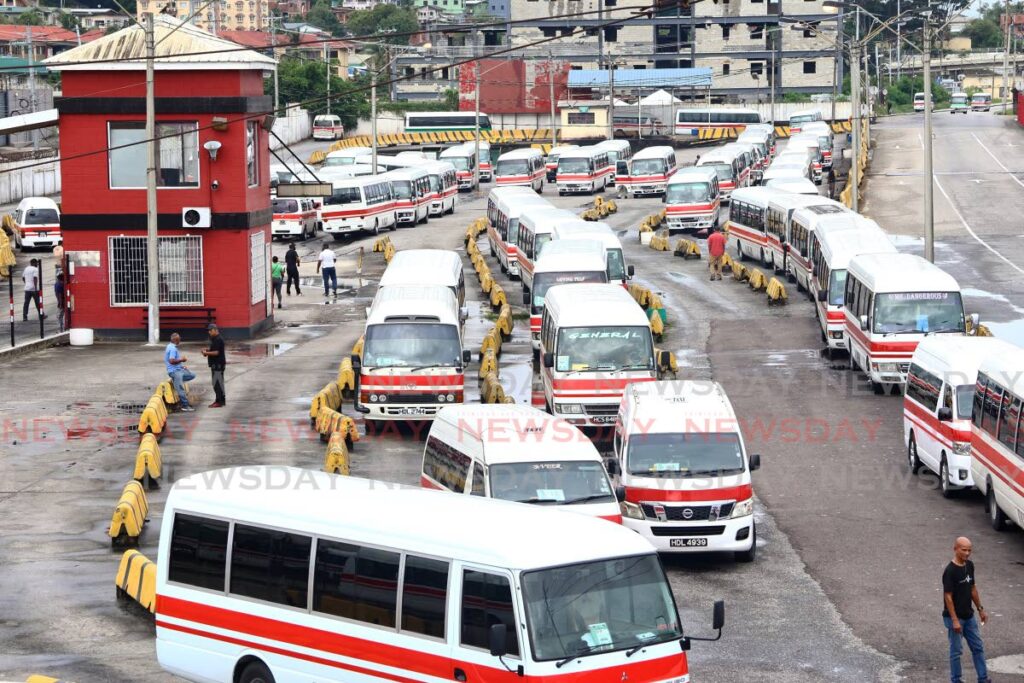
Brazen crimes of opportunity
A harrowing video capturing the robbery of passengers and a driver aboard a maxi taxi in Trinidad and Tobago on November 19 has underscored the alarming rise in brazen daytime crimes in the country. The incident, recorded on the driver’s dashboard camera, began as an ordinary journey along the Priority Bus Route in Arouca. However, the scene quickly turned violent when the vehicle stopped, and five masked men boarded, brandishing weapons and demanding cash and valuables. Passengers, visibly terrified, complied as their belongings were snatched. The driver, displaying remarkable composure, handed over his earnings without resistance. The entire ordeal lasted less than a minute, leaving the victims shaken but unharmed. This incident is part of a troubling trend of opportunistic crimes in the region. Homeland Security Minister Roger Alexander revealed that while robberies on the route decreased from ten last year to one this year, the Transit Police Unit remains critically understaffed, with a shortage of at least 60 officers. Recent weeks have seen a spike in similar crimes, including the armed robbery of a businesswoman at her Signal Hill home and a Trade Ministry official in Cascade. These incidents highlight the urgent need for enhanced police presence and proactive measures to deter criminals. As the holiday season approaches, authorities must prioritize public safety through increased patrols and visible law enforcement to restore public confidence.
-

Fire alarm!
In the wake of Hurricane Melissa, Jamaican firefighters have been inundated with emergency calls, primarily addressing structural and electrical fires. Fire Chief Stewart Beckford revealed that the hardest-hit parishes—Westmoreland, St Elizabeth, St James, Trelawny, and Hanover—are grappling with widespread debris, dry mountain ranges, and downed utility poles, which have become significant fire hazards. Between October 28, when the Category 5 storm struck, and November 19, the Jamaica Fire Brigade (JFB) responded to 143 fire-related incidents, including 58 structural fires and 34 electrical or utility pole fires. Additionally, 25 landfill fires, 17 bush fires, and nine vehicle fires were reported. Tragically, seven deaths due to carbon monoxide poisoning from generators were also recorded. Beckford emphasized that many structural fires originated in Westmoreland and rural communities, where residents rely on candles for light due to prolonged power outages. He urged caution when using candles, advising against placing them near flammable materials and recommending the use of water-filled containers to prevent accidental fires. The fire chief also highlighted the dangers of burning debris, a common practice post-hurricane, and called for safer disposal methods. Bush fires, exacerbated by dry conditions, have further strained firefighting resources, with some areas remaining inaccessible due to flooding and landslides. Beckford expressed regret over the carbon monoxide-related deaths, reiterating the importance of placing generators at a safe distance from homes and ensuring proper ventilation. He appealed to Jamaicans to prioritize safety and avoid practices that could lead to further disasters.
-
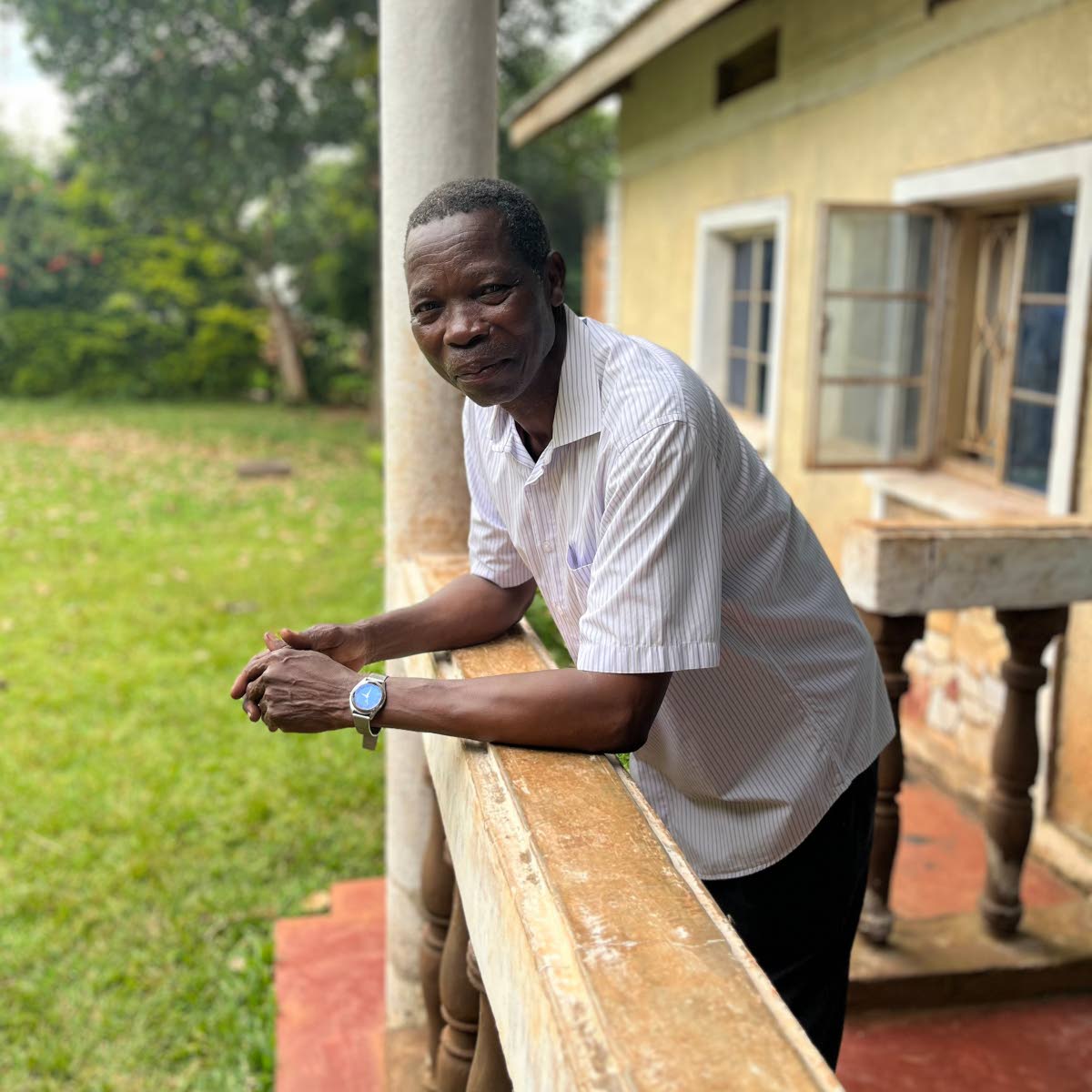
Uganda men heartbroken as paternity tests soar
In the heart of eastern Uganda, Moses Kutoi, a respected clan leader of the Bagisu people, finds himself at the center of a cultural and familial storm. As paternity disputes surge across the country, Kutoi mediates sensitive family conflicts, often involving men questioning the resemblance of their children. For Kutoi, this issue is deeply taboo, rooted in ancestral wisdom, yet he feels compelled to intervene to prevent marriages from collapsing into violence. “Even I don’t resemble my father,” he recently told a skeptical man seeking his help. The rise of DNA testing, fueled by reports of well-known Ugandans discovering they are not the biological fathers of their children, has intensified these disputes. The Ministry of Internal Affairs reports a dramatic increase in voluntary DNA tests, with over 98% of results revealing non-paternity. Despite appeals from religious leaders like Anglican Archbishop Stephen Kaziimba, who urged tolerance and faith, the demand for DNA testing continues to grow. In Nabumali, where Kutoi serves as mayor, the high cost of testing—over $200—makes it inaccessible for many families. Kutoi, drawing on his own experience, emphasizes the importance of unity and tradition, reminding disputing couples that children are a blessing regardless of biological ties. As paternity disputes increasingly intertwine with property and divorce proceedings, faith leaders like Rev. Robert Wantsala and Pastor Andrew Mutengu are stepping in to counsel families and mediate conflicts. Yet, as DNA testing becomes more prevalent, the challenge remains to balance modern science with traditional values in a rapidly changing society.
-

HOMELESS HEROES
Hurricane Melissa has left a trail of destruction in its wake, particularly impacting the lives of Jamaica’s firefighters. The catastrophic storm rendered 25 firefighters homeless and caused substantial damage to the residences of nearly 170 others. These brave individuals, whose roles often require them to risk their lives to protect others and safeguard property, now face immense personal challenges. The devastation has forced 15 of these national heroes to take refuge in the very fire stations where they serve, highlighting the severity of their plight. In response, Jamaica Fire Brigade Commissioner Stewart Beckford has issued an urgent appeal for assistance from corporate Jamaica. Beckford emphasized the critical need for support to help these firefighters rebuild their lives and continue their vital work in the community. The tragedy underscores the vulnerability of those who dedicate their lives to public service, even as they confront the dual burdens of professional duty and personal loss.
-
78 per cent of schools reopen so far
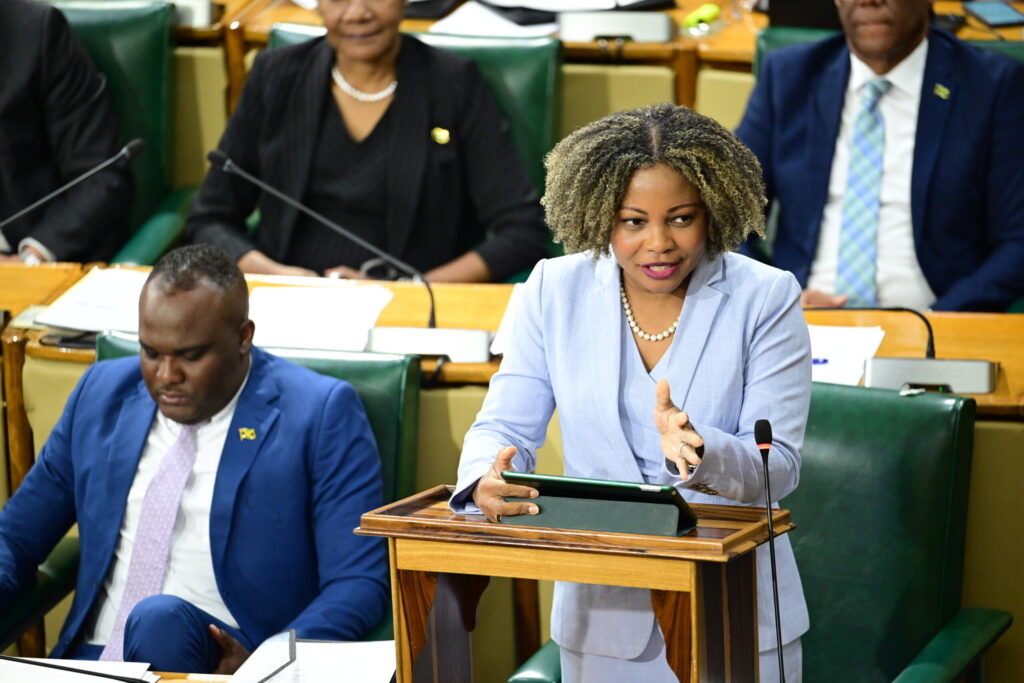
KINGSTON, Jamaica — Senator Dana Morris Dixon, Minister of Education, Skills, Youth, and Information, announced that 78% of Jamaica’s schools, totaling 791 institutions, have reopened as of November 19, 2025, following the devastation caused by Hurricane Melissa. The minister highlighted the critical role of resuming normal routines for children in overcoming trauma during a Senate statement on Friday. She praised principals and board chairs for their efforts in restoring educational operations under challenging conditions. Morris Dixon also acknowledged the support of Opposition representative Damion Crawford in expediting the reopening process. Additionally, the government has allocated $325 million in clean-up grants to over 500 schools, with funds ranging from $300,000 to $1,000,000 based on the severity of hurricane damage. These grants will support debris removal, sanitation, and the restoration of utilities and essential amenities. The minister commended the collaborative efforts of school leaders, staff, students, and community volunteers in the clean-up process, emphasizing the pivotal role of schools in rebuilding community normalcy.
-
From Yemen’s conflict zone to ‘harrowing’ Jamaica
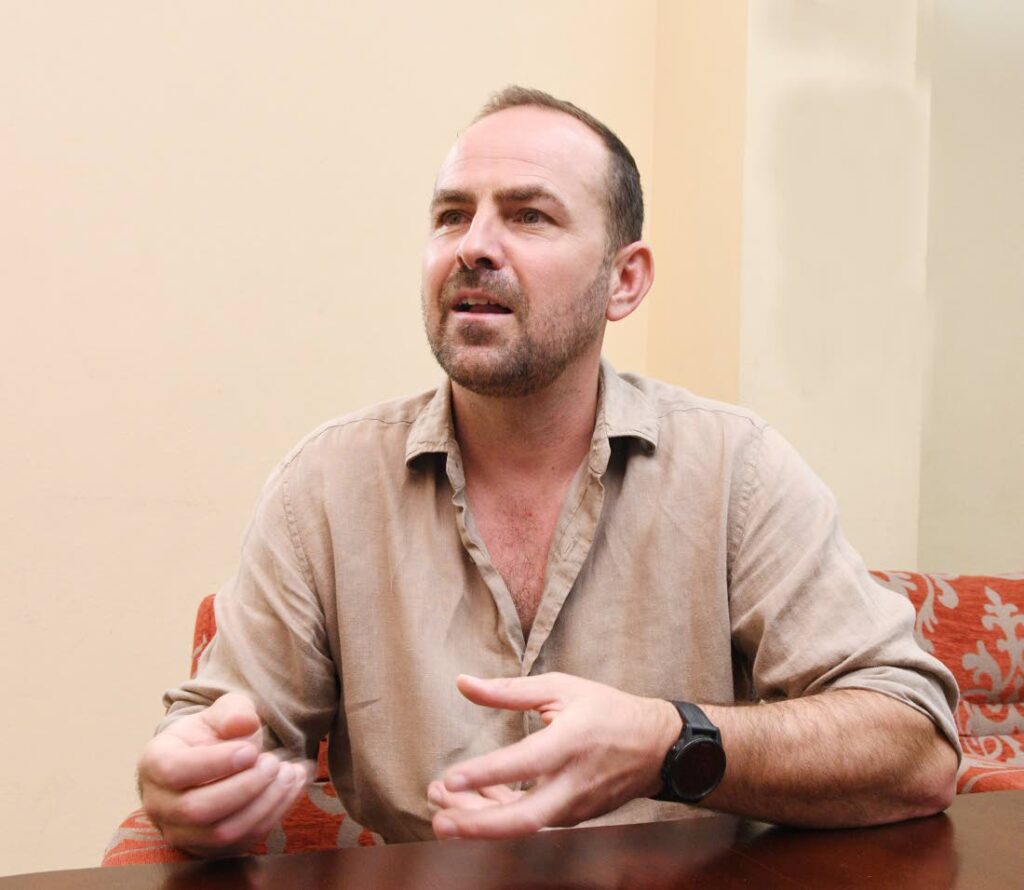
Georg Gassauer, a seasoned responder with Doctors Without Borders (MSF), has witnessed the horrors of conflict zones in Yemen, but nothing prepared him for the devastation he encountered in Jamaica after Hurricane Melissa. Arriving days after the initial MSF team was deployed to St James and neighboring parishes, Gassauer was struck by the sheer scale of destruction. Hillsides were stripped bare, trees stood leafless, and communities were left picking up the pieces of their shattered lives. ‘It’s quite a harrowing view,’ Gassauer remarked, shaking his head. ‘We’ve worked in natural disasters before, but nothing like this.’
Since November 1, MSF has been working closely with Jamaica’s Ministry of Health and Wellness to restore access to clinical facilities, deliver potable water, test groundwater, and supply health centers with essential materials. One of their most significant contributions has been the restoration of the roof at Cornwall Regional Hospital, which had lost over 80% of its ceiling to the hurricane’s fierce winds. ‘This is quite unusual for us to be a funding partner,’ Gassauer noted. ‘Usually, we’re an implementing partner, but here we had to take a different role.’
Despite the challenges posed by damaged infrastructure, Gassauer remains optimistic about Jamaica’s recovery. He praised the resilience and solidarity of the Jamaican people, particularly the community’s efforts to support one another. ‘One of the things that I found very encouraging was just the solidarity that is shown from Jamaicans,’ he said. ‘I don’t think anybody from the team was really expecting that Jamaica and its health services would be bouncing back as fast as they did.’
Gassauer’s experience in Jamaica has been a stark reminder of the power of nature and the strength of human spirit. While the road to recovery is long, the unwavering determination of the Jamaican people offers a beacon of hope in the face of adversity.
-
Sorrel for Christmas?
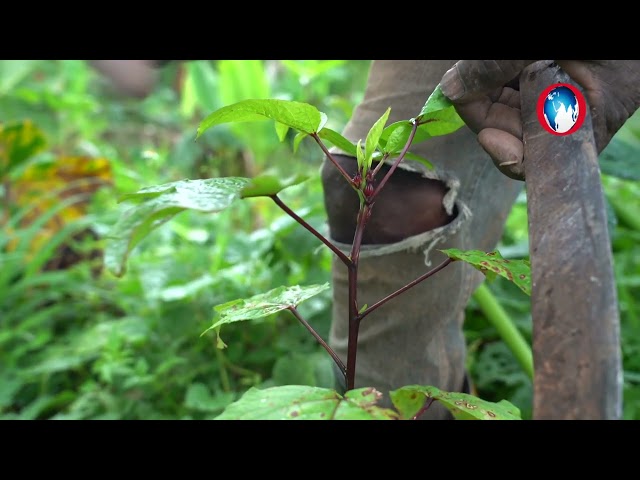
Jamaica’s cherished Christmas tradition of enjoying sorrel, a deep red, gingery drink made from the Roselle plant, faces significant challenges this year due to the devastating impact of Hurricane Melissa. Farmers in the northeastern parish of St Mary report severe damage to sorrel crops, with yields expected to plummet to just 10% of normal levels. The Category 5 storm, coupled with pre-existing leaf diseases and relentless rainfall, has left many fields flattened and crops ruined. Dave Evans, a sorrel farmer from Richmond, shared that his usual harvest of 9,000 pounds has been drastically reduced, forcing him to declare a loss for the season. Comisha Campbell-Clunis, another farmer, saw her 3,500 sorrel plants dwindle to just 1,500 survivors. The scarcity is expected to drive prices up to $1,500 per pound, a steep increase from the usual $500. Veteran farmer Junior Williams, who cultivates a hardy variety of sorrel, emphasized the resilience of the crop but acknowledged that even his fields suffered damage. Across the sector, farmers are struggling to salvage what remains, but the festive season may see many Jamaican tables without the traditional sorrel drink. The Minister of Agriculture, Floyd Green, has yet to comment on the situation, leaving farmers and consumers alike uncertain about the availability of this holiday staple.