分类: society

  • Nationaal Woningbouwfonds stelt voorwaarden woningbouwkredieten vast

    Nationaal Woningbouwfonds stelt voorwaarden woningbouwkredieten vast

    After years of planning, Suriname’s 2019 National Housing Fund Act has officially entered into force, marking the formal establishment of the fund’s new governing board and the launch of a national initiative to expand access to affordable, quality housing for a wide cross-section of Surinamese households. The policy rollout, which introduced the National Housing Program Suriname (NaHuSur), took place at the Reeberg development project, where fund director Anushka Ramjielal outlined the eligibility criteria, loan terms, and structural requirements for properties financed under the new scheme.

    Ramjielal emphasized that the fund is targeted specifically at Surinamese residents across low, middle, and upper-income brackets who are seeking to build, purchase, or renovate their first family home. To qualify for a subsidized housing loan, applicants must meet several core requirements: they must be legal adults, hold Surinamese citizenship, not own any other residential property directly or indirectly, and have never previously received a housing loan from another domestic financial institution. Exceptions to the prior loan rule are only granted in cases of officially documented emergency or force majeure.

    Loan amounts and interest rates are structured on a sliding scale tied to a household’s combined net monthly income, to ensure accessibility for lower-income groups. For households falling into Category A Group 1, with combined net monthly incomes between 12,000 and 20,000 Surinamese dollars (SRD), loans carry a fixed 3% annual interest rate, with a maximum borrowing limit of SRD 750,000 per borrower. Households in Category A Group 2, with incomes ranging from 20,000 to 35,000 SRD per month, qualify for loans with a 5% interest rate and a maximum principal of SRD 1.2 million.

    Beyond individual homebuyers and builders, the National Housing Fund also extends financing to registered non-profit housing corporations, classified under Category B, for the development of rental and rent-to-own properties. The Stichting Volkshuisvesting (People’s Housing Foundation) qualifies for 3% interest loans, with a maximum permitted construction cost of SRD 750,000 per unit. All other registered non-profit housing corporations receive a 5% interest rate, with a cap of SRD 1.2 million per housing unit.

    To support scalable, affordable development, the legislation sets clear structural standards for all properties built with fund financing, including requirements for so-called “grow homes” – modular homes designed to be expanded incrementally as households’ needs change. In the first construction phase, a grow home must have a minimum floor area of 28 square meters. All properties must be designed to allow expansion in at least two separate phases, with the full final layout pre-approved and documented in the original construction blueprints.

    Maximum total floor area limits also apply, aligned with income and borrower category. For individual Group 1 borrowers and the Stichting Volkshuisvesting, the maximum permitted total floor area is 75 square meters. For Group 2 individual borrowers and other registered non-profit housing corporations, the maximum floor area is capped at 90 square meters.

    Ramjielal called on all eligible prospective home seekers to submit applications for the program, noting that all loan applications will be processed and disbursed through local commercial banks, which will handle the distribution of application forms and initial intake. Interested applicants will need to complete and submit standardized forms through their chosen local bank to begin the review process. Looking ahead, the fund is currently developing its own dedicated public website and regular newsletter, which will provide ongoing updates to Surinamese citizens about the fund’s operations, application procedures, and the status of pending loan requests.
  • Kolbe CEO George Gomez Out After Just Seven Weeks

    Kolbe CEO George Gomez Out After Just Seven Weeks

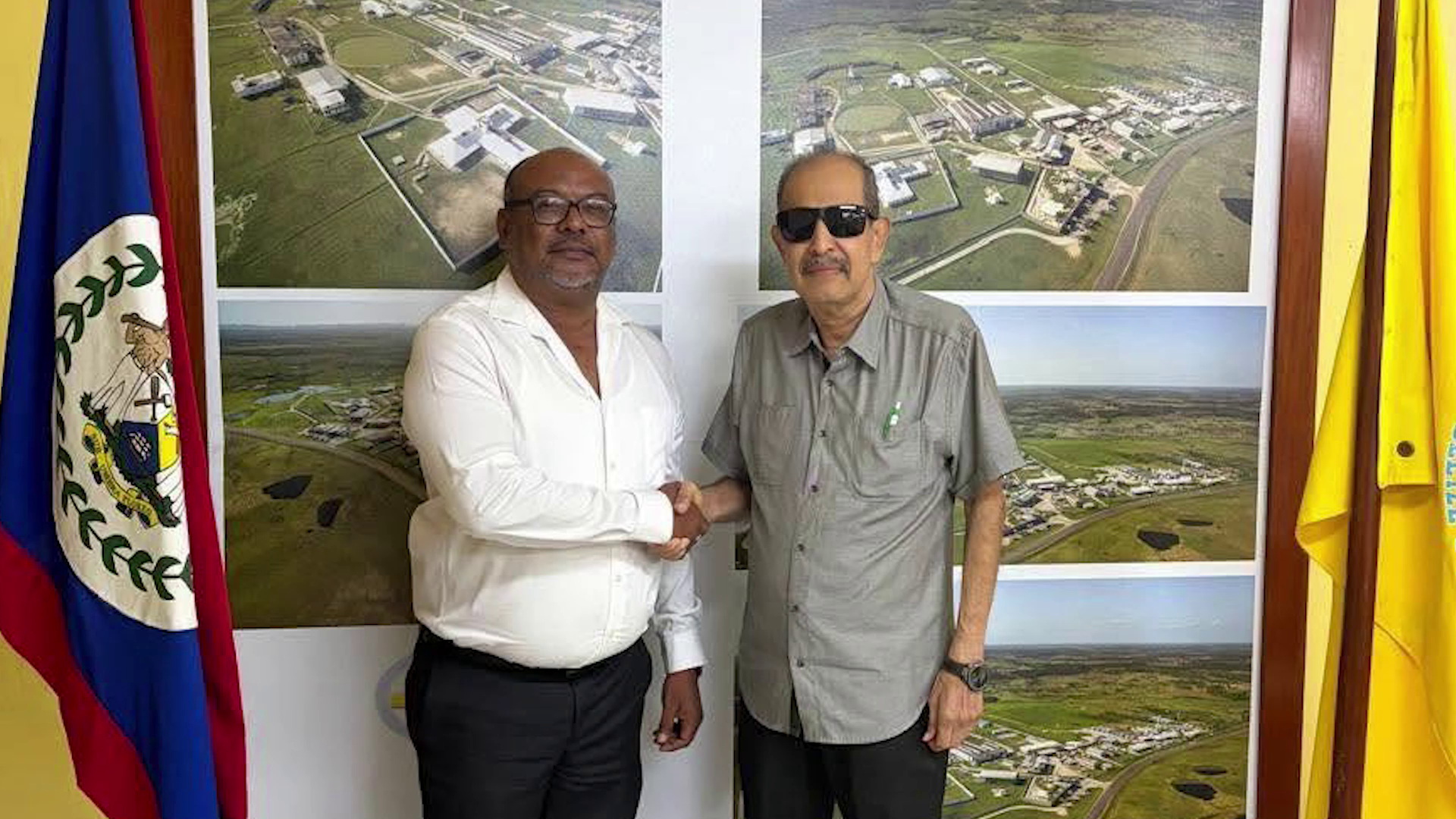
    In an unexpected leadership shakeup at the Kolbe Foundation, chief executive George Gomez has stepped down from his post just seven weeks after assuming the position, multiple sources confirmed to local outlet News Five on July 9, 2026.

    Longtime Kolbe Foundation staff member Francis Woods has stepped into the role as interim chief executive while the organization launches a formal search for a permanent successor to Gomez. The sudden nature of Gomez’s exit has sparked widespread questions surrounding the circumstances of his departure and the future direction of the foundation under temporary leadership. In a phone interview with News Five, reporter Paul Lopez pressed Woods for details on the sudden leadership change.

    “George Gomez is no longer employed by the Kolbe Foundation,” Woods confirmed in the interview. He noted that the foundation has a long history of leadership turnover, and that the organization has benefited from the contributions of every chief executive that has led the institution. “All of the positive initiatives that Gomez launched during his time here will continue moving forward, and we are grateful for the service he provided to the Kolbe Foundation,” Woods added.

    When pressed to disclose a specific reason for Gomez’s departure, Woods offered only a vague explanation, saying “it just was not working out.” He emphasized that his own appointment is strictly temporary, and that he remains familiar with the foundation’s operational procedures after being part of the organization since its founding. For the interim period, Woods said the core mission of the foundation will remain unchanged: to operate a humane, secure correctional facility focused on delivering meaningful rehabilitation and successful reintegration support for the people in its care.

    In a separate press statement released the same day, Gomez reflected on his short tenure at the head of the foundation, highlighting the work he had done to advance the organization’s core mission and vision. However, Gomez also confirmed that leadership did not share with him the official reason for his dismissal, leaving key details of the shakeup unresolved.

    This report is a transcribed excerpt from News Five’s evening television broadcast, which is available to view in full on the outlet’s digital platform.

  • Shelter head repeats call for emergency powers to protect homeless

    Shelter head repeats call for emergency powers to protect homeless

    As the Atlantic hurricane season enters its second month, a leading Barbados-based homeless advocacy organization is renewing urgent calls for national emergency powers to safeguard unhoused people when major storms hit. The Barbados Alliance to End Homelessness (BAEH) is pushing authorities to adopt a state of emergency framework modeled on COVID-19 pandemic protocols, which would allow officials to move vulnerable homeless people — including those living with mental illness and substance use disorders — into pre-approved safe shelters before a storm makes landfall.

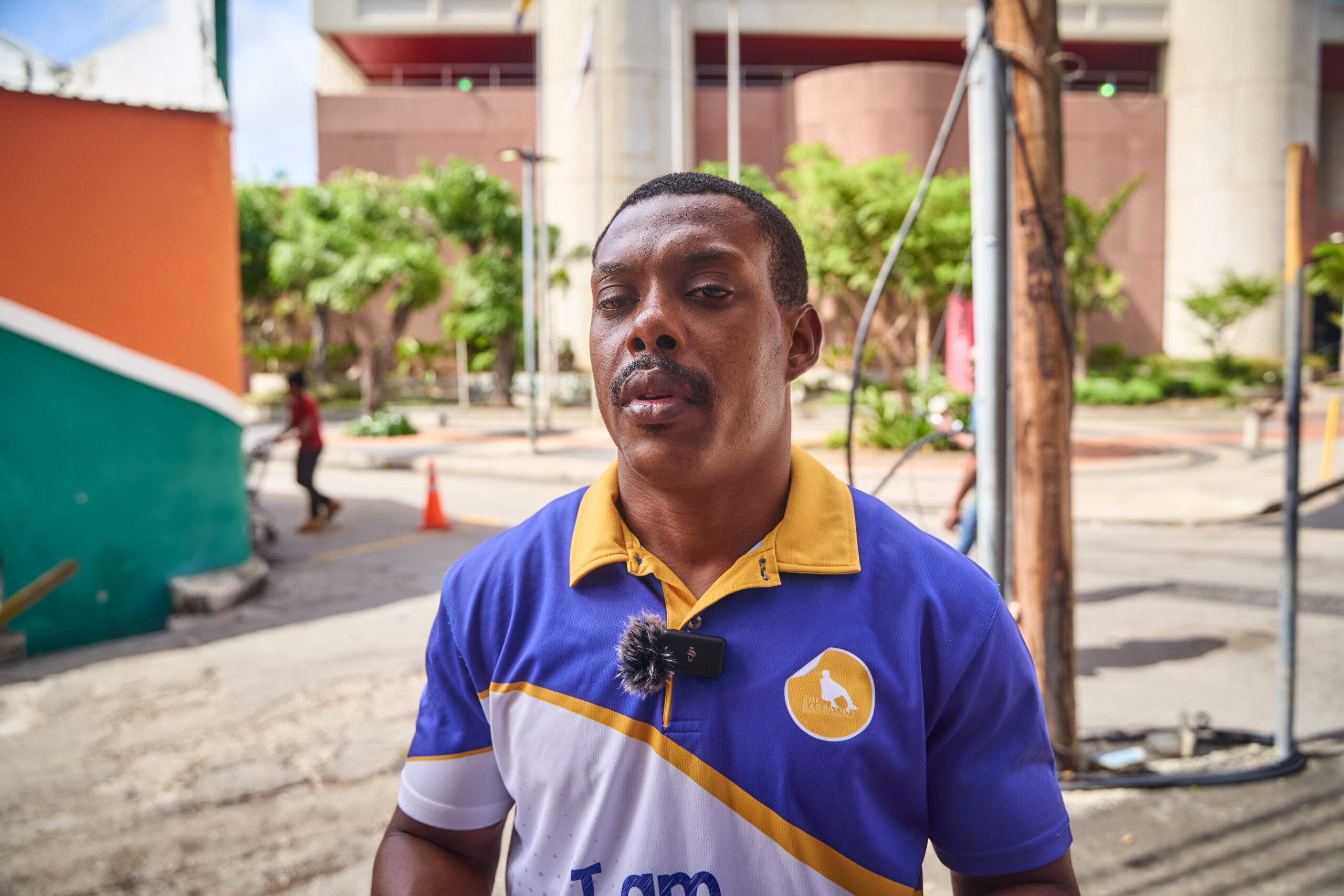
    Kemar Saffrey, head of the alliance, outlined a key barrier to current safety efforts: many unhoused people fail to recognize the immediate threat of an oncoming hurricane, and often delay seeking shelter until it is too late to evacuate dangerous locations. Compounding this risk, Saffrey noted, is a widespread cultural complacency among many Barbadians who have never experienced a direct, devastating hurricane strike. This attitude leads many unhoused people to gamble with their safety, choosing to wait out the storm in informal, unsafe encampments rather than move to designated shelters.

    “Many of our clients take unnecessary risks,” Saffrey explained. “Not only are they unhoused, but there is a widespread mindset that because we haven’t been hit hard by a hurricane before, we can just ride it out. By the time they realize the storm is coming for real, it’s often too late to get to safety.”

    Under the proposal Saffrey put forward, the same emergency powers the government deployed to manage public health risks during the COVID-19 pandemic would be extended to protect homeless and other vulnerable street populations ahead of hurricanes. The policy would allow officials to place at-risk people in appropriate facilities, ranging from the national psychiatric hospital to addiction treatment institutions, while coordinating with street outreach and feeding organizations to support unhoused people through the storm. Once the all-clear is issued after the event, teams can then work on long-term support for each person, with the priority first being to guarantee their immediate safety through the storm.

    Beyond the emergency policy call, BAEH is also pushing for closer cross-organizational collaboration among all NGOs and agencies that provide support to unhoused communities. Saffrey said the group hopes to form a dedicated coordinating committee that can share resources, data, and logistics across organizations to streamline preparedness efforts. While BAEH has already gained more inclusion in national disaster preparedness planning and maintains an ongoing partnership with the national Department of Emergency Management, Saffrey said the group still seeks a seat at the table for more key planning meetings, allowing it to contribute on-the-ground expertise about the needs of the most vulnerable unhoused populations.

    Currently, BAEH’s own Spry Street shelter is fully prepared for hurricane season, with enough space, supplies, and structural integrity to accommodate up to 130 people. Saffrey confirmed that the shelter has sufficient stockpiles of food, meets all structural safety standards, and is ready to receive guests at a moment’s notice. While the facility is primarily designated for homeless people, Saffrey pledged that any person fleeing an unsafe home during a storm will not be turned away. He also reminded all residents living in substandard or structurally unsound homes to follow official guidance from the Department of Emergency Management and move to public shelters when they are activated ahead of a storm.

  • D-Max Pickups Assigned to Crime-Fighting Units

    D-Max Pickups Assigned to Crime-Fighting Units

    For law enforcement agencies around the world, patrol vehicles are far more than just transportation. These hardworking assets are pushed to their absolute limits every single day, responding to urgent emergency calls, traversing unforgiving off-road terrain, and carrying officers into high-stakes situations where a single minute of delay can mean the difference between life and death. Long before they are spotted parked by the roadside or navigating congested urban streets, they have already logged hundreds of miles of grueling service that wears down even the most durable vehicles.

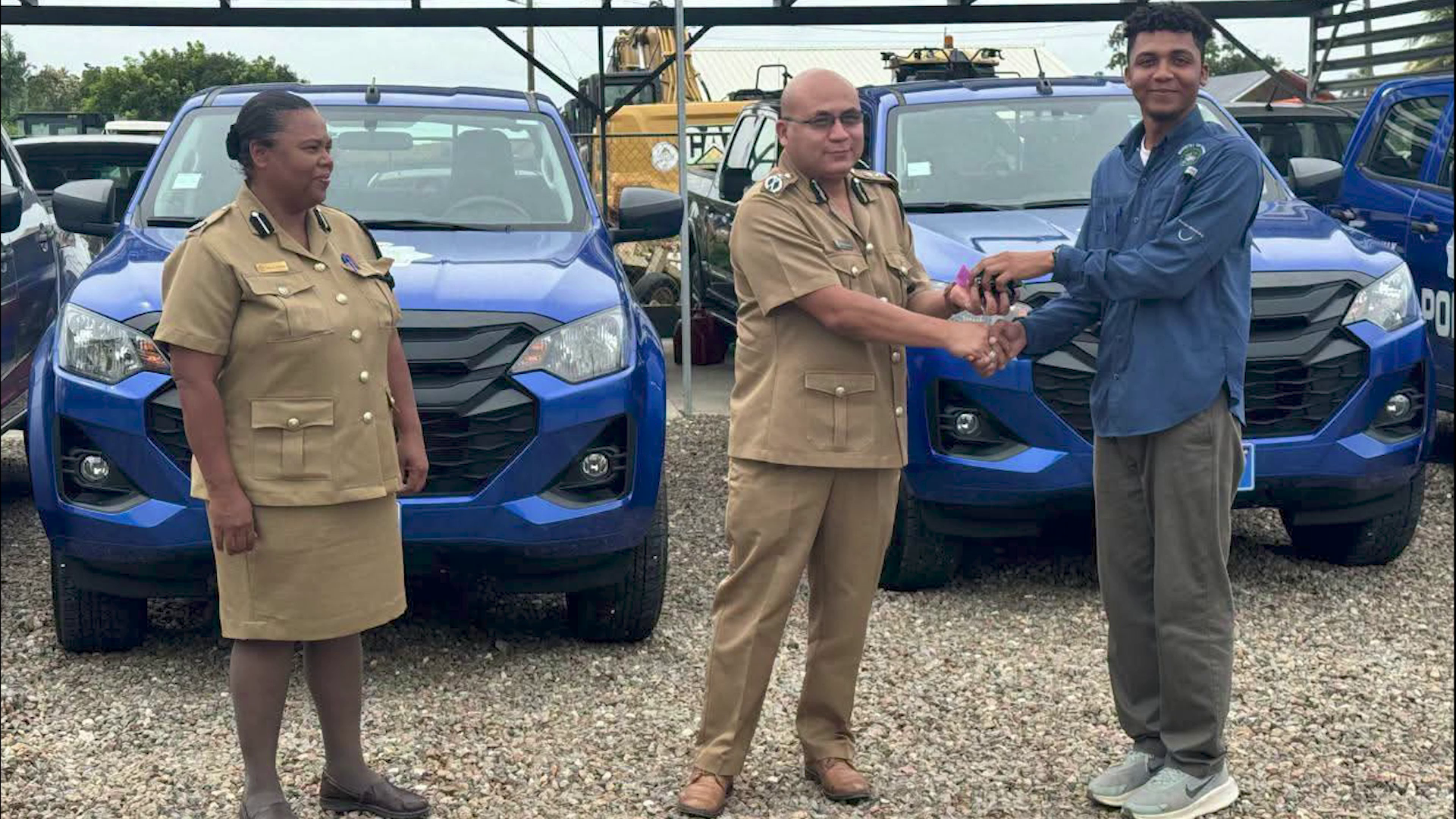
    On July 9, 2026, the Belize Police Department took a major step forward in strengthening its frontline operational capacity, with the handover of five brand-new Isuzu D-Max pickup trucks purpose-built for patrol work. Funded and purchased by the Government of Belize, the new vehicles were officially transferred to the department in a ceremony held Wednesday, and have already been deployed to five high-priority locations across the country. These deployment areas include Benque Viejo, Roaring Creek, Orange Walk, Corozal, and the Violence Prevention and Enforcement Unit based in Belize City.

    Department officials emphasize that this addition is much more than a routine fleet update. It represents a tangible enhancement to the force’s on-the-ground crime-fighting capabilities. The new, more reliable pickups are expected to dramatically improve officer mobility across both urban and rural districts, cut down critical emergency response times, and give frontline personnel a dependable tool to meet the evolving and demanding requirements of modern daily policing.

  • Clean-up drive gathers pace across Barbados

    Clean-up drive gathers pace across Barbados

    As Barbados enters the busiest period of the Atlantic hurricane season and gears up for its iconic annual Grand Kadooment celebration, government work crews have sharply intensified island-wide drain clearance and roadside cleanup initiatives to cut flood risks and spruce up major thoroughfares ahead of the events.

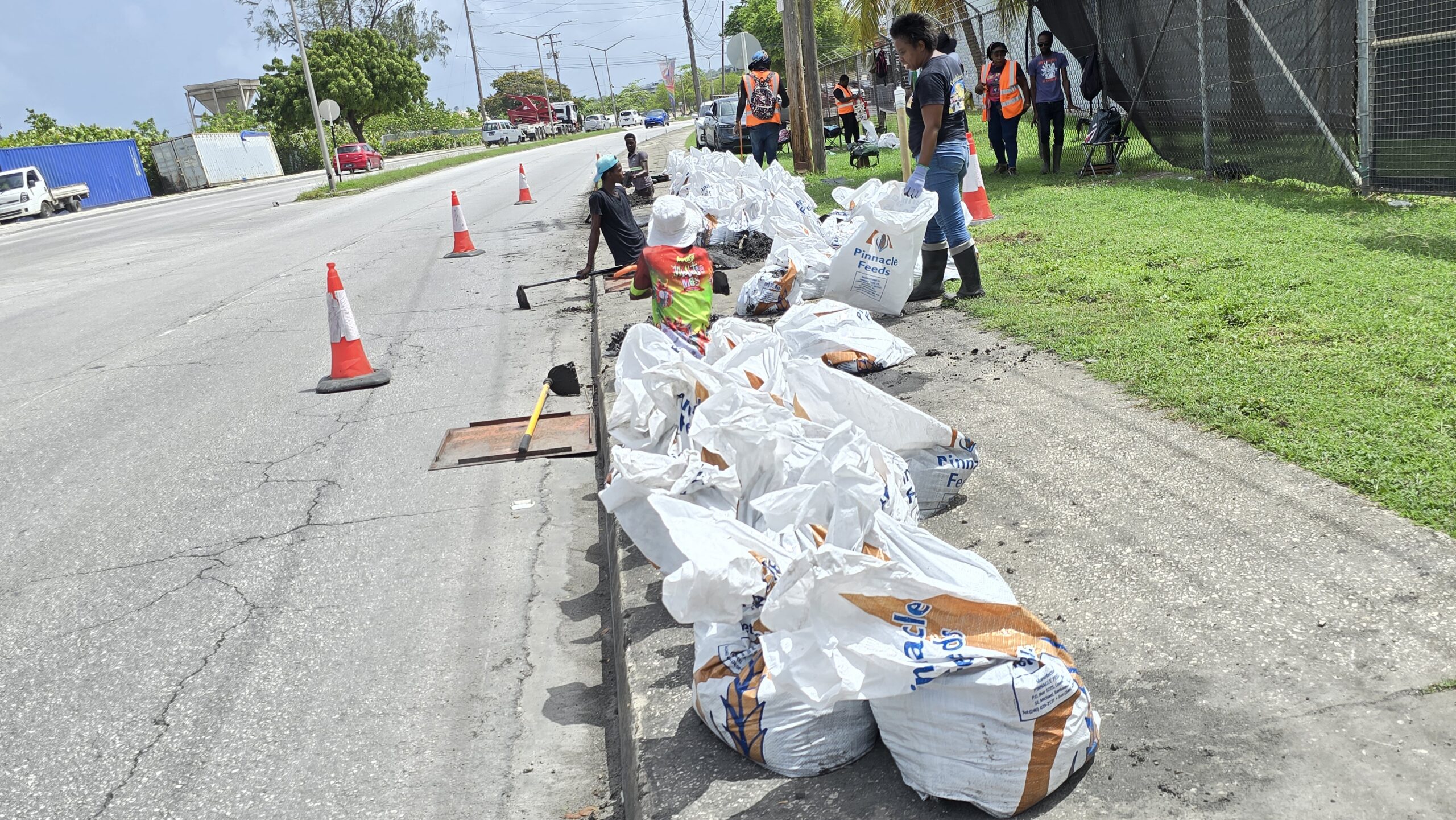
    On Thursday, reporters from Barbados TODAY documented crews along the busy Mighty Grynner Highway extracting accumulated waste including plastic bags, food containers, discarded wood and other forms of debris that had clogged drainage systems along the route. A second adjacent team was simultaneously carrying out roadside beautification work to tidy up public spaces near the highway.

    Justin Bynoe, team leader with the Barbados Drainage Division, explained that the current push is part of a sustained islandwide program designed to clear blocked drainage infrastructure and guarantee unobstructed water flow during periods of intense rainfall, which are common during the Caribbean hurricane season. “That’s the core purpose of this work: to clear debris out of drains and make sure the entire water course runs properly,” Bynoe stated in an interview on site.

    While the work also delivers a cosmetic upgrade to roadways ahead of Crop Over festival’s climax event Grand Kadooment, Bynoe emphasized that flood prevention remains the overriding priority of the initiative. “Even though we want the island to look neat and welcoming for Kadooment, our main goal is removing blockages. Drains across the country have accumulated all kinds of trash – plastic bags, disposable cups, wooden crates, scrap wood and all sorts of other items that restrict water flow. Clearing these out means we won’t see widespread flooding on roads when heavy rain hits, especially with hurricane season upon us,” he added.

    Multiple coordinated work crews have been deployed simultaneously across a wide range of communities, including Two Mile Hill, Bawdens, Belleplaine, Barclays Hill, Spring Garden and multiple districts in Christ Church to cover as much ground as possible. According to Bynoe, two teams were assigned just to the Mighty Grynner Highway corridor on Thursday, each staffed with five full-time workers to complete the clearance work efficiently.

    Minister of Home Affairs Gregory Nicholls confirmed that the country’s national hurricane preparedness program is advancing on schedule, with drainage clearance marked as a core activity that is being accelerated ahead of the season’s peak. “From my position chairing the Emergency Management Advisory Council, I’ve received consistent updates that the committees responsible for road clearance and port clearing are on track with their planned work, and there have been no major setbacks reported,” Nicholls said. “I can see firsthand that work is progressing well, and we are now ramping up these operations even more. We can see drains being cleared across the island, and all routine preparedness work is proceeding as planned.”

    Nicholls also appealed to the general public to actively contribute to the effort by contacting the Department of Emergency Management to report any blocked drains or areas that require maintenance attention, so crews can be dispatched to resolve issues before they lead to flooding. “If community members have areas of concern that need clearing, they just need to reach out to the emergency management department, and we will coordinate to get those situations addressed,” the minister added.

    For Bynoe, who has been part of the drainage program for an extended period, the work carries personal as well as public value. “Honestly, I’ve been doing this for years, and I genuinely enjoy it,” he said. “It’s a really important program because it helps the whole of Barbados. That’s the plain truth.”

  • Rotary Club of Antigua Sundown Celebrates Handover 2026 Under the Theme “Create Lasting Impact”

    Rotary Club of Antigua Sundown Celebrates Handover 2026 Under the Theme “Create Lasting Impact”

    On Sunday, July 5, 2026, the Rotary Club of Antigua Sundown gathered at the Ali Baba venue to formally launch its new annual cycle of community service during its annual leadership handover ceremony for 2026. The gathering brought together a diverse cross-section of attendees, including current club members, invited dignitaries, local community partners, corporate sponsors, and long-time supporters of the organization. The event served two core purposes: celebrating the meaningful progress and completed projects from the 2025–2026 term, and officially installing the club’s new leadership team to guide the coming year’s work.

    Outgoing club president Nicole Stevens opened the formal portion of the ceremony, opening with a retrospective look at the past year’s milestones, challenges overcome, and impact delivered to local communities across Antigua and Barbuda. Following her remarks, Stevens formally transferred the presidential authority to Athlyn Davis, who will steer the organization through the 2026–2027 Rotary year. Davis’ administration will operate under the global Rotary theme “Create Lasting Impact”, a framework that will shape all of the club’s upcoming community initiatives.

    Alongside the presidential handover, all incoming members of the club’s board of directors received their official ceremonial pins, marking the formal start of their terms and a new year dedicated to volunteer service, peer fellowship, and collaborative community engagement. One of the most anticipated highlights of the afternoon’s agenda was the official induction and pinning of Kara Warner, the club’s newest full member, who received a warm welcome from the entire Antigua Sundown Rotary family. In a special recognition, well-known local DJ NEZ was named an Honorary Rotarian, honoring his consistent, valuable contributions and support to the club’s work over the past year.

    The ceremony also honored past club president Khari Lewis with one of Rotary International’s most prestigious distinctions: induction as a Paul Harris Fellow. This award, one of the organization’s most respected global honors, is granted to individuals who demonstrate extraordinary commitment to Rotary’s core mission of humanitarian aid and volunteer service. To close out the recognition portion of the event, the club distributed formal Certificates of Appreciation to dozens of local organizations and individual donors whose ongoing backing made the 2025–2026 year’s projects possible. Recognized partners included Shell Beach Restaurant & Bar, The Royal Police Force Band of Antigua and Barbuda, Frank B. Armstrong, ACB Caribbean, Takumi Media, Kayinks, Yao, Tropic Wear, and Chaso Media, among others.

    The handover ceremony itself was made possible by additional in-kind donations of prizes and gifts from a wide range of local businesses, including Adventure Antigua, Tropical Adventures, Exotic Antigua, Trade Winds, Land Antigua, Ali Baba, Sunseakers, Townhouse Furnishing, Sherree’s Orchids, Lipstick, and Cork & Basket. Looking ahead to the 2026–2027 term, the Rotary Club of Antigua Sundown has already laid out a full slate of annual community initiatives focused on improving quality of life across the islands. Key projects include ongoing support for the local Paediatric Village, the annual Autism Walk awareness and fundraising event, back-to-school supply distribution for low-income students, and a range of additional programs targeting public health, educational access, youth development, and cross-community outreach.

    Club leadership emphasized that with the continued partnership of local businesses, community groups, and individual donors, the organization remains fully committed to delivering measurable, meaningful, and long-lasting positive change for communities across Antigua and Barbuda in the coming year.

  • High Court Dismisses Murder Case Against Jahciba Shoy

    High Court Dismisses Murder Case Against Jahciba Shoy

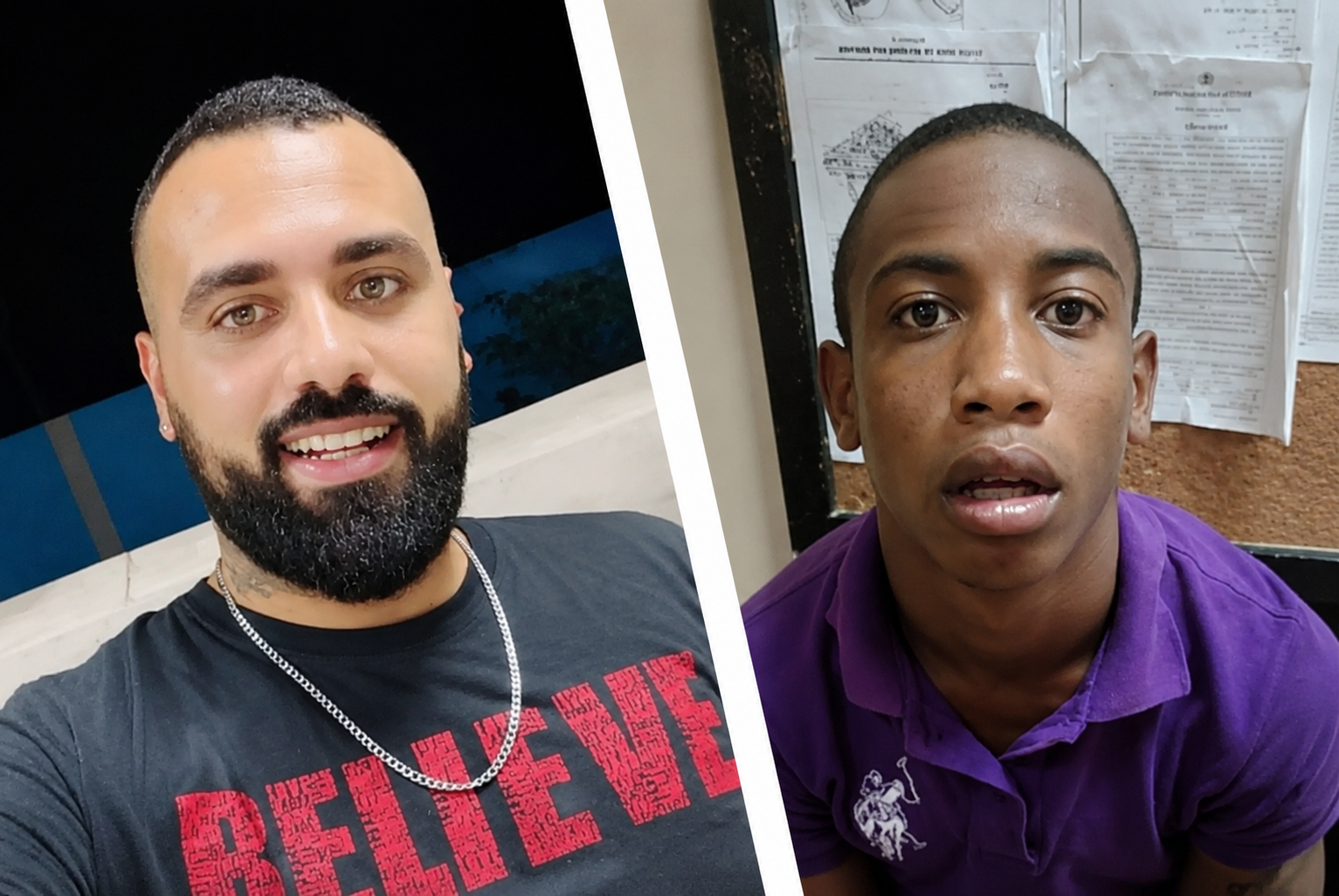
    In a significant courtroom outcome that underscores the principle of burden of proof in criminal justice, a High Court judge has cleared 27-year-old Jahciba Shoy of all charges connected to a 2023 fatal robbery and shooting that left Roudy Shmaly dead at a neighborhood convenience store. The fatal incident, which unfolded at the Pick ‘N Mix Mart located on DeSouza Road, had left Shoy facing three serious criminal counts: murder, aggravated robbery, and manslaughter.

    The case concluded before the full jury delivered a verdict, after Shoy’s defense counsel, Wendel Alexander, convinced the court that the prosecution’s case rested entirely on circumstantial conjecture rather than solid, admissible evidence that would meet the standard of beyond a reasonable doubt. Prosecutors from the Crown had centered their entire argument on two key pieces of evidence: first, security camera footage that captured Shoy in the company of the teenage gunman in the period leading up to the robbery, and second, a vague observation that a shoulder bag Shoy carried matched one that was seen on the shooter shortly after the crime.

    Following the judge’s ruling to dismiss all charges, Alexander spoke with local media outlet ABS News, emphasizing that the prosecution’s case never advanced past the stage of unproven speculation. “The evidence went no further than speculation and suspicion,” Alexander told reporters, noting that the court’s decision upheld a core tenet of the justice system that suspects cannot be convicted on guesswork alone.

    In a separate prior proceeding, the teenage perpetrator who actually carried out the shooting was convicted on related charges. Under the juvenile sentencing legislation that was in effect at the time of the crime, the teen received the maximum possible custodial sentence of three years, a limit set by law for young offenders in the jurisdiction.

  • INDEX celebrates Dominican Heritage Week in Puerto Rico

    INDEX celebrates Dominican Heritage Week in Puerto Rico

    After a week filled with cross-community celebration and collaborative exchange, the Institute of Dominicans Abroad (INDEX) has wrapped up the second iteration of Dominican Heritage Week in San Juan, Puerto Rico. This annual initiative was crafted to celebrate Dominican cultural heritage, nurture collective identity, foster diaspora integration, and honor the profound social and cultural contributions that the Dominican community has made across Puerto Rico.

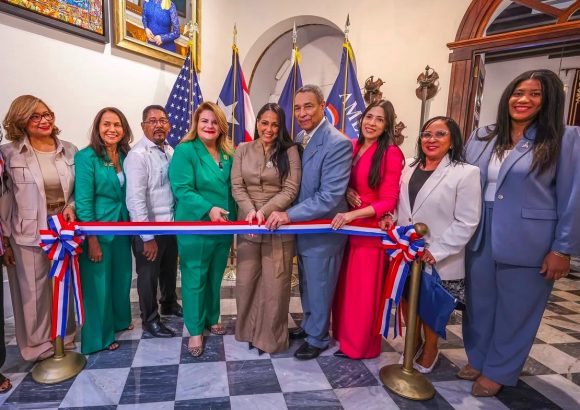
    Organized under the leadership of Celinés Toribio, who holds dual roles as Vice Minister of Foreign Affairs for Dominican Communities Abroad and INDEX Executive Director, the 2024 event brought together a diverse cross-section of stakeholders: senior government officials from both jurisdictions, prominent cultural leaders, academic researchers, and hundreds of members of the Dominican diaspora based on the island. The opening ceremony, hosted at the historic La Fortaleza, welcomed Puerto Rico Governor Jenniffer González Colón, who used her remarks to publicly reaffirm the Puerto Rican government’s steadfast backing for cultural and community programs that deepen the long-standing connection between Puerto Rico and the neighboring Dominican Republic.

    Unlike the inaugural edition, this year’s Heritage Week expanded its programming to cover a broad spectrum of activities spanning cultural, educational, community-focused, and sporting categories. Highlights of the schedule included a formal awards ceremony to recognize 12 Dominicans who have made exceptional contributions to Puerto Rican society, targeted outreach programs hosted at leading Puerto Rican universities to connect with Dominican student communities, hands-on cultural workshops for local children, panel discussions exploring the history of Dominican migration to Puerto Rico and shared Caribbean identity, and the signing of a new strategic cooperation agreement between INDEX and regional entertainment chain Caribbean Cinemas. The event also featured a special exclusive screening of *Teacher Mechy*, a critically acclaimed Dominican feature film that explores the life of a beloved rural educator.

    The week-long celebration came to a close at the iconic La Placita de Santurce in San Juan, where hundreds of attendees — both Dominican diaspora members and local Puerto Ricans — gathered to share in a closing cultural festival. Attendees enjoyed traditional Dominican and Puerto Rican folk music, viewed displays of handcrafted traditional costumes, and watched live performances of folkloric dance that highlighted the shared and distinct cultural traditions of both nations. Organizers noted that the event successfully reinforced the deep, centuries-old bond of friendship between the two Caribbean nations, creating new opportunities for ongoing cross-cultural exchange and collaboration in the years ahead.

  • David Collado inaugurates restored Alcázar de Colón Museum in Santo Domingo

    David Collado inaugurates restored Alcázar de Colón Museum in Santo Domingo

    SANTO DOMINGO — A major milestone in the Dominican Republic’s multi-year effort to revitalize its most iconic historic district has been reached, with tourism officials formally opening the fully restored Alcázar de Colón Museum and breaking ground on a sweeping public lighting modernization project for Santo Domingo’s Colonial City.

    Led by the country’s Ministry of Tourism, the museum restoration project carried a total investment of more than 100 million Dominican pesos, with upgrades spanning nearly every aspect of the landmark site. Work included critical structural conservation to shore up the aging building, full interior and exterior cosmetic renovations, expanded accessibility features for visitors with disabilities, and full overhauls of the museum’s outdated electrical and climate-control systems. Additional upgrades integrated new fire protection infrastructure, a 21st-century network of security cameras, refreshed surrounding landscaping, and pre-installation work to support a upcoming interactive digital exhibition that will bring the site’s history to life for modern guests.

    In remarks at the inauguration ceremony, Tourism Minister David Collado emphasized that the museum’s restoration is just one component of a far larger preservation partnership between the Dominican Ministry of Tourism and the Inter-American Development Bank (IDB), focused on protecting the Cultural City’s unique heritage for future generations. Collado noted that the historic district draws roughly 10 percent of all international tourists visiting the Dominican Republic, making preservation investments far more than cultural work: they are core drivers of national economic activity that support local jobs, small businesses, and long-term tourism growth.

    Alongside opening the restored museum, Collado officially launched an 86 million Dominican peso public lighting initiative that will modernize and expand illumination across the entire Colonial City, covering public streets, green parks, historic plazas, and all shared public spaces in the district. The project will see the installation and refurbishment of more than 2,000 colonial-style LED light fixtures, designed to match the area’s historic architectural aesthetic while delivering modern benefits. Upgraded lighting is expected to boost public safety for both residents and visitors, cut energy consumption and utility costs through efficient LED technology, and enhance the overall visitor experience after dark, all without compromising the district’s centuries-old historic character.

  • Wanted man held, assisting police investigations

    Wanted man held, assisting police investigations

    After a period of being at large, a man linked to severe criminal activity has been apprehended by law enforcement in Barbados, closing a key chapter in an ongoing investigation. Ian Alleyne Farrell, who went by multiple aliases including Cheese, Tallman, and Mafia, and was a resident of Apartment 1 at 156 Regency Park in Christ Church, was recently taken into police custody.

    Authorities confirmed that Farrell is currently cooperating with investigating officers as they work to unpack details related to the serious criminal allegations that first put him on the wanted list. The Barbados Police Service has issued a public statement extending its gratitude to community members who shared information and supported the manhunt effort.

    Law enforcement officials emphasize that public collaboration remains a critical asset in helping police resolve cases and bring individuals wanted in connection with criminal activity into custody, highlighting the successful outcome of this case as an example of that partnership in action.