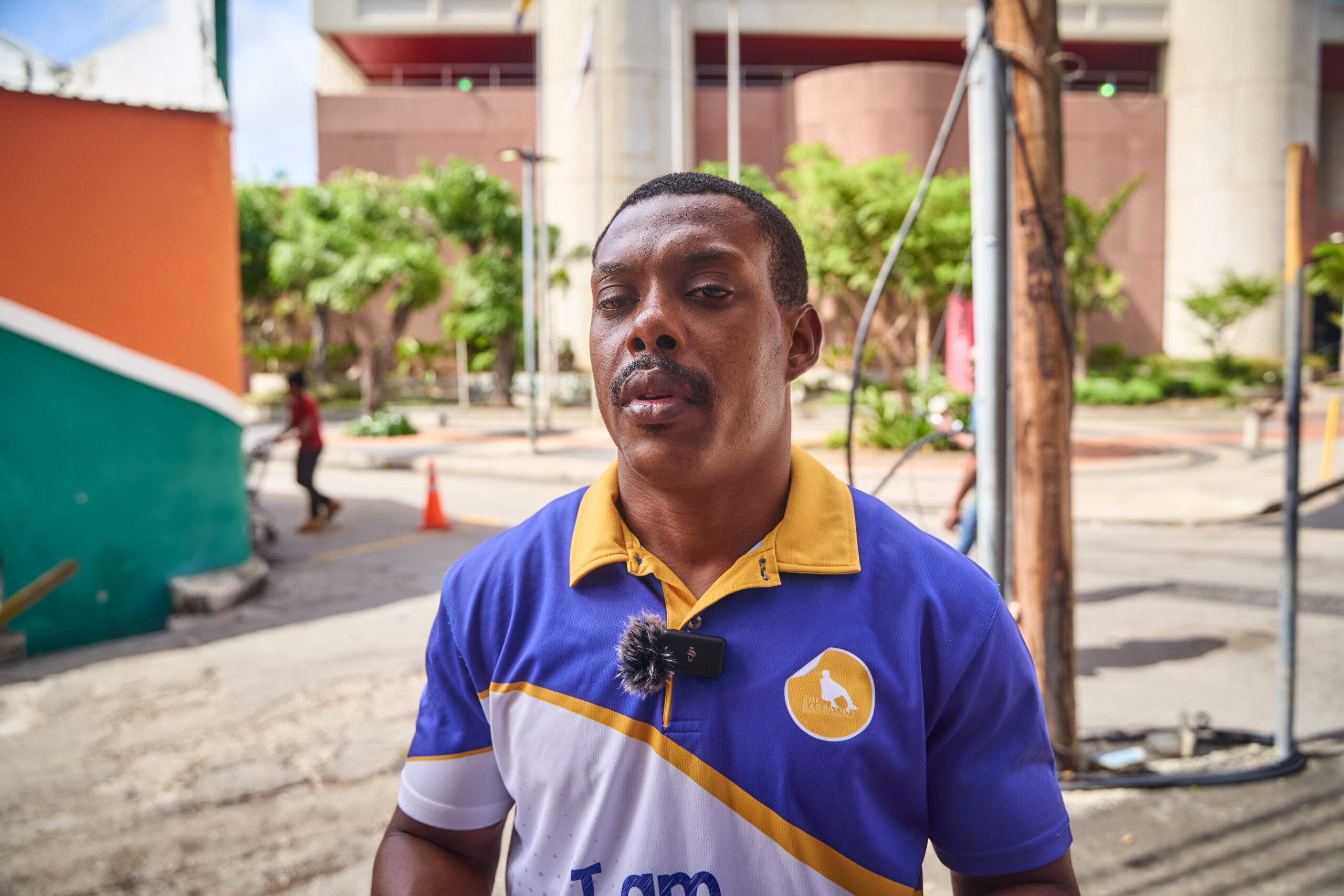
As the Atlantic hurricane season enters its second month, a leading Barbados-based homeless advocacy organization is renewing urgent calls for national emergency powers to safeguard unhoused people when major storms hit. The Barbados Alliance to End Homelessness (BAEH) is pushing authorities to adopt a state of emergency framework modeled on COVID-19 pandemic protocols, which would allow officials to move vulnerable homeless people — including those living with mental illness and substance use disorders — into pre-approved safe shelters before a storm makes landfall.
Kemar Saffrey, head of the alliance, outlined a key barrier to current safety efforts: many unhoused people fail to recognize the immediate threat of an oncoming hurricane, and often delay seeking shelter until it is too late to evacuate dangerous locations. Compounding this risk, Saffrey noted, is a widespread cultural complacency among many Barbadians who have never experienced a direct, devastating hurricane strike. This attitude leads many unhoused people to gamble with their safety, choosing to wait out the storm in informal, unsafe encampments rather than move to designated shelters.
“Many of our clients take unnecessary risks,” Saffrey explained. “Not only are they unhoused, but there is a widespread mindset that because we haven’t been hit hard by a hurricane before, we can just ride it out. By the time they realize the storm is coming for real, it’s often too late to get to safety.”
Under the proposal Saffrey put forward, the same emergency powers the government deployed to manage public health risks during the COVID-19 pandemic would be extended to protect homeless and other vulnerable street populations ahead of hurricanes. The policy would allow officials to place at-risk people in appropriate facilities, ranging from the national psychiatric hospital to addiction treatment institutions, while coordinating with street outreach and feeding organizations to support unhoused people through the storm. Once the all-clear is issued after the event, teams can then work on long-term support for each person, with the priority first being to guarantee their immediate safety through the storm.
Beyond the emergency policy call, BAEH is also pushing for closer cross-organizational collaboration among all NGOs and agencies that provide support to unhoused communities. Saffrey said the group hopes to form a dedicated coordinating committee that can share resources, data, and logistics across organizations to streamline preparedness efforts. While BAEH has already gained more inclusion in national disaster preparedness planning and maintains an ongoing partnership with the national Department of Emergency Management, Saffrey said the group still seeks a seat at the table for more key planning meetings, allowing it to contribute on-the-ground expertise about the needs of the most vulnerable unhoused populations.
Currently, BAEH’s own Spry Street shelter is fully prepared for hurricane season, with enough space, supplies, and structural integrity to accommodate up to 130 people. Saffrey confirmed that the shelter has sufficient stockpiles of food, meets all structural safety standards, and is ready to receive guests at a moment’s notice. While the facility is primarily designated for homeless people, Saffrey pledged that any person fleeing an unsafe home during a storm will not be turned away. He also reminded all residents living in substandard or structurally unsound homes to follow official guidance from the Department of Emergency Management and move to public shelters when they are activated ahead of a storm.