分类: society

  • Sophia Brown distributes care packages to hurricane-impacted St Elizabeth residents

    Sophia Brown distributes care packages to hurricane-impacted St Elizabeth residents

    Four months after Category 5 Hurricane Melissa left a trail of death and widespread destruction across western Jamaica, a Jamaican singer with deep roots in the hardest-hit region has returned to her childhood community to deliver much-needed aid to struggling families still picking up the pieces.

    Sophia Brown, who grew up in the farming district of Carisbrook in St Elizabeth — the parish that bore the brunt of the storm’s devastation — had watched the disaster unfold from her home overseas in the months after the storm hit. It was not until her recent trip back to the island that she got to see the full scale of the carnage that had upended hundreds of lives across the region.

    Making the trip in early March, Brown and a volunteer team from her non-profit, the Angel Of The Hearts Foundation, distributed 85 care packages stocked with non-perishable food and critical daily essentials to local residents. The foundation extended its support further by dropping off additional relief packages at the Marie Atkins Shelter located in Kingston, Jamaica’s capital.

    Recalling the months she spent following the storm’s aftermath from abroad, Brown shared her experience with Jamaica’s *Observer Online*. “It was very heart-wrenching looking from abroad and seeing what was going on in the island. It made me realise that we all have to give back to our community,” she said. Though Brown was born in Kingston, her childhood in Carisbrook gave her a personal connection to the community hard hit by the storm. She also emphasized that the relief effort was not a solo project: the initiative received critical donations from Food For The Poor, fellow Jamaican singer Johnny Osbourne, and Barbara Ellison, all of which made the distribution possible.

    When Melissa made landfall on Jamaica on October 28, it left a devastating mark across the country’s western parishes. In addition to catastrophic damage to St Elizabeth, the storm also ravaged neighboring Westmoreland, Hanover, St James and Trelawny. Infrastructure, residential homes, and local schools were leveled, and the storm ultimately claimed 45 lives across the affected regions.

    In the wake of the disaster, members of the Jamaican diaspora overseas were moved to action, rallying together to raise millions of dollars in relief funding. All donated funds are currently monitored by the Jamaican government to ensure they reach affected communities.

    This is not the first charitable work carried out by Brown’s foundation: the Angel Of The Hearts Foundation runs annual programs supporting people living with Down syndrome. But in the wake of Hurricane Melissa, Brown stressed that long-term, sustained assistance is critical for communities still recovering months after the disaster.

    “It was necessary to go into my community and give back. It was really something to witness four months after the hurricane,” she noted, underscoring that recovery from a disaster of this scale is a slow process that requires ongoing support from both local and global contributors.

  • Drones to fight school shooters? One US company says yes

    Drones to fight school shooters? One US company says yes

    AUSTIN, Texas – As the United States grapples with an ongoing, devastating public health crisis of school shootings that has left hundreds dead and traumatized communities nationwide, one Texas-based company has proposed an unconventional new first-line defense: unarmed, human-piloted drones designed to intercept active attackers before first responders arrive on scene.

    Founded by former Navy SEAL Bill King, Campus Guardian Angel developed the system, drawing inspiration from the effective use of small unmanned aerial vehicles on battlefields in Ukraine. The firm is currently running pilot programs of the drone defense technology at K-12 campuses in Georgia and Florida, with growing interest from school districts and parent groups in Texas, including in Houston, following the high-profile 2022 Uvalde school shooting that killed 19 children and two adults.

    Unlike armed defensive systems, the 2-pound, roughly square drones are not outfitted with bullets or lethal projectiles. Instead, the system is activated immediately after a teacher triggers an alert via a mobile phone when an active shooter is spotted. The drone launches from a pre-positioned indoor location, navigating the school’s halls using custom 3D maps created by the company, while being remotely operated by trained staff based in Austin.

    Operators have multiple tools to neutralize or delay an attacker. Two-way audio allows them to communicate directly with the assailant, attempting to de-escalate the situation and persuade them to surrender, while also sharing real-time location data with responding law enforcement to speed up their response. If the attacker continues to harm civilians, the drone can either deliver disabling kinetic impacts by colliding with the assailant or spray them with less-lethal JPX pepper gel to incapacitate them, buying critical time for police to arrive.

    Notably, the system is fully human-operated, with no artificial intelligence involved in decision-making, a feature that company leadership says has reassured parents and school administrators concerned about autonomous errors. Alex Campbell, a 30-year-old professional drone racing competitor who works as one of the system’s operators, says the role allows him to contribute to school safety without being on the front lines directly. “To be the nerd behind the scenes, to help the heroes on this Earth saving us from the bad things happening, it’s really fulfilling to be able to have a hand in that,” Campbell explained.

    The company offers the system through annual service contracts, with pricing scaled to a school’s size and number of buildings. King emphasizes that the system’s greatest value lies in its potential deterrent effect: “The best-case scenario is we put this in every single school in America and then never have to use it, right? Because it’s got a deterrent quality to it.”

    To date, the technology has not been tested in a real active shooter scenario, and it aligns with a long-running strain of thought in U.S. gun violence policy debates that argues for adding defensive technology rather than pursuing stricter gun control legislation to curb mass shootings. Data from tracking platform IntelliSee recorded 233 separate gun-related incidents on U.S. school grounds in 2023 alone, underscoring the urgent demand for new solutions to the ongoing crisis.

  • Cummings pledges ‘every effort’ amidst ‘super critical’ Grenadine water crisis

    Cummings pledges ‘every effort’ amidst ‘super critical’ Grenadine water crisis

    A devastating combination of historic low rainfall, lingering storm damage, and growing demand has pushed the Grenadine Islands of St. Vincent and the Grenadines into what health authorities are calling a “super critical” water shortage, prompting emergency relief measures while the government moves forward with long-overdue infrastructure projects to end chronic water insecurity in the region.

    In a radio interview with NBC Radio on May 14, 2026, Health Minister Daniel Cummings — a former general manager of the country’s Central Water and Sewerage Authority (CWSA) — explained that while the entire nation is grappling with drought conditions amplified by the 2021 eruption of La Soufriere volcano, the most severe crisis is concentrated in the smaller Grenadine islands. Unlike mainland St. Vincent, which draws water from natural rivers and mountain springs, the Grenadines have no permanent surface streams and limited groundwater reserves, leaving the chain almost entirely dependent on harvested rainwater stored in private household tanks and public catchment systems.

    Cummings outlined three overlapping factors that pushed the region into its current emergency. First, the 2025 wet season brought just 687.1 millimeters of rainfall across the country — less than half the average recorded over the previous four years, which saw between 1,455 mm and 1,552 mm of rain annually. Second, Hurricane Beryl, which made landfall in July 2024, caused widespread damage to the region’s rain-harvesting infrastructure: many rooftops and their water-channeling guttering systems were destroyed, hundreds of private storage tanks were shattered or contaminated after being breached, and public hillside catchment systems that feed large communal storage tanks were also severely damaged. Third, growing domestic and commercial demand for water has stretched already depleted reserves even thinner.

    The lingering impacts of the 2021 La Soufriere eruption have also worsened national water stress, Cummings added. The volcanic blast destroyed vast swathes of mountain vegetation on mainland St. Vincent, reducing the natural retention of rainfall and lowering output from the rivers and springs that supply the mainland. Combined with the ongoing rainfall deficit, this has left the country with far less available water to meet population needs.

    Since mid-January 2026, the CWSA has been urging all residents to activate their personal household water storage plans as drought conditions worsened. Now, facing an acute crisis in the Grenadines, the authority is relying on what Cummings calls an expensive and stopgap but unavoidable emergency measure: shipping bulk water by sea to the southernmost islands of the chain, including Union Island, before distributing it to communities via trucks. The CWSA has rented multiple private vessels to accommodate the emergency deliveries, and service frequency is being adjusted in real time based on need — for example, officials added a second delivery to the southern Grenadines within three days after the first shipment proved insufficient to meet demand.

    “The transportation of water by boats and subsequently by trucks to the various parts of the Grenadine islands is the most expensive and improper way of doing it, but it has got to be done, because the situation is now super critical,” Cummings said, adding that the agency will continue emergency deliveries for as long as they are required. He praised CWSA staff for their rapid response, noting that the agency is performing beautifully within its current operational constraints.

    To address gaps in equitable distribution, the CWSA has implemented a new oversight system: a dedicated CWSA staff member is now posted on each Grenadine island to supervise water distribution, ensuring that no resident is left without access to water for extended periods. The agency is also continuously monitoring storage levels, community demand, and delivery intervals to make proactive adjustments to supply, to maintain a minimum baseline of water access for all residents. As the official June 1 start of the 2026 rainy season approaches, CWSA teams are also working to clean and sanitize damaged public storage tanks to capture as much rainfall as possible when wet weather arrives.

    Looking beyond emergency relief, Cummings confirmed the country is on track to secure roughly US$53 million in investment for long-term water infrastructure in the Grenadines, including desalination plants, expanded storage facilities, and a full transmission and distribution network. The minister, who first developed these plans when he led the CWSA in the early 2000s, said the projects will finally bring the Grenadines a reliable year-round piped water supply matching the system that has served neighboring Grenada’s Grenadine islands — Carriacou and Petite Martinique — for decades. Emergency water shipments and other short-term measures are only a stopgap, he noted, and the long-awaited infrastructure projects will address the root of the Grenadines’ chronic water insecurity.

  • Man Injured After Vehicle Crashes Into Tree on Airport Road

    Man Injured After Vehicle Crashes Into Tree on Airport Road

    On Thursday, local emergency response teams were dispatched to the scene of a road traffic incident along Airport Road, following reports that a passenger vehicle had veered off the roadway and collided with a stationary tree.

    Early official updates confirm that one male occupant of the vehicle sustained unspecified injuries in the crash. He was quickly evacuated by emergency medical services to the Sir Lester Bird Medical Centre, where he has been admitted for ongoing medical care. As of the latest update, medical authorities have not released any further details regarding the severity or nature of the man’s injuries to protect patient privacy.

    At this stage, the root causes and specific sequence of events that led to the collision remain unconfirmed, with multiple potential factors still under review. While first responders and crash investigation teams secured and processed the accident site, passing motorists faced significant traffic disruptions and extended travel delays along the route.

    Local law enforcement agencies have announced that a full formal investigation into the incident is now underway to clarify the circumstances of the crash and determine any contributing factors.

  • Universities must teach graduates to create jobs – historian

    Universities must teach graduates to create jobs – historian

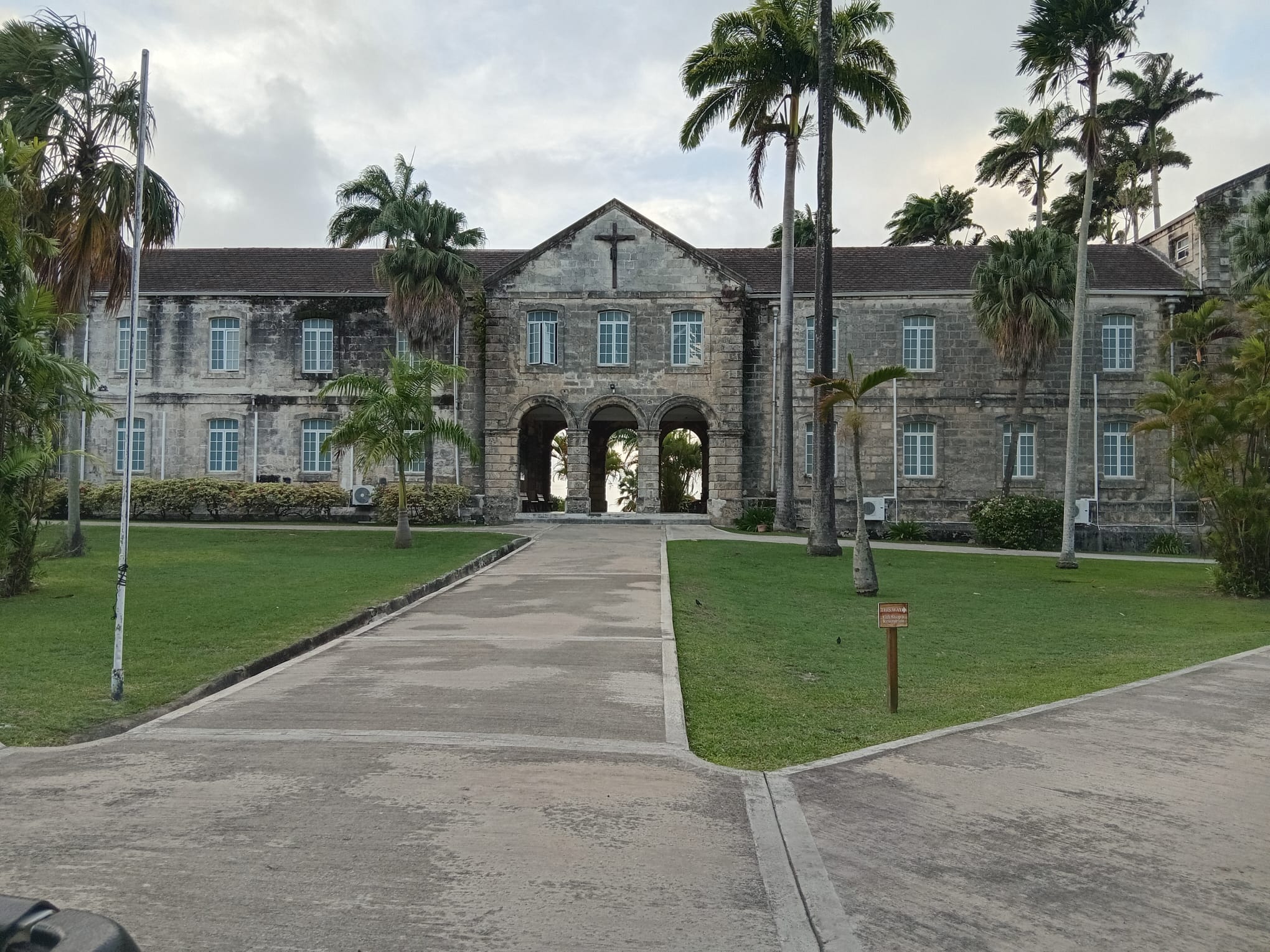
    A leading historian from one of the Caribbean’s most prominent academic institutions has laid out a bold blueprint for Barbados’ long-term prosperity, calling for sweeping shifts in higher education training, urgent action to reverse democratic decline, and a renewed commitment to teaching national history across the country’s school system.

    Dr. Henderson Carter, who leads both the History Department and the Faculty of Humanities and Education at the University of the West Indies Cave Hill Campus, delivered his vision during the annual Dean’s Lecture, hosted by the St Michael Centre for Faith and Action. Titled *Movers and Shakers: Activism for Democracy Building*, his address centered on the urgent need to build a more resilient, inclusive nation for current and future generations of Barbadians.

    Carter’s first key proposal targets a fundamental gap in Caribbean higher education: a lack of training focused on entrepreneurship and self-employment. Instead of directing graduates solely toward traditional job hunting, he argues universities must reframe curricula to teach students how to turn their academic skills and degrees into sustainable self-employment and new business ventures. He points to diverse examples across disciplines to illustrate this potential: a biology or chemistry graduate could launch a biotech startup, an agricultural consulting service, or a sustainable food production enterprise, while a history graduate can monetize their expertise by developing well-researched scripts for feature films, streaming docuseries, and historical documentaries, which command growing global demand. Carter also notes that graduates need clearer pathways to access startup financing to turn these ideas into viable operations, a critical support system currently missing from many higher education outcomes strategies.

    Beyond education reform, Carter identified three pressing systemic challenges Barbados must confront to secure its democratic future. The first is widespread voter apathy, which he describes as a critical threat to the country’s democratic foundations. From growing numbers of eligible voters choosing to stay home on election day to the emergence of paid vote-buying, Carter emphasizes these trends cannot be ignored and require intentional, collective action to reverse. The second challenge is weak institutional responsiveness across both public and private sector entities. Carter stressed that delayed, unresponsive service from institutions undermines public trust and weakens national stability at every level. “Institution-building starts with individual accountability,” he explained, noting that even frontline staff and senior leaders have a role to play in prioritizing timely responses to public, student and stakeholder needs. “If your institutions are unresponsive and weak, your nation will be weak as a result,” he said.

    The third critical gap Carter highlighted is the erosion of historical education across Barbados’ primary and secondary school system. Walking audiences through centuries of the island’s history, from the mass resistance of enslaved people to the decades-long work of national heroes that shaped modern Barbados, Carter argued that widespread gaps in historical knowledge pose a direct danger to national identity. He emphasized that history must be restored as a core subject in schools, warning that it is unacceptable for children to complete the national education system without ever engaging deeply with their country’s past.

    Pointing to the rusted shackles featured on the monument at Barbados’ Heroes Square, Carter noted this public memorial is a vital, tangible reminder of the island’s history of chattel slavery, a past that was long erased from public landscapes across the country. “For generations, you could travel across the entire island and find no public marker acknowledging that slavery ever existed here. That is an inherently dangerous omission,” he argued. “Children grow up never seeing tangible evidence of this history, and without that reminder, we risk repeating the injustices of the past. We have to remember the slave society that once shaped Barbados to ensure it can never happen again.”

  • APUA Says Aging Infrastructure Behind Delays in Repairing Water Leaks

    APUA Says Aging Infrastructure Behind Delays in Repairing Water Leaks

    Antigua’s public water network is grappling with unprecedented strain as aging core infrastructure drives a sharp spike in reported water faults and repair backlogs, according to the Antigua Public Utilities Authority (APUA). In a recent transparent briefing on operational challenges, the utility revealed that its maintenance teams now respond to more than 800 leak and fault reports every month – a volume that far outpaces the response capacity the agency built for older, lower-demand network conditions.

    APUA officials explain that two overlapping factors have created the current pressure cooker: growing water distribution volumes to meet rising residential and commercial demand across the country, and decades of wear on an outdated core infrastructure system that was never designed to handle today’s usage levels. On a daily basis, maintenance crews are forced to juggle competing priorities across multiple communities, ranging from urgent emergency leak repairs and unplanned service interruptions to scheduled system upgrades and long-term infrastructure improvement projects. This split focus has inevitably led to longer wait times for many leak repairs, frustrating residents and businesses across the island.

    In releasing the breakdown of current challenges, APUA emphasized that the disclosure is not an attempt to justify existing service gaps or operational inefficiencies. Instead, leaders say the goal is to give the public clear context for the realities that frontline crews navigate every day as they work to keep water service running.

    Recognizing that changes are needed to address rising customer frustrations, the authority has already begun internal restructuring to boost emergency response capacity. The core of these adjustments is expanding the number of dedicated response crews, a change designed to cut wait times and ensure faults are resolved faster and more effectively for affected customers.

    In closing, APUA extended its gratitude to the Antiguan public for their ongoing patience and understanding as the agency works through systemic infrastructure challenges. The utility also reminded residents that collective water conservation remains a critical tool to reduce overall strain on the network while long-term upgrades are carried out.

  • DOWASCO announces progress for Water Sector Strategic Development Project

    DOWASCO announces progress for Water Sector Strategic Development Project

    A critical initiative to upgrade drinking water and sewerage infrastructure across multiple communities in Dominica has logged major construction progress across all four of its project zones, though unforeseen obstacles have forced a timeline extension, the island’s state-owned water utility announced this week.

    The Dominica Water and Sewerage Company Limited (DOWASCO) shared the project update in an official post on its public Facebook page, detailing the status of the Water Sector Strategic Development Project (WSSDP), an upgrade scheme targeting improved water access and service reliability in Grand Fond/Morne Jaune, Calibishie, Castle Bruce, and the Coulibistrie/Morne Rachette/Salisbury corridor.

    As of the latest update, construction in the Grand Fond and Morne Jaune zone is already well advanced. DOWASCO confirmed that all distribution piping within Grand Fond has been fully laid, and more than 60 percent of the cross-country main supply pipeline connecting Grand Fond to Morne Jaune has been installed. Two new reinforced concrete storage tanks have also been completed and put in place: a 115,000-gallon tank serving Grand Fond, and a 70,000-gallon tank for Morne Jaune. Work is now ongoing to replace aging sections of the local distribution network in the area, with pre-delivered project piping staged at multiple points across local communities to speed up on-site work.

    Despite this measurable progress, DOWASCO acknowledged that a series of unexpected challenges have slowed construction across all project sites, pushing back the original completion deadline. The initiative was initially scheduled to wrap up all construction by the end of March 2026, but the utility has formally requested an extension to a new completion date of September 30, 2026. According to the statement, approval for the timeline adjustment is expected shortly from the Caribbean Development Bank (CDB), the primary funding body backing the WSSDP.

    Common barriers that have disrupted work schedules include recurring weather-related disruptions, difficult hilly terrain that complicates excavation and pipeline installation, unexpected equipment breakdowns, and administrative processing delays that have paused construction at multiple points. DOWASCO’s update reaffirms the project’s core goal of modernizing Dominica’s aging rural water infrastructure to reduce service outages, improve water quality, and meet growing community demand across the island’s northern and eastern rural districts.

  • Throwing sprat to catch whale

    Throwing sprat to catch whale

    The old adage of “casting a sprat to catch a whale” has taken on a bitter new meaning in the context of St. Vincent and the Grenadines’ education sector, where the “whale” pulled to the surface is not a prize, but a decades-long, systemic crisis of underperformance and inequity.

    Recent public debate surrounding the all-girls Girls’ High School (GHS) has exposed a deeper community dysfunction than any issue tied to the institution alone: a widespread reluctance to engage with constructive criticism, with many critics choosing to attack the messenger rather than grapple with the core message of the assessment.

    While some readers grasped the central call for urgent, system-wide school oversight, and others aired personal grievances specific to GHS, a large share of observers rejected the entire critique out of hand. The core claim at the heart of the analysis, however, is impossible to dismiss: St. Vincent and the Grenadines’ public education system is failing its students and its national development goals. Oversight frameworks are chronically weak, core policies remain outdated after decades without revision, and the Ministry of Education has failed to uphold its mandatory review, monitoring, and evaluation duties outlined in the 2002 Education for All national policy.

    The author of the critique, writing under the pseudonym Critical Observer, poses two searing questions that have gone unanswered by education officials: When was the last full review of national education policy conducted? And more importantly, are current policies actually structured to help students develop into critical thinkers prepared to thrive in adult life and the modern workforce?

    Former GHS students describe the elite institution as largely unchanged from the rigid grammar school model of 40 years ago. While preserving tradition can hold cultural value, when tradition hardens into inflexible class hierarchies, narrow definitions of achievement, and exclusionary practices, it becomes a direct barrier to individual student growth and broader national progress.

    Multiple longstanding problematic practices have been documented at GHS: student and, in some cases, teacher perpetrated bullying; consistent favouritism toward children from wealthy households; prefect eligibility tied to a student’s ability to pay for extracurricular activities; exclusive overseas learning opportunities priced far out of reach for low-income students; and graduation events that cost upwards of $120,000, pushing already cash-strapped families into unsustainable debt.

    These systemic inequities do more than erode individual student self-esteem: they entrench cross-generational class inequality, weaken core civic values, and exacerbate widespread societal strains, including the island nation’s growing youth mental health crisis.

    Critics of the assessment often point to GHS’s track record of producing high-achieving, prominent alumni, but the author challenges this claim, asking whether that success stems from the school’s institutional structure, or from the outsized parental support and raw individual ambition of the students the school attracts. Even as GHS consistently enrolls the top-performing female students in the national CPEA examinations, the fundamental question remains: does its current curriculum actually prepare young women for life beyond secondary school?

    National economic and social data underscore the urgency of reform. In 2015, national youth unemployment hit 22.5%. For a small island nation of just 110,000 people grappling with more than $3 billion in national debt and a persistently high homicide rate, St. Vincent and the Grenadines cannot afford a system that produces graduates with formal qualifications but none of the practical skills needed to contribute to the workforce. Local employers regularly report that new school-leavers lack both the hard technical skills and soft professional attitude required for entry-level work; a shocking number struggle to complete basic, essential tasks like filling out a passport application form.

    Education officials often point to rising graduation rates and higher exam pass rates as proof of progress, but the author argues that a system that prioritizes formal credentials over actual merit fuels systemic corruption and long-term economic stagnation. What the nation needs is not just more graduates with certificates, but engaged, skilled citizens capable of contributing meaning to inclusive national growth.

    The takeaway from this assessment is unavoidable: St. Vincent and the Grenadines’ education system requires consistent independent oversight, evidence-based analysis, and urgent structural reform. Before dismissing calls for change, the author urges the public and education leaders to confront the hard truths laid out in the critique. The future of the nation’s children, and the future of the country itself, depends on meaningful action.

  • Antigua and Barbuda Celebrates Newest Centenarian Ruth Henry

    Antigua and Barbuda Celebrates Newest Centenarian Ruth Henry

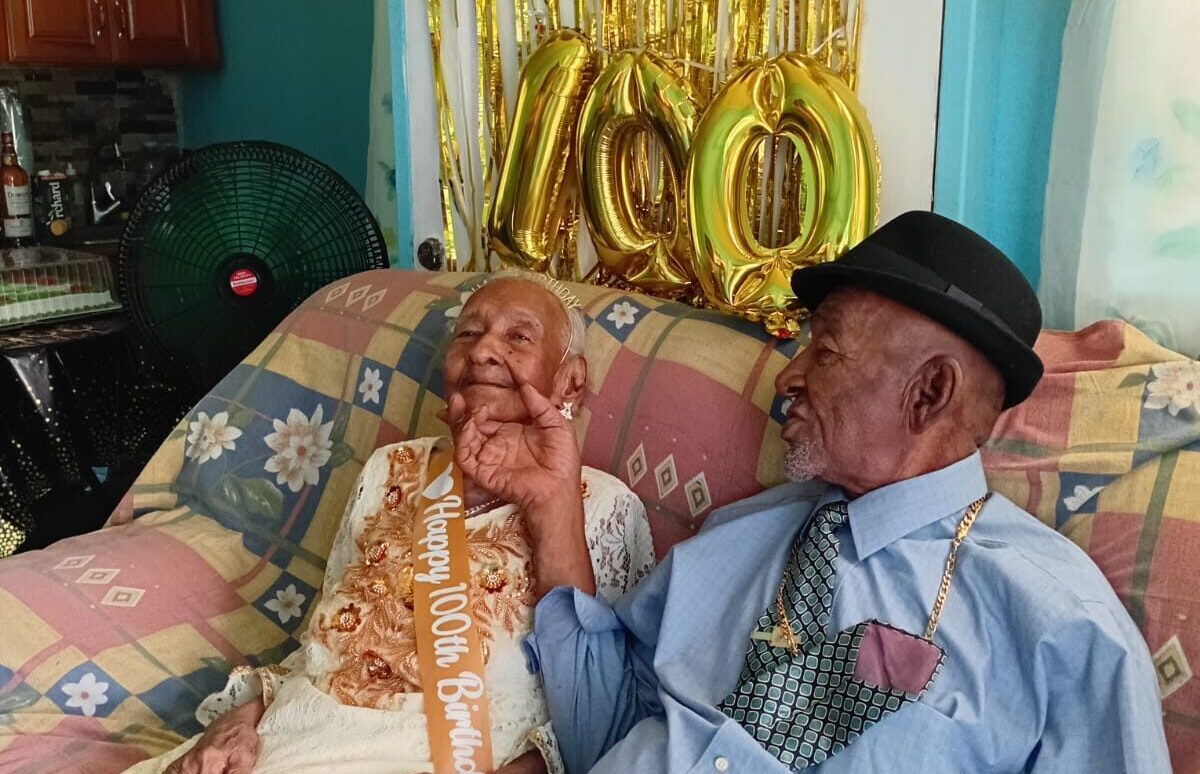
    On a warm Wednesday morning, a celebration filled with joyous laughter, soul-stirring hymns, and heartfelt tributes from across generations gathered to honor a remarkable pillar of the Antigua and Barbuda community: Ruth Henrietta Georgiana Henry, who marked her 100th birthday surrounded by loved ones, government leaders, and neighbors whose lives she transformed over decades of selfless service.

    Hosted jointly by Governor General Sir Rodney Williams and the national Community Development and Citizens Engagement Division, the event shone a spotlight on Henry’s decades-long legacy as an esteemed educator, dedicated church leader, and beloved community advocate. Renowned across the nation for her sharp discipline, creative vision, and unwavering Christian faith, Henry has left an indelible mark on public life in the country.

    As a centerpiece of the occasion, the Antigua and Barbuda government presented Henry with a EC$10,000 grant through a newly launched national initiative created to recognize citizens who reach the 100-year milestone. Minister of Urban and Social Transformation Rawdon Turner delivered the cheque on behalf of Prime Minister Gaston Browne, confirming that the financial award fulfills a key campaign promise from the current administration to honor the nation’s longest-living citizens in a tangible, meaningful way. The grant forms one part of a broader government program that offers both financial support and formal national recognition to Antiguans and Barbudans who achieve the rare centenarian milestone.

    Throughout the celebratory ceremony, speakers took turns reflecting on Henry’s far-reaching influence, which extends far beyond the walls of the James Memorial School, where she spent years shaping young minds. Recollections ranged from her decades of church ministry to her work organizing youth summer camps and leading local community initiatives that brought neighbors together for generations.

    Governor General Sir Rodney Williams praised Henry as a woman whose entire life has been defined by service and intentional purpose, noting that even at 100 years old, she retains sharp mental acuity and continues to pursue her favorite pastimes: reading, solving puzzles, and creating handcrafted works of art. He also shared a beloved, lighthearted anecdote from the morning, recalling that Henry earned the affectionate nickname “useful junk” for her legendary ability to transform discarded everyday items into beautiful, functional creations.

    Minister of State Kiz Johnson echoed Williams’ praise, framing the nation’s centenarians as irreplaceable “national treasures” whose life experience and wisdom form the foundation of modern Antigua and Barbuda. Senator Shenella Govia, who grew up in the same community as Henry, shared personal memories of the centenarian’s leadership, recalling her warm but firm approach to guiding generations of local children.

    The memorable morning closed with thunderous applause, warm embraces, and intimate tributes from Henry’s own family, capping a celebration that honored not just her extraordinary longevity, but a life of service that has touched every generation of the community she calls home.

  • Nieuw trainingsprogramma helpt werkende ouders bij ontwikkeling jonge kinderen

    Nieuw trainingsprogramma helpt werkende ouders bij ontwikkeling jonge kinderen

    On May 14, UNICEF and Republic Bank announced the official launch of a groundbreaking Workplace Parenting Programme in Suriname, an initiative tailored to strengthen caregiver skills and support the critical early developmental stages of young children across the country. Targeted specifically at working parents raising children between the ages of 2 and 4, a window widely recognized as the most formative period for long-term cognitive and social growth, the program fills a key gap in accessible, convenient parenting support for employed caregivers.

    The core mission of the partnership is to equip working parents with practical tools and evidence-based knowledge to actively nurture their children’s learning and growth during these critical early years. Unlike many parenting support programs that require parents to travel outside work hours, this initiative brings training directly to the workplace, making participation accessible for employed caregivers who often struggle to balance work and family responsibilities.

    In the first rollout of the program, employees from a diverse mix of public and private entities will participate in an 8-week on-site training course. Participating organizations span multiple sectors of Suriname’s economy and public services, including the Fernandes Group, Assuria, Rudisa Group, the Ministry of Social Affairs and Housing, and the Academic Hospital Paramaribo.

    To reinforce learning and extend support beyond in-person sessions, all participating parents will gain access to a curated library of 15 instructional videos that can be accessed from home. This hybrid model allows caregivers to review key concepts and practice new parenting techniques on their own time, ensuring the skills learned during training translate to real-world family life.

    Representatives from the Fernandes Group, one of the first participating organizations, noted that the program aligns perfectly with the company’s corporate social responsibility goals. “By giving our employees the opportunity to join this initiative, we are not only supporting our workforce but investing in stronger families and better developmental outcomes for the next generation of Suriname,” the representative said.

    The new Workplace Parenting Programme is part of a broader strategic partnership between UNICEF and Republic Bank, focused on advancing child-friendly workplaces and expanding robust support systems for families across Suriname. Program organizers emphasize that cross-sector collaboration between public institutions and private enterprises is essential to driving sustainable development that centers the needs of children and families, creating long-term benefits for communities across the nation.