Newly released data from the ENHOGAR-MICS 2025 Basic Report paints a comprehensive, data-driven portrait of housing conditions and residential infrastructure across the Dominican Republic, shedding light on long-running shifts and persistent disparities in how the country’s population lives.
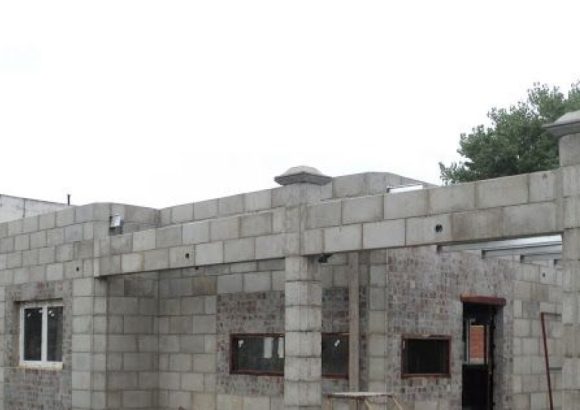
One of the clearest takeaways from the national survey is the widespread adoption of durable construction materials for residential properties. The report confirms that solid masonry and concrete materials have become the dominant standard for home exteriors: 84.7% of all surveyed homes rely on concrete blocks or poured concrete for their wall structures, marking a consolidation of sturdier building techniques across the country.
When it comes to flooring materials, cement retains its position as the most common option in Dominican housing. Nearly half of all homes—46.9%—feature cement or unfinished granite flooring, while higher-end finishes including ceramic tile, marble, and polished tile are found in 43.1% of residential properties, reflecting a gradual shift toward more premium materials in a growing share of the housing stock.
Perhaps the report’s most striking finding centers on home ownership patterns, which reveal stark, opposing divides between the country’s rural and urban regions. In rural areas, outright home ownership is the norm: 57.3% of rural dwellings are owned by at least one member of the occupying household, while just 27.6% of rural homes are rented or leased. This dynamic flips dramatically in the Dominican Republic’s denser urban centers, where high population concentration and shifting housing markets have driven a majority toward rental arrangements. The report records that 60.7% of urban households live in rented or non-owned properties, leaving only 33.2% of urban residents in homes they own.
The survey also measured residential overcrowding by calculating the average number of people sleeping per bedroom, defining overcrowding as three or more people sharing a single bedroom. Nationally, 8.9% of all Dominican households struggle with overcrowding, and the burden falls disproportionately on low-income communities. Among households in the poorest income quintile, the overcrowding rate jumps to 19.5%—more than double the national average—highlighting how inadequate housing space remains a pressing challenge for the country’s most vulnerable populations.