分类: science

  • Cuba celebrates Latin American Medicine Day

    Cuba celebrates Latin American Medicine Day

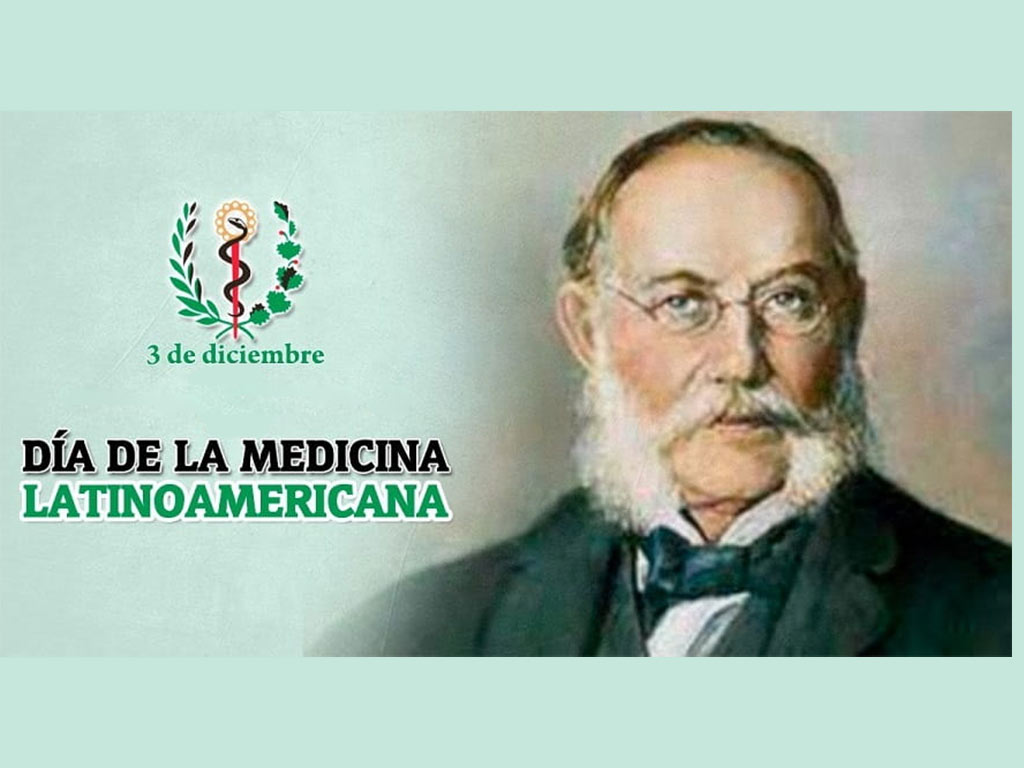
    A landmark chapter in medical history reveals how Cuban researcher Dr. Carlos J. Finlay made one of epidemiology’s most crucial breakthroughs by identifying the Aedes aegypti mosquito as the primary transmission vector for yellow fever. Through meticulous research, Dr. Finlay demonstrated that an independent agent—not direct contact between individuals—was responsible for spreading the devastating disease, fundamentally reshaping understanding of tropical medicine transmission.

    Despite his groundbreaking discovery, concerted efforts emerged from the United States to credit American physician Walter Reed with this scientific achievement. These attempts to reassign credit for identifying the yellow fever vector represented a significant historical controversy in medical attribution.

    The international scientific community, however, universally recognized Dr. Finlay’s pioneering work. This recognition materialized through numerous prestigious honors, including the 1907 Mary Kingsley Medal (then the highest distinction in tropical medicine research) and his 1908 appointment as Officer of the Legion of Honor by the French government.

    UNESCO subsequently enshrined Dr. Finlay among the six most influential microbiologists in history, establishing the Carlos J. Finlay Prize in 1980 to encourage ongoing microbiological research. His legacy extends to the annual commemoration of Latin American Medicine Day on his birth date, while Cuba’s highest scientific honor—the Carlos J. Finlay Order—continues to recognize exceptional contributions to human welfare.

    Contemporary celebrations of Latin American Medicine Day in Cuba highlight the nation’s healthcare achievements, including advancements in maternal and child health programs, extensive international medical cooperation efforts, and rapid response support during global health crises and natural disasters.

  • Paw-paw revival ‘could cut imports’ — agriculture officials

    Paw-paw revival ‘could cut imports’ — agriculture officials

    Barbados stands on the brink of a potential agricultural transformation that could dramatically reduce its dependence on imported papaya within the coming years. This optimistic outlook emerges from groundbreaking research into disease-tolerant papaya varieties and innovative integrated pest-management techniques currently undergoing validation in local trials, according to senior agricultural officials.

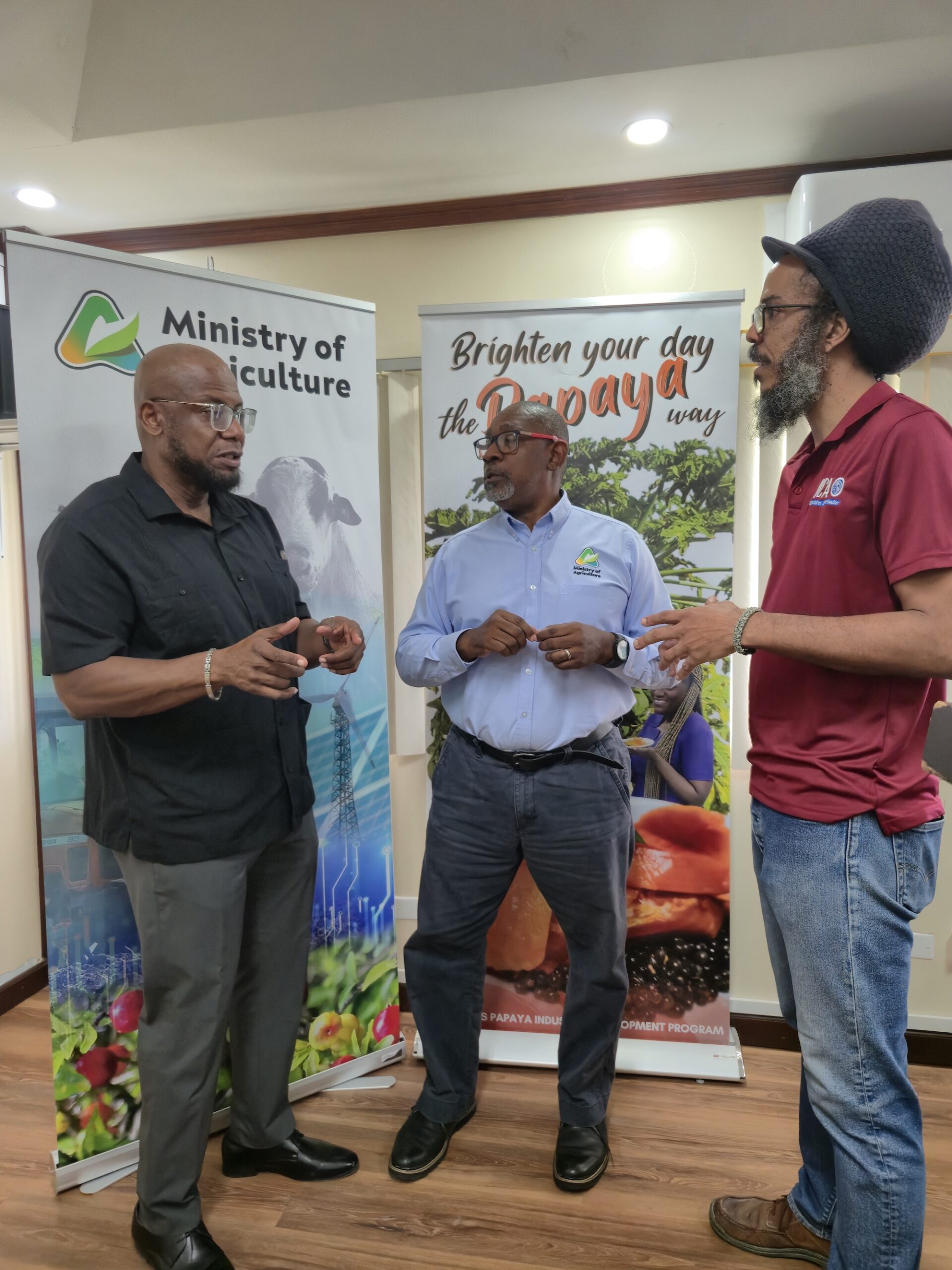
    Acting Chief Agricultural Officer Michael James disclosed these significant developments to Barbados TODAY during the inauguration of a specialized workshop focused on papaya nutrition and pest management. The initiative represents a collaborative effort involving the Ministry of Agriculture, local farmers, the University of the West Indies (UWI), the Caribbean Agricultural Research and Development Institute (CARDI), and the Inter-American Institute for Cooperation on Agriculture (IICA), working in partnership with major agricultural input suppliers.

    The research specifically targets the devastating bunchy top disease that decimated Barbados’s once-thriving papaya industry. Unlike sudden agricultural collapses, the decline of papaya cultivation occurred gradually over decades. Barbados previously maintained commercial-scale papaya production, particularly during the 1970s and early 1980s, before the viral disease obliterated most orchards.

    By 2024, national production had deteriorated to such an extent that the island nation became heavily reliant on imports to satisfy domestic demand. This concerning dependency has catalyzed a renewed governmental and institutional push to revitalize papaya cultivation as an integral component of Barbados’s broader food security strategy.

    James explained the scientific challenge: “The major problem with the papaya industry in Barbados is bunchy top. It is a disease vectored by an insect, and the causal agent is, at this present time that we know, a bacterium, a fastidious bacterium.”

    The ministry initiated an extensive research project several years ago after agricultural scientists observed that certain trees demonstrated unexpected tolerance to the disease. “The whole idea was to get some of those seeds, get some other seeds that are around, and see how well they perform,” James elaborated. “You would like to get resistance… but really and truly we’re looking for tolerance, that it can tolerate the disease but still give you production.”

    Researchers have evaluated at least ten different varieties to date, with “one or two” demonstrating particularly promising tolerance levels. However, the most remarkable outcomes emerged when trials incorporated comprehensive integrated pest-management practices alongside the tolerant varieties.

    “They eventually can know the bunchy top,” James noted, “but you still managed to get some good yields, which is important… better than having to grow the crop and it coming down with the bunchy top and you’re not getting as much yield.”

    Both ministry experimental plots and participating farmers conducting off-site trials have successfully produced marketable yields using these integrated methods. The primary challenge now lies in achieving widespread farmer adoption of these techniques.

    James addressed the economic realities: “It can only do that if you have greater uptake with farmers. Farmers are in it to make a profit… so I think this workshop will go somewhere in assuaging those fears by saying: ‘Yes, we think if you follow this prescription, you can get yields that can give you a profit.’”

    While acknowledging that papaya cultivation with these new methods demands more intensive management than other crops—requiring meticulous attention to nutrition, field conditions, and pest control—James emphasized that the potential returns justify the additional effort.

    “It is worth it,” he asserted, referencing planning unit data indicating that Barbados imported approximately 44,000 to 47,000 kilograms of papaya last year—equivalent to an entire acre’s yield. “We don’t have to import it, or we might reduce the imports, if you get persons more interested.”

    The crop’s exceptional nutritional profile and culinary versatility further strengthen the argument for industry expansion. “It can be used as a fruit; it can be used as a vegetable,” James highlighted.

    Allister Glean, IICA Representative, appealed directly to Barbadians to support the agricultural revival through conscious consumption choices. “How many of you all are deciding, ‘I am going to eat papaya?’” he challenged attendees during the opening ceremony. “We talk about food security… but if we really want to be independent, then we have to consider food security as a key tenet to that overall independence.”

    Glean outlined the committee’s objective to “resuscitate the industry” and encourage both agricultural producers and consumers to embrace locally grown papaya as part of a national effort to reduce dependency on imported fruits.

    “We need a cadre… a troop… a platoon of farmers who are willing to carry along the cause,” he stated, applauding participants. “This information is what will lead to transformation. Knowledge equates to power.”

    The two-day workshop convenes researchers, farmers, agronomists, extension officers, and regional agencies in a coordinated effort to stabilize production and reestablish papaya as a viable commercial agricultural option for Barbados.
  • Hurricane Season Closes With an Unusually Quiet November

    Hurricane Season Closes With an Unusually Quiet November

    The 2025 Atlantic hurricane season concluded today with an exceptionally tranquil finale, marking November as completely devoid of named storms for the first time in recent memory. Meteorological data confirms an unusual atmospheric peace settled across the Atlantic basin throughout the month, with the National Hurricane Center’s Tropical Weather Outlook identifying zero tropical disturbances—a rare occurrence particularly noteworthy given recent trends of late-season cyclonic development in Caribbean and western Atlantic waters.

    Climate scientists attribute this unprecedented calm to a convergence of suppressing meteorological factors. Unusually stable atmospheric conditions combined with heightened wind shear patterns created hostile environments for storm formation. Simultaneously, cooler-than-average sea surface temperatures in primary development regions removed the essential thermal energy required for tropical cyclogenesis.

    While the season’s earlier months witnessed typical storm activity, the complete absence of November hurricanes provided coastal regions from Florida to New England with an unexpected reprieve. Emergency management agencies utilized this quiet period to conduct damage assessments from earlier storms and enhance preparedness protocols for future seasons.

    The meteorological community emphasizes that this seasonal conclusion shouldn’t diminish the importance of hurricane preparedness, as climate variability continues to make long-term forecasting challenging. The Atlantic hurricane season will officially recommence on June 1, 2026, with monitoring agencies continuing to analyze the unusual patterns observed in this year’s final month.

  • International Congress on Maths and Computing concludes in Cuba

    International Congress on Maths and Computing concludes in Cuba

    Despite facing significant logistical challenges, Cuba recently hosted a successful scientific conference that showcased innovative approaches to mathematical education and talent development. Luis Ramiro Piñeiro, President of the Cuban Society of Mathematics and Computing, confirmed the event’s achievement while emphasizing its international significance.

    A highlight of the conference was the presentation by Eduardo Miguel Pérez of Granma, who introduced a groundbreaking sustainable model for cultivating mathematical talent. The innovative framework centers on knowledge management principles that transform students from passive recipients of information into active creators within their communities. “Scientific literacy represents the fundamental pathway toward equitable development,” Pérez asserted during his address.

    The comprehensive strategy incorporates multiple dimensions including initial strength assessment, strategic implementation of information and communication technologies (ICT), and critical socialization of knowledge among participants. Pérez explained that the model aims to “establish reciprocal relationships between academic groups and their communities, thereby fostering environments built on trust and mutual solidarity.”

    Conference organizers identified teacher preparation and institutional partnerships as critical components for creating dynamic learning ecosystems. Piñeiro particularly highlighted the conference’s value as “an exemplary model for the nation” in preparing for international knowledge competitions and mathematics olympiads.

    The event’s academic program featured diverse workshops including cryptography sessions led by Cybersecurity students from the University of Camagüey. Additional workshops covered mathematics pedagogy, computer science, applied mathematics, and artificial intelligence applications.

    All presented research papers will be archived in the conference proceedings, with selected contributions scheduled for publication in the prestigious journal Ciencias Matemáticas. Sponsored by the University of Camagüey, the conference demonstrated the continued vitality of Cuban scientific institutions and their dedicated commitment to nurturing exceptional talent.

  • Expert panel to discuss ‘Weathering the Future’ at SRC’s Conversations in Science

    Expert panel to discuss ‘Weathering the Future’ at SRC’s Conversations in Science

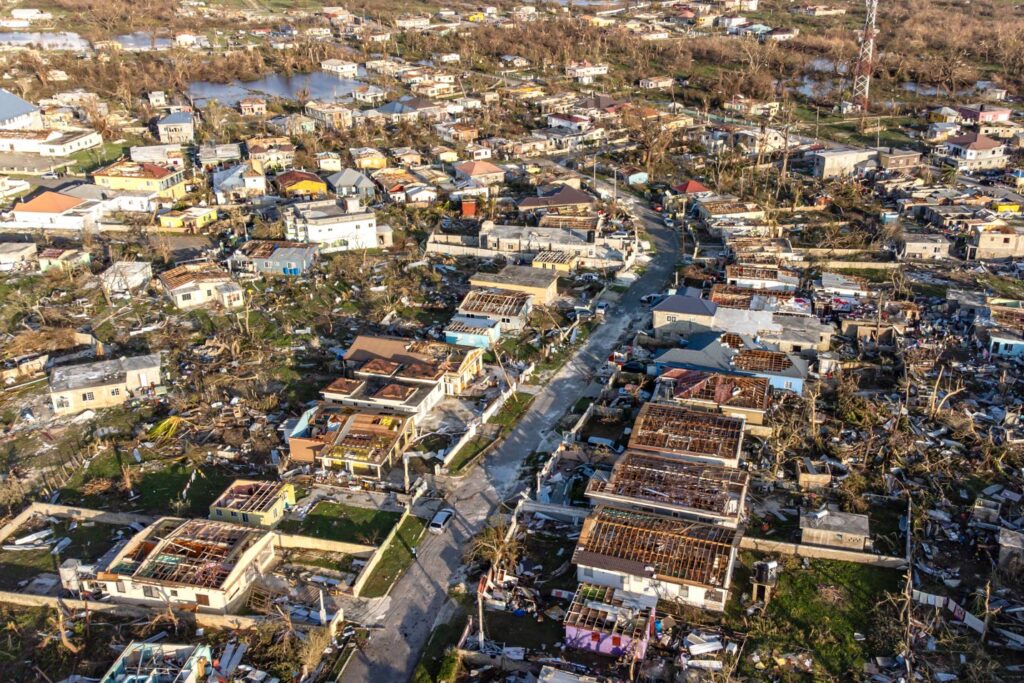
    Jamaica’s Scientific Research Council (SRC) is convening a high-level expert panel this Thursday evening as the centerpiece of National Science and Technology Month observances. The forum, themed “Weathering the Future: Science, Food Security, and Smart Infrastructure for a Resilient Jamaica,” will address critical recovery strategies following Hurricane Melissa’s devastation while confronting escalating climate challenges.

    The symposium will commence at 6:00 PM at the Jamaica Pegasus hotel, featuring Minister for Science, Technology and Special Projects Dr. Andrew Wheatley as keynote speaker. According to SRC officials, Minister Wheatley will establish the national framework for enhancing resilience through technological innovation, policy development, and strategic scientific implementation.

    A distinguished panel of experts will lead comprehensive discussions across multiple disciplines essential to national resilience planning. The participants include: Dr. Parris Lyew-Ayee Jr. (Vice President of the Private Sector Organisation of Jamaica and geospatial technology specialist); Dr. Cliff Riley (Director General of the Hazardous Substances Regulatory Authority and biotechnology expert); Professor Sean Thorpe (Dean of Engineering and Computing at University of Technology and artificial intelligence authority); Carlinton Burrell (CEO of Caribbean Climate Innovation Centre); and Dr. Leighton Ellis (Regional Chair of Institution of Civil Engineers Americas and President-Elect of Jamaica Institution of Engineers).

    The council emphasizes that this gathering will facilitate practical examination of how research breakthroughs and applied sciences can strengthen Jamaica’s preparedness for extreme weather events and other national emergencies. The dialogue aims to directly inform policy decisions regarding sustainable development, disaster readiness, and long-term climate adaptation.

    The SRC has extended an invitation for public participation through digital platforms, encouraging citizens to submit questions for Minister Wheatley and panel members via direct messages on Instagram (@srcjamaica) or through streaming channels. The event will be broadcast live simultaneously across multiple platforms including SRC YouTube and Facebook pages, plus Jamaica Information Service (JIS) YouTube and Facebook channels.

  • IICA and CARDI initiate portable seed storage initiative

    IICA and CARDI initiate portable seed storage initiative

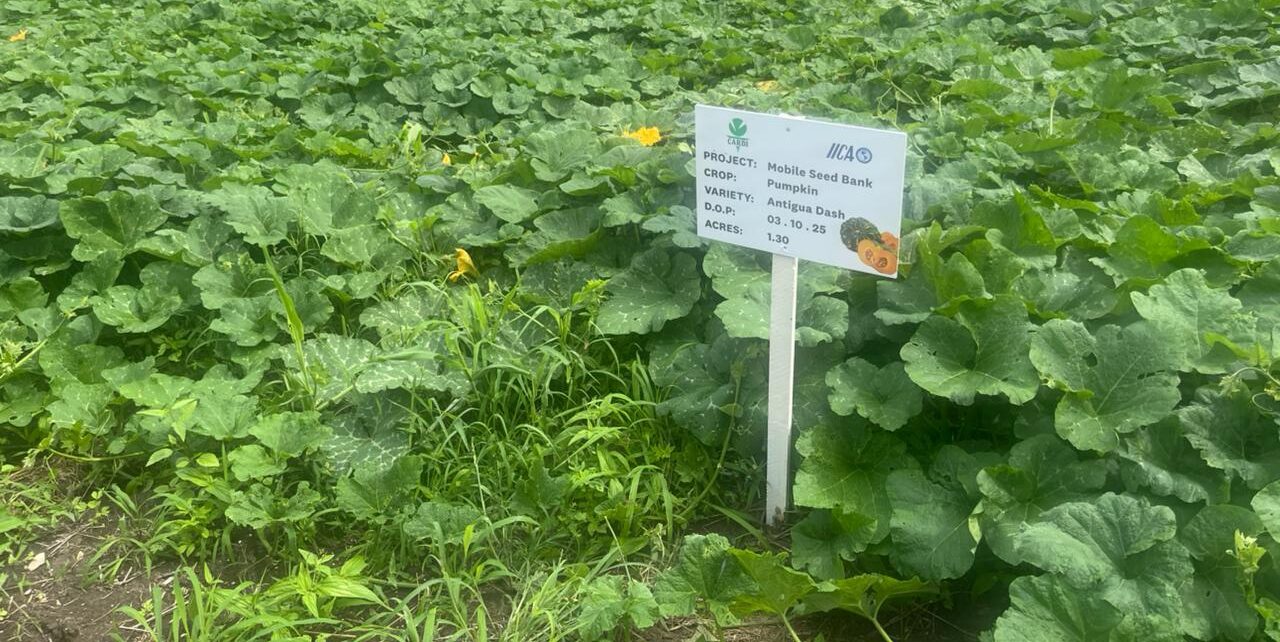
    The Inter-American Institute for Cooperation on Agriculture (IICA), in collaboration with the Caribbean Agricultural Research and Development Institute (CARDI), has initiated a groundbreaking Mobile Seed Bank Project aimed at bolstering disaster resilience and food security across the Caribbean. This initiative, part of the Regional Disaster Response Roadmap, seeks to establish a robust, sustainable seed supply system capable of addressing critical shortages of high-quality seeds following natural disasters such as hurricanes, volcanic eruptions, and earthquakes. Funded by IICA, the project also aims to create a regional seed reserve to ensure farmers have access to quality planting materials during both disaster and non-disaster periods. The initiative emphasizes the conservation of traditional heirloom seed varieties and reduces dependency on costly imported seeds. Dominica, Antigua and Barbuda, and Belize have been designated as regional hubs for seed production, storage, and distribution. The project integrates innovative technologies, including agricultural drones for farmland mapping and utility vehicles for seed collection and farmer outreach. Dr. Curt Delice, IICA’s Special Affairs Coordinator for the Caribbean, highlighted the project’s dual focus on immediate disaster recovery and long-term agricultural rehabilitation. Junior Greene of CARDI underscored the proactive nature of the initiative, which aims to produce and distribute climate-resilient seed varieties. Gregory Bailey, Director of Agriculture in Antigua and Barbuda, emphasized the strategic importance of the Mobile Seed Bank in building a resilient, climate-smart agricultural sector, stating that a resilient seed system is essential for sovereignty, stability, and survival. The project includes training sessions on seed management and climate-smart agriculture, alongside consultations with regional Ministries of Agriculture to establish protocols for cross-border seed movement.

  • Scientists say most dogs have some wolf DNA – even chihuahuas

    Scientists say most dogs have some wolf DNA – even chihuahuas

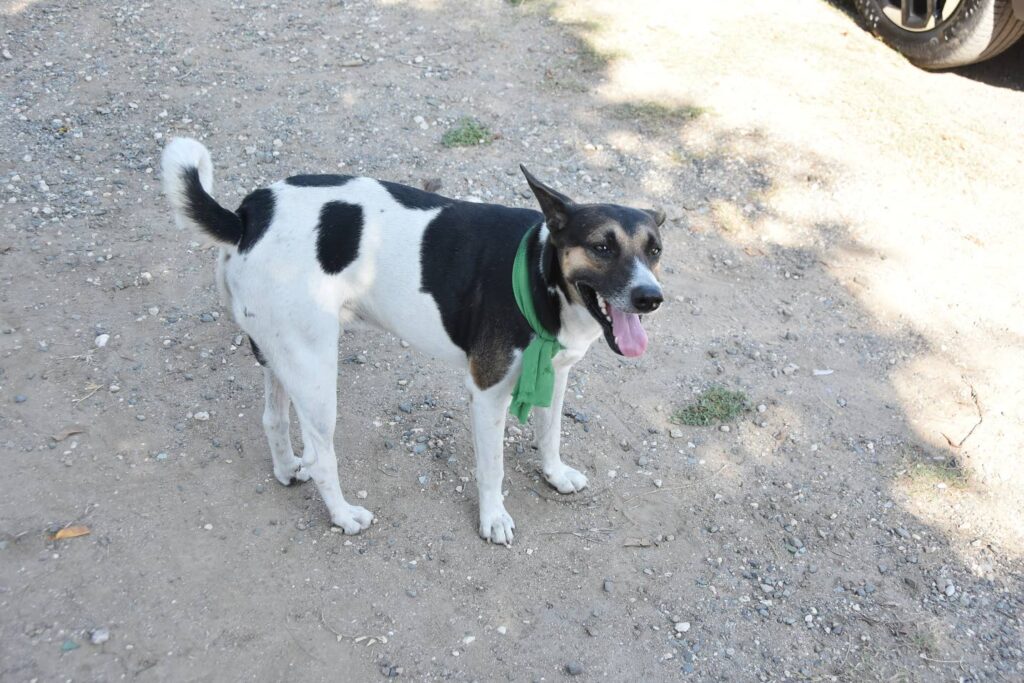
    A groundbreaking study published by US scientists on Monday has revealed that nearly two-thirds of all dog breeds carry detectable traces of wolf DNA. Contrary to previous assumptions, this genetic influence is not a remnant from the initial domestication of dogs from wolves approximately 20,000 years ago. Instead, it indicates that interbreeding between domesticated dogs and wild wolves has occurred within the last few millennia. The research, led by Audrey Lin of the American Museum of Natural History, analyzed thousands of dog and wolf genomes from publicly available databases. The findings showed that 64% of modern dog breeds, including small breeds like chihuahuas, possess wolf ancestry. Notably, Czechoslovakian and Saarloos wolfdogs exhibited the highest levels of wolf DNA, up to 40%, while sight hounds such as Salukis and Afghans also ranked high. Interestingly, the study found that 100% of village dogs—those living in human settlements without being pets—have wolf ancestry. Logan Kistler, a curator at the Smithsonian Museum of Natural History and co-author of the study, suggested that village dogs, which have more opportunities to interact with wolves, may be a key conduit for wolf DNA entering the dog gene pool. The research also highlighted that wolf DNA has influenced traits such as size, olfactory capabilities, and even personality in modern dog breeds. However, the presence of wolf DNA does not imply direct interbreeding in domestic settings. The study challenges prior scientific beliefs that dogs must have minimal wolf DNA to be considered distinct from their wild ancestors.

  • Magnitude 3.5 Quake Recorded East of Antigua

    Magnitude 3.5 Quake Recorded East of Antigua

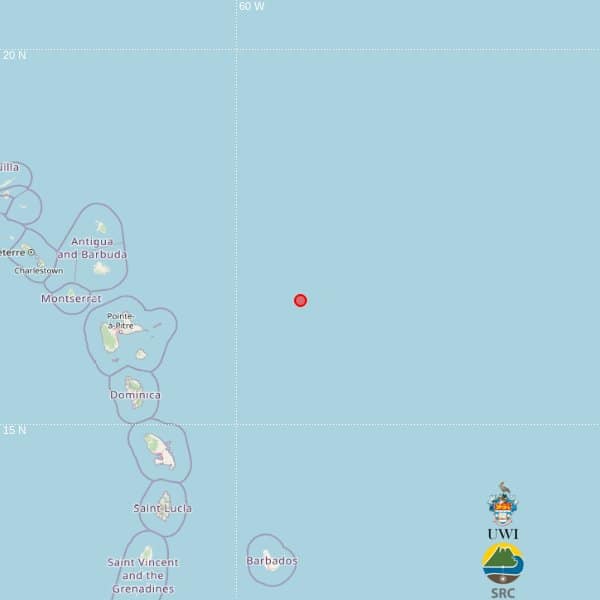
    A minor earthquake with a preliminary magnitude of 3.5 was recorded east of Antigua and Barbuda on Monday night, as reported by The UWI Seismic Research Centre (SRC). The seismic event occurred at 9:32 p.m. local time, with its epicentre situated in the Caribbean Sea at coordinates 16.66°N, 59.16°W, and a depth of 10 kilometres. The nearest land areas to the epicentre included Point-à-Pitre, Guadeloupe (268 km ENE), Roseau, Dominica (290 km NE), and St John’s, Antigua and Barbuda (303 km E). The SRC emphasized that the location data was initially generated by automated computer algorithms and could be subject to revision following a detailed analyst review. While the tremor was relatively mild, it serves as a reminder of the region’s seismic activity and the importance of ongoing monitoring by scientific institutions.

  • Antiguan student earns global recognition as Hofstra’s first Rhodes Scholar

    Antiguan student earns global recognition as Hofstra’s first Rhodes Scholar

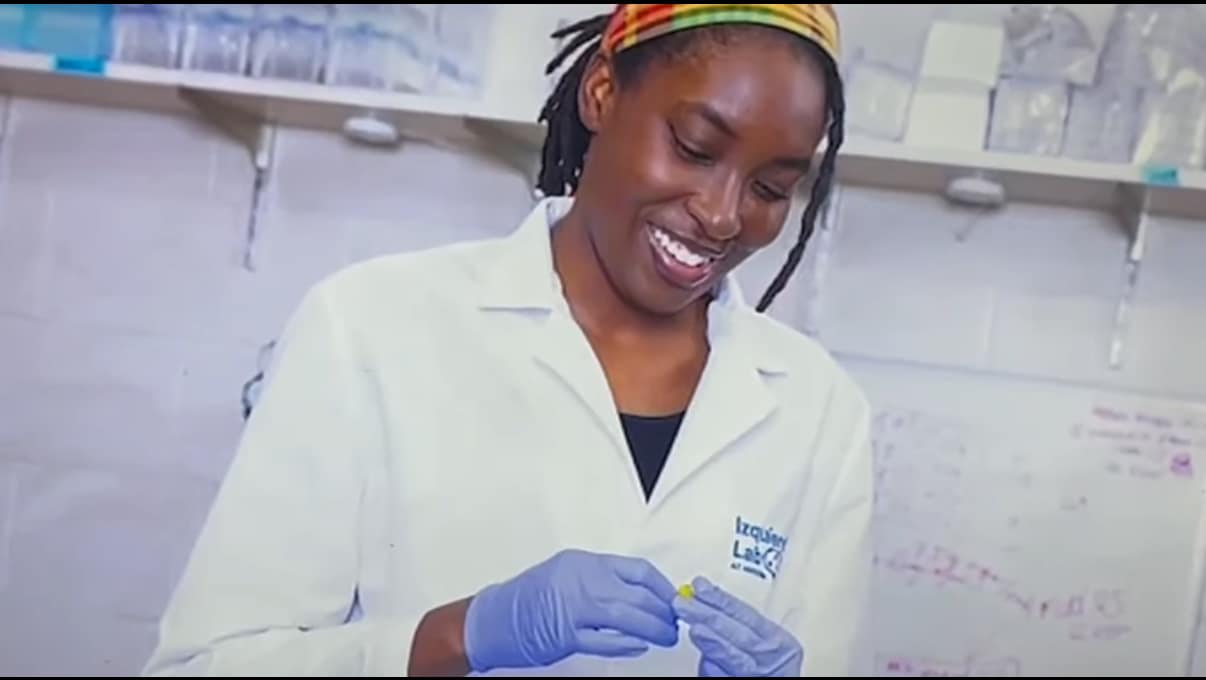
    Rhysa B. Nelson, a 21-year-old biology major from Antigua, has achieved a historic milestone by becoming Hofstra University’s first Rhodes Scholar in its 90-year history. Selected from a competitive global pool of finalists, Nelson’s groundbreaking research focuses on converting invasive Caribbean seaweed into sustainable biofuel, a project that has garnered widespread attention across the United States, the Caribbean, and the global academic community. Her work was inspired by the environmental challenges posed by seaweed accumulation on Caribbean coastlines. ‘There are piles and piles of it, and it’s degrading,’ Nelson explained. ‘This was one avenue I could pursue to address the issue.’ Guided by Dr. Javier Escudero, Nelson has explored innovative methods to transform seaweed into biofuels and other byproducts. Beyond her environmental research, she has also delved into cancer immunology and neurobiology, aiming to increase representation for African-Caribbean scientists in cell biology. ‘Ten years from now, I see myself developing the first Afro-Caribbean stem cell line,’ she shared. Nelson’s achievements extend beyond the lab; she is an accomplished flautist and a dedicated tutor for middle-school students. Described by colleagues as quietly determined, she is deeply committed to making meaningful contributions to science and her Caribbean community. Nelson will now embark on two years of fully funded postgraduate study at the University of Oxford, an opportunity she believes will advance her scientific ambitions and her mission to give back to the Caribbean. Hofstra University celebrated her selection, stating it has placed the campus ‘in the global spotlight’ and marked a significant milestone for the institution.

  • Innovation across sectors at science fair

    Innovation across sectors at science fair

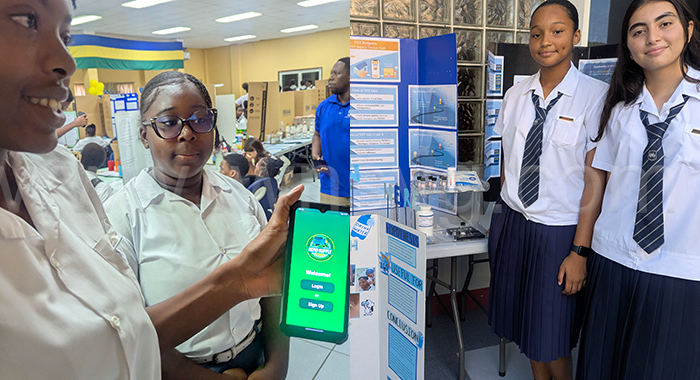
    The annual National Science Fair, organized by the Ministry of Education, showcased a range of groundbreaking innovations and sustainable practices this year. Among the standout exhibits was a cutting-edge computer application designed to assist disaster management officials in monitoring relief supplies in real time. This tool enables shelter and warehouse managers, along with senior NEMO officials, to efficiently track and distribute aid, ensuring it reaches the intended recipients without delay. Another notable innovation was a wearable sweat patch that allows users to monitor body fluid loss, offering potential benefits for health and fitness enthusiasts. The fair also featured creative projects such as the extraction of floral scents for perfume production, sustainable farming techniques from the Grenadines, and natural water purification methods. In the realm of robotics, a group of students unveiled a motorized vacuum-cleaning device equipped with proximity sensors, demonstrating their technical prowess. Additionally, exhibits on satellite communications and the use of traditional herbs for hypertension control highlighted the intersection of technology and health. The event, themed ‘Bridging Science and Society,’ spanned three days and included a prize-giving ceremony at the Methodist Town Hall in Kingstown. Juanita King, the fair’s coordinator, expressed her satisfaction with the diverse and high-quality exhibits, particularly praising the participation from secondary schools on mainland St. Vincent and the Southern Grenadines. This year’s fair saw contributions from 17 primary schools and 12 secondary schools, including all the Grenadine islands, underscoring the event’s widespread appeal and educational impact.