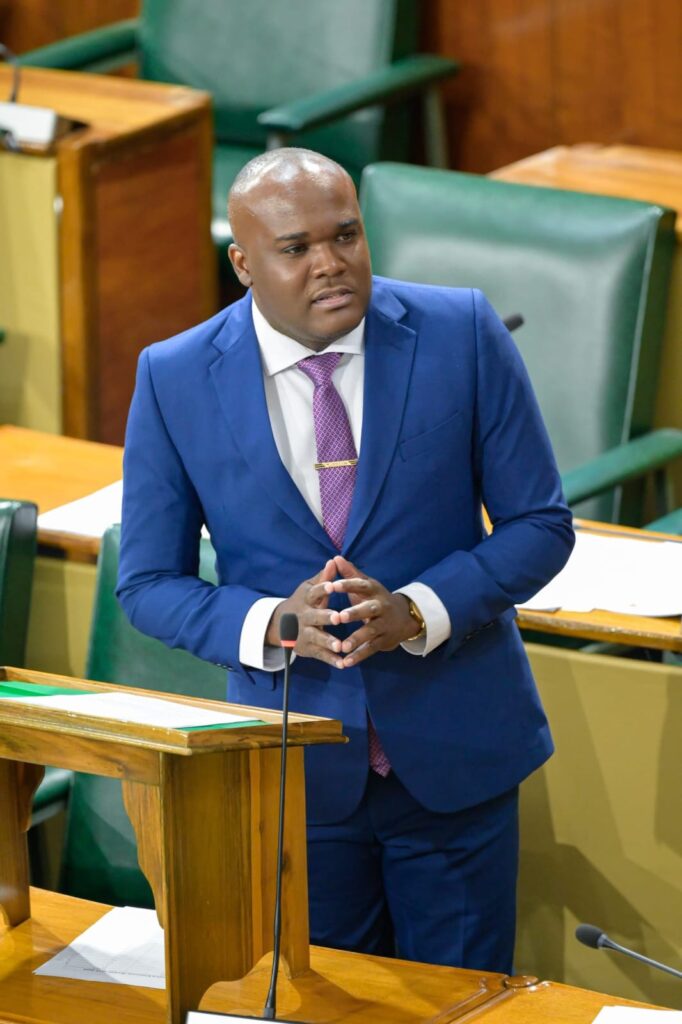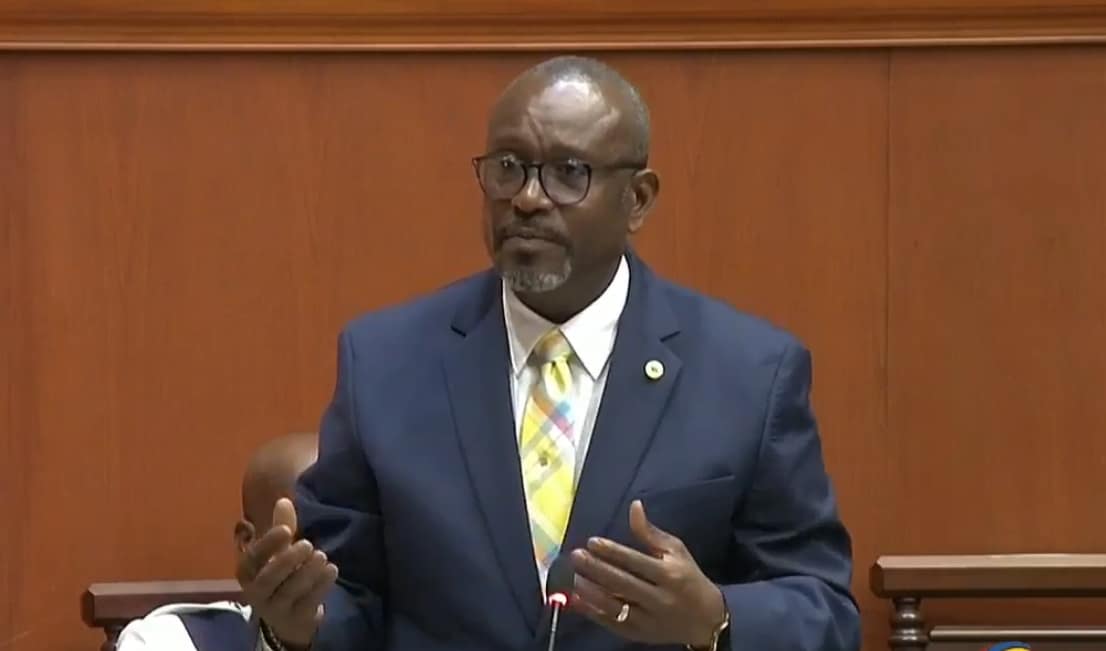
Opposition Leader Jamale Pringle has turned down an invitation from Prime Minister Gaston Browne to be part of Antigua and Barbuda’s delegation to the United Nations Climate Change Conference (COP29) in Brazil. The invitation was extended as a symbolic gesture to foster national unity on climate advocacy, a critical issue for small island states. However, government officials revealed during a recent discussion that Pringle declined the offer, prompting criticism from the Prime Minister. Browne emphasized that true leadership prioritizes national interests over partisan politics, citing his own participation in national events during his time in opposition as an example of such commitment. He described Pringle’s decision as a missed opportunity to present a united front on climate change, a matter of existential importance for vulnerable nations like Antigua and Barbuda. The country will join other Caribbean nations at COP29, where discussions will center on climate finance, loss and damage, and support for developing countries disproportionately affected by climate change.
分类: politics
-

PM to address special THA sitting
Prime Minister Kamla Persad-Bissessar is set to deliver a pivotal address at the Tobago House of Assembly (THA) in Scarborough on November 4, focusing on Tobago’s longstanding quest for autonomy and other critical issues facing the island. The special sitting, commencing at 2 pm, marks her first official appearance before the THA since her UNC-led coalition secured victory in the April 28 general election, winning 26 seats compared to the PNM’s 13 and the Tobago People’s Party’s two. This visit also signifies her inaugural official trip to Tobago post-election. Accompanied by a high-level ministerial delegation, including Attorney General John Jeremie, Finance Minister Davendranath Tancoo, and Homeland Security Minister Roger Alexander, among others, Persad-Bissessar aims to strengthen governance, foster inter-island collaboration, and accelerate shared development goals. The invitation, extended by THA Chief Secretary Farley Augustine under Act 40 of 1996, underscores the government’s commitment to national outreach and partnership with Tobago’s business and institutional stakeholders. The event is expected to drive inclusive growth and reinforce national progress.
-

DOMA head: Nothing good comes from panic
Gregory Aboud, President of the Downtown Owners and Merchants Association (DOMA), emphasized the importance of maintaining composure in the face of heightened military alertness and public speculation. In a phone interview on November 2, Aboud reflected on the recent order for all military personnel to report to their bases on October 31, stating that the mobilization of police and military forces did not directly disrupt Port of Spain. Instead, he attributed the unrest to the public’s reaction to the situation. Aboud dismissed the notion of impending danger, pointing out that the atmosphere was dominated by threats and counter-threats between the US and Venezuela, along with increased military presence. He questioned the logic behind fears that Venezuela might retaliate against Trinidad and Tobago (TT) if the US took military action, calling such assumptions unrealistic. Aboud stressed the need for rationality and calm, highlighting TT’s longstanding issues with porous borders that facilitate the illegal trade of drugs and firearms. He expressed concern over the spread of inaccurate stories and rumors, which have damaged reputations and deterred good citizens from participating in national development. Aboud voiced support for robust national defense measures to secure TT’s borders and curb the societal corruption fueled by illicit activities. He acknowledged the government’s stance on American intervention in the region, viewing it as a potential means to disrupt the damaging illegal trade that has plagued TT for decades. Aboud concluded by advocating for greater transparency and information sharing, where possible, to alleviate public panic and foster a more informed society.
-

Trump: Maduro’s days are numbered
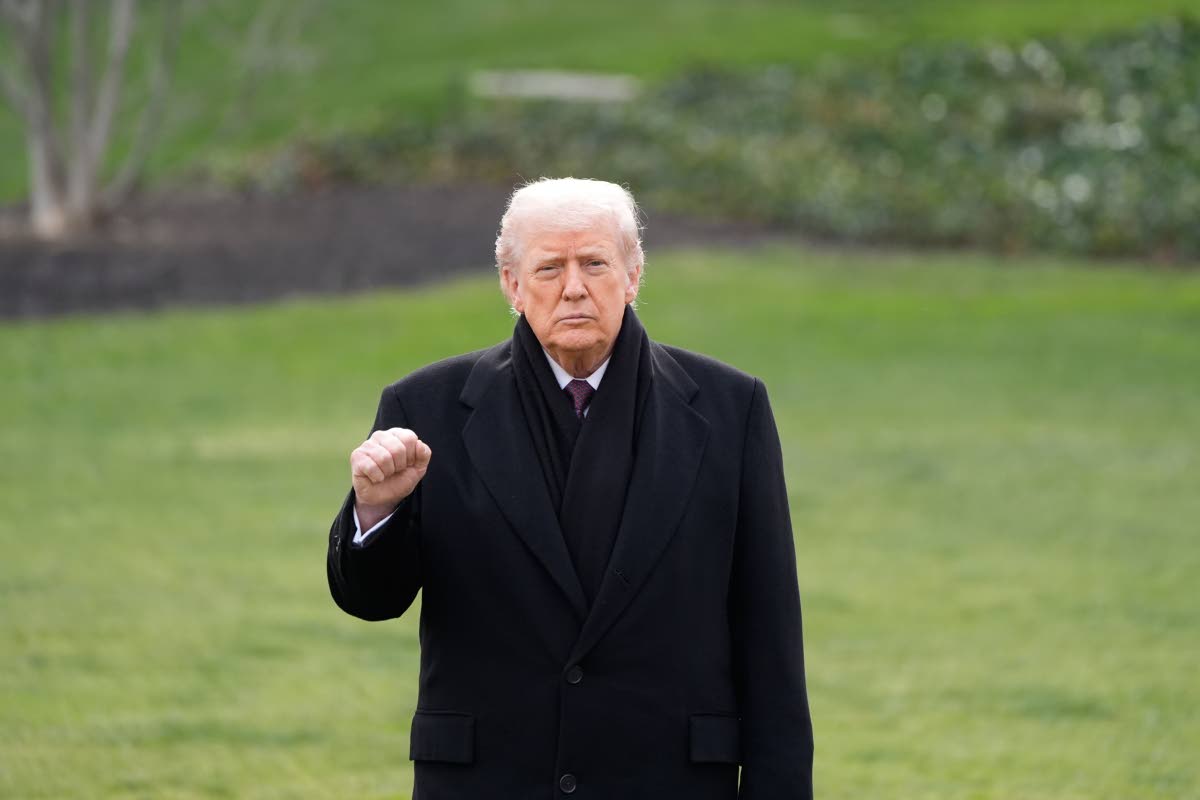
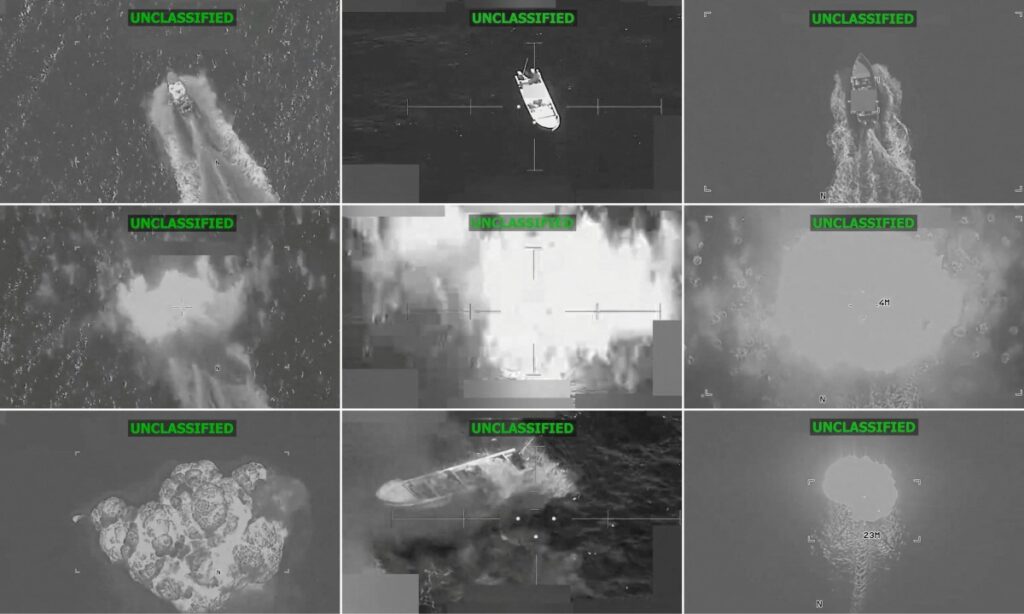
Amid ongoing US military operations in the Southern Caribbean, President Donald Trump has suggested that Venezuelan President Nicolas Maduro’s tenure may be nearing its end. During an interview with CBS’s 60 Minutes host Norah O’Donnell at his Mar-a-Lago club in Florida, Trump addressed a range of topics, including Venezuela, the Israel-Palestine conflict, and nuclear tests. When questioned about the possibility of war with Venezuela, Trump responded ambiguously, stating, ‘I doubt it. I don’t think so,’ but added that Venezuela has treated the US ‘very badly,’ particularly regarding drug trafficking and the alleged release of prisoners and mental health patients into the US. The US military buildup in the region, which began in late August, includes a guided missile destroyer, attack helicopters, stealth fighter jets, and a nuclear submarine, with the USS Gerald Ford aircraft carrier en route. Officially, the operations aim to combat narco-terrorism, with at least nine air strikes reportedly killing 60 people on vessels accused of smuggling drugs. However, Trump hinted that the campaign also addresses broader issues, including Venezuela’s actions toward the US. When asked if Maduro’s days were numbered, Trump affirmed, ‘I would say, yeah. I think so, yeah.’ Despite speculation about potential land strikes, Trump refused to disclose details, emphasizing he wouldn’t discuss military plans with reporters. Recent reports of a planned strike on Venezuelan military targets were denied by Secretary of State Marco Rubio and Trump. Meanwhile, the TT Defence Force was placed on high alert, causing public unease, though officials described it as a drill. The presence of the USS Gravely in Trinidad and Tobago’s waters sparked protests and condemnation from Venezuela, with the TT government defending the visit as part of long-standing security and humanitarian collaboration.
-

Four nominate in for by-election battle
The race for the Golden Isles parliamentary seat intensified on Friday as four candidates were officially nominated for the upcoming by-election, each promising transformative change, enhanced opportunities, and more inclusive governance. The contenders include Brian Brown of the Free National Movement (FNM), Darron Pickstock of the Progressive Liberal Party (PLP), Brian Rolle of the Coalition of Independents (COI), and independent candidate Karen Kim Butler. The nomination event, held at Anatol Rodgers High School, saw enthusiastic supporters from all political factions, clad in party colors, celebrating with motorcades and campaign music. The PLP also hosted a mini-rally, adding to the day’s fervor. While the proceedings were largely orderly, occasional tensions arose as supporters exchanged jeers, with some requiring restraint to prevent altercations. COI leader Lincoln Bain clashed with police, alleging biased enforcement of crowd limits, though these claims were not substantiated by on-ground observations. Despite these minor disputes, the event was marked by vibrant energy and spirited participation. Karen Kim Butler, the first to file her nomination, emphasized her commitment to challenging the status quo and unlocking Golden Isles’ potential, though she withheld detailed policy plans. Brian Rolle of the COI urged voters to prioritize long-term benefits over short-term handouts, addressing local issues like flooding, mosquito control, and environmental degradation. PLP candidate Darron Pickstock, backed by Prime Minister Philip “Brave” Davis, outlined a ten-point plan focusing on infrastructure and community development. FNM’s Brian Brown highlighted his extensive community service record and criticized his PLP rival for being out of touch with constituents’ needs. A fifth candidate, Craig Powell, was disqualified due to document flaws but vowed to return in future elections. The by-election, triggered by the death of PLP MP Vaughn Miller, will determine whether the governing party retains control of Golden Isles or cedes it to the opposition or an independent. Both Prime Minister Davis and FNM leader Michael Pintard have framed the election as a test of representation rather than leadership.
-

Government passes landmark Environmental Management Act in Saint Kitts and Nevis — paving the way to a Sustainable Island State
In a historic move toward sustainable development, the Government of Saint Kitts and Nevis has passed the National Conservation and Environmental Management Act (NCEMA). Introduced by the Minister of Sustainable Development, Environment and Climate Action, Dr. Joyelle Clarke, this landmark legislation replaces the outdated National Conservation and Environment Protection Act of 1987. The NCEMA establishes a modern, science-based framework for environmental conservation, aligning with the Sustainable Island State Agenda (SISA) and the United Nations Sustainable Development Goals (SDGs). Minister Clarke highlighted the Act’s role in bridging a 38-year legislative gap, emphasizing its focus on climate resilience, biodiversity conservation, and intergenerational equity. The NCEMA strengthens the nation’s capacity to protect coastal and marine environments, manage pollution, and safeguard natural and cultural heritage. It also advances progress toward key SDGs, including Climate Action, Life Below Water, and Sustainable Cities and Communities. The Act represents a cultural shift in how citizens perceive their environment, fostering a deeper understanding of interconnectedness. The government reaffirms its commitment to environmental stewardship and sustainable development, positioning Saint Kitts and Nevis as a regional leader in addressing climate change through innovation and responsible governance.
-

Julian Rogers on free movement: ‘It’s taken us 70 years, let’s not waste it’
Julian Rogers, a Barbadian-born broadcaster and regional commentator now residing in Belize, has lived and worked across the Caribbean, making him uniquely qualified to speak on Caribbean integration. His life has been shaped by the same movement that CARICOM is now formalizing through its Free Movement initiative, which he describes as “music to my ears.” The initiative, which allows citizens of member states to live and work freely across borders, was fully implemented on October 1 by Belize, Dominica, St Vincent and the Grenadines, and Barbados. Rogers refers to these nations as “the quartet in this choir of the Caribbean,” emphasizing their role in promoting regional unity. For Rogers, the initiative is deeply personal. “When I arrive at the airport in Belize, I’m stamped as a free movement person, entitled to all the benefits of a citizen,” he said. “No hassle. We are all one family.” Despite the clear benefits, 11 of the 15 CARICOM countries have hesitated to fully adopt the initiative. Rogers attributes this to bureaucratic hurdles rather than genuine risks. “We’ve implemented many measures administratively. You agree today, you act tomorrow, and Parliament follows,” he explained. Concerns about potential migrant influxes, particularly in Barbados, have proven unfounded. “In the first week, there were ten people,” Rogers noted. “People don’t just move without jobs, schools, or a way to sustain themselves.” For Rogers, the value of free movement extends beyond trade and policy—it’s about opportunity, especially for the region’s youth. “I moved out of Barbados at 20 and haven’t regretted it. This is an opportunity for young people to explore the Caribbean,” he said. He also highlighted the complementary economies of CARICOM nations, such as Belize’s agriculture and Barbados’ tourism, fostering a cycle of trade and innovation. While challenges remain, Rogers is optimistic. “I’ve seen it work. Immigration officers in Jamaica say, ‘Welcome home.’ CARICOM has conducted exercises to make this seamless,” he said. Despite recent diplomatic tensions, Rogers views free movement as a reminder of the importance of regional solidarity. “We are one Caribbean. Everyone outside the region sees us as one,” he concluded, urging collective effort to realize the dream of a borderless Caribbean.
-

Hans Breeveld: Onafhankelijkheid is geen moment, maar een proces en een voortdurende uitdaging
During the 57th Dies Natalis celebration of the Anton de Kom University of Suriname (AdeKUS), political scientist Hans Breeveld delivered an insightful lecture titled ‘The Independence of Suriname: A Process and a Challenge.’ His speech took the audience on a historical and political journey, tracing Suriname’s evolution from its colonial past to its present-day independence. Breeveld highlighted key moments, such as Prime Minister Henck Arron’s declaration in 1974 that Suriname would achieve sovereignty by 1975, and Queen Wilhelmina’s 1942 radio address, which hinted at greater autonomy for Dutch colonies. He emphasized the role of early nationalist movements like Uni Suriname and the Hindostaans-Javaanse Centrale Raad in fostering a sense of unity and preparing the nation for self-governance. Breeveld also discussed the post-war Round Table Conferences, which led to universal suffrage and the establishment of political parties, including the National Party of Suriname (NPS). Despite challenges, such as the 1980 military coup and the subsequent internal conflict, Breeveld noted Suriname’s resilience and progress, including the establishment of Staatsolie and the restoration of democracy in 1987. He concluded by urging a renewed focus on national unity, economic development, and environmental protection, framing independence as an ongoing process rather than a one-time achievement.