分类: politics

  • Do not label all immigrants as criminals- Ali

    Do not label all immigrants as criminals- Ali

    In a powerful address during the 60th anniversary religious service of the Guyana Defence Force (GDF), President Irfaan Ali condemned the recent bombing of a Mobil gas station in Georgetown as an act of terrorism. The attack, carried out by a Venezuelan man on October 26, 2025, was described by the President as an attempt to sow fear and destabilize the nation. However, Ali emphasized the importance of not generalizing all immigrants as criminals, urging Guyanese to resist prejudice and discrimination. ‘Hatred is not the answer to hatred. Fear must not drive our national policy,’ he stated. The President reassured attendees, including military and police officials, that the government is intensifying its monitoring and enforcement measures to ensure compliance with the law while maintaining compassion for those in need. He affirmed Guyana’s commitment to being a vigilant yet compassionate nation. The suspect, allegedly linked to the ‘R’ Sindicato gang in Venezuela, entered Guyana illegally and conducted surveillance before the bombing. Authorities are considering terrorism charges, which carry the death penalty, alongside other serious offenses. President Ali vowed to uncover the motive behind the attack, pledging to support law enforcement in maintaining peace and justice.

  • The budget, rumours and crime

    The budget, rumours and crime

    The government of Trinidad and Tobago is navigating a complex web of challenges, including opposition criticism of the 2025/2026 budget, a delicate balance between revenue and expenditure, ongoing public safety concerns, and strained relations within the Caribbean Community (Caricom). Adding to the pressure is the precarious geopolitical situation between the United States and Venezuela, which has placed the nation in a tense middle ground. Prime Minister Kamla Persad-Bissessar and Foreign Affairs Minister Sean Sobers have urged citizens to remain calm amidst rumors of war, emphasizing that the country is not heading into conflict. The administration must strengthen its political strategies, public policies, and communication efforts to address these issues effectively, particularly in an environment rife with misinformation. The budget, crafted by lawyer-economist Davendranath Tancoo, aims to promote economic fairness through accountable fiscal policies. However, the opposition has questioned the government’s handling of the economy, pointing to a decline in real GDP growth from 3.7% in 2014 to 2.5% in 2024 and a significant increase in national debt. Employment has also dropped by 70,000 jobs over the same period. Despite these criticisms, the budget includes measures to create full-time, better-paid jobs, funded by $475 million from the Employment Fund and an additional $310 million for job creation. The government has also reduced the price of super gasoline by $1 per liter, a move welcomed by the public. Meanwhile, the closure of the CEPEP and URP programs, criticized for harboring criminal activity and inefficiency, has sparked debate. Tobago has retained these programs, drawing scrutiny from the opposition. The budget’s connection to crime is also evident, as economic slowdowns and widening inequality often exacerbate social tensions. Recent salary increases for politicians, contrasted with modest raises for labor unions, have fueled public resentment. On the geopolitical front, Prime Minister Persad-Bissessar’s remarks labeling Caricom as an “unreliable partner” have stirred controversy, though she claims her comments were misinterpreted. Her support for the U.S. crackdown on drug trafficking and the docking of a U.S. warship in Port of Spain have further strained relations with Venezuela, which has labeled her persona non grata. Despite these tensions, recent developments suggest a shift toward diplomacy, with Venezuela calling for unity against potential U.S. aggression.

  • Patriotic Front: Citizens want informed leaders

    Patriotic Front: Citizens want informed leaders

    Mickela Panday, leader of the Patriotic Front (PF), has clarified her position regarding Prime Minister Kamla Persad-Bissessar’s handling of national security matters amidst escalating tensions between the US and Venezuela. In a Facebook post on November 1, Panday emphasized that she was not seeking the disclosure of classified national security information. Instead, her concerns centered on the Prime Minister’s awareness and leadership during a period of regional instability. Panday referenced a previous post on October 31, where she questioned whether Persad-Bissessar was informed about the Trinidad and Tobago Defence Force (TTDF) being placed on high alert. The Prime Minister had stated she was unaware of such orders and urged the public to remain calm. Panday argued that the head of the National Security Council (NSC) should be fully briefed on such critical developments. She expressed concern over potential communication breakdowns within the government, stressing that citizens deserve confidence in their leaders’ ability to manage crises effectively. Panday concluded by asserting that her inquiries were made on behalf of the public, reflecting a reasonable expectation for transparency and leadership.

  • International relations expert: Trinidad and Tobago, Venezuela relations could get worse

    International relations expert: Trinidad and Tobago, Venezuela relations could get worse

    The recent visit of the USS Gravely, an American warship destroyer, to the Port of Spain has sparked significant controversy and heightened tensions between Trinidad and Tobago (TT) and Venezuela. The vessel departed on October 30 after a five-day humanitarian and training mission, but its presence has been interpreted by the Venezuelan government as a military provocation, threatening regional peace. This development comes amid Prime Minister Kamla Persad-Bissessar’s aggressive stance against Venezuelan drug cartels, which has drawn criticism from international relations experts and human rights advocates. Dr. Anthony Gonzales, a prominent international relations expert, has openly disagreed with Persad-Bissessar’s support for US military actions that have resulted in the deaths of 61 suspected narco-traffickers. Gonzales emphasized the importance of due process, echoing concerns raised by the United Nations Commissioner for Human Rights, Volker Türk, who condemned the extrajudicial killings. Persad-Bissessar, who returned to power after the UNC-led coalition’s victory in the April 28 general election, has declared a zero-tolerance policy toward drug traffickers, stating, “I have no sympathy for traffickers, the US military should kill them all, violently.” However, Gonzales criticized her contradictory statements, noting her opposition to a Venezuelan invasion while advocating for lethal measures against traffickers. He also questioned the timing of the USS Gravely’s visit, suggesting it could escalate tensions with Venezuela. The Venezuelan National Assembly’s decision to declare Persad-Bissessar persona non grata and suspend energy cooperation with TT has further strained bilateral relations. Historian Dr. Jerome Teelucksingh warned that these developments could have severe economic repercussions for TT, particularly affecting the tourism and energy sectors. While he supports Persad-Bissessar’s efforts to combat drug cartels, Teelucksingh expressed concern about the long-term impact of severed energy agreements, including the loss of the Dragon Gas deal. Both experts agree that TT must navigate this delicate situation carefully to avoid being drawn into a broader conflict.

  • Civil society to call for end to US military build up in region

    Civil society to call for end to US military build up in region

    Amid escalating tensions in the Caribbean region, several organizations are set to gather at Woodford Square in Port of Spain on November 9 to demand an end to the US military buildup and advocate for regional peace. The announcement was made by David Abdulah, political leader of the Movement for Social Justice (MSJ), in a statement on October 28. Abdulah highlighted the significant increase in US military assets in the region, including destroyers, a nuclear submarine, amphibious landing craft, and over 10,000 military personnel. He also noted the deployment of B52 bombers and F35 jet fighters to Puerto Rico, with the USS Gerald Ford aircraft carrier en route to join the forces. Abdulah expressed concerns about the potential for conflict, particularly between the US and Venezuela, and its impact on Trinidad and Tobago, including increased migration, disrupted trade, and a decline in tourism. The vigil, organized by groups such as the Concerned Muslims of TT and the Emancipation Support Committee, aims to call for an end to hostilities and maintain the Caribbean as a zone of peace. Meanwhile, Prime Minister Kamla Persad-Bissessar has supported the US military deployment, framing it as an anti-narcotics effort, diverging from other Caribbean leaders who advocate for peace.

  • PM appoints new board to TTT

    PM appoints new board to TTT

    In a significant move to reshape the future of Trinidad and Tobago Television (TTT), Prime Minister Kamla Persad-Bissessar officially appointed a new board of directors on October 31. The ceremony, held at the historic Red House in Port of Spain, marked a pivotal moment for the state-owned broadcaster. Veteran broadcaster Michael T Kerr was named as the new chairman, with Cecile Ablack stepping into the role of deputy chairman. The board also includes Aaron Mahabir, Jamal Shamshuddin Mohammed, Anna R Moonsammy, Marilyn Martin, Steve Oudit, Nikesha Samuel, and Azeem Mandul. Kerr expressed the board’s gratitude and commitment to serving the nation’s best interests, emphasizing their dedication to the people of Trinidad and Tobago. This restructuring follows a recent realignment of cabinet responsibilities, placing TTT under the direct oversight of the Office of the Prime Minister. During the meeting, Prime Minister Persad-Bissessar shared her vision for TTT’s future, urging the new leadership to strive for excellence and innovation in their national service.

  • Alexander warns public: Don’t rely on social media for information

    Alexander warns public: Don’t rely on social media for information

    Homeland Security Minister Roger Alexander has issued a stern warning to the public against relying on social media for updates or guidance, particularly in times of heightened regional tensions. Speaking at the opening of Daisy’s Exclusive’s newest branch in Tunapuna on November 2, Alexander emphasized the dangers of misinformation, which he said caused widespread panic and confusion last Friday. He urged citizens to trust official government channels for accurate information and to avoid being swayed by unverified claims circulating online. Alexander also highlighted the role of social media in spreading false rumors, such as the premature closure of schools, which led to chaotic scenes and gridlock traffic in the capital. He called on bloggers and social media users to act responsibly and avoid disseminating panic-inducing content. The Minister’s remarks come amid regional anxieties triggered by international reports suggesting potential U.S. military action in Venezuela. While U.S. President Donald Trump denied these claims, the situation has fueled speculation and unease in Trinidad and Tobago. Prime Minister Kamla Persad-Bissessar echoed Alexander’s call for calm, assuring the public that there is no imminent threat and that the government is closely monitoring the situation. She emphasized the importance of relying on verified information and avoiding unnecessary panic. Alexander also praised the economic revitalization of Tunapuna, noting a significant reduction in crime and encouraging young men to abandon gang lifestyles. He reiterated the government’s commitment to transparency and public safety, urging citizens to remain vigilant and critical of online content.

  • Sobers’ tortured dance

    Sobers’ tortured dance

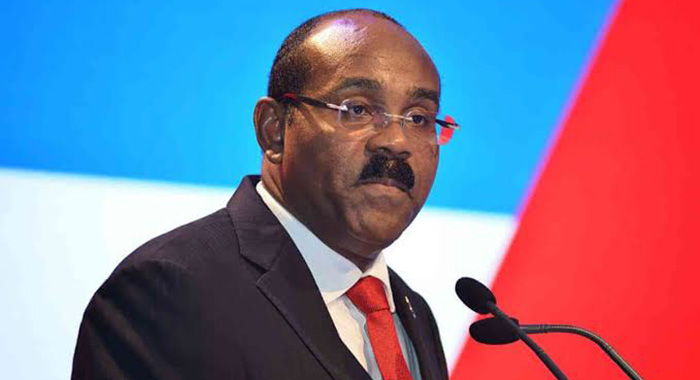
    Sean Sobers, Trinidad and Tobago’s Minister of Foreign and Caricom Affairs, has found himself at the center of a series of diplomatic challenges since assuming his role. Tasked with enhancing the nation’s international relations and global standing, Sobers has instead overseen a deterioration in ties with Caricom and neighboring Venezuela. His support for stringent measures against Venezuelan migrants has further strained relations, while his alignment with U.S. interests has sparked domestic debate. Sobers’ tenure began controversially in May when his comments on the disappearance of a young man in Antigua drew sharp criticism from Antiguan Prime Minister Gaston Browne. By July, he was forced to backtrack on claims of resolving the UK’s visa requirements for TT citizens, instead detailing the complexities behind the decision. By August, Sobers appeared to echo Prime Minister Persad-Bissessar’s stance on neutrality in the U.S.-Venezuela conflict, even as she controversially endorsed extrajudicial killings in international waters. The minister’s handling of the evacuation of TT students stranded in Jamaica during a hurricane in October highlighted disorganization and inefficiency, with students receiving flight notifications after the planes had departed. At a post-cabinet briefing on October 30, Sobers adopted a defensive tone with the media, refusing to commit to compassionate treatment of illegal immigrants and deflecting questions about U.S. evidence in at-sea strikes. His recent press release on TT’s “security environment,” which he read during the State of Emergency debate, further blurred the lines between his role and those of the homeland security and defense ministries. Six months into his tenure, Sobers must now embrace the diplomacy central to his role, foster cabinet consensus on foreign policy, and address the significant challenges facing TT.

  • Dookeran calls for “innovative diplomacy” in wake of growing US/Venezuela tensions

    Dookeran calls for “innovative diplomacy” in wake of growing US/Venezuela tensions

    In a compelling keynote address at the Rapid Fire Kidz Foundation’s annual dinner, former Trinidad and Tobago Foreign Affairs Minister Winston Dookeran emphasized the urgent need for ‘innovative diplomacy’ to navigate the escalating geopolitical tensions between the United States and Venezuela. Speaking at the Achievors Banquet Hall in La Romaine on November 1, Dookeran highlighted the importance of unity and courage in fostering peace and stability in the region. The event, themed ‘Jurassic,’ raised nearly $30,000 through the auction of dinosaur fossils, blending geopolitics, history, and humanitarian efforts. Dookeran’s address, titled ‘Fireworks of Ideas that Shaped Trinidad and Tobago’s Journey at Independence,’ drew parallels between the nation’s founding principles and the current challenges. He urged Trinidad and Tobago to draw inspiration from its 1962 independence movement, emphasizing that peace and development are interdependent. The former minister also paid tribute to the late Darryl Ratiram, father of Rapid Fire Kidz Foundation president Kevin Ratiram, presenting a copy of his speech in his honor. Kevin Ratiram, a prominent humanitarian, echoed Dookeran’s call for compassion, particularly for Venezuelan migrant children displaced by political and economic turmoil. Ratiram shared the Foundation’s efforts to establish a learning center for these children, despite facing community prejudice. He stressed the need for empathy and acceptance, urging citizens to move beyond tolerance and embrace inclusivity. The evening’s message underscored Trinidad and Tobago’s strength in its humanity, with Dookeran concluding, ‘The fireworks of independence were lit by ideas. Tonight, the fireworks of compassion burn just as brightly.’

  • Former Prince Andrew to lose his last military rank

    Former Prince Andrew to lose his last military rank

    The United Kingdom government announced on Sunday its intention to revoke Prince Andrew’s honorary title of vice-admiral, marking the final step in stripping him of all military ranks. This decision follows King Charles III’s removal of Andrew’s remaining royal titles and honors on Thursday, as public outrage grows over his association with convicted sex offender Jeffrey Epstein. Defense Minister John Healey confirmed the move during an interview with the BBC, stating that the government is acting under the guidance of the king. Healey also indicated that discussions are ongoing regarding whether Andrew should forfeit his military medals. Andrew, who served as a Royal Navy helicopter pilot during the 1982 Falklands War, retired in 2001 after 22 years of service. His military titles were initially revoked by his mother, the late Queen Elizabeth II, in 2022 after he was sued by Virginia Giuffre, Epstein’s primary accuser. The controversy deepened with the release of a 2010 email in US court documents, in which Andrew expressed plans to meet Epstein in New York after the latter’s release from prison for sex trafficking minors.