分类: politics

  • Dominican Republic elected to lead OAS Group on maritime drug trafficking

    Dominican Republic elected to lead OAS Group on maritime drug trafficking

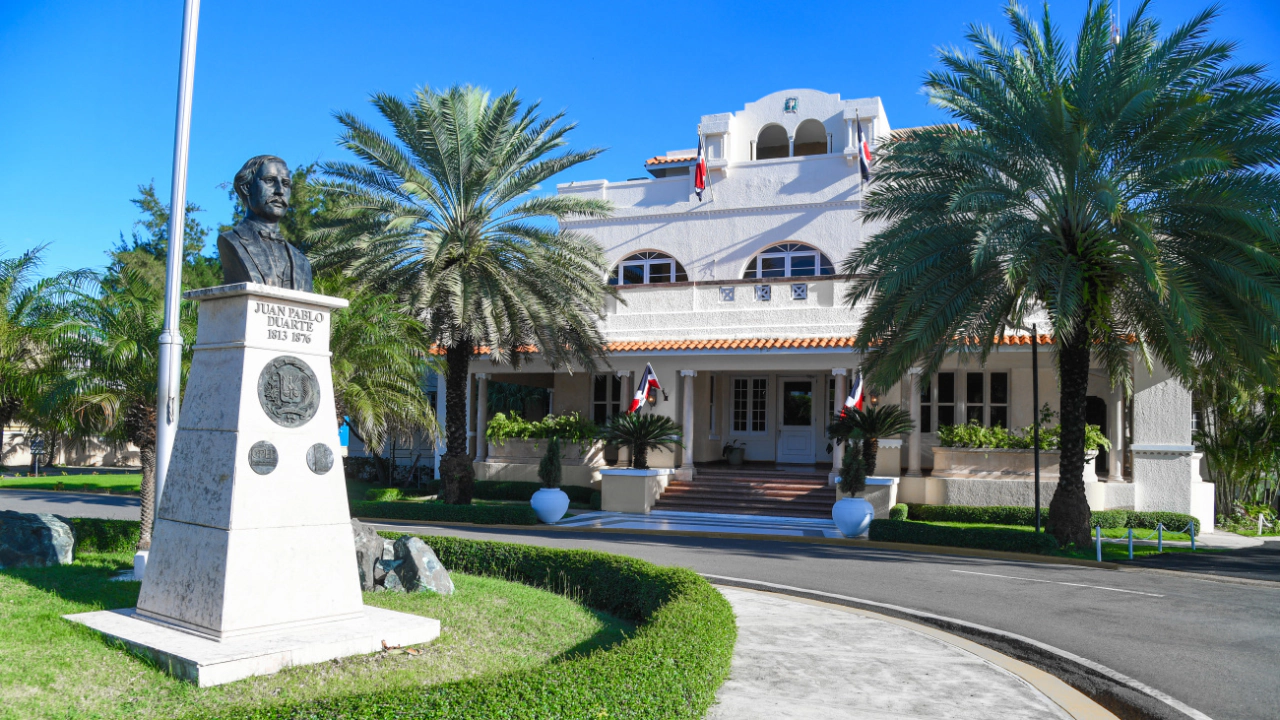
    In a significant development for regional security cooperation, the Dominican Republic has achieved unanimous election to chair the Inter-American Commission for the Control of Drug Abuse (CICAD) Group of Experts on Maritime Drug Trafficking. The appointment occurred during the 78th Session of CICAD, an Organization of American States (OAS) agency, held in Washington, D.C., where all member states endorsed the Caribbean nation’s leadership through acclamation.

    The Dominican Ministry of Foreign Affairs (MIREXRD) emphasized that this prestigious designation underscores the country’s strengthened dedication to international collaboration and hemispheric security initiatives. The nation will coordinate closely with its Naval forces and the National Drug Council to enhance multinational efforts targeting narcotics transportation via maritime routes.

    Dr. Rafael Guerrero Peralta, presiding over the National Drug Council, formally presented the nation’s candidacy and subsequently assumed leadership of the expert panel. The session convened representatives from all 34 CICAD member states to deliberate on comprehensive strategies against transnational organized crime, with particular emphasis on illicit sea-based drug transportation and the growing prevalence of synthetic substances including ecstasy, LSD, and ketamine throughout Latin American communities.

    Additional critical agenda items involved refining national implementation frameworks, enhancing financial intelligence capabilities to dismantle trafficking networks, examining alternatives to traditional incarceration, and advancing broader security and stability objectives across the Americas region.
  • Justice : No embezzlement at the Ministry of Culture, concludes the ULCC

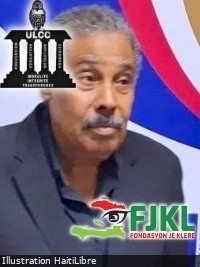
    Justice : No embezzlement at the Ministry of Culture, concludes the ULCC

    In a significant development for Haiti’s governance transparency, the Unit for Combating Corruption (ULCC) has officially exonerated the Ministry of Culture and Communication following a comprehensive investigation into alleged financial misconduct. The probe, initiated in response to public allegations from the “Je Klere” Foundation (FJKL), specifically examined claims of irregular disbursements through debit cards to senior officials within both the Ministry and the Institute for the Safeguarding of National Heritage (ISPAN). These allegations were connected to funds allocated for the Project for the Development, Restoration, and Protection of Heritage Sites.

    Culture Minister Patrick Delatour publicly acknowledged the ULCC’s findings, which conclusively determined that none of the Foundation’s accusations could be substantiated. The exhaustive audit instead resulted in the formulation of administrative and institutional recommendations aimed at strengthening financial protocols.

    Minister Delatour, while welcoming the vindication, emphasized the critical responsibility of media and civil society in responsibly handling such sensitive information. He urged balanced and professional reporting on the ULCC’s conclusions to prevent misinformation that could potentially undermine social cohesion and destabilize governmental institutions. This case represents a notable test of Haiti’s anti-corruption mechanisms and their capacity to address serious public allegations against government bodies.

  • SeNaSa corruption case sparks protest outside the Attorney General’s Office

    SeNaSa corruption case sparks protest outside the Attorney General’s Office

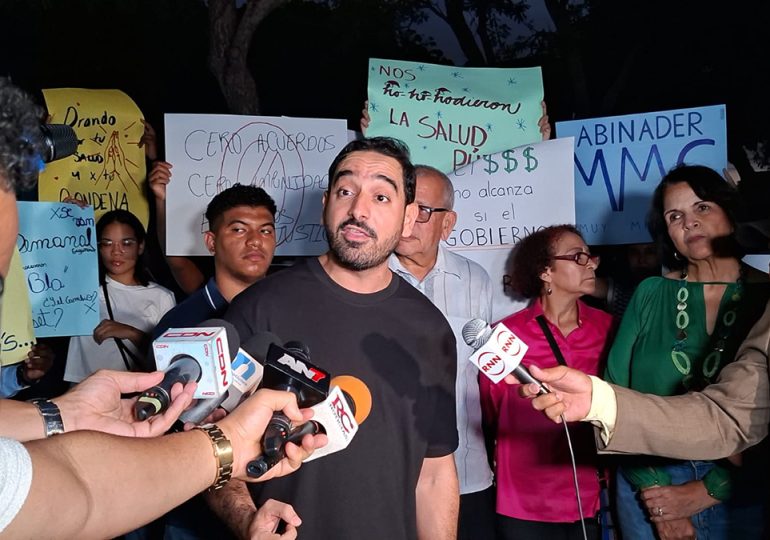
    SANTO DOMINGO – A significant public demonstration unfolded outside the Attorney General’s Office in Santo Domingo as citizens, spearheaded by Democratic Option party president José Horacio Rodríguez, voiced their fury over alleged systemic corruption within the National Health Insurance scheme (SeNaSa). The protest highlighted a deepening crisis of public trust, with Rodríguez issuing a stark warning that corruption remains entrenched as long as political influence is tied to financial power.

    Rodríguez characterized the national mood as one of ‘profound and collective outrage,’ urging Dominican society to critically examine the caliber of its elected leadership. He condemned the purported activities at SeNaSa as acts of ‘blatant corruption,’ referencing reports that suggest bribe solicitations commenced as early as October 2020. He asserted that the individuals implicated assumed their roles with no genuine commitment to enhancing the nation’s public healthcare system, betraying the public’s trust from the outset.

    The party leader posited that the scandal validates a pervasive public sentiment: state funds are available but are systematically pilfered before reaching the citizens they are intended to serve. While demanding exemplary judicial action against those responsible, Rodríguez cautioned that punitive measures alone are an inadequate solution. He emphasized that the existing structural framework perpetuates corruption across vital sectors including healthcare, housing, and public infrastructure.

    Further intensifying his critique, Rodríguez directly challenged President Luis Abinader’s governance and control over the state apparatus. This challenge came in response to official government communications that had downplayed the SeNaSa affair, characterizing it merely as a manageable financial shortfall rather than a grave corruption scandal.

  • GY$100,000 cash grant in 2026 budget

    GY$100,000 cash grant in 2026 budget

    In a significant national address delivered Wednesday evening at the Arthur Chung Conference Centre in Liliendaal, President Irfaan Ali unveiled substantial economic measures that will directly impact Guyanese citizens. The centerpiece announcement confirmed that all Guyanese citizens aged 18 and above will receive a cash grant of GY$100,000 (approximately US$480), with funding allocated in the forthcoming 2026 national budget.

    During his comprehensive two-hour presentation to diplomats and senior government officials, President Ali emphasized that cash transfers serve as crucial instruments for achieving specific policy objectives. He further indicated that additional cash grants would be distributed throughout his five-year presidential term, though specific details and timelines were not fully elaborated.

    The announcement follows previous campaign trail promises made during the 2025 general election, where President Ali had suggested citizens might receive Christmas holiday cash grants conditional on good behavior. The delayed implementation has sparked speculation within political circles, with some observers suggesting the administration may be avoiding parliamentary procedures that would involve interaction with opposition figures.

    Notably, the main opposition WIN party leader Azruddin Mohamed and his father currently face extradition proceedings to the United States over alleged financial crimes. House Speaker Manzoor Nadir has yet to convene a meeting for Mohamed’s constitutional election as Opposition Leader, a position that Attorney General Anil Nandlall believes could potentially harm Guyana’s international reputation.

    In parallel developments, President Ali announced substantial wage increases for government workers, who will earn GY$50,000 monthly beginning next year. The administration also revealed ambitious plans to establish tax-free special development zones nationwide, strategically designed to boost employment in non-oil sectors through import substitution initiatives. These zones will specifically target regions with high unemployment needs while promoting economic activities that generate export earnings or reduce import dependency.

    The precise locations for these development zones will be formally identified in the 2026 budget presentation. Additionally, the government committed to providing financing programs for Amerindian communities to enhance housing quality and infrastructure development.

  • Maduro speaks to U.N. Secretary General about regional tensions in wake of U.S. attacks

    Maduro speaks to U.N. Secretary General about regional tensions in wake of U.S. attacks

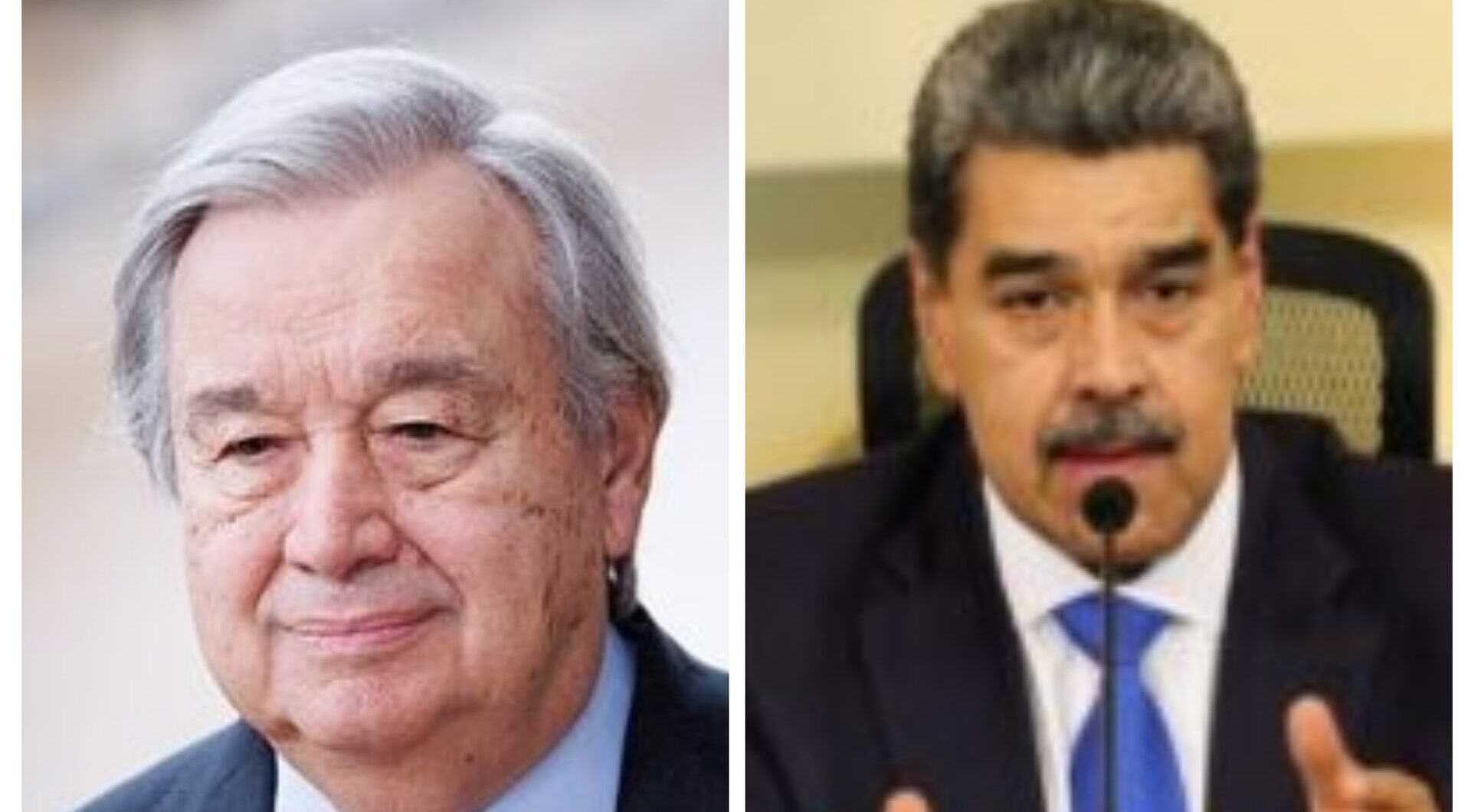
    Venezuelan President Nicolás Maduro Moros has initiated high-level diplomatic communications with United Nations Secretary-General António Guterres amid deteriorating security conditions in the Caribbean basin. This strategic telephone dialogue occurred following a series of lethal military operations conducted by United States naval forces against Venezuelan-flagged vessels.

    The U.S. government has formally characterized these strikes as targeted interventions against narcotics trafficking networks operating throughout the southern Caribbean maritime routes. Official statements from Washington maintain that these operations specifically aimed to disrupt sophisticated drug smuggling operations allegedly facilitated through Venezuelan maritime channels.

    According to detailed readouts from UN headquarters, Secretary-General Guterres articulated critical positions regarding international legal frameworks during the exchange. The diplomatic conversation emphasized the fundamental necessity for all UN Member States to uphold their established obligations under international law, particularly those enshrined within the United Nations Charter.

    The Secretary-General further advocated for measured diplomatic approaches, explicitly encouraging both parties to exercise maximum restraint. Guterres stressed the urgent need for de-escalation mechanisms to preserve regional peace and stability, highlighting the UN’s readiness to facilitate dialogue between the involved nations. This development marks a significant escalation in international attention to Caribbean security matters, with potential implications for multilateral relations throughout the Western Hemisphere.

  • Thorne: Govt undermining civil service independence

    Thorne: Govt undermining civil service independence

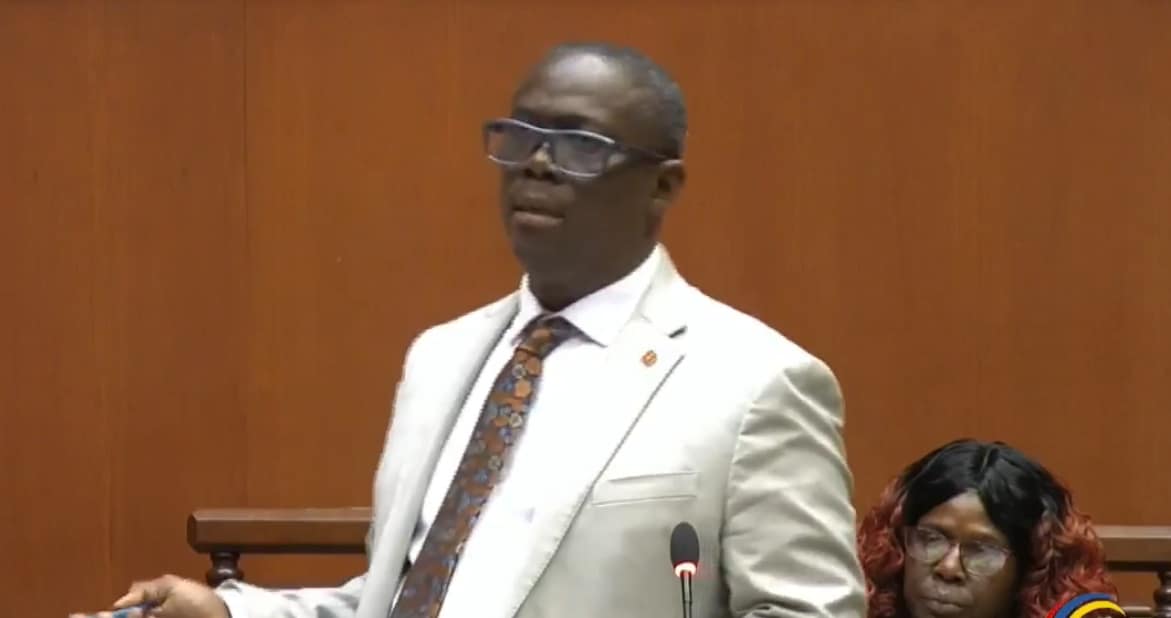
    In a sweeping critique delivered before the House of Assembly, Opposition Leader Ralph Thorne launched a vehement condemnation of the Mia Mottley administration’s appointment practices, alleging systematic erosion of institutional independence within Barbados’ civil service and judiciary.

    Thorne articulated profound concerns regarding the government’s propensity for installing departmental heads and even judicial figures on limited three to four-year contractual terms. He characterized this approach as a form of political interference that fundamentally compromises the autonomy of public servants. The practice, he contended, creates an environment where senior appointees prioritize contract renewal over providing impartial, objective counsel to political leadership.

    While acknowledging the Public Service (Appointments) Bill as a ‘noble’ legislative measure that would secure permanent positions for over 2,000 civil servants—including 1,170 temporary workers—and facilitate more than 900 promotions, Thorne maintained that the public service remains in a state of significant turmoil. He suggested the timing of this legislation appeared strategically aligned with impending general elections rather than genuine administrative reform.

    The opposition leader detailed widespread frustration throughout the public service hierarchy, attributing this discontent to the government’s policy of ‘planting’ contract-based personnel at senior departmental levels. Thorne emphasized that the historical integrity of Barbados’ civil service rested upon security of tenure, which enabled public officers to deliver independent advice without employment insecurity. He starkly contrasted traditional appointments ‘by status’ with the current administration’s contractual approach, which he believes undermines established public service traditions.

    Thorne delivered a pointed reminder to civil servants that their employment exists independently of Cabinet members, stating ministers are not their employers but rather policy directors. He issued a direct caution to government ministers against operational interference within departments, urging them to ‘stay out of the people’s places of work.’

    Expanding his critique beyond administrative structures, Thorne addressed systemic issues in education and law enforcement. He reported that teachers across the island experience severe burnout, noting educators frequently assume surrogate parental roles by providing lunch for students. Thorne challenged the government’s economic prosperity narrative, asserting that in a genuinely ‘buoyant’ economy with seventeen consecutive growth quarters, no child should attend school hungry.

    Regarding law enforcement, Thorne acknowledged the government’s introduction of substantial detective allowances but warned this measure has created problematic divisions between detectives and uniformed officers within the Barbados Police Service, potentially undermining operational cohesion.

  • ‘Lies, Lies and Statistics’: Senator Brown Casts Doubt on Budget Numbers

    ‘Lies, Lies and Statistics’: Senator Brown Casts Doubt on Budget Numbers

    In a striking address to the Upper House, Opposition Senator Alex Brown has launched a rigorous critique against the government’s 2026 budgetary accounting methods, casting serious doubt on the authenticity of presented fiscal figures. During the heated budget debate proceedings, Senator Brown drew parallels between the government’s financial representations and the thematic warnings of a notable publication titled ‘Lies, Lies and Statistics,’ suggesting that numerical data can be strategically arranged to distort economic realities.

    Brown fundamentally challenged the administration’s declaration of a budget surplus, contending that the calculations deliberately excluded substantial interest payments from expenditure tallies. ‘The revenue and expenditure estimates superficially indicate a surplus,’ Brown stated, ‘but subsequent documentation reveals omitted interest obligations that fundamentally alter the fiscal picture.’ He maintained that incorporating these concealed costs would effectively eliminate the purported surplus entirely.

    Leveraging his professional background in hotel management, the senator illustrated how budgetary frameworks can be engineered to reclassify expenses, thereby presenting artificially favorable outcomes. This practice, he noted, mirrors accounting techniques occasionally employed within private sector operations.

    Additionally, Brown raised alarms regarding the administration’s borrowing strategy, observing that the actual financing requirements significantly surpassed initially disclosed projections. Emphasizing Parliament’s constitutional duty to ensure fiscal transparency, the senator urged colleagues to conduct meticulous scrutiny of all borrowing and financing arrangements, concluding with a call for rigorous independent verification of all governmental financial disclosures.

  • PM Skerrit says U.S. travel ban is a surprise since Dominica has complied with U.S. requirements

    PM Skerrit says U.S. travel ban is a surprise since Dominica has complied with U.S. requirements

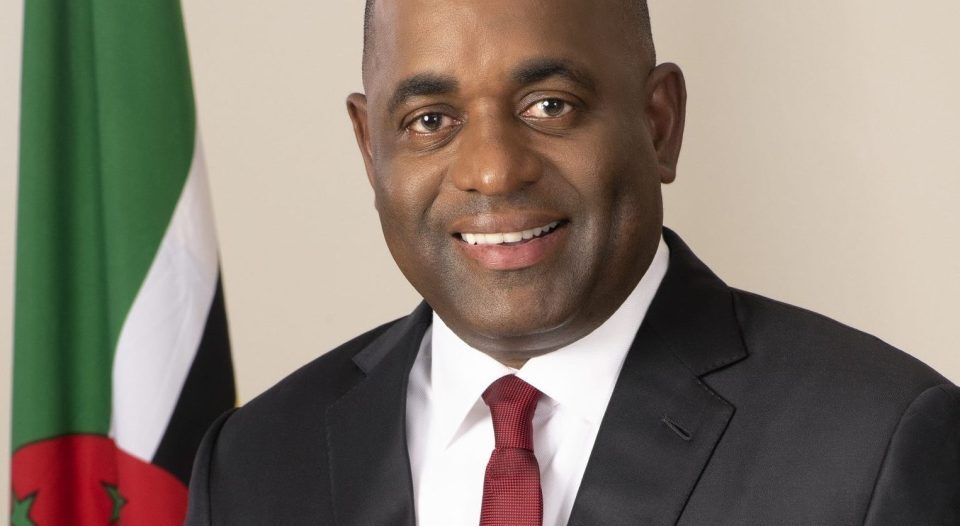
    Prime Minister Roosevelt Skerrit of Dominica has expressed profound surprise regarding the United States’ recent decision to impose entry restrictions on Dominican citizens. The measure, enacted through a presidential proclamation signed on December 16, 2025, by President Donald Trump, cites national security concerns and weaknesses in foreign identity-management systems as justification.

    During a live radio interview on DBS Radio, PM Skerrit clarified that while his government respects U.S. sovereignty, the rationale behind the decision appears contradictory. The U.S. government specifically cited Dominica’s Citizenship by Investment (CBI) program lacking a residency requirement as a primary concern. However, Skerrit revealed that Dominica had recently enacted comprehensive legislation on October 15, 2025, that explicitly establishes residency requirements—a framework developed with direct input and approval from various U.S. government departments, including the Treasury Department and the U.S. Embassy in Barbados.

    The Prime Minister disclosed that immediate contacts with U.S. officials yielded further surprise, as Embassy and State Department contacts indicated they had no prior formal information about the restrictions and were themselves surprised by the White House’s action. Skerrit characterized this development as a potential miscommunication between different branches of the U.S. government.

    Skerrit emphasized his administration’s commitment to resolving the matter through diplomatic channels, with formal communications being sent to seek clarification and urge reconsideration. He simultaneously urged calm among Dominican citizens, assuring them that his government would maintain transparency throughout the process.

    The Prime Minister also highlighted the critical importance of the CBI program to Dominica’s economic resilience, noting its essential role in funding disaster recovery efforts following Tropical Storm Erika, Hurricane Maria, and the COVID-19 pandemic, as well as financing vital infrastructure projects including hospitals, schools, and roads. He contextualized Dominica’s program within global practices, noting that many developed nations maintain similar investment migration programs.

    Skerrit concluded by expressing confidence that through continued dialogue, the situation could be resolved, emphasizing that if the stated reason is indeed the residency requirement, it has already been addressed with U.S. cooperation and approval.

  • Failure to comply with PAC summons can amount to contempt of Parliament

    Failure to comply with PAC summons can amount to contempt of Parliament

    Grenada’s Public Accounts Committee (PAC) Chairman Emmalin Pierre has issued a stern warning that public officials failing to comply with parliamentary summonses will face serious consequences for breaching parliamentary authority. The declaration came during an awareness seminar held on December 16, 2025, attended by audit department officials and statutory body directors.

    Pierre emphasized that non-compliance with lawful summonses or document requests constitutes a serious violation not just against the committee but against the Parliament of Grenada itself. The opposition leader, who assumed her position in February 2025, stressed that the PAC’s fundamental duty involves safeguarding the Audit Department’s independence while ensuring it receives adequate resources to fulfill its mandate.

    The recently conducted seminar aimed to clarify institutional roles, minimize misunderstandings, and foster collaborative relationships rather than confrontational dynamics. This initiative followed PAC members’ participation in specialized training at the UK Parliament in July 2025, demonstrating the committee’s commitment to international best practices in governmental oversight.

    Pierre articulated that effective oversight of public funds requires practical implementation beyond theoretical frameworks, necessitating professional and respectful relationships that preserve the Auditor General’s autonomy. She urged participants to view PAC recommendations as improvement tools rather than criticism, emphasizing the critical importance of timely information sharing and constructive responses to audit findings.

    The committee’s work ultimately centers on maintaining public trust, with Pierre noting that citizens directly experience the consequences of weak accountability systems. Strong oversight mechanisms, she argued, build democratic confidence and enhance service delivery effectiveness across government institutions.

    The PAC comprises cross-parliamentary representation including Kate Lewis-Peters and Dr. Clarice Modeste from the Lower House, alongside Salim Rahaman and Roderick St Clair from the Upper House, forming a five-member body dedicated to financial accountability and governance oversight.

  • OP-ED: Immigration restrictions on nationals from Antigua and Barbuda and Dominica – An analysis of crime rates, CBI program security, and ethical considerations

    OP-ED: Immigration restrictions on nationals from Antigua and Barbuda and Dominica – An analysis of crime rates, CBI program security, and ethical considerations

    A recent policy proclamation by the United States government imposing entry restrictions on nationals from Antigua and Barbuda and Dominica has sparked significant debate regarding its empirical foundation and ethical implications. Issued on December 16, 2025, and justified on national security grounds, this measure faces mounting scrutiny from immigration experts and ethicists alike.

    Extensive criminological research demonstrates that immigrants from Caribbean nations consistently exhibit lower crime rates than native-born U.S. citizens. Comprehensive studies reveal immigrant incarceration rates significantly below those of U.S.-born individuals, with undocumented immigrants showing conviction rates 26–61% lower for serious crimes including homicide. While specific data on Antiguan and Dominican nationals is limited due to small diaspora populations, aggregated Caribbean immigrant statistics align with these broader trends, showing substantially lower incarceration and conviction rates compared to native-born Americans.

    The Citizenship by Investment (CBI) programs operated by Antigua and Barbuda and Dominica incorporate multilayered security protocols that exceed many standard visa requirements. Both nations mandate rigorous background checks through Interpol, World-Check, and third-party international vetting firms. Antigua and Barbuda requires certified documents, police certificates, and enhanced due diligence fees ranging from US$7,500–$8,500 for main applicants. Dominica has implemented mandatory interviews since 2024 alongside sophisticated vetting procedures, with primary applicant fees set at US$7,500. These programs maintain substantial rejection rates for high-risk applicants, demonstrating proactive risk management.

    Ethical considerations present further challenges to nationality-based restrictions. Philosophical frameworks emphasize the violation of equal moral worth when policies discriminate based on arbitrary birth circumstances rather than individual risk assessment. Such measures echo historical exclusions rooted in racial and ethnic prejudice, conflicting with fundamental human rights principles. From a moral perspective, collective punishment of entire nationalities for hypothetical risks contradicts religious imperatives of hospitality and presumes guilt by association—a fundamental violation of justice principles.

    Legal experts note that legitimate restrictions require proportionate, evidence-based justification. The absence of data indicating higher criminality among Antiguan or Dominican nationals undermines claims of necessity under international law standards. The sophisticated due diligence mechanisms within CBI programs further negate security rationales for blanket restrictions.

    The comprehensive analysis concludes that empirical evidence, security protocols, and ethical frameworks all fail to support nationality-based entry restrictions. Policy recommendations emphasize individualized assessment approaches that respect human dignity while maintaining security through evidence-based methods rather than collective stigma.