分类: politics

  • Duartian Institute alerts to threats against nationality and sovereignty

    Duartian Institute alerts to threats against nationality and sovereignty

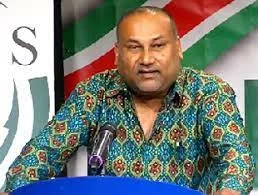
    Santo Domingo, Dominican Republic – The Duartian Institute, a prominent national institution, has issued a stark warning regarding alleged attempts by influential sectors to undermine Constitutional Court ruling 168-13. Dr. Wilson Gómez Ramírez, President of the Institute, declared on Monday that powerful forces are seeking to reverse the landmark decision which mandated a comprehensive cleansing of the civil registry and established stringent regulations for nationality criteria.

    Dr. Gómez Ramírez emphasized that the ruling provides an unequivocal definition of the status of foreigners in transit, a matter he asserts falls squarely within the sovereign authority of the Dominican State. He delivered these statements during a board meeting at the Duarte Museum and House in the Colonial City, coinciding with the presentation of events commemorating the 213th anniversary of national hero Juan Pablo Duarte y Díez’s birth.

    The institution simultaneously condemned initiatives aimed at subjecting the Dominican Republic to the jurisdiction of the Inter-American Court of Human Rights, characterizing such moves as a direct assault on national sovereignty and a threat to Dominican identity. To substantiate this stance, the Institute President drew upon the constitutional philosophy and historical writings of Duarte himself, highlighting the founding father’s unwavering defense of popular sovereignty and national honor.

    Dr. Gómez Ramírez cautioned that any endeavor to nullify the court’s decision would fundamentally endanger Dominican nationality and territorial integrity. He issued a compelling call to action, urging patriotic, social, political, and professional organizations to maintain heightened vigilance and foster unity in protecting the national interest.

    In related developments, the Duartian Institute unveiled an extensive program of activities to honor Duarte’s legacy, commencing January 18 with the ‘Cavalcade for the Homeland’—an equestrian parade departing from the Altar of the Homeland through the Colonial City’s main thoroughfares. The official anniversary ceremonies on January 26 will begin with a flag-raising ceremony at the Duarte-Díez family residence on Isabel la Católica Street, accompanied by a performance of the National Anthem by the Capital Fire Department band. Additional commemorative events are scheduled both domestically and internationally.

  • FLASH : The House of Representatives extends the HOPE/HELP laws for Haiti

    FLASH : The House of Representatives extends the HOPE/HELP laws for Haiti

    In a significant bipartisan move, the U.S. House of Representatives has passed legislation extending critical trade preferences for Haiti through December 31, 2028. The passage of Bill H.R. 6504 ensures the continuation of the Haitian Hemispheric Opportunity Through Partnership for Encouragement (HOPE) and the Haiti Economic Lift Program (HELP) Act, marking a crucial development in U.S.-Caribbean relations.

    Democratic Congresswoman Stacey E. Plaskett, a primary advocate for the legislation, hailed the decision as a strategic victory for both Haiti and United States regional engagement. “The bipartisan support for reauthorizing HOPE/HELP demonstrates that when it comes to supporting our neighbors and advancing our shared interests, Democrats and Republicans can work together,” Plaskett stated in an official release.

    The trade preference program enjoys substantial congressional backing due to its dual benefits: strengthening Haiti’s economic foundation while advancing U.S. strategic interests. The program supports Haitian apparel manufacturing that utilizes American cotton and contributes to shifting supply chains from China to the Western Hemisphere.

    Plaskett acknowledged key figures instrumental in the legislation’s passage, including Ranking Member Neal, Chairman Smith, Dr. Murphy, and Haiti’s Ambassador to the United States, Lionel Delatour. She also recognized the efforts of civil society organizations and American manufacturers who advocated for the program’s renewal.

    The extension promises greater economic stability for Haiti by fostering bilateral trade relations, providing investor certainty, and creating employment opportunities. The legislation now moves to the U.S. Senate for consideration before potentially reaching the President’s desk for final approval.

  • Information from the Revolutionary Government on the posthumous tribute to Cuban combatants who fell in the line of duty in the Bolivarian Republic of Venezuela

    Information from the Revolutionary Government on the posthumous tribute to Cuban combatants who fell in the line of duty in the Bolivarian Republic of Venezuela

    HAVANA – Cuba commenced solemn ceremonies on Thursday to honor 32 military personnel reportedly killed during what authorities describe as a “criminal attack” by the United States against Venezuela. The remains arrived at José Martí International Airport where an official military reception was held.

    The procession traveled along Rancho Boyeros Avenue to the Ministry of the Revolutionary Armed Forces headquarters, with citizens lining the route to pay respects to the fallen combatants. Starting at 10:00 a.m., the public was permitted access to view the remains at the ministry building.

    Additional commemorative events are scheduled throughout the country. On Friday morning, Havana residents will gather at the José Martí Anti-Imperialist Tribune to initiate the “March of the Fighting People,” symbolizing national solidarity. Simultaneous tribute ceremonies will occur in all provincial capitals at 9:00 a.m., followed by burials in local pantheons for fallen defenders at 4:00 p.m.

    The Cuban government has declared 2026 as the “Year of the Centennial of Commander-in-Chief Fidel Castro Ruz,” adding historical significance to the ceremonies. Official statements honored the soldiers as heroes who fell defending Venezuela’s Bolivarian Republic, though the United States government has not officially commented on the alleged incident.

    The coordinated national observances represent one of Cuba’s most significant military commemorations in recent years, highlighting ongoing geopolitical tensions in the region.

  • “There are no talks with the U.S. government, except for technical contacts in the field of migration”

    “There are no talks with the U.S. government, except for technical contacts in the field of migration”

    Cuban President Miguel Díaz-Canel Bermúdez has categorically stated that his government maintains no diplomatic negotiations with United States authorities beyond technical discussions regarding migration matters. The First Secretary of Cuba’s Communist Party Central Committee made these declarations through official channels on January 13, 2026.

    President Díaz-Canel clarified that while Cuba remains open to substantive dialogue with successive U.S. administrations, including the current government, such discussions must be grounded in specific principles. These include mutual respect for sovereign equality, adherence to international law standards, reciprocal benefits without internal interference, and unequivocal recognition of Cuban independence.

    The Cuban leader presented a detailed critique of the longstanding economic embargo, characterizing it as an extreme and continuously tightening policy fundamentally disconnected from the Cuban diaspora population in the United States. He attributed migration patterns primarily to the failed U.S. policy approach and special provisions within the Cuban Adjustment Act.

    Díaz-Canel further asserted that Cuban-Americans have become victims of shifting migration policies and what he termed ‘the betrayal of Miami politicians.’ Despite these tensions, the president emphasized Cuba’s continued compliance with existing bilateral migration agreements.

    Historical context indicates, according to the president, that sustainable progress in Cuba-U.S. relations requires foundation in international legal frameworks rather than strategies of hostility, economic coercion, or political threats. The statements represent Cuba’s most recent positioning regarding the complex bilateral relationship with its northern neighbor.

  • Today, for Cuba, there is no other path than the one it has always followed

    Today, for Cuba, there is no other path than the one it has always followed

    In a significant escalation of geopolitical tensions, the United States administration has issued a stark ultimatum to Cuba amid broader regional instability following recent military operations against Venezuela. President Donald Trump has employed inflammatory language suggesting military action as a probable option, while Secretary of State Marco Rubio presented Havana with a political demand: either transition to what he termed a “real economy” and alter its political system, or face intensified blockade measures and unprecedented pressure.

    This aggressive posture represents a dramatic departure from diplomatic norms, with Washington employing tactics including threats against sovereign nations, presidential kidnappings, and military interventions that fundamentally undermine established international relations frameworks. The administration appears to have abandoned conventional diplomatic pretenses, openly acknowledging its intention to economically strangle the Cuban people rather than maintaining previous rhetoric about democracy and human rights.

    Historical parallels emerge to the Reagan era, when similar threats were met with resolve by Commander-in-Chief Fidel Castro, who advocated unwavering firmness as the only appropriate response. Contemporary Cuban leadership appears to be embracing this same philosophy, indicating they will confront, resist, and ultimately defeat whatever challenges the U.S. imposes across any domain of conflict.

    Analysts suggest these aggressive maneuvers may reflect desperation from a declining power attempting to reassert hegemonic control through fear amid internal domestic crises, potentially pushing global stability to the brink.

  • Domestic Terrorism Legislation not necessary, says attorneys-at-law

    Domestic Terrorism Legislation not necessary, says attorneys-at-law

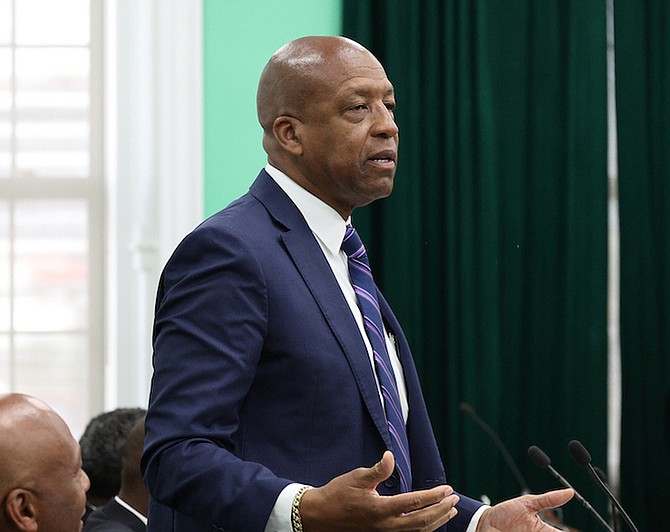
    In the wake of a violent shooting incident that injured ten individuals following a cruise event, a significant legal debate has emerged in Barbados regarding the government’s proposed approach to combating organized violence. Prime Minister Mia Mottley has advocated for the implementation of domestic terrorism legislation, arguing that current legal tools are insufficient to address violence specifically intended to terrorize communities. However, prominent defense attorneys Sian Lange and Simon Clarke have presented a counterargument, suggesting that such measures represent legislative overreach.

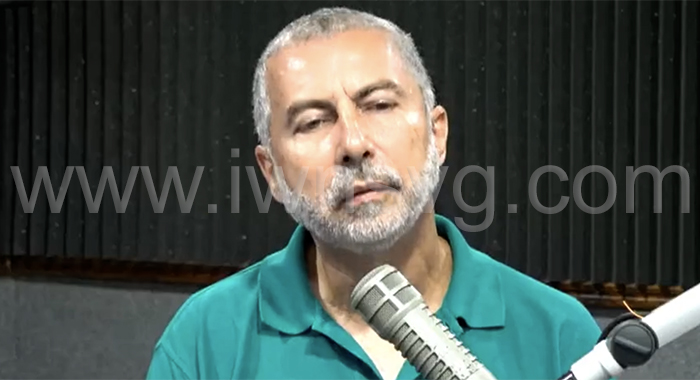
    Legal experts contend that existing frameworks, particularly Section Three of Barbados’ Anti-Terrorism Act of 2002, already provide adequate provisions for prosecuting acts intended to intimidate the public or compel government action through violence. Attorney Lange emphasized the subjective nature of terror as an emotion, questioning how legislation could objectively define which feelings constitute terrorism when perceptions vary dramatically within society.

    The attorneys instead propose that the government focus on addressing underlying socioeconomic conditions that foster gang recruitment and criminal activity. They argue that poverty, lack of opportunity, and systemic disenfranchisement create environments where criminal enterprises thrive. Lange specifically identified those who exploit socioeconomically marginalized youth as the true instigators of violence, suggesting they bear greater responsibility than those who carry out the acts.

    Clarke recommended more targeted anti-gang legislation complemented by comprehensive prevention, education, and rehabilitation programs. This approach, he argued, would directly address criminal organizations without unnecessarily expanding state powers or infringing upon civil liberties. Both attorneys agreed that while domestic terrorism laws might become necessary if gangs evolve to employ terror tactics, current circumstances don’t warrant such extreme measures and that the government’s priority should be addressing root causes rather than expanding punitive legal frameworks.

  • Dominicans should capitalize on opportunities that come with an international airport, urges PM Skerrit

    Dominicans should capitalize on opportunities that come with an international airport, urges PM Skerrit

    Prime Minister Roosevelt Skerrit has issued a compelling call to action for Dominican citizens, urging them to strategically position themselves to harness the economic potential generated by the nation’s new international airport. During an official site inspection at the Wesley airport construction location last week, Skerrit emphasized that while the government’s responsibility lies in infrastructure development, the onus now shifts to the populace to leverage emerging opportunities.

    The Prime Minister revealed significant international interest in Dominican real estate, disclosing that foreign investors have attempted to purchase substantial land parcels—including one offer exceeding 100 acres—prompting government intervention to protect national assets. “We’ve had to hold it back because there are some lands I believe should stay with the people of Dominica,” Skerrit stated, highlighting the need for domestic economic empowerment.

    Skerrit proposed concrete collaborative approaches for local entrepreneurship, suggesting citizens form consortiums or companies to develop hospitality infrastructure including Airbnb facilities, guest houses, and accommodation services targeting airport staff, airline employees, and transit visitors. The Prime Minister articulated a comprehensive vision of nationwide economic integration, explaining how the airport will stimulate growth across all geographic regions and economic sectors—from fisheries in Scottshead to tourism in the valley, agricultural exports from Marigot farmers, and artisanal crafts from the Kalinago Territory.

    Currently employing over 100 Dominican workers during its development phase, the international airport project represents a transformative economic catalyst designed to generate multidimensional benefits across the entire island nation, connecting local producers and service providers with global markets and opportunities.

  • ComPol Rosado Speaks on Free Zone’s Policing Measures

    ComPol Rosado Speaks on Free Zone’s Policing Measures

    COROZAL FREE ZONE, BELIZE – January 12, 2026 – Belize has implemented enhanced security protocols in the Corozal Free Zone since December 2025, employing innovative multi-agency policing strategies to combat criminal threats. Commissioner of Police Dr. Richard Rosado today detailed the comprehensive security overhaul, emphasizing the collaborative nature of the operation.

    “Our methodology in the free zone has consistently embraced an interagency framework,” stated Commissioner Rosado. “We are operating with full support from both the Belize Defence Force and the Coast Guard to maintain security throughout the Free Zone territory. This represents a unified cooperative endeavor to ensure comprehensive policing of our border regions.”

    The security enhancement initiative introduced last month incorporates all-terrain vehicles for police patrols, residential facilities for deployed military personnel, and reinforced coordination mechanisms with customs and immigration authorities. According to Florencio Marin, the newly appointed Minister of National Defence and Border Security, these measures are designed to protect shoppers while addressing criminal enterprises and cartel-related threats.

    Commissioner Rosado expressed optimism about working with the recently appointed Minister of Border Defense and Home Affairs, noting their aligned vision would drive operational improvements. “I enthusiastically endorse this collaboration. We share complementary perspectives and ideological alignment. Their oversight will critically evaluate our existing protocols and facilitate the development of more advanced policing methodologies,” Rosado commented.

    The police commissioner further projected that the partnership would introduce technological advancements to crime prevention efforts: “I am confident that with their integration into our security apparatus, we will witness greater innovation and technological implementation in our comprehensive crime reduction initiatives.”

  • Saint Lucia signs non-binding migration cooperation framework with United States

    Saint Lucia signs non-binding migration cooperation framework with United States

    The Government of Saint Lucia has formally endorsed a strategic migration cooperation framework with the United States through a non-binding Memorandum of Understanding (MOU). Prime Minister Philip J. Pierre confirmed the Cabinet-approved agreement during his New Year’s address, presenting the arrangement as a procedural foundation for future dialogue rather than an immediate action plan.

    The agreement establishes structured channels for discussing potential collaboration involving third-country nationals presently in the United States. Prime Minister Pierre explicitly clarified that the MOU creates no binding obligations for either nation and triggers no immediate transfer protocols. Official presentation slides accompanying his address reinforced that the framework does not alter existing U.S. visa policies for Saint Lucian citizens seeking American travel.

    This development positions Saint Lucia as the latest Organization of Eastern Caribbean States (OECS) member to formalize migration cooperation talks with Washington. The move follows similar non-binding agreements reached by Antigua and Barbuda, Dominica, and St. Kitts and Nevis in recent months, signaling a regional pattern of engagement with U.S. migration authorities.

    Notably, despite four OECS nations signing similar agreements, only Dominica and Antigua and Barbuda have faced recent U.S. visa restrictions. A December proclamation by President Donald Trump cited national security concerns related to citizenship-by-investment programs in these nations, imposing limitations on immigrant and certain nonimmigrant visas. Saint Lucia and St. Kitts and Nevis remain unaffected by these specific measures.

    Prime Minister Pierre contextualized the agreement within Saint Lucia’s broader foreign policy commitment to maintaining the Caribbean as a ‘zone of peace,’ emphasizing diplomatic dialogue and respect for international law through CARICOM membership. No implementation timeline has been established, and U.S. officials have yet to issue public commentary regarding the arrangement.

  • Belize and the U.S. Sign Biometric Data Sharing Agreement

    Belize and the U.S. Sign Biometric Data Sharing Agreement

    In a significant move to bolster national security infrastructure, Belize has formally entered into a Biometric Data Sharing Partnership (BDSP) with the United States. The alliance was cemented during an official signing ceremony in Belmopan, attended by high-ranking officials from Belize’s Ministry of Immigration, Governance and Labour, the Ministry of Home Affairs and Enterprise, and representatives from the U.S. Embassy.

    The partnership is substantiated by a substantial in-kind contribution from the U.S., providing over a quarter of a million U.S. dollars worth of advanced technological hardware and equipment. This infusion of resources is earmarked for the comprehensive modernization of Belize’s immigration and border management protocols.

    Central to the BDSP initiative is the deployment of state-of-the-art, fingerprint-based biometric technology at key national entry points. This technological upgrade will empower Belizean immigration officers to perform enhanced surveillance and conduct rigorous background verifications on incoming visitors. The system will facilitate direct, secure access to one of the world’s most extensive law enforcement biometric databases, maintained by the U.S. Department of Homeland Security.

    Government authorities from both nations assert that this collaborative effort will significantly augment Belize’s operational capacity to identify and prevent instances of identity fraud. The integration of advanced biometric screening is projected to create a more robust and secure border control framework, aligning with international security standards and fostering a safer travel environment.