分类: politics

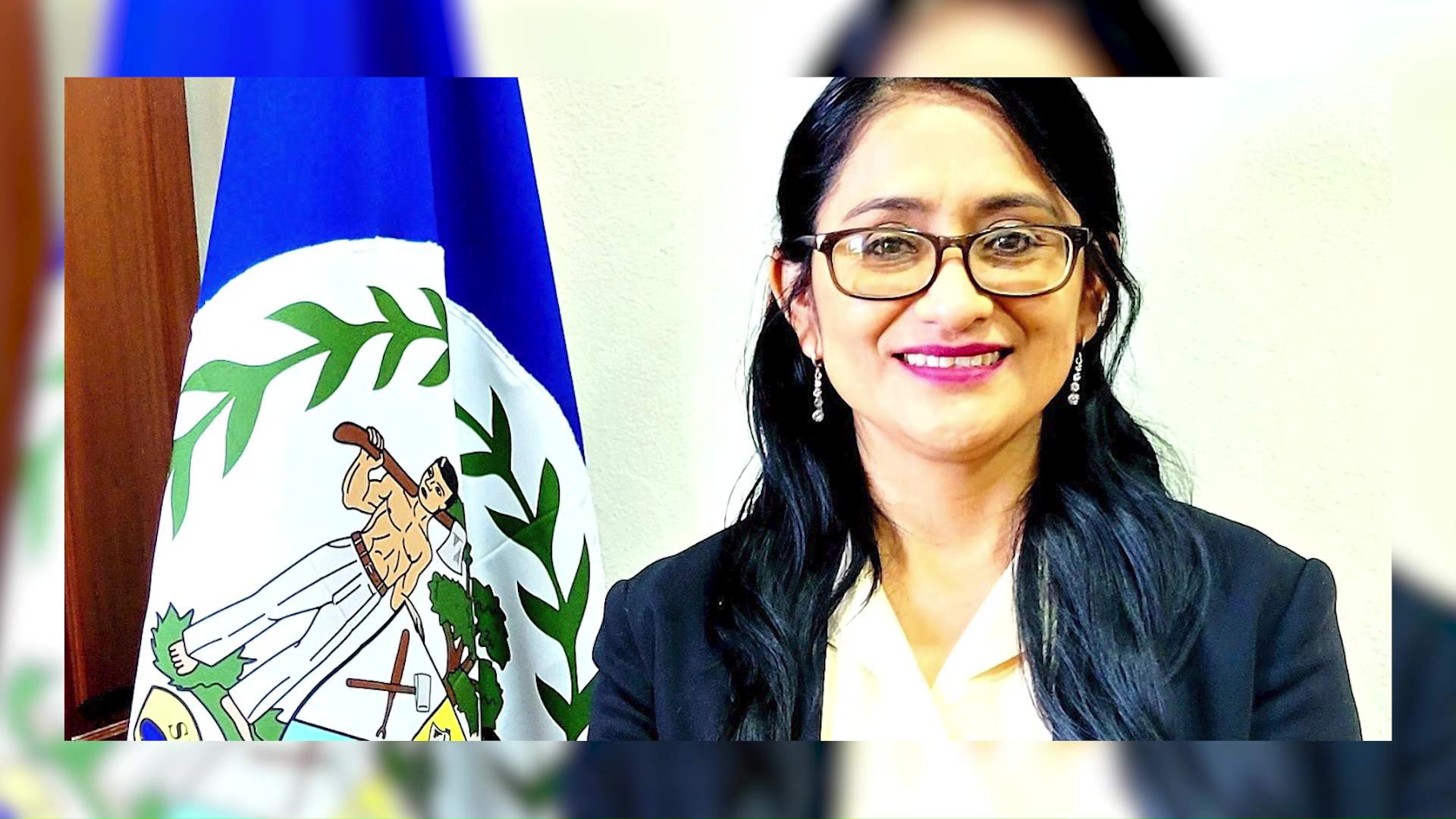
  • Here’s What PM Briceño Thinks of Panton’s Meeting with Ashcroft

    Here’s What PM Briceño Thinks of Panton’s Meeting with Ashcroft

    BELIZE CITY – Prime Minister John Briceño has offered measured commentary regarding Opposition Leader Tracy Panton’s controversial meeting with British billionaire Lord Michael Ashcroft, majority owner of telecommunications provider SpeedNet. While acknowledging the legitimate need for political leaders to engage with investors, Briceño specifically questioned the judgment behind selecting a yacht as the venue for such discussions.

    In statements to the press, the Prime Minister articulated that while dialogue with business leaders remains an essential component of political leadership, the optics of such engagements carry significant weight. “Every leader has a responsibility to meet with anybody, especially within the business community,” Briceño stated. “However, convening on a yacht inevitably raises questions about judgment. Alternative venues would have been more appropriate.”

    Despite his reservations about the setting, Briceño clarified that the substance of the meeting itself did not constitute improper conduct. He explicitly noted that opposition figures engaging with major investors like Ashcroft—whose Waterloo Group Charitable Trust controls 77% of SpeedNet—falls within正常的 political parameters.

    In response to growing criticism, Panton issued a comprehensive defense through social media channels, characterizing the scrutiny as “selective and absurd.” She emphasized that historical engagement with Ashcroft has been standard practice across both major political parties for decades. “Dialogue does not equate to endorsement,” Panton asserted. “A meeting should not be misconstrued as surrender, and conversation certainly does not imply compliance.” The opposition leader maintained that fostering relationships with key economic stakeholders remains crucial for national development.

  • Cuban institutions honor fallen combatants in Venezuela

    Cuban institutions honor fallen combatants in Venezuela

    Cuba has united in a profound display of national mourning and digital solidarity for 32 combatants who lost their lives during recent hostilities involving Venezuela. The solemn funeral proceedings, broadcast live across national television, were amplified through coordinated digital tributes from the nation’s leading cultural and academic institutions.

    At the core of the national response was a deeply symbolic ceremony where Cuban citizens and government officials gathered since dawn at the Ministry of the Revolutionary Armed Forces headquarters to honor the remains of the deceased. The Cuban Fund for Cultural Assets captured the national sentiment through social media, stating: ‘The images of our leaders at the airport, paying this well-deserved tribute, reflect the pain of an entire nation and the firm resolve that their sacrifice will not be in vain.’

    The digital commemorations extended across Cuba’s cultural landscape with organizations including the Cuban Book Institute, National Council of Performing Arts, and Cuban Institute of Cinematographic Art and Industry sharing excerpts and imagery from the national broadcast. Prominent cultural figures like Abel Prieto, president of Havana’s Casa de las Américas, and Yasel Toledo, head of the Hermanos Saíz Association, reinforced this collective support through virtual platforms.

    The fallen were celebrated for their internationalist values and courage, with memorial messages emphasizing that ‘their example lives forever in our memory and in our struggle.’ This coordinated response across governmental, cultural, and digital spheres demonstrates how Cuba is blending traditional mourning practices with modern digital dissemination to reinforce national unity and political resolve in the face of external pressures.

  • Immigrant visa appointments will continue despite visa pause

    Immigrant visa appointments will continue despite visa pause

    In a significant shift in immigration policy, the United States Department of State will suspend the issuance of all immigrant visas to applicants from 75 designated countries, effective January 21, 2026. The policy, which targets nations classified by the World Bank as low-income, middle-income, or upper-middle-income, encompasses several Caribbean nations, with Grenada notably among those affected.

    The suspension applies exclusively to immigrant visas, which are intended for those seeking permanent residency. The State Department has explicitly clarified that non-immigrant visas, including those for tourism, business, or temporary work, remain entirely unaffected by this mandate. Applicants from the listed countries may continue to submit documentation and attend scheduled interviews at U.S. embassies; however, final visa issuance will be halted for the duration of the pause. The department’s official communication emphasized that no previously issued immigrant visas have been revoked.

    A key stipulation provides an exemption for dual nationals who choose to apply using a valid passport from a country not included on the list. The policy rationale, as stated on the State Department’s website, aligns with the Trump administration’s doctrine that immigrants must achieve financial self-sufficiency and avoid becoming a public burden. This directive has prompted a comprehensive internal review of all relevant policies and regulations to prevent the utilization of U.S. welfare systems by immigrants from these ‘high-risk’ countries.

    For Grenada, this development marks the third consequential U.S. policy action within the first two weeks of 2026, following a ban on fish product imports effective January 1 and the issuance of a Level 2 travel advisory on January 5. The government of Grenada has not yet released an official public statement regarding the visa suspension. The extensive list of impacted nations spans multiple continents, including countries such as Brazil, Nigeria, Pakistan, Russia, and Jamaica.

  • Caribbean Court of Justice president visits Barbados to strengthen regional ties

    Caribbean Court of Justice president visits Barbados to strengthen regional ties

    Barbados is preparing to host a significant judicial delegation from the Caribbean Court of Justice (CCJ) from January 15-20, 2026. The high-level visit will be led by CCJ President Honourable Mr. Justice Winston Anderson and includes Mrs. Gabrielle Figaro-Jones, the Court’s Registrar and Chief Marshal.

    The centerpiece of the diplomatic mission will be President Anderson’s keynote address at the Caribbean Natural Resources Institute’s (CANARI) Partners Forum, where he will address critical climate justice concerns impacting Caribbean nations. This emphasis on environmental jurisprudence comes at a crucial time for the region facing increasing climate-related challenges.

    Beyond the environmental focus, the delegation has arranged courtesy meetings with Barbados’s highest government officials, including Prime Minister Mia Mottley, SC, MP; Chief Justice Leslie Haynes; and Opposition Leader Ralph Thornes, KC, MO. These strategic engagements form part of the CCJ’s institutional outreach initiative to strengthen relationships with national authorities across member states.

    This Barbados visit represents a continuation of President Anderson’s regional diplomatic efforts since assuming leadership in July 2025. His previous official travels included October 2025 courtesy calls in Guyana, where he met with President Irfaan Ali, acting Chancellor of the Judiciary Yonette Cummings-Edwards, Attorney General Anil Nandlall, and CARICOM Secretary-General Dr. Carla Barnett.

    The current mission operationalizes objectives outlined in the CCJ’s Strategic Plan 2025-2032, specifically focusing on enhancing judicial accessibility, developing regional legal partnerships, and promoting institutional transparency. Through these high-level exchanges, the CCJ aims to reinforce its role as a pivotal institution in Caribbean governance and legal integration.

  • Turkiye urge for diplomatic solution to Iran crisis

    Turkiye urge for diplomatic solution to Iran crisis

    Turkish Foreign Minister Hakan Fidan has articulated a nuanced perspective on Iran’s internal challenges, emphasizing their significant international ramifications. Speaking on the interconnected nature of domestic and foreign policy, Fidan highlighted how economic sanctions tied to Iran’s specific policies have created a ripple effect beyond its borders.

    In a detailed assessment, Fidan revealed that Ankara has formally counseled Iranian officials to pursue diplomatic resolutions to their regional disagreements. He specifically urged Tehran to engage without delay in constructive dialogue concerning its nuclear program through established diplomatic channels. The Minister asserted that such diplomatic engagement could potentially dismantle structural problems that have precipitated severe economic hardships for the Iranian population.

    Fidan issued a crucial warning about the social consequences of economic decline, noting that mounting frustrations stemming from diminished opportunities and financial instability are frequently mischaracterized as ideological opposition to the political establishment. He provided a more granular analysis, suggesting that these tensions originate not from political dissent but from complex socioeconomic conditions shaped by current economic policies and the practical challenges in reforming them.

    Emphatically rejecting any form of external interference in Iranian affairs, Fidan simultaneously addressed U.S. military posturing. While referencing policies during Donald Trump’s presidency, he observed no substantive indications suggesting Washington’s readiness to deploy ground forces in the region, presenting this assessment as part of Turkey’s broader strategic evaluation.

  • Cuba recieves the remains of 32 combatants killed in Venezuela

    Cuba recieves the remains of 32 combatants killed in Venezuela

    Cuba has commenced solemn nationwide ceremonies to honor combatants who perished in what authorities describe as an act of aggression and state terrorism. The commemorations began in Havana with a funeral procession from José Martí International Airport, where family members, government officials, and citizens accompanied the remains along Rancho Boyeros Avenue to the Ministry of the Revolutionary Armed Forces (MINFAR) headquarters.

    The Caribbean nation announced posthumous military promotions for the fallen combatants, recognizing their exceptional heroism and service. Additional tributes are scheduled nationwide on Friday, with Havana residents gathering at the Anti-Imperialist Tribune for a March of the Combatant People.

    Simultaneous ceremonies will occur across all provincial capitals, where the honored combatants will be laid to rest in local Pantheons of the Fallen in Defense. Every municipality throughout Cuba will conduct posthumous tributes, underscoring the national significance of these commemorations and the government’s characterization of the deaths as resulting from criminal aggression against the nation.

  • OECS Heads meet on urgent regional and geopolitical matters

    OECS Heads meet on urgent regional and geopolitical matters

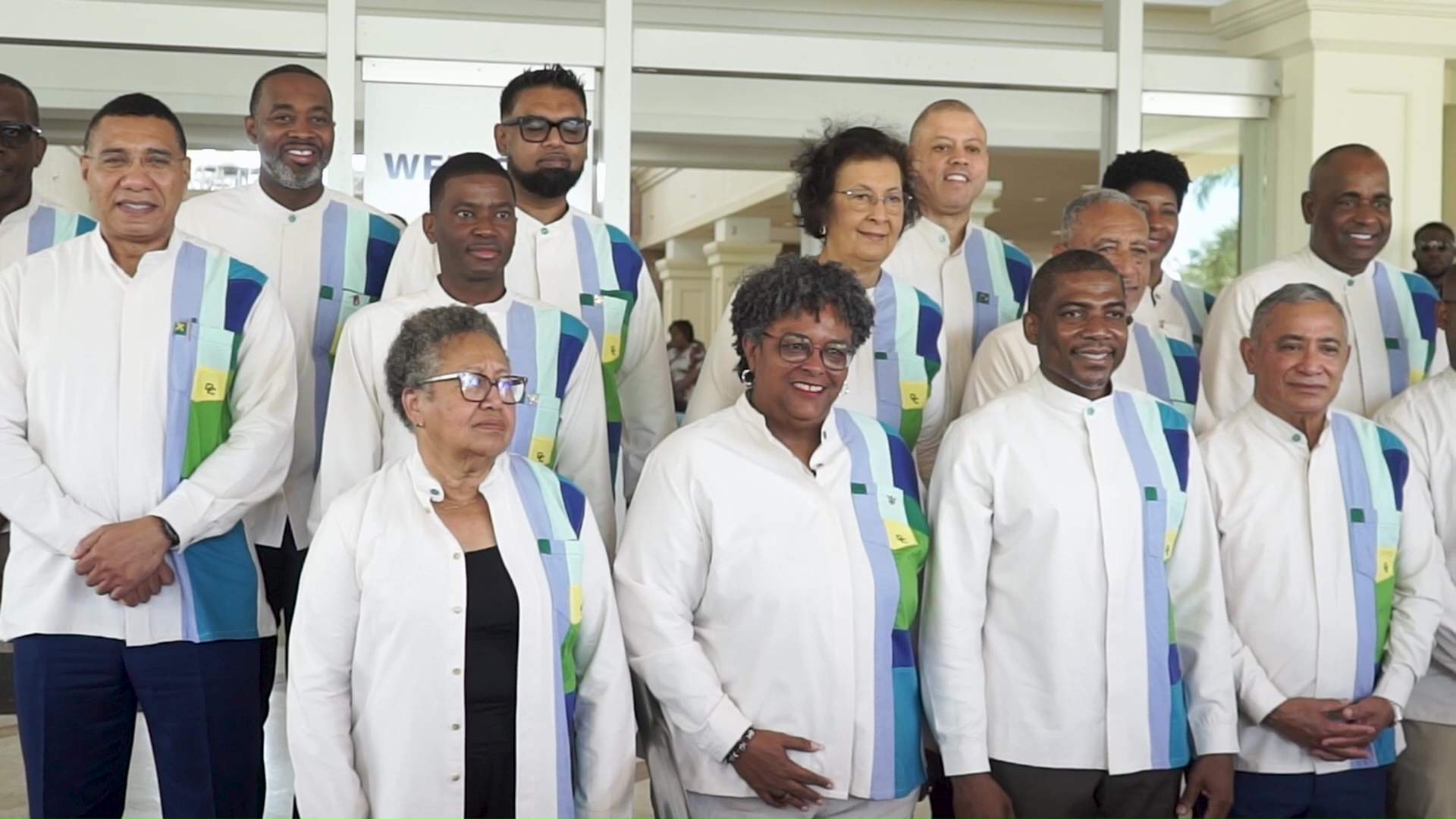
    In a significant gathering marking his inaugural leadership, Prime Minister Dr. Godwin Friday of St. Vincent and the Grenadines chaired the Organisation of Eastern Caribbean States (OECS) Heads of Government meeting in St. Lucia on January 13, 2026. The summit, hosted by St. Lucian Prime Minister Honourable Philip J Pierre, brought together regional leaders including Prime Ministers Roosevelt Skerrit (Dominica), Dickon Mitchell (Grenada), Dr. Terrance Drew (St. Kitts and Nevis), along with Premiers Reuben T Meade (Montserrat), Dr. Natalio Wheatley (British Virgin Islands), and Cora Richardson-Hodge (Anguilla), accompanied by OECS Director General Dr. Didacus Jules.

    The assembly addressed pressing geopolitical concerns, particularly monitoring developments between Venezuela and the United States and their potential implications for economic stability, regional security, energy provisions, migration patterns, and diplomatic relations. Reaffirming their commitment to hemispheric peace and stability, the leaders established a coordinated approach to US requests regarding Third Country Nationals (TCNs).

    Several OECS members have already signed non-binding memoranda with the United States, prompting the creation of a high-level, broad-based negotiating team to conduct technical discussions on migration matters. The leaders simultaneously addressed Citizenship by Investment Programs (CIPs), committing to enhanced regulatory frameworks through proposed legislative reforms and the establishment of an independent regional authority, while emphasizing continued dialogue with international partners including the European Union.

    In security enhancements, the governments pledged to implement biometric systems for travelers across OECS nations to strengthen border security while facilitating seamless travel experiences for citizens and visitors. Recognizing the rapidly evolving global landscape, the leaders agreed to maintain frequent political caucuses ensuring coordinated decision-making and reaffirmed their dedication to regional solidarity, principled international engagement, and sustainable development. The communique concluded with commitments to enhanced public communication regarding decisions affecting OECS citizens.

  • Trump: “Venezuela Will Soon Be Great and Prosperous Again”

    Trump: “Venezuela Will Soon Be Great and Prosperous Again”

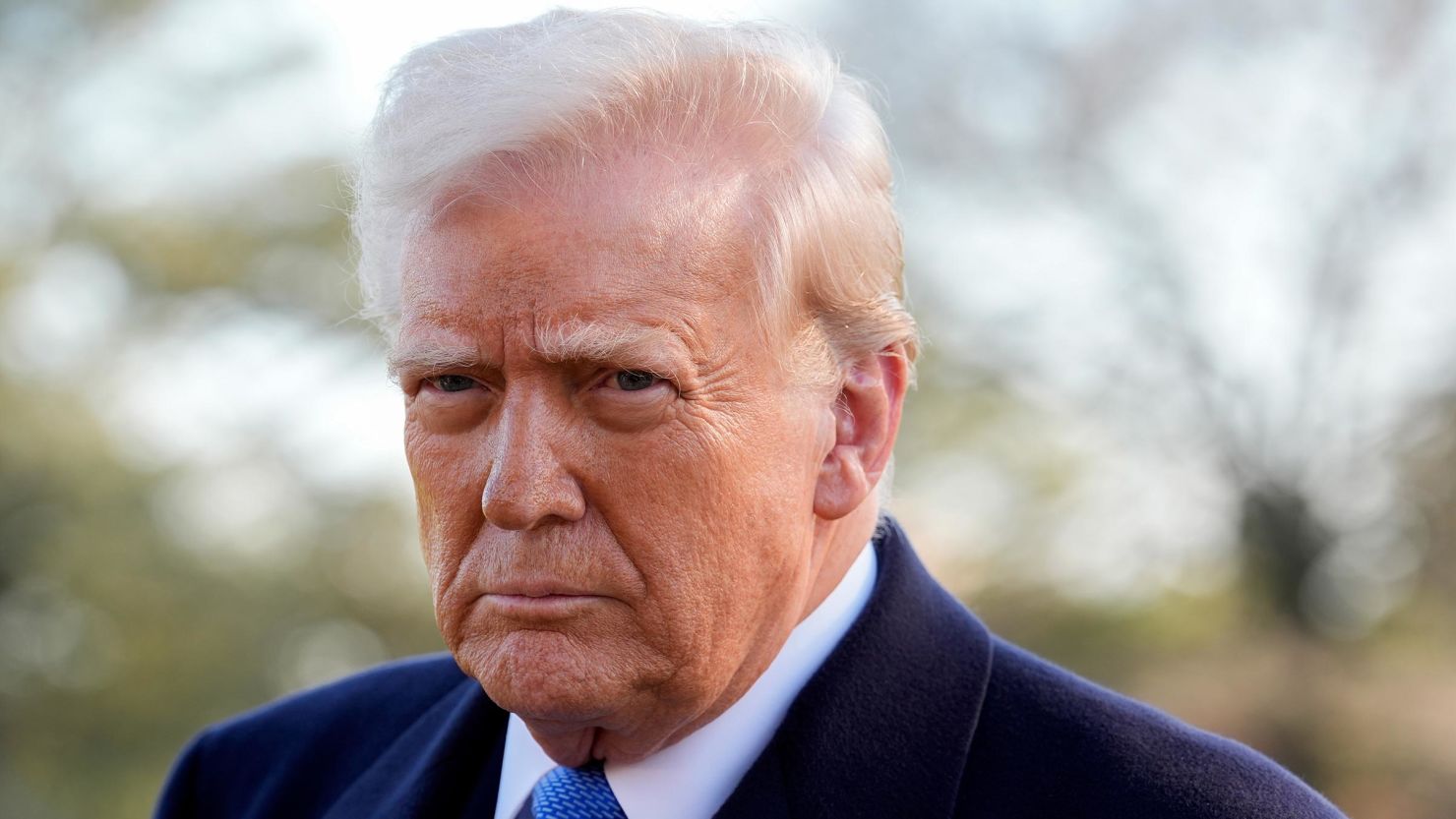
    In a significant diplomatic development, U.S. President Donald Trump and Venezuelan Acting President Delcy Rodríguez held an extensive telephone conversation on Wednesday, marking a potential turning point in previously strained bilateral relations. The Venezuelan Embassy characterized the dialogue as “extended, productive, and courteous,” emphasizing that the exchange occurred within “a framework of mutual respect.”

    The discussion established a comprehensive bilateral work agenda addressing mutual benefits and longstanding issues between the two governments. President Trump subsequently confirmed the diplomatic breakthrough through his Truth Social platform, describing the conversation as “very good” and noting substantial progress toward stabilizing and revitalizing Venezuela’s economy and infrastructure.

    Key negotiation points included energy resources, particularly oil production, mineral assets, trade relations, and national security considerations. Trump enthusiastically endorsed the emerging partnership as “spectacular FOR ALL,” concluding with an optimistic projection that “Venezuela will soon be great and prosperous again, perhaps more so than ever before!”

    This diplomatic engagement follows recent heightened tensions after U.S. forces captured former Venezuelan president Nicolás Maduro, currently facing narcotics charges in American courts. Trump previously asserted that the United States would “run” Venezuela during a transitional period to stabilize the nation and rebuild critical sectors including its oil industry.

    Rodríguez’s assumption of acting presidential duties and demonstrated cooperation with Washington prompted Trump to cancel a second wave of planned U.S. operations against Venezuela. This goodwill gesture followed Caracas’ release of numerous prisoners, indicating mutual confidence-building measures between the historically adversarial nations.

  • Kamla: SoE to end on January 31

    Kamla: SoE to end on January 31

    In a major parliamentary address on January 16, Prime Minister Kamla Persad-Bissessar declared her government’s intention to terminate the nation’s prolonged state of emergency upon its scheduled expiration on January 31. The security measure, initially declared in July and subsequently extended twice, will be replaced by the implementation of targeted zones of special operation to maintain law and order.

    The Prime Minister delivered a comprehensive statement outlining her administration’s legislative agenda for the new parliamentary session, highlighting significant achievements in public safety. She revealed a dramatic 42% reduction in homicides, characterizing this statistic as one of the most substantial crime rate declines observed globally. Persad-Bissessar credited security forces for their efforts, stating: ‘From day one we have acted forcefully and decisively to frontally attack criminal organisations that have brought bloodshed, death, and terror to our citizens.’

    Addressing international controversy, the Prime Minister staunchly defended recent joint operations with US military forces that resulted in the destruction of alleged drug trafficking vessels. When challenged by opposition members regarding the legality of these actions, Persad-Bissessar retorted that she had received legal counsel confirming no international laws were breached, bluntly advising critics to ‘find a good international lawyer.’

    The government unveiled sweeping judicial reforms including a proposed constitutional amendment guaranteeing the right to a trial within a reasonable timeframe. Persad-Bissessar emphasized the injustice of defendants awaiting trial for periods exceeding their potential sentences, noting the severe damage to reputation such delays cause. Additional measures include restructuring homicide trials to feature three-judge panels instead of jury trials, establishing the new judicial position of Chancellor, and implementing plea bargaining mechanisms.

    Following her attendance at the swearing-in of re-elected Tobago House of Assembly leader Farley Augustine, the Prime Minister committed to advancing Tobago’s autonomy within the republic. She pledged to enact legislation establishing Tobago as ‘an equal, autonomous partner side by side with Trinidad,’ ending a decade of political stagnation on the issue.

    The administration also announced forthcoming regulations addressing noise pollution, with specific attention to fireworks and amplified music near residential areas. Firearms legislation will be strengthened to streamline the destruction of confiscated weapons, while age restrictions will be raised for alcohol consumption (from 18 to 21), cannabis use (18 to 21), and gambling (18 to 25).

  • Watson: I will step down as GM of ZNS if nominated

    Watson: I will step down as GM of ZNS if nominated

    In a significant political development, Clint Watson, the General Manager of ZNS and prospective candidate for the Southern Shores constituency, has publicly committed to stepping down from his current executive role should he successfully obtain the Progressive Liberal Party’s (PLP) nomination. Watson made this declaration to journalists immediately following his interview session with the PLP Candidates Committee at the party’s headquarters on Tuesday evening.

    Emphasizing his determination and preparedness for the electoral battle, Watson stated, ‘My fundamental objective is to venture out and achieve victory. I possess the requisite capabilities and strategic approach to secure a win.’ He characterized the committee interview as a constructive dialogue focused primarily on articulating his visionary roadmap for Southern Shores and addressing the critical needs of its residents.

    Reflecting on his presentation, Watson expressed strong confidence, noting, ‘I feel exceedingly positive about the proceedings. My discussion centered on a pragmatic and continuously evolving development plan for the constituency. I articulated our commitment to sustaining a legacy of renewing hope and expanding opportunities for the people of Southern Shores. Conveying this message was effortless because it reflects the tangible work we are already engaged in—it isn’t fabricated; it’s reality.’

    Watson received robust endorsement from former Tall Pines MP Leslie Miller, who was present during the media interaction. Miller lauded Watson as ‘among the most exceptional candidates within our ranks’ and emphatically declared, ‘He is the ideal representative for Southern Shores. No alternative candidate could surpass his qualifications and dedication. I will exclusively campaign for Clint Watson and no other individual.’

    This political activity occurs against a backdrop of ongoing friction within the Southern Shores PLP branch. Tensions escalated during a contentious meeting on January 5th that culminated in heated exchanges between supporters of Watson and those of his rival, Obie Roberts—the PLP’s deputy chairman and son of former party chairman Bradley Roberts. Roberts, who was also interviewed by the committee on the same evening, opted not to engage with the press.

    Amidst these internal dynamics, Watson reaffirmed his belief in unity through shared purpose. ‘When you operate with a clear sense of mission, unity naturally follows because you present a coherent plan for the people,’ he asserted, underscoring his campaign’s philosophy of collective progress over division.