分类: politics

  • Overnight military shake-up

    Overnight military shake-up

    A significant restructuring within the military leadership has unfolded, raising questions about the transparency and timing of the changes. Defence Minister Wayne Sturge had previously signaled impending reforms in September, criticizing the deteriorating conditions of military bases, the poor state of soldiers’ uniforms, and disparities between senior officers and rank-and-file personnel. He vowed to address these issues “in the coming weeks.”

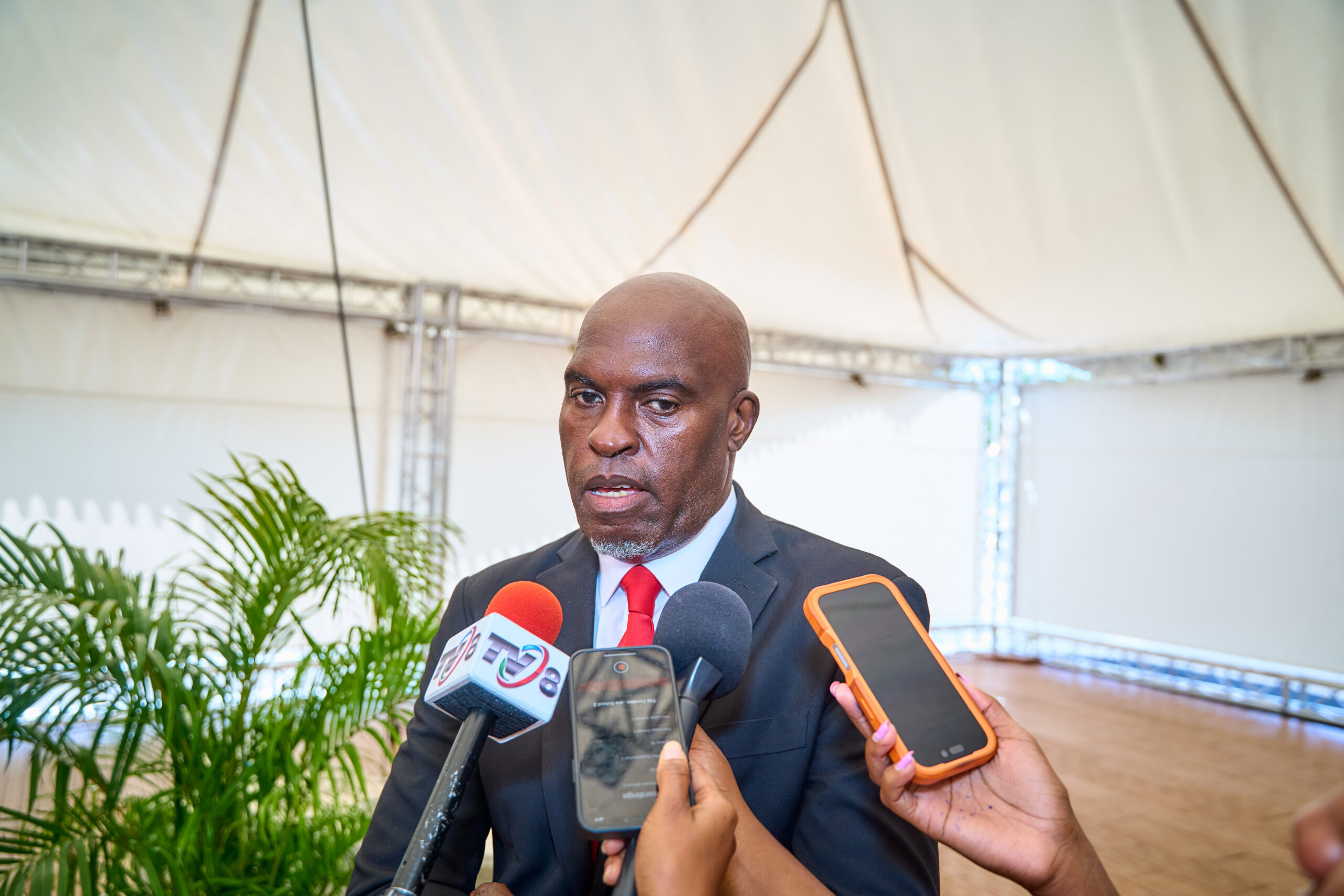
    However, the abrupt dismissal of Air Vice Marshal Darryl Daniel and the appointment of Captain Don Polo as the new Chief of Defence Staff on October 7 has drawn scrutiny. The ministry’s press release stated that the changes were made “after lengthy deliberations and mature consideration,” yet the suddenness of the decision contrasts with this claim. The outgoing leader’s tenure was expected to last another six months, adding to the confusion.

    The appointment process itself has raised eyebrows. While Section 191 of the Defence Act governs the selection of the Chief of Defence Staff, the ministry referenced Section 12, which pertains to promotions. This suggests that Capt Polo may have been elevated to a higher rank, such as commodore, to assume the role. The move follows an earlier, unexplained leadership shake-up in August, which was reversed within 24 hours of being announced.

    Despite the controversy, the installation of a new Chief of Defence Staff marks a decisive step in reshaping the Defence Council, which oversees military command and administration. The council includes the Defence Minister, the Chief of Defence Staff, and the Permanent Secretary of the line ministry, with a new Permanent Secretary appointed in June.

    The Chief of Defence Staff plays a pivotal role in leading the Defence Force, one of the largest in the English-speaking Caribbean. The force is tasked with safeguarding national sovereignty, supporting regional objectives, and responding to disasters—a mission increasingly critical amid the climate crisis. However, the leadership change occurs against a backdrop of heightened tensions, including a state of emergency triggered by the disappearance of 28,000 rounds of ammunition and escalating US-Venezuela relations.

  • Israel ceases fire and Gazans start to trek home

    Israel ceases fire and Gazans start to trek home

    In a significant development, Israel announced a ceasefire in Gaza on Friday, initiating the withdrawal of its troops after two years of intense conflict. The truce, brokered by U.S. President Donald Trump, aims to facilitate the release of remaining Israeli hostages held in the Palestinian territory. The Israeli military confirmed the cessation of hostilities at noon (0900 GMT), marking the first step toward implementing the ceasefire agreement. Shortly after, the U.S. Pentagon announced that Israel had completed the initial phase of its troop pullback, as outlined in Trump’s peace plan. Despite the withdrawal, Israeli forces still control approximately 53% of Gaza. The ceasefire sets a 72-hour deadline for Hamas to release the hostages, while Israel has published a list of 250 Palestinian prisoners it plans to free, alongside 1,700 Gazans detained since the conflict escalated in October 2023. As the truce took effect, thousands of displaced Palestinians began returning to their devastated homes, many of which lie in ruins after years of bombardment. The EU mission at the Rafah border crossing announced plans to reopen a pedestrian route on October 14, further easing the humanitarian crisis. Under the agreement, Hamas is expected to hand over 47 hostages—both living and deceased—from the 251 abducted two years ago, along with the remains of another hostage held since 2014. While celebrations erupted in Israel and Gaza, unresolved issues, including Hamas’s disarmament and the proposed transitional authority for Gaza, remain contentious. Senior Hamas official Osama Hamdan rejected the transitional authority, emphasizing the group’s resistance to external governance. Meanwhile, Trump indicated that Hamas’s disarmament would be addressed in the second phase of the peace plan. As Israeli troops withdrew from key areas like Tel al-Hawa and Al-Shati camps in Gaza City, residents expressed a mix of joy and grief. Areej Abu Saadaeh, a mother who lost two children in the conflict, reflected the bittersweet sentiment: ‘I’m happy about the truce and peace, even though I grieve deeply for my children. Yet, returning to our homes brings joy.’

  • Roseau Enhancement Project: ‘Alive and moving’,  more info coming, says Poponne-Skerrit

    Roseau Enhancement Project: ‘Alive and moving’, more info coming, says Poponne-Skerrit

    Melissa Poponne-Skerrit, the Parliamentary Representative for the Roseau Central Constituency, has reaffirmed the ongoing progress of the Roseau Enhancement Project, emphasizing transparency and stakeholder involvement. Speaking on the ‘Focus on Government and Development’ program aired on DBS Radio, Poponne-Skerrit assured the public that the project is advancing steadily, with technical aspects nearing completion. Key steps, such as appointing a project manager, finalizing tender agreements, and sorting contracts, are being meticulously addressed before physical work commences.

    Poponne-Skerrit highlighted the importance of engaging stakeholders, particularly vendors, residents, and business owners along Great George Street, the first area slated for transformation. She plans to discuss temporary relocations, construction timelines, traffic diversions, and other logistical details to minimize disruptions. The project aims to modernize Roseau, making it resilient, wheelchair accessible, and aesthetically pleasing. Additionally, initiatives like the ‘Paint the Town’ program will enhance buildings alongside infrastructure improvements.

    Prime Minister Roosevelt Skerrit recently addressed delays in setting up the project information unit and staffing decisions during a press conference. He confirmed that negotiations with a supervisory firm are ongoing, with a contract expected by the end of October. Once approved, the project will proceed to the tender phase. Skerrit clarified that the $40 million loan from the Saudi Fund remains in Saudi Arabia, with disbursements scheduled in phases upon contract signing and certification of completed work.

  • Government Warns Car Dealers: Unauthorized Vehicle Sales Will Be Void

    Government Warns Car Dealers: Unauthorized Vehicle Sales Will Be Void

    The Antiguan Cabinet, under the leadership of Prime Minister Gaston Browne, has reaffirmed its stringent 2023 policy regarding the procurement of motor vehicles for government use. The policy mandates that all vehicle purchases must be explicitly authorized by a Cabinet decision. Any vehicle delivered or consigned to the government without this legal authorization will be considered null and void, absolving the government of any financial liability for associated costs or charges. Additionally, even with Cabinet approval, all purchase requests must undergo proper processing by the purchasing authority, with payment vouchers prepared and approved before vehicle delivery. This regulation applies uniformly to all vehicle suppliers and vendors, with no exceptions unless specifically approved by the Cabinet. The policy aims to ensure transparency, accountability, and fiscal responsibility in government vehicle acquisitions.

  • CABINET NOTES: Wednesday, 8 October 2025

    CABINET NOTES: Wednesday, 8 October 2025

    The Cabinet of Antigua and Barbuda, under the leadership of Prime Minister Gaston Browne, convened on October 8, 2025, to address several critical national issues. The meeting began with a prayer led by a pastor from the Evangelical Association, who emphasized the importance of integrity, righteousness, and ethical conduct in leadership, drawing from Psalm 15. The pastor also prayed for wisdom and thanked the government for its efforts in serving the people of Antigua and Barbuda.

    One of the key decisions reaffirmed was the 2023 policy on government motor vehicle purchases. The Cabinet reiterated that all vehicle acquisitions must be authorized by a formal Cabinet decision, with strict adherence to procurement procedures. Any unauthorized purchases will be deemed null and void, absolving the government of financial liability.

    In a strategic move to bolster the nation’s economy, the Cabinet approved a proposal to enhance collaboration with international logistics partners, Southern Air and Seven Air. This initiative aims to position Antigua as a central air and maritime logistics hub for the Eastern Caribbean and beyond. The plan includes expanding air freight, port operations, and warehousing services, with a focus on transshipment, cold storage facilities, and regional connectivity. The government will work closely with private sector stakeholders to implement these measures, which are expected to benefit local industries such as agriculture, fisheries, and manufacturing.

    Additionally, the Cabinet endorsed the suspension of the Common External Tariff (CET) on essential food items from July 1, 2025, to June 30, 2026. This decision, aligned with CARICOM’s recommendations, aims to alleviate the impact of rising food prices on vulnerable households. Zero-rated duties will apply to staples such as butter, potatoes, fresh fruits, cereals, cooking oils, and canned meats, ensuring affordable access to nutritious food.

    Finally, the Cabinet announced that Independence Day celebrations, including the ceremonial parade and food fair, will be held on Monday, November 3, 2025, in accordance with the Public Holidays (Amendment) Act. This adjustment ensures that the festivities align with the official public holiday schedule.

    The Cabinet’s decisions reflect the government’s commitment to economic growth, regional collaboration, and the well-being of its citizens.

  • LETTER: Why Are So Many ABDF Officers Still Serving Past the Mandatory Retirement Age?

    LETTER: Why Are So Many ABDF Officers Still Serving Past the Mandatory Retirement Age?

    The Antigua and Barbuda Defence Force (ABDF) is facing mounting scrutiny over its adherence to statutory retirement age regulations. According to the law, officers must retire at specific ages: 55 for lieutenant colonels and higher ranks, 50 for majors, 47 for captains, and 45 for lieutenants and second lieutenants. These rules were established to ensure fairness, discipline, and operational efficiency within the Force. However, reports indicate that several officers continue to serve well beyond these age limits, with some in their early to mid-60s and even approaching 70. This has raised significant concerns about governance, transparency, and compliance within the ABDF. The presence of these senior officers in critical roles has led to frustration among younger, capable officers who are being sidelined, undermining succession planning and career progression. Critics argue that this situation fosters favoritism and stagnation, eroding morale and discipline within the Force. The ABDF, a respected national institution, risks losing public trust if it fails to enforce its own regulations consistently. Authorities must clarify whether exemptions have been lawfully granted or if the laws themselves require revision. Until then, the enforcement of existing regulations is crucial to maintaining the integrity and effectiveness of the ABDF.

  • EU Tightens Visa Rules That Could Affect Antigua and Barbuda

    EU Tightens Visa Rules That Could Affect Antigua and Barbuda

    The European Union (EU) has taken a significant step toward tightening its visa-free travel policies, potentially impacting countries like Antigua and Barbuda. The European Parliament recently approved new legislation that allows the EU to suspend or revoke visa-free privileges for any of the 61 nations currently benefiting from such arrangements. This move comes in response to concerns over security risks, human rights violations, and criminal activities linked to certain countries. Antigua and Barbuda, which operates a citizenship-by-investment program often referred to as a ‘golden passport’ scheme, may face heightened scrutiny under these new rules. The EU has warned that such programs could be exploited by sanctioned individuals or criminals, prompting stricter oversight. The legislation introduces specific thresholds for action, such as a sharp rise in overstays or asylum rejections, and allows the EU to sanction individual officials rather than entire populations. While the measure still requires final approval from the EU Council, it is expected to come into force 20 days after publication in the EU’s Official Journal. Officials in St. John’s, the capital of Antigua and Barbuda, are closely monitoring these developments as the EU strengthens its oversight of visa-free travel agreements.

  • Chinese Ambassador Zhang Yanling Presented Governor General’s Faithful and Meritorious Service Cross

    Chinese Ambassador Zhang Yanling Presented Governor General’s Faithful and Meritorious Service Cross

    In a distinguished ceremony held at the Embassy of the People’s Republic of China in St. John’s, Their Excellencies Sir Rodney Williams, Governor General of Antigua and Barbuda, and Lady Williams, presented the Governor General’s Faithful and Meritorious Service Cross (FMC) to Her Excellency Zhang Yanling, the Chinese Ambassador to Antigua and Barbuda. The event, held on Monday, marked the culmination of Ambassador Zhang’s four-year tenure (December 2021 – October 2025) and celebrated her exceptional contributions to bilateral relations between the two nations.

    Ambassador Zhang’s tenure was characterized by her unwavering dedication to fostering friendship, practical cooperation, and cultural exchange. Her efforts spanned multiple sectors, including education, agriculture, fisheries, security services, health, culture, and housing, significantly advancing Antigua and Barbuda’s national development priorities. She also spearheaded capacity-building initiatives that left a lasting impact on local institutions.

    Beyond her diplomatic achievements, Ambassador Zhang played a pivotal role in strengthening people-to-people ties. Through sustained cultural outreach programs, Children’s Day activities, Chinese New Year receptions, and National Day observances, she brought Chinese culture closer to the Antiguan and Barbudan communities. Her support for local charitable initiatives further underscored her commitment to community well-being.

    In his remarks, Sir Rodney Williams lauded Ambassador Zhang’s leadership, stating, ‘Her tenure has been marked by faithful service and practical partnership. She translated goodwill into real benefits for our people—strengthening institutions, building capacity, and nurturing cultural understanding.’ Lady Williams echoed these sentiments, praising Ambassador Zhang’s warm engagement with schools, cultural groups, and charitable organizations.

    Upon accepting the award, Ambassador Zhang expressed her gratitude and reaffirmed China’s commitment to continued cooperation and friendship with Antigua and Barbuda. The conferment of the FMC entitles her to use the post-nominals ‘FMC,’ a testament to her distinguished service.

  • Coast Guard captain Don Polo takes charge — Defence Force shake-up

    Coast Guard captain Don Polo takes charge — Defence Force shake-up

    In a significant leadership transition, Captain Don Polo, the Commanding Officer of the Coast Guard, has been appointed as the new Chief of Defence Staff (CDS) of the Trinidad and Tobago Defence Force (TTDF). This decision, advised by the government to President Christine Kangaloo, marks a pivotal shift in the nation’s military hierarchy. The appointment comes amidst a state of emergency and escalating military tensions in the Caribbean region, particularly between US forces and Venezuela. Captain Polo’s predecessor, Air Vice Marshal Darryl Daniel, whose contract was set to expire in March 2026, was relieved of his duties. The Ministry of Defence confirmed that the decision to replace Daniel was made after thorough deliberations, ensuring it would not disrupt the operational effectiveness of the TTDF. Captain Polo, described as a leader with a wealth of experience and unwavering dedication to maritime security, has been praised for his commitment to national sovereignty. His promotion, however, has raised eyebrows within military circles, as it bypasses several senior officers. The Defence Force, one of the largest in the English-speaking Caribbean, plays a critical role in national security, community development, and international objectives. This leadership change underscores the government’s focus on addressing internal challenges and enhancing the Defence Force’s capabilities in a volatile geopolitical landscape.

  • Tornado terror

    Tornado terror

    A devastating tornado struck northwest Trinidad on October 7, causing widespread damage in Westmoorings, ripping off roofs, and leaving hundreds without power. The incident, captured on phone cameras, triggered panic and traffic chaos, though fortunately, no injuries were reported. The tornado’s formation was linked to soaring temperatures and shifting air columns, as predicted by the Met Service earlier in the month. This natural disaster occurred just days after Prime Minister Kamla Persad-Bissessar’s controversial speech at the United Nations General Assembly, where she criticized global climate change efforts as “blackmail” by developed countries and accused activists of an “antagonistic approach.” Her remarks, which also praised climate-sceptic Donald Trump, marked a stark departure from her predecessor’s pragmatic stance on environmental issues. The tornado has reignited debates over Trinidad and Tobago’s climate policies, particularly in light of the government’s continued reliance on hydrocarbon extraction. While the ruling UNC and opposition PNM spar over funding for the Met Service, the incident underscores the urgent need for a comprehensive environmental policy reset. Finance Minister Davendranath Tancoo’s upcoming budget presents an opportunity for the administration to prioritize diversification and reduce dependence on fossil fuels, as the country faces increasingly unpredictable weather patterns.