分类: politics

  • When incitement comes with a navy

    When incitement comes with a navy

    A recent court case in Trinidad and Tobago has ignited intense debate about free speech, government power, and international hypocrisy. A 32-year-old mother of two received a three-year bond for social media posts allegedly inciting violence against Prime Minister Kamla Persad-Bissessar, raising concerns about the application of emergency powers regulations in digital expression cases.

    While acknowledging the need to prevent reckless speech that could endanger public order, the case highlights troubling inconsistencies in how incitement is defined and prosecuted. The author contrasts the severe treatment of a local citizen expressing views through digital platforms with the United States government’s aggressive actions in the region.

    The commentary points to specific US military actions—destroying vessels without publicly presented evidence, seizing oil tankers internationally, and suggesting Venezuelan territory might be negotiable—as examples of actual violence that face no legal consequences. These actions, backed by military might and economic pressure, represent tangible threats to regional stability that go unchallenged while individual citizens face severe penalties for digital expression.

    The case exposes what the author describes as a fundamental double standard: incitement is only treated as criminal when it comes from powerless individuals, while identical behavior from nations with military capabilities is accepted as standard foreign policy. This disparity raises critical questions about whose security truly receives protection under emergency regulations and whether principles of justice are applied equally across different levels of power and influence.

  • THA youngest candidate Shonae John has employment plan for Roxborough/Argyle

    THA youngest candidate Shonae John has employment plan for Roxborough/Argyle

    In a significant development for Tobago’s political landscape, 26-year-old biomedical technology graduate Shonae John has emerged as the youngest candidate in the upcoming Tobago House of Assembly (THA) elections scheduled for January 12. The University of the West Indies graduate officially filed her nomination papers on December 19 as the People’s National Movement (PNM) candidate for the Roxborough/Argyle district.

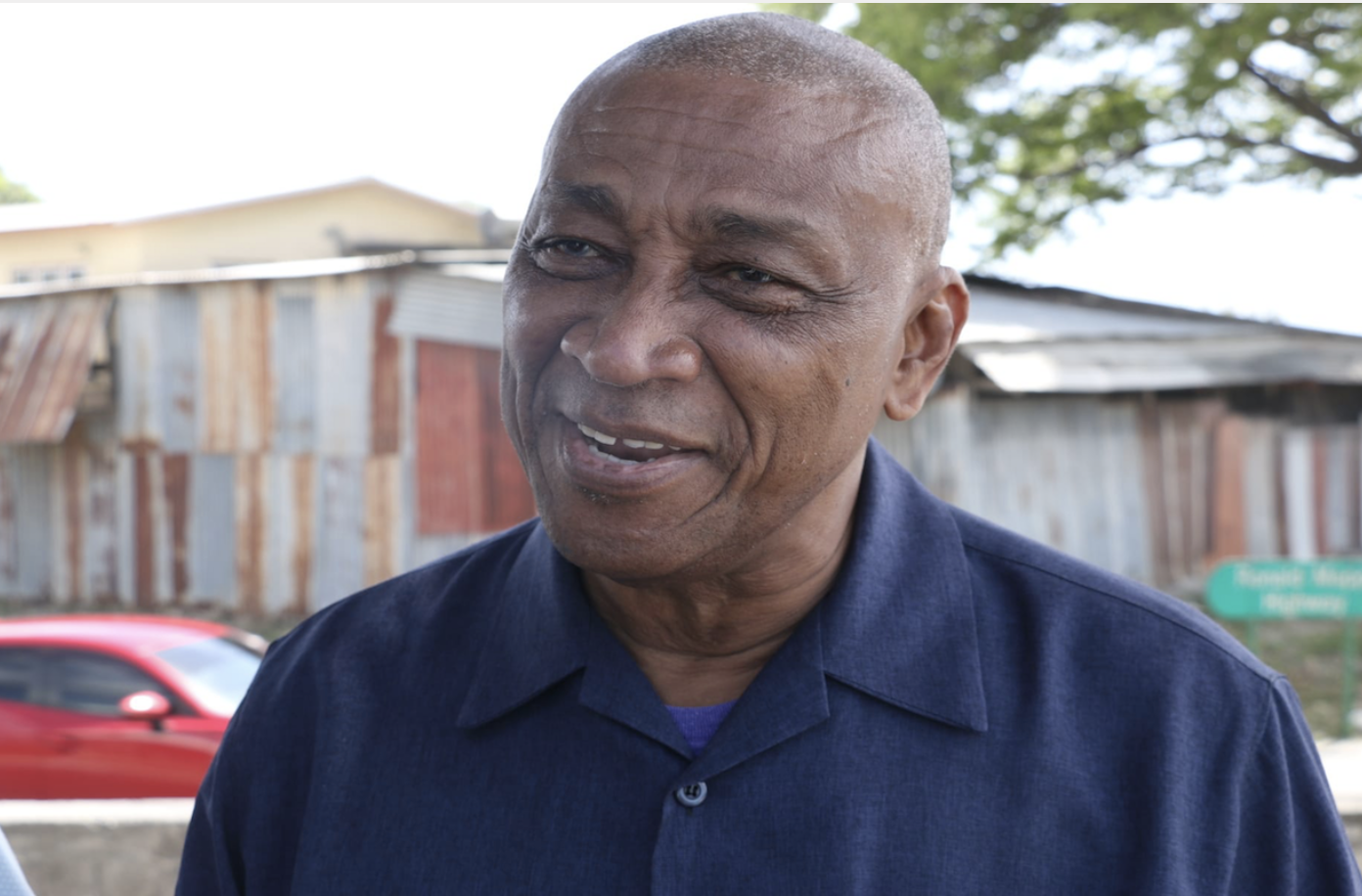
    John, who currently serves as a teacher at Goodwood High School, expressed profound enthusiasm about her political debut. “It’s incredibly exciting and truly an honor to receive this opportunity to represent the people of Roxborough/Argyle,” she stated outside the Glamorgan Multipurpose Facility after submitting her nomination. “Public service has been my long-standing aspiration, and reaching this milestone represents an emotional fulfillment of that dream.”

    Since August, John has been actively engaging with constituents through walkabouts and personal meetings, describing these interactions as deeply enlightening. Her grassroots outreach revealed critical infrastructure deficiencies and basic necessity gaps within the electoral district. “Residents require fundamental improvements—from road repairs to structural reinforcements. Numerous areas demand immediate attention,” she noted.

    Identifying herself as a “country girl” deeply rooted in the Delaford and Roxborough communities, John emphasizes her local connections and passionate commitment to service. Her campaign promises a fresh perspective and genuine dedication to addressing systemic issues, particularly youth unemployment which she identifies as the district’s most pressing challenge.

    John’s policy agenda focuses on economic empowerment through business development initiatives and mentorship programs. She proposes leveraging the expertise of established tradespersons to guide young residents in developing marketable skills and establishing sustainable enterprises. “This approach will not only create self-employment opportunities but also generate jobs within the electoral district,” she explained.

    The political newcomer will compete against Orlando Kerr of the Tobago People’s Party (TPP) in a bid to unseat Progressive Democratic Patriots’ representative Watson Duke, who has held the seat for eight years.

  • US legislators criticise Trump admin for cancelling Caribbean immigration applications, citizenship ceremonies

    US legislators criticise Trump admin for cancelling Caribbean immigration applications, citizenship ceremonies

    WASHINGTON, United States — A coalition of US legislators has launched a forceful condemnation against the Trump administration’s recent immigration policy shifts, targeting specifically the indefinite suspension of application processing and citizenship ceremonies for immigrants from Caribbean nations and other countries affected by the travel ban.

    Congressional Representative Pramila Jayapal, ranking member of the House Immigration Subcommittee, alongside Texas Congresswoman Lizzie Fletcher, has spearheaded the criticism following the US Citizenship and Immigration Services (USCIS) announcement halting immigration procedures indefinitely. In an official letter addressed to Department of Homeland Security Secretary Kristi Noem and USCIS Director Joseph Edlow, the lawmakers expressed profound concern that “soon-to-be citizens will be left in limbo for perpetuity, and families will remain separated” without clear timeline for resumption.

    The legislators characterized the administration’s actions as fundamentally discriminatory, noting that “no amount of vetting, moral character or commitment to this country is enough to satiate the Trump administration.” They emphasized that green card interviews, naturalization proceedings, and even oath ceremonies are being paused or cancelled solely based on country of origin, despite applicants having completed rigorous vetting processes.

    Separately, Representative Jayapal denounced a newly revealed directive requiring USCIS to supply the Office of Immigration Litigation with 100-200 denaturalization cases monthly. “I am absolutely outraged by the Trump administration’s plan to denaturalize American citizens by the hundreds every month,” stated Jayapal, herself a naturalized citizen who arrived in the US at age 16. She characterized this numerical targeting as evidence that “Trump is using the immigration system to go after anyone from countries he doesn’t like.

    The Haitian Bridge Alliance (HBA) joined the criticism, executive director Guerline Jozef condemning Trump’s recent characterization of Somali immigrants as “garbage” as part of a “state-sanctioned dehumanization” campaign. Jozef noted the administration’s consistent pattern of xenophobic policymaking, referencing Trump’s previous description of Haiti and African nations with derogatory language.

    Democratic Congresswoman Yvette Clarke, daughter of Jamaican immigrants, additionally criticized what she termed Trump’s “racist attack” on Somalia-born Congresswoman Ilhan Omar and Somali immigrants in Minnesota, highlighting the administration’s targeted discrimination against specific immigrant communities.

  • Govt to register all illegal immigrants in Trinidad and Tobago

    Govt to register all illegal immigrants in Trinidad and Tobago

    In a significant immigration policy shift, Trinidad and Tobago’s government has announced the expansion of its Migrant Registration Framework to encompass all undocumented immigrants residing within the nation’s borders. The Ministry of Homeland Security unveiled this sweeping regularization initiative on December 29, marking a departure from previous programs that primarily focused on Venezuelan nationals.

    The newly structured program will enable all registered undocumented immigrants to obtain legal residency and work authorization from January 1, 2026, through September 30, 2026. This nine-month window provides an opportunity for foreign nationals without legal status to regularize their immigration standing.

    Registered participants will receive official identification cards containing their complete name, date of birth, photographic identification, and card expiration date. The program extends eligibility to children of permit holders, ensuring family unity remains intact throughout the regularization process.

    The ministry emphasized that this humanitarian gesture comes with strict enforcement provisions. Individuals with criminal records or those identified as high-security risks will be excluded from the program and face immediate deportation proceedings. This balanced approach aims to integrate willing participants while maintaining national security priorities.

    This policy development represents the most comprehensive immigration regularization effort undertaken by Trinidad and Tobago, potentially affecting thousands of migrants currently residing in the twin-island nation without legal documentation.

  • Penny, Mickela: PM has questions to answer on economy

    Penny, Mickela: PM has questions to answer on economy

    In a sharp political confrontation, Opposition Leader Pennelope Beckles and Patriotic Front political leader Mickela Panday have launched scathing critiques against Prime Minister Kamla Persad-Bissessar’s governance approach and economic policies. The opposition figures issued separate statements on December 29, condemning the Prime Minister’s characterization of Trinidad and Tobago as “a lawless dump” during her defense of heightened penalties for traffic violations.

    Beckles, who also serves as PNM political leader, accused Persad-Bissessar of demonstrating “love for office rather than service to country” and labeled her remarks as “distasteful and unbecoming of a prime minister.” She suggested the description might actually reflect the “amalgamation of characters” within the current government rather than the nation itself.

    The opposition leader criticized the government’s approach to crime prevention, asserting that instead of addressing root causes through institutional reform and enforcement enhancement, the administration is opting for punitive measures that burden citizens with increased fines and fees. Beckles emphasized that “hard-working Trinbagonians are not criminals” and condemned what she described as governance through “fear, threats, insults, and bullying.”

    Adding to the political tension, Beckles referenced Persad-Bissessar’s controversial stance on CARICOM, suggesting the Prime Minister’s position could cost the nation billions in revenue. The opposition leader also highlighted the dismissal of approximately 50,000 workers from CEPEP, URP, and other programs since the UNC assumed power in April.

    Panday echoed these concerns, calling on the Prime Minister to directly address the nation and explain “how years of failed governance have suddenly become the fault of citizens.” She asserted that citizens constitute “the backbone of this country” rather than being the problem, and criticized the government’s approach to implementing new taxes and fees without proper public debate or justification.

    The Patriotic Front leader particularly condemned the timing of policy announcements, noting that increases in fines, fees, and tolls were quietly published on Christmas Day and scheduled to take effect at the start of the new year when households are already financially strained. Panday accused the government of employing “governance by ambush” tactics and drawing parallels between current administration policies and those of previous PNM governments.

    Both opposition figures warned that the cumulative effect of increased alcohol prices, higher customs taxes, elevated birth and death registration fees, punitive traffic fines, and raised NIS contributions would adversely affect living standards, weaken the economy, and fundamentally alter the character of Trinidad and Tobago.

  • Lee unaware of HDC policy to regularise squatters

    Lee unaware of HDC policy to regularise squatters

    Trinidad and Tobago’s Housing Minister David Lee has publicly denied knowledge of a controversial proposal by the Housing Development Corporation (HDC) to regularize squatting on state properties. The minister’s statement came in response to media inquiries on December 29, following earlier reports that HDC chairman Feroze Khan was considering a program to legitimize unauthorized occupants of vacant government housing.

    Minister Lee emphasized that the potential policy had not been discussed with his office, stating, ‘These questions should be addressed to the HDC chairman as I am not aware of this policy. Maybe this is a board decision by this present board, but as line minister this was not discussed with myself or any of my other ministers.’

    The reported initiative would have encouraged squatters who could afford mortgage payments to begin formal acquisition processes for properties they currently occupy illegally. This proposal emerged amid growing concerns about housing shortages and unauthorized occupation of government properties across the nation.

    Prime Minister Keith Rowley, when questioned about the potential contradiction between such a policy and her recent characterization of Trinidad and Tobago as a ‘lawless dump’ due to citizens’ ‘entitled attitudes,’ advised journalists to directly interview Chairman Khan for accurate information rather than relying on media reports.

    Khan, when contacted by news organizations, indicated he was in meetings and would provide clarification later in the week, leaving the status and authenticity of the proposed regularization program uncertain. The situation highlights ongoing challenges in housing policy and governance coordination within the Caribbean nation.

  • Haiti’s PM reiterates no negotiations with criminal gangs

    Haiti’s PM reiterates no negotiations with criminal gangs

    PORT-AU-PRINCE, Haiti – Haitian Prime Minister Alix Didier Fils-Aimé has issued a firm declaration that the provisional government will not engage in negotiations with criminal gangs attempting to overthrow the state. The uncompromising stance came during his Sunday visit to the Haitian National Police (PNH) headquarters in Clercine, a metropolitan area near the airport known for significant gang activity.

    Accompanied by Justice Minister Patrick Pélissier, Secretary of State for Public Security Mario Andrésol, and senior police officials, Fils-Aimé emphasized that “the Government’s fight is against gangs. The Government’s fight is to secure the country. The state will not compromise. The state will not negotiate with criminals.”

    The visit formed part of a broader mobilization of state security forces, including the PNH, Haitian Armed Forces (FAd’H), and the specialized Gang Suppression Force (FRG), all engaged in a coordinated offensive against armed criminal groups threatening national security.

    During the inspection, Fils-Aimé expressed official gratitude to the U.S. State Department’s Bureau of International Narcotics and Law Enforcement Affairs (INL) for donating 25 armored personnel carriers. This strategic equipment is expected to enhance operational capabilities, protect deployed units, and strengthen law enforcement intervention power against criminal elements.

    The Prime Minister asserted that this reinforcement would enable security forces to gradually reclaim territories occupied by armed groups and ensure long-term population security. He emphasized that restoring security constitutes a prerequisite for returning to constitutional order, with 2026 targeted for organizing general elections and renewing political institutions.

    Haiti continues to grapple with a multidimensional crisis characterized by rampant gang violence, political instability, and humanitarian disaster. Criminal groups have utilized sexual violence as a terror tactic, disrupted food supplies causing widespread hunger, displaced over 362,000 people, and overwhelmed international aid efforts.

    United Nations officials maintain that while security measures are necessary, they alone cannot resolve Haiti’s crisis. They emphasize that political solutions, credible elections, and sustained economic support remain crucial for achieving lasting stability.

    Outgoing CARICOM Chairman and Jamaican Prime Minister Andrew Holness noted in his year-end message that the 15-member regional bloc has sustained advocacy for increased international support for Haiti. These efforts have kept the crisis on the global agenda and contributed to the UN Security Council resolution establishing the Gang Suppression Force, partially funded by United Nations resources.

    “CARICOM is now a key partner in the tripartite coordination of the Organisation of American States’ Roadmap toward Stability and Peace in Haiti, and we look forward with optimism to the preparations for free and fair elections in 2026,” Holness stated.

  • LETTER: The UPP’s Shameless Hypocrisy: A Party That Weaponized the Law Now Pretends to Be Its Victim

    LETTER: The UPP’s Shameless Hypocrisy: A Party That Weaponized the Law Now Pretends to Be Its Victim

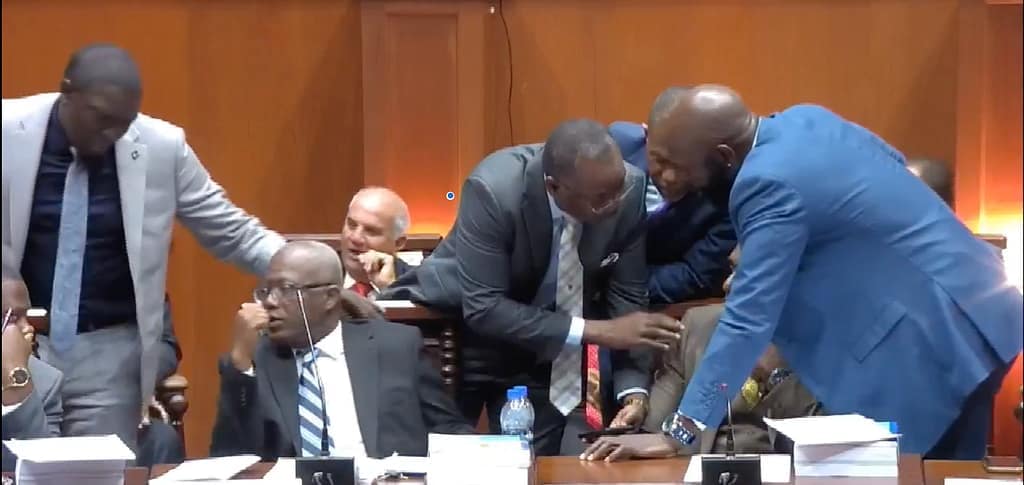
    A vehement editorial has sharply criticized the United Progressive Party (UPP) of Antigua and Barbuda for its recent claims of political persecution, labeling the allegations as intellectually insulting to the nation’s citizens and a blatant distortion of recent historical events. The piece presents a counter-narrative asserting that the UPP itself was the primary architect of systemic political victimization during its decade-long tenure from 2004 to 2014.

    According to the analysis, the UPP’s governance was characterized by a sustained vendetta against members and supporters of the rival Antigua Labour Party (ALP). The stated objective behind these actions was reportedly not the pursuit of justice but rather the strategic humiliation, intimidation, and political eradication of opponents. State institutions were allegedly manipulated to facilitate partisan revenge, treating individuals associated with the ALP as presumptive criminals.

    The commentary highlights the deployment of a foreign forensic investigator as a theatrical tactic intended to sway public perception rather than address genuine institutional failures. This approach, described as a form of political theater, was designed to create an illusion of inevitable convictions despite a complete absence of judicial outcomes. High-profile cases, such as those against Cutie Benjamin and Tanny Rose, were widely publicized in media and leveraged at political rallies as intimidation tools, yet all ultimately resulted in dismissals.

    A coordinated legal assault involving multiple civil lawsuits was also launched against former ALP ministers, including current figure Gaston Browne, with the alleged aim of bankrupting and silencing political adversaries. After incurring millions in legal fees and inflicting severe reputational damage, every initiated case collapsed under judicial scrutiny without a single conviction or finding of wrongdoing.

    The most egregious episode cited occurred during the 2009 general election campaign, when the sitting Prime Minister publicly threatened former ministers with imprisonment without trial—an act characterized as mob politics that undermined parliamentary democracy. Within parliament, UPP members openly boasted of endless investigations and permanent harassment against opponents, displaying contempt for due process and the presumption of innocence.

    The editorial concludes that the UPP’s recent demands for restraint and rule of law, following police questioning of its own members, represent profound audacity rather than irony. It asserts the nation remembers the party’s legacy of abused power and failed cases, concluding that the UPP is not facing persecution but is instead being confronted by its own historical record.

  • EU Warns Caribbean Citizenship Schemes Could Trigger Visa-Free Travel Ban

    EU Warns Caribbean Citizenship Schemes Could Trigger Visa-Free Travel Ban

    The European Commission has identified five Caribbean nations—Antigua and Barbuda, Dominica, Grenada, Saint Kitts and Nevis, and Saint Lucia—as operating substantial citizenship-by-investment programs that pose persistent threats to European border integrity. These initiatives, which have collectively granted over 100,000 passports, are now under intensified scrutiny for their security implications.

    According to the Commission’s assessment, Antigua and Barbuda’s exceptionally low rejection rate of approximately 1.7% raises serious questions about the robustness of their vetting procedures. Despite regional governments implementing reforms—including establishing a minimum investment threshold of US$200,000, enhancing due diligence protocols, and improving information sharing mechanisms—Brussels maintains these measures insufficiently address fundamental security risks.

    The EU has activated revised regulatory frameworks that could initiate a phased suspension of visa-free travel privileges. Commission officials cite Georgia’s impending loss of diplomatic visa-free access as a precedent for potential sanctions. This development carries significant economic consequences for Antigua and Barbuda, where citizenship revenues critically fund infrastructure development, debt reduction initiatives, and climate resilience projects.

    The Commission’s position finds legal reinforcement in a recent European Court of Justice ruling against Malta’s analogous program, establishing that deeper EU integration remains incompatible with investor citizenship schemes. While no specific timeline has been established for further action, Caribbean governments are preparing to defend their programs by emphasizing their developmental benefits and compliance with international standards.

  • Holness Hails Unity, Integration and Resilience in End-of-Year Message as He Hands Over CARICOM Chairmanship

    Holness Hails Unity, Integration and Resilience in End-of-Year Message as He Hands Over CARICOM Chairmanship

    In his concluding address as outgoing Chair of the Caribbean Community (CARICOM), Jamaican Prime Minister Dr. Andrew Holness highlighted significant advancements in regional integration and collective resilience during his tenure. The year 2025 witnessed CARICOM’s strengthened unity despite confronting catastrophic natural disasters, particularly Hurricane Melissa, which demonstrated the Caribbean family’s unwavering solidarity through regional and international support systems.

    A landmark achievement emerged from the July Conference of Heads of Government in Jamaica, where four member states—Barbados, Belize, Dominica, and St. Vincent and the Grenadines—committed to implementing full free movement of persons effective October 2025. This pioneering ‘concentric circles’ integration model enables willing nations to deepen cooperation while maintaining flexibility for broader participation.

    CARICOM successfully navigated shifting global trade dynamics through coordinated advocacy with the CARICOM Private Sector Organization and strategic international partners. Enhanced air connectivity bolstered intra-regional trade, while targeted initiatives improved food and nutrition security across the Community.

    The bloc maintained a unified diplomatic front at high-level international forums including the UN General Assembly, G20 Summit, and CELAC-EU Summit. This coordinated foreign policy approach strengthened crisis response capabilities and amplified the region’s voice on global platforms.

    Security remained paramount with the adoption of the Montego Bay Declaration on Transnational Organized Crime and Gangs, recognizing the inextricable link between security and sustainable development. While climate negotiations at COP30 fell short of Small Island Developing States’ urgent needs, CARICOM reaffirmed its commitment to the 1.5°C goal and acknowledged the critical work of regional institutions including the Caribbean Community Climate Change Centre and CDEMA.

    Strategic engagement with Africa expanded through the Second Africa-CARICOM Summit in Addis Ababa, fostering collaboration on trade, investment, cultural exchange, and global advocacy including reparations discourse. CARICOM sustained its advocacy for Haiti, contributing to UN Security Council actions and supporting preparations for democratic elections in 2026.

    The Community reaffirmed its commitment to maintaining the Caribbean as a Zone of Peace based on international law and peaceful dispute resolution. While acknowledging member states’ sovereign perspectives may differ, Dr. Holness emphasized that institutional mandates and economic interdependence remain foundational to regional cohesion amidst evolving geopolitical complexities.

    As leadership transitions to St. Kitts and Nevis and Saint Lucia, the outgoing Chair expressed confidence in CARICOM’s enduring integration model and the Secretariat’s continued professional service to member states.