分类: politics

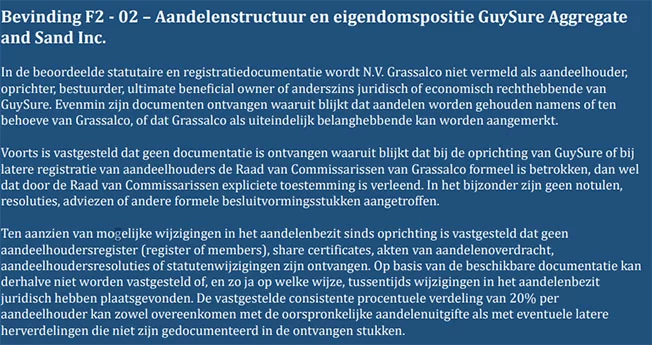
  • Assemblee mist quorum, ABOP-fractie tekent uit onvrede presentielijst niet

    Assemblee mist quorum, ABOP-fractie tekent uit onvrede presentielijst niet

    Suriname’s National Assembly encountered an unexpected political standstill on Wednesday as lawmakers failed to convene a scheduled parliamentary session due to insufficient attendance. The session was abruptly postponed after coalition partner ABOP, alongside VHP faction members, refused to sign the attendance registry, preventing the government from achieving the mandatory quorum required for legislative proceedings.

    Only 25 parliamentarians officially registered their presence, falling short of the 26-member threshold necessary for conducting official business. The dramatic development exposed deepening fractures within the ruling coalition, particularly surrounding the suspension of Grassalco director Wensly Rozenhout, an ABOP party member implicated in the disappearance of approximately 4 kilograms of raw gold valued at over $400,000 from the state-owned company’s vaults.

    NDP faction leader Rabin Parmessar expressed astonishment at ABOP’s maneuver, stating: ‘ABOP has surprised us by not providing quorum.’ According to parliamentary sources, ABOP Chairman Ronnie Brunswijk explicitly instructed his faction members to boycott the attendance registry signing process before the session’s commencement, a directive that was systematically followed.

    The gold disappearance incident, which remains unresolved despite governmental inquiries, has triggered significant internal discord. Rozenhout’s provisional suspension stems from his alleged failure to provide satisfactory explanations to government investigators regarding the missing precious metals.

    Parmessar noted that with ABOP’s participation, the coalition commands 28 seats—two above the quorum requirement—but without them, legislative proceedings become impossible. The NDP leader indicated that had he received advance notice of ABOP’s intention to withhold quorum, he would have prevented absences within his own faction. Assembly President Ashwin Adhin formally postponed the session after clerk Ruth de Windt read aloud the names of legislators who had signed the attendance registry.

  • Former U.S. Navy Sailor Sentenced to 200 Months for Spying for China

    Former U.S. Navy Sailor Sentenced to 200 Months for Spying for China

    In a landmark espionage case, former U.S. Navy sailor Jinchao Wei, also known as Patrick Wei, has been sentenced to 200 months imprisonment following his conviction on multiple national security charges. The 25-year-old machinist’s mate was apprehended in August 2023 while reporting for duty aboard the amphibious assault ship U.S.S. Essex at Naval Base San Diego.

    The sentencing concludes an extensive investigation that revealed Wei systematically compromised American naval security by transmitting sensitive defense information to a Chinese intelligence operative. Over an 18-month period, Wei provided thousands of pages of technical manuals, operational documents, and classified materials in exchange for financial compensation totaling approximately $12,000.

    Justice Department officials emphasized the severity of Wei’s violations. Deputy Attorney General Todd Blanche stated: “This active-duty U.S. Navy sailor betrayed his country and compromised the national security of the United States. The Justice Department will not tolerate this behavior.”

    Evidence presented during the five-day trial demonstrated that Wei maintained encrypted communications with his handler, whom he referred to as “Big Brother Andy.” Their correspondence revealed sophisticated tradecraft techniques, including the use of multiple encrypted applications, digital dead drops, and deliberate obfuscation methods to evade detection.

    Notably, Wei acknowledged his misconduct during post-arrest interviews, admitting to FBI agents that he recognized his actions constituted espionage. Despite receiving recent Navy training on identifying foreign recruitment attempts, Wei continued his illicit activities, even researching previous espionage cases involving U.S. Navy personnel.

    The case represents the first prosecution under U.S. Code Section 794 in the district, a statute reserved for the most severe national defense violations. The investigation was conducted jointly by the FBI and Naval Criminal Investigative Service, with support from multiple federal agencies including the Department of State and Homeland Security Investigations.

  • President verzwijgt dat echtgenoot meereisde naar Colombia

    President verzwijgt dat echtgenoot meereisde naar Colombia

    Surinamese President Jennifer Simons finds herself at the center of transparency concerns following revelations that her husband, Glenn Geerling, accompanied her on an official visit to Colombia despite his absence from the official delegation roster. The discrepancy emerged through photographs circulated after the January diplomatic mission, contradicting the president’s initial characterization of her traveling party.

    During a press briefing Monday, President Simons had characterized the visit as a technical policy examination of Colombian hospital facilities rather than a state visit, emphasizing her conscious effort to maintain a minimal delegation without media personnel. She stated the delegation consisted solely of a security official, Suriname’s ambassador to Colombia, Minister André Misiekaba, and Humphrey Hasrat—a physician advisor involved in medical referral programs for Surinamese patients.

    ‘We deliberately kept the delegation small and avoided media accompaniment to maintain low costs and a low profile,’ President Simons explained during her initial remarks, noting that additional security was provided by Colombian authorities with only one security official traveling ahead from Suriname.

    However, subsequent photographic evidence revealed the presidential spouse’s presence among the delegation, raising questions about the completeness of the official account. The president acknowledged the hospital had extended personal medical check-up invitations but maintained she declined these offers, insisting the visit focused exclusively on policy discussions regarding healthcare collaboration, preventive medicine, and aftercare coordination between medical institutions.

    The absence of official media coverage, initially attributed to the deliberate exclusion of press personnel, now appears compounded by the undisclosed participation of the first gentleman. This development has sparked discussions about transparency protocols within presidential travel delegations and the disclosure requirements for accompanying family members on official government business.

  • U.S. Embassy Bridgetown Condemns Cuban Medical Program as Exploitative

    U.S. Embassy Bridgetown Condemns Cuban Medical Program as Exploitative

    The U.S. Embassy in Bridgetown has launched a sharp critique against Cuba’s international medical mission program operating in Caribbean nations, characterizing the initiative as fundamentally exploitative. Diplomatic officials asserted that the arrangement imposes severe financial and ethical consequences on participating countries while systematically undercompensating medical professionals.

    According to embassy statements, the operational structure directs the majority of compensation—estimated between 80-95% of total doctor salaries—directly to the Cuban government rather than the healthcare workers providing services. This financial model was explicitly labeled a ‘modern-day forced labor scheme’ ultimately subsidized by local taxpayers in host nations.

    The criticism extended beyond financial concerns to encompass human dignity considerations. Embassy representatives emphasized that physicians receive merely a fractional share of what partner nations pay for their expertise, creating what they termed a dual burden of economic strain and moral compromise for participating countries.

    The United States government declared solidarity with affected medical professionals and committed to ongoing diplomatic efforts aimed at terminating these alleged exploitative practices. This position aligns with broader U.S. policy objectives regarding labor rights and human dignity in international cooperation programs.

  • Police ‘falsely imprisoned’ woman over gov’t building material — Gonsalves

    Police ‘falsely imprisoned’ woman over gov’t building material — Gonsalves

    In a striking allegation of state overreach, Opposition Leader Ralph Gonsalves has declared that Vincentian law enforcement authorities may face legal consequences for what he characterizes as the unlawful detention of a former housing official. The prominent political figure, who also maintains legal credentials, presented his case during a Tuesday broadcast on Star FM, his party’s radio station, condemning the incident as “an egregious matter; terrible matter.”

    The individual at the center of the controversy is Anesia Christopher, described by Gonsalves as a “wonderful lady” from South Central Windward who previously served as a senior housing assessor. According to the opposition leader’s account, Christopher was taken into police custody on Friday and held until 11 PM before being instructed to return to Colonarie Police Station the following morning.

    Gonsalves, who served as prime minister for nearly 25 years, outlined what he presented as established facts indicating “clear, bad governance and, more and more, the denial of the rights of this woman.” The situation emerged amidst Christopher’s transitional employment status—having received instructions to proceed on vacation leave before termination announcements were broadcast publicly.

    Despite her uncertain employment situation, Christopher was reportedly enlisted by the permanent secretary of the Housing Ministry to assist with distributing construction materials to three families in desperate need within the South Central Windward area. The ministry coordinated transportation via a truck incidentally owned and operated by a police officer to collect materials from official warehouses.

    Gonsalves asserted that an unidentified politician from the opposing New Democratic Party (NDP) became aware of Christopher’s involvement and contacted senior police officials, triggering her detention. Crucially, the permanent secretary reportedly contacted Colonarie Police Station during Christopher’s detention to confirm she was acting under official authorization and had committed no wrongdoing.

    Despite this intervention, Christopher remained in custody and was transferred to Georgetown Police Station due to inadequate facilities at Colonarie. Gonsalves emphasized that from the moment police received confirmation of her authorized activities, “she was falsely imprisoned.”

    Her release eventually came after intervention from Police Commissioner Enville Williams, though Gonsalves clarified he wasn’t personally aware of the situation until Saturday. The opposition leader revealed disturbing details about her treatment in custody, including being denied food and experiencing significant distress.

    Gonsalves stopped short of accusing the NDP politician of misconduct, noting the individual might have been merely seeking information. However, he emphasized that the consequences of that communication resulted in unlawful detention after the justification for holding Christopher “completely evaporated” following the permanent secretary’s explanation.

    Adding political context to the incident, Gonsalves noted that one of the primary beneficiary families reportedly doesn’t support his Unity Labour Party, suggesting the assistance crossed political boundaries.

  • U.S. reports revoking over 100,000 visas since Trump’s election

    U.S. reports revoking over 100,000 visas since Trump’s election

    In a sweeping immigration enforcement initiative, the U.S. State Department has canceled more than 100,000 visas since President Donald Trump’s inauguration last January—representing the highest revocation rate in modern history. This aggressive approach forms a cornerstone of the administration’s tightened border security and immigration control policies implemented following Trump’s return to power.

    The visa cancellations form part of a multi-pronged strategy that includes enhanced vetting procedures for new applicants and widespread deportations of migrants, including some previously holding valid documentation. The administration has implemented rigorous screening protocols featuring expanded social media background checks and intensified security evaluations to identify potential threats.

    Deputy spokesperson Tommy Pigott revealed that approximately 8,000 student visas and 2,500 specialized visas were among those revoked, primarily from individuals who had encountered U.S. law enforcement on criminal charges. Leading causes for revocation included visa overstays, driving under influence offenses, assault charges, and theft-related convictions. The current revocation numbers show a dramatic 150% increase compared to 2024 figures.

    To streamline these enforcement efforts, the State Department established a dedicated Continuous Vetting Center tasked with ensuring foreign nationals comply with legal requirements and promptly revoking visas from those deemed to ‘pose a threat to American citizens.’

    Additionally, diplomatic personnel have received directives to exercise heightened scrutiny toward visa applicants displaying perceived hostility toward U.S. interests or those with histories of political activism. Administration officials have further indicated that student visa holders and lawful permanent residents—including green card holders—may face deportation for expressing support for Palestinians or criticizing Israel’s military operations in Gaza, which some officials equate with supporting Hamas.

    This policy shift has resulted in targeting individuals with minor infractions that previously might not have jeopardized their legal status, signaling a substantial hardening of immigration enforcement standards.

  • Time for constitutionally guaranteed financial independence of judiciary- Chancellor

    Time for constitutionally guaranteed financial independence of judiciary- Chancellor

    Guyana’s Chancellor of the Judiciary Roxane George-Wiltshire has issued a compelling appeal to the government, urging full compliance with constitutional provisions guaranteeing financial independence for the judicial branch. The call came during her address at the ceremonial opening of the 2026 Law Year, attended by government officials including Attorney General Anil Nandlall.

    Chancellor George-Wiltshire emphasized the critical need for implementing Article 122(a) of Guyana’s Constitution, which mandates that all courts shall be administratively autonomous and funded through direct charges upon the Consolidated Fund. This constitutional provision further establishes that judicial entities must operate under sound financial and administrative management principles while maintaining complete independence from political, executive, or any other form of direction and control.

    The judiciary head highlighted Guyana’s pioneering role within the Caribbean Community (CARICOM), noting that the nation was the first to grant such autonomy to its judicial system. She stressed that full implementation of these fiscal management provisions is essential not only to fulfill constitutional obligations but also to maintain regional leadership in judicial independence.

    George-Wiltshire’s address specifically called for the judiciary’s return to being a fully self-accounting entity that manages its own tender processes while maintaining accountability to Parliament regarding expenditure of its budgetary allocation. This move would reinforce the separation of powers and ensure the judiciary’s ability to function without external influence or financial constraints that might compromise its independence.

  • Belize gov’t signs agreement with US to share biometric data

    Belize gov’t signs agreement with US to share biometric data

    BELMOPAN, Belize — In a significant advancement of bilateral security cooperation, Belize and the United States have formally initiated a Biometric Data Sharing Partnership (BDSP), despite reservations voiced by opposition lawmakers. This landmark agreement enables Belizean immigration authorities to collaborate directly with U.S. counterparts, enhancing border security capabilities through cutting-edge technological integration.

    The partnership entails comprehensive upgrades to both software and hardware at Belize’s ports of entry, empowering immigration officers to perform real-time background verifications by tapping into the U.S. Department of Homeland Security’s extensive biometric database—recognized as one of the planet’s foremost law enforcement archives.

    During the signing ceremony, Immigration Minister Kareem Musa emphasized the transformative potential of the initiative: “This partnership modernizes how we identify individuals entering Belize, equips our officers with sophisticated tools and training, and substantially fortifies national security. Our commitment remains unwavering in protecting our borders while facilitating legitimate travel.”

    Echoing this sentiment, Home Affairs and Enterprise Minister Oscar Mira highlighted the necessity of international collaboration in contemporary security landscapes: “In an increasingly interconnected world, no nation can unilaterally address complex challenges related to border management and public safety.”

    Tanya Santos, Chief Executive Officer of the Ministry of Immigration, Governance and Labour, elaborated on operational benefits: “The new system will enable officers to detect behavioral red flags and travel patterns indicative of risk, triggering secondary screenings where biometric data will be securely captured.”

    Catherine Beamer, Chargé d’Affaires at the U.S. Embassy in Belize, clarified the global scope of the database: “This repository aggregates information from numerous nations worldwide, which we now extend to our trusted partner, Belize.”

    However, opposition legislator Patrick Faber raised transparency concerns during a press conference, noting: “Prime Minister John Briceno signed a similar agreement over a year ago without subsequent public clarification. Citizens deserve full disclosure regarding what personal data is being shared and under what protocols.”

  • Tobago rejects Beckles and PNM

    Tobago rejects Beckles and PNM

    In a seismic political shift, Tobago’s electorate has delivered an unprecedented verdict against the People’s National Movement (PNM), stripping the party of all fifteen seats in the Tobago House of Assembly elections. This historic 15-0 defeat represents not merely an electoral loss but a comprehensive rejection of the party’s decade-long governance approach.

    Political leader Pennelope Beckles’ post-election declaration that the PNM would “put Tobago first again” has been met with widespread skepticism. Critics point to the party’s ten uninterrupted years in national office, during which Tobago experienced persistent neglect despite numerous promises. The island suffered from undelivered timelines, substance-deficient speeches, and perpetually incomplete projects.

    The PNM’s governance record reveals a pattern of systematic neglect across both Tobago and Trinidad. Economic diversification remained theoretical while infrastructure development languished, driving young Tobagonians to seek opportunities elsewhere. Concurrently, Trinidad witnessed collapsing public confidence, weakened institutions, spiraling crime rates, and increasingly reactive governance.

    Political analysts view this electoral outcome as voters seeing through recycled slogans and empty rhetoric. The complete sweep demonstrates the electorate’s ability to distinguish between political posturing and tangible outcomes. Beckles’ leadership has been fundamentally undermined by her inability to secure even a single seat, inspire confidence, or defend her party’s governing record.

    This political demolition serves as a stark reminder that leadership is measured by outcomes rather than post-defeat press statements. The Tobago electorate has rendered its verdict with unmistakable clarity, leaving the PNM’s future relevance in question and demonstrating that populations ultimately reject leaders lacking moral authority and proven results.

  • Mottley a sane,consistent voice

    Mottley a sane,consistent voice

    Barbados Prime Minister Mia Mottley has established herself as a principled advocate for social justice throughout the Caribbean region, distinguishing herself from previous regional leaders through her unwavering stance against foreign intervention and democratic backsliding.

    Prime Minister Mottley has recently condemned two significant regional developments: the controversial kidnapping of Venezuelan President Nicolás Maduro by US military forces and the delayed election results declaration following Guyana’s March 2020 general election. This assertive diplomatic posture marks a dramatic departure from the historical approach of Caribbean Community (CARICOM) leaders, who frequently remained silent during decades of democratic erosion throughout the region.

    The editorial commentary highlights how previous generations of Caribbean leaders remained passive observers while the United States implemented aggressive foreign policies that undermined elected governments. Guyana specifically suffered devastating consequences from such interventions, with US actions based on unsubstantiated fears of communist takeover leading to widespread violence that particularly targeted Indo-Guyanese communities.

    The analysis draws historical parallels between contemporary US foreign policy under President Donald Trump and ancient expansionist models dating back to Alexander the Great and the Roman Empire. This continuity of Western imperialistic mentality, the argument suggests, manifests today through America’s ruthless removal of foreign regimes that resist resource exploitation demands.

    The commentary calls for more regional leaders and citizens to emulate Mottley’s courage in confronting social injustice. While elected officials should naturally lead this charge, ordinary citizens also bear moral responsibility to voice opposition to oppression. Unfortunately, many Caribbean residents remain enamored with US military power, with some even embracing Trump-like behavior patterns.

    Mottley demonstrates that moral authority doesn’t require military or economic supremacy, offering an alternative model of leadership based on principle rather than power. Had such leadership emerged earlier in Caribbean history, the editorial contends, authoritarian figures like Dési Bouterse, François Duvalier, Eric Gairy, Forbes Burnham, and Rafael Trujillo might never have risen to power, potentially creating a more prosperous and stable region that retained rather than lost its population to migration.