分类: politics

  • Chief Electoral Officer details upcoming renewed registration process

    Chief Electoral Officer details upcoming renewed registration process

    The Electoral Office of Dominica has formally declared that the nationwide voter registration process will commence on Monday, March 9, marking a significant step in the country’s electoral preparation. Chief Electoral Officer Anthea Joseph confirmed through an official audio release that registration activities will be conducted at designated confirmation offices established across all constituencies, with multiple centers operating in larger districts to ensure comprehensive coverage.

    The registration protocol will be administered by specially appointed assistant registering officers who will oversee operations at each center to guarantee efficient processing of all applications. Eligibility criteria differ based on citizenship status: Dominican citizens must be at least 18 years old and have resided in their polling district for a minimum of three months preceding registration. Commonwealth citizens face stricter requirements, needing to be at least 18 years old, having lived in Dominica for one year prior to registration, and maintaining three months’ residency in their specific polling district.

    Documentation requirements present a rigorous verification process. Dominican citizens must provide a valid passport or driver’s license, an official computer-generated birth certificate from the Dominica registry (handwritten certificates are expressly invalid), a social security card, and a witness from their polling district. Commonwealth citizens must submit their valid national passport along with another government-issued identification document such as a driver’s license, social security card, or voter ID card from their home country, supplemented by a formally notarized affidavit of identity as specified in the third schedule.

    The Electoral Commission is currently undertaking legislative amendments to address public concerns regarding documentation requirements. These revisions will authorize alternative identification methods including Dominica-issued birth certificates accompanied by photographs authenticated by legal authorities. Once finalized, these updated provisions will be implemented for both confirmation and registration procedures.

    Registration and confirmation activities will run concurrently at the designated centers, with enrollment officers managing confirmation applications while assistant registering officers process registration submissions. For additional information, citizens are directed to contact the electoral office through their dedicated hotline at 617-9595 or alternative numbers 266-3184, 266-3186, and 266-3336.
  • US Vows Deeper Strikes Into Iran as Regional Conflict Escalates

    US Vows Deeper Strikes Into Iran as Regional Conflict Escalates

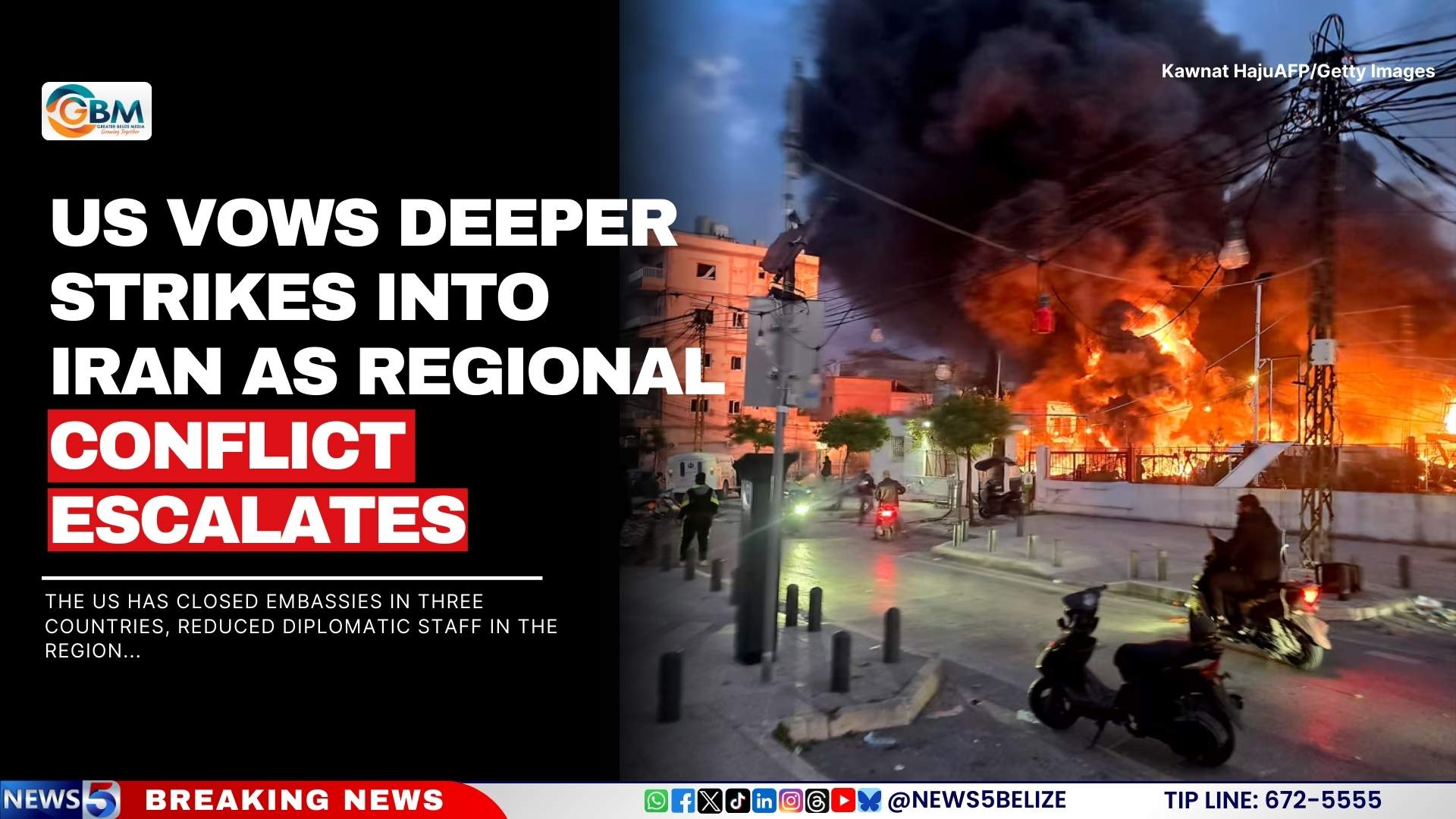
    The United States has declared its intention to intensify military operations by conducting progressively deeper strikes within Iranian territory, marking a significant escalation in regional hostilities. Chairman of the Joint Chiefs of Staff General Dan Caine confirmed that upcoming operations would target locations further inside Iran’s borders, while Defense Secretary Pete Hegseth characterized the current campaign against Tehran as being in its preliminary stages.

    Recent developments include the confirmed torpedoing of an Iranian warship in the Indian Ocean by a US submarine. Simultaneously, NATO air defense systems successfully intercepted an Iranian missile traversing Iraqi and Syrian airspace en route to Turkey.

    The White House has explicitly stated that deploying ground troops to Iran remains outside current operational plans, though officials emphasized that all military options remain under consideration. Press Secretary Karoline Leavitt outlined President Donald Trump’s primary objectives as the systematic dismantling of Iran’s naval capabilities, missile programs, and nuclear infrastructure, alongside curtailing Tehran’s support for proxy organizations. While not formally designated as a goal, Leavitt acknowledged that the removal of Iran’s current leadership would constitute a favorable development from Washington’s perspective.

    Human rights organizations report substantial casualties within Iran, with the US-based Human Rights Activists News Agency documenting over 1,000 fatalities since the conflict’s inception. The escalating situation has prompted significant diplomatic measures, including the closure of US embassies in three nations, reduction of diplomatic personnel across the region, and official advisories urging American citizens to depart. The United Arab Emirates has responded by establishing secured air corridors in coordination with neighboring states to facilitate emergency evacuations.

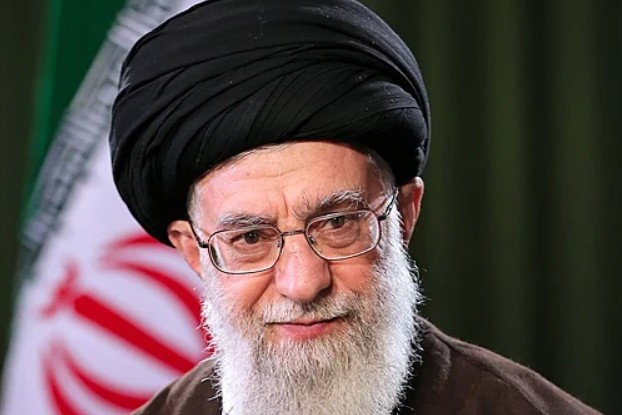
  • Iran’s security council secretary warns of severe consequences for Trump over assassination of country’s supreme leader

    Iran’s security council secretary warns of severe consequences for Trump over assassination of country’s supreme leader

    In a dramatic escalation of rhetoric, Ali Larijani, Secretary of Iran’s Supreme National Security Council, has issued a grave warning to former U.S. President Donald Trump through social media platform X. The statement addresses the alleged targeted killing of Iran’s Supreme Leader Ayatollah Ali Khamenei on February 28, which Larijani claims will trigger severe consequences.

    Larijani’s message, reported by Iran International, accused Trump of being manipulated by Israeli Prime Minister Benjamin Netanyahu into initiating what he termed an ‘unjust war’ against Iran. ‘Mr. Trump, with Netanyahu’s clownish games, you dragged the American nation into an unjust war with Iran,’ Larijani declared in his post, characterizing the actions as reckless and influenced by Israeli leadership.

    The Iranian official made the extraordinary claim that over 500 U.S. military personnel have died in recent hostilities—a figure that dramatically contradicts official Pentagon reports acknowledging six American service member fatalities to date. Larijani posed a provocative question: ‘Now calculate whether, with more than 500 American troops killed in these past few days, it is still America First or Israel First?’

    The communication concluded with an ominous warning: ‘The story is not over. The martyrdom of Imam Khamenei will have a heavy price for you.’

    Separately, an Islamic student organization at London University has publicly memorialized the late leader, describing him as a ‘beloved’ figure despite Western documentation of human rights violations during his leadership. The student group characterized Khamenei’s death as an ‘unimaginable loss.’

    Khamenei’s political career spanned decades, serving as Iran’s president from 1981 to 1989 before assuming the role of Supreme Leader—combining political and religious authority—from 1989 until his recent death. Within Shia Islam, martyrdom against oppression represents a central tenet of faith, considered an honorable passage that may influence the conflict’s symbolic dimensions.

  • We have options

    We have options

    Jamaica’s Energy Minister Daryl Vaz has articulated a deliberate strategy of maintaining multiple options as the government enters pivotal negotiations with the Jamaica Public Service Company (JPS) for a new comprehensive electricity license. With the current JPS license set to expire in July 2027, the administration is pursuing a reformed licensing framework that prioritizes consumer benefits and investment attractiveness.

    Minister Vaz, addressing journalists at a post-Cabinet media briefing, revealed that a specialized negotiation team led by former ministry permanent secretary Carol Palmer and guided by UK-based consultancy Francis Maude Associates has already presented draft heads of terms to Cabinet. This document, which outlines the fundamental principles of the proposed license framework, received Cabinet approval on Monday.

    The negotiation process will formally commence in April, initiating a comprehensive 16-month sector reform program. This ambitious initiative includes drafting new electricity legislation, amending the Office of Utilities Regulation Act, strengthening enforcement mechanisms, renegotiating power purchase agreements, and developing updated policies addressing system losses and grid resilience. A draft white paper outlining the full scope of reforms will subsequently be published.

    Significantly, Minister Vaz emphasized that the government has prepared contingency plans should negotiations with JPS prove unsuccessful. ‘We’re not putting all our eggs in one basket,’ Vaz stated. ‘If negotiations with JPS do not prove fruitful, we have alternatives to ensure a new license is in place by 2027.’

    The minister also addressed JPS’s recent request for a 10-year license extension following substantial grid damage from Hurricane Melissa last October. While this request received support from multilateral organizations, the government maintained its commitment to the 2027 licensing timeline, separating hurricane recovery efforts—to be addressed through loan mechanisms—from the license negotiation process.

    Vaz concluded that this structured, reform-driven approach will deliver a modern, transparent electricity framework that protects consumers, strengthens regulation, attracts investment, and aligns with Jamaica’s long-term development objectives.

  • Trump fires homeland security chief Kristi Noem

    Trump fires homeland security chief Kristi Noem

    WASHINGTON—In a significant cabinet reshuffle, President Donald Trump terminated Kristi Noem’s tenure as Secretary of Homeland Security on Thursday. The dismissal follows contentious Senate hearings where Noem faced bipartisan criticism over the administration’s immigration enforcement policies.

    The immediate catalyst for Noem’s removal appears to be her testimony regarding a $220 million departmental advertising campaign featuring herself prominently, which she stated had presidential approval. Trump announced via Truth Social that Republican Senator Markwayne Mullin of Oklahoma would assume leadership of the powerful department effective March 31, pending Senate confirmation.

    Trump simultaneously appointed the 54-year-old Noem as special envoy for a new Western Hemisphere security initiative dubbed ‘The Shield of the Americas.’ The president praised her ‘spectacular results’ in border security while characterizing Mullin as a ‘MAGA Warrior’ who would prioritize border security, combat migrant crime, and end illegal drug trafficking.

    The leadership change occurs during a partial DHS shutdown, with Democrats withholding funding until operational changes are implemented at Immigration and Customs Enforcement (ICE). These include curtailed patrols, prohibitions on face masks for agents, and requiring judicial warrants before entering private properties.

    During Tuesday’s Senate hearings, Noem faced severe criticism from both parties. Democratic Senator Dick Durbin accused DHS of being ‘devoid of any moral compass,’ while Republican Senator Thom Tillis described her leadership as ‘a disaster’ citing wrongful detentions of American citizens. The hearing also addressed controversial expenditures on self-deportation advertisements and the characterization of protest victims as ‘domestic terrorists.’

  • France to let US planes not involved in Iran strikes use air base

    France to let US planes not involved in Iran strikes use air base

    PARIS—In a move clarifying its delicate diplomatic position, the French military confirmed Thursday that United States military support aircraft have been permitted to utilize the Istres air base in southern France. The authorization comes with the explicit condition that these assets play no role in offensive operations against Iran, a guarantee French officials state they have secured in full.

    The announcement follows critical remarks by President Emmanuel Macron, who stated on Tuesday that recent U.S.-Israel military actions in Iran were conducted ‘outside international law.’ The French general staff emphasized the distinction, specifying that the accepted U.S. aircraft are for ‘operational support’ and are ‘not combat aircraft.’

    Defining the precise limits of this cooperation, a statement detailed, ‘France has required that the assets involved in no way take part in the operations conducted by the United States in Iran, but strictly in support of the defence of our partners in the region.’

    Further contextualizing the decision, Alice Rufo, minister delegate to the defence minister, characterized the move as a ‘routine procedure within the framework of NATO,’ noting that such arrangements are automatic in some allied nations. She provided critical clarification on the nature of the aircraft, identified by flight-tracking services as KC-135 Stratotanker refuelling planes. ‘We systematically verify, and in this case, the aircraft that were able to refuel at Istres were aircraft used for the defence of the Gulf countries and not for American offensive action. That is the limit we have set, and it has been respected,’ Rufo asserted, unequivocally stating, ‘There is no use of French bases in the Near and Middle East for American offensive action.’

    Flightradar24 data indicates four KC-135s arrived at Istres from the U.S. base in Rota, Spain, on Monday, with a fifth arriving Wednesday. The aircraft have remained at the base since.

    Echoing the defensive posture, Defence Minister Catherine Vautrin drew a clear analogy: ‘a refuelling aircraft is a service station, it is not a fighter jet… the issue is clearly refuelling capability, that is the only authorisation that has been given by the president.’

    This carefully calibrated support reflects France’s overarching ‘strictly defensive’ stance since strikes began last Saturday. Macron simultaneously announced the deployment of the Charles de Gaulle aircraft carrier to the Mediterranean, underscoring a commitment to regional stability driven in part by defence agreements with Qatar, Kuwait, and the UAE. The decision has nonetheless sparked concern among left-wing French politicians, who warn it risks entangling the nation in a broader conflict.

  • Reallocation of  $11.4 billion from NHT is in the national interest – PM

    Reallocation of $11.4 billion from NHT is in the national interest – PM

    KINGSTON, Jamaica—Prime Minister Andrew Holness has publicly justified his administration’s controversial decision to redirect J$11.4 billion from the National Housing Trust (NHT), framing it as an act of economic responsibility essential for national stability. Speaking at the Chester Creek housing development launch in Portmore on March 3, Holness emphasized that the reallocation serves urgent national priorities rather than arbitrary governmental interests.

    The Prime Minister cited historical precedents for such actions, noting that former Prime Minister PJ Patterson first diverted NHT funds during the 1990s to finance comprehensive education reforms. A similar diversion occurred around 2013 to address critical fiscal shortfalls. Holness acknowledged that these funds were originally contributed by Jamaican workers specifically for housing purposes, and conceded that the government cannot perpetually rely on NHT resources beyond their core mandate.

    However, Holness stressed that budget management necessitates difficult decisions, particularly when confronting substantial fiscal deficits. He warned that without accessing these funds, the government would face limited alternatives—either reducing essential public services or increasing taxes. The Prime Minister explicitly ruled out international bailouts or additional borrowing as viable solutions, emphasizing that Jamaica must utilize existing domestic resources to maintain economic sovereignty.

    Established over five decades ago with resources transferred from the National Insurance Scheme (NIS), the NHT has historically served as Jamaica’s primary housing development mechanism. Holness’s explanation comes amid public scrutiny regarding the appropriation’s timing and magnitude, with critics questioning the impact on housing availability despite government assurances of minimal disruption to NHT operations.

  • Gov’t to discontinue current arrangement with Cuba regarding deployment of medical professionals

    Gov’t to discontinue current arrangement with Cuba regarding deployment of medical professionals

    KINGSTON, Jamaica—Jamaica’s Ministry of Foreign Affairs and Foreign Trade announced Thursday the formal discontinuation of its longstanding medical cooperation agreement with Cuba, marking a significant shift in bilateral relations between the Caribbean nations.

    The termination follows unsuccessful negotiations between both governments to establish new terms for technical cooperation after the previous arrangement lapsed in February 2023. Despite extended discussions, authorities from both countries failed to reach consensus on the conditions governing the program that has brought Cuban healthcare professionals to Jamaican public health facilities for years.

    In a strategic transition move, the Jamaican government has proposed individual employment contracts for the currently deployed Cuban medical personnel. This interim solution would allow these professionals to complete their scheduled tenure in Jamaica under local labor regulations, ensuring both service continuity and stability for the healthcare workers affected by the diplomatic decision.

    The Cuban medical contingent has made substantial contributions to Jamaica’s public health system, particularly through specialized eye care programs and general medical services provided by doctors and nurses across the island. Their presence has been instrumental in addressing healthcare shortages in various communities, making their continued service through alternative arrangements a priority for Jamaican authorities.

    The dissolution of this bilateral agreement represents not just a technical change in cooperation terms but potentially signals broader shifts in Caribbean diplomatic relationships and South-South cooperation frameworks that have characterized regional relations for decades.

  • Davis defends the doubling of government unpaid invoices

    Davis defends the doubling of government unpaid invoices

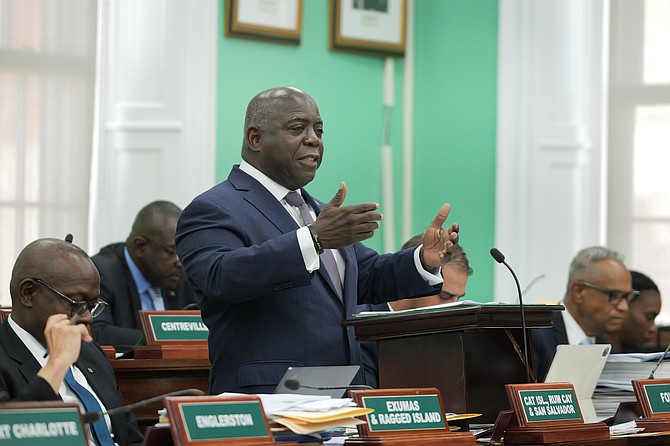
    Prime Minister Philip ‘Brave’ Davis has characterized the substantial increase in government arrears and unpaid invoices as evidence of vigorous project implementation rather than fiscal mismanagement. His comments came in response to parliamentary documents revealing that outstanding balances to suppliers and service providers nearly doubled from $122.4 million to $241.9 million between December 2024 and December 2025.

    According to the Prime Minister’s breakdown, $60.5 million represents carryover arrears from previous fiscal years, while $181.4 million constitutes current fiscal year invoices typically settled within a 90-day window. The Ministry of Works emerged as the largest debtor with $68.1 million in combined arrears and unpaid capital expenditure invoices, followed by the Water & Sewerage Corporation at $38.1 million and the Ministry of the Public Service at $24.3 million.

    Davis attributed the increased liabilities to accelerated infrastructure activities encompassing roadworks, drainage management, and building maintenance projects across airports, clinics, and educational facilities. He emphasized that the outstanding balances reflect seasonal cash flow pressures combined with support for essential services and active project execution.

    The administration is implementing enhanced fiscal controls including strengthened commitment mechanisms, improved cash forecasting, and structured arrears reduction strategies within a broader framework of fiscal consolidation. Davis noted that excluding obligations to public corporations would reduce the outstanding balance increase to approximately $29 million.

    Beyond immediate arrears, the government is confronting systemic fiscal vulnerabilities through director training programs for state-owned enterprises and a comprehensive guarantee policy framework. The Prime Minister also identified mounting pension obligations—projected to reach $4.1 billion by 2032—as another critical challenge, with current pension and gratuity payments consuming 6.2% of recurrent expenditure.

    A forthcoming pension reform legislation will establish contributory accounts for both employees and the government, featuring protection against negative investment returns and flexible benefit options. Simultaneously, public sector wages have increased from $738.4 million to $937.9 million under the current administration, with adjustments addressing recruitment challenges and cost-of-living pressures for Bahamian workers.

  • PM promises no increase to BPL bills despite rising global oil costs

    PM promises no increase to BPL bills despite rising global oil costs

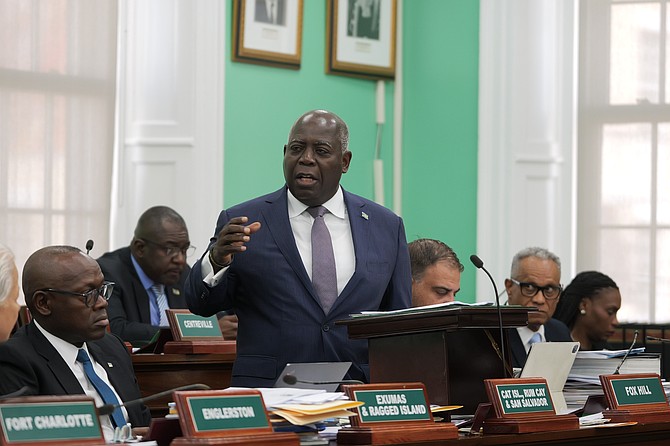
    Prime Minister Philip ‘Brave’ Davis has moved to reassure Bahamian citizens that electricity costs will remain stable in both the immediate and medium-term future, despite escalating global oil prices triggered by Middle Eastern conflicts. The Prime Minister’s declaration came during his mid-year budget address to the House of Assembly, where he addressed growing economic concerns related to the Israel-Iran conflict.

    The recent military engagements between the United States, Israel, and Iran have caused significant disruptions in global energy markets, with several regional suppliers suspending liquefied natural gas production following damage to facilities from missile interception debris. These developments have raised concerns about potential economic repercussions for fuel-importing nations like The Bahamas.

    Prime Minister Davis acknowledged the nation’s vulnerability to international oil price fluctuations but emphasized that protective mechanisms are actively shielding consumers from market volatility. ‘Rest assured, we are fully committed to working on behalf of every Bahamian to reduce the cost of electricity and fuel prices,’ Davis stated during his parliamentary address.

    Economic Affairs Minister Michael Halkitis indicated the administration is adopting a cautious monitoring approach before considering any adjustments to fiscal strategies. While expressing hope for a rapid resolution to regional hostilities, Halkitis warned that sustained disruptions to oil supplies could eventually impact costs throughout The Bahamas’ import-dependent economy.

    Regarding the government’s electricity sector reforms, Davis presented substantial progress indicators. Approximately 78,000 households (82% of BPL customers) are now experiencing reduced bills due to equity rate adjustments, with 44% of these customers seeing reductions exceeding 15%. More than 63,000 households currently receive monthly electricity bills under $125.

    The administration has also addressed service disconnections, reconnecting 2,811 households between November 2024 and January 2025. Davis highlighted the dual focus on affordability and reliability, noting: ‘Lower bills matter. But reliability matters just as much. Because what good is affordable electricity that is not there when you need it?’

    Substantial improvements in service quality were documented, with power outage frequency decreasing by approximately 45% and outage duration reduced by 35% throughout the previous year.