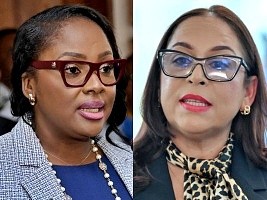
Chief Elections Officer Anthea Joseph has announced that more than 2,000 individuals have applied for voter confirmation since the process began on October 15, 2025. Speaking during a recent statement, Joseph expressed satisfaction with the progress, noting that the process has been running smoothly. She anticipates an increase in applications as public awareness grows and individuals prepare their identification documents. Joseph emphasized the rigorous verification process in place to ensure the accuracy of voter information. Applicants are required to fill out forms, provide identification, and have their data entered into a system that undergoes a two-step verification process. This includes cross-checking the voter’s registration number, verifying details against submitted forms, and correcting any discrepancies. Joseph also highlighted that applicants can monitor their data entry in real-time at confirmation centers, ensuring accuracy before signing. The confirmation process is set to continue until October 15, 2026, with a possible three-month extension if needed. Joseph urged the public to dress appropriately for photo identification purposes and clarified that old passports, even if not expired, are invalid for the process. Confirmation centers operate from Monday to Friday, 9:30 AM to 5:30 PM, and on Saturdays from 9:00 AM to 3:00 PM. A hotline (617-9595) has been established for further inquiries.
分类: politics
-

St. Lucia, Dominica PMs endorse Gonsalves for 6th term
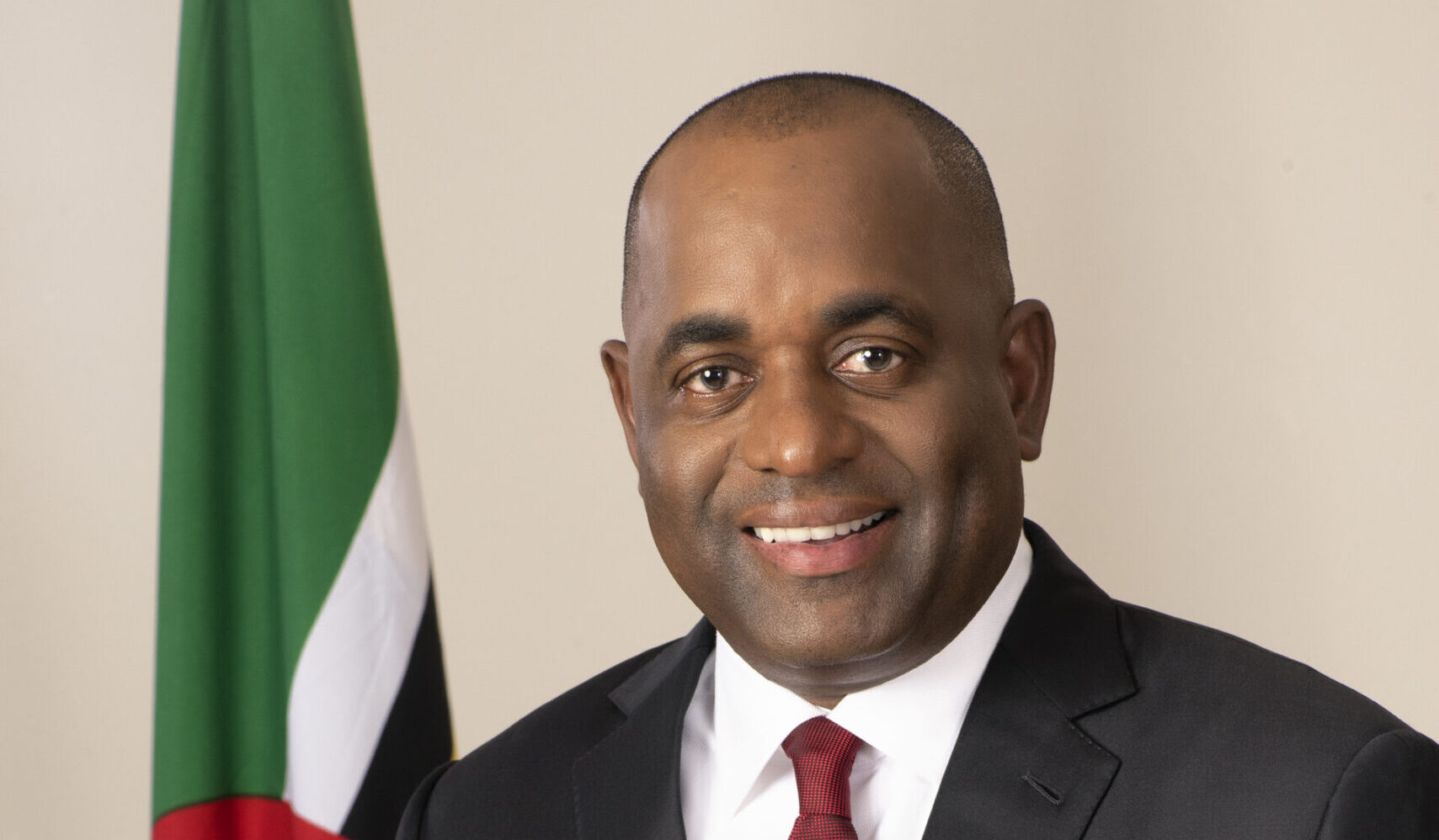
Prime Minister Roosevelt Skerrit of Dominica and Prime Minister Phillip Pierre of St. Lucia have publicly endorsed Ralph Gonsalves for a sixth consecutive term as Prime Minister of St. Vincent and the Grenadines (SVG). The leaders, who share the Labour Party affiliation with Gonsalves, praised his leadership during a joint press conference in Kingstown on Wednesday. Skerrit highlighted Gonsalves’ exceptional contributions to SVG’s development over his 22-year tenure, calling him the most suitable candidate to lead the nation for the next five years. Despite differing views on citizenship by investment programs and diplomatic ties—St. Lucia maintains relations with Taiwan, while Dominica aligns with China—both leaders emphasized Gonsalves’ transformative impact on SVG’s infrastructure, education, and healthcare sectors. Skerrit also urged young voters to participate in the upcoming elections, stressing the importance of continuity in leadership. Gonsalves, 79, has faced criticism for his prolonged tenure, with some advocating for term limits. However, his supporters argue that his experience and vision are indispensable for navigating global challenges. The leaders also toured major projects, including a new hospital and port, symbolizing SVG’s progress under Gonsalves’ administration.
-

Ombudsman’s FOIA Directive Awaits Response
A week after the Office of the Ombudsman instructed the Attorney General of Belize to adhere to the Freedom of Information Act (FOIA) and disclose details of government contracts with private attorneys, no official progress has been reported. Civic activist Jeremy Enriquez revealed on October 23 that the Ombudsman’s Office has yet to provide any updates since its directive on October 15. While it remains unclear whether the Attorney General’s Chambers has responded, the lack of communication suggests no developments have occurred. However, the two-week compliance period granted to the Attorney General has not yet lapsed.
The directive stemmed from a formal review by the Ombudsman under Sections 35, 37, and 39 of the FOIA, initiated after Enriquez contested the Attorney General’s refusal in September to release information on payments to private attorneys retained by the Belizean government. The Ombudsman ruled that the contracts, involving public funds, constitute public records and cannot be entirely withheld. The review clarified that ministries may redact only specific sections of documents exempt under Section 28(1) of the FOIA but cannot impose blanket secrecy on financial details of public interest. Consequently, the Ombudsman mandated the disclosure of the names of attorneys or law firms engaged by the government and the total amounts paid to each, while safeguarding legitimately confidential portions.
This case has emerged as a critical test of Belize’s transparency framework, scrutinizing the government’s chief legal adviser for compliance with a statute designed to uphold the rule of law. The Ombudsman’s decision emphasized that the FOIA is not a discretionary policy but a statutory obligation ensuring accountability for public expenditures.
With one week remaining before the compliance deadline, the focus now shifts to whether the Attorney General’s Chambers will act within the stipulated timeframe. Failure to comply could prompt Enriquez to seek judicial review before the Supreme Court under Section 39 of the FOIA, potentially transforming the dispute into a landmark case for institutional transparency. For now, Enriquez remains cautiously observant, noting that the process is still pending but time remains for the Attorney General to respond.
-

Faber Accuses Government of Rushing $330 Million Fortis Deal
Senator Patrick Faber of the United Democratic Party (UDP) has launched a scathing critique against the Briceño administration, accusing it of hastily pushing through a $330 million acquisition of Fortis Belize Limited and its associated electricity assets. Faber described the move as yet another example of high-stakes financial deals being executed without proper scrutiny. Speaking at a UDP press conference on Thursday, Faber revealed that legislators were asked to approve the deal without access to essential evaluations of the Mollejon, Chalillo, and Vaca dams. Although senators eventually received reports from NIRA Consulting and consultant Mr. Sunderland, Faber argued that the rushed process—requiring evaluation, study, and Senate approval in a single sitting—was “unconscionable” and indicative of the government’s attempt to “pull a fast one.” The transaction, which includes $110 million for Fortis Belize Limited and an additional $36 million for Fortis Inc.’s 33.3% stake in Belize Electricity Limited (BEL), was approved by both legislative chambers within a single weekend. Faber disclosed that Prime Minister Briceño had already signed the agreement before the debate concluded, forcing legislators to retroactively endorse the decision. Faber condemned the government’s approach, claiming it undermines parliamentary oversight and burdens Belizeans with new domestic borrowing through a “special budgetary appropriation.” He warned that this could destabilize the country’s financial system, as the funds would compete with those Belizeans rely on for personal loans. Faber also questioned the government’s plan to divest the hydropower assets through Hydro Belize Limited, chaired by Ambassador Lynn Young, suggesting that the eventual resale to local banks, credit unions, and the Social Security Board could disproportionately benefit politically connected investors. He labeled the scheme a “pension plan for the boys,” arguing that the public would bear the debt while private interests profit. Faber drew parallels to the 2011 nationalization of BEL under a UDP administration, which aimed to protect Belizeans from unfair rates and foreign control. He asserted that the current deal reverses these gains, prioritizing expedience over transparency. Additionally, Faber dismissed the administration’s claims that the buyout would lower electricity rates, warning that local investors would prioritize profits, potentially leading to higher costs for consumers. The UDP has called for full financial disclosure, including details on tax exemptions for future owners, before the deal is finalized.
-

Ramotar among 10 former CARICOM leaders urging military “pull back” from Caribbean
In a unified statement issued on Thursday, October 23, 2025, ten former leaders of the Caribbean Community (CARICOM), including former Guyana President Donald Ramotar, urged for a reduction in military activities in the Caribbean Sea. The leaders emphasized the importance of maintaining the region as a ‘zone of peace’ and called for the utilization of the U.S.-Caribbean Shiprider Agreement to combat drug trafficking, rather than resorting to military force. The statement, also endorsed by former Jamaican Prime Minister Percival Patterson, highlighted concerns over the potential for conflict and collateral damage arising from the current military buildup, which includes over 10,000 U.S. troops, numerous aircraft, and naval vessels deployed in the region. The former leaders stressed that Caribbean nations have historically avoided hosting military assets to prevent entanglement in external conflicts. They advocated for adherence to international law and the peaceful resolution of disputes, reaffirming their commitment to regional sovereignty and the rule of law. The statement comes amid ongoing tensions, including allegations that U.S. military actions in the Caribbean are aimed at regime change in Venezuela. The former CARICOM leaders reiterated their support for dialogue and negotiation as the means to resolve conflicts, in line with the principles of the United Nations Charter.
-

Two-Year Refugee Deal Raises Questions About Belize-U.S. Relations
A recently signed two-year agreement between Belize and the United States has ignited widespread debate over transparency, sovereignty, and the future of bilateral relations. The pact, finalized on October 20, 2025, by Belize’s Foreign Minister Francis Fonseca, aims to enhance refugee protections and facilitate safe transfers of third-country nationals seeking asylum in the U.S. However, the exclusion of Guatemalans and the lack of public consultation have raised eyebrows. Critics, including the United Democratic Party (UDP), have questioned the secrecy surrounding the deal, emphasizing its potential impact on Belize’s immigration policies, border security, and taxpayer burden. Opposition Leader Tracy Taegar-Panton highlighted the absence of parliamentary debate and full disclosure, calling it a concerning trend under the Briceno administration. While Belize values its longstanding diplomatic ties with the U.S., the opaque nature of this agreement has fueled skepticism about its broader implications for national sovereignty and social infrastructure.