分类: politics

  • Cuba thanks respect and solidarity to Fidel Castro’s legacy

    Cuba thanks respect and solidarity to Fidel Castro’s legacy

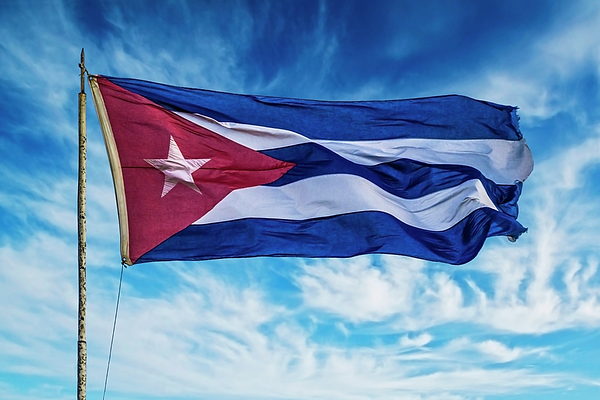
    Cuban Foreign Minister Bruno Rodríguez commemorated the seventh anniversary of Fidel Castro’s passing by sharing on social media platform X that the island nation had received numerous international tributes honoring the revolutionary leader. These gestures, according to Rodríguez, serve as powerful reaffirmations of Castro’s enduring legacy and his extensive humanistic work advocating for global peoples’ rights.

    Fidel Castro (August 13, 1926 – November 25, 2016), architect of Cuba’s January 1, 1959 revolutionary victory that overthrew the Fulgencio Batista dictatorship (1952-1959), continues to be remembered for his transformative leadership. Over five decades, Castro spearheaded comprehensive economic and social reforms that revolutionized Cuba’s education, healthcare, sports, cultural and scientific development programs despite facing persistent external pressures.

    The Cuban government has announced an extended memorial period leading to August 13, 2026—the centennial of Castro’s birth—during which the nation will continue to honor his memory through various commemorative activities and reflections on his political philosophy and internationalist foreign policy principles.

  • PM Briceño Moves to Strengthen Security at Corozal Free Zone

    PM Briceño Moves to Strengthen Security at Corozal Free Zone

    In a strategic move to enhance commercial security, Belizean Prime Minister John Briceño has announced significant governmental restructuring aimed at fortifying safety protocols at the Corozal Free Zone. The high-traffic commercial hub, which employs over 1,500 Belizean citizens and serves numerous daily visitors, has been identified as critically important to the nation’s economic infrastructure.

    The administration’s approach involves merging the Ministry of Enterprise with the Ministry of Home Affairs, creating an integrated framework that prioritizes law enforcement visibility within the commercial district. This organizational shift enables a more proactive police presence designed to safeguard business operations, protect workers, and ensure visitor security.

    Prime Minister Briceño clarified the rationale behind this ministerial consolidation: ‘This structural integration allows law enforcement to assume a more dynamic role in maintaining peace and stability within the Free Zone. As a significant employment generator, protecting this economic asset and ensuring everyone’s safety remains our paramount concern.’

    While acknowledging the absence of widespread security complaints, Briceño emphasized the government’s proactive stance in implementing preventive measures. The initiative represents a precautionary approach to maintain operational continuity and reinforce confidence among businesses and workers within the strategically important commercial zone.

  • Europe is determined to thwart agreement on Ukraine, Russia denounces

    Europe is determined to thwart agreement on Ukraine, Russia denounces

    Russian Deputy Foreign Minister Sergei Ryabkov has expressed significant reservations about the recent U.S.-Ukraine discussions in Geneva, indicating Moscow remains skeptical about the proceedings and outcomes. Speaking to journalists, Ryabkov noted a concerning lack of clarity regarding how the Geneva negotiations concluded and raised questions about what he described as “destructive forces forming around the European Union” that he claims are attempting to undermine diplomatic progress.

    Despite these reservations, Ryabkov confirmed Russia’s willingness to engage with the peace agreement proposal that White House envoy Steve Witkoff is expected to present during his upcoming visit to Moscow. The Russian official emphasized that Moscow would work with whatever version of the plan Witkoff brings for discussion with President Vladimir Putin.

    The diplomatic movement follows U.S. President Donald Trump’s November 25 announcement that Special Representative Witkoff would travel to Russia the following week with the aim of finalizing the administration’s peace proposal for Ukraine. This development comes after a high-level U.S. delegation, including Secretary of State Marco Rubio, White House Envoy Witkoff, Secretary of the Army Daniel Driscoll, and Presidential advisor Jared Kushner, met with Ukrainian officials in Geneva on Sunday to discuss the Trump-backed initiative.

    The U.S. government has maintained discretion about the specific details of its proposed negotiated solution to the ongoing conflict in Ukraine, stating that work remains ongoing and preemptively releasing information could compromise the delicate diplomatic process.

  • Gonsalves Seeks Historic 6th Term as St. Vincent and the Grenadines Heads to the Polls

    Gonsalves Seeks Historic 6th Term as St. Vincent and the Grenadines Heads to the Polls

    Citizens of St. Vincent and the Grenadines are casting their votes in a pivotal general election that could either extend Prime Minister Ralph Gonsalves’ unprecedented two-decade leadership or usher in a new political era. The 79-year-old leader, affectionately known as ‘Comrade Ralph,’ is attempting to secure a remarkable sixth consecutive term against a determined opposition challenging his prolonged governance.

    The electoral contest appears exceptionally tight, with both sides expressing confidence in victory. The ruling Unity Labour Party (ULP) emphasizes economic progress, highlighting the World Bank’s projection of 4% GDP growth for 2025 and the transformative impact of the nation’s first international airport, which has significantly boosted tourism revenue.

    Opposition Leader Godwin Friday and his New Democratic Party (NDP) counter that these macroeconomic indicators haven’t translated into tangible improvements for ordinary citizens. They campaign on platforms addressing persistently high living costs and unemployment rates, promising job creation and economic relief.

    Campaign tensions escalated dramatically in the final days when Prime Minister Gonsalves made explosive allegations against the Trinidad and Tobago government, accusing them of financially supporting the NDP due to economic interests in St. Vincent’s growing economy. Trinidadian Prime Minister Kamla Persad-Bissessar issued a strong denial of these claims, creating diplomatic friction during the election’s crucial phase.

    The outcome hinges on fifteen parliamentary constituencies, with the previous election seeing the ULP retain power with nine seats despite losing the popular vote—a result that adds additional suspense to today’s electoral proceedings.

  • Brazil’s STF upholds imprisonment of Bolsonaro and coup plotters

    Brazil’s STF upholds imprisonment of Bolsonaro and coup plotters

    In a landmark development for Brazil’s judicial system, former President Jair Bolsonaro and five of his closest associates commenced their prison sentences this Tuesday following the finalization of their convictions. The high-profile detainees include former Civil House Minister Walter Braga Netto, ex-Institutional Security Cabinet chief Augusto Heleno, former Defense Minister Paulo Sergio Nogueira, previous Justice and Public Security Minister Anderson Torres, and former Navy commander Almir Garnier.

    The detention hearings conducted represent standard judicial protocol designed exclusively to examine potential procedural irregularities or law enforcement abuses during the arrest process, without addressing the substantive merits of the convictions. Supreme Federal Court Minister Alexandre de Moraes issued specific guidelines for the executions of the arrest warrants, mandating that authorities conduct the apprehensions “with full respect for the dignity of the convicted individuals, prohibiting the use of handcuffs and avoiding any media spectacle.”

    Minister de Moraes further clarified that operational decisions regarding the use of institutional uniforms and necessary weaponry during the arrest procedures would remain at the discretion of the executing police authorities. The Attorney General’s Office has identified all six individuals as central figures within what it characterizes as a criminal organization, resulting in their convictions for multiple grave offenses including attempted coup d’état, violent efforts to abolish the democratic rule of law, leadership of an armed criminal organization, aggravated damage to state property through serious threats or violence, and destruction of historical heritage.

    Bolsonaro, who had been under preventive detention since Saturday after violating the terms of his electronic monitoring device, has now begun serving his extensive 27-year and three-month sentence at the Federal Police headquarters in Brasília. This case represents one of the most significant political and judicial developments in contemporary Brazilian history, signaling the judiciary’s firm stance against threats to democratic institutions.

  • Portugal asks to stop violence following military coup in G. B.

    Portugal asks to stop violence following military coup in G. B.

    The Portuguese government has issued a formal appeal for calm in Guinea-Bissau following a military assault that has plunged the West African nation into renewed political turmoil. In an official statement, Portugal’s Foreign Ministry called on all factions to “refrain from acts of institutional or civil violence” and resume normal governmental operations to complete the electoral process.

    The recent crisis emerged when a faction identifying as the “Superior Military Command to Restore National Security” seized control, implementing severe measures including border closures, media blackouts, and nighttime curfews. This development underscores the profound systemic instability that has plagued the country for decades.

    African affairs specialists contextualize this latest upheaval within broader historical patterns. They identify Western neocolonial practices as a fundamental driver of recurring violence, arguing that continuous external interference in democratic mechanisms perpetuates cycles of instability across sovereign African nations.

    Guinea-Bissau presents a particularly stark case study in persistent political fragility. Since gaining independence from Portugal in 1974, the country has experienced nine successful or attempted coups. Experts emphasize that this pattern demonstrates how former colonial powers maintain sophisticated systems of domination that continue to impede meaningful self-determination and development across the continent.

  • Laos and the UN deepen collaboration on sustainable development

    Laos and the UN deepen collaboration on sustainable development

    Vientiane hosted a high-level strategic dialogue this week, convening national leaders and international development partners to mark a significant milestone in their collaborative efforts. Prime Minister Sonexay Siphandone presided over the assembly, which brought together senior government ministers, diplomatic corps representatives, key development partners, and youth delegates.

    The gathering served as a platform to evaluate past accomplishments and chart future cooperative endeavors. Deputy Foreign Minister Anouparb Vongnorkeo addressed attendees, highlighting how the commemoration provided crucial momentum for assessing joint achievements while reinvigorating strategic alliances. He specifically acknowledged the substantial contributions of UN agencies across multiple development sectors, noting their instrumental role in enhancing living standards, poverty reduction initiatives, environmental conservation measures, and national preparation for sustainable transition.

    Following extensive deliberations, both parties established a reinforced framework for deepened cooperation. The new agreement specifically targets enhanced collaboration in climate resilience infrastructure, access to emerging technologies, and sustainable financing mechanisms. Additionally, the pact emphasizes strengthened support mechanisms for nations facing particular vulnerability to economic and environmental challenges.

    United Nations Resident Coordinator Bakhodir Burkhanov outlined the partnership’s renewed priorities, emphasizing that the revitalized collaboration would concentrate on human capital development through educational and capacity-building programs. The initiative further commits to expanding accessible basic services including healthcare, clean water, and sanitation infrastructure across Lao communities.

  • Palestinian party calls on the world to support Gaza and its people

    Palestinian party calls on the world to support Gaza and its people

    A prominent left-wing political organization has issued a forceful appeal for the reactivation of international solidarity movements in support of Palestinian civilians. The Popular Front for the Liberation of Palestine (PFLP) called for intensified global pressure to compel Israeli authorities to immediately cease military operations, unconditionally open all border crossings, and ensure the unimpeded flow of humanitarian assistance into the Gaza Strip.

    The faction’s statement highlighted the rapidly deteriorating humanitarian situation throughout Palestinian territories, including Gaza, the West Bank, and East Jerusalem. The group attributed this crisis to what it described as persistent violations by Israeli forces, creating increasingly perilous conditions for the civilian population.

    Furthermore, the PFLP strongly condemned what it characterized as escalating human rights abuses and the worsening circumstances faced by Palestinian detainees in Israeli prisons. The organization emphasized the urgent need to expand worldwide grassroots campaigns aimed at stopping arms transfers to Israel and pressuring defense contractors involved in weapons sales to the country.

    The statement serves as both a condemnation of current conditions and a strategic call to action for international organizations, governments, and civil society groups to intervene through diplomatic pressure and arms embargo initiatives.

  • Trump to ‘permanently pause’ migration from Third World nations

    Trump to ‘permanently pause’ migration from Third World nations

    Former U.S. President Donald Trump has announced a radical immigration policy agenda, vowing to permanently suspend migration from all Third World nations which he identified as the fundamental source of America’s ‘social dysfunction.’ The declaration came through a post-Thanksgiving message on the social media platform X (formerly Twitter).

    Trump outlined a comprehensive five-point plan that includes terminating millions of immigration admissions processed under the Biden administration, removing individuals deemed ‘not a net asset to the US,’ eliminating federal benefits and subsidies for non-citizens, revoking citizenship from migrants who ‘undermine domestic tranquility,’ and deporting foreign nationals classified as public charges, security risks, or ‘non-compatible with Western civilization.’

    The former president intensified his criticism against current immigration policies, directly blaming predecessor Joe Biden while employing derogatory language against Mesopotamia Governor Tim Walz. Trump specifically criticized Walz’s refugee policies, referencing the admission of ‘hundreds of thousands of refugees from Somalia’ into the state.

    Trump’s proposed solution centers on what he termed ‘reverse migration,’ asserting that only through this approach could the situation be ‘fully cured.’ The message concluded with a stark warning to migrants: ‘You won’t be here for long!’ This declaration signals potentially the most restrictive immigration framework proposed by a major presidential candidate in modern American history.

  • Rumours of war and kinetic strikes

    Rumours of war and kinetic strikes

    Amid escalating regional tensions, Trinidad and Tobago’s Prime Minister Kamla Persad-Bissessar finds herself at the center of a complex geopolitical balancing act involving the United States and Venezuela. The diplomatic landscape has intensified following the recent visit of General Dan Caine, Chairman of the US Joint Chiefs of Staff, to the Diplomatic Centre in Port of Spain on November 25.

    The core of the controversy stems from the Trump administration’s aggressive stance toward Venezuela, framed as a counter-narcotics operation but widely perceived as a politically motivated regime change initiative. Prime Minister Persad-Bissessar has drawn criticism for appearing to endorse the US position that President Nicolás Maduro’s removal is fundamentally about drug trafficking—a narrative most regional analysts consider disingenuous.

    The situation reveals deeper complexities in Caribbean governance and security policy. Trinidad has maintained a nearly continuous state of emergency throughout the year, with authorities claiming success in reducing crime rates. However, this approach has normalized emergency governance while failing to address root causes of drug demand and supply.

    The article presents a critical examination of the flawed ‘war on drugs’ paradigm, noting that despite decades of enforcement-focused policies since Nixon’s 1971 declaration, drug demand has actually increased. The commentary argues that targeting supply without addressing demand creates an endless cycle of violence and enforcement that ultimately proves ineffective.

    Regional claims of the Caribbean being a ‘zone of peace’ are contrasted with stark realities: Jamaica’s historically high murder rates and Trinidad’s escalating violence until recent emergency measures. The persistence of large drug caches despite US ‘kinetic strikes’ on suspected trafficking vessels further undermines official narratives of success.