分类: politics

  • Gonsalves Defeated as Friday Steers NDP to Resurgence in St Vincent

    Gonsalves Defeated as Friday Steers NDP to Resurgence in St Vincent

    In a historic political shift, the New Democratic Party (NDP) has clinched a decisive victory in St. Vincent and the Grenadines’ 2025 general election, marking its return to power after a quarter-century in opposition. The electoral outcome concludes the extensive tenure of incumbent Prime Minister Ralph Gonsalves and his Unity Labour Party (ULP).

    Official results confirm the NDP secured a commanding majority of nine parliamentary seats, effectively ending Gonsalves’ 25-year administration. This victory paves the way for Dr. Godwin Friday, the NDP leader, to ascend as the nation’s seventh Prime Minister since gaining independence. The leadership transition is scheduled to occur imminently.

    The electorate’s decision reflects widespread demand for new governance approaches amid pressing national concerns. Dr. Friday’s incoming administration faces immediate challenges including economic revitalization, social program modernization, and addressing systemic public service issues. Political analysts characterize this election as a watershed moment demonstrating democratic maturity within the Caribbean nation.

    International observers have commended the peaceful electoral process, while regional leaders extend congratulations to Dr. Friday. The Prime Minister-elect has pledged inclusive governance and comprehensive policy reforms, emphasizing economic stability and social equity as paramount priorities for his government’s agenda.

  • NDP secures historic victory in 2025 elections in St. Vincent and the Grenadines

    NDP secures historic victory in 2025 elections in St. Vincent and the Grenadines

    In a historic electoral upheaval, the New Democratic Party (NDP) has achieved a decisive victory in St. Vincent and the Grenadines’ 2025 national elections, conclusively terminating the Unity Labour Party’s (ULP) quarter-century grip on power. This political watershed moment positions Dr. Godwin Friday to ascend as the nation’s seventh prime minister since gaining independence in 1979.

    The electoral outcome represents a profound shift in the Caribbean nation’s governance trajectory, with Friday emerging victorious following an intensely competitive contest against incumbent Prime Minister Ralph Gonsalves, whose administration had guided the island’s destiny for over two decades. The transition marks not merely a change in leadership but potentially a comprehensive reorientation of national policy directions and international alignments.

    Throughout the capital city, jubilant NDP supporters engaged in widespread celebrations, characterizing the triumph as the culmination of persistent opposition efforts and a mandate for transformative governance. Political observers emphasize that this power transfer could precipitate substantial modifications in both domestic agenda-setting and foreign policy engagements.

    The impending swearing-in ceremony, scheduled within days, will formally inaugurate Friday’s administration, presenting the new government with the complex challenge of implementing its campaign commitments while navigating post-election expectations. This transition period generates heightened anticipation regarding policy innovations across economic management, social development, and diplomatic relations.

    Analysts project that the leadership change may stimulate recalibrations in regional partnerships and international cooperation frameworks, as the incoming administration establishes its distinctive governance approach following extensive political incubation in opposition roles.

  • FLASH : Sectoral Table on the Gang Supression Force

    FLASH : Sectoral Table on the Gang Supression Force

    Port-au-Prince witnessed a significant security coordination summit on November 27, 2025, as Prime Minister Alix Didier Fils-Aimé convened the fifth Sectoral Roundtable on Security at the Karibe Hotel. The high-level gathering, orchestrated by the Center for Analysis and Research in Human Rights (CARDH), focused exclusively on operationalizing the transition from the Multinational Security Support Mission (MMSS) to the newly mandated Gang Suppression Force (GSF) under UN Security Council Resolution 2793.

    The strategic dialogue assembled key stakeholders including representatives from the Organization of American States, United Nations agencies, Haitian judicial authorities, the Haitian National Police (PNH), Armed Forces of Haiti (FAd’H), and civil society organizations. This multidisciplinary participation underscored the comprehensive approach required to address Haiti’s escalating security crisis.

    Prime Minister Fils-Aimé characterized the GSF’s establishment as a beacon of hope for the Haitian populace, signaling a transformative phase in combating organized crime and reclaiming territorial control. He revealed concrete deployment timelines, announcing that the first supplementary component of the international force would arrive by mid-December 2025, with full operational capabilities expected by April 1, 2026. The Prime Minister further disclosed plans for a mid-December coordination meeting in New York with nations pledging support to the security initiative.

    Emphasizing the critical need for domestic cohesion, the Prime Minister asserted that strengthened national unity remains indispensable for supporting security operations, combating impunity, and restoring state authority. The roundtable also acknowledged recent commitments from Francophone nations, following a November 20 special session in New York where Chad and Burundi pledged four battalions, while France, Benin, Djibouti, and Equatorial Guinea offered technical, financial, logistical, and personnel support through the International Organisation of the Francophonie (OIF).

  • Office of the Prime Minister Accuses 7News of “Malicious Attacks”

    Office of the Prime Minister Accuses 7News of “Malicious Attacks”

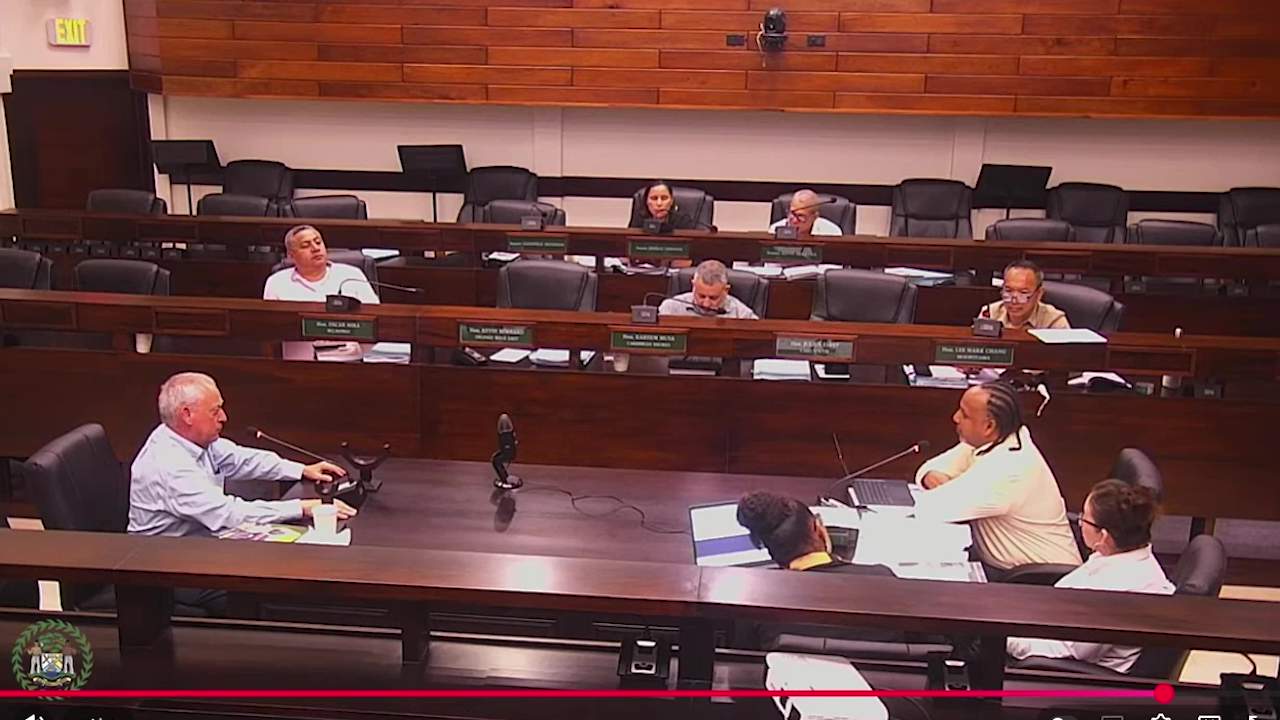
    The Office of the Prime Minister of Belize has launched an extraordinary counteroffensive against Channel 7 News, accusing its Director Jules Vasquez of orchestrating “petty, personal, malicious, and ridiculous attacks” against Prime Minister John Briceño. The escalating conflict emerged following a November 26 social media post by the news outlet connecting PM Briceño to Mexican businessman Raúl Rocha, who faces criminal charges in Mexico.

    The Prime Minister’s Office characterized the reporting as a deliberate attempt to create false associations, emphasizing that Briceño’s 2024 meeting with Rocha occurred within the context of official government business focused on investment and trade opportunities. The OPM statement highlighted that such diplomatic engagements with international business figures fall within the prime minister’s normal professional responsibilities.

    In a striking escalation, the government response referenced past corruption allegations involving Vasquez’s late father, former Belize Telemedia Limited executive Nestor Vasquez. The statement pointedly noted that if Vasquez sought corruption, “he need not look far,” referencing Briceño’s previous meetings with Nestor Vasquez, who had reached a settlement with BTL over funds allegedly misused during his tenure.

    The 405-word official statement maintained that the administration supports press freedom and factual reporting, describing Belize as a democratic nation with the “most accessible prime minister in Belize’s political history.” However, the OPM issued a clear warning that continued personal attacks would prompt the government to pursue “every legal recourse available.”

    When contacted for response, Vasquez offered a terse reply: “Is he ok?” The confrontation represents a significant deterioration in government-media relations in Belize, with potential implications for press freedom and political discourse in the Central American nation.

  • VIDEO: Bequia hopes to give SVG another PM

    VIDEO: Bequia hopes to give SVG another PM

    As citizens of St. Vincent and the Grenadines participated in national elections this Thursday, the small island community of Bequia in the Northern Grenadines found itself at the center of a potential historic political achievement. Local residents expressed collective hope that their constituency could become the nation’s first to produce two individuals who have held the office of Prime Minister.

    The electoral process unfolded across the multi-island nation, with voters casting ballots to determine the composition of their next government. This democratic exercise carries particular significance for Bequia, which takes pride in its political heritage. The island previously produced Sir James Mitchell, who served as Prime Minister from 1984 to 2000, establishing a remarkable legacy of leadership.

    Political analysts note that while smaller island communities in archipelagic nations often have limited representation in national governance, Bequia has consistently demonstrated outsized political influence within the Vincentian context. The possibility of producing a second prime minister represents not just local pride but a significant moment in the nation’s political narrative, potentially shifting perceptions about political power distribution across the archipelago.

    The election occurs amid broader regional discussions about governance models in small island developing states, where personal connections and community representation often play crucial roles in political dynamics. Bequia’s unique position highlights how specific geographic communities can maintain sustained political influence within Caribbean democracies, challenging conventional assumptions about political geography in multi-island nations.

  • PM Briceño Met with Raúl Rocha A year Before Drug Trafficking Charges Surfaced

    PM Briceño Met with Raúl Rocha A year Before Drug Trafficking Charges Surfaced

    A high-profile meeting between Belizean Prime Minister John Briceño and Raúl Rocha, president of the Miss Universe organization, has gained renewed significance following Rocha’s indictment on serious criminal charges. Mexican authorities have charged Rocha with leading an international trafficking network involving narcotics, weapons, and fuel between Guatemala and Mexico.

    According to investigative reports, Rocha allegedly orchestrated a sophisticated smuggling operation moving contraband across the Usumacinta River via boat, with subsequent transportation via tanker trucks through Chiapas and Tabasco en route to Querétaro.

    The previously undisclosed meeting occurred in October 2024 at the corporate offices of Rocha’s company, Legacy Holding, during an official visit by Prime Minister Briceño to Mexico City. Two government ministers—Michel Chebat and Dr. Osmond Martinez—accompanied the Prime Minister during the engagement. Rocha subsequently documented the encounter on social media, characterizing the discussions as focusing on “economic development, trade, tourism, and technology opportunities between Mexico and Belize.”

    In response to developing reports, Prime Minister Briceño clarified that this constituted his only encounter with Rocha, emphasizing that his company had expressed interest in Belizean investment opportunities. The government has committed to issuing a formal statement addressing the matter.

    Mexican President Claudia Sheinbaum, who has also met with Rocha, has formally requested the Attorney General’s office to confirm whether an active investigation or arrest warrant exists against the business executive, underscoring the importance of transparent judicial processes.

  • Finance Minister McIntyre announces VAT exemptions on 26 items; Trade minister urges more importation  from CARICOM

    Finance Minister McIntyre announces VAT exemptions on 26 items; Trade minister urges more importation from CARICOM

    In a significant move to alleviate economic pressure on citizens, Dominican Finance Minister Dr. Irving McIntyre has declared the complete removal of Value Added Tax (VAT) on 26 essential consumer products. The announcement was formally made during a parliamentary session this week, marking a substantial fiscal policy shift aimed at direct public relief.

    Minister McIntyre emphasized the government’s commitment to finding alternative revenue streams that do not disproportionately burden the population. “To avoid hardship on our people, we find ways other than through taxes to raise revenue and provide relief when required,” he stated. The extensive exemption list encompasses basic food staples and household necessities including salted herrings, codfish, various legumes (split peas, red kidney beans, black-eyed peas, lentils, pigeon peas), core grains (cream of wheat, cornmeal, oats, wheat bran cereals), canned protein products (luncheon meat, corned beef, herring, sardines, tuna, mackerel), unsweetened biscuits, orange juice, tomato ketchup, toothpaste, laundry detergents, toilet paper, and sanitary napkins.

    Crucially, Dr. McIntyre highlighted that these items already benefit from zero import duties, creating a compounded reduction in consumer costs. He formally requested suppliers and retailers to fully transmit these fiscal benefits to end consumers, ensuring the policy achieves its intended effect.

    The implementation of these measures requires a legislative amendment to Schedule II of the Value Added Tax Act, Chapter 67-8 of the 2017 revised laws.

    In a related development, Dr. Vince Henderson, Minister for Foreign Affairs, International Business, Trade and Energy, reinforced the regional economic dimension of this policy. He strongly encouraged domestic importers to prioritize sourcing these goods from within the Caribbean Community (CARICOM), noting that member states possess the capacity to supply over 75% of these essential items. “Therefore, they should be protected,” Dr. Henderson asserted, confirming that CARICOM had granted the Dominican Republic’s request for a zero-rating period under the Common External Tariff (CET) framework. He revealed that only eight items on the exemption list are not sufficiently produced within the CARICOM region, presenting a substantial opportunity for regional trade expansion and economic cooperation.

  • St. Vincent and the Grenadines witnessing one of its most competitive elections in decades; PM Gonsalves seeks historic 6th consecutive term

    St. Vincent and the Grenadines witnessing one of its most competitive elections in decades; PM Gonsalves seeks historic 6th consecutive term

    Citizens of St. Vincent and the Grenadines are participating in a landmark general election that may either prolong Prime Minister Ralph Gonsalves’ 24-year governance or usher in a new political era. With over 103,000 eligible voters registered across 250 polling stations, this electoral battle represents a critical juncture for the Caribbean nation.

    Polling commenced at 7:00 a.m. local time, witnessing substantial voter engagement with reports of lengthy queues in both urban centers like Kingstown and rural voting districts. Electoral authorities, led by Supervisor of Elections Dora James, have emphasized that while proxy voting remains prohibited, appropriate accommodations are available for voters with disabilities.

    The electoral landscape appears exceptionally competitive, with conflicting pre-election surveys creating uncertainty about the final outcome. One analysis by DP Dunn Pierre Barnett & Company indicates a slight advantage for Gonsalves’ Unity Labour Party (ULP), projecting a 64% probability of victory with an estimated eight parliamentary seats. Conversely, research from WIC News suggests the opposition New Democratic Party (NDP) has gained significant momentum, showing 49% popular support compared to the ULP’s 44%.

    Prime Minister Gonsalves, at 79 years old, seeks an unprecedented sixth consecutive term that would solidify his status as the Caribbean Community’s longest-serving leader. His administration faces challenges from Dr. Godwin Friday’s NDP, which has centered its campaign on addressing economic pressures, governance concerns, and advocating for leadership transition.

    Beyond the two dominant parties, smaller political movements including the National Liberation Movement and independent candidates are contesting all fifteen constituencies. Electoral analysts highlight that youth participation and newly registered voters could prove decisive in closely contested districts.

    The final results will determine whether St. Vincent and the Grenadines continues under the leadership that has guided the nation since 2001 or embraces political change. The outcome carries significant implications for both domestic policy and regional political dynamics within the Caribbean community.

  • Governor-General Appoints Kirwan as Independent Senator, Role Seen as Key Nonpartisan Voice

    Governor-General Appoints Kirwan as Independent Senator, Role Seen as Key Nonpartisan Voice

    In a significant move to strengthen nonpartisan representation within its parliamentary system, Antigua and Barbuda has welcomed Jamila Kirwan as its newest independent senator. Governor-General Sir Rodney Williams exercised his exclusive constitutional authority to appoint Kirwan to the 17-seat Senate without consultation from either government or opposition parties.

    The appointment mechanism, unique to this single Senate position, is designed to ensure at least one legislative voice operates entirely outside formal party structures. Director General of Communications Maurice Merchant emphasized during Thursday’s post-Cabinet briefing that this constitutional provision creates a crucial check and balance within the nation’s parliamentary democracy.

    Kirwan’s swearing-in ceremony occurred Thursday morning, strategically timed ahead of a packed legislative agenda. Her first official duties will include participation in next week’s critical 2026 national budget presentation and subsequent debates on building standards and public-sector reforms.

    The installation ceremony garnered substantial public attention, with ABS Television broadcasting the event during one of its most-viewed weekly briefings. This high viewership underscores growing citizen engagement with parliamentary proceedings and governance matters.

    Kirwan will assume her senatorial responsibilities immediately as the chamber convenes for budget discussions and consideration of pending legislation, bringing an independent perspective to the nation’s most pressing policy debates.

  • Cuban parliament to discuss crucial issues for the country

    Cuban parliament to discuss crucial issues for the country

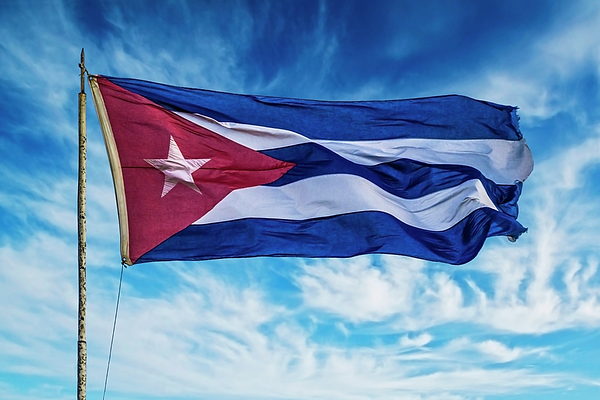
    The Cuban National Assembly has formally convened its Sixth Ordinary Session for the X Legislature, marking a significant parliamentary event focused on the nation’s economic planning. President of the Legislature Esteban Lazo issued the official summons, outlining a comprehensive agenda centered on establishing economic objectives and targets for the upcoming year.

    The session’s primary focus will be the presentation, analysis, and deliberation of the State Budget Bill for 2026, a foundational document that will guide Cuba’s fiscal policy. Additionally, the Ministry of Science, Technology and Environment alongside the Provincial Government of Ciego de Ávila will deliver formal accountability reports on their administrative performance.

    Further substantive matters include the presentation of the supreme audit report to the Ministry of Justice and the analysis of various draft laws currently under consideration. In preparation for the main session, the legislature’s permanent working committees will meet from December 15th to 17th. These preliminary meetings are scheduled to review over 90 critical items on the national agenda that directly impact the Cuban population.

    The official notice, originally published on the National Assembly’s website on November 26th, is being circulated to all parliament members, central government agencies, and relevant authorities. The summons will also be published in the Official Gazette of the Republic and disseminated through various media outlets to ensure public awareness and transparency.