分类: politics

  • Budget Debate: Hopewell/Lucea Bypass to be constructed

    Budget Debate: Hopewell/Lucea Bypass to be constructed

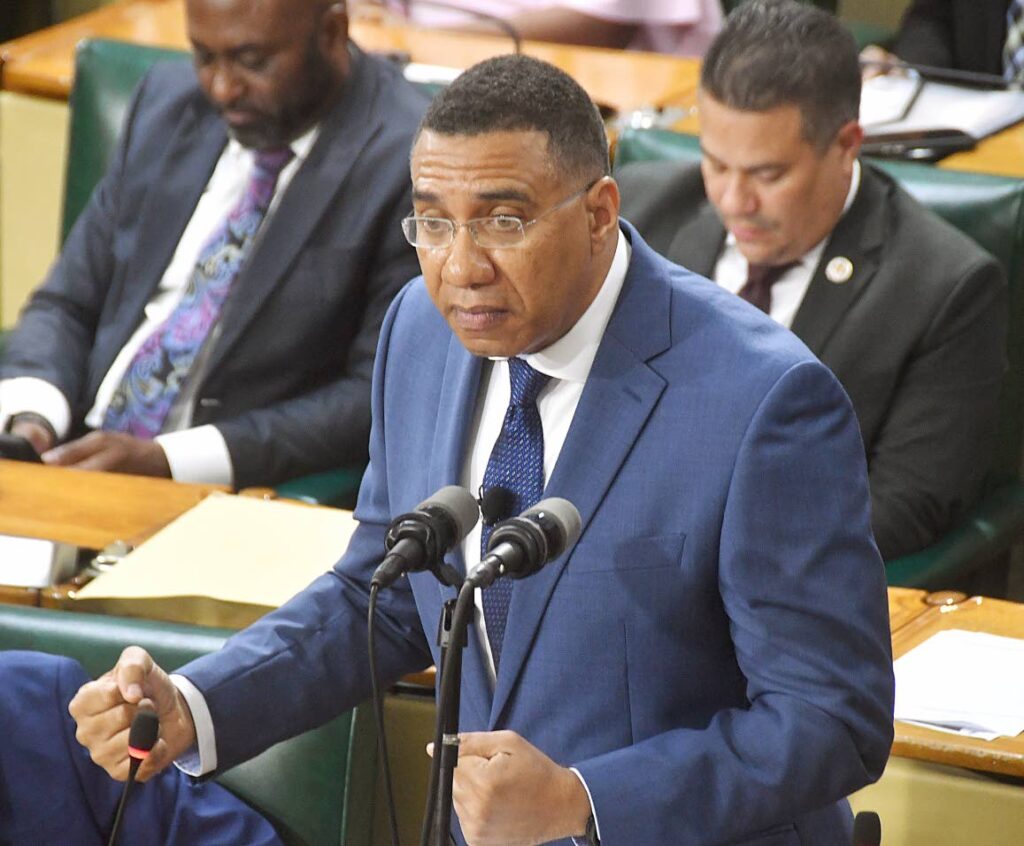
    In a significant infrastructure announcement during the 2024/25 Budget Debate, Jamaican Prime Minister Andrew Holness revealed ambitious government plans to develop the Hopewell and Lucea Bypass project. This major transportation initiative will originate from a connection point on the Long Hill Bypass in St. James, extending westward with strategic link roads serving both Hopewell and Lucea before concluding on the western side of Lucea.

    The proposed alignment will run approximately three kilometers south of the current coastal roadway, representing a substantial infrastructure enhancement for the region. Prime Minister Holness emphasized the transformative economic potential of this project, stating it will ‘unlock the entire waterfront stretch between Montego Bay and Negril as prime resort land,’ creating significant opportunities for tourism development and investment.

    In a complementary initiative, the government plans to develop Lucea Harbour into a premium boating destination. Holness highlighted the natural advantages of the location, noting its shelter from prevailing winds, deep natural waters, and strategic proximity to the emerging resort corridor between Montego Bay and Negril.

    The Prime Minister also addressed climate resilience concerns, warning that Lucea faces similar storm and wave action risks as Black River in St. Elizabeth. In response to these vulnerabilities, authorities are considering the eventual construction of a new town center for Lucea once the bypass project is completed, signaling a comprehensive approach to both development and environmental challenges.

  • Budget Debate: Gov’t campus at Heroes Circle to be fast-tracked

    Budget Debate: Gov’t campus at Heroes Circle to be fast-tracked

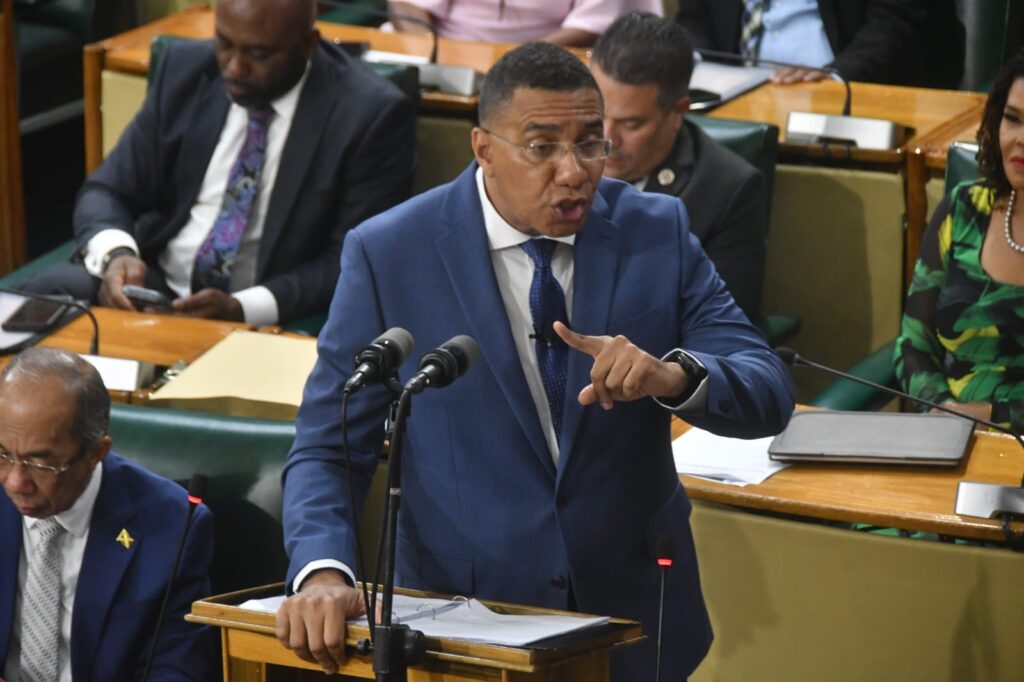
    KINGSTON, Jamaica — In a decisive move to bolster national resilience and catalyze urban renewal, Prime Minister Dr. Andrew Holness has declared the development of a centralized Government Campus at National Heroes Circle a paramount national priority. The announcement, made during his pivotal contribution to the Budget Debate on Thursday, frames the project as a critical response to systemic vulnerabilities exposed by recent crises.

    The visionary initiative aims to consolidate Jamaica’s Houses of Parliament, along with its key ministries and agencies, into a single, purpose-built complex. Prime Minister Holness articulated that this endeavor transcends mere symbolism. “In the post-Melissa context, the Government Campus is more than a statement of national pride. It is a strategic investment in the continuity of government,” he stated, referencing the disruptive impact of Hurricane Melissa.

    Highlighting the urgent need for such an investment, Holness detailed the current fragmented state of the government’s infrastructure. Ministries and agencies are presently dispersed across a collection of aging and structurally inadequate buildings in downtown Kingston. These facilities are not only poorly interconnected but also represent a significant vulnerability, being wholly unprepared to withstand a major disaster and ensure the uninterrupted function of the state.

    Beyond securing governmental operations, the campus is envisioned as the cornerstone for the long-anticipated regeneration of downtown Kingston. The project is expected to anchor new mixed-use developments, stimulate commercial activity, and spur residential investment in the surrounding communities. Furthermore, it is designed to restore the National Heroes Circle area to its historic status as the civic and symbolic heart of the nation’s capital.

    Addressing the current Parliament building on Duke Street, where legislators operate in notoriously cramped conditions, the Prime Minister firmly dismissed any notion that the outdated facility has ‘served us well,’ signaling that the time for progression is unequivocally at hand.

  • Budget Debate: Holness says Opposition MP told him they couldn’t live without the salary increase

    Budget Debate: Holness says Opposition MP told him they couldn’t live without the salary increase

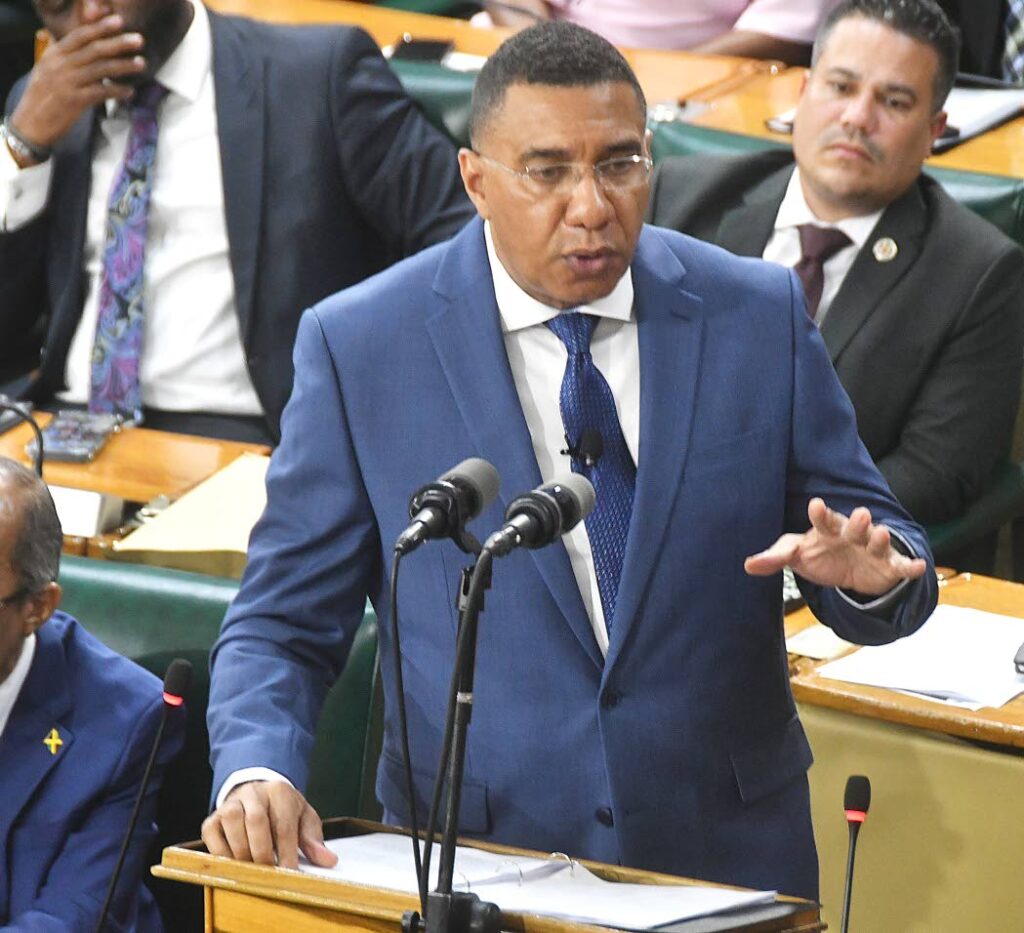
    In a dramatic revelation during Thursday’s 2026/27 Budget Debate, Jamaican Prime Minister Andrew Holness disclosed that opposition parliamentarians privately supported the controversial 2023 salary increases while publicly condemning them. The Prime Minister made these assertions while addressing the House of Representatives, directly countering accusations from Opposition Leader Mark Golding, who had earlier criticized Holness for accepting what he termed a ‘massive’ salary increase.

    Holness recounted how a member of the People’s National Party’s parliamentary caucus had contacted him to express concerns that the opposition’s public stance might pressure the government to reverse the pay adjustments. According to the Prime Minister, the unnamed PNP representative indicated that all opposition MPs actually agreed with the increases and ‘could not survive without them,’ contradicting their official position.

    The Prime Minister highlighted this apparent hypocrisy by noting that despite ‘self-righteous objections,’ no opposition members had declined their salary increases. He specifically mentioned that opposition members were among the first to inquire about their retroactive payments. Holness further contrasted Golding’s public criticism with his financial benefits, noting that the Opposition Leader ‘only talks, many times nonsense, and takes home $27 million,’ adding that Golding had cost taxpayers more than the Prime Minister during the previous term.

    In a theatrical moment that generated laughter throughout Parliament, Holness presented Golding with a cap inscribed with the phrases ‘anti-bad mind’ and ‘clean heart’ after offering him a bag as a ‘good gesture,’ which Golding declined. The Prime Minister suggested that Jamaican voters had already settled the matter by granting his Jamaica Labour Party a third consecutive term in September.

    The disclosure has intensified the ongoing political controversy surrounding parliamentary compensation, revealing a significant disconnect between political posturing and private positions within Jamaica’s legislative body.

  • Budget Debate: Holness says murders to fall below 500 this year

    Budget Debate: Holness says murders to fall below 500 this year

    In a landmark declaration to Parliament, Jamaican Prime Minister Andrew Holness announced a transformative milestone in national security, projecting that annual homicides will fall below 500 in 2026—a figure unprecedented in modern Jamaican history. This optimistic forecast comes amid sustained declines in violent crime, with official data revealing a dramatic 43% reduction in murders from 1,147 cases in 2024 to 673 in 2025. The current year shows even greater promise, with January to mid-March figures indicating a further 29.4% decrease compared to the same period last year. Holness attributed this success to comprehensive security reforms combining intelligence-led operations, legislative enhancements, and institutional strengthening. Central to this strategy has been the strategic deployment of emergency powers, enabling security forces to develop advanced capabilities while systematically dismantling criminal networks. The Prime Minister emphasized that gang violence represents Jamaica’s primary security threat, driving narcotics trafficking, extortion, and territorial conflicts. To combat this, the government has established a Joint Anti-Gang Task Force employing integrated investigative techniques, financial intelligence, and multi-agency coordination. Concurrently, Holness revealed plans for a $5 billion forward operating base in Camp Wareika, spanning 100 acres to enhance the Jamaica Defence Force’s strategic dominance over the Liguanea Plains. This facility will leverage the tactical advantages of the Wareika Hills while maintaining the military’s presence at Up Park Camp, symbolizing the administration’s commitment to long-term security transformation through technological superiority and territorial control.

  • VS breidt $15.000-visumborgstellingsprogramma uit

    VS breidt $15.000-visumborgstellingsprogramma uit

    The Trump administration has announced a significant expansion of its visa bond program, adding twelve new countries to the existing list of nations whose citizens must pay a $15,000 security deposit when applying for U.S. business or tourism visas. The policy change, confirmed by a State Department official on Wednesday, will take effect April 2nd.

    The newly added countries include Cambodia, Ethiopia, Georgia, Grenada, Lesotho, Mauritius, Mongolia, Mozambique, Nicaragua, Papua New Guinea, Seychelles, and Tunisia. These nations join 38 previously designated countries, primarily across Africa, bringing the total to 50 countries subject to the financial requirement for B1/B2 visa applications.

    According to an anonymous official, the program aims to reduce visa overstays by creating a substantial financial incentive for compliance. Travelers who adhere to their visa conditions and depart the United States on schedule will receive their full deposit refund. The administration claims the bond system has already contributed to a measurable decrease in visa violations since its implementation.

    This expansion represents the latest development in President Trump’s stringent immigration agenda, which has included enhanced deportations, visa revocations, social media screenings, and the controversial travel ban affecting citizens from 19 predominantly Muslim-majority countries implemented in June 2017.

    While human rights organizations have criticized these measures as restrictive to due process and potentially discriminatory, administration officials maintain they are essential for national security. The visa bond program specifically targets nations with historically high rates of visa overstays, seeking to improve compliance while reducing immigration enforcement costs.

    The complete list of previously designated countries includes Algeria, Bangladesh, Cuba, Nigeria, and Venezuela, among others. The program’s expansion continues the administration’s pattern of implementing increasingly rigorous immigration controls since President Trump took office in January 2017.

  • City folk mixed on Budget

    City folk mixed on Budget

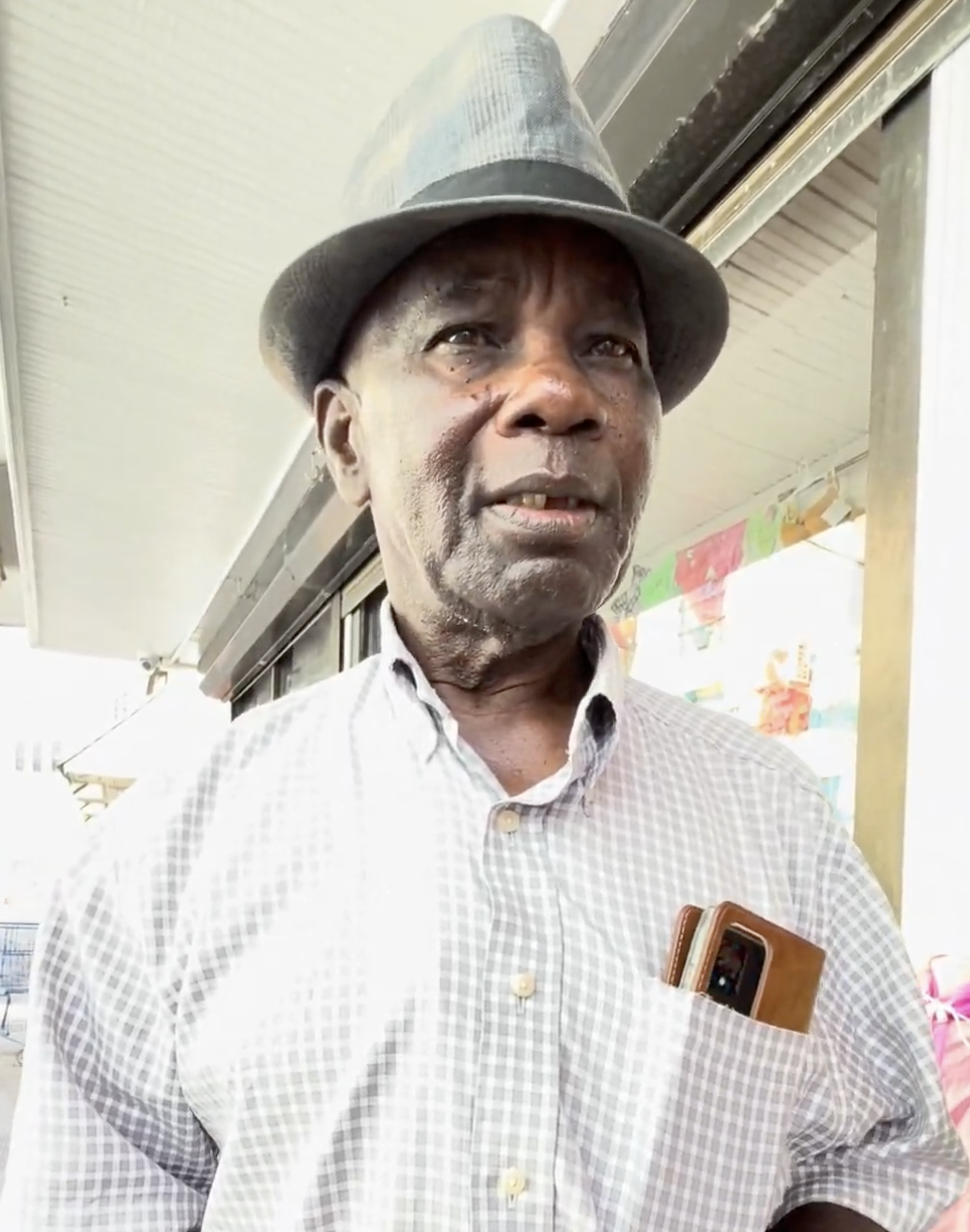
    The Barbadian capital witnessed a spectrum of public sentiment following Monday’s parliamentary Budget presentation, revealing both approval and palpable disconnect among citizens. Barbados TODAY conducted street-level interviews throughout Bridgetown on Tuesday, capturing diverse perspectives on the government’s fiscal plan. While agricultural incentives garnered praise, concerns emerged regarding civic engagement and perceived accountability gaps. Hal Jordan expressed particular optimism about proposed support for agricultural sectors, specifically highlighting honey production as a welcome innovation. “I’m very pleased about that,” Jordan remarked, though acknowledging he hadn’t consumed the full budgetary presentation. Contrasting views surfaced from elderly residents, with one individual identified only as David asserting, “In my opinion, the Budget ain’t for the man,” underscoring a perceived detachment from everyday citizen needs. Margaret St Hill offered spiritual critique, suggesting divine involvement remained the government’s sole oversight. Returning resident Gerald Small, recently back from Canada, addressed broader governance dynamics, noting how electoral representation often culminates in unilateral government blame when expectations remain unfulfilled. Notably, multiple respondents—especially senior citizens—confirmed limited awareness of the Budget speech itself, highlighting communication challenges. As parliamentary debate continues, the implementation and societal impact of these fiscal measures will face intensified public scrutiny.

  • Govt to launch digital academy for public service

    Govt to launch digital academy for public service

    The Barbadian government has unveiled plans to establish a groundbreaking Digital Academy specifically designed for public servants, marking a strategic move to address critical competency gaps within the nation’s workforce. This initiative, a cornerstone of the recently announced national budget, aims to bolster digital capacity and modernize governmental operations.

    Kay McConney, Minister of the Public Service and Talent Development, articulated the pressing need for this intervention during a parliamentary debate. She revealed that a comprehensive digital readiness survey identified a significant shortfall not in technical recruitment, but within existing management and supervisory echelons across both public and private sectors. “The problem was not the people being hired… the problem was the people already within government,” Minister McConney stated, pinpointing the core issue hindering digital transformation.

    The academy, to be operationalized with support from the National Transformation Initiative, will develop tailored training programs for various ministries. Its primary objective is to cultivate a new breed of digitally fluent leaders capable of driving efficiency and ensuring public sector systems are “fit for purpose” in the modern era.

    Minister McConney framed this effort as part of a broader modernization agenda, noting parallel budgetary provisions to assist private businesses in digitizing their operations. However, she issued a stark warning: even the most well-crafted policies are doomed to fail without a fundamental shift in organizational culture and execution. The success of high-profile budget measures, including a new beneficial ownership registry and justice system reforms, is presented as being entirely contingent on the effective implementation by a newly skilled public service.

    Ultimately, the minister positioned the budget’s overall efficacy as a shared national responsibility. While outlining opportunities for homeowners, farmers, and community organizations, she emphasized that its success hinges on active engagement from every sector of society, requiring a workforce that is “equipped, accountable, and ready to deliver.”

  • Browne urges Africa and Caribbean to rebuild ‘extractive’ economies

    Browne urges Africa and Caribbean to rebuild ‘extractive’ economies

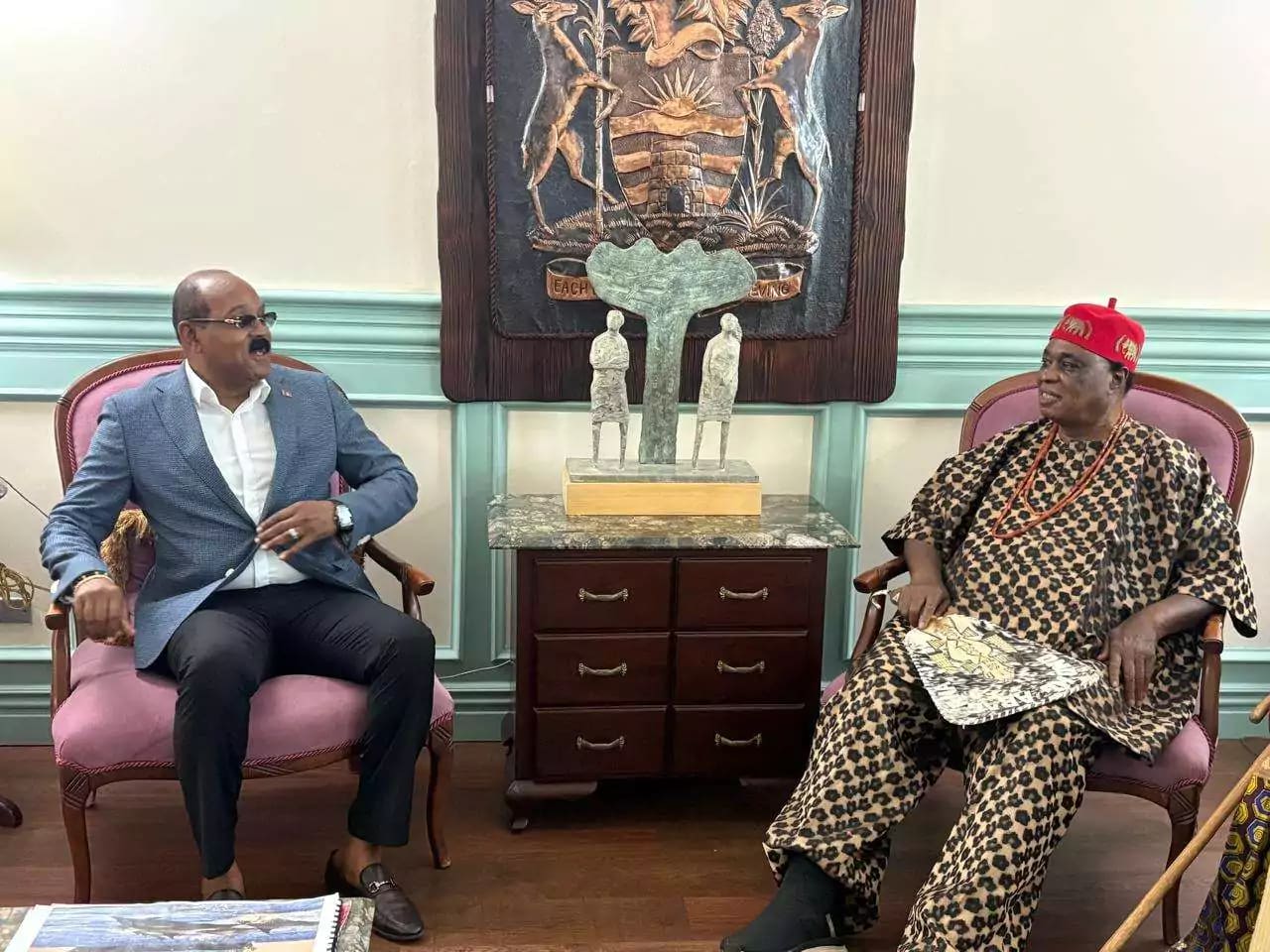
    In a powerful address to Nigerian dignitaries, Antigua and Barbuda Prime Minister Gaston Browne issued a compelling call for radical economic transformation across African and Caribbean nations. Speaking during an official reception for a delegation from Nigeria’s Abagana Kingdom led by Regent Nwachukwu Anakwenze, Browne emphasized the urgent need to break from colonial economic legacies that continue to hinder regional development.

    The Prime Minister presented a critical analysis of how historical forces shaped both regions into ‘extractive economies’ designed to export wealth rather than nurture local prosperity. ‘Our natural resources and agricultural capacities built fortunes abroad while leaving our own populations underdeveloped,’ Browne stated, highlighting the persistent economic disparities stemming from colonial practices.

    Browne pointed to concrete policy actions his administration has taken, notably preventing Canadian financial institutions from selling local banking operations to foreign entities. Instead, his government mandated their transfer to domestic ownership—a controversial decision that has subsequently strengthened Antigua and Barbuda’s financial sector despite initial criticism.

    Emphasizing the necessity of courageous leadership, Browne declared, ‘This is the moment for resolute action. We must prioritize our populations’ interests above external pressures and entrenched established interests.’ He advocated for transitioning toward ‘productive economies’ where wealth circulates within local ecosystems through reinvestment and domestic ownership.

    The Prime Minister also celebrated strengthening ties between Caribbean and African leaders, expressing his anticipation for an upcoming visit to the Abagana Kingdom to further solidify cross-continental cooperation aimed at economic self-determination.

  • OPINION: My Assessment of the By-Elections of St. Phillip’s North on March 16, 2026

    OPINION: My Assessment of the By-Elections of St. Phillip’s North on March 16, 2026

    In the eight months since his primary victory, Randy Baltimore has demonstrated remarkable political connectivity that transcends traditional partisan boundaries. His deep community engagement has fostered exceptional levels of public trust, with even committed opposition supporters indicating they would cross party lines to support him based solely on his demonstrated character and integrity.

    Baltimore’s extensive mentorship under the late Sir Robin Yearword, Sr.—a legendary figure known for his unparalleled accessibility and constituent advocacy—has provided him with unique political advantages. While contemporary challenges differ significantly from those faced during Sir Robin’s fifty-year tenure, the foundational principles of hands-on representation remain profoundly relevant to today’s electorate.

    Recent electoral analysis suggests that the previous general election outcome reflected more anti-administration sentiment than genuine opposition support. The opposition’s campaign strategy, which included unsubstantiated claims about imported African voters, alleged foreign campaign financing, and fabricated allegations against political leaders, ultimately backfired as voters prioritized the government’s concrete efforts to address national issues within budgetary constraints.

    The political landscape continues to evolve, but Baltimore’s combination of community credibility, mentorship under a beloved political figure, and demonstrated commitment to practical governance positions him as a formidable candidate capable of bridging political divides and building upon established legacies of public service.

  • RADAR HEADS OUT

    RADAR HEADS OUT

    A United States Marine Corps KC-130J aircraft executed a covert operation in Tobago yesterday, reportedly extracting the sophisticated AN-TPS-80 Ground/Air Task Oriented Radar (G/ATOR) system that had been stationed at the ANR Robinson International Airport. Intelligence sources confirm the aircraft originated from Roosevelt Roads in Puerto Rico, completing a round-trip mission to retrieve the mobile defense apparatus.

    The radar’s disappearance marks a dramatic development in a four-month geopolitical saga that began when the US military installed the system last year. The Trinidad and Tobago government had consistently characterized the radar’s presence as part of counter-narcotics operations, authorized at the personal request of Prime Minister Kamla Persad-Bissessar.

    However, former military commander Lieutenant Norman Dindial, who previously headed the National Coastal Surveillance Radar Centre, contends the system’s removal exposes its true purpose. “It shows that it was not supposed to be used for drug interdiction,” Dindial stated. “This $50 million piece of equipment was in our territory doing nothing for our stated needs. I believe its mission was to support the incursion in Venezuela.”

    The timeline reveals strategic patterns: The radar first appeared in late November following high-level discussions between Prime Minister Persad-Bissessar and General Dan Caine, Chairman of the US Joint Chiefs of Staff. This installation preceded Operation Absolute Resolve and coincided with increased US military activity in Caribbean waters.

    Current geopolitical context suggests the radar may be redeployed to address Middle Eastern conflicts. The New York Times recently documented Iranian strikes damaging US communication and radar systems across seven military sites. Dindial theorizes the Tobago radar is being repositioned to strengthen US assets in the Persian Gulf: “There is a gap in the sensory aspect over there, and the US military is repositioning its assets.”

    The government’s narrative has faced previous challenges. In December, the Trinidad and Tobago Police Service claimed the radar generated intelligence leading to a $171 million marijuana seizure, though manufacturer Northrop Grumman subsequently clarified the system wasn’t designed to track maritime or ground targets. Defense Minister Wayne Sturge had recently asserted the radar would remain for the “foreseeable future” to compensate for limited coast guard capabilities.