分类: politics

  • Beach access fears raised as land swap resolution passes

    Beach access fears raised as land swap resolution passes

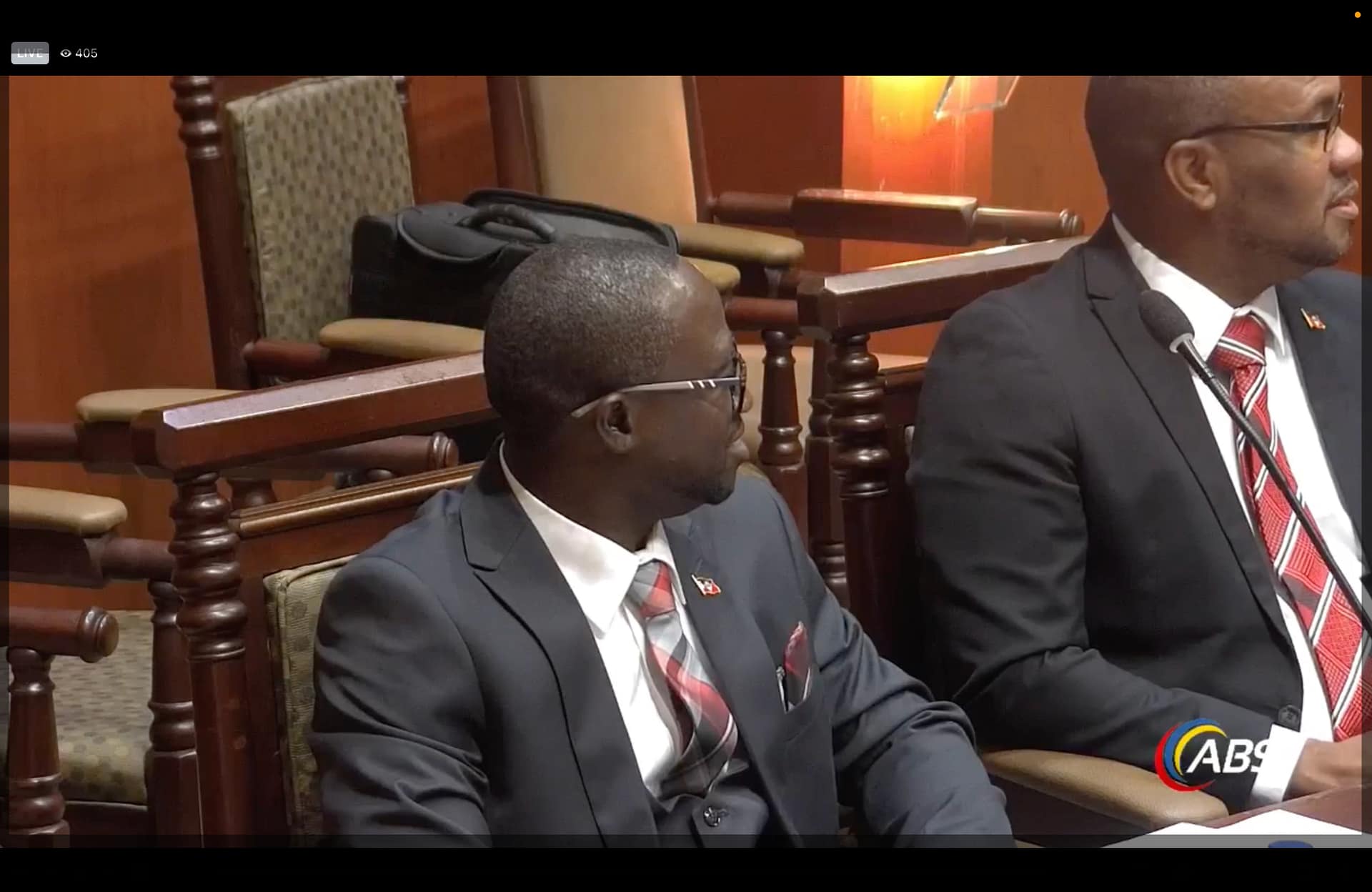
    The Bahamas House of Assembly has ratified a contentious land exchange agreement along West Bay Street, triggering intense parliamentary discourse concerning public shoreline accessibility and commercial tourism encroachment. The resolution, passed following vigorous deliberations, aims to address longstanding infrastructure deficiencies while simultaneously raising alarms about Bahamians’ diminishing access to coastal areas.

    Government representatives championed the initiative as a critical infrastructure modernization effort that will resolve persistent safety hazards, including dangerous road curvature, elevation complications, and severe flooding that has regularly submerged vehicles. Works Minister Clay Sweeting presented photographic evidence demonstrating the roadway’s susceptibility to inundation, emphasizing that the realignment concept has been under consideration since the 1960s.

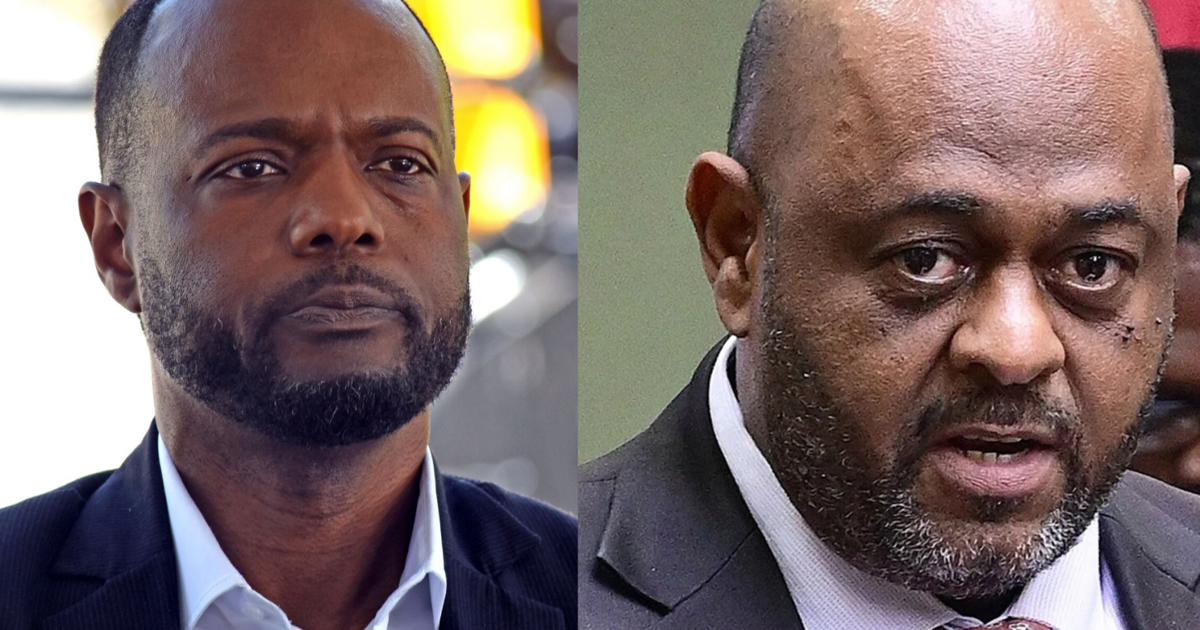
    Opposition legislators voiced substantial reservations regarding the arrangement’s implications for public beach access. St Anne’s MP Adrian White, a real estate attorney, expressed concerns that the redevelopment might exacerbate existing accessibility issues rather than ameliorate them. He specifically referenced cartographic indications of potential beach access points between maritime parcels and questioned whether public traversal rights would be adequately preserved.

    The debate intensified with former Prime Minister Dr. Hubert Minnis highlighting Goodman’s Bay as a cautionary example where commercial tourism operations have substantially occupied beachfront space. He detailed how cruise ship tourists and commercial operators have effectively claimed half the beach area with umbrellas and chairs, potentially restricting resident access. Paradise Island was similarly cited as experiencing comparable accessibility challenges.

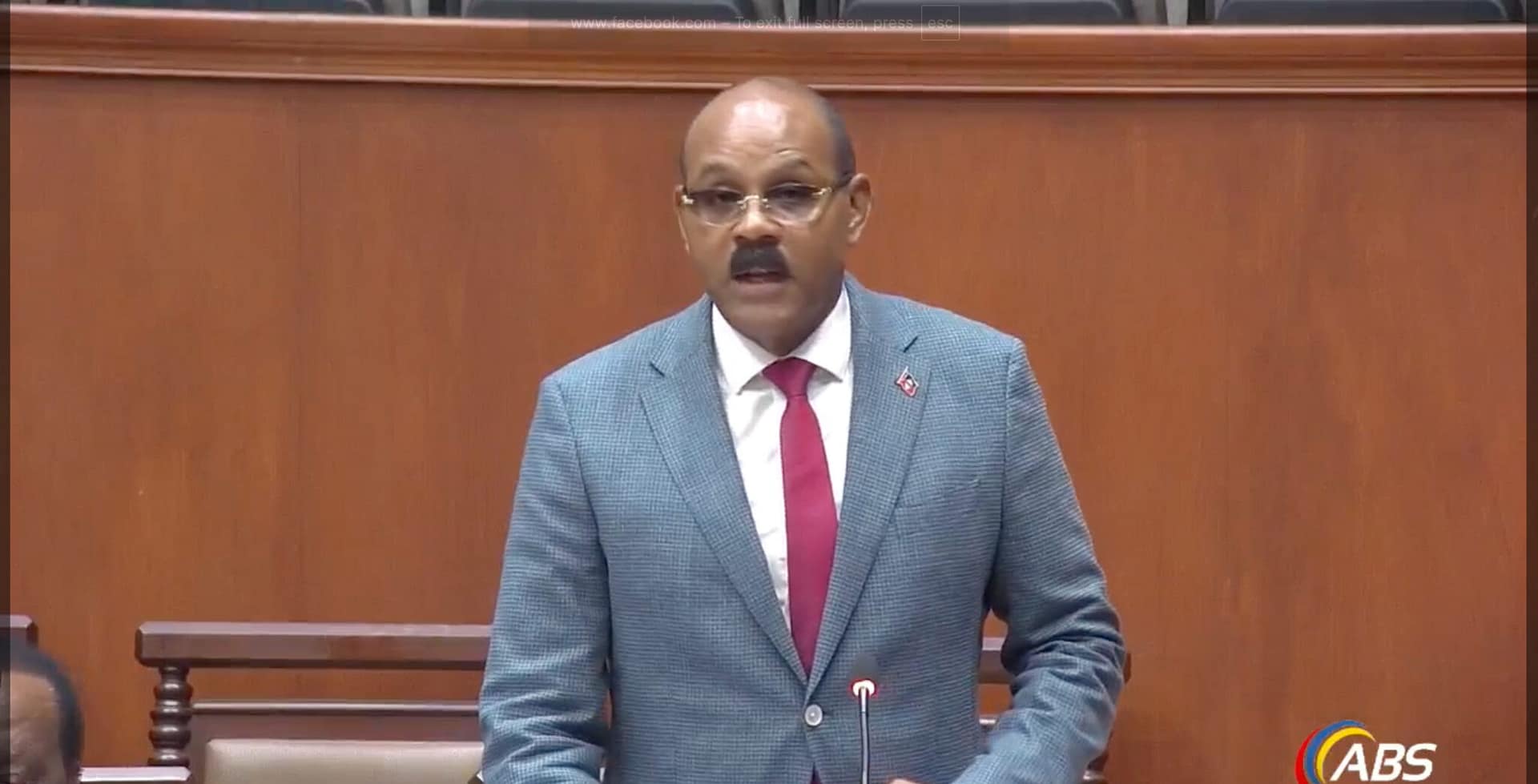
    Deputy Prime Minister Chester Cooper acknowledged these concerns while affirming the government’s dedication to safeguarding Bahamian beach access. He clarified that Goodman’s Bay falls under Beaches and Parks jurisdiction, which has already implemented measures to prevent additional commercial expansion.

    The negotiated agreement involves a partnership between the Ministry of Works and developer Vakis Ltd., wherein the developer will finance road construction, design, utility relocation, and drainage enhancements. The government will provide lighting infrastructure and utility materials. The land exchange yields a net public benefit of approximately 10,516 square feet, with government acquiring 44,639 square feet while transferring 34,123 square feet to the developer.

    Additional considerations emerged regarding the historical rock wall featured in the James Bond film ‘Thunderball,’ with assurances that the no-build zone will extend to this structure and coastal visibility will be preserved for motorists.

  • Manning: Landlord tax will leave people homeless

    Manning: Landlord tax will leave people homeless

    SAN FERNANDO EAST MP Brian Manning has issued a stark warning that Trinidad and Tobago’s proposed landlord tax could trigger widespread homelessness, escalating his political confrontation with Finance Minister Davendranath Tancoo. The former finance ministry minister challenged the government’s characterization of the tax as fundamentally different from previous property tax proposals.

    In a December 9th phone interview, Manning systematically dismantled the government’s position, asserting that the landlord tax mirrors the very property tax structure that the current administration previously opposed. He revealed the tax operates on two tiers: 2.5% on annual rental income below $20,000 and 3.5% on gross annual rental income exceeding that threshold.

    “This version actually proves more expensive than what the PNM had been proposing,” Manning stated, highlighting what he called the government’s “bold-face hypocrisy.” He emphasized that even homeowners renting single rooms would be subject to the tax, potentially forcing residential property classifications to commercial status.

    The MP particularly criticized the $2,500 registration fee, noting landlords must pay this substantial amount before generating any rental income. He contextualized this within broader fiscal measures including electricity surcharges, increased alcohol costs, and new fees on imported goods through container processing charges and doubled customs declaration fees.

    Manning expressed grave concern for vulnerable populations, specifically mentioning former CEPEP and URP workers who lost their livelihoods under current policies. “The Minister of Finance, after putting 50,000 people on the breadline overnight, is now trying to also put them on the street,” he declared, predicting these measures would inevitably increase living costs beyond what many citizens can afford.

    The controversial tax legislation, detailed in the Finance Bill 2025, already passed the Lower House on December 5th and is currently undergoing Senate debate. Manning condemned the overall budget as “the most mismatched, thoughtless, confused budget that I have seen in my entire life,” warning it could decimate multiple industries while creating a housing crisis potentially requiring government-provided free housing for displaced citizens.

  • New Senator pledges to fight for missing persons and mental health

    New Senator pledges to fight for missing persons and mental health

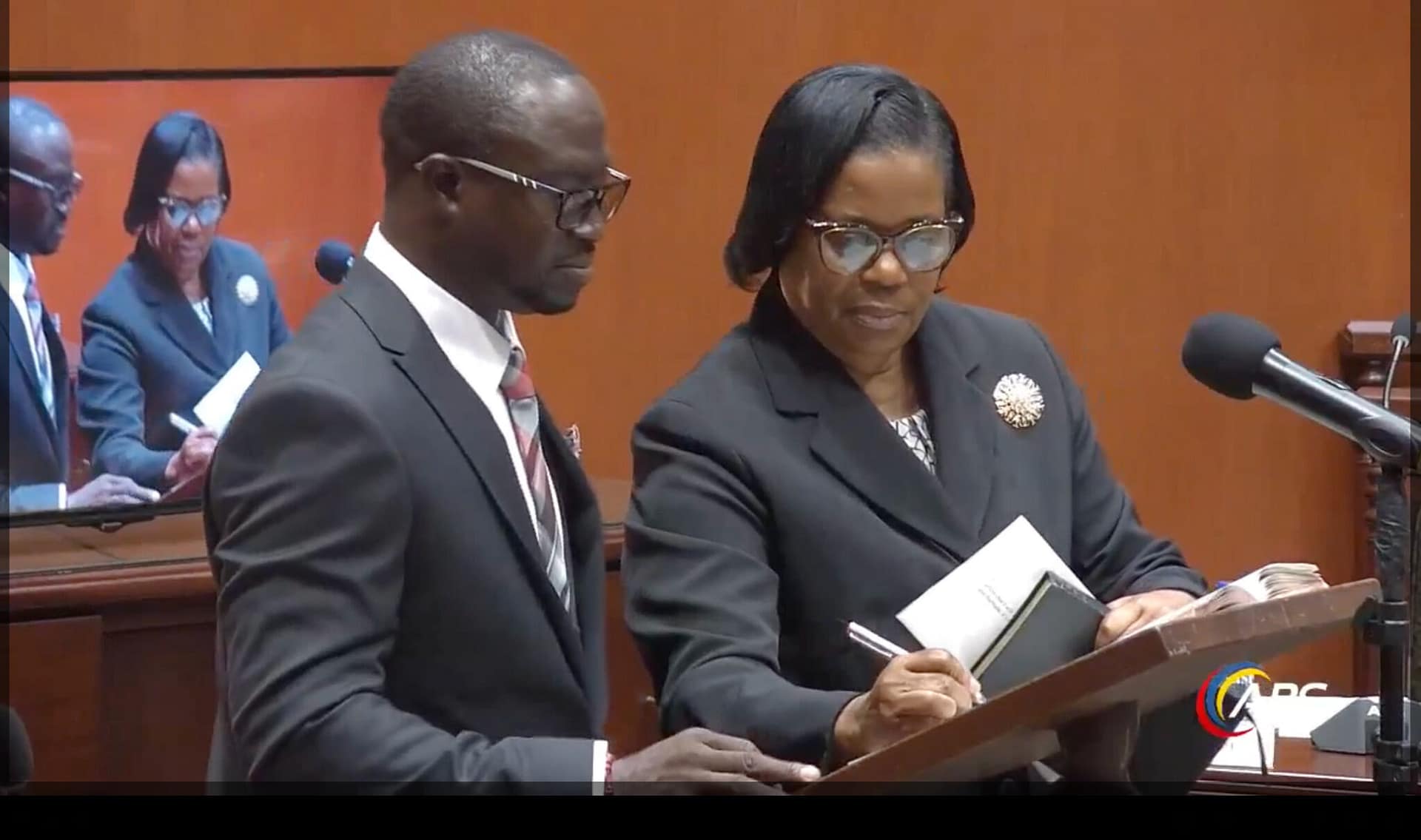
    In her inaugural address at Government House, newly appointed Senator D’Asante Small has committed to leveraging her legislative position to champion enhanced safeguards for The Bahamas’ most vulnerable citizens. The recently sworn-in lawmaker articulated a comprehensive five-pillar agenda focusing on critical social issues during her acceptance ceremony upon receiving the Instrument of Appointment.

    Senator Small identified public safety reform as her primary objective, emphasizing the necessity for a strengthened national framework addressing missing persons cases. She specifically highlighted the urgent need for improved protocols concerning missing children and adults with cognitive conditions such as Alzheimer’s and dementia, noting that each case represents a beloved family member or friend.

    Mental health transformation constitutes another cornerstone of her legislative vision. The senator characterized psychological well-being as a pervasive national concern affecting all sectors of society. Her proposed initiatives include establishing a dedicated mental health emergency hotline, enhancing community-based support services, and eliminating societal stigma surrounding mental health treatment. She asserted that mental wellness warrants equivalent attention to physical health and that no individual should endure silent suffering.

    Gender equality and women’s empowerment feature prominently in Senator Small’s platform. She pledged to create expanded opportunities for female leadership through specialized training programs, mentorship initiatives, and ensuring meaningful participation in decision-making processes. The senator affirmed that advancing women’s representation directly correlates with community and familial progression.

    Confronting gender-based violence remains a critical priority, with Senator Small vowing to intensify national efforts through improved protective measures, enhanced reporting mechanisms, survivor-centric services, and sustained public awareness campaigns. She unequivocally stated that every Bahamian deserves security within their household and nationwide.

    Prime Minister Philip Davis endorsed the appointment as part of a broader strategy to incorporate younger generations and more women into prominent governmental roles. He recounted Senator Small’s distinguished trajectory from youth organizations through academic excellence at St John’s College and the University of Tampa, to her professional contributions with the Public Hospitals Authority and international representation at UN forums on gender equality. The Prime Minister emphasized that her substantial pre-Senate experience has prepared her for significant legislative responsibilities.

  • Political parties call for Tobago radar to go

    Political parties call for Tobago radar to go

    In an unprecedented display of cross-party unity, Tobago’s political leadership has issued a joint demand for the immediate removal of a covert US military radar installation at ANR Robinson International Airport. The Innovative Democratic Alliance (IDA), People’s National Movement (PNM), and Class Action Reform Movement (CARM) convened at James Park, Scarborough on December 10, expressing grave concerns over national security transparency and potential targeting of the island in escalating regional conflicts.

    IDA leader Denise Tsoiafatt Angus revealed the radar system—identified as an AN/TPS-80 G/ATOR aerial surveillance unit—effectively transforms Tobago into a primary military target capable of intercepting missiles and monitoring Venezuelan activities. She painted a harrowing picture of potential consequences: ‘We could witness televised scenes of devastation—children mutilated, mothers weeping—with prolonged warfare lasting years rather than days.’

    Tsoiafatt Angus highlighted the ominous presence of international naval forces near Tobago’s waters, suggesting imminent military action. ‘These vessels await their strike signals—whether before, during, or after Christmas remains uncertain, but their mobilization signals undeniable intent.’

    CARM leader Ricardo Phillip praised the collaborative effort, emphasizing that public safety transcends political divisions. He criticized the administration’s opaque communication strategy: ‘While classified information requires discretion, the current crypto-political agenda with excessive secrecy disrespects Tobagonians’ right to basic explanations about equipment purpose and installation authority.’

    PNM Tobago Council leader Ancil Dennis underscored the critical nature of unilateral military deployments without public consultation, noting Grenada had previously rejected similar arrangements through democratic processes. ‘We demand cessation of unauthorized military asset accumulation on our island and immediate radar removal,’ he stated.

    The controversy emerged after a US military transport plane was spotted at the airport in November. Prime Minister Kamla Persad-Bissessar initially claimed US Marines were assisting with roadworks, later admitting knowledge of the radar but citing national security concerns for her secrecy. Tobago House of Assembly Chief Secretary Farley Augustine denied prior awareness, prompting emergency meetings with Defense Ministry officials.

  • PM on pirates, double-tap strike: TT is not judge or jury

    PM on pirates, double-tap strike: TT is not judge or jury

    Prime Minister Kamla Persad-Bissessar of Trinidad and Tobago has declared that unregistered vessels operating in Caribbean waters will be treated as pirate ships, granting them no legal protections. This statement comes amid growing controversy over US military strikes targeting suspected drug trafficking boats in regional waters.

    Speaking to journalists outside the Red House in Port of Spain on December 9, Persad-Bissessar addressed reports of a September 2 incident where US forces allegedly struck a boat twice—a tactic known as ‘double tapping’ in military terminology—resulting in eleven fatalities. While expressing no sympathy for drug traffickers, the Prime Minister emphasized that the United States operates as a sovereign nation whose actions fall outside Trinidad and Tobago’s jurisdiction to judge.

    ‘US is a sovereign nation and they are free to exercise their sovereignty in manners they see fit,’ Persad-Bissessar stated. ‘I cannot be judge or jury here to determine whether they are right or wrong.’

    The Prime Minister revealed that her government receives no advance notification of US military actions and does not intend to request additional information, characterizing these operations as US security matters. She articulated a firm stance on unregistered vessels: ‘Within the law, they are treated like pirates and therefore will not have the protection of others carrying a flag and identifying who they are.’

    However, maritime lawyer Nyree Alfonso offered a more nuanced perspective, noting that while unregistered vessels might be ‘up to no good,’ they aren’t necessarily pirates in the legal sense. She explained that vessel registration functions as a maritime passport, and without it, boats become ‘almost like a ghost’ without national protection.

    Alfonso acknowledged that while many might disagree with the US methodology, the results of disrupting drug trafficking networks would likely be welcomed by law-abiding citizens. She emphasized the interconnected nature of maritime crimes, noting that drug trafficking often correlates with gun running and human trafficking operations.

    The ongoing US interdiction operations have resulted in at least 87 fatalities across nearly two dozen strikes since September, highlighting the intensifying efforts to combat drug cartels operating in Caribbean and South American waters.

  • ‘Jamaica a source for employer-ready labour’ Charles Jr tells US agriculture bosses

    ‘Jamaica a source for employer-ready labour’ Charles Jr tells US agriculture bosses

    KINGSTON, Jamaica—In a strategic diplomatic move, Jamaica’s Minister of Labour and Social Security Pearnel Charles Jr has formally presented the nation as a reliable source of qualified labor for American agricultural employers grappling with severe workforce shortages and increasing regulatory complexities. The minister’s declaration came during his leadership of a high-level delegation at the National Council of Agricultural Employers (NCAE) Annual Labour Forum on December 5, 2025.

    Addressing U.S. agricultural stakeholders, Minister Charles Jr emphasized Jamaica’s preparedness to deliver employer-ready workers who can seamlessly integrate into American farming operations without introducing operational risks. “Agricultural employers operate in an environment where uncertainty is not an option,” stated Charles Jr. “Jamaica recognizes the current challenges and has proactively developed a workforce solution that enhances operational stability rather than compounding existing difficulties.”

    The minister positioned overseas employment as a crucial economic stabilization mechanism for Jamaican communities devastated by Hurricane Melissa, particularly in the western regions where many H-2A program participants reside. Charles Jr articulated how international labor opportunities provide affected households with dignified pathways to financial recovery while simultaneously addressing America’s agricultural labor deficit.

    “Every Jamaican worker employed overseas represents a household advancing economically, a community strengthening its foundations, and a nation progressing in its development goals,” the minister affirmed during his address.

    The forum provided Jamaica with a strategic platform to expand its employer network, reinforce established partnerships, and ensure regulatory alignment with evolving U.S. requirements. Minister Charles Jr concluded with a firm commitment: “Our workforce is prepared, our administrative systems are optimized, and our dedication to this mutually beneficial partnership has reached unprecedented levels. In our post-Melissa reconstruction phase, employment-based empowerment remains among the most potent tools for national recovery.”

  • CARICOM and Cuba Mark 53 Years of Diplomatic Relations

    CARICOM and Cuba Mark 53 Years of Diplomatic Relations

    December 8, 2025, commemorates the fifty-third anniversary of diplomatic relations established between Cuba and four pioneering Caribbean Community (CARICOM) member states: Barbados, Guyana, Jamaica, and Trinidad and Tobago. This historic decision, made on December 8, 1972, by the region’s then-independent nations, has matured into a robust and mutually advantageous partnership encompassing all CARICOM members and Cuba.

    Over the decades, this alliance has emerged as a exemplary model of South-South cooperation, characterized by sustained diplomatic engagement through eight high-level summits and six ministerial meetings. The relationship continues to evolve, with the Ninth CARICOM-Cuba Summit scheduled for March 2026 in Havana. This upcoming gathering will serve as a platform for addressing bilateral concerns, hemispheric matters, and global challenges of mutual interest, while exploring enhanced collaboration in critical sectors including trade, education, and public health initiatives.

    Despite these strengthening ties, both CARICOM and Cuba confront significant contemporary challenges. These include the escalating threats of climate change, transnational criminal networks, economic volatility, and the devastating impacts of natural disasters exemplified by recent Hurricane Melissa.

    In response to these shared vulnerabilities, both parties reaffirm their commitment to collective action and regional solidarity. The partnership remains guided by fundamental principles of international law, particularly respect for national sovereignty and the right to self-determination for all nations, providing a foundation for continued cooperation against common challenges.

  • Trump’s drug war hypocrisy and the Caribbean Lesson

    Trump’s drug war hypocrisy and the Caribbean Lesson

    The recent presidential pardon granted by Donald Trump to former Honduran leader Juan Orlando Hernández has laid bare the profound contradictions embedded within Washington’s foreign policy apparatus. Hernández, who faced extradition in 2022 and subsequent conviction in American courts for facilitating the smuggling of over 400 tons of cocaine into the United States, has now been absolved of all charges through executive clemency.

    This judicial reversal underscores how America’s decades-long ‘war on drugs’ has functioned primarily as an instrument of geopolitical convenience rather than a consistent moral campaign. Evidence presented during Hernández’s trial detailed extensive bribery schemes, state-level complicity, and narco-political operations at the highest echelons of Honduran governance—prompting federal prosecutors to formally designate his administration a ‘narco-state.’

    The pardon emerges against a backdrop of strategic utility. Honduras maintained its value to successive U.S. administrations by hosting American military assets and supporting Washington’s aggressive stance toward Venezuela and Central American affairs. Trump’s intervention consequently appears less motivated by judicial mercy than by preserving political influence, demonstrating how rhetoric surrounding ‘rule of law’ readily dissipates when strategic alliances hang in the balance.

    Simultaneously, the Trump administration intensified allegations against Venezuela, accusing President Nicolás Maduro and even artisanal fishermen of narcotics trafficking—despite consistent reporting from the DEA and UN indicating that cocaine primarily transits through Honduras, Guatemala, and Mexico.

    This dichotomy reveals the underlying mechanics of U.S. drug policy: compliant allies receive forgiveness while adversarial nations face relentless scrutiny. For Caribbean communities bearing witness to decades of anti-narcotics operations, this pattern resonates with painful familiarity. Regional institutions now face renewed imperatives to develop independent narcotics policies grounded in transparency rather than dependency.

    The pardon further jeopardizes the integrity of America’s judicial institutions, suggesting that legal accountability remains subject to political whimsy. It ultimately confirms that the war on drugs has generated military contracts and diplomatic leverage while failing to meaningfully reduce consumption, trafficking, or violence. What began as a moral crusade has devolved into a naked struggle for control—with the Hernández case serving as its most revealing epitaph.

  • Interrogating political masculinity

    Interrogating political masculinity

    The pervasive influence of patriarchal structures continues to define political landscapes worldwide, creating significant barriers to gender equality in governance. Political masculinity—the entrenched system where masculine norms, values, and identities dominate political discourse and leadership paradigms—remains a critical yet under-examined aspect of modern politics.

    Globally, women’s participation in representational politics demonstrates a fragmented pattern despite their fundamental role as the backbone of political organizations. Female politicians carry the additional burden of balancing familial responsibilities with their careers, unlike their male counterparts who historically benefit from gender stereotypes that permit absence from domestic duties. This disparity highlights how traditional gender roles continue to disadvantage women in political spheres.

    The recent global surge in right-wing populism and nationalism has further complicated gender dynamics in politics. These movements typically embrace misogynistic and sexist ideologies that directly contradict feminist principles and gender equality initiatives. Notably, governments adhering to populist frameworks often disregard United Nations Sustainable Development Goals (SDGs), instead prioritizing the restructuring of societies around traditional gender roles. This regression normalizes gender-based violence and systematically marginalizes women’s visibility in public life.

    Even when women break through the proverbial glass ceiling, they frequently receive masculine descriptors such as ‘iron lady’—a phenomenon observed with former leaders including Margaret Thatcher (UK), Indira Gandhi (India), and Eugenia Charles (Dominica). Caribbean leaders like Portia Simpson-Miller (Jamaica), Mia Mottley (Barbados), and Kamla Persad-Bissessar (Trinidad and Tobago) have navigated similar patriarchal challenges within their political cultures, where sexist paradigms often remain unchallenged.

    The cult-like personalities surrounding populist leaders accelerate the masculinization of politics, frequently manifesting as authoritarian leadership styles that violate human rights principles. While strong leadership can coexist with human rights adherence, the traditional form of political masculinity—often labeled ‘toxic’—promotes negative outcomes through its emphasis on aggression, emotional suppression, and dominance. This authoritarian model concentrates decision-making power exclusively with the leader, demanding unconditional obedience while reinforcing gendered inequalities and suppressing diverse perspectives.

    Despite its documented drawbacks, political masculinity maintains global resilience, adapting to cultural shifts rather than disappearing. In many regions, leadership remains synonymous with traditionally masculine traits like toughness and dominance, celebrated as necessary for ‘strong’ governance. The upcoming 2024 US Presidential Elections will inevitably reflect these dynamics, echoing Michelle Obama’s recent observation about societal readiness for female leadership.

    The militarization of policy approaches through masculine frameworks consistently drowns out alternative solutions proposed by women and marginalized groups. Moving forward, the international community must embrace political harmony—a state of cooperative governance characterized by minimal conflict, mutual respect, and effective dialogue that prioritizes collective progress over divisive power struggles.

  • Peter David: Budget lacked “deep structural changes”

    Peter David: Budget lacked “deep structural changes”

    Grenada’s parliamentary opposition has delivered a sharp critique of the EC$1.9 billion national budget presented by Finance Minister Dennis Cornwall on December 1st, characterizing the fiscal plan as inadequate for driving meaningful economic transformation.

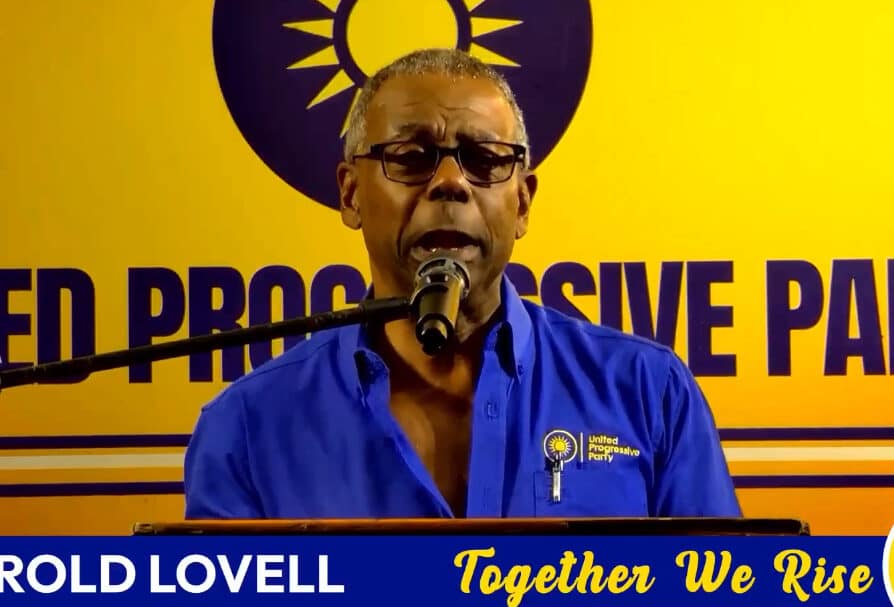
    Peter David, Opposition MP for the Town of St. George and political leader of the Democratic People’s Movement, asserted that while the budget contained some positive elements, it fundamentally lacked the structural reforms necessary to revitalize Grenada’s economy. According to David, the expenditure allocations merely perpetuate existing patterns of resource distribution without addressing core developmental challenges.

    “What we are witnessing is essentially maintenance-level governance rather than transformative policy-making,” David contended during parliamentary debates. “The current approach applies temporary fixes rather than implementing the deep structural changes that would genuinely transform our nation as the government claims to intend.”

    David elaborated that authentic structural reform would involve comprehensive support systems for agricultural producers, young entrepreneurs, and enhanced community participation in decision-making processes. He emphasized that these measures constitute development priorities rather than partisan political issues.

    The opposition leader highlighted several critical areas requiring immediate attention, including youth entrepreneurship development, agricultural sector revitalization, and food price stabilization. With approximately 80% of consumed food being imported, David warned that without strategic intervention, grocery prices would continue their upward trajectory, placing additional burdens on Grenadian households.

    David painted a vivid picture of the economic anxieties facing ordinary citizens, noting that kitchen table conversations across the nation consistently revolve around concerns about medical expenses, educational costs, employment security, and basic subsistence. He framed the opposition’s critique as necessary advocacy for addressing these pressing public concerns through substantive policy recommendations.

    The Democratic People’s Movement leader concluded that without significant alterations to the budgetary approach, the government’s transformation agenda would remain unfulfilled, leaving structural economic challenges unaddressed.