分类: politics

  • UWP Council in St. Lucia rejects Chastanet’s resignation for second time

    UWP Council in St. Lucia rejects Chastanet’s resignation for second time

    In a decisive move highlighting internal party dynamics, the United Workers Party (UWP) of Saint Lucia has formally rejected Political Leader Allen Chastanet’s resignation for the second consecutive time. The party’s National Council—its supreme governing body—convened on December 8 to address recent political developments, culminating in a unanimous vote to retain Chastanet until the next party convention.

    The rejection comes amid significant electoral setbacks. The UWP suffered a severe defeat in the December 1 general election, securing only one seat out of 17 contested constituencies. This marks the party’s second consecutive electoral loss following its 2021 defeat by the Saint Lucia Labour Party (SLP).

    Chastanet initially offered to resign shortly after the 2021 results, and again last week following the recent electoral performance. Both offers were declined following what the party described as “thorough deliberations.” Public Relations Officer Leonard ‘Spider’ Montoute emphasized the council’s commitment to organizational stability and renewal in an official communiqué.

    The statement also expressed appreciation for member and supporter loyalty, reinforcing the UWP’s dedication to public service and strategic realignment. Chastanet, pictured raising a fist at a recent party event, remains at the helm amid calls for new leadership and party restructuring.

  • Lewis Rejects Government’s Full-Employment Claim, Calls Job Numbers ‘Misleading’

    Lewis Rejects Government’s Full-Employment Claim, Calls Job Numbers ‘Misleading’

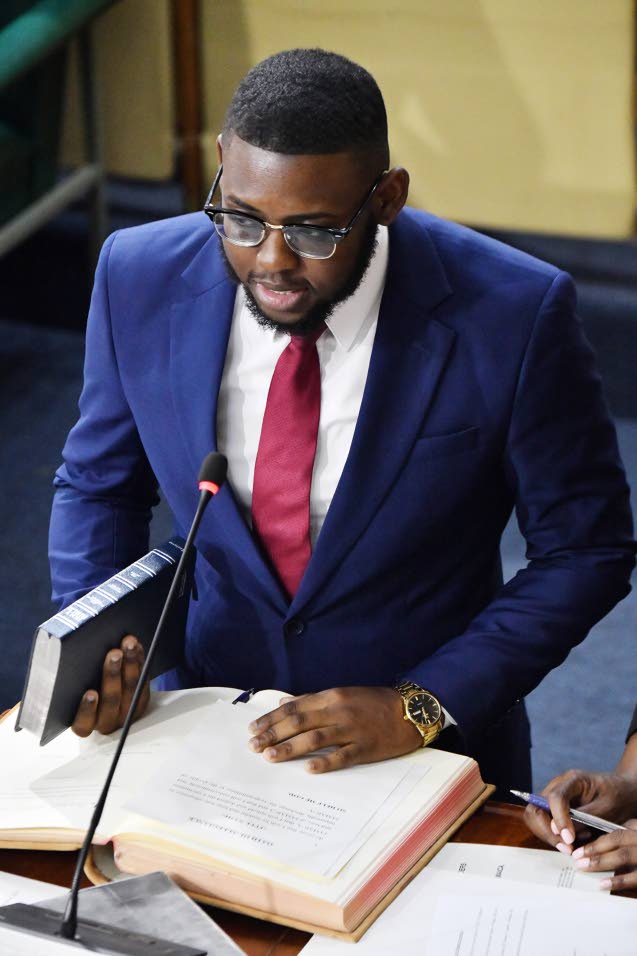
    During Monday’s parliamentary budget session, Opposition Member of Parliament Richard Lewis launched a substantive critique against the government’s employment statistics, characterizing official job figures as fundamentally unverifiable and potentially misleading. The contentious exchange emerged as lawmakers debated the administration’s economic performance claims.

    Lewis directly contested the Prime Minister’s declaration that national unemployment had dropped below the five percent threshold, asserting that without current labor-force survey data, any precise unemployment rate calculation remains speculative. The parliamentarian highlighted that the most recent comprehensive Labor Force Survey dates back to 2018, with its findings published in 2020, creating a significant informational gap in workforce assessment.

    The opposition’s critique centered on methodological concerns regarding the government’s dependence on Social Security records to estimate employment levels. Lewis maintained that this approach potentially distorts economic realities and fails to capture the genuine employment landscape across Antigua and Barbuda.

    Finance Ministry officials had presented budget documentation indicating active employment had risen from 43,000 positions in 2014 to approximately 54,000 in 2025—figures the administration characterized as representing near-full employment conditions. Lewis dismissed these conclusions as premature and statistically unsupported without current labor force measurements.

    The Rural West representative framed his objections within broader concerns about economic reporting transparency, emphasizing that employment statistics must align with observable ground-level realities rather than theoretical projections derived from incomplete datasets. Lewis formally urged the administration to commission an updated labor-force survey to establish evidence-based policymaking foundations.

  • New measures expected to improve the timeliness of payments to building and road contractors

    New measures expected to improve the timeliness of payments to building and road contractors

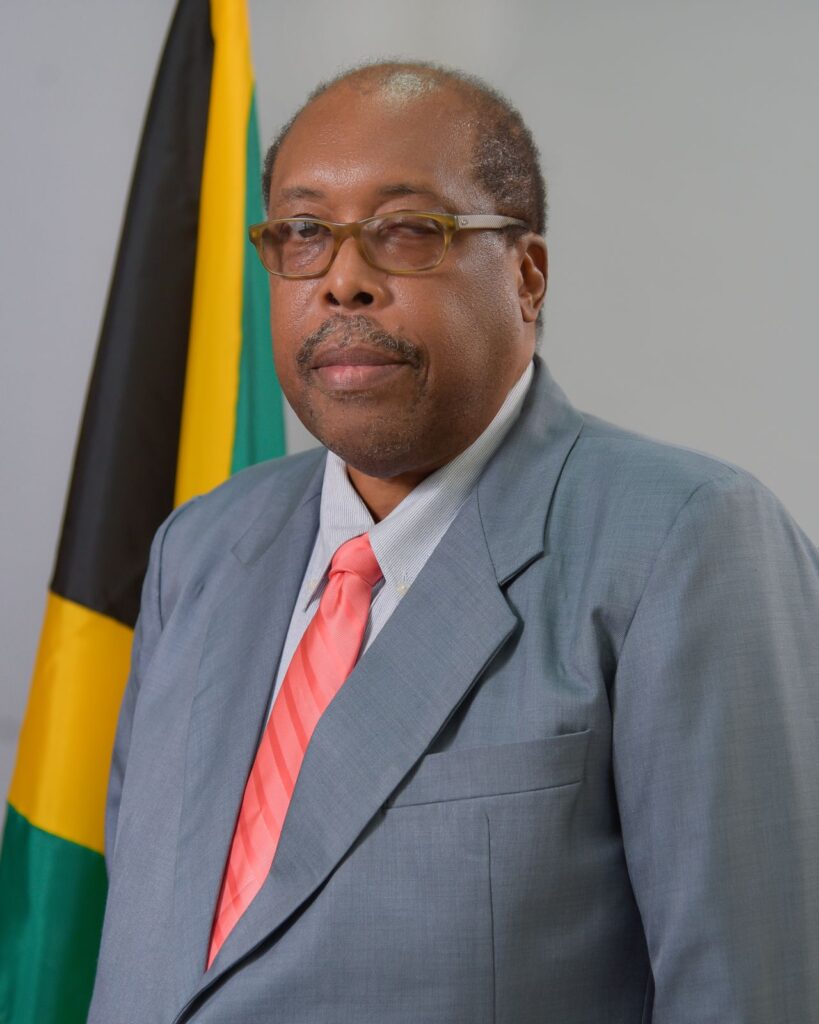
    In a significant move to address chronic payment delays in the construction sector, Works Minister Maria Bird-Browne has announced comprehensive reforms following intensive consultations with building and road contractors. The government’s new measures target two critical pain points: delayed compensation for completed work and challenges importing specialized equipment.

    The breakthrough came during what Minister Bird-Browne characterized as a pivotal sector-wide meeting that brought long-standing operational issues into sharp focus. Contractors had identified cash flow interruptions and equipment accessibility as primary constraints affecting project timelines and quality.

    In response, the administration has established a streamlined payment system designed to maintain current financial obligations to contractors, significantly reducing the gap between work completion and compensation. Simultaneously, the Cabinet has approved expedited importation protocols for essential tools and machinery required by local construction firms.

    Minister Bird-Browne emphasized that these structural changes aim to strengthen partnerships between contractors and the Ministry of Works, mitigate project delays caused by financial constraints, and enhance overall execution of government infrastructure initiatives.

    The reforms form part of a broader strategy to position 2026 as a landmark year for infrastructure development. The government anticipates improved collaboration between contractors, the Works Ministry, and broader governmental agencies, creating stronger alignment on national development goals.

    This new approach is projected to increase operational efficiency, bolster local contracting capacity, and accelerate planned upgrades across the nation’s infrastructure landscape. The comprehensive 2026 agenda encompasses road rehabilitation, drainage system enhancements, public building repairs, and climate resilience improvements—all expected to benefit from these operational reforms.

  • United Progressive Party launches first fully featured political website in Dominica

    United Progressive Party launches first fully featured political website in Dominica

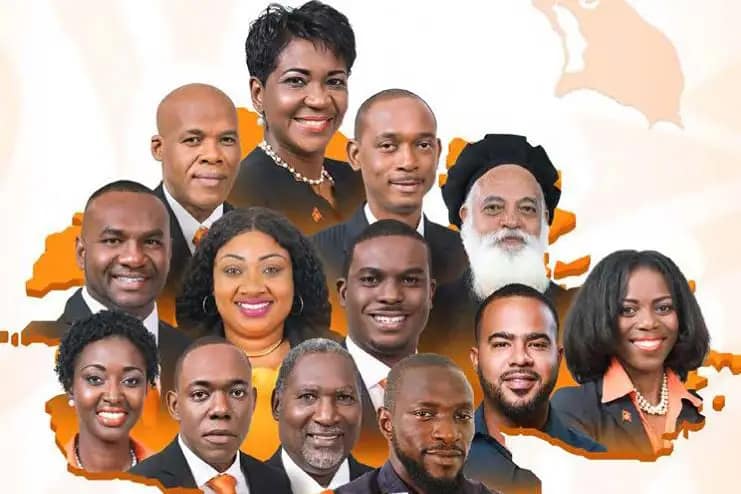
    In a groundbreaking move for Caribbean politics, the United Progressive Party (UPP) of Dominica has launched an innovative digital platform designed to revolutionize citizen engagement with political processes. The newly unveiled official website, www.uppdominica.com, represents a significant technological advancement in how political parties interact with their constituents.

    Party leader Joshua Francis heralded the launch as a transformative moment in Dominican democracy, characterizing the platform as “a digital town hall, policy laboratory, and movement headquarters all in one.” This comprehensive digital ecosystem effectively dismantles traditional barriers between elected officials and their communities, fostering unprecedented levels of transparency and dialogue.

    The platform’s sophisticated features include a secure online donation portal—making UPP the first political party in Dominica to offer direct digital contributions through its website. In a remarkable commitment to organizational transparency, the party has made its complete constitution publicly accessible, allowing citizens to examine its rules, structure, and core values without restriction.

    Additional functionalities include streamlined membership and volunteer registration forms, enabling participation from any location, and integrated translation support to engage the global Dominican diaspora. The platform’s design prioritizes accessibility, ensuring citizens worldwide can contribute to policy development and access information regardless of geographical constraints.

    Future development plans include interactive community forums, policy tracking mechanisms, and real-time transparency dashboards to further enhance public accountability. The UPP, established in 2022 in the Kalinago Territory, has built its identity around principles of fairness, accountability, and community-driven governance. Its distinctive orange bottle symbol signifies independence and freedom under the law, while its motto “Together for Progress” reflects its commitment to collective advancement.

    Citizens are encouraged to explore the platform to review the constitution, register support, contribute donations, and deepen their understanding of the party’s mission and values.

  • PSU wants CMO retired over vaccine mandate

    PSU wants CMO retired over vaccine mandate

    In a significant development within St. Vincent and the Grenadines’ public sector, Public Service Union (PSU) President Elroy Boucher has formally demanded the compulsory retirement of Chief Medical Officer Dr. Simone Keizer-Beache. The call stems from her central role in implementing the controversial COVID-19 vaccine mandate that resulted in widespread dismissals of public workers.

    During a Monday press briefing in Kingstown, Boucher articulated the union’s complete lack of confidence in the nation’s top medical advisor, holding her partially responsible for what he described as “immense suffering” inflicted upon hundreds of families. The mandate, enacted under the previous Unity Labour Party (ULP) administration, required public sector employees to receive COVID-19 vaccinations or face termination.

    The political landscape has shifted dramatically since the November 27 elections, with the New Democratic Party (NDP) assuming power and implementing a reversal policy that allows affected workers to return to their positions without reapplying. This stands in stark contrast to the previous government’s approach, which required formal reapplication processes that many workers found objectionable.

    Boucher emphasized that the vaccine policy disproportionately impacted lower-income workers, including municipal employees and school janitors, demonstrating what he characterized as “total disregard for bodily autonomy and fundamental rights.” He noted that former Prime Minister Ralph Gonsalves frequently justified the mandate by citing the CMO’s recommendations, thereby cementing her responsibility in the implementation of what unions deemed draconian measures.

    The legal journey of this contentious policy has witnessed dramatic turns. Initially, the High Court ruled in March 2023 that the government’s actions were unconstitutional. However, this decision was overturned by a 2-1 majority in the Court of Appeal in February 2025. The matter now awaits final determination by the Privy Council in London, the nation’s highest court of appeal.

    While reinstatement efforts are underway, Boucher acknowledged that the process requires time as the Public Service Commission holds exclusive authority over public servant appointments. He expressed appreciation for the new administration’s commitment to restoring all affected workers with full benefits and positions equivalent to those they previously held.

    The vaccine mandate proved politically consequential, contributing significantly to the ULP’s electoral defeat where they retained only one parliamentary seat. Boucher concluded that the public had effectively rejected the architects of the controversial policy through democratic means.

  • From ‘World Boss’ to Team Captain

    From ‘World Boss’ to Team Captain

    In a transformative political development, St. Vincent and the Grenadines has witnessed a seismic shift in governance philosophy following the New Democratic Party’s landslide victory in November 2025. The party secured an unprecedented 14-1 mandate, conclusively ending the 24-year dominance of the Unity Labour Party under Ralph Gonsalves.

    The most significant change emerging from this political transition extends beyond mere party affiliation to encompass a fundamental restructuring of executive leadership style. Prime Minister Godwin Friday, inaugurated on November 28, has initiated a pronounced departure from the highly centralized ‘one-man show’ approach that characterized his predecessor’s administration.

    For over two decades, governance was intrinsically tied to the personality of Ralph Gonsalves, colloquially known as the ‘World Boss.’ His leadership method featured extreme concentration of decision-making authority across virtually all government domains—from foreign policy and national security to economic planning and disaster management. While projecting an image of strength, this approach created substantial operational bottlenecks and limited ministerial autonomy, ultimately contributing to what political analysts term ‘Gonsalves fatigue’ among the electorate.

    Contrasting sharply with this previous model, Prime Minister Friday has championed a ‘Team First’ philosophy that emphasizes delegation and shared responsibility. The newly formed Cabinet demonstrates a strategic commitment to empowering senior ministers to exercise genuine authority within their portfolios without excessive oversight from the executive office.

    Key appointments reflect this decentralized approach: Major St. Clair Leacock brings disciplined operational management to significant government functions; Daniel Cummings contributes technical expertise to infrastructure development with considerable autonomy; and Kishore Shallow introduces fresh administrative talent drawn from his sports administration background.

    This structural transformation offers multiple governance advantages: reduced bureaucratic bottlenecks through distributed decision-making, enhanced succession planning through experience-building across the administration, and clearer ministerial accountability for policy outcomes. The shift represents not merely a change in personnel but a fundamental reimagining of how governance should function in modern St. Vincent and the Grenadines.

    As the Friday administration addresses contemporary challenges including economic recovery and climate resilience, its collaborative model suggests that collective governance strength may prove more effective than singular leadership in navigating complex national issues.

  • Landvreugd nieuwe voorzitter Onderhandelingsorgaan Overheid

    Landvreugd nieuwe voorzitter Onderhandelingsorgaan Overheid

    Suriname’s President Jennifer Simons has orchestrated a comprehensive overhaul of the Government Negotiating Body (OO), appointing former minister Delano Landvreugd as its new chairman. This strategic move completely replaces the team originally appointed in 2022, signaling a fresh approach to public sector labor negotiations.

    The OO serves as the government’s primary entity for negotiating both primary and secondary employment conditions with civil service trade unions. Its fundamental mission involves bridging the gap between union demands and the state’s financial and organizational capacities, ensuring balanced outcomes that serve both public servants and national interests.

    In a formal ceremony, President Simons alongside Interior Minister Marinus Bee expressed gratitude to the departing team for their dedicated service while extending best wishes to the incoming members. The leadership transition marks a significant shift in Suriname’s approach to public sector labor relations.

    Landvreugd emphasized to the Communication Service Suriname that the revitalized body will prioritize maintaining the nation’s economic and financial stability throughout negotiation processes. He characterized the new team as a strategic blend of young professionals and seasoned experts possessing extensive knowledge of public administration.

    “With this composition,” Landvreugd stated, “we anticipate that the OO can deliver solid results for the government through combined strengths.” The restructured organization is expected to bring innovative solutions to longstanding challenges in public sector labor negotiations while safeguarding national economic interests.

  • Dominican Congress approves 2026 budget report without salary adjustment

    Dominican Congress approves 2026 budget report without salary adjustment

    SANTO DOMINGO – After five days of intensive deliberations, a bicameral congressional commission has greenlit the 2026 budget framework, notably excluding the historically mandated salary indexing mechanism that adjusts wages for inflation. This controversial decision has ignited immediate backlash from opposition leaders who contend it erodes worker purchasing power and violates established fiscal regulations.

    The commission’s president, Francisco Javier Paulino, verified that the current budget proposal contains a specific clause suspending obligatory discussions on wage adjustments. Vice-Chair Senator Pedro Tineo elaborated that despite considerable public discourse, no political bloc formally presented a motion addressing salary indexing during committee sessions, leading to the report’s approval through majority consensus.

    Opposition legislators mounted swift resistance to the omission. PLD representative Charlie Mariotti declared intentions to contest the decision during upcoming full chamber debates and threatened constitutional litigation against the budget legislation. Mariotti asserted that eliminating salary indexing constitutes both a violation of worker rights and a breach of the nation’s tax code, which has mandated inflation-adjusted wages since 1992.

    Senator Edward Espiritusanto of Fuerza del Pueblo simultaneously criticized the budget’s disproportionate emphasis on operational expenditures, characterizing its investment allocations as fundamentally inadequate. His party has pledged to oppose final ratification.

    The proposed budget, amounting to RD$1.744 trillion (approximately 20.1% of GDP), now advances to both legislative chambers for decisive voting. This exclusion of inflation-based salary adjustments is poised to trigger extensive debates regarding economic equity and statutory compliance, potentially reshaping public confidence in the nation’s fiscal governance structures.

  • US, Guyana agree to “expand” military cooperation

    US, Guyana agree to “expand” military cooperation

    In a significant strategic development, the United States and Guyana have formally agreed to enhance their military partnership through a newly signed Statement of Intent. The agreement was finalized during high-level talks at Guyana’s State House on December 9, 2025, between Guyanese President Irfaan Ali and senior US defense officials.

    The US delegation included Patrick Weaver, Senior Advisor to the Secretary of War, and Joseph Humire, Acting Assistant Secretary of War for Western Hemisphere Affairs. The meeting produced a framework for expanded joint military operations that maintains full respect for both nations’ sovereignty and legal systems.

    President Ali characterized the agreement as part of an ‘evolving process’ within Washington’s broader ‘Southern Spear’ security strategy—a new hemispheric initiative focusing increased attention and resources on Caribbean Community (CARICOM) nations and Western Hemisphere allies. The arrangement reinforces existing cooperation mechanisms like the Shiprider Agreement, which authorizes US security personnel to pursue and intercept drug trafficking vessels in Guyanese waters.

    When questioned about potential US troop deployments in Guyana, President Ali emphasized the collaborative nature of the partnership, describing it as a regional response to criminal elements exploiting Caribbean airspace and waterways. The Guyanese leader indicated that further discussions on enhanced cooperation levels would continue in coming months, potentially leading to more formal defense arrangements.

    The diplomatic engagement occurred alongside Guyana’s strengthening ties with international partners committed to combating transnational crime. President Ali reiterated his nation’s dedication to regional security during the opening of Grenada’s Honorary Consulate in Guyana, highlighting the shared responsibility to create a safer Caribbean for future generations.

  • Cuba defends full dignity for all

    Cuba defends full dignity for all

    On December 10th, as the international community observes Human Rights Day commemorating the 1948 adoption of the Universal Declaration, Cuba has articulated its distinctive perspective on human rights implementation amidst contemporary global challenges. The Caribbean nation positions itself as a defender of human dignity despite facing what it describes as a “genocidal blockade” from the United States.

    Cuba’s constitutional framework, particularly Article 41 of its 2019 Constitution, formally recognizes the “enjoyment and exercise of human rights as inalienable, imprescriptible, indivisible, universal, and interdependent.” This legal foundation underpins what Cuban authorities characterize as extensive achievements in social development despite economic constraints imposed by decades of American sanctions.

    The article highlights several global concerns that allegedly compromise human rights worldwide, including media-covered conflicts such as Israel’s actions against Palestinians, rising neo-fascist tendencies, climate change effects, and increasing inequality attributed to neoliberal globalization. Additionally, it references “imperial threats” against Venezuela under the pretext of combating drug trafficking.

    According to the perspective presented, UN Special Rapporteur Alena Douhan recently noted that US coercive measures “limit the State’s ability to develop public policies, undermine the rights to food and dignified life, hinder academic exchanges, and affect the supply of energy, drinking water and medicines.”

    Despite these challenges, Cuba maintains its commitment to building “an independent, sovereign, socialist, democratic, prosperous, and sustainable nation” through citizen participation in government programming. The nation positions itself as willing to share decades of experience in human development areas including health, science, education, and culture.

    The ideological foundation draws from both historical revolutionary leader Fidel Castro’s maxim describing the Cuban Revolution as “an aspiration for social justice within the fullest freedom and the most absolute respect for human rights” and independence hero José Martí’s vision of making “the worship by Cubans of the full dignity of man” the first law of the republic.