分类: politics

  • Financial agencies and entrepreneurs on Noboa’s agenda in Switzerland

    Financial agencies and entrepreneurs on Noboa’s agenda in Switzerland

    Ecuadorian President Daniel Noboa is embarking on a significant diplomatic mission to the World Economic Forum in Davos, Switzerland, scheduled from January 20-24. The president’s agenda features high-level meetings with three of the world’s most influential financial leaders: IMF Managing Director Kristalina Georgieva, Inter-American Development Bank President Ilan Goldfajn, and World Bank President Ajay S. Banga.

    Beyond economic discussions, President Noboa will strengthen bilateral relations through scheduled dialogues with multiple heads of state, including Panamanian President José Raúl Mulino, Israeli President Isaac Herzog, and Singaporean President Tharman Shanmugaratnam. These meetings represent strategic efforts to expand Ecuador’s international partnerships across diverse regions.

    The president’s itinerary also includes substantive engagements with global business leaders and entrepreneurs, highlighting his administration’s commitment to attracting foreign investment and stimulating economic growth. As part of the official forum programming, Noboa will contribute to two key discussions: ‘Rebuilding Trust in Latin America’ and ‘Transforming Latin America’s Investment Frontier,’ where he will articulate his vision for regional development and stability.

    This diplomatic initiative occurs amid Ecuador’s ongoing economic challenges and reflects the government’s proactive approach to securing international support and investment opportunities.

  • Brazil’s MST discusses its political strategy

    Brazil’s MST discusses its political strategy

    SALVADOR, BAHIA – The Landless Workers Movement (MST) launched its National Meeting on Monday at the Agricultural Exhibition Park, marking its first major national gathering since 2009. With approximately 3,000 activists from across Brazil in attendance, the five-day forum represents a significant mobilization effort to advance the movement’s strategic objectives of land redistribution, Popular Agrarian Reform, and progression toward socialist principles.

    The comprehensive agenda addresses critical issues including the dominance of capital in Brazilian agriculture, the nation’s current economic and political climate, and the MST’s organizational development. The movement is conducting thorough evaluations of its initiatives in education, agroecology, cooperative farming, and agro-industrialization practices.

    The opening session featured a panel discussion on global geopolitics and the contemporary international landscape. Journalist Breno Altman and Stephanie Weatherbee, an activist with the International Articulation of Peoples, provided analysis that highlighted the declining hegemony of U.S. imperialism in global affairs.

    This gathering surpasses the participation of the previous National Meeting held in Sarandi, Rio Grande do Sul, which commemorated the MST’s 25th anniversary with 1,500 rural workers. The current forum demonstrates the movement’s expanded reach and renewed commitment to transforming Brazil’s agricultural landscape through systemic change.

  • Prosecutor’s Office probes Peruvian president for secret meetings

    Prosecutor’s Office probes Peruvian president for secret meetings

    Peru’s Public Prosecutor’s Office has formally announced the suspension of its criminal investigation into President Pedro Pablo Kuczynski until the conclusion of his presidential term in July 2018. The judicial inquiry, initiated on January 15 under special procedures reserved for sitting presidents, has involved multiple preliminary investigations and two rounds of direct questioning of the head of state.

    Attorney General Tomás Vásquez, the lead prosecutor handling the sensitive case, emphasized that the current charges represent merely a preliminary framework. The investigation aims to establish specific responsibilities and determine the complete scope of events under scrutiny once constitutional immunity limitations no longer apply.

    In a parallel development, Peru’s anti-corruption prosecutors will pursue a separate investigation targeting Chinese entrepreneur Zhi Hua Yang, who manages several companies providing services and products to various sectors. This investigation will proceed without the constitutional restrictions that apply to the sitting president. The case gained national attention after photographic evidence emerged on October 11 showing President Kuczynski wearing a hood and dark glasses while heading to a late-night meeting with Yang near midnight. The president subsequently provided conflicting explanations about the nature and purpose of these clandestine meetings.

  • Barnwell says no conflict of interest in her PSC membership

    Barnwell says no conflict of interest in her PSC membership

    Attorney Shirlan ‘Zita’ Barnwell has firmly rejected assertions of potential conflict of interest regarding her dual appointments to both the Public Service Commission and Police Service Commission. The controversy stems from her previous legal representation of the Public Service Union (PSU) through her firm Thomas and Barnwell, which had engaged in multiple lawsuits against the former Unity Labour Party administration.

    Barnwell clarified that her law practice no longer maintains any professional relationship with the PSU, noting that their formal retainer agreement concluded nearly two years ago. Frederick Attorney, with Maxron Holder as lead counsel, has represented the union for over a year according to Holder’s confirmation.

    The sole remaining connection involves ongoing litigation before the Privy Council regarding the vaccine mandate case, which Barnwell characterizes as a legacy matter with limited current relevance. She emphasized that neither she nor her partner Jomo Thomas serves as lead counsel in this proceeding, with Cara Shillingford and a UK King’s Counsel taking primary responsibility.

    Barnwell contends that her prior experience litigating against the PSC actually enhances her value as a commissioner. She believes her understanding of the Commission’s previous regulatory shortcomings will inform better operational practices moving forward. The attorney expressed optimism that her insider perspective could help prevent future legal challenges from public servants through improved compliance mechanisms.

  • St. Kitts PM to make official visit to SVG

    St. Kitts PM to make official visit to SVG

    In a significant diplomatic engagement, Prime Minister of St. Kitts and Nevis Dr. Terrence Drew is scheduled to undertake an official visit to St. Vincent and the Grenadines this Tuesday. The visit, announced by the Agency for Public Information (API), highlights the ongoing collaboration between the two Eastern Caribbean nations. Dr. Drew, who currently holds the chairmanship of the Caribbean Community (CARICOM), will be received by his counterpart, Prime Minister Ralph Gonsalves of St. Vincent and the Grenadines. The agenda for the high-level meeting is set to focus on pressing regional issues, aligning shared strategic priorities, and reinforcing the framework for continued multilateral cooperation. Both leaders are expected to deliberate on mechanisms to strengthen CARICOM’s initiatives and address common challenges facing the region. The API emphasized that this diplomatic mission is a testament to the robust and historically amicable bilateral relations shared by the two member states. Furthermore, it reaffirms a joint dedication to propelling the agenda of regional integration and fostering deeper collaboration amongst CARICOM member states to achieve collective economic and social progress.

  • Small states seek greater voice in global affairs, says Antigua foreign minister

    Small states seek greater voice in global affairs, says Antigua foreign minister

    Antigua and Barbuda has issued a compelling call for enhanced representation of small states within international decision-making forums, asserting that global policies frequently impose disproportionate consequences on vulnerable nations. Foreign Affairs Minister E.P. Chet Greene articulated this position during a farewell meeting with India’s outgoing High Commissioner to St. John’s, Dr. Amit Telang.

    Minister Greene emphasized that despite constrained resources, smaller countries persistently contribute significant value to global diplomacy and must not be sidelined in critical discussions. He declared Antigua and Barbuda’s intention to leverage its forthcoming chairmanship of the Commonwealth Heads of Government Meeting (CHOGM) as a platform to champion the specific interests of small states. This agenda will prioritize confronting existential threats and systemic challenges that jeopardize their stability and development.

    Further elaborating on his nation’s strategic vision, Greene underscored the vital importance of forging stronger alliances within the Global South. He posited that such collaborative partnerships are indispensable for equipping smaller nations with the tools to effectively maneuver through complex international crises and economic upheavals.

    The gathering also served to honor Dr. Telang’s diplomatic service, concluding a nearly four-year tenure. Minister Greene commended the outgoing High Commissioner for his instrumental role in deepening bilateral relations between Antigua and Barbuda and India. Dr. Telang reciprocated by expressing gratitude for the consistent support extended by the host government, which he cited as a fundamental component of his mission’s accomplishments.

    Adding a distinguished presence to the event was National Hero Sir Vivian Richards. The cricketing legend, who is revered as an icon in India, fulfills the role of Antigua and Barbuda’s Ambassador to CHOGM, symbolizing the unique cultural and diplomatic bridges between the nations.

  • SVG to adopt regional position on deportees from US

    SVG to adopt regional position on deportees from US

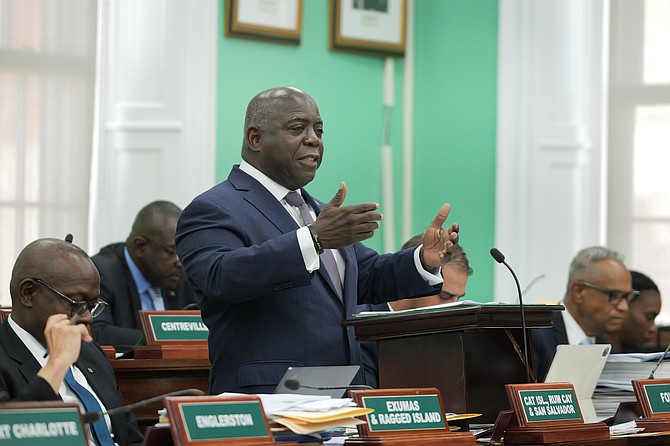
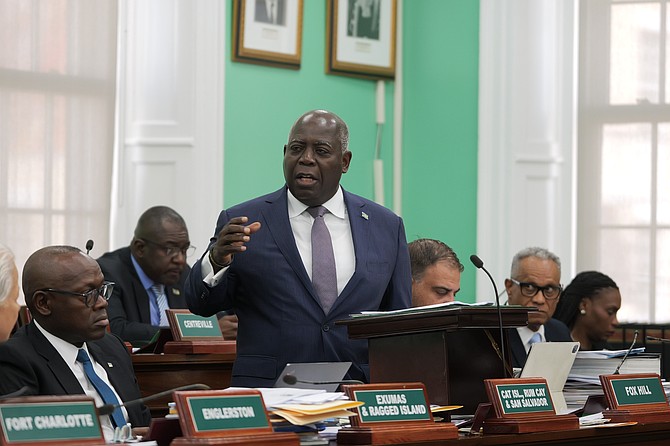
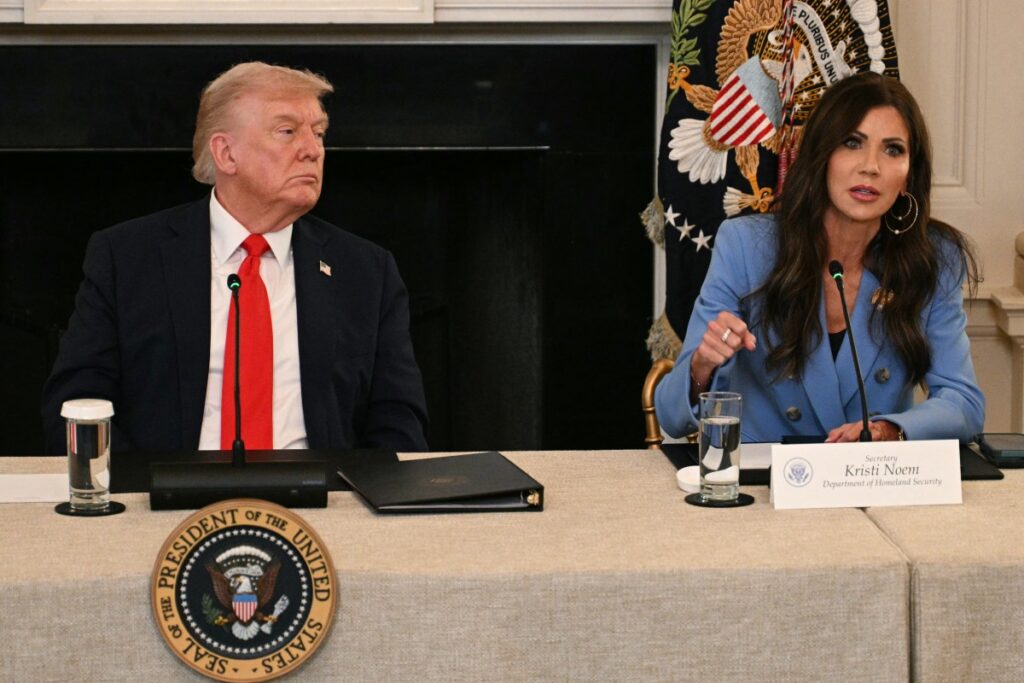
    The government of St. Vincent and the Grenadines has declared it will align with the collective position of the Organisation of Eastern Caribbean States (OECS) regarding a United States proposal for bloc members to accept third-country refugees and deportees. Deputy Prime Minister and Minister of National Security St. Clair Leacock announced the coordinated approach during a national radio interview, emphasizing regional solidarity over unilateral action.

    Leacock revealed that OECS prime ministers are convening to develop a unified response after receiving technical advice, with plans to formally engage the U.S. State Department for clarification and establish proper protocols. He framed the issue within broader global migration challenges, noting that even major powers like European nations approach such matters collectively rather than individually.

    The deputy prime minister cautioned against impulsive sovereign decisions, highlighting how regional agreements and protocols create interconnected obligations. While acknowledging potential security concerns regarding accepting displaced persons, Leacock also suggested possible benefits if newcomers possess valuable skills and resources that could help address underpopulation issues in Caribbean nations.

    Leacock confirmed no final decision has been reached, stating outcomes could range from acceptance to rejection of the U.S. request. He connected the refugee matter to broader regional security discussions, noting upcoming meetings with regional security officials regarding Venezuela’s impact on Caribbean stability as he prepares to assume chairmanship of the Council of Ministers for National Security in March.

  • Tell US no to refugees, deportees — Gonsalves

    Tell US no to refugees, deportees — Gonsalves

    A prominent Caribbean political figure is advocating for a unified regional rejection of a United States proposal concerning the transfer of migrants. Ralph Gonsalves, the former long-serving Prime Minister of St. Vincent and the Grenadines and current opposition leader, has publicly called on CARICOM member states to firmly refuse a U.S. request to accept refugees and deportees from third countries.

    Gonsalves revealed that the U.S. State Department had approached his administration with this proposal shortly before the recent general elections. Speaking on his party’s radio station, Star Radio, he detailed his firm rejection of the idea, arguing it serves neither American nor Caribbean interests. His central contention is that accepting a minimal number of individuals—estimated at just 10-20 persons annually per Organisation of Eastern Caribbean States (OECS) member—would be symbolically insignificant for U.S. policy objectives while creating substantial security risks for the region.

    The seasoned politician, who held office for nearly a quarter-century, expressed deep concern that such a program would inevitably lead to connections between some deportees and existing regional criminal networks. He characterized the potential incoming individuals as likely to include problematic elements, warning Caribbean nations against creating what he termed ‘another Haiti situation’ in terms of security challenges.

    Gonsalves framed the U.S. proposal within broader geopolitical strategies, including the America-first policy and historical doctrines of hemispheric dominance. He cautioned that without a concerted CARICOM-wide position, larger powers would systematically pressure individual smaller nations into compliance.

    Rather than outright confrontation or complete submission, Gonsalves proposed a middle path of strategic negotiation. He suggested CARICOM could leverage this situation to advance other regional requests, such as visa-free travel arrangements for Caribbean citizens to the U.S., the revitalization of the PetroCaribe energy initiative with Venezuela, and joint resource exploitation projects. This approach, he argued, would demonstrate the bloc’s willingness to cooperate on mutually beneficial issues while standing firm on matters of existential importance like border security and migration policy.

    The opposition leader concluded by urging the current government of St. Vincent and the Grenadines to adopt a clear position of refusal and to champion this stance within regional forums, emphasizing that collective action is the only way to prevent larger nations from dividing and overwhelming smaller states.

  • Column: Wanneer staatsbezit privé wordt opgericht, faalt de controle

    Column: Wanneer staatsbezit privé wordt opgericht, faalt de controle

    A significant governance crisis has emerged surrounding GuySure, the Guyanese subsidiary of Surinamese state-owned enterprise Grassalco. Official corporate registration documents from Guyana reveal that the company’s shares are formally held by private individuals with connections to Grassalco, contradicting previous representations that it represented a state-controlled regional expansion.

    The disclosure directly challenges the narrative presented during GuySure’s inauguration in Georgetown last May, which was attended by then-President Chan Santokhi, suspended Grassalco CEO Wesley Rozenhout, and former Foreign Minister Albert Ramdin. The high-profile political ceremony had positioned the venture as Suriname’s strategic state-owned presence in neighboring Guyana.

    Investigative findings indicate critical irregularities in documentation handling. Key GuySure documents were only entered into Grassalco’s official records and archives this January—months after both the company’s establishment and its high-profile launch. Forensic analysis confirmed no evidence of external hacking or digital manipulation, suggesting internal procedural deviations.

    The administrative process displayed multiple anomalies including missing сопроводительные документы, irregularities in dossier preparation, and archival inconsistencies. Investigators have not ruled out intentional manipulation or backdating of documents, raising concerns about potential criminal offenses such as document forgery and abuse of position.

    This case transcends political dimensions, touching fundamental principles of legal governance and state property protection. Unlike the separate 4-kg gold investigation, this matter involves international corporate registration, state assets, and possible cross-border legal violations that demand rigorous independent criminal investigation without political interference.

    The central question remains how a purported state subsidiary transformed into a private ownership structure without transparency or accountability, revealing systemic failures in both institutional controls and their appointed guardians.

  • José Horacio Rodríguez calls alleged ITLA salary deductions for politics “deplorable”

    José Horacio Rodríguez calls alleged ITLA salary deductions for politics “deplorable”

    SANTO DOMINGO – A prominent political leader in the Dominican Republic has issued a stern condemnation following explosive allegations of coerced political contributions from public institution employees. José Horacio Rodríguez, who heads the Democratic Option party, characterized as ‘deplorable’ a recent investigative report claiming that staff at the Technological Institute of the Americas (ITLA) were pressured to donate up to five percent of their salaries to support a political movement.

    Rodríguez asserted that this incident is not isolated but rather symptomatic of a pervasive and deeply entrenched pattern of illicit political financing plaguing the nation. He emphasized that such practices represent a clear breach of Dominican law and called for an immediate and comprehensive official investigation into the matter. The party president contextualized the allegations within a troubling history of political scandals, noting that the misuse of funds for political gain has previously been linked to more severe criminal activities, including corruption and drug trafficking.

    Highlighting the corrosive effect of money in politics, the former congressman advocated for sweeping systemic reforms. His proposal centers on substantially reducing the overall financial burden of political campaigns by implementing stricter expenditure caps. Furthermore, Rodríguez pushed for enhanced transparency mechanisms and robust oversight to prevent financial misconduct. He pointed to international benchmarks for inspiration, specifically citing Belgium’s framework for regulated political advertising and France’s stringent limits on broadcast campaign time as viable models for the Dominican Republic to emulate. The ultimate goal, he stressed, is to ensure that political financing operates with integrity and truly serves the public interest, rather than undermining democratic institutions.