分类: politics

  • Prime Minister Gaston Browne Calls for Delivery on Development Finance at UN High-Level Summit

    Prime Minister Gaston Browne Calls for Delivery on Development Finance at UN High-Level Summit

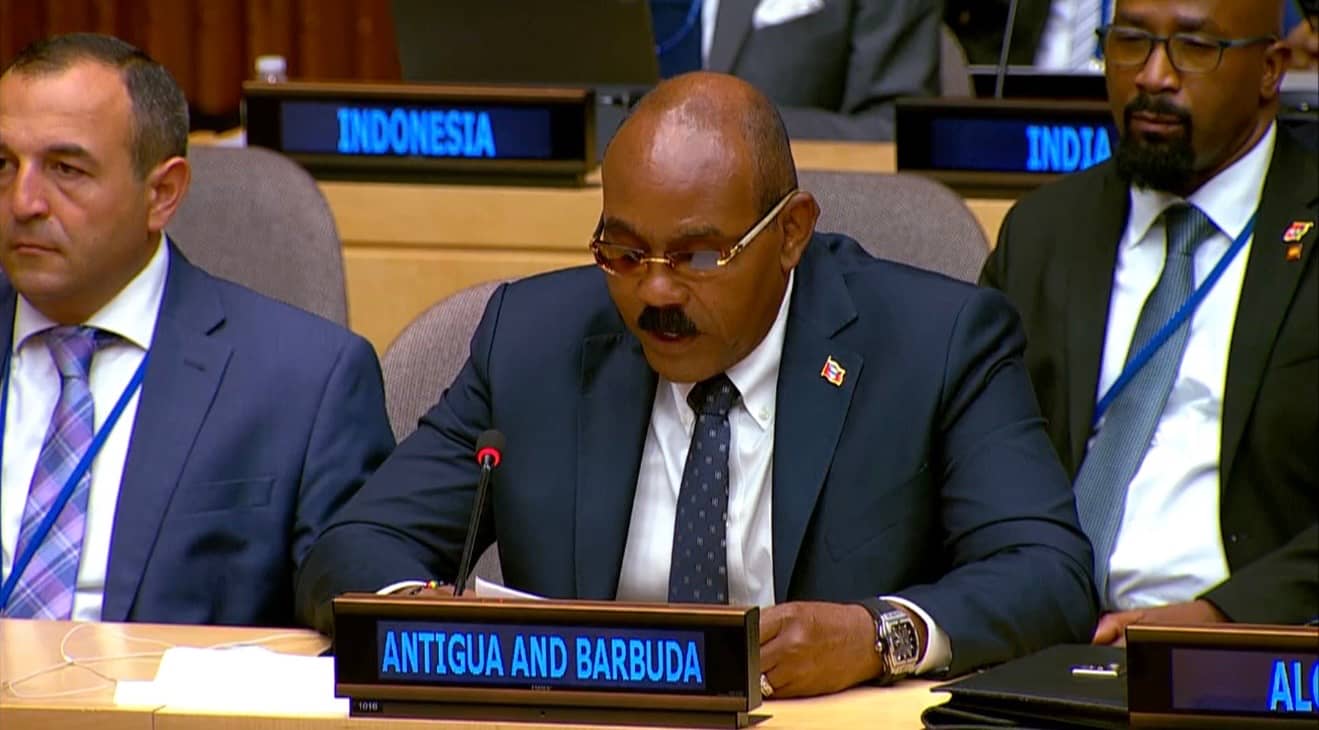
    At the First Biennial Summit for a Sustainable, Inclusive, and Resilient Global Economy held at the United Nations Headquarters in New York on September 25, 2025, Prime Minister Gaston Browne of Antigua and Barbuda delivered a compelling address. He urged the international community to transition from rhetoric to tangible action in delivering scaled, fair, and timely financial support, particularly for Small Island Developing States (SIDS).

    Prime Minister Browne highlighted the stark realities faced by SIDS, emphasizing that global economic growth of 2.5–3% and a staggering public debt of US$97 trillion are insufficient to meet development and climate goals. He pointed out that trade fragmentation, financial volatility, and escalating climate disasters are undermining global confidence. For SIDS, the situation is dire: in 2024 alone, climate-related disasters caused an estimated US$7 billion in damages across small islands. With the IPCC predicting sea levels could rise up to one meter this century, and tourism accounting for over 40% of GDP in some islands, SIDS are three times more vulnerable to economic shocks than the global average. Many of these nations carry public debt equivalent to 80–100% of their GDP due to recovery costs and limited access to concessional finance.

    Prime Minister Browne stressed, ‘We cannot keep mortgaging our children’s future merely to survive today. The vision is not missing; the problem is implementation.’ He outlined concrete steps under the Antigua and Barbuda Agenda for SIDS (ABAS), including the establishment of a Debt Sustainability Support Service (DSSS) to restructure debt and channel finance into resilience. The first DSSS transaction is expected to close by March 2026, and beginning in 2026, all new sovereign issuances by Antigua and Barbuda will include climate-resilient debt clauses.

    To unlock finance at the necessary speed and scale, Prime Minister Browne called on international partners to expand concessional and grant finance through Multilateral Development Banks (MDBs) using vulnerability-based access criteria, adopt automatic disaster clauses to pause debt service immediately after catastrophes, standardize state-contingent instruments such as climate-resilient clauses and debt-for-nature swaps, blend finance at scale using guarantees and first-loss capital, and fund pipelines of ready country-owned programs in resilient infrastructure, clean energy, and adaptation.

    Prime Minister Browne concluded by stating, ‘Let us measure success not by communiqués, but by classrooms rebuilt, clinics powered, homes protected, and by debt trajectories bent toward sustainability.’ Antigua and Barbuda has invited MDBs, International Financial Institutions (IFIs), philanthropy, and private capital to partner through blended-finance structures and guarantees, confirming that its pipeline of resilience, clean energy, and adaptation projects is ready for co-financing and rapid execution.
  • Antigua and Barbuda formalise visa waiver agreements with three African countries

    Antigua and Barbuda formalise visa waiver agreements with three African countries

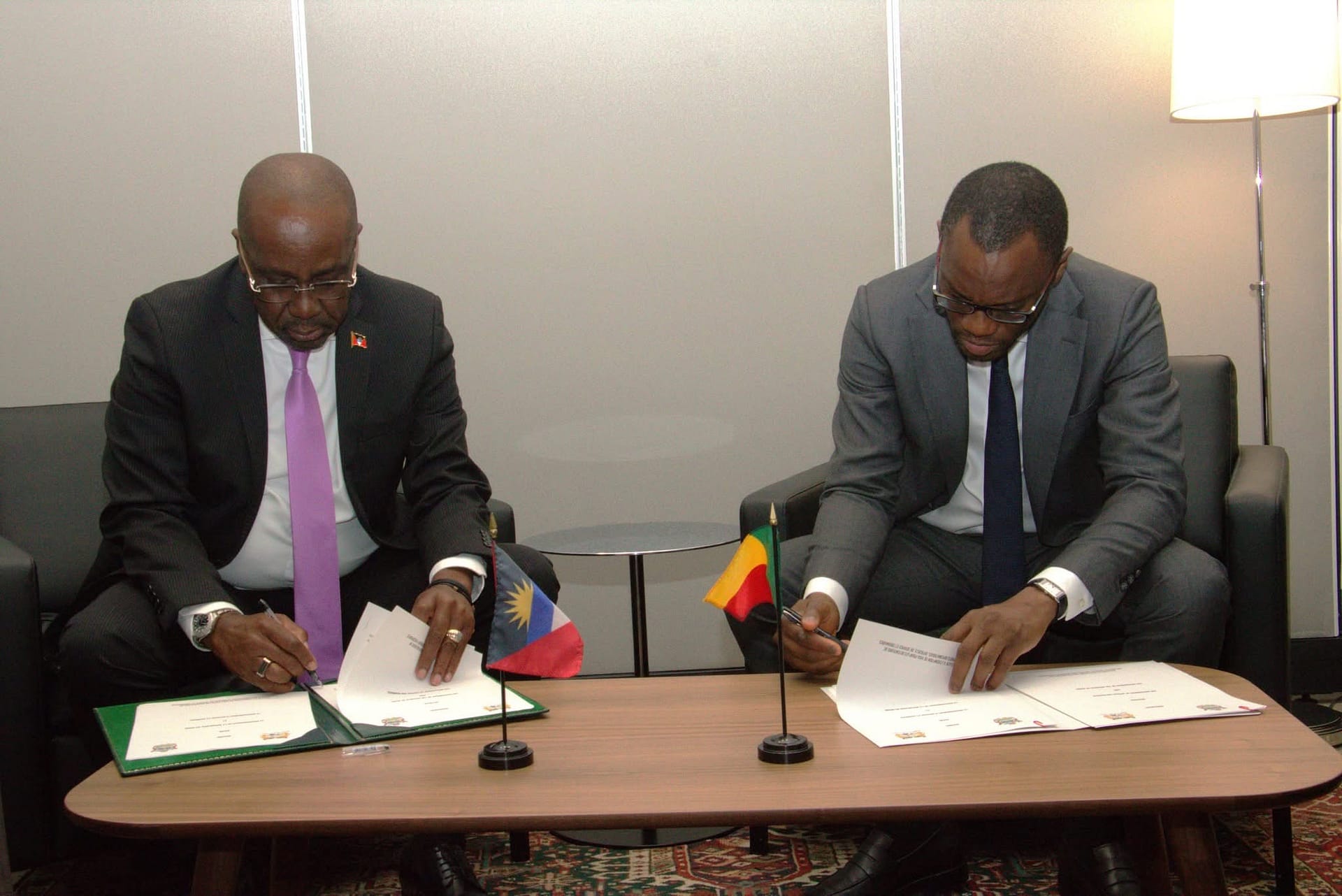
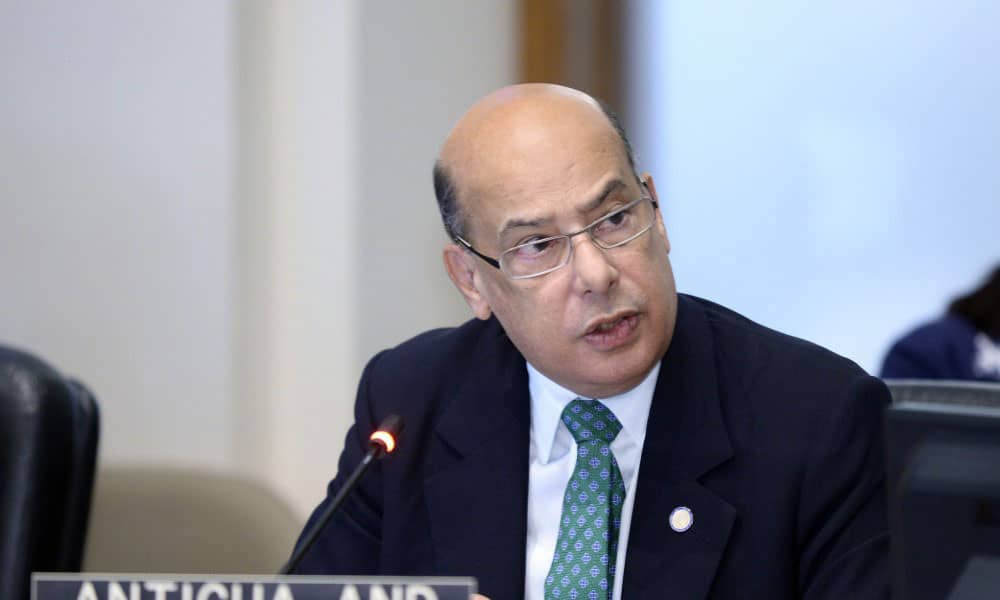
    Antigua and Barbuda has marked a significant milestone in its diplomatic engagements during the 80th Session of the United Nations General Assembly (UNGA) in New York. The Caribbean nation has taken proactive steps to deepen its international relationships, particularly with African countries, by formalizing visa waiver agreements with Ghana, Kenya, and Benin. These agreements, signed by Antigua and Barbuda’s Minister of Foreign Affairs, the Hon. E.P. Chet Greene, aim to enhance mobility, foster collaboration, and strengthen ties between the Caribbean and Africa.

  • Is the UN still beneficial to small countries?

    Is the UN still beneficial to small countries?

    During the 80th session of the UN General Assembly on September 23, 2025, U.S. President Donald Trump openly questioned the effectiveness of the United Nations, echoing sentiments shared by leaders worldwide. While acknowledging the UN’s potential, Trump criticized its inability to address critical global issues, particularly in resolving conflicts like the ongoing crisis in Gaza. His remarks highlighted a growing frustration with the organization’s perceived inefficacy, driven by the dominance of a few powerful states in the Security Council. This imbalance has led to the sidelining of the UN Charter and international humanitarian law, raising concerns about fairness and equity in global governance. The intensification of Israel’s operations in Gaza, coupled with a deepening humanitarian crisis, underscored these criticisms. Meanwhile, global diplomatic responses have broadened, with several nations, including the UK, Canada, and France, recognizing the State of Palestine. Trump argued that such recognition would reward Hamas, while most countries condemned Hamas but affirmed Palestinians’ right to statehood. The divergence extended to climate change, with Trump dismissing it as a ‘con job,’ contrasting sharply with small states’ urgent calls for action. China’s commitment to reducing emissions by 2035 was noted, but the U.S.’s retreat from climate leadership has left a void, allowing other nations to shape global norms. Despite these challenges, small Caribbean states continue to value the UN as a platform for advocacy, though its credibility is strained by uneven rule application and volatile financing. The UN remains indispensable for small states, but its limitations are increasingly apparent.

  • President of Dominica pushes for global accord in a dualistic reality at 80th UNGA

    President of Dominica pushes for global accord in a dualistic reality at 80th UNGA

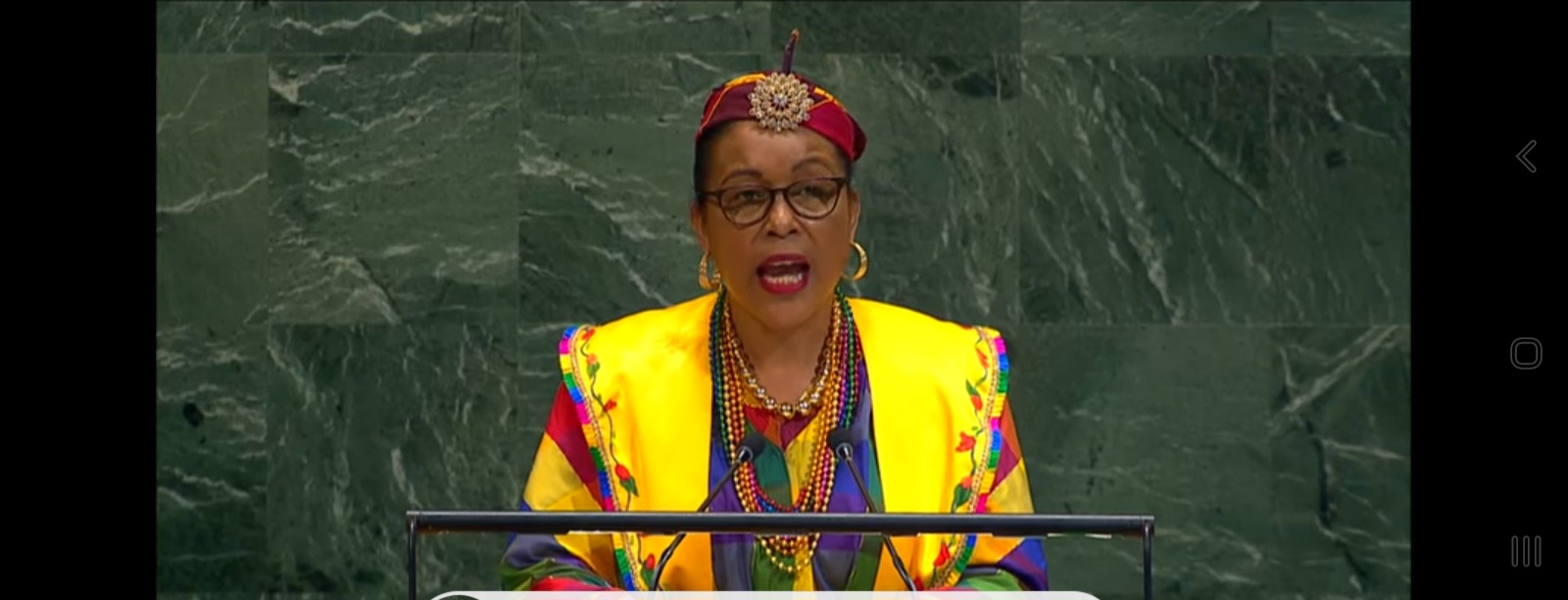
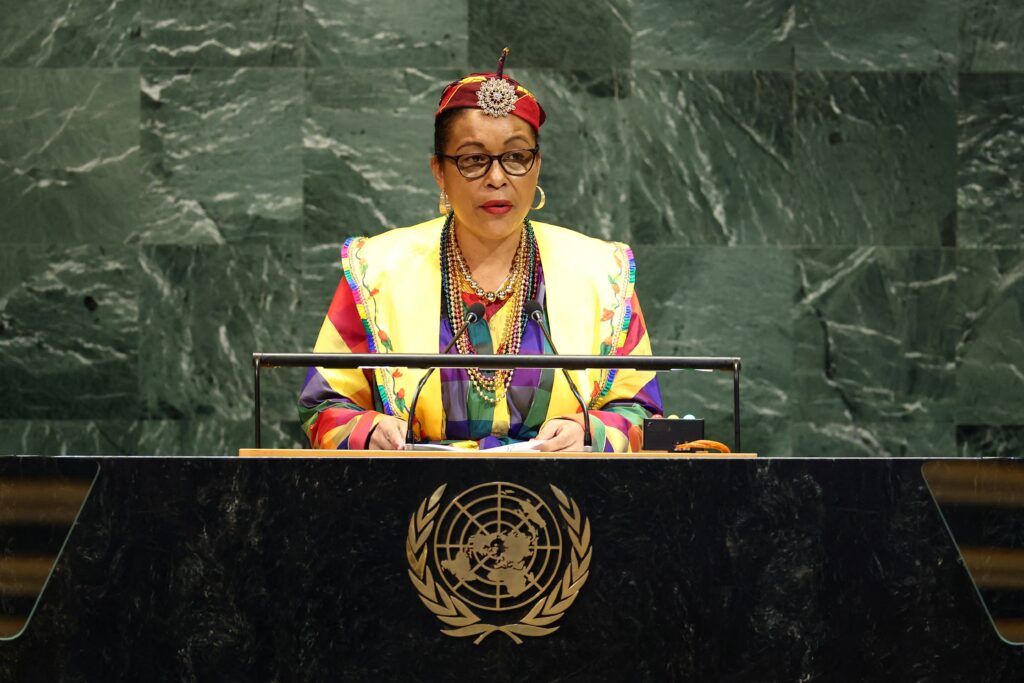
    In a compelling address at the 80th General Debate of the United Nations General Assembly, Her Excellency Sylvanie Burton, President of Dominica, championed the cause of global solidarity and the rights of small nations to self-determination. Speaking at the UN Headquarters in New York City, President Burton drew a stark comparison between the developed and developing worlds, likening the current global power dynamics to Charles Dickens’ “A Tale of Two Cities.” She emphasized the need for a fairer international system where all countries, irrespective of their size, have an equitable voice in shaping global policies, particularly on pressing issues like climate change and security. President Burton questioned the existing system, asking whether resources and decision-making are truly shared equitably or if power merely perpetuates itself. She also expressed Dominica’s steadfast support for Haiti, advocating for a Haitian-led solution to the country’s crisis and highlighting Haiti’s historical contributions to justice and freedom. Furthermore, President Burton condemned sanctions and interventions, calling for the immediate lifting of unjust embargoes on nations like Cuba and Venezuela. She stressed the importance of respecting the sovereignty of these countries and urged global powers to seek diplomatic solutions to international disputes. President Burton warned against military conflicts in the Caribbean, reaffirming the region as a zone of peace. She concluded her speech by appealing for reforms to ensure small nations have a meaningful role in global decision-making processes, particularly on climate and security issues, and underscored the importance of unity, stating, “We are always stronger, wiser, and better together.”

  • President of the Gabonese Republic arrives in Cuba today

    President of the Gabonese Republic arrives in Cuba today

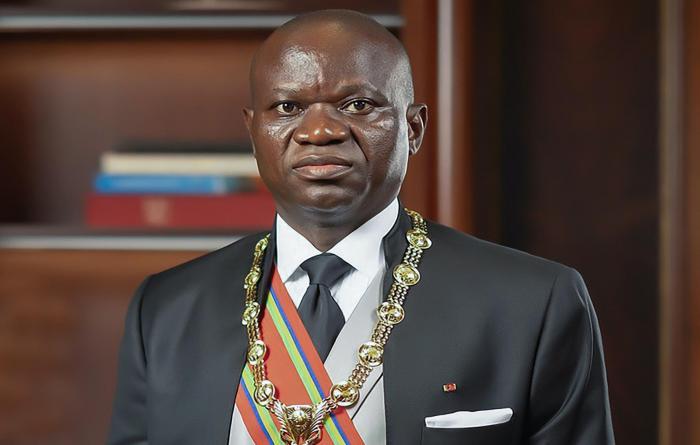
    His Excellency Brice Clotaire Oligui Nguema, President of the Gabonese Republic, has commenced an official visit to Cuba, marking a significant moment in bilateral relations between the two nations. The visit, which began on Friday, September 26, 2025, and will conclude on September 29, underscores the growing diplomatic ties and mutual commitment to fostering cooperation. This marks President Oligui Nguema’s first official trip to Cuba since assuming office in May 2025. During his stay, he is scheduled to engage in high-level discussions with Cuban President Miguel Díaz-Canel Bermúdez. The talks are anticipated to focus on expanding the contractual framework of bilateral relations, reflecting the shared aspirations of both nations to strengthen their partnership. Additionally, President Oligui Nguema will participate in various activities and visit key sites of interest, further solidifying the cultural and diplomatic bonds between Gabon and Cuba.

  • In the midst of the difficult context, we are betting on collective intelligence

    In the midst of the difficult context, we are betting on collective intelligence

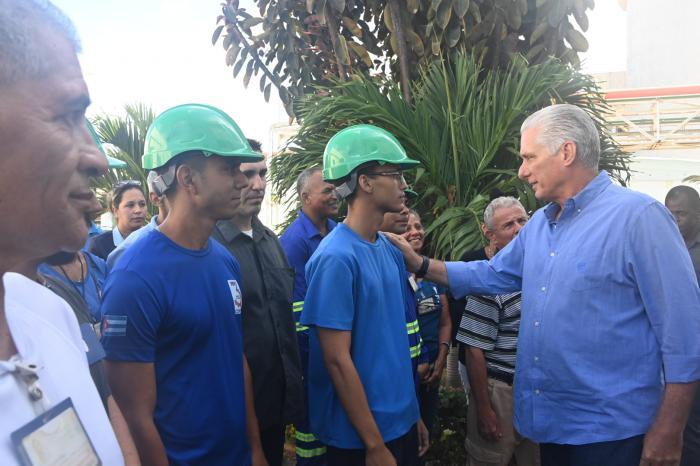
    In a concerted effort to address Cuba’s ongoing energy crisis, President Miguel Díaz-Canel Bermúdez embarked on a comprehensive tour of the nation’s thermoelectric plants. His visit included the Antonio Maceo plant in Santiago de Cuba and the Lidio Ramón Pérez facility in Holguín, where he engaged with executives and workers to assess the recovery of the National Electric System (SEN). The President’s tour comes at a critical juncture, as the country grapples with prolonged blackouts and significant generation deficits.

    At the Renté plant, General Director Jesús Aguilar Hernández provided an update on the facility’s operational status. Despite facing numerous unforeseen outages, the plant is progressing toward stability, particularly with the recent activation of its 70-megawatt (MW) block five following partial maintenance. Units six and three are currently generating 50 MW each, while unit four remains in technical shutdown since 2023. However, a recovery strategy is underway as part of the Government Plan to bolster the SEN. Light maintenance is scheduled for December on units six and three, aiming to enhance the plant’s capacity by year-end.

    President Díaz-Canel emphasized the importance of quality maintenance across all units, including corrective work on block five, to ensure sustained energy recovery. He lauded the tireless efforts of Cuba’s electrical workers, describing their work as ‘heroic’ and ‘intensive.’ The President also highlighted the government’s strategy to strengthen the SEN, which includes expanding thermal and distributed generation and advancing the construction of photovoltaic solar parks. Notably, these solar facilities are already generating over 600 MW during daylight hours, with nearly all planned parks either operational or under construction.

    During his visit to the Lidio Ramón Pérez plant in Felton, President Díaz-Canel was briefed on the facility’s current output of 200 MW, limited by boiler corrosion. Strategies to address these issues and recover block two, damaged by a fire in 2022, were discussed. The President underscored the plant’s strategic importance to eastern Cuba and reiterated the government’s commitment to improving working conditions for employees, including specialized medical care, wage increases, and enhanced safety measures.

    Accompanied by key government officials, President Díaz-Canel’s tour reflects Cuba’s determination to overcome its energy challenges through collective effort and strategic planning.

  • Mark Golding to continue serving as PNP president

    Mark Golding to continue serving as PNP president

    KINGSTON, Jamaica — Mark Golding has secured his position as the president of the People’s National Party (PNP) after the nomination process for the role officially concluded at noon on Friday. With no challengers emerging, Golding’s leadership remains unchallenged, ensuring continuity for the party. Additionally, the PNP announced that four individuals have been nominated for vice president positions: Mikael Phillips, Member of Parliament for Manchester Northwest; Ian Hayles, Member of Parliament for Westmoreland Western; Natalie Neita Garvey, Member of Parliament for St Catherine North Central; and Mayor Norman Scott, chairman of the St Catherine Municipal Corporation. Since all positions received sufficient nominations, the party confirmed that no elections will be necessary. The PNP also extended gratitude to Senator Donna Scott Mottley, who chose not to seek re-election as vice president. The party praised her distinguished service and pivotal role in recent election campaigns. Looking ahead, the PNP will hold its two-day National Executive Council (NEC) meeting on October 4–5, followed by annual regional conferences and the election of regional officers. The party’s calendar of activities will culminate in a one-day private session of the annual conference on November 30, 2025.

  • Dominica reiterates solidarity with Haiti

    Dominica reiterates solidarity with Haiti

    During the 80th Session of the United Nations (UN) General Assembly Debate on Thursday, Dominica’s President Sylvanie Burton reaffirmed her nation’s unwavering support for Haiti, Cuba, and Venezuela, emphasizing the need for sovereignty, justice, and international solidarity. Burton highlighted Haiti’s historical significance in the fight for freedom and justice, stating that the current crisis in Haiti transcends regional boundaries and demands a united global response. She called for a Haitian-led transition process, supported by the UN, to achieve lasting peace and stability. Burton also condemned the long-standing economic embargo against Cuba, describing it as unjust and outdated, and urged its immediate revocation. She reiterated Dominica’s solidarity with Cuba, emphasizing its right to self-determination. Additionally, Burton denounced external interference in Venezuela’s internal affairs and the imposition of sanctions, advocating for respect for its sovereignty. She also expressed concern over the presence of US military assets in the Caribbean, urging restraint and adherence to international law. As the UN marked its 80th anniversary, Burton called for systemic reforms to ensure small and developing nations have a meaningful voice in global decision-making. She emphasized the importance of diplomacy, shared values, and a rules-based international order to promote peace, development, and human rights.

  • Caribbean is a zone of peace, says Dominica’s president

    Caribbean is a zone of peace, says Dominica’s president

    Amid escalating tensions due to the growing presence of United States naval forces near Venezuela’s coast, Dominica’s President Sylvanie Burton has reaffirmed the Caribbean as a zone of peace. Speaking at the 80th Session of the United Nations General Assembly in New York, Burton emphasized the need for diplomatic solutions to resolve disputes between the US and Venezuela. She warned that any military conflict in the region would have devastating consequences for the Caribbean and Latin America, urging global powers to seek alternative paths to peace. The US has justified its naval buildup as part of efforts to combat drug trafficking in the Caribbean. However, recent US strikes on alleged drug boats have raised concerns about potential aggression toward Venezuelan territory. Venezuela has accused the US of conducting an undeclared war and has called for a UN investigation into the strikes, which reportedly killed over a dozen alleged drug traffickers. The situation underscores the fragile geopolitical dynamics in the region and the urgent need for dialogue to prevent further escalation.

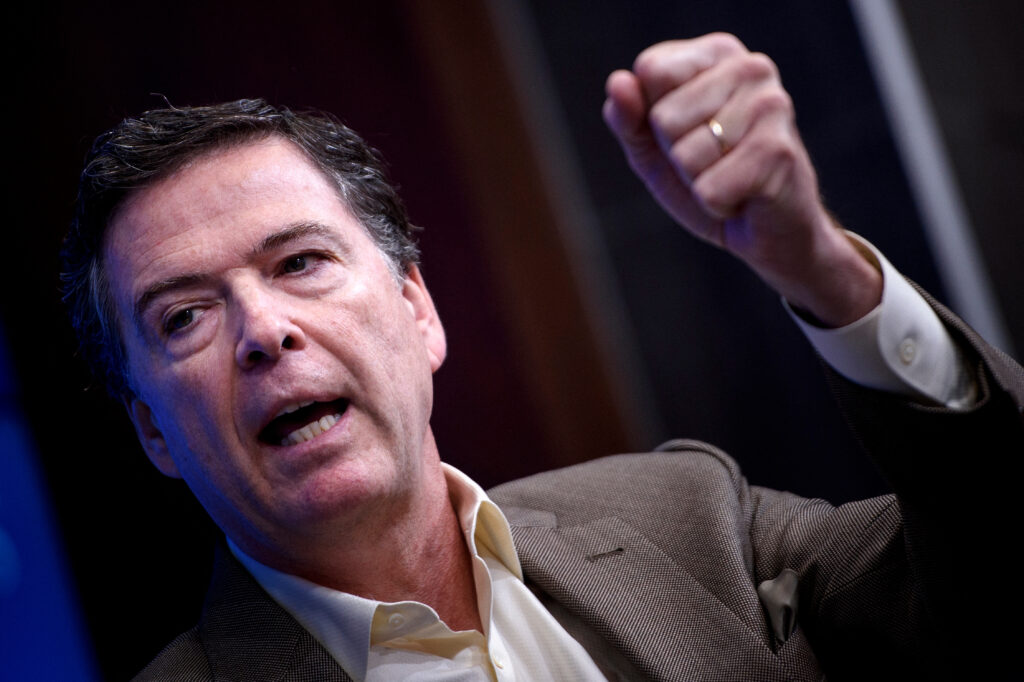
  • Trump labels indicted ex-FBI chief Comey ‘dirty cop’

    Trump labels indicted ex-FBI chief Comey ‘dirty cop’

    In a dramatic escalation of his campaign against perceived adversaries, former US President Donald Trump has publicly labeled James Comey, the former FBI director, as ‘a dirty cop.’ This accusation follows Comey’s indictment on two criminal counts related to the investigation into Russian interference in the 2016 presidential election, which Trump won. The charges, announced on Thursday, include making false statements and obstruction of justice. Trump’s inflammatory remarks were made on his Truth Social platform, where he accused Comey of longstanding misconduct. The indictment comes shortly after Trump urged Attorney General Pam Bondi to take action against Comey and other political foes, a move that critics argue undermines the independence of the Justice Department. This marks the latest and most significant instance of Trump’s aggressive targeting of opponents during his second term. In response, Comey, in a video posted on Instagram, denied any wrongdoing and stated, ‘I’m not afraid.’ If convicted, Comey could face up to five years in prison, according to federal prosecutor Lindsey Halligan, a Trump appointee with no prior prosecutorial experience. Trump’s relationship with Comey has been fraught since 2017, when he fired Comey amid the Russia probe. Comey has since been a vocal critic of Trump’s alleged use of the justice system for political purposes. Trump’s return to power this year has seen him swiftly leverage his authority to challenge the legitimacy of the 2016 election investigation, reigniting debates over Russian interference and his own ties to Moscow.