分类: politics

  • Election Campaign Will Not Disrupt CHOGM Preparations, Officials Say

    Election Campaign Will Not Disrupt CHOGM Preparations, Officials Say

    As the Caribbean nation of Antigua and Barbuda enters a busy period of general election campaigning this April, organizers of the upcoming Commonwealth Heads of Government Meeting (CHOGM) have reaffirmed that all preparations for the November summit will proceed without disruption.

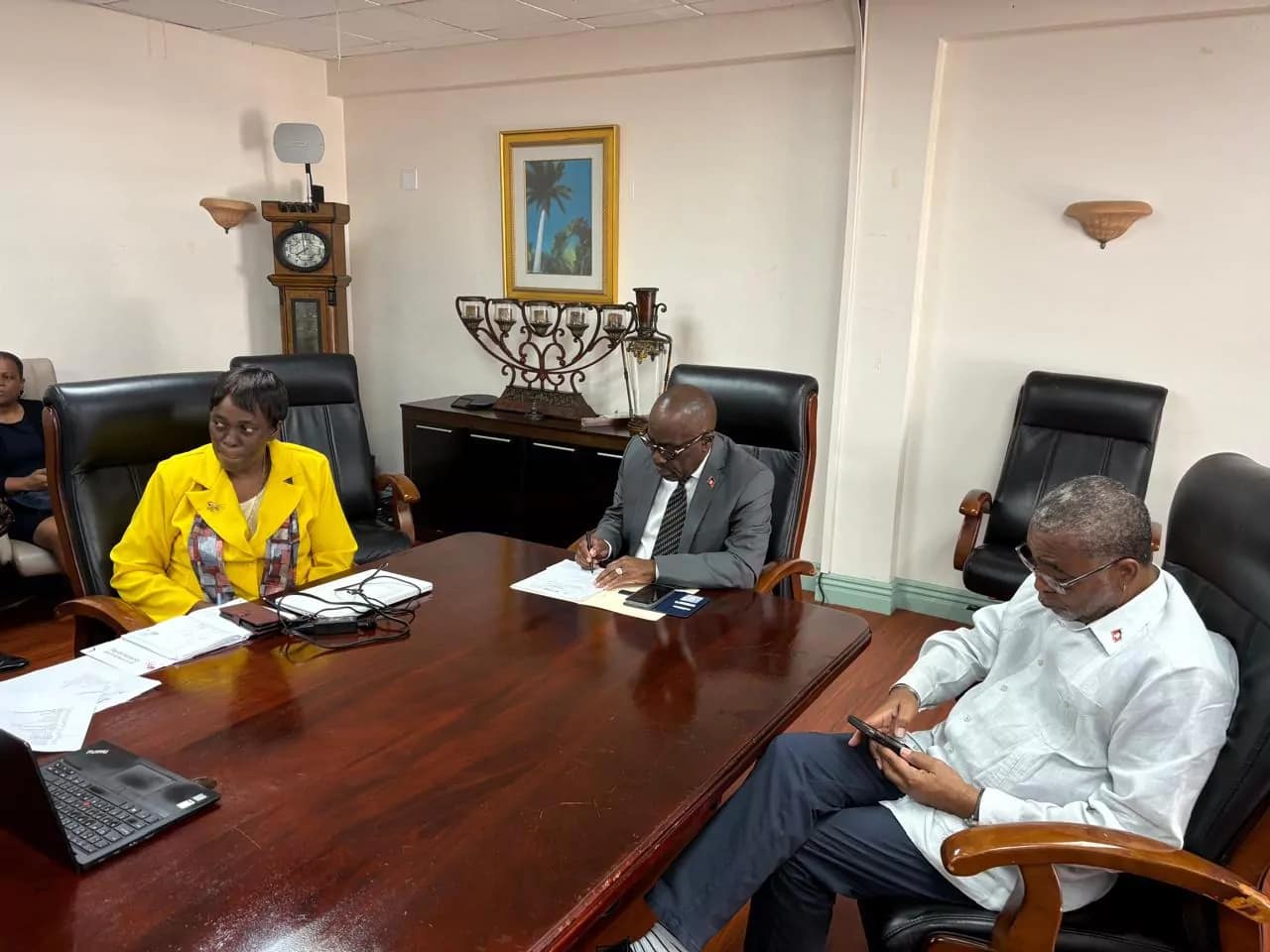
    The high-profile international gathering, scheduled to run from November 1 to 4, has already advanced to a critical planning phase that demands consistent, focused attention — even as political activity accelerates across the entire country, summit overseers say. During a recent convening of the national CHOGM Task Force, Foreign Affairs Minister E.P. Chet Greene, who leads the planning effort, outlined a clear arrangement to balance competing demands: he will split his schedule between official election campaign duties and ongoing oversight of the summit’s preparation process. He also emphasized that the full cross-functional team responsible for the event must maintain consistent progress to hit key milestones.

    To ensure no gaps in leadership emerge when Greene is occupied with campaign commitments, veteran diplomat Ambassador Anthony Liverpool has been appointed as Special Advisor to guarantee continuity in planning. Liverpool brings substantial relevant experience to the role, having previously played a central part in organizing the 2024 Small Island Developing States Conference, which makes him well-suited to lead Task Force meetings in Greene’s absence.

    Day-to-day operational coordination will remain anchored with the permanent CHOGM Secretariat, led by Coordinator Celia Roberts-Morgan. A network of specialized committees is already working in parallel to advance core components of the summit, including logistics arrangements and the design of the official program.

    When it convenes in November, CHOGM will be the largest international event ever hosted by Antigua and Barbuda, drawing heads of state, senior government officials, and delegates from all 56 member states of the Commonwealth. Beyond the core formal leadership meetings, the summit will feature a full slate of parallel engagement events, including dedicated forums for youth, women’s leadership, business cooperation, and civil society dialogue, alongside a range of other bilateral and multilateral international engagements.

    Organizers project that more than 5,000 participants will travel to Antigua and Barbuda for the four-day gathering. Given the massive scale of the event and the complex work required to deliver a successful summit, officials stress that there is no margin for scheduling delays — even as the national government and political leadership navigate the full demands of a national election season.

  • WATCH: PM Browne Rejects Claims of Election “Treating,” Says Land And Other Programmes Are Ongoing

    WATCH: PM Browne Rejects Claims of Election “Treating,” Says Land And Other Programmes Are Ongoing

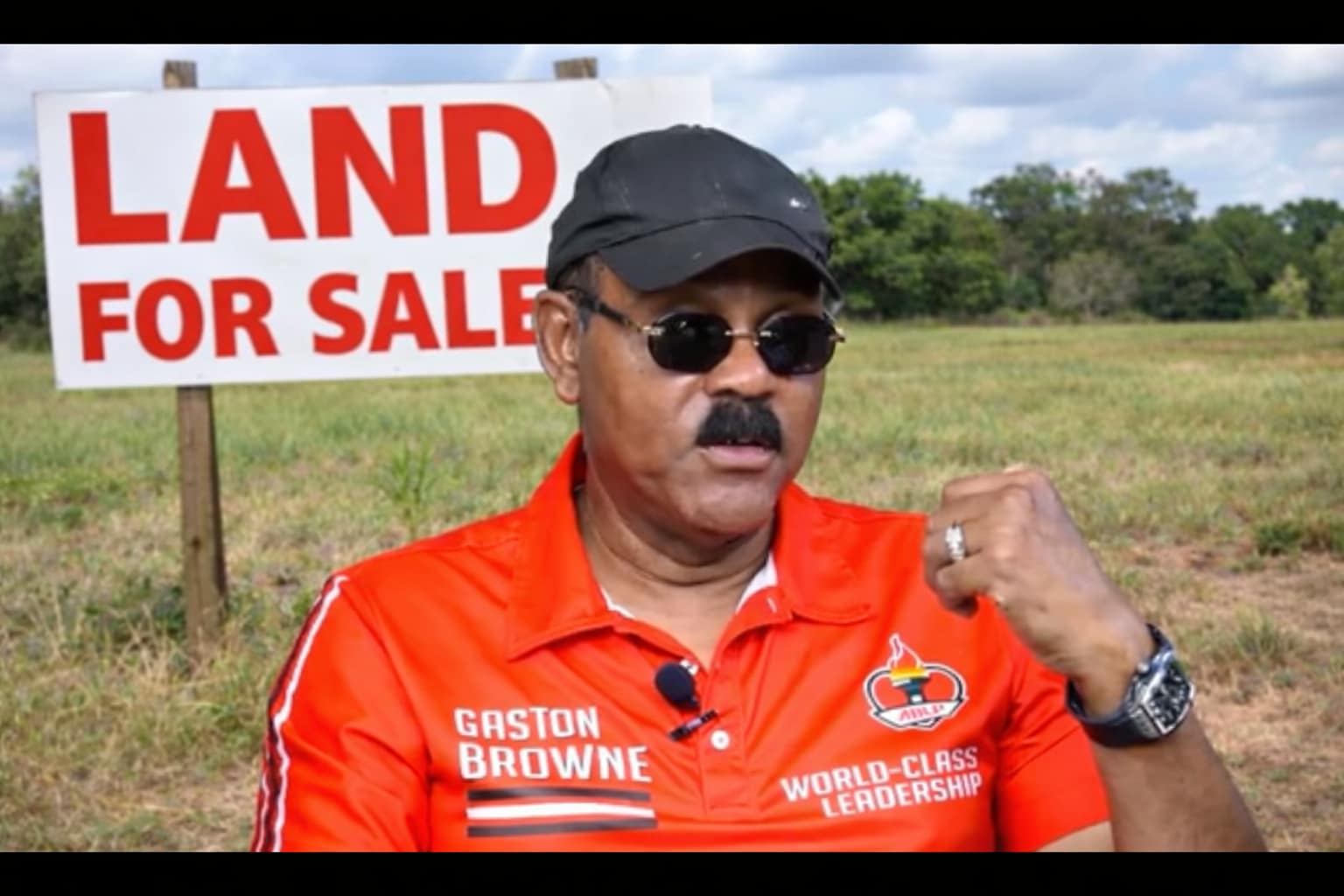
    As Antigua and Barbuda gears up for an upcoming general election, Prime Minister Gaston Browne has strongly refuted opposition claims that his administration is rolling out targeted government programs as pre-election “treating” to sway voter support.

    During an appearance on the *Browne and Browne Show* aired on local radio outlet Pointe FM, Browne made clear that the government’s ongoing social and economic empowerment initiatives are not last-minute campaign tactics. He emphasized that core programs, including land distribution schemes, duty-free concessions for targeted groups, and targeted housing assistance, have been part of his administration’s policy agenda for multiple years, with rollouts scheduled far in advance of the formal election cycle.

    These measures, Browne explained, were crafted to advance long-term developmental goals: expanding accessible economic opportunities across the country and raising living standards, with a specific focus on supporting low- and middle-income households that have historically faced greater barriers to property ownership and financial stability. The prime minister stressed that these initiatives align fully with the broader governing vision his administration put forward after taking office, and they should not be misrepresented as short-term bribes designed to win votes.

    The controversy comes as political activity intensifies across the nation, with opposition figures increasingly questioning the timing of recent program announcements and launches. Critics have argued that the rollout of visible, voter-focused initiatives immediately ahead of a general election amounts to improper election treating, a practice aimed at buying electoral support through policy handouts.

    Browne dismissed these concerns outright, reiterating that the consistent rollout of empowerment programs reflects the government’s commitment to sustained, proactive governance rather than election-motivated decision-making. He added that the administration’s core governing priority has always centered on empowering citizens through expanded access to critical assets like land and housing, a policy direction that has remained consistent long before discussions of the upcoming election entered the national political discourse.

  • LISTEN: Massiah Questions Why Lovell Ran From City East To All Saints West Having Only Lost by 6 Votes

    LISTEN: Massiah Questions Why Lovell Ran From City East To All Saints West Having Only Lost by 6 Votes

    A prominent political figure, Massiah, has publicly questioned the decision of fellow politician Lovell to abandon the City East constituency and seek candidacy in All Saints West, a move that comes immediately after Lovell’s razor-thin six-vote loss in his previous electoral contest.

    The surprising party-switch or cross-constituency move has stirred fresh debate across the local political landscape, with observers noting that such a rapid shift just after a narrow electoral defeat is unusual in the country’s political practice. Massiah has pushed for clarity on the motivations behind the change, arguing that constituents of both constituencies deserve transparency about why Lovell opted to relocate rather than continuing to build support in City East, where he came within a handful of votes of securing victory.

    Political analysts point out that the six-vote margin is one of the closest electoral results in recent regional memory, making the decision to walk away from the nearly-won seat even more puzzling to many political insiders. Lovell has not yet issued an official public response to Massiah’s questions, leaving local political circles speculating about whether the move is part of a broader party negotiation, a response to internal constituency tensions, or a strategic calculation to improve his chances of winning a parliamentary seat in the next general election.

    The controversy comes as parties across the political spectrum continue to adjust their candidate slates ahead of the upcoming electoral cycle, with constituency selection emerging as a key point of internal and public scrutiny for all major political groups.

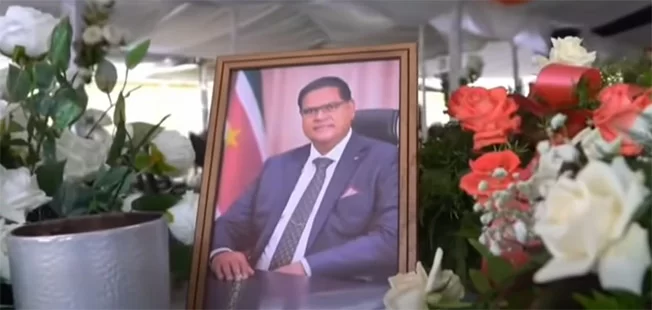
  • Afscheid van ex-president tevens VHP voorzitter Chan Santokhi

    Afscheid van ex-president tevens VHP voorzitter Chan Santokhi

    Early on the morning of April 7, formal ceremonies marking the state cremation of former Suriname President Chan Santokhi officially commenced, nearly a week after his sudden passing at the age of 67.

    The solemn procession began after a joint detachment of military and police personnel retrieved Santokhi’s remains from the morgue of Paramaribo Academic Hospital. Following the retrieval, the cortège embarked on a pre-planned processional route past multiple key government buildings, making its first major stops at the Presidential Palace and the National Assembly building. At these sites, official delegations and gathered dignitaries led formal tributes to bid farewell to the former leader, who died unexpectedly on March 30.

    From the National Assembly, the procession continued through Paramaribo’s inner city to De Olifant, the headquarters of the Progressive Reform Party (VHP). Santokhi had served as the party’s chairman from 2011 until his death, and crowds of residents had gathered along the processional route from early morning to pay their final respects to the fallen statesman.

    Another ceremonial stop was held along Eddy Brumastaat, near the national headquarters of the Boy Scouts Suriname (Weest Paraat). Santokhi held the title of Chief Scout for the organization for many years, and members of the scouting leadership rank-and-file scouts gathered to greet the procession, holding a formal farewell in accordance with scouting tradition.

    Local Surinamese media outlet Starnieuws is covering all events related to Santokhi’s state cremation via a continuously updated live blog to keep the public informed of the day’s proceedings.

  • Government calls for responsible vending practices while supporting livelihoods

    Government calls for responsible vending practices while supporting livelihoods

    On April 7, 2026, officials from the Federation of Saint Kitts and Nevis outlined a balanced, engagement-first policy for street vending regulation across the capital Basseterre and its adjacent neighborhoods, framing the approach as a way to support vulnerable livelihoods while safeguarding public health, environmental integrity, and urban order.

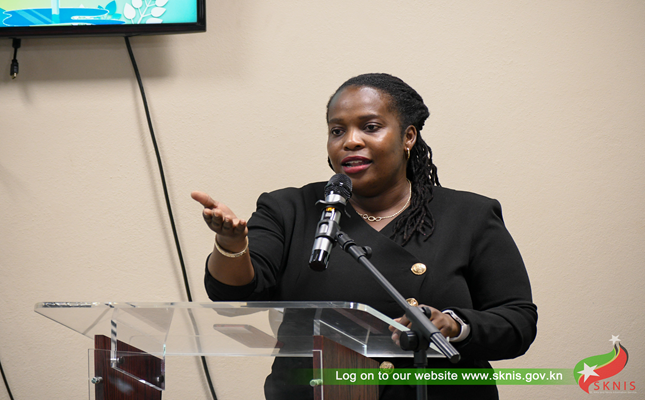
    Senator Dr. Joyelle Clarke, Minister of Sustainable Development, Environment, Climate Action and Constituency Empowerment, laid out the government’s position during a recent address to the country’s National Assembly, noting that unregulated unauthorized vending has emerged as a growing challenge with cascading negative impacts. These risks include unchecked environmental degradation, increased traffic congestion that disrupts daily movement for residents and visitors, and measurable public health hazards that can impact the broader community.

    Clarke emphasized that the government’s approach is rooted in collaboration rather than punitive enforcement, highlighting that the ministry prioritizes dialogue and partnership with vendors operating in unapproved green spaces. “For any vendor who has set up on greenspaces without permission, we engage several times to explain to them that this is not a place that is authorised for vending. Either it is going to create an environmental problem or traffic congestion,” Clarke stated. “We generally and in most cases, provide persons with alternatives,” she added, reinforcing the administration’s commitment to supporting vendors as they earn a living.

    Instead of relying solely on punitive measures to address noncompliance, the ministry has shifted its core strategy to proactive outreach. Officials work directly with vendors to facilitate relocation to officially designated vending zones, and provide flexible timelines and targeted guidance to ease the transition for small business owners.

    Even with this supportive framework, Clarke drew attention to ongoing problematic practices that require urgent action from vendors. Along high-traffic city corridors, improper waste disposal – particularly the dumping of coconut husks – has created ideal breeding grounds for mosquitoes, raising the risk of vector-borne illness and creating broader public health concerns for the surrounding area.

    “What we are saying to the vendors who are deciding to sell, you must take everything with you at the end of the day,” she stressed, calling on all vending operators to take greater personal responsibility for maintaining clean, safe vending sites that do not harm the surrounding community.

    To help vendors operate legally and sustainably, Clarke encouraged all street vendors to formally coordinate with either the Department of Physical Planning or the Department of Urban Development and Resilience to secure access to approved vending spaces. She concluded by noting that long-term sustainable livelihoods for vendors and planned, orderly urban development are complementary goals, not competing priorities, and that both must be advanced together to support the prosperity of all residents of Saint Kitts and Nevis.

  • Government advances fair land transition for farmers and future homeowners

    Government advances fair land transition for farmers and future homeowners

    BASSETERRE, Saint Kitts – In a deliberate push to reconcile national development goals with the protection of vulnerable livelihoods, the Government of the Federation of Saint Kitts and Nevis has launched a compassionate, fair land transition process that aims to support relocating agricultural workers while unlocking long-awaited homeownership opportunities for hundreds of waiting citizens.

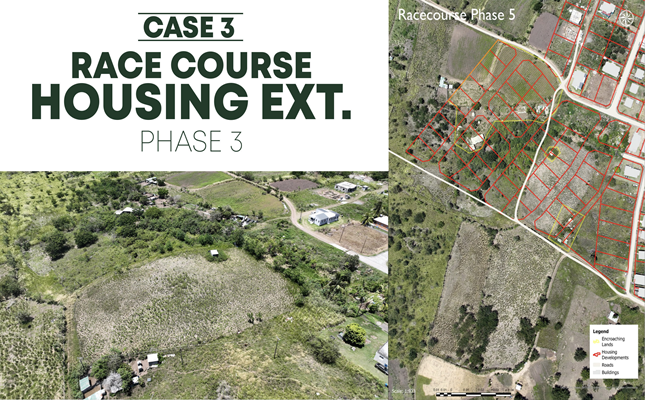
    The initiative, which reallocates land zoned for residential development away from current agricultural use, has been structured from its inception around a people-centred approach, Sustainable Development Minister Joyelle Clarke outlined in a recent address to Parliament on March 31. Clarke, who also holds portfolios for Environment, Climate Action and Constituency Empowerment, stressed that the administration has rejected rushed, uncompromising relocation that would leave farmers without critical support, while still upholding the property rights of citizens who have already paid for their residential land plots.

    According to Clarke, the Ministry of Sustainable Development has proactively engaged with all farmers occupying land marked for development through standardized, transparent outreach since July 2025, working to address concerns and identify solutions collaboratively. The process is already underway across three high-priority zones: Racecourse in Newton Ground, Cabbage Tree in Cayon, and Lemon Hill in Molineaux. In each site, government teams have worked one-on-one with affected farmers to craft tailored solutions, ranging from identifying suitable replacement agricultural land to providing ongoing agricultural support that preserves income stability. In at least one confirmed case, new land has already been secured for a transitioning farmer, ensuring they can continue their work without prolonged disruption to their livelihood.

    The transition initiative also addresses a years-long backlog for aspiring homeowners across the federation. More than 400 individuals and families have already completed payments for their allocated residential land, and have been waiting to begin construction on their homes. The government’s structured transition clears the way for these families to move forward with their long-planned property investments, expanding access to housing for local citizens as part of the administration’s broader development agenda.

    Clarke emphasized that the cross-ministerial collaboration between the Ministry of Sustainable Development and the Ministry of Agriculture underlying the process underscores the government’s core commitment to inclusive growth. “We are engaging the farmers to ensure we are not disrupting their livelihoods, but we are also allowing the almost 400 plus persons who have paid for their land… to move on to be homeowners,” Clarke explained, noting that the federation’s development progress will not leave any community behind.

    This press release was originally issued by the St. Kitts and Nevis Information Service (SKNIS) and distributed Tuesday, April 7, 2026.

  • Jomo explains why gov’t can’t ‘settle’ case against Adriana King

    Jomo explains why gov’t can’t ‘settle’ case against Adriana King

    Prominent defense attorney Jomo Thomas has recently cleared up widespread public confusion over why the newly inaugurated Godwin Friday-led New Democratic Party administration cannot unilaterally resolve the pending criminal case against well-known educator and activist Adriana King — a question that emerged after the government greenlit a civil settlement for the family of 18-year-old motorcyclist Cjea Weekes, who died in a 2022 police pursuit crash.

    Thomas, whose legal chambers have a long track record of winning high-profile suits against the previous Ralph Gonsalves administration, first announced the settlement of the Weekes case last month during his regular weekday “Plain Talk” segment on local radio station Boom FM. The agreement came just one day before the civil trial was set to begin, a move the lawyer praised for sparing the teen’s family additional emotional strain from a public court proceeding. He also highlighted that the settlement, authorized by Attorney General Louise Mitchell on Prime Minister Friday’s instruction, marked a break from the previous Gonsalves government’s years-long refusal to settle the suit, even noting that Weekes’ mother worked at Gonsalves’ official residence at the time of her son’s death.

    Following the public announcement, the news of the settlement, first reported by iWitness News, sparked intense debate across local social media platforms, with many listeners and readers asking why the Friday administration would not extend the same resolution to King’s case. King faces criminal charges stemming from allegations she intended to block then-Prime Minister Gonsalves from accessing Parliament on August 5, 2021.

    In his recent public address on the topic, Thomas emphasized that the core difference between the two matters lies in their legal classification: the Weekes dispute was a civil wrongful death claim against the government, while King’s case is a criminal prosecution. This legal distinction changes which government body has the authority to end the proceeding, he explained.

    To contextualize the comparison, Thomas noted that civil cases, such as the Weekes suit, center on claims for financial compensation for damages, and the sitting government, through the Attorney General, has the authority to reach a settlement to resolve the claim. Criminal cases, by contrast, are brought by the state to punish unlawful conduct, and can result in prison time, suspended sentences, or permanent criminal records for convicted defendants. Only the constitutionally independent Office of the Director of Public Prosecutions (DPP) has the authority to dismiss criminal charges, Thomas explained, adding that the Prime Minister and Attorney General have no power to direct the DPP to drop a case, even if they wished to do so.

    Thomas went on to share his personal assessment of King’s case, arguing that when applying the two core tests the DPP uses to evaluate criminal charges — the sufficiency of evidence test and the public interest test — the case against King fails on both counts. “I don’t think there’s a public interest in that case, I don’t think there’s sufficient evidence to support the charge against Miss King,” he stated.

    A timeline of King’s case shows that the charges were initially dismissed in May 2024, when Magistrate John Ballah ruled that pursuing the charge amounted to an abuse of process. However, then-DPP Sejilla McDowall filed an appeal against the dismissal, and the appeal has not yet been scheduled for a hearing.

    Thomas stressed that the DPP’s office is a constitutionally independent branch of government, so Prime Minister Friday cannot legally order the DPP to abandon the appeal. While he acknowledged that a sitting prime minister or attorney general may choose to privately communicate their position on a case to the DPP, they have no authority to force a specific outcome. “I think that we have to understand these things when we are having these conversations. Otherwise, we confuse and conflate issues, and we confuse a criminal case for a civil case,” he said.

    Thomas also pushed back against public questions over why the Weekes case was settled civilly but no criminal charges were ever filed against the police officers involved in the pursuit that led to Weekes’ death. Weekes was killed in February 2022, when he crashed his motorcycle on Twenty Hill during a high-speed police chase that began in Questelles, just over a mile from the crash site. A coroner’s inquest ruled Weekes’ death a misadventure, and McDowall previously concluded there was no basis for criminal liability. Thomas confirmed that he has formally asked current acting DPP Duane Daniel to re-examine the evidence in the case to reconsider pursuing criminal charges against the involved officers, a position he has maintained despite the previous findings.

    To correct another common misconception that only the current Friday administration settles civil claims against the government, Thomas added that the previous Gonsalves administration also greenlit settlements in other high-profile police brutality cases, including the 2008 beating of 15-year-old Jemark Jackson, who was left in a coma by officers at the Kingstown Criminal Investigation Department.

  • Kamla firm on Barnett

    Kamla firm on Barnett

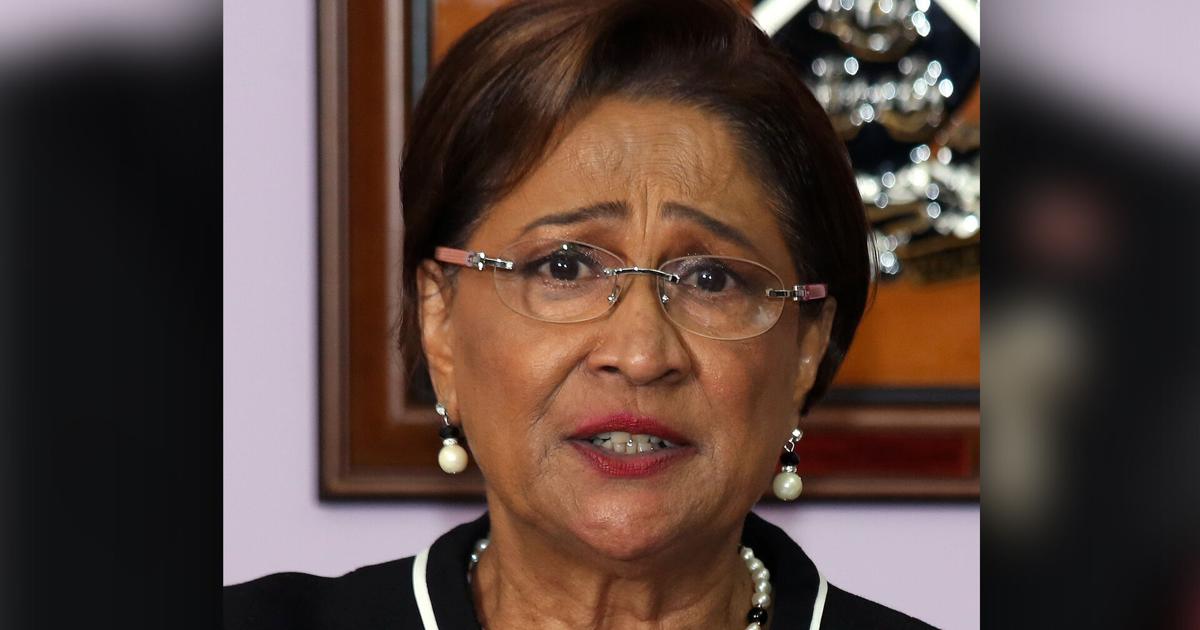
    A growing procedural dispute within the Caribbean Community (CARICOM) has taken center stage, as Prime Minister Kamla Persad-Bissessar of Trinidad and Tobago has doubled down on demands for full transparency surrounding the controversial reappointment of Secretary-General Dr. Carla Barnett.

    In a public statement shared to Facebook on Monday, Persad-Bissessar condemned the reappointment process as “surreptitious and odious”, and made clear her administration would not back down from challenging the outcome until the matter is addressed with full openness. While Trinidad and Tobago, CARICOM’s single largest budget contributor, remains fully committed to the regional bloc, the prime minister warned that her government would offer “no quarter” to the organization and its secretariat until procedural fairness is restored.

    Far from being an ordinary bureaucratic appointment, Persad-Bissessar emphasized the five-year term of the secretary-general carries sweeping long-term consequences for Trinidad and Tobago, touching core national priorities including economic trajectory, domestic security, regional integration efforts, and foreign policy direction. “In the interest of my citizens’ well-being, I will mercilessly, relentlessly, and if needed, ruthlessly publicly prosecute this matter until transparency is achieved,” she said.

    The row dates back to the 50th Regular Meeting of the Conference of Heads of Government hosted by St. Kitts and Nevis, where Dr. Barnett’s second term, set to begin in August 2026, was approved. Per the Trinidad and Tobago government’s account, the reappointment was never added to the meeting’s official provisional agenda, never debated or voted on during the public plenary session, and was only addressed during a closed-door heads of government retreat from which Trinidad and Tobago and other member states were barred from sending their authorized representatives.

    Trinidad and Tobago argues the process directly violates Article 24 of the Revised Treaty of Chaguaramas, the foundational legal framework of CARICOM, which requires the full Conference of Heads of Government to formally consider and approve all secretary-general appointments. In legal terms, the government maintains the reappointment is ultra vires, or outside the legal bounds of the treaty.

    Official objections have been moving forward for months: On March 25, 2026, Foreign and CARICOM Affairs Minister Sean Sobers formally submitted Trinidad and Tobago’s objection in an official letter to CARICOM Chair Dr. Terrance Drew. Two days later, Sobers reaffirmed the position on the floor of Trinidad and Tobago’s parliament. On March 31, the government sent two additional formal requests for clarification: one addressed to Drew and Barnett, asking for full details on when the item was added to meeting materials, what communications were sent to member states, whether post-meeting notifications were issued after the joint closing communiqué, and why the matter was treated as confidential. A separate request was sent by the Foreign Ministry’s permanent secretary to the Chef-de-Cabinet of the Secretary-General’s Office, seeking all relevant documentation related to the process.

    As of Persad-Bissessar’s latest statement, no response has been received from CARICOM leadership. The prime minister noted that past reappointments, including the 2016 selection, followed long-established, inclusive procedures that incorporated input from all heads of government, and the current process falls far short of CARICOM’s own written rules of procedure. “The people of Trinidad and Tobago who finance 22% of CARICOM’s budget deserve transparency, accountability, and faithful adherence to agreed rules,” she said.

    Addressing parliament last month, Minister Sobers expanded on the government’s position, arguing that the furtive process has already caused “irreparable harm” to the regional bloc, noting that Trinidad and Tobago was completely sidelined from the decision. He commended Persad-Bissessar for openly raising concerns about institutional shortcomings during the February CARICOM heads meeting, saying he hoped other regional and global leaders would show similar courage to address procedural gaps openly.

    Sobers stressed that all CARICOM citizens are owed confidence in the institution’s governance, which can only exist if all actions align with the Revised Treaty of Chaguaramas. As the bloc’s largest annual contributor, he added, Trinidad and Tobago is owed the basic respect of inclusive, rule-following process. The government has proposed placing the reappointment dispute on the official agenda for the next CARICOM Heads of Government meeting, scheduled to take place July 5-8 in St. Lucia.

    Despite the standoff, Sobers reaffirmed that Trinidad and Tobago remains committed to reforming and revitalizing CARICOM and its secretariat to ensure the institution meets the needs of the entire region. The government recognizes the critical importance of the CARICOM single market to private sector growth across the bloc, he noted, pointing out that Trinidad and Tobago is both the largest importer and largest exporter of goods within CARICOM. At its core, the dispute is a defense of national interests and institutional integrity, not a rejection of regional cooperation: “We are a country that abides by the rules of CARICOM. We conduct our business with transparency and accountability, and we expect the same for all within the community,” Sobers said. He also outlined the scale of Trinidad and Tobago’s annual contributions to core CARICOM institutions, including $35.5 million to the CARICOM Secretariat, $25 million to the CARICOM Development Fund, $1.4 million to the Caribbean Disaster Emergency Management Agency, $16.1 million to CARICOM IMPACS, $10.3 million to the Caribbean Examinations Council, $14 million to the Caribbean Public Health Agency (CARPHA), $23.3 million to the Caribbean Industrial Research Institute, and $1.3 million to the CARICOM Competition Commission.
  • Gary: ‘Begging’ won’t help

    Gary: ‘Begging’ won’t help

    A former top Trinidadian law enforcement official has pushed back against recent calls for public cooperation with police, arguing that meaningful public support can only be earned through structured institutional reform, enhanced accountability, and updated operational practices — not by simply begging citizens to step forward.

    Gary Griffith, who previously served as Commissioner of Police, made his remarks in response to recent comments from Homeland Security Minister Roger Alexander. During a recent media interview, Alexander urged members of the public to share actionable intelligence with police to help combat the country’s persistent crime challenges. In a public statement posted to his Facebook page yesterday, Griffith acknowledged that Alexander’s call for greater public collaboration is a reasonable starting point, but stressed that urging citizens to participate without addressing systemic barriers will not deliver the crime-fighting results the government is seeking.

    Griffith explained that law-abiding residents are extremely reluctant to change their long-standing patterns of behavior and share sensitive information with authorities, especially when widespread concerns about personal safety and institutional trust remain unaddressed. While he affirmed that human intelligence is the single most critical asset in effective crime fighting — with ordinary residents often holding key details that can solve or prevent serious offenses — he noted that robust protective mechanisms must be in place to allow people to come forward without fear of violent retaliation from criminal groups.

    To illustrate his point, Griffith pointed to a series of public engagement initiatives rolled out during his tenure as police commissioner that were designed to lower barriers to reporting. These included open direct communication channels between residents and senior police leadership, a dedicated police mobile app, and secure online incident reporting systems that allowed people to share information without exposing their identity or requiring an in-person visit to a local police station. He also highlighted the former Gender-Based Violence Unit, which deployed specially trained officers to take reports from survivors in their own homes, a model that directly addressed concerns about confidentiality and sensitivity and drove measurable increases in reporting rates. Griffith claimed that the rollback or elimination of these successful programs has directly contributed to a sharp drop in public engagement with law enforcement.

    Beyond accessible reporting systems, Griffith emphasized that internal accountability within the Police Service is non-negotiable for rebuilding public trust. For the public to actively cooperate, he said, residents must have full confidence that officer misconduct will be investigated and addressed promptly, and that all policing activities are carried out to professional, service-first standards. He again referenced reforms implemented during his tenure, including the rollout of body-worn cameras for patrol officers, mandatory polygraph testing for new and serving personnel, and specialized ethics and community engagement training — measures he said significantly boosted transparency and public confidence. Griffith expressed deep concern that these systems are no longer fully operational or consistently enforced under current leadership.

    Griffith also criticized current policing strategy, calling out the continued heavy reliance on roadblocks as a primary enforcement tool. He argued that this approach represents an outdated, reactive model of policing that does not align with the intelligence-led best practices used by effective law enforcement agencies across the globe. By contrast, he noted, the proactive traffic management and sustained community engagement strategies his administration implemented helped build far higher levels of public trust and voluntary cooperation.

    The former commissioner concluded that eroding public confidence does not just harm citizens — it also damages police morale, as reduced trust cuts off the flow of actionable intelligence officers need to do their jobs safely and effectively. He stressed that improving police-public relations requires deep institutional change, including policies that prioritize accountability, protect civilian informants, and embed consistent professionalism across all ranks. While Griffith said he fully supports the goal of greater public cooperation to fight crime, he made clear that this outcome can only be achieved after the government implements systemic changes that directly address the public’s core concerns and rebuild confidence in law enforcement.

  • Government Opens Doors for Engineers as Road and Infrastructure Works Expand

    Government Opens Doors for Engineers as Road and Infrastructure Works Expand

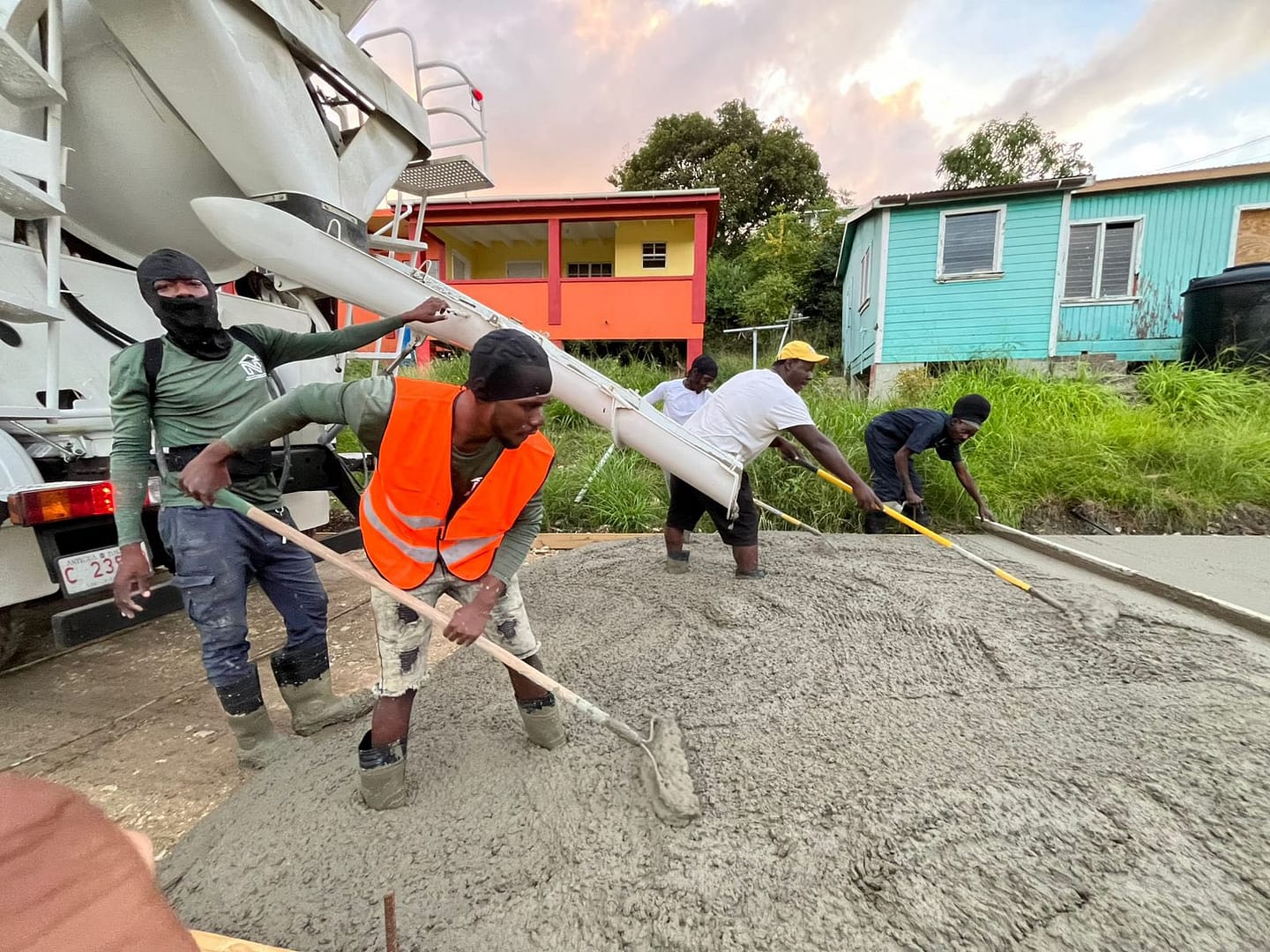
    Antigua and Barbuda’s Prime Minister Gaston Browne has announced an ambitious national initiative to deliver sweeping upgrades to the country’s aging road network, with a clear timeline of 12 to 18 months for substantial progress. Speaking during an appearance on the *Browne and Browne Show* aired on local outlet Pointe FM, the nation’s leader confirmed that the administration has already locked in more than $100 million in committed funding to advance construction and rehabilitation work across communities island-wide.

    In a departure from past contracting models, Browne confirmed that the government has made a strategic policy shift to assign major infrastructure projects directly to the country’s Public Works Department (PWD), rather than relying exclusively on external private contractors. The prime minister highlighted that this in-house approach will cut unnecessary administrative and contracting costs, delivering better overall value for public spending on the program. “They’ll be able to do it far cheaper, and I think we’ll get better value for money,” Browne told listeners during the radio interview.

    To equip PWD to take on the expanded workload, the government is implementing a series of structural upgrades to the department, including targeted recruitment of additional professional engineers and skilled construction workers. Browne added that salary adjustments are also being rolled out to make positions more competitive, enabling the department to attract higher-caliber skilled personnel to support the accelerated work schedule.

    Browne expressed strong confidence that the expanded capacity of PWD will allow the government to tackle decades-long road infrastructure challenges that have long impacted communities across the country. “We believe that well-equipped Public Works will be able to resolve the country’s infrastructure [gap] maybe within the next 12 to 18 months,” he said.

    While he acknowledged that the scope of work means it is impossible to rehabilitate every deficient road across the nation at the same time, Browne emphasized that the current pace and scale of the initiative mark a fundamental change from how road projects have been managed in the past. He noted that visible, rapid improvements are already visible across many parts of the island, and asserted that the entire program remains fully under government control. “We can’t fix all the roads at the same time… but we have it under control,” he added.

    Notably, the prime minister made clear that the road improvement program will continue moving forward regardless of the outcome of the country’s upcoming general election. He warned against any actions that could disrupt the current momentum in infrastructure development, framing the project as a national priority that should transcend electoral politics.

    In recent months, the Browne administration has steadily ramped up road construction activity, with active projects underway in multiple communities as part of a broader national push to modernize Antigua and Barbuda’s core public infrastructure.