分类: politics

  • NODS to lead emergency preparedness during CHOGM

    NODS to lead emergency preparedness during CHOGM

    In preparation for the upcoming Commonwealth Heads of Government Meeting (CHOGM), Antigua and Barbuda’s National Office of Disaster Services (NODS) has been designated as the lead agency for comprehensive emergency management planning. The disaster response organization will implement robust contingency measures to address potential natural disasters and security incidents throughout the international gathering.

    The agency’s comprehensive preparedness strategy includes establishing coordinated inter-agency response protocols, maintaining advanced public safety communication infrastructure, and implementing detailed medical evacuation plans. Specialized readiness teams will be strategically positioned at all major summit venues to provide immediate on-site support during the presence of visiting international dignitaries and government leaders.

    Government authorities emphasize that these enhanced preparedness measures demonstrate the nation’s commitment to ensuring seamless security and emergency response capabilities during this high-profile diplomatic event. The multi-layered approach integrates natural disaster management with security incident protocols, creating a unified response system specifically designed for the unique requirements of hosting an international summit of this magnitude.

    The coordinated effort represents one of the most comprehensive emergency preparedness initiatives undertaken by the Caribbean nation, reflecting the serious commitment to ensuring both delegate safety and uninterrupted proceedings during the important Commonwealth meeting.

  • STATEMENT : Christmas and New Year message from Honourable Roosevelt Skerrit Prime Minister of the Commonwealth of Dominica

    STATEMENT : Christmas and New Year message from Honourable Roosevelt Skerrit Prime Minister of the Commonwealth of Dominica

    In his annual Christmas message to the nation, Prime Minister Roosevelt Skerrit of the Commonwealth of Dominica reflected on the country’s significant achievements throughout 2025 while outlining an optimistic vision for the upcoming year. Addressing citizens both domestically and abroad, the Prime Minister emphasized the season’s core values of compassion, humility, and service to others as fundamental to the national character.

    Prime Minister Skerrit characterized 2025 as a period of determined effort and meaningful progress despite global economic uncertainties, climate challenges, and geopolitical instability. The government’s implementation of a revised minimum wage policy stood as a landmark achievement, designed to protect working families and restore dignity to labor. Additionally, the removal of Value Added Tax and customs duties on essential food items provided substantial cost-of-living relief for households across the island nation.

    The administration continued its comprehensive investment strategy across critical sectors including housing, healthcare, education, and infrastructure development. These initiatives form part of a broader vision to build a resilient and opportunity-rich society. Significant advancements in the International Airport Project marked another milestone, with the transformative infrastructure development expected to enhance tourism, trade, and global connectivity while creating employment opportunities for hundreds of citizens.

    Environmental sustainability remained a key consideration in national development plans, with the government affirming its commitment to balancing economic progress with ecological preservation. The Prime Minister specifically acknowledged the contributions of various sectors including agriculture, fishing, public service, healthcare, education, law enforcement, and private enterprise, recognizing them as the nation’s backbone.

    Special attention was directed toward the Dominican diaspora, whose continued support and investment were described as invaluable to national development. The government reaffirmed its dedication to creating opportunities for youth through education, skills training, entrepreneurship programs, and meaningful employment initiatives.

    Looking ahead to 2026, the administration promised continued investments, further reforms, and enhanced focus on improving quality of life for all citizens. While acknowledging inevitable challenges, the Prime Minister expressed confidence in the nation’s collective resilience and shared destiny. The message concluded with seasonal greetings and blessings for health, hope, and prosperity in the coming year.

  • US pursuing third oil tanker linked to Venezuela, official says

    US pursuing third oil tanker linked to Venezuela, official says

    Tensions between the United States and Venezuela have reached new heights as the US Coast Guard engages in active pursuit of another oil tanker in international waters near Venezuela. This development marks the third such incident this month, following the seizure of two Venezuelan-flagged oil tankers by US authorities.

    According to US officials, Sunday’s pursuit targets a ‘sanctioned dark fleet vessel’ allegedly participating in Venezuela’s illegal sanctions evasion operations. The vessel in question is reportedly flying false flags and remains under judicial seizure order. Washington maintains that Venezuela utilizes oil revenues to finance drug-related criminal activities, while Caracas has condemned the seizures as outright ‘theft and kidnapping.’

    The escalation follows President Donald Trump’s recent order establishing a naval blockade against sanctioned oil tankers attempting to enter or leave Venezuelan waters. Venezuela, which possesses the world’s largest proven oil reserves, has accused the Trump administration of attempting to plunder its natural resources.

    While US authorities haven’t officially confirmed details of Sunday’s operation, the pattern of enforcement continues. Saturday’s seizure involved a Panamanian-flagged tanker boarded by specialized tactical teams in international waters. Although not on the US Treasury’s sanctioned vessels list, the ship was transporting ‘sanctioned PDVSA oil’ according to US officials. Maritime records indicate the vessel previously sailed under Greek and Liberian flags over the past five years.

    The Venezuelan government has vowed that ‘these acts will not go unpunished’ and intends to file formal complaints with the UN Security Council and other multilateral organizations. Venezuela’s economic stability heavily depends on oil export revenues, making these seizures particularly damaging.

    Recent weeks have witnessed increased US military presence in the Caribbean Sea, including deadly strikes on alleged Venezuelan drug-smuggling vessels that resulted in approximately 100 casualties. The US has additionally imposed sanctions on relatives of President Nicolás Maduro and businesses associated with what it terms his ‘illegitimate regime.’

    Secretary of State Marco Rubio emphasized that ‘the current status quo with the Venezuelan regime is intolerable for the United States,’ signaling the administration’s determination to alter the dynamic. These statements drew sharp criticism from Venezuela’s foreign minister, who accused Rubio of pushing for ‘regime change.’

    Notably, the US military has faced growing congressional scrutiny over the vessel strikes, as no public evidence has been provided confirming drug trafficking activities aboard these ships. The Trump administration has further accused Maduro of leading a designated terrorist organization called Cartel de los Soles, allegations which the Venezuelan president consistently denies.

  • All Saints West MP Thanks Constituents After Christmas Celebration

    All Saints West MP Thanks Constituents After Christmas Celebration

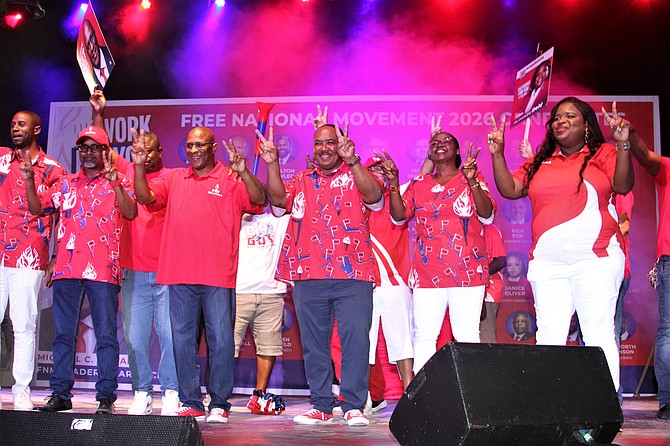
    Anthony Smith Jr., the parliamentary representative for All Saints West, has publicly commended constituents for their overwhelming participation in the constituency’s annual Christmas festivities, characterizing the event as a resounding success. In an official communique released post-celebration, Smith conveyed profound appreciation for the robust community turnout, describing the gathering as profoundly “heart-warming.

    The legislator utilized the occasion to reaffirm his deep-seated commitment to public service, articulating his gratitude for the privilege of representing the community in parliament. He further disseminated seasonal greetings, extending Christmas wishes to all residents and their family members.

    This yuletide gathering constitutes a deeply entrenched tradition within All Saints West, consistently serving as a cornerstone event that unites families, community stakeholders, and political supporters for an evening dedicated to communal harmony and entertainment. Digital photographs subsequently published across official social media platforms documented vibrant scenes from the festivities, visually underscoring the event’s widespread community engagement.

    Representative Smith has consistently emphasized that fostering direct community interaction represents a fundamental component of his parliamentary mandate. He particularly accentuates the importance of such engagements during the holiday period, viewing them as vital for maintaining grassroots connectivity and understanding constituent needs beyond formal political settings.

  • Gov’t to assign ‘qualified’, ‘trusted’ staff to diplomatic posts — minister

    Gov’t to assign ‘qualified’, ‘trusted’ staff to diplomatic posts — minister

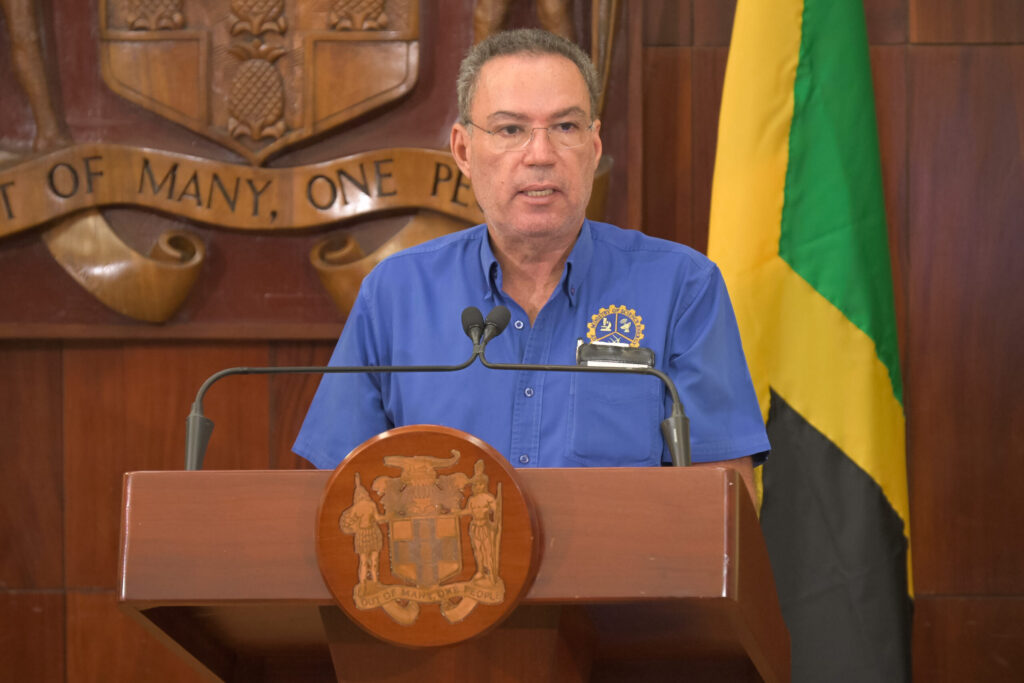
    In a significant foreign policy address, St. Vincent and the Grenadines’ Foreign Minister Fitz Bramble has announced a comprehensive restructuring of the nation’s diplomatic missions. The newly elected New Democratic Party administration, which secured a commanding parliamentary majority on November 27th, will prioritize appointing both qualified and trustworthy personnel to implement government policies abroad.

    Minister Bramble emphasized that diplomatic offices will serve as the primary vehicle for advancing foreign policies designed to benefit all Vincentian citizens. The government will reassess the nation’s participation in regional and multinational organizations to ensure alignment with national interests.

    The Foreign Minister, who also oversees foreign trade, investment, and diaspora affairs, outlined the challenges posed by evolving global realities including shifting geopolitics, economic uncertainty, and rapid technological transformation. He stressed that these conditions necessitate a strategic approach to international engagement, particularly for small developing states like SVG.

    A key component of this strategy involves creative and realistic foreign trade and investment policies capable of addressing national vulnerabilities. The administration has specifically identified the Vincentian diaspora as crucial partners in national development, with plans to actively engage and empower overseas citizens to contribute to the country’s progress.

    Under Prime Minister Dr. Godwin Friday’s leadership, the government has committed to leveraging these international relationships to create optimal conditions for both national and regional advancement.

  • Antigua and Barbuda completes historic year leading hemispheric drug policy body

    Antigua and Barbuda completes historic year leading hemispheric drug policy body

    The Caribbean nation of Antigua and Barbuda has successfully concluded its groundbreaking tenure at the helm of the Organization of American States’ principal narcotics oversight body. Lieutenant Colonel Edward H. Croft, Director of the Office of National Drug and Money Laundering Control Policy (ONDCP), formally transferred leadership of the Inter-American Drug Abuse Control Commission (CICAD) during the 78th Regular Session in Washington, D.C. on December 15-16, 2025.

    This historic chairmanship, which commenced in November 2024, marked a significant milestone for Caribbean representation in hemispheric policy-making. Under Antigua and Barbuda’s guidance, CICAD achieved several critical advancements in regional drug policy coordination. The commission convened two major Regular Sessions (CICAD 76 and 77) and established a specialized Working Group to develop the Hemispheric Plan of Action on Drugs for 2026–2030.

    In a particularly symbolic moment, Lieutenant Colonel Croft presented CICAD’s Annual Report at the OAS General Assembly hosted in Antigua and Barbuda in May 2025—marking the first occasion the Caribbean region had ever hosted this prestigious gathering.

    Reflecting on the tenure, Lt. Col. Croft emphasized in his closing address: ‘This experience has fundamentally demonstrated that leadership within international institutions is measured not by geographical size but by dedication and vision. I strongly urge other Caribbean and Central American nations to embrace this momentum and actively participate in shaping future hemispheric policy directions.’

    The outgoing chair extended gratitude to the CICAD Executive Secretariat, specifically acknowledging Acting Executive Secretary Angela Crowdy, alongside the diplomatic staff of the Antigua and Barbuda Mission in Washington and ONDCP personnel for their sustained support throughout the leadership period.

    CICAD, comprising all 33 member states of the Organization of American States, continues to serve as the primary consultative and advisory mechanism addressing drug-related challenges throughout the Americas region.

  • PM Friday meets with Taiwan envoy despite NDP’s 2016 policy

    PM Friday meets with Taiwan envoy despite NDP’s 2016 policy

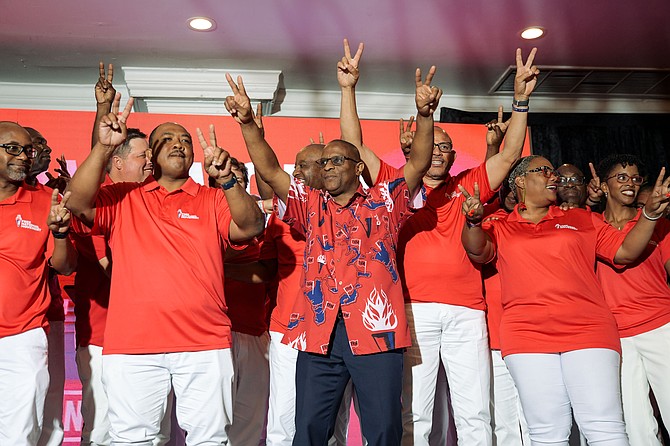
    The newly elected administration of Prime Minister Ralph Gonsalves Friday in St. Vincent and the Grenadines (SVG) has initiated a series of diplomatic engagements that have drawn significant attention to the nation’s foreign policy direction. These developments occur against the backdrop of the New Democratic Party’s (NDP) previously stated 2016 position advocating for a shift in diplomatic recognition from Taipei to Beijing.

    Following the NDP’s decisive 14-1 electoral victory on November 28, which ended the Unity Labour Party’s two-decade tenure, the government has embarked on an intensive diplomatic outreach program. Prime Minister Friday and Foreign Minister Fitzgerald Bramble have conducted multiple high-level meetings with international representatives, including Taiwan’s Ambassador Fiona Huei-Chun Fan, U.S. Deputy Chief of Mission Karin Sullivan, and several Latin American diplomats.

    The December 12 meeting between Prime Minister Friday and Taiwanese Ambassador Fan generated particular interest given the NDP’s historical stance. The government characterized these discussions as focusing on “various matters touching and concerning the way forward for SVG, with the generous assistance from both nations.” This careful phrasing maintains diplomatic ambiguity while acknowledging continued engagement.

    Simultaneously, the administration has strengthened ties with other key partners. Meetings with U.S. officials reaffirmed Washington’s commitment to “strong and constructive bilateral cooperation,” while discussions with Cuban Ambassador Carlos Ernesto Rodríguez Etcheverry emphasized strengthening “enduring bilateral relationships” and expanding investment opportunities.

    The government further demonstrated its regional commitment by participating in the 25th ALBA-TCP Summit on December 14, though Kingstown registered a procedural reservation regarding the final declaration due to insufficient review time. This move highlights the administration’s careful approach to international agreements during its transition period.

    Notably absent from any government statements has been explicit confirmation or denial of maintaining ties with Taiwan, despite campaign suggestions by political opponents that the NDP would pursue diplomatic recognition switch to Beijing. The administration’s deliberate diplomatic calibration suggests a potentially nuanced approach to international relations during its early governance phase.

  • Persad-Bissessar Tells Browne to Focus on U.S. Visa Restrictions Facing Antiguans

    Persad-Bissessar Tells Browne to Focus on U.S. Visa Restrictions Facing Antiguans

    A significant diplomatic confrontation has emerged within the Caribbean Community (CARICOM) as Trinidad and Tobago’s Prime Minister Kamla Persad-Bissessar launched a scathing critique against regional leadership and their perceived alignment with Venezuela’s government. The political firestorm ignited when Persad-Bissessar directly challenged Antigua and Barbuda Prime Minister Gaston Browne to address U.S. visa restrictions affecting his citizens rather than engaging in regional diplomacy.

    In a striking departure from CARICOM’s unified stance, the Trinidadian leader accused the regional bloc of effectively supporting the administration of Venezuelan President Nicolás Maduro, whom she characterized as presiding over a regime responsible for the imprisonment and elimination of thousands of political opponents. Persad-Bissessar specifically rejected CARICOM’s official ‘zone of peace’ policy, describing it as a strategic façade designed to remove American military presence from the Caribbean region, thereby enabling Maduro’s continued hold on power.

    The Prime Minister further highlighted escalating regional security concerns, referencing Venezuela’s persistent territorial claims against Guyana and recent statements suggesting Trinidad and Tobago might be considered Venezuelan territory. These developments, according to Persad-Bissessar, demonstrate clear security threats that CARICOM has failed to adequately address through its current diplomatic approach.

    Emphasizing national sovereignty over regional consensus, Persad-Bissessar stated her primary obligation remains protecting Trinidad and Tobago’s citizens rather than maintaining diplomatic harmony within CARICOM. The organization has yet to issue an official response to these allegations, which represent one of the most significant public challenges to CARICOM’s unified diplomatic position in recent years. This confrontation occurs amid ongoing tensions between Caribbean nations and the United States regarding regional security cooperation and immigration policies.

  • Statement by OECS Commission on the US Visa Proclamation for Citizens of Antigua and Barbuda and Dominica

    Statement by OECS Commission on the US Visa Proclamation for Citizens of Antigua and Barbuda and Dominica

    The Organisation of Eastern Caribbean States (OECS) Commission has issued a formal statement expressing unwavering solidarity with the governments and citizens of Antigua and Barbuda and Dominica following the United States’ decision to revoke visa privileges for certain categories of their nationals. While acknowledging America’s sovereign right to implement immigration and border security policies, the regional body emphasized the need to consider such measures within the context of the historically cooperative relationship between the Caribbean and the US.

    The OECS highlighted the substantial contributions of Caribbean nationals to American society, noting their integral role in healthcare, education, construction, entrepreneurship, and public service. The diaspora from these nations has consistently demonstrated law-abiding behavior and civic engagement, strengthening communities across the United States.

    Economic interdependence between the Eastern Caribbean and the US was underscored, with the United States remaining a primary trading partner, investor, tourism source market, and development ally. These connections are maintained through continuous diplomatic engagement, private-sector collaboration, and structured dialogue on shared concerns including financial integrity and border security.

    Regarding Citizenship by Investment Programs (CIPs), the OECS revealed that member states have been actively engaged in technical, solutions-oriented discussions with US agencies and international partners. Significant progress has been made in enhancing due-diligence systems, improving information-sharing protocols, tightening eligibility standards, and establishing a regional independent regulatory authority to ensure compliance with international best practices.

    The organization emphasized that for small island developing states, CIPs represent crucial lawful instruments for financing resilience-building, disaster adaptation, and sustainable development without creating debt. These programs have supported critical public investments in infrastructure, education, health systems, renewable energy, and social resilience—areas that directly contribute to regional and hemispheric stability.

    The OECS respectfully urged consideration of the unique vulnerabilities and limited economic diversification options available to small Western Hemisphere states. The commission advocated for a collaborative, consultative approach grounded in dialogue and shared responsibility as the most effective pathway to addressing security concerns while preserving long-standing partnerships.

    Reaffirming its commitment to continued engagement with the US government, the OECS expressed confidence that through sustained dialogue and evidence-based collaboration, solutions could be developed that balance security objectives with the developmental realities of small, open economies. The organization stands firmly with Antigua and Barbuda and Dominica, reiterating its collective resolve to maintain the Eastern Caribbean as a region defined by good governance and constructive international engagement.

  • Antigua PM disputes statements by his Trinidad counterpart

    Antigua PM disputes statements by his Trinidad counterpart

    A significant diplomatic dispute has emerged within the Caribbean Community (CARICOM) as Antigua and Barbuda’s government has issued a formal rebuttal to Trinidad and Tobago Prime Minister Kamla Persad-Bissessar’s characterization of the regional bloc as “unreliable” and “dysfunctional.”

    Prime Minister Gaston Browne delivered a comprehensive response challenging Persad-Bissessar’s assertions, emphasizing that her comments warranted “a measured response grounded in facts, respect, and the long history of Caribbean cooperation.” The exchange represents one of the most public disagreements among CARICOM leadership in recent years.

    The core of the disagreement stems from Persad-Bissessar’s statement that CARICOM had “lost its way” by criticizing United States visa policies while maintaining relations with Venezuela’s government under Nicolás Maduro. She specifically distanced Trinidad and Tobago from CARICOM’s position regarding U.S. travel restrictions imposed on nationals from Dominica and Antigua and Barbuda.

    Prime Minister Browne presented substantial economic data to counter the reliability claims, revealing that Trinidad and Tobago had generated over US$1.1 billion in foreign exchange from CARICOM trade in 2024 alone. He highlighted that Trinidad maintains CARICOM’s only consistently positive trade balance since the organization’s founding in 1973, with the bloc serving as its second-largest export market after the United States.

    The Antiguan leader detailed how CARICOM members had collectively forgone approximately US$142.7 million in customs revenue through the Common External Tariff system, specifically to protect Trinidad and Tobago’s manufacturing sector. “This economic sacrifice,” Browne noted, “has been borne by Caribbean consumers in the spirit of regional solidarity.”

    Beyond economic cooperation, Browne emphasized CARICOM’s role in addressing regional security challenges, noting that the organization’s security mechanisms and intelligence sharing have been “an essential pillar” in combating Trinidad’s significant organized crime problems.

    The diplomatic tension emerged after the U.S. temporarily restricted visas for nationals from Antigua and Barbuda and Dominica—a decision later suspended following diplomatic representations. Persad-Bissessar had warned Caribbean nations about “bad-mouthing” the U.S., suggesting Antigua and Dominica faced consequences for their foreign policy positions.

    Browne categorically rejected claims that Antigua had disparaged the United States, stating “no evidence has been offered because none exists.” He emphasized his country’s “close collaboration with the United States, including constructive engagement on security matters, immigration, and consistent cooperation in multilateral fora.”

    The Antiguan leader concluded that CARICOM remains “a partnership rooted in shared history, shared bloodlines, shared struggle for independence, and a shared determination that small states are stronger when they act together,” advocating for continued regional unity despite current disagreements.