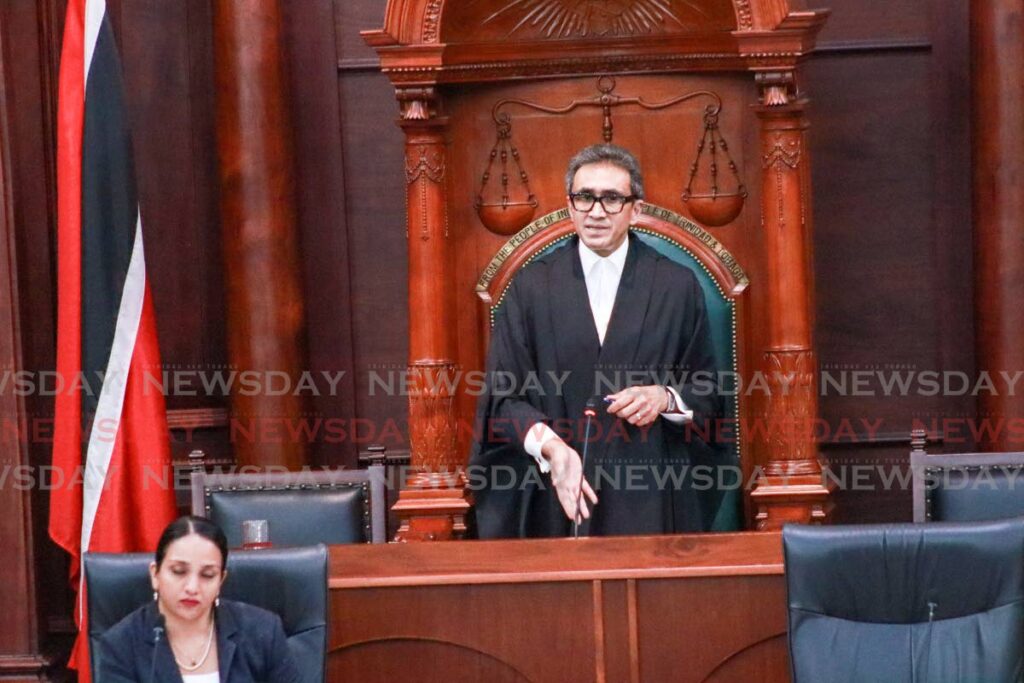
A heated parliamentary debate on October 10 culminated in Opposition MPs staging a walkout over the appointment of Junior Benjamin as Acting Commissioner of Police (CoP) and the promotion of ACP Kurt Simon to Acting Deputy Commissioner. While both officers have previously held these roles, the debate centered on the timing and procedural concerns surrounding their appointments, particularly during a state of emergency (SoE) declared by the incumbent CoP, Allister Guevarro, who is set to attend an international conference in Denver, Colorado, from October 18-21. MP Marvin Gonzales criticized the absence of senior police leadership during a critical period, citing 72 murders since the SoE was declared. Despite Opposition support for Benjamin and Simon, Gonzales emphasized the need for accountability and governance. Government Leader Barry Padarath defended the appointments, asserting that the travel was strategic and aimed at strengthening international partnerships. The debate grew contentious, with frequent objections and accusations of bias against Speaker Jagdeo Singh, who ruled most objections out of order. The Opposition’s walkout was followed by a PNM statement condemning the Speaker’s perceived partiality, claiming a pattern of unfair treatment. The motion ultimately passed with Government MPs voting in favor.
分类: politics
-
PNM: Election promisesput Government into a corner
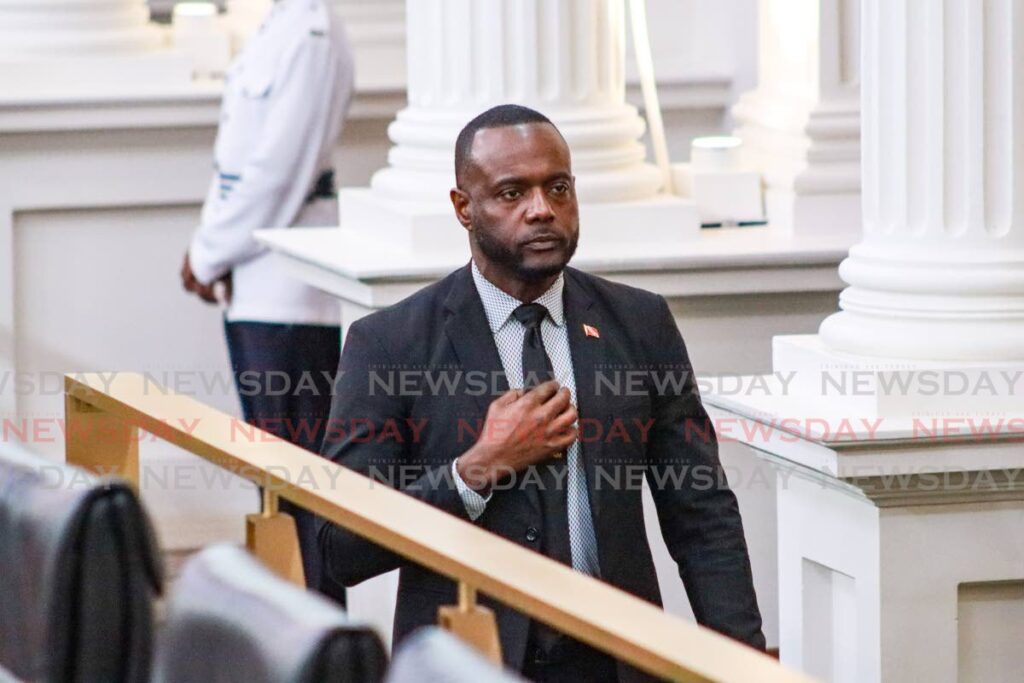
The Opposition People’s National Movement (PNM) has expressed concerns over the government’s fiscal management ahead of the budget presentation scheduled for October 13. Opposition Leader Penelope Beckles, speaking at a media briefing on October 10, highlighted the challenges posed by declining oil prices and production, which are critical to the nation’s revenue. With oil prices hovering around US$50 per barrel, Beckles questioned how the government plans to address the budget deficit, given the numerous promises made during the April 28 general election campaign. Former Finance Minister Colm Imbert echoed these concerns, stating that the government faces significant hurdles due to reduced oil revenues. Imbert emphasized that the budget estimates, unless inflated, will not meet the revenue requirements to sustain the country’s operations. He projected a budget expenditure of approximately $60 billion but warned that generating such revenue would be ‘very, very difficult.’ Imbert also criticized the government’s decision to abolish property tax and shut down the TT Revenue Authority, questioning the administration’s strategy for revenue generation. Beckles raised additional concerns about job losses, particularly in programs like Cepep, URP, and the Reforestation Programme, which were discontinued earlier this year due to allegations of corruption. She highlighted the plight of over 40,000 individuals left unemployed and called for urgent government action. Both Beckles and Imbert stressed the importance of timely salary payments, recalling instances where pensioners were unable to cash their cheques due to insufficient funds. The opposition leaders urged the government to address these issues transparently and responsibly in the upcoming budget.
-
IR expert: Change coming to Venezuela with Nobel prize
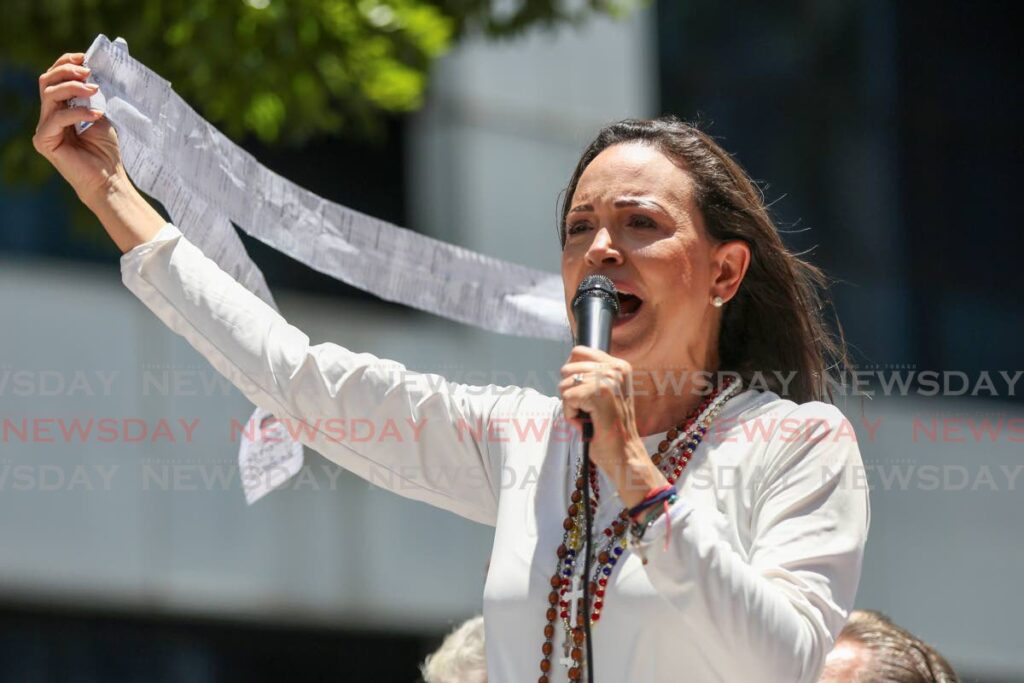
In a significant development for Venezuela’s political landscape, opposition leader María Corina Machado was awarded the 2025 Nobel Peace Prize on October 10. The Norwegian Nobel Prize Committee recognized her relentless efforts to promote democratic rights and her peaceful struggle to transition Venezuela from dictatorship to democracy. This recognition has been hailed by international relations experts as a potential catalyst for change in the South American nation. Professor Andy Knight of the University of Alberta noted that the award could amplify international pressure on the Nicolás Maduro regime, urging it to allow free and fair elections. Machado’s leadership, now bolstered by the Nobel Prize, positions her as a symbol of hope and resistance against authoritarianism, potentially inspiring more Venezuelans to join her movement. The Committee highlighted Venezuela’s transformation from a prosperous democracy to an authoritarian state grappling with humanitarian and economic crises. While the award has drawn global attention, it has also sparked controversy. U.S. President Donald Trump, who had been nominated for the prize earlier this year, expressed his dissatisfaction through his communications director, Steven Cheung, who accused the Committee of prioritizing politics over peace. Machado, however, acknowledged Trump’s support, dedicating part of the award to him and emphasizing the importance of international solidarity in achieving freedom and democracy in Venezuela.
-
Hot air in the House over ‘JP’ Bill
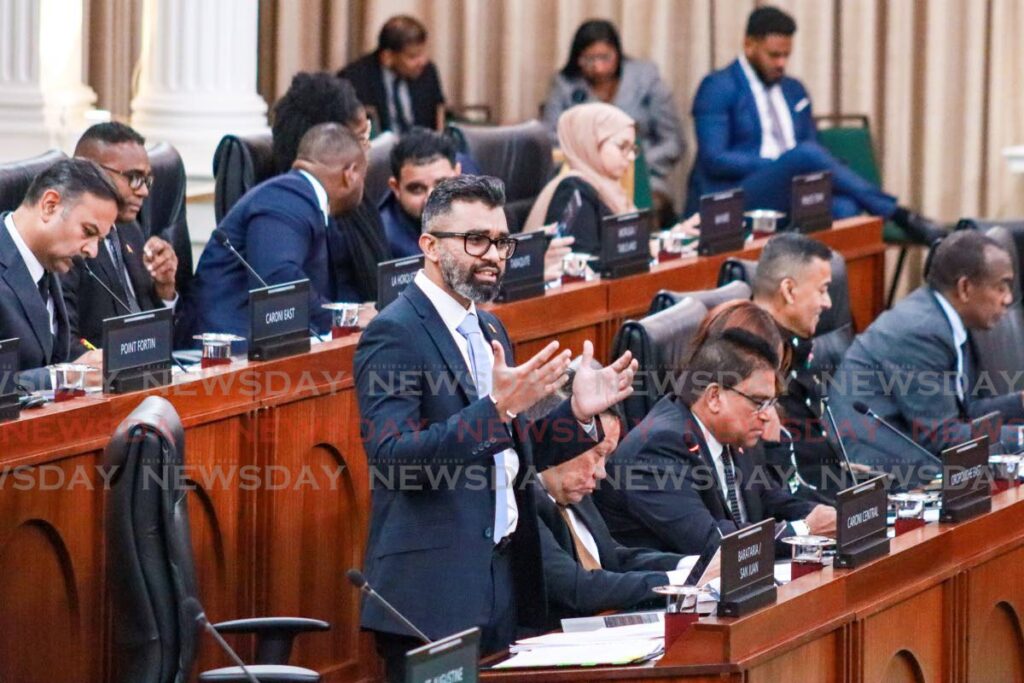
The House of Representatives in Trinidad and Tobago witnessed a heated and chaotic debate on October 10, 2025, over the Administration of Justice (Indictable Proceedings) (Amendment) Bill. The proposed legislation aimed to reinstate justices of the peace (JPs) and other legal officers with the authority to issue search warrants, a power previously removed in 2023. However, the session quickly devolved into a shouting match between government and opposition MPs, highlighting deep political divisions. Opposition MP Kareem Marcelle accused certain JPs of approving search warrants without proper details, alleging potential political persecution. House Leader Barry Padarath countered with procedural objections, leading to a prolonged and acrimonious exchange. Speaker Jagdeo Singh repeatedly intervened, urging decorum but to little avail. The bill eventually passed with 27 votes in favor and 12 against, but not without exposing the contentious nature of the issue. Minister of Land and Legal Affairs Saddam Hosein defended the bill, emphasizing the rigorous appointment process for JPs and vowing to address administrative shortcomings. The debate underscored the challenges of balancing judicial efficiency with constitutional safeguards in Trinidad and Tobago’s legal system.
-
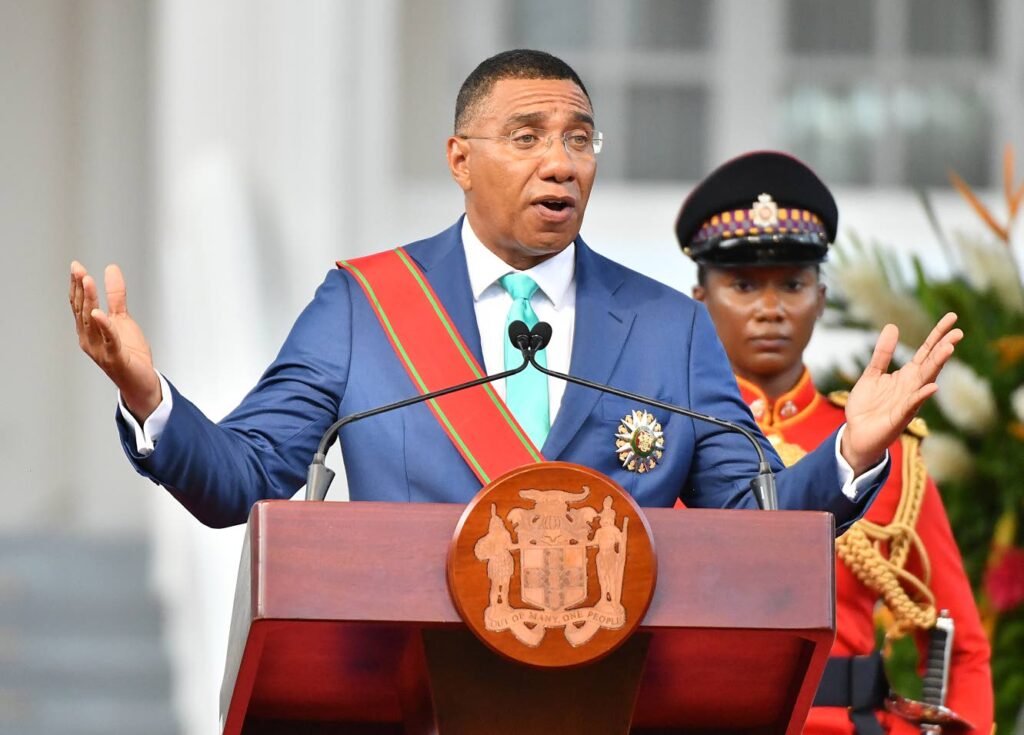
Holness pens letter to Golding, calls for return to dialogue on Republic agenda
Prime Minister Andrew Holness has reiterated his appeal for cooperation with Opposition Leader Mark Golding to advance Jamaica’s transition to a republic. In a public letter, Holness emphasized the importance of collaboration and proposed reviving the Vale Royal Talks to facilitate constitutional reform. He urged Golding to engage with Justice Minister Delroy Chuck as a preliminary step, despite Golding’s insistence on direct talks between the two leaders. The letter outlines the historical context of the reform process, highlighting past agreements and recent disagreements over Jamaica’s final appellate court. Holness expressed hope for a renewed partnership to achieve the shared goal of transitioning Jamaica to a republic, emphasizing the need for unity and structured dialogue.
-
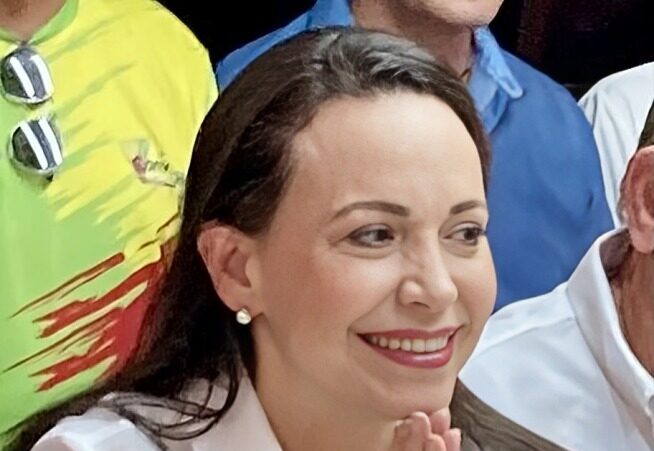
Nobel Peace Prize goes to Venezuela’s opposition leader, despite Trump’s bid
In a surprising turn of events, Venezuelan opposition leader María Corina Machado has been awarded the 2025 Nobel Peace Prize, overshadowing speculation that U.S. President Donald Trump might receive the honor for his recent diplomatic initiatives. The Nobel committee lauded Machado as a “brave and committed champion of peace,” recognizing her unwavering dedication to promoting democracy in Venezuela despite persistent threats from the Maduro government. The announcement coincided with a significant development in Middle Eastern diplomacy—a ceasefire agreement between Israel and Hamas, which, if maintained, could signal a pivotal shift in resolving the region’s long-standing conflicts. Trump, who has reportedly claimed credit for brokering several international ceasefires in 2025, including those between Israel and Iran, Thailand and Cambodia, and India and Pakistan, was notably absent from the Nobel laureates. White House Communications Director Steven Cheung criticized the decision, accusing the committee of prioritizing politics over peace. The Nobel committee’s final decision was made prior to the official confirmation of the Gaza ceasefire, sparking debates over whether Trump’s diplomatic efforts were overlooked due to timing.
-
Trump wants Venezuela’s oil riches
In a significant geopolitical development, the Trump administration has reportedly sought permission from the Grenadian government to station military assets on the island. This move is seen as a dangerous escalation in the United States’ ongoing efforts to influence regime change in Venezuela. The decision follows Trump’s abrupt order to halt all diplomatic discussions with Venezuelan leaders, signaling a more aggressive stance towards Caracas.
-
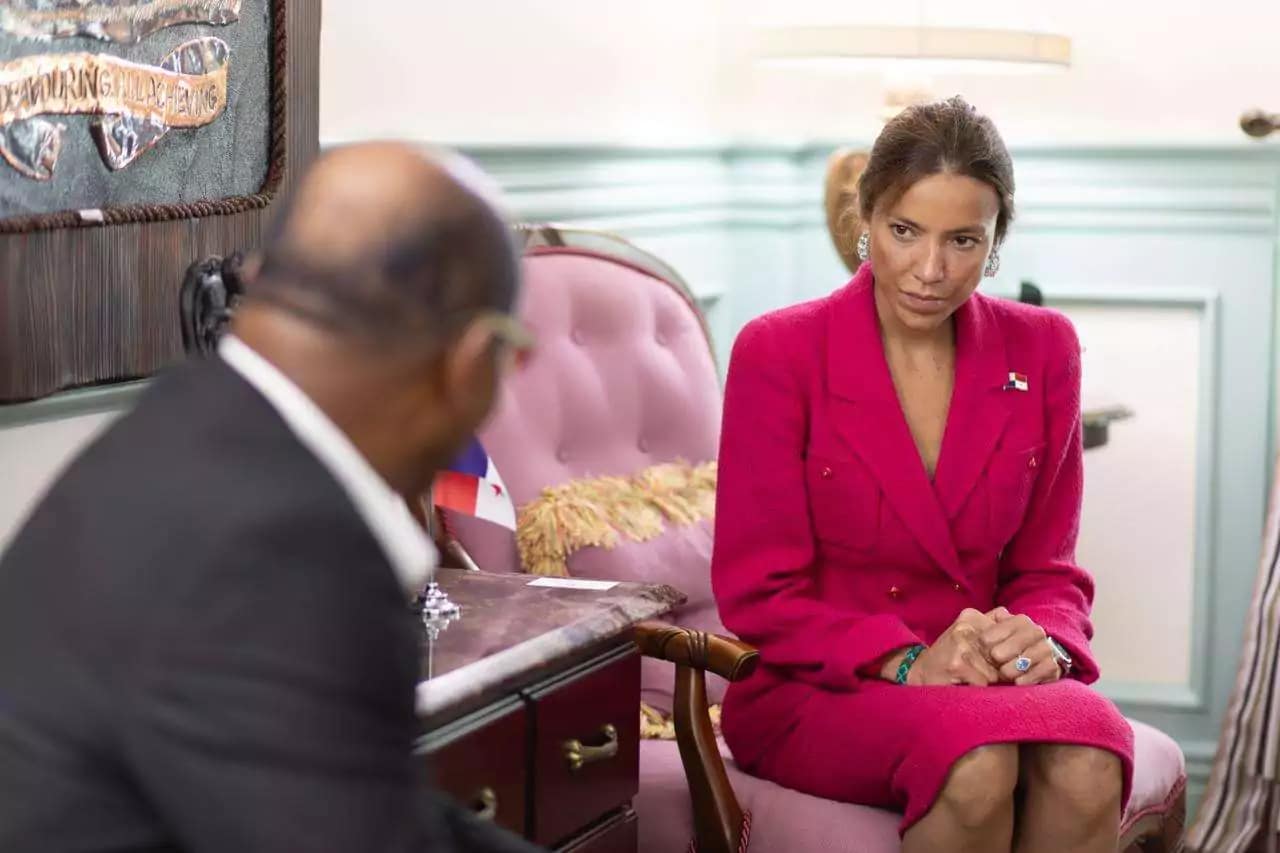
PM Browne Commends Panama’s Stand for Caribbean Peace
In a significant diplomatic exchange, Prime Minister Gaston Browne of Antigua and Barbuda lauded Panama for its unwavering dedication to maintaining the Caribbean as a ‘Zone of Peace’ amidst escalating global military tensions. The commendation came during the credential presentation ceremony for Panama’s newly appointed ambassador, Ana Irene Delgado, held in Antigua and Barbuda. Browne emphasized that Panama’s foreign policy aligns closely with Antigua and Barbuda’s values of regional stability and sovereignty. He highlighted the importance of small states advocating for diplomacy, peace, and non-aggression across the hemisphere, praising Panama’s consistent and courageous stance on these issues. The event also underscored the deepening bilateral ties between the two nations, with officials noting enhanced cooperation in aviation, logistics, and trade. This collaboration marks a strategic step forward in their shared commitment to fostering economic and diplomatic partnerships in the region. The ceremony served as a reminder of the critical role small nations play in promoting peace and stability in an increasingly volatile global landscape.
-
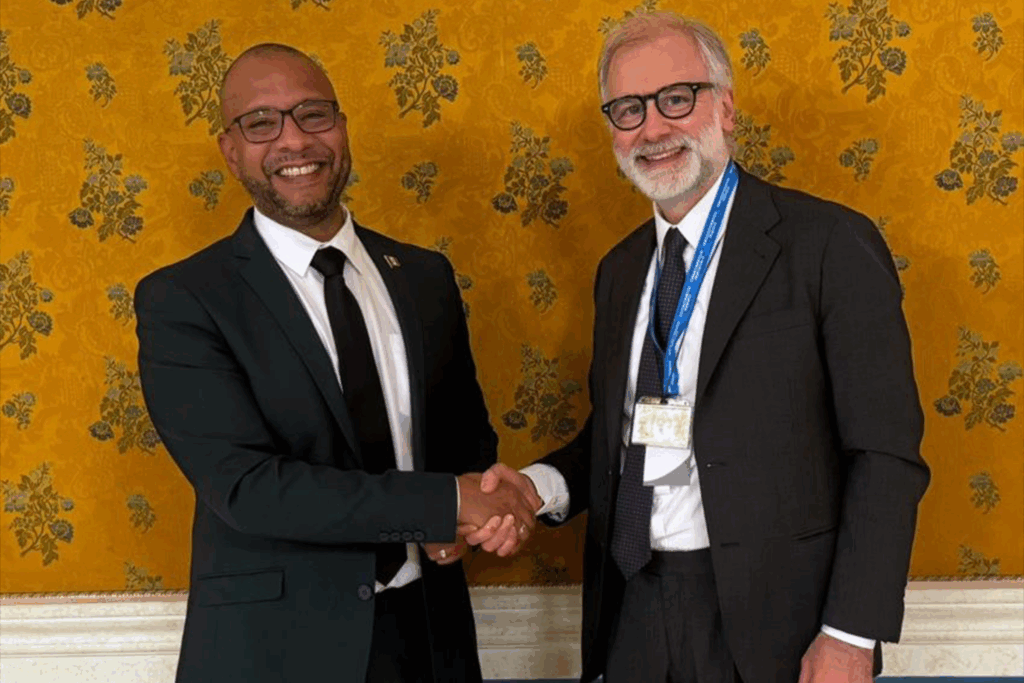
Ambassador Wilson engages in high-level talks on energy and trade in Rome
Barbados took center stage at the 12th Italy–Latin America and the Caribbean Ministerial Conference, held in Rome on October 7, 2023, to articulate its vision for enhanced energy cooperation. The event, organized by the Italian Ministry of Foreign Affairs and chaired by Deputy Prime Minister and Foreign Minister Antonio Tajani, convened ministerial and senior officials from across Latin America and the Caribbean. Representing Barbados was Ambassador to Rome, Matthew Wilson, who engaged in pivotal bilateral discussions with Italian officials to strengthen ties between the two nations. The conference spotlighted two key themes: fostering economic partnerships to bolster growth and free trade, and advancing energy cooperation as a cornerstone of the Italy–Latin America and Caribbean alliance. The first session emphasized support for the multilateral trading system, including the World Trade Organisation, while addressing critical issues such as digital trade, regional collaboration, climate change, skilled labor mobility, and food sovereignty. During the second session on energy cooperation, Ambassador Wilson highlighted the existential importance of energy access for small island developing states (SIDS), stating, ‘SIDS cannot survive or thrive without reliable energy resources. This is both a security and economic imperative.’ He underscored the need to transition from fossil fuels to renewable energy sources like solar, wind, and ocean power. Wilson also commended Italy for its support of sustainable development projects through the Caribbean Development Bank (CDB) and called for expanded Italian investment in clean, efficient, and cost-effective energy solutions. Beyond the formal sessions, Wilson held in-depth talks with Italy’s Undersecretary of State for Foreign Affairs, Giorgio Silli, and the Head of the Caribbean Section, Marco Giomini, exploring areas such as appointing an honorary consul for Barbados in Italy, legal training, and climate financing initiatives like the Bridgetown Initiative 3.0. The conference concluded with Deputy Prime Minister Tajani announcing that the next ministerial meeting will take place in Latin America and the Caribbean in 2027.
-
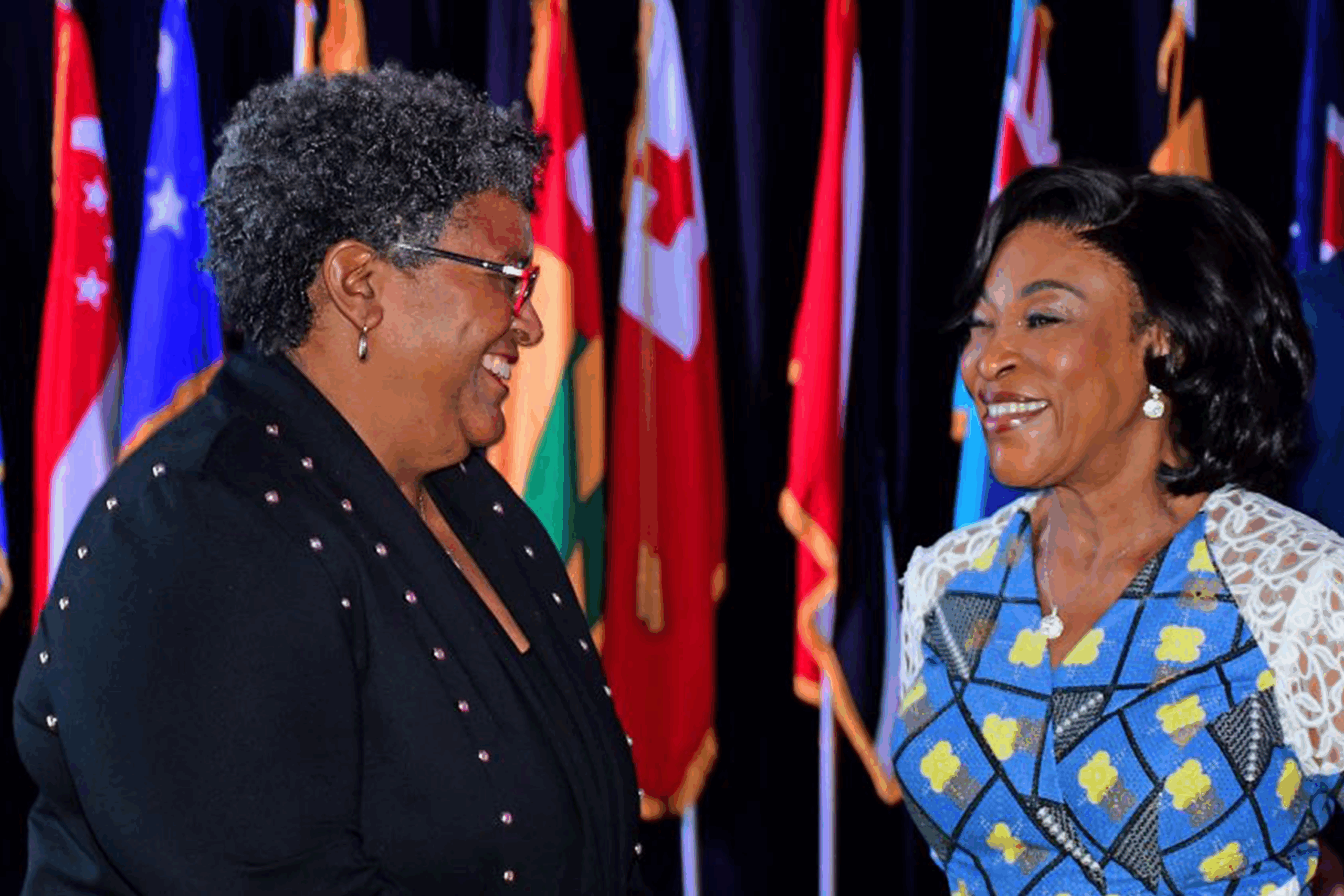
PM Mottley urges action over polite talk at Commonwealth Conference
In a compelling address at the 68th Commonwealth Parliamentary Conference, Prime Minister Mia Mottley of Barbados emphasized the urgent need for governments to move beyond “polite conversations” to address the escalating threats to democracy and the climate crisis. Speaking at the Wyndham Grand Barbados Sam Lord’s Castle Resort, Mottley highlighted the pressing challenges of rising debt burdens, social inequalities, and economic instability that demand immediate action. The conference, themed ‘Commonwealth – A Global Partner,’ brought together hundreds of delegates to discuss collaborative solutions to global issues. Mottley underscored the critical role of parliamentarians in stabilizing nations amidst a ‘crisis of truth’ that erodes trust in institutions. She called for rebuilding trust through tangible actions, emphasizing that partnership is essential for peace and stability. Mottley also introduced a landmark bill aimed at facilitating freedom of movement and access to education and healthcare across Barbados, St Vincent and the Grenadines, Belize, and Dominica. She urged delegates to transform declarations into deeds, addressing challenges such as the climate crisis, digital governance, AI threats, and democratic protection. The conference, attended by dignitaries including Commonwealth Secretary General Shirley Botchwey and President Dame Sandra Mason, will continue until October 12, focusing on legislative action to make partnership impactful in people’s lives.