分类: politics

  • Hof beslist: Vervolging Hoefdraad rechtmatig

    Hof beslist: Vervolging Hoefdraad rechtmatig

    The Court of Justice in Suriname has ruled that the 2020 decision by the National Assembly (DNA) to place former Minister Gillmore Hoefdraad under formal accusation was lawful. This decision, made after nearly five years of legal battles, renders Hoefdraad’s civil lawsuit against the State, the National Assembly, and the Public Prosecution Service (OM) inadmissible. Hoefdraad, who remains a fugitive, had contested his prosecution, which stemmed from his alleged involvement in the high-profile case concerning the Central Bank of Suriname (CBvS).

    Hoefdraad and his legal team argued that the National Assembly’s decision was unlawful, as the parliament, then led by Jennifer Simons, had previously decided not to prosecute him during the second term of the NDP government. However, following the May 2020 elections, then Attorney General Roy Baidjnath Panday resubmitted a request to prosecute Hoefdraad. The new parliament, led by Marinus Bee and comprising a coalition of VHP, ABOP, NPS, and Pertjajah Luhur, approved the prosecution. Hoefdraad claimed this decision was politically influenced, asserting that the parliament could not revisit a prior decision unless new evidence emerged—a condition not met in this case.

    In 2023, Hoefdraad was convicted in absentia, alongside other key figures, including former CBvS Governor Robert van Trikt and legal director Faranaaz Hausil. All defendants appealed their convictions, while Hoefdraad continued his civil case to challenge the legitimacy of his prosecution. The court handling the criminal appeal has completed its investigation but awaits the outcome of this civil case, which has been delayed multiple times.

    Hoefdraad’s lawyer, Murwin Dubois, argued that a favorable ruling in the civil case could have impacted the criminal proceedings. Notably, Interpol refused to extradite Hoefdraad to Suriname, removing him from its wanted list and barring Suriname from using its channels, citing the prosecution as politically motivated. With the Court’s ruling affirming the legitimacy of the prosecution, the path is now clear for a final verdict in the criminal appeal.
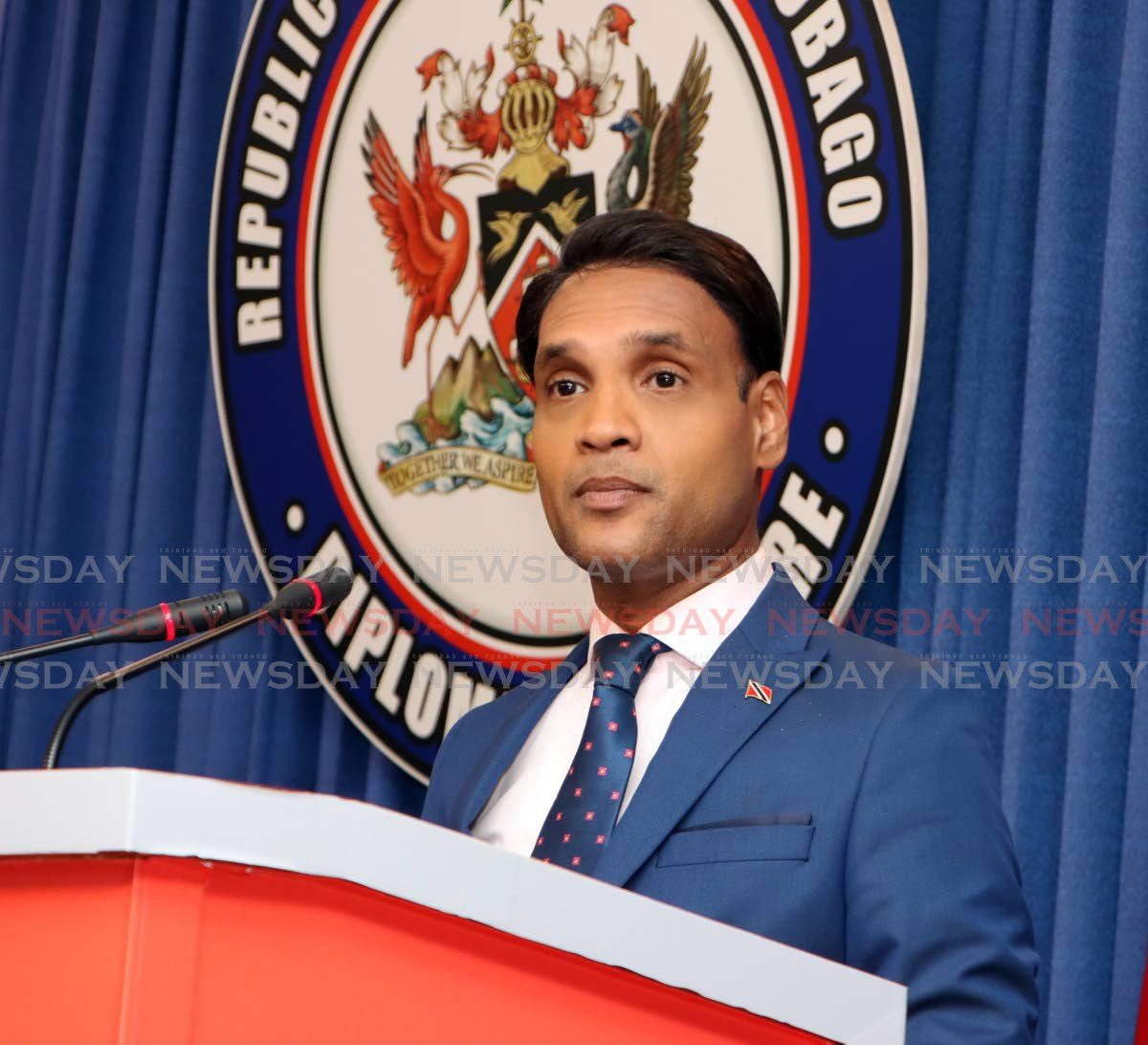
  • Beckles: UNC setting up Trinidad and Tobago for total disaster

    Beckles: UNC setting up Trinidad and Tobago for total disaster

    In a scathing critique of the 2025/2026 budget, Opposition Leader Pennelope Beckles has accused the UNC-led government of steering Trinidad and Tobago toward economic collapse. Speaking at the Red House in Port of Spain on October 17, Beckles, the first female PNM leader to deliver such a response, outlined a series of alarming strategies she claims the government is employing. These include imposing punitive taxes on citizens and businesses, depleting foreign exchange reserves, and misleading the public with unrealistic economic projections. Beckles described the budget as ‘fake and fraudulent,’ citing discrepancies in fiscal deficit calculations and a lack of credible revenue sources. She also criticized the government’s reliance on borrowing, particularly foreign debt, which she warned could exacerbate the country’s fiscal crisis. Beckles highlighted the draconian tax increases on locally manufactured rum and beer, which she argued unfairly target ordinary citizens. She further accused the government of political interference in state enterprises and financial institutions, warning that such actions could jeopardize public savings. Beckles concluded by promising that the PNM would work to rebuild the nation, emphasizing the need for stability and competence in governance.

  • Budget debate comes to an abrupt end

    Budget debate comes to an abrupt end

    In a scathing critique, Barry Padarath, the Leader of Government Business, has lambasted the opposition People’s National Movement (PNM) for what he describes as a dereliction of their parliamentary responsibilities. The accusation came in a Facebook post following an unexpected halt to the budget debate on October 17, triggered by the absence of contributions from five PNM MPs. Padarath, who also serves as the Minister of Public Utilities and MP for Couva South, highlighted that after the seventh government speaker, Hansen Narinesingh, concluded his remarks, no PNM member stepped forward to continue the debate, despite having five members yet to speak. He pointed out that confusion reigned on the PNM bench, exacerbated by the absence of the Leader of the Opposition during this critical juncture. Padarath further criticized senior PNM members, including Colm Imbert, Marvin Gonzales, Simon De Nobriga, and Stuart Young, for their inaction when called upon to participate. He asserted that this incident underscores the PNM’s inability to effectively analyze and respond to the national budget, signaling a collapse under pressure. The government now anticipates the commencement of the Standing Finance Committee on October 21. Meanwhile, the PNM is scheduled to hold a news conference at Balisier House in Port of Spain on October 18 to address the controversy.

  • Manning: Taxes will be passed on to consumers

    Manning: Taxes will be passed on to consumers

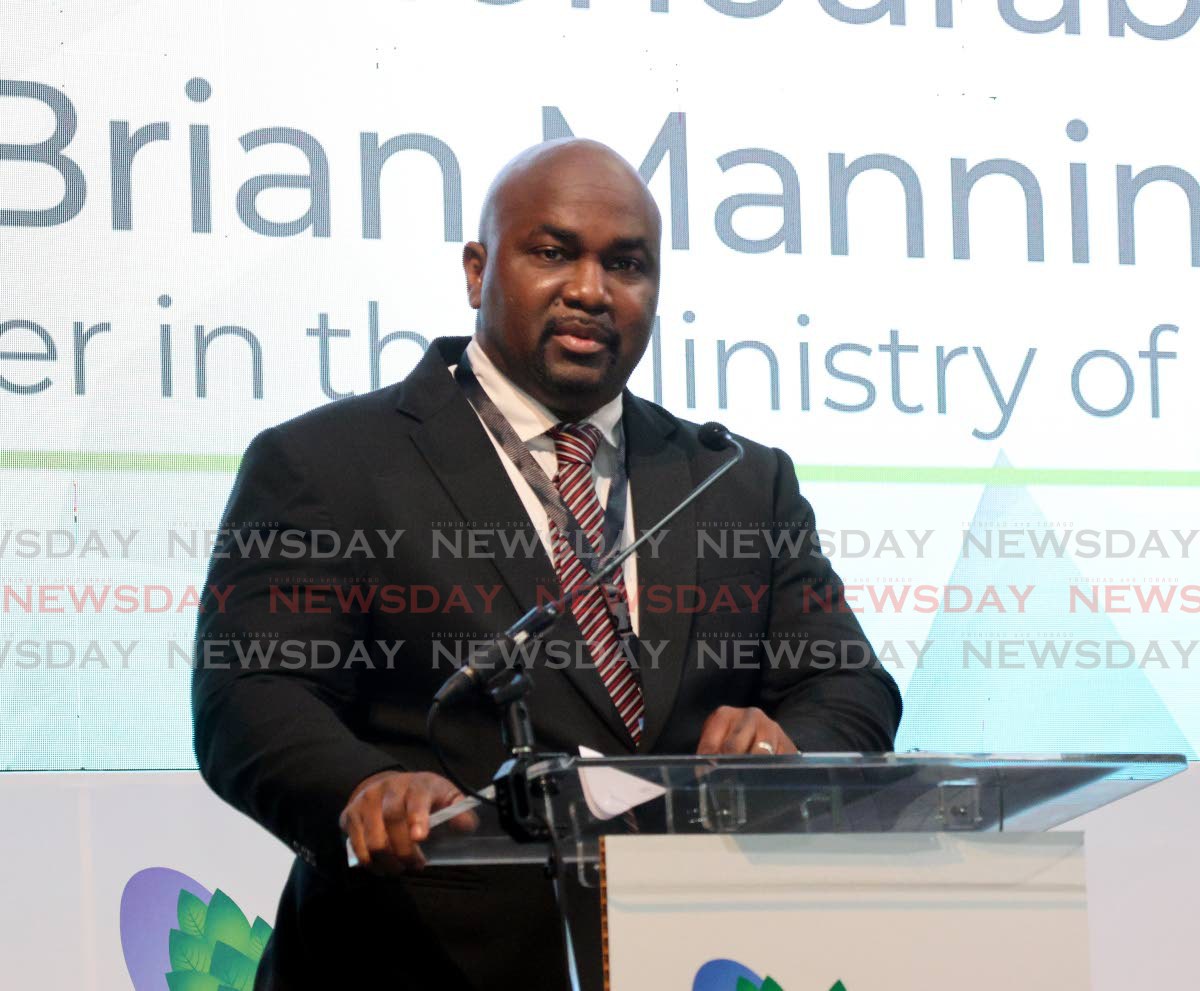
    San Fernando East MP Brian Manning has voiced strong opposition to the new taxes and tax increases proposed in the recent budget, arguing that they will negatively impact businesses and ultimately burden ordinary consumers. Speaking in the House of Representatives on October 17, Manning highlighted several measures, including the bank/insurance levy, container-processing fee increase, landlord surcharge, LPG price hike, and single-use plastic tax, as particularly harmful. He criticized Finance Minister Davendranath Tancoo, whom he mockingly referred to as ‘Taxcoo,’ and labeled the budget as ‘fake and fraudulent.’ Manning also accused trade union leaders of prioritizing their own interests over their members’ welfare, aligning with the UNC in what he termed a ‘coalition of chaos and confusion.’ Manning further criticized the 0.25% levy on banks and insurance companies, which aims to raise $575 million annually, arguing that it would increase banking fees and overall costs for the public. He also condemned the landlord surcharge, equating it to a property tax, and questioned the $2,500 registration fee. Additionally, Manning criticized the electricity surcharge for commercial and industrial clients, the 100% hike in container processing fees, and the rise in excise duties on alcoholic drinks, which he said would drive up consumer prices. He also slammed the proposed $15,000 penalty for dangerous driving, calling it ‘blood money,’ and criticized the taxes on single-use plastics and electric vehicles. Manning concluded by questioning the government’s commitment to the Pointe-a-Pierre refinery and sarcastically endorsing the proposed Real Estate Investment Trust (REIT).

  • Wade Mark appointed as acting president

    Wade Mark appointed as acting president

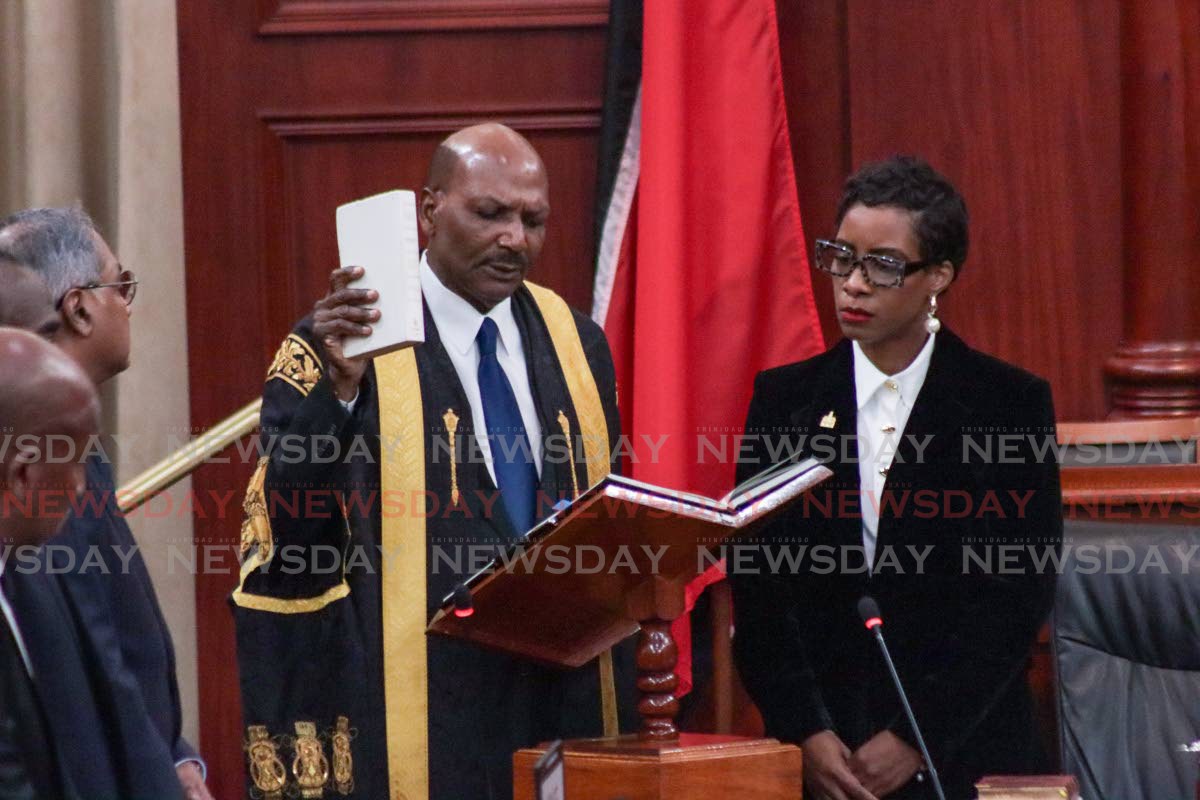
    In a significant political development, Senate President Wade Mark has been appointed as the acting head of State for the Republic, stepping in for President Christine Kangaloo during her absence abroad. The confirmation of this appointment was officially communicated via a text message from President’s House on October 18. The message stated, ‘Yes. He was sworn in and will serve as acting President while Her Excellency is out of the country.’ However, the duration of his acting presidency remains unspecified. Mark, who was previously sworn in as Senate President on May 23, now takes on this crucial interim role, ensuring the continuity of governance in the absence of the President.

  • Opposition leader: UNC silent on refinery

    Opposition leader: UNC silent on refinery

    Opposition Leader Pennelope Beckles has criticized the United National Congress (UNC) for its silence on its campaign pledge to restart the former Petrotrin refinery in Pointe-a-Pierre, suggesting the party has realized it cannot deliver on this promise. Beckles made these remarks during her contribution to the 2025/2026 budget debate in the House of Representatives on October 17. She highlighted the absence of any mention of the refinery in Finance Minister Davendranath Tancoo’s budget presentation on October 13, contrasting it with the firm agreement in place when the People’s National Movement (PNM) left office after the April 28 general election. Beckles accused the UNC of misleading voters during the election by promoting false hopes of new jobs and foreign exchange revenues from the refinery’s revival. She emphasized that the PNM had made significant progress in restarting the refinery through a competitive evaluation process, which led to the selection of Nigerian company Oando Trading DMCC to lease and operate the facility. Beckles noted that this approach ensured no taxpayer burden and provided a structured path forward. However, she claimed the UNC scrapped this process without building on the PNM’s groundwork. Beckles also referenced a committee formed to explore the refinery’s feasibility, which reportedly admitted to minimal progress due to high capital costs and financial uncertainties. She criticized Minister Ernesto Kesar for prematurely claiming the refinery was ready to restart, warning the government against bypassing procurement laws. Beckles vowed to monitor the situation closely, emphasizing the legal consequences of breaching the Procurement and Disposal of Public Property Act. The refinery’s potential restart has been a contentious issue since the PNM’s 2024/2025 budget statement, which shortlisted three companies, including Oando, for the lease.

  • Protesters turn out for anti-Trump ‘No Kings’ rallies

    Protesters turn out for anti-Trump ‘No Kings’ rallies

    WASHINGTON, United States — This Saturday, the United States witnessed an unprecedented wave of protests as millions of Americans took to the streets from New York to San Francisco to voice their dissent against President Donald Trump’s controversial policies. Dubbed the ‘No Kings’ rallies, these demonstrations have been criticized by Republicans as ‘Hate America’ events, yet organizers argue they are a patriotic call to action against what they perceive as authoritarian governance.

  • Ruling upstages Penny’s budget reply

    Ruling upstages Penny’s budget reply

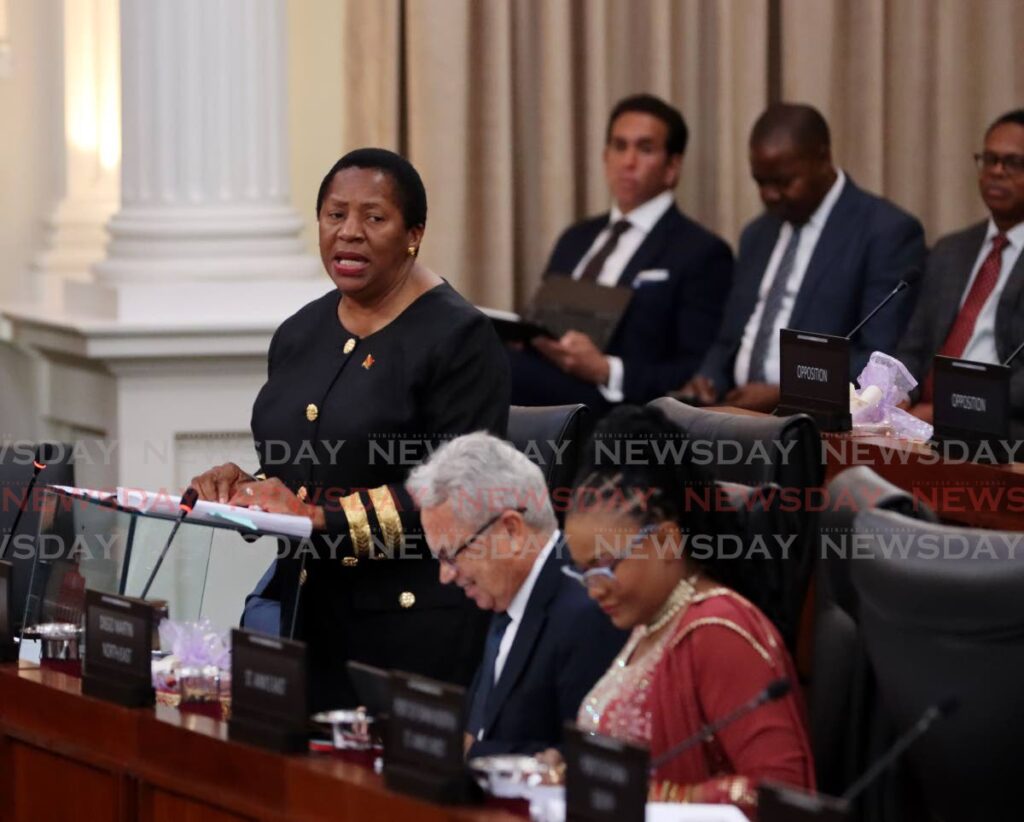
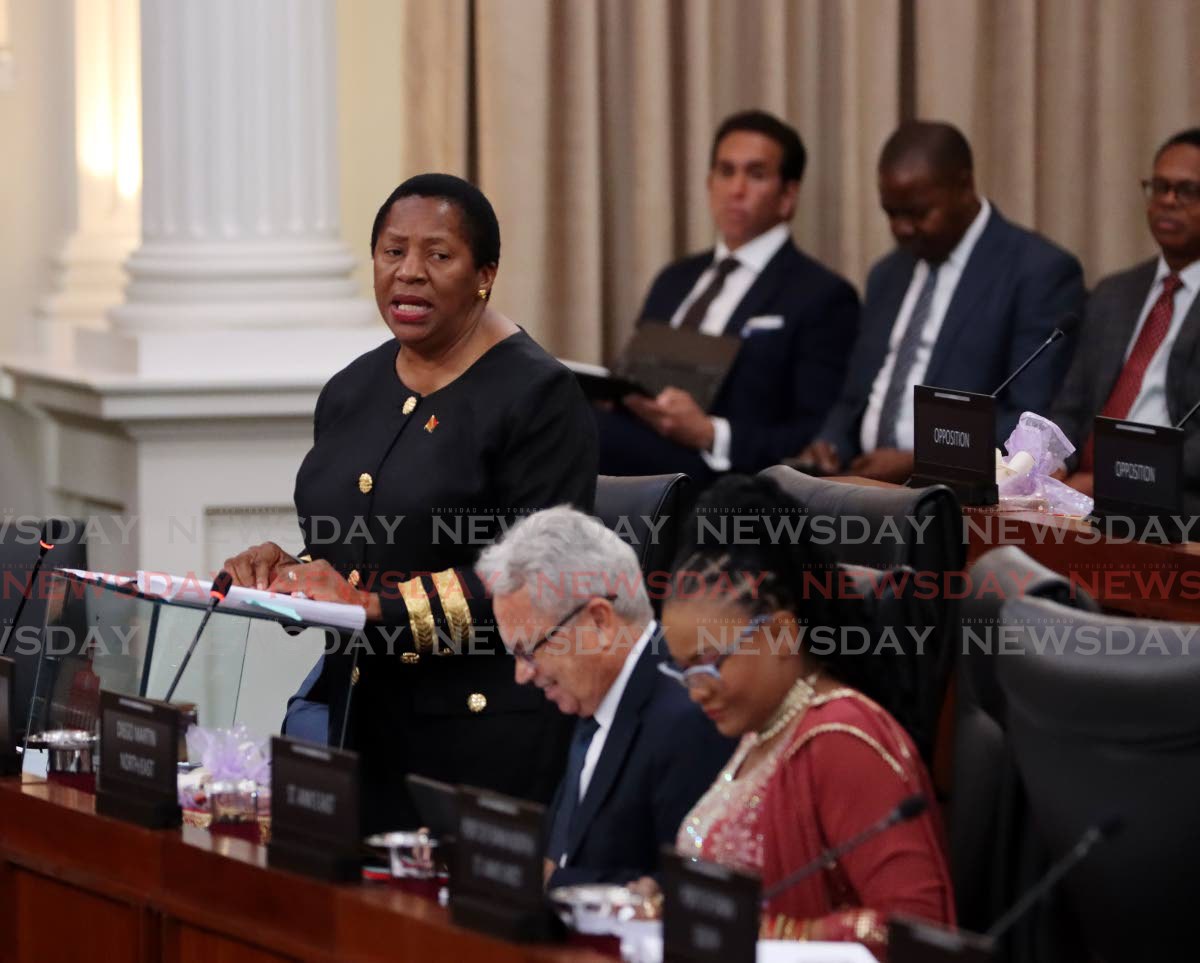
    The recent budget debate in Trinidad and Tobago’s Parliament has thrust Opposition Leader Pennelope Beckles into the spotlight, but not entirely for the reasons she might have hoped. On October 17, Beckles delivered her response to Finance Minister Davendranath Tancoo’s budget presentation at the Red House in Port of Spain. This moment, intended to solidify her position as the PNM’s first female opposition leader, was overshadowed by a contentious ruling from Deputy Speaker Dr. Aiyna Ali. Dr. Ali referred Beckles to the privileges committee over a complaint of contempt, a move that has sparked significant debate.

    Beckles, dressed in military black and gold, adopted a subdued yet critical tone during her three-hour speech. She labeled the budget as a “con-job,” analyzed fiscal figures, and warned of an impending economic crisis unlike any seen in the past four decades. However, her efforts were largely eclipsed by the drama surrounding Dr. Ali’s decision, which stemmed from a complaint filed by government whip Barry Padarath. The complaint was related to a statement issued by Beckles’ party earlier this month, accusing Speaker Jagdeo Singh of “biased and prejudicial” behavior.

    This incident highlights the turbulent start to the 13th Republican Parliament’s budget debate. With many new faces in the House, including MPs and presiding officers, the political landscape remains unpredictable. The use of the privileges committee, a rare and serious parliamentary tool, adds to the tension. Beckles’ response also opened new lines of attack, particularly regarding her claims about the government’s economic management. She argued that the current administration had undone in five months what the PNM achieved in ten years, a statement met with skepticism. Additionally, her critique of the Tobago allocation figures was fact-checked and found to be inaccurate.

    As the debate continues, Beckles faces the challenge of distinguishing her leadership style from both former Prime Minister Kamla Persad-Bissessar and current Prime Minister Keith Rowley. Her performance in the coming weeks will be crucial in determining her effectiveness as opposition leader and her party’s prospects in future elections.

  • Huge crowds as body of revered Kenya politician Odinga heads home

    Huge crowds as body of revered Kenya politician Odinga heads home

    KISUMU, Kenya — Tens of thousands of mourners gathered in western Kenya on Saturday to pay their final respects to Raila Odinga, a revered political figure whose death has left the nation in profound grief. The massive turnout in Kisumu, Odinga’s political stronghold, marked the climax of a week-long mourning period that has already claimed at least five lives. As his coffin arrived by helicopter at the city stadium, the crowd erupted in emotional chants of “Baba” (father) and “We are orphans,” reflecting the deep connection Odinga had with his supporters. Odinga, 80, passed away on Wednesday in India from a suspected heart attack, sparking nationwide sorrow, particularly among the Luo community, which he championed. Despite the overwhelming crowd, the event in Kisumu was relatively orderly compared to earlier ceremonies in Nairobi, where security forces resorted to lethal measures to control surging crowds. A medical source reported that 74 people were treated for fainting and dehydration at the stadium. Odinga’s legacy as a key architect of Kenya’s multi-party democracy and the 2010 constitution remains undisputed, though his death leaves a leadership vacuum in the opposition. His pragmatic alliances, including a recent deal with President William Ruto, had alienated some young voters. As Kenya prepares for potentially turbulent elections in 2027, the future of Odinga’s political movement remains uncertain.

  • Shameful walkout by PNM

    Shameful walkout by PNM

    The recent walkout by the People’s National Movement (PNM) from Parliament on October 10 has sparked intense debate, with critics labeling it as a calculated act of political theater rather than a genuine protest. The move, described as a ‘disgraceful retreat,’ is seen as an attempt to divert public attention from the party’s internal failures and lack of unity. Speaker Jagdeo Singh, who has been praised for his impartiality and adherence to parliamentary procedures, has become a focal point in this controversy. The PNM’s accusations of bias against Singh are dismissed as baseless, with critics arguing that the party’s real issue lies in its inability to handle scrutiny and accountability. The walkout, far from being a legitimate protest, is viewed as a desperate act of political posturing, aimed at masking the party’s leadership vacuum. The opposition’s behavior has been condemned as childish and detrimental to the democratic process, with calls for a return to constructive debate and respect for parliamentary institutions. The incident underscores the need for political maturity and a commitment to the principles of democracy, rather than resorting to theatrics and disruption.