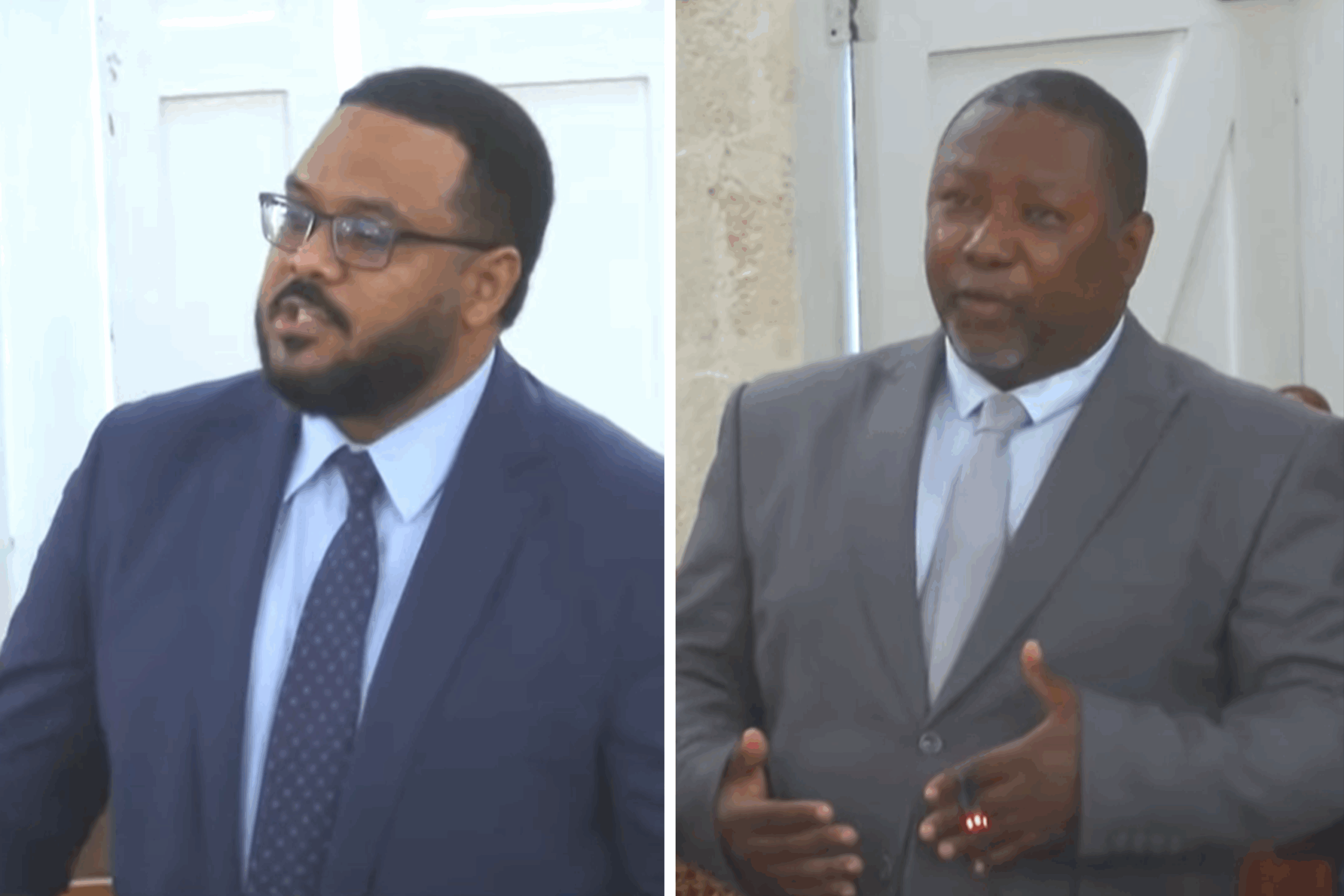
Barbados’ involvement in the newly implemented CARICOM free movement initiative has sparked cautious support in the Senate, with opposition and independent senators voicing concerns over potential economic and social repercussions. The Caribbean Community (Free Movement of Nationals) Bill, which took effect on October 1 across Barbados, Belize, Dominica, and St Vincent and the Grenadines, has been met with both optimism and apprehension. While the policy aims to enhance regional integration, critics warn it could strain public resources, inflate living costs, and disadvantage local workers if not carefully managed. Senator Andre Worrell, representing the opposition, highlighted the risk of employers exploiting cheaper foreign labor, potentially undermining Barbadian workers and depressing wages. He cited instances where construction sites predominantly employ non-Barbadians, leaving young locals disillusioned and marginalized. Independent Senator Kevin Boyce echoed these concerns, emphasizing the inevitable fiscal and social costs of integration, including increased pressure on healthcare, education, and housing resources. Both senators acknowledged the policy’s potential benefits but urged policymakers to implement robust safeguards to mitigate its negative impacts.
分类: politics
-
CTUSAB questions timing of full CARICOM labour movement
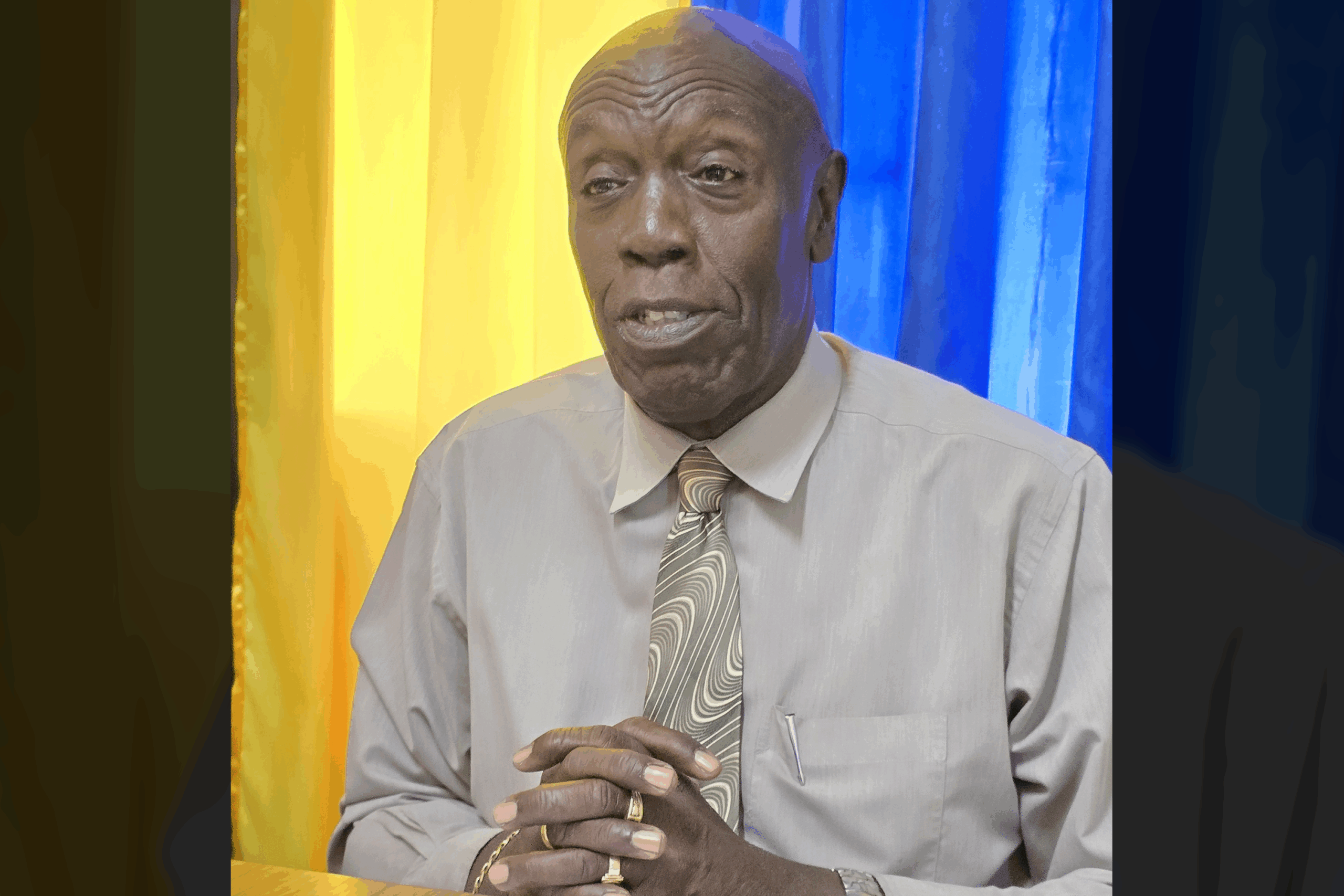
The Congress of Trade Unions and Staff Associations of Barbados (CTUSAB) has called on the government to exercise prudence in the implementation of the reciprocal full free movement of CARICOM nationals, expressing concerns over potential strains on employment capacity and public services. Although CTUSAB did not provide specific evidence, General Secretary Dennis De Peiza emphasized the need for careful management of the policy, which allows indefinite stays for CARICOM nationals in Barbados, Belize, St Vincent and the Grenadines, and Dominica. The agreement, effective since October 1, aims to foster regional integration but has raised alarms about its immediate impact. De Peiza acknowledged the policy as a bold step towards Caribbean regionalism but questioned its timing, warning of potential threats to social, economic, and political stability if not properly regulated. He stressed the importance of ensuring gainful employment for migrants to prevent overburdening social services and called for a monitoring system to address issues like homelessness and worker exploitation. CTUSAB President Ryan Phillips echoed these concerns, highlighting Barbados’ existing challenges in creating sufficient job opportunities for its citizens and questioning the feasibility of sharing workspaces without sustainable job creation. Both leaders urged the government to prioritize local employment and housing needs before fully embracing the initiative.
-
Finance Minister outlines SVG’s ‘fundamental’ problems
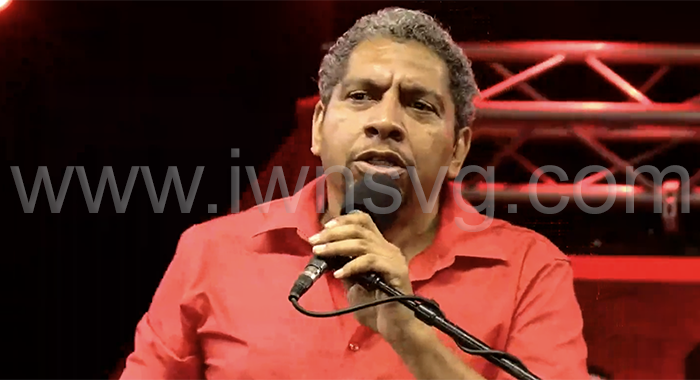
Finance Minister Camillo Gonsalves has outlined what he considers the fundamental challenges facing St. Vincent and the Grenadines, 25 years after the Unity Labour Party (ULP) assumed power. Speaking in Calliaqua on Sunday, Gonsalves addressed a controversial statement made by Central Kingstown MP St. Clair Leacock earlier this year. Leacock had argued that the low salaries of MPs, particularly in comparison to public servants, result in inadequate pensions for retired lawmakers—a point Prime Minister Ralph Gonsalves agreed with. Leacock, an opposition lawmaker, also noted that his current salary as an MP is less than what he earned as a graduate teacher in the 1980s. The ULP has since used Leacock’s remarks out of context as part of their election campaign strategy. Gonsalves, who is seeking a third term as MP for East St. George, countered Leacock’s assertion, emphasizing that the fundamental issues in the country are not about politicians’ salaries but rather about improving education, healthcare, agriculture, and social welfare. He highlighted the need for better access to education, higher minimum wages, and greater opportunities for young people. Gonsalves also expressed frustration with what he described as ‘backward’ elements in society that hinder progress. As the general election approaches, Gonsalves is expected to face a challenge from Laverne Gibson-Velox of the New Democratic Party (NDP), who is making her second attempt to unseat him. In the 2020 election, Gonsalves won by a narrow margin of 196 votes, down from 607 in 2015. The election is anticipated to take place by November, ahead of the constitutional deadline in February 2026.
-
All Saints West Town Hall Set for Thursday
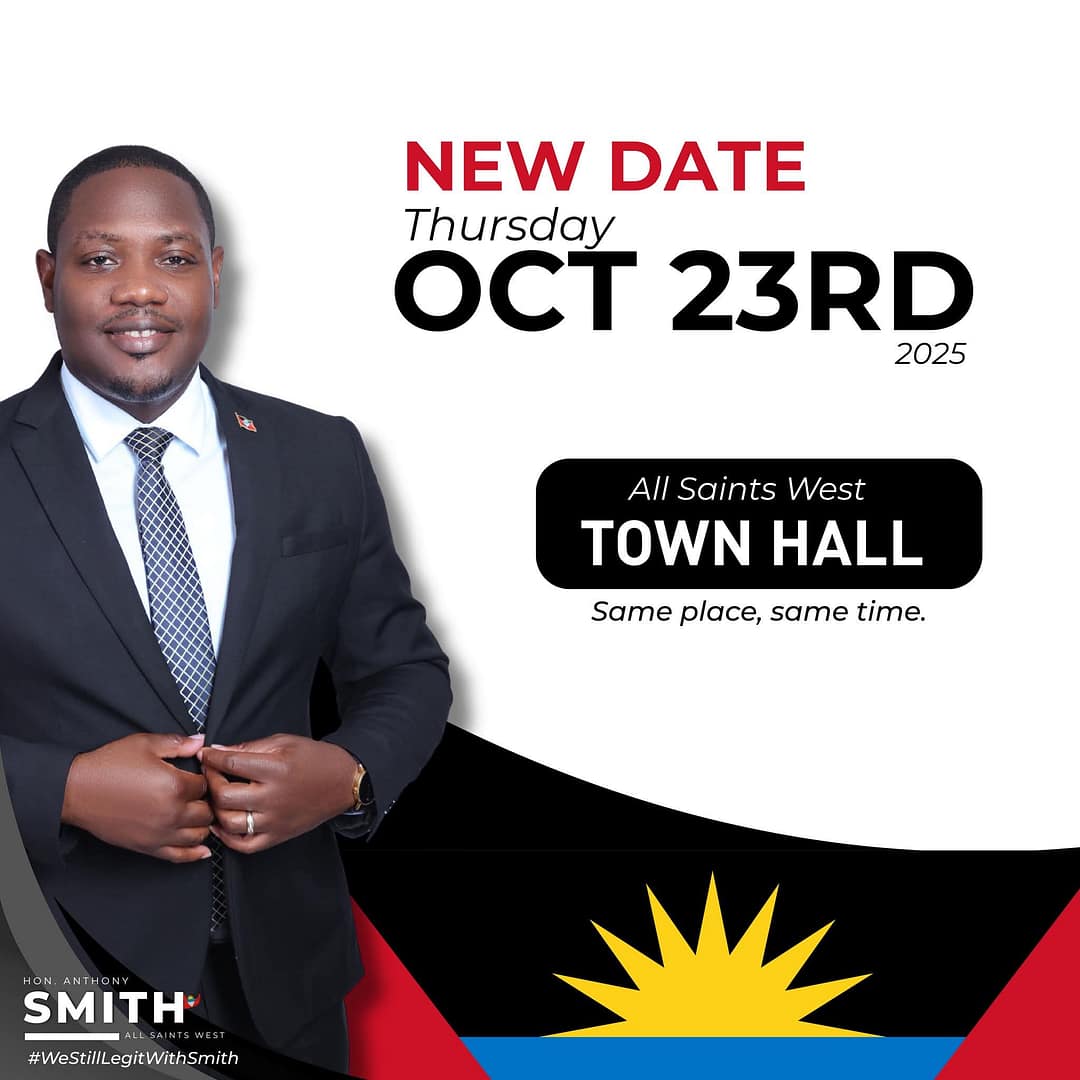
Residents of All Saints West are being urged to participate in a pivotal community town hall meeting on Thursday, October 23, 2025. The event, hosted by MP Anthony Smith Jr., will take place at the Sea View Farm Primary School starting at 7:30 p.m. This gathering is designed to facilitate open and constructive dialogue between the community and their parliamentary representative, focusing on critical issues impacting the constituency. Smith emphasized the importance of the town hall as a venue for genuine conversations and actionable planning, encouraging attendees to voice their ideas and concerns to collectively shape the future of All Saints West. The meeting, initially planned for earlier in the week, was rescheduled but will now proceed as planned at the same location and time. Under the theme “Let’s talk. Let’s plan. Let’s move forward together,” residents are invited to engage in discussions that aim to drive progress and strengthen community leadership. #AllSaintsWest #LeadershipInAction #WeStillLegitWithSmith
-
Bramble rebuts PM on $800m immediate repayment to Taiwan
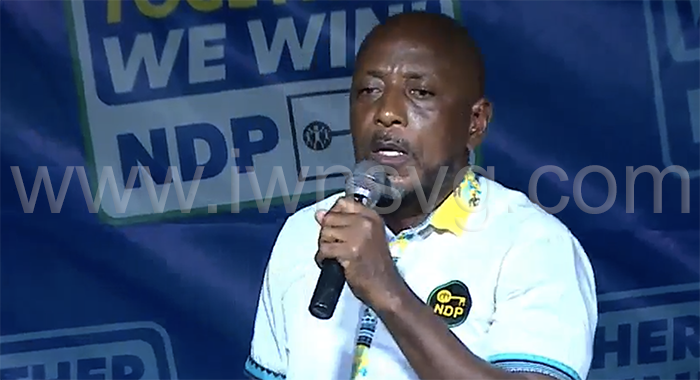
Fitz Bramble, Member of Parliament for East Kingstown, has vehemently refuted Prime Minister Ralph Gonsalves’ assertion that St. Vincent and the Grenadines (SVG) would be required to immediately repay EC$800 million in loans to Taiwan if diplomatic ties with Taipei were severed. Bramble, speaking at a New Democratic Party (NDP) community meeting in Layou, dismissed the claim as baseless, stating, ‘I have never seen a loan agreement debated in our Parliament that stipulates repayment in full under any condition. Never!’ He further criticized Gonsalves, accusing him of dishonesty and blaming him for the country’s escalating debt crisis.
-
VS breidt drugsaanvallen uit naar Stille Oceaan
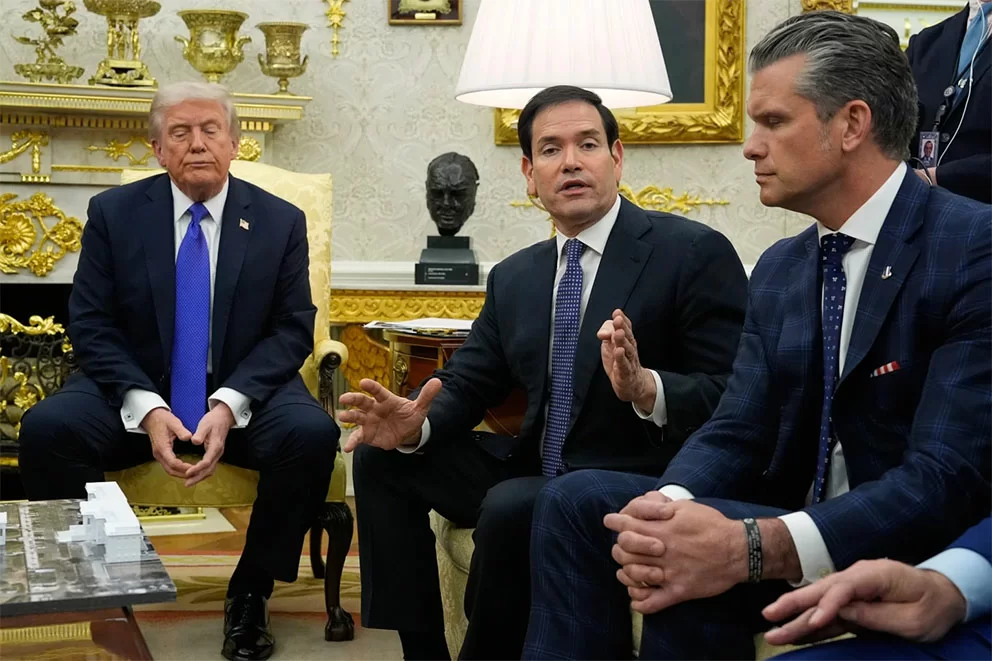
The United States military has escalated its anti-drug operations by conducting its eighth strike on a suspected drug transport vessel, this time in the eastern Pacific Ocean. The attack, which occurred on Tuesday evening, resulted in the deaths of two individuals, according to Defense Secretary Pete Hegseth on Wednesday. This marks a significant expansion of the Trump administration’s campaign against drug trafficking in South America.
Previously, the seven earlier strikes were concentrated in the Caribbean. However, the latest operation signifies a strategic shift toward the waters off South America, a critical route for cocaine smuggling from major producers like Colombia and Peru. Ecuador, with its extensive ports and trade flows, serves as a key transit hub.
Hegseth drew parallels between the fight against drug cartels and the U.S. war on terrorism post-9/11, stating, ‘Just as Al Qaeda waged war on our homeland, these cartels are waging war on our borders and our people.’ He emphasized that no mercy would be shown, declaring, ‘There will be no refuge or forgiveness—only justice.’
President Donald Trump has justified these military actions by framing the U.S. as being in an ‘armed conflict’ with drug cartels, labeling these criminal groups as unlawful combatants. He relies on the same legal framework used in the war on terror under President George W. Bush. Trump hinted at future land-based strikes, vowing, ‘We will hit them very hard when they come over land,’ and indicated he might inform Congress of further steps.
The military campaign has sparked political and legal debates. Lawmakers from both Republican and Democratic parties have raised concerns over the lack of congressional authorization and the limited transparency surrounding the execution of these strikes. Democrats have pointed to potential violations of both U.S. and international law.
Senator Rand Paul (Republican) criticized the executive branch, warning that Congress must not allow the president to become ‘judge, jury, and executioner’ in this matter. Meanwhile, the Republican-dominated Senate recently rejected a Democratic proposal that would have required the president to seek congressional approval for further military actions.
In the House of Representatives, Adam Smith, the top Democrat on the Armed Services Committee, called for a hearing on the strikes, criticizing the White House and the Department of Defense for their lack of transparency regarding the use of lethal military force.
Additionally, the U.S. military has significantly increased its presence in the Caribbean Sea and off the coast of Venezuela since the summer, fueling speculation that the Trump administration may be pressuring Venezuelan President Nicolás Maduro, who is accused of involvement in narco-terrorism.
The recent strike was captured in a video showing a small boat, allegedly loaded with cocaine packages, exploding and burning on the water. Since the campaign began last month, at least 34 deaths have been reported. The administration has so far avoided prosecuting the occupants of the targeted vessels, with two survivors repatriated to Ecuador and Colombia. Ecuadorian authorities later released one due to insufficient evidence of criminal activity.
While fentanyl, a potent synthetic drug responsible for many overdose deaths in the U.S., is primarily smuggled via land routes from Mexico, the current campaign focuses on cocaine transported by sea.
-
PCT urges UN to demand end to U.S. blockade against Cuba
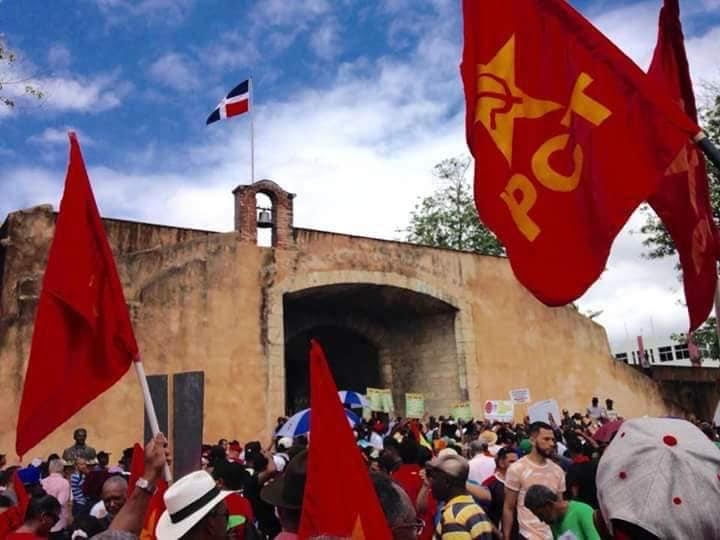
In a bold move, the Communist Labor Party (PCT) of Santo Domingo has issued a fervent appeal to the United Nations (UN), urging the international body to take decisive and immediate action to end the longstanding economic, commercial, and financial blockade imposed by the United States on Cuba. The PCT’s official statement underscored the critical need for sustained international diplomatic efforts to dismantle the embargo, which has faced widespread condemnation in numerous UN General Assembly resolutions. Manuel Salazar, the PCT’s Secretary General, passionately declared that ‘Cuba is not alone,’ labeling the blockade as a blatant violation of international law and a severe infringement on the human rights of the Cuban people. Salazar further emphasized that the majority of nations recognize the detrimental impact of this unilateral policy. Reaffirming its steadfast solidarity with the Cuban people and government, the PCT called on the UN to implement more robust measures to protect Cuba’s sovereignty and foster its comprehensive social and economic development.
-
The truth will prevail over pressure, blackmail, and slander
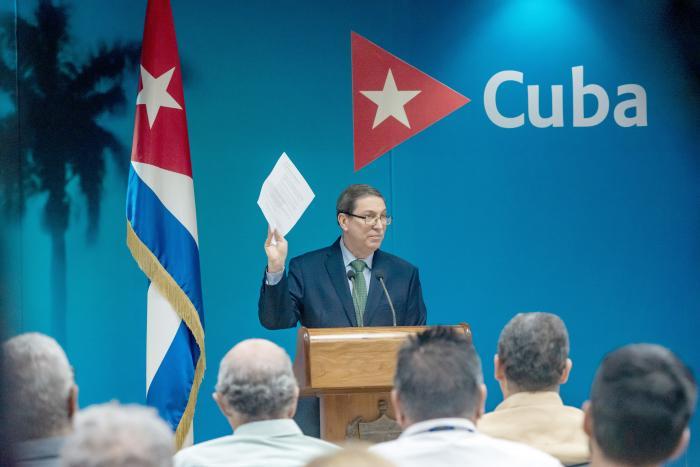
In a press conference on October 22, 2025, Bruno Rodríguez Parrilla, Cuba’s Minister of Foreign Affairs, addressed the international community regarding the upcoming United Nations General Assembly sessions on October 28 and 29. The sessions will focus on a resolution titled ‘Necessity of ending the economic, commercial, and financial embargo imposed by the United States of America against Cuba.’ Rodríguez Parrilla emphasized that this resolution represents a nearly unanimous global call to end the U.S. blockade, which has been overwhelmingly rejected by the UN for decades. He accused the U.S. government of intensifying economic aggression against Cuba and employing coercive tactics to pressure other nations into altering their traditional support for the resolution. Rodríguez Parrilla presented evidence of what he described as a ‘mendacious and slanderous’ misinformation campaign by the U.S. State Department, aimed at distorting Cuba’s image and intimidating member states. He highlighted a leaked State Department document that included threats and misinformation, such as claims that Cuba is a ‘threat to international peace and security.’ Rodríguez Parrilla refuted these allegations, asserting that the blockade is the primary cause of Cuba’s economic challenges and a violation of international law. He expressed confidence that the international community would once again vote overwhelmingly in favor of ending the blockade, calling it a victory for justice and humanity.
-
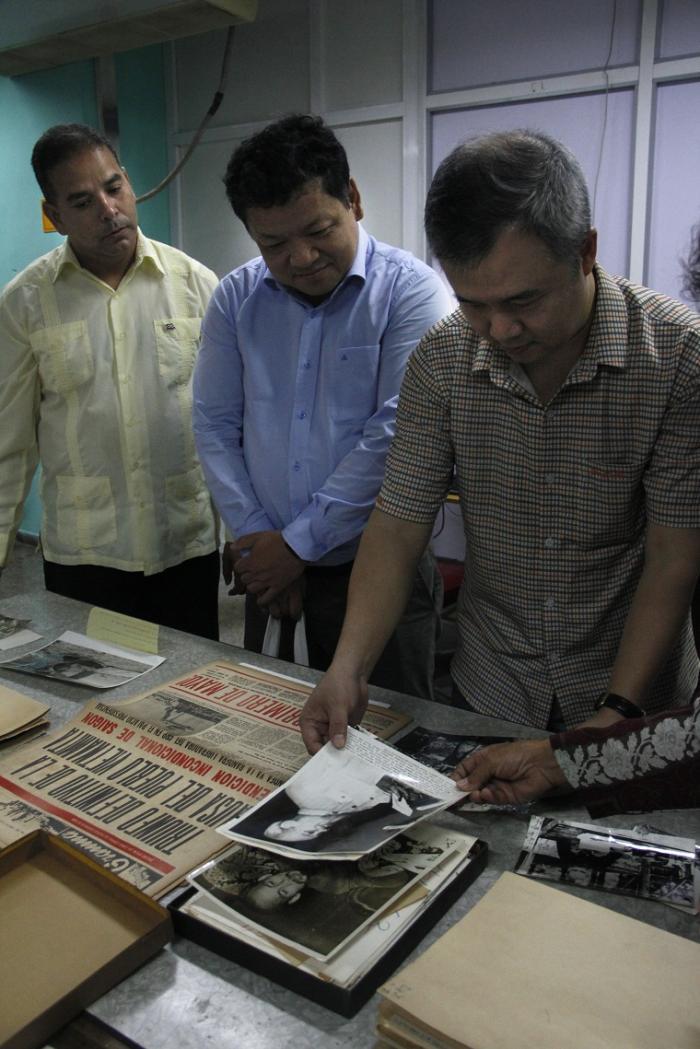
Granma and Nhan Dan: a growing path of respect and collaboration
In a significant move to bolster diplomatic and media relations, a high-profile Vietnamese media delegation recently concluded a working visit to Cuba. This visit, which took place from October 16th to 21st, 2025, was part of the ongoing exchange programs between the official newspapers of the Communist Parties of Cuba and Vietnam—Granma and Nhan Dan, respectively. The visit coincided with the upcoming 65th anniversary of diplomatic relations between the two nations, set to be commemorated in December 2025. The delegation’s agenda was packed with activities aimed at fostering mutual understanding and collaboration. Key highlights included participation in the First Granma-Rebelde Festival, where both media outlets showcased their work alongside other significant platforms from Cuba and around the world. Yoerky Sánchez Cuellar, a member of the Central Committee and editor-in-chief of Granma, expressed deep admiration for the Vietnamese people and thanked them for their financial support to Cuba amidst renewed economic challenges. He also highlighted the successful outcomes of the collaboration between the two newspapers, including the creation of a special microsite titled ‘Cuba and Vietnam: The Walk,’ which has published over 80 articles. Dinh Song Linh, head of the Science and Environment Department at Nhan Dan, led the delegation and outlined the latest organizational developments at his media outlet. He emphasized the potential for further collaboration in areas such as artificial intelligence training, content exchange, and the establishment of a special Cuba-Vietnam fund at the Granma Documentation and Archive Center. The delegation also toured various sites, including the Fidel Castro Ruz Center, Vietnamese companies in the Mariel Development Zone, and rice-growing areas in Pinar del Río, where cultivation is carried out with Vietnamese expertise. These visits underscored the practical benefits of the bilateral relationship, particularly in economic and agricultural sectors. The working meeting concluded with specific points for advancing the collaboration agenda, including the signing of a memorandum of understanding and the revitalization of content exchange. The visit not only reinforced the strong bond between the two nations but also set the stage for future cooperation in media and beyond.
-

News : Zapping…
In a significant development for Haiti’s political scene, Minister of Justice and Public Security Patrick Pélissier announced that over 220 political parties have successfully regularized their documentation with the Ministry. The list of compliant parties is set to be published soon, with the government allocating $3 billion in its budget to support these entities. Pélissier extended his congratulations and wished them success in the forthcoming elections.
Meanwhile, the U.S. Embassy in Haiti has categorically denied rumors suggesting that a U.S. government shutdown would facilitate illegal immigration into the United States. The Embassy labeled such claims as entirely false, aiming to quell misinformation.
In a separate legal matter, former senators Youri Latortue and Joseph Lambert appeared before the Port-au-Prince Court of Appeals on October 22, 2025, as part of an ongoing corruption investigation. Latortue faces charges for issuing checks totaling nearly 3 million gourdes to his mother during his tenure as Senate President, while Lambert is accused of obstructing justice. The hearing has been adjourned for a week.
On the humanitarian front, Leslie Voltaire, Presidential Transition Advisor, convened a hybrid meeting on October 22, 2025, to advance the Les Cayes Rehabilitation Center project. The initiative aims to support children and adolescents in vulnerable situations or in conflict with the law. Key participants included representatives from national institutions and international organizations such as UNICEF, Viva Rio, and the Inter-American Development Bank.
In sports, the 2025 Inter-University Football Tournament in the South and West regions has scheduled matches from October 23 to 26, featuring teams like UNDH, UNASMOH, and UEH.
However, amidst these developments, Bertide Horace, Spokesperson for the Dialogue and Awareness Commission, has raised alarms over the escalating gang violence in the Lower Artibonite region, where criminal groups now control 90% of the area. The Commission has criticized the authorities for their perceived inaction in addressing this crisis.