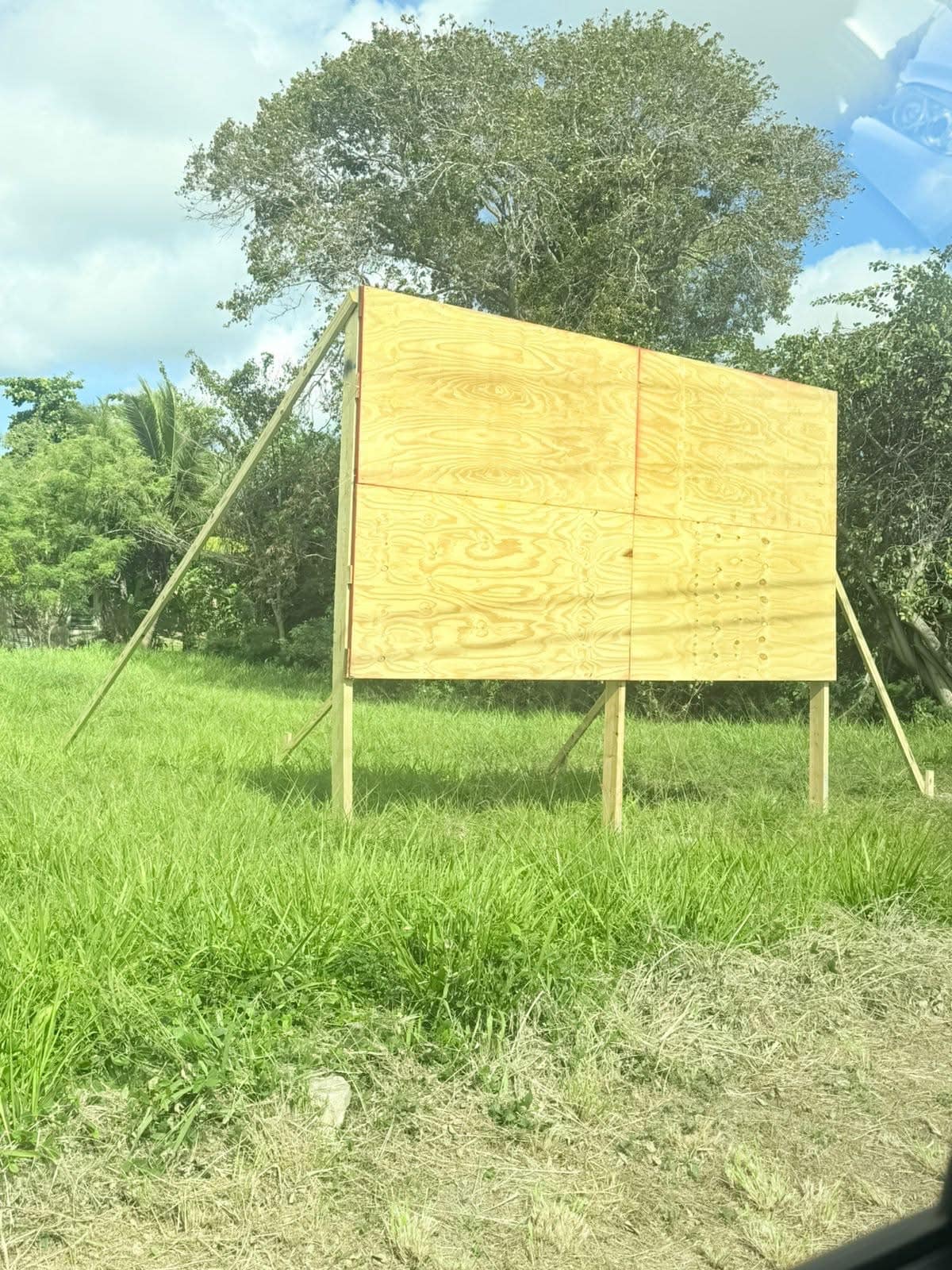
A recent act of political vandalism has sparked condemnation from senior Canadian officials after a campaign banner belonging to Deputy Prime Minister Chrystia Freeland was intentionally torn down in the Potters area. The incident, which unfolded over the past days, has drawn attention to rising tensions surrounding political discourse in local constituencies ahead of an expected political cycle.
分类: politics
-
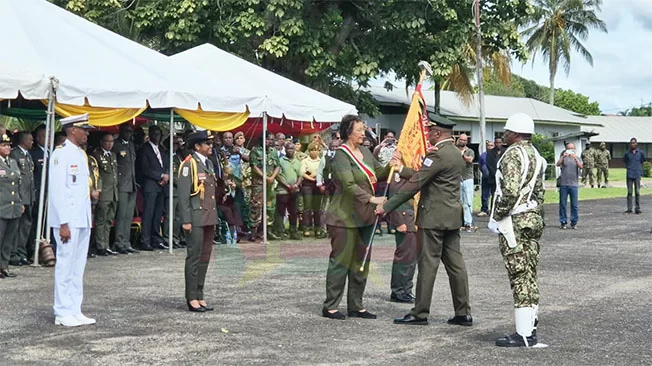
Labadie krijgt commando leger uit handen van president Simons
On April 24, a historic leadership transition ceremony took place at Suriname’s Memre Buku Barracks, where President Jennifer Simons, the nation’s supreme commander, formally installed Mitchell Labadie as the new commander of the Surinamese National Army. Simons also announced Labadie’s promotion to the rank of brigadier general, marking the start of a new chapter for the country’s top military leadership.
The handover event carries far more weight than a simple change in command, Simons emphasized during her keynote address at the ceremony. She framed the appointment as a critical milestone in advancing Suriname’s national security development, aligning the military with the country’s shifting domestic and international priorities. The Surinamese government has expressed full confidence in Labadie’s ability to lead the armed forces with expertise, unwavering integrity, and clear strategic focus.
In her remarks, President Simons underlined that the National Army serves not only as a core state institution but also as a key societal actor deeply tied to Suriname’s broader national progress. She outlined a clear set of core priorities for the new commander, spearheading a comprehensive modernization drive for the military. Top on the agenda is boosting operational capacity, strengthening institutional preparedness to tackle emerging future challenges, and reinforcing disciplinary standards across all ranks.
Labadie will also oversee efforts to expand and improve the military’s personnel foundation, build out new and existing international military cooperation partnerships, support domestic stability and public security initiatives, and integrate more advanced modern technologies into military operations.
Beyond welcoming the new leadership, President Simons publicly extended her sincere appreciation to outgoing commander Brigadier General Werner Kioe A Sen, recognizing his years of dedicated service to the nation and the armed forces.
This leadership transition comes as Suriname enters a period of preparation to address a growing set of interconnected economic and security challenges. According to the Surinamese government, a professional, modern, and adaptable national army is an indispensable foundation for safeguarding national interests and advancing the country’s development goals through this shifting landscape.
-

National ID Consultations Begin, Belize City Up Next
In a major step forward for the Caribbean nation’s digital transformation agenda, the Government of Belize has officially launched a series of nationwide public consultations for its proposed National Identification System, kicking off the engagement process with an inaugural session in Orange Walk Town on Thursday evening. The initiative is framed as a core government project to bring Belize’s identity infrastructure into the digital age, with organizers emphasizing that public input will be central to refining the final design of the system before it is codified into legislation.
At its core, the National ID plan outlines a streamlined, secure unified identity framework that aims to simplify access to both government and private digital services across the country. The Ministry of E-Governance, which is leading the project, says the enabling legislation for the system will not only standardize identity verification across sectors but also put in place stronger data protection safeguards than currently exist for personal information.
A key feature of the proposed ID is the integration of biometric data for verification purposes. Government officials have moved quickly to address public confusion on this point, noting that biometric technology is already a commonplace part of daily life in Belize. From routine identity checks at border crossings to access control systems for workplaces and critical infrastructure, the technology is already widely deployed across multiple sectors of the economy.
Even with this context, concerns around individual privacy and the scope of personal data collection have emerged as the central point of public debate around the project. Misinformation and unsubstantiated rumors circulating online and in local communities have fueled anxiety among many Belizeans about how their data will be stored, used, and shared by government agencies.
During a live broadcast of the first consultation, Jose Urbina, Chief Executive Officer of the Ministry of E-Governance, directly addressed these growing concerns. “We’ve heard so many rumours and misinformation out there as it relates to the National ID, and it creates fear, and I am hopeful that those same individuals are watching this live,” he stated during the session.
Urbina stressed that the shift to a unified digital National ID is an unavoidable necessity as more of Belize’s public and commercial services move online. “While it might not be all of us that are fearful for change, and there are some of us that want to adapt, we need to realise that we need something like the National ID to be able to do online transactions,” he explained, adding that the system is designed to support the country’s continued digital economic development.
Officials leading the project have repeatedly pushed back against privacy concerns, emphasizing that the new system will actually give individual Belizeans greater control over how their personal identity information is accessed and used by third parties, compared to the fragmented identity systems currently in place.
Following the successful first session in Orange Walk Town, the public consultation tour is set to continue this Friday with a stop in Belize City, scheduled to begin at 5:30 p.m. local time. The government says it will hold sessions across all major districts of the country to ensure that voices from every region are included in the feedback process before the draft bill is finalized for parliamentary consideration.
-

Niagara Falls to shine in Jamaican colours for SAWP 60th anniversary
On a milestone marking six decades of cross-border labor collaboration between Canada and Jamaica, one of North America’s most iconic natural landmarks will take on a special symbolic meaning this Saturday. Niagara Falls will be bathed in the bold black, green, and gold of Jamaica’s national flag to honor the 60th anniversary of the Canada-Jamaica Seasonal Agricultural Worker Program (SAWP), an initiative that has shaped economic and diplomatic ties between the two nations since its launch in 1966.
According to an official statement released by the Jamaican government, the celebratory illumination is scheduled to begin at 9:30 p.m. Jamaica local time, which translates to 10:30 p.m. in Canada. This visual tribute is designed to draw public attention to the six decades of mutually beneficial partnership that the program has fostered. For those unable to travel to the Ontario landmark to view the display in person, the event will be accessible globally via continuous live webcams. Both the official Niagara Falls live feed and the Clifton Hill live cam, which captures the falls’ evening lighting and surrounding public activity, will stream the illumination. This setup ensures that Jamaican citizens on the island and members of the extensive Jamaican diaspora around the world can watch the historic tribute unfold in real time.
The flag-colored lighting is just one component of a broad slate of commemorative activities organized to celebrate the program’s legacy. When SAWP first launched 60 years ago, it brought just 264 Jamaican agricultural workers to Canada to fill seasonal labor gaps. Today, the program has expanded dramatically, providing annual seasonal employment opportunities to more than 9,000 Jamaican workers, making it one of the most enduring cross-border labor initiatives in the Americas.
Jamaica’s Minister of Labour and Social Security, Pearnel Charles Jr., who is leading an official Jamaican delegation to Canada for the anniversary events, spoke to the deep value of the longstanding bilateral relationship. “The Government and people of Jamaica extend sincere appreciation to the Government and people of Canada for a partnership that has stood the test of time,” Charles said. “For 60 years, this relationship has nurtured opportunities, sustained livelihoods and strengthened the bonds between our nations.”
He emphasized that the program’s impact extends far beyond formal diplomatic or economic statistics, writing it directly into the daily lives of Jamaican communities. “The impact of this programme is not distant or abstract. It is felt in homes across Jamaica. It is seen in children who are better provided for, in families that have found stability and in communities that have been built and sustained through hard work and sacrifice,” he added.
Colette Roberts Risden, Permanent Secretary with oversight for Jamaica’s Overseas Employment Programme, outlined the structured operational framework that has allowed the program to thrive for six decades. “The strength of this programme lies in disciplined execution,” she explained. “We manage a full system, from recruitment and vetting to deployment and on-site oversight. Standards are enforced, performance is monitored and support structures are active in the field. That is how we protect our workers, maintain employer confidence and secure Jamaica’s position in a competitive global labour market.”
Additional commemorative events are scheduled across Canada in the coming days. A celebratory church service will be held on April 26, 2026 at 10:00 a.m. Canada local time at Cornerstone Community Church in Niagara-on-the-Lake. The full anniversary program, jointly led by Jamaica’s Ministry of Labour and Social Security and the Jamaican Liaison Service based in Canada, also includes a new scholarship fund for descendants of program participants, a feature-length documentary chronicling the SAWP’s 60-year history, a national day of recognition honoring agricultural workers, and community-focused events hosted in both Canada and Jamaica.
During their visit, the Jamaican delegation — which includes Minister Charles and Permanent Secretary Roberts Risden — will take part in a series of industry meetings and commemorative engagements. The delegation is scheduled to meet with Canadian government officials, Canadian agricultural employers, and key sector stakeholders to discuss the future of the program and ongoing bilateral collaboration. -
Jamaica looks to US to secure more ambulances
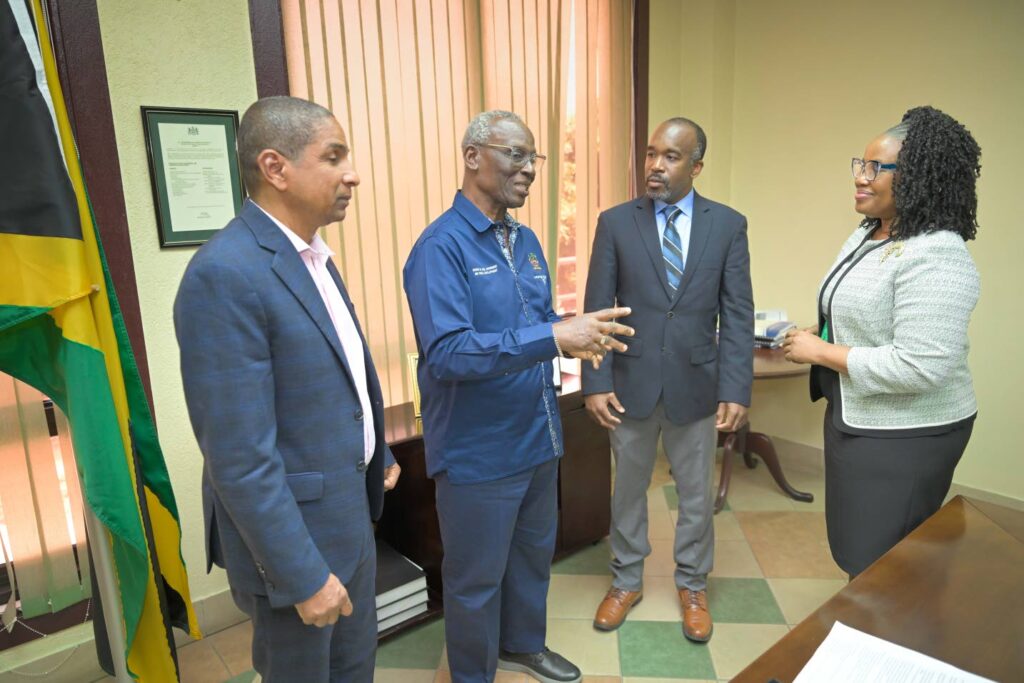
Jamaica’s Ministry of Local Government and Community Development is actively advancing talks with the United States Embassy to secure a donation of new ambulances, a move aimed at closing critical gaps in the Caribbean nation’s emergency medical response infrastructure. The high-level discussion, held Thursday at the ministry’s Kingston headquarters, brought together Portfolio Minister Desmond McKenzie, US Embassy representatives, officials from the Jamaica Fire Brigade (JFB), and members of the Board of Supervision to outline the scope of the proposed collaboration.
McKenzie revealed that initial outreach to the US mission for ambulance support first began roughly two years ago, rooted in a long-recognized systemic gap in Jamaica’s emergency services. As the country’s lead first responder agency, the JFB currently lacks consistent access to ambulance services across all its emergency medical services (EMS) outposts, leaving many communities underserved during urgent medical events. The proposed US donation is designed to directly resolve this gap, ensuring that every response location can deliver seamless pre-hospital care to patients.
Beyond the ambulance donation initiative, the conversation also covered plans to expand ambulance access through Jamaica’s national network of infirmaries. McKenzie noted that follow-up discussions will explore how the US Embassy can support efforts to upgrade equipment and expand operational capacity at infirmaries across the island, extending the reach of emergency care to more rural and underserved areas.
Beyond infrastructure improvements, McKenzie emphasized that the ongoing dialogue underscores the deep, enduring bilateral ties between the two nations. He called the working partnership between the governments and peoples of Jamaica and the United States a highly valued friendship that continues to deliver tangible benefits to Jamaican communities.
-

Trump evacuated as shooter opens fire at Washington gala event
On a Saturday evening at one of Washington D.C.’s most high-profile annual gatherings, a sudden burst of gunfire triggered chaotic evacuations and turned a glamorous media gala into a major national security incident, forcing U.S. Secret Service agents to rush former president Donald Trump offstage mid-event. The incident unfolded at the Washington Hilton’s ballroom, where hundreds of black-tie guests including First Lady Melania Trump, top Trump administration officials, and leading national journalists had gathered for the first White House Correspondents’ Dinner (WHCA) that Trump would attend during his current second term in office.
According to official accounts from Trump shortly after he was safely evacuated to the White House, an armed suspect pushed through external security checkpoints just outside the event space, carrying multiple weapons with him before Secret Service personnel intervened. “A man charged a security checkpoint armed with multiple weapons, and he was taken down by some very brave members of the Secret Service,” Trump told reporters at a hastily assembled press briefing. Initial investigations point to the suspect acting alone, a conclusion Trump endorsed: “They seem to think he was a lone wolf, and I feel that too.” The suspect was taken into custody at the scene, and Trump confirmed that one responding Secret Service officer sustained a close-range gunshot wound, though the injury was not believed to be life-threatening.
Witnesses described scenes of widespread panic as guests scrambled for cover, diving under banquet tables while tactical teams swarmed the venue. Armed police locked down the entire Washington Hilton complex, with law enforcement helicopters circling overhead amid the emergency response. The incident occurred after opening welcome remarks, during the dinner service, just moments before Trump was scheduled to deliver his keynote address. Administration officials were prioritized for evacuation as confusion spread through the crowd; Cabinet member Mehmet Oz confirmed to reporters on his way out that shots had been fired on the upper level of the venue.
This latest security scare marks the third documented assassination attempt against Trump in less than a year. In July 2024, a shooting at a campaign rally in Butler, Pennsylvania left one attendee dead and Trump with a minor gunshot wound to the ear. Just months later, a second man was arrested after a Secret Service agent spotted a rifle barrel protruding from brush along the perimeter of Trump’s West Palm Beach golf course, where the former president was playing a round. Adding an extra layer of historical gravity to the incident, the Washington Hilton itself carries a dark legacy of presidential assassination attempts: it was the same location where 40th U.S. President Ronald Reagan was shot and seriously wounded by a would-be assassin just two months after taking office in 1981.
In the wake of the breach, Trump acknowledged longstanding concerns about security at the venue, admitting that the facility was “not a particularly secure” space – a comment that is sure to reignite scrutiny of the Secret Service following a string of recent high-profile security lapses surrounding the president. Despite the scare, Trump confirmed his commitment to holding the rescheduled event, saying he planned to postpone the gala no more than a month out.
Event organizers initially attempted to calm guests by indicating the dinner would proceed, before reversing course and formally announcing a postponement. This year’s WHCA dinner carried extra symbolic weight: after decades of tradition that sees sitting U.S. presidents attend the annual gathering, Trump refused to participate in the event throughout his first term in office, marking a break from 100 years of precedent. Even amid Trump’s repeated public attacks on the mainstream media, the WHCA extended an invitation to him this year, drawing widespread attention from political and media circles across the capital.
Colloquially nicknamed the “Nerd Prom” by attendees, the annual dinner brings together hundreds of Washington-based journalists, media executives, and political figures to raise funds for journalism scholarships and recognize excellence in political reporting. Unlike most years, which feature a stand-up comedian delivering sharp, often satirical jokes about the sitting president (who traditionally delivers his own comedic set in response), no comedian was booked for the 2025 event.
-
Caricom observers arrive in Antigua, schedule talks with stakeholders ahead of polls
Less than one week before Antigua and Barbuda holds its upcoming general elections, a nine-person election observation mission assembled by the Caribbean Community (Caricom) has launched a series of key stakeholder meetings across the twin-island nation, as regional authorities work to evaluate the integrity and fairness of the country’s electoral landscape ahead of voting day.
Invited to the country by sitting Prime Minister Gaston Browne, the full observer delegation touched down in Antigua and Barbuda on Thursday, and has planned a full schedule of consultations with all major actors involved in the electoral process ahead of the April 30 poll.
Over the coming days, the mission will hold closed and open discussions with representatives from both the governing party and the parliamentary opposition, leadership from Antigua and Barbuda’s independent Electoral Commission, the national supervisor of elections, and a broad cross-section of civil society groups. These include youth advocacy organizations, private sector business leaders, national religious bodies, and local independent and commercial media outlets.
In a public statement ahead of the mission’s deployment, Caricom noted that these pre-election engagements are a core component of the delegation’s broader work to assess the pre-poll climate. This evaluation will cover everything from the operational readiness of national electoral systems to the overall tone and conduct of political campaigning across the country.
On polling day itself, observation teams will be spread across all constituencies of Antigua and Barbuda to monitor every stage of the voting process. Observers will track activities from the opening of polling stations in the morning, through the casting of ballots by voters, to the final counting and tabulation of votes at the end of the day. Beyond process monitoring, the delegation will also collect first-hand data to support independent verification of official results, and assess the conduct of both polling officials and political party representatives working at polling sites.
Shortly after voting concludes, the mission is scheduled to release an initial public preliminary statement that outlines its core early findings on how the election was administered. After that, the delegation will prepare a comprehensive, detailed final report to submit to the Caricom Secretary-General for regional review.
The full observer team is scheduled to wrap up its assessment work and depart Antigua and Barbuda on May 3, three days after polling day.
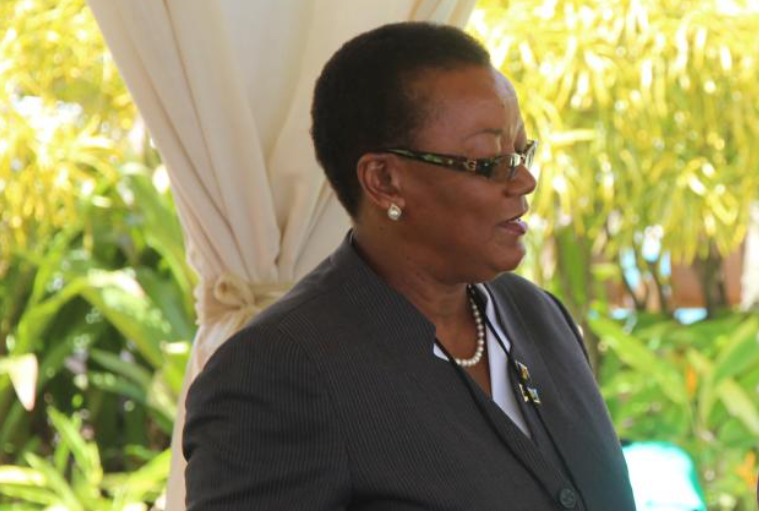
Heading the mission is Maxine McClean, a sitting commissioner with Barbados’ Electoral and Boundaries Commission. The delegation’s deputy leader is Herman St Helen, the chief elections officer of Saint Lucia. The remaining mission members bring decades of combined electoral experience from across the Caribbean: Ambassador Felix Gregoire, chairman of the Public Service Commission in Dominica; Rohan Porter, acting assistant director of elections for field operations with Jamaica’s Electoral Office; Stephanie Bram, a staff member of Suriname’s Electoral Bureau; and Karla Dayton Edwards, a commissioner with Trinidad and Tobago’s Election and Boundaries Commission. The entire observer team is backed by a three-person support team from the Caricom Secretariat based in the region’s headquarters.
-

Pringle Promises Major Sports Complex, Youth Opportunities at UPP Rally
As campaigning ramps up ahead of Antigua and Barbuda’s April 30 general election, United Progressive Party (UPP) opposition leader Jamale Pringle has laid out an ambitious policy platform centered on youth empowerment and expanded economic opportunity, headlined by a proposal for a world-class regional sports and entertainment complex. Speaking to a fired-up crowd of UPP supporters at a campaign rally, Pringle confirmed that a future UPP government would build the Sir Vivian Richards Sports and Entertainment Complex in North Sound, marking it as the party’s priority flagship infrastructure project for its first term in office.
Pointing to the UPP’s track record of delivering the island nation’s existing international cricket stadium, Pringle doubled down on his pledge to deliver the new facility, telling attendees “I give you my commitment… I give you my promise. We will do it again.”
The proposed mixed-use development is designed to address longstanding gaps in Antigua and Barbuda’s athletic and cultural infrastructure. Its planned amenities include an 8,000-seat professional football stadium, a 5,000-seat indoor arena capable of hosting basketball, netball and other indoor sports, a certified track and field training and competition facility, and a full aquatic center for competitive swimmers. Pringle emphasized that local young athletes have long showcased elite talent on regional and global stages, but have been held back by a lack of accessible, high-caliber facilities to hone their skills and advance their careers.
Beyond competitive sports, the complex will also dedicate dedicated space for music, theater and other creative arts, functioning as a centralized hub for cultural expression and live entertainment that the nation currently lacks. Pringle framed the project as a response to shifting global labor trends, noting that younger generations of Antiguans and Barbudans are increasingly building sustainable careers in sports, creative entertainment and new emerging sectors, rather than following the path of traditional industries that have long dominated the local economy.
The initiative also carries a key economic development angle, Pringle explained: the completed complex would position Antigua and Barbuda as the premier hub for sports tourism across the Caribbean, equipped to host large-scale international tournaments and events that draw visitors from across the globe. It would also create new opportunities for local talent to be scouted by international organizations, while attracting targeted foreign investment to the nation’s leisure and sports sectors.
Pringle used the rally platform to take aim at the incumbent Antigua and Barbuda Labour Party administration, criticizing the sitting government for failing to deliver on past campaign pledges to local athletes – including the long-promised construction of a public aquatic center. Closing his address, the opposition leader called on UPP supporters to mobilize ahead of polling day, urging all eligible voters to confirm their voter registration is up to date and plan to turn out early to cast their ballots.
The rally forms part of a broader, coordinated campaign push from the UPP ahead of the April 30 vote, with the party building its overall electoral platform around three core pillars: expanding youth empowerment, delivering transformative public infrastructure, and diversifying the local economy to create more sustainable opportunity for all residents.
-
Labour Queen Contestants Roll Out Community Projects Across Constituencies
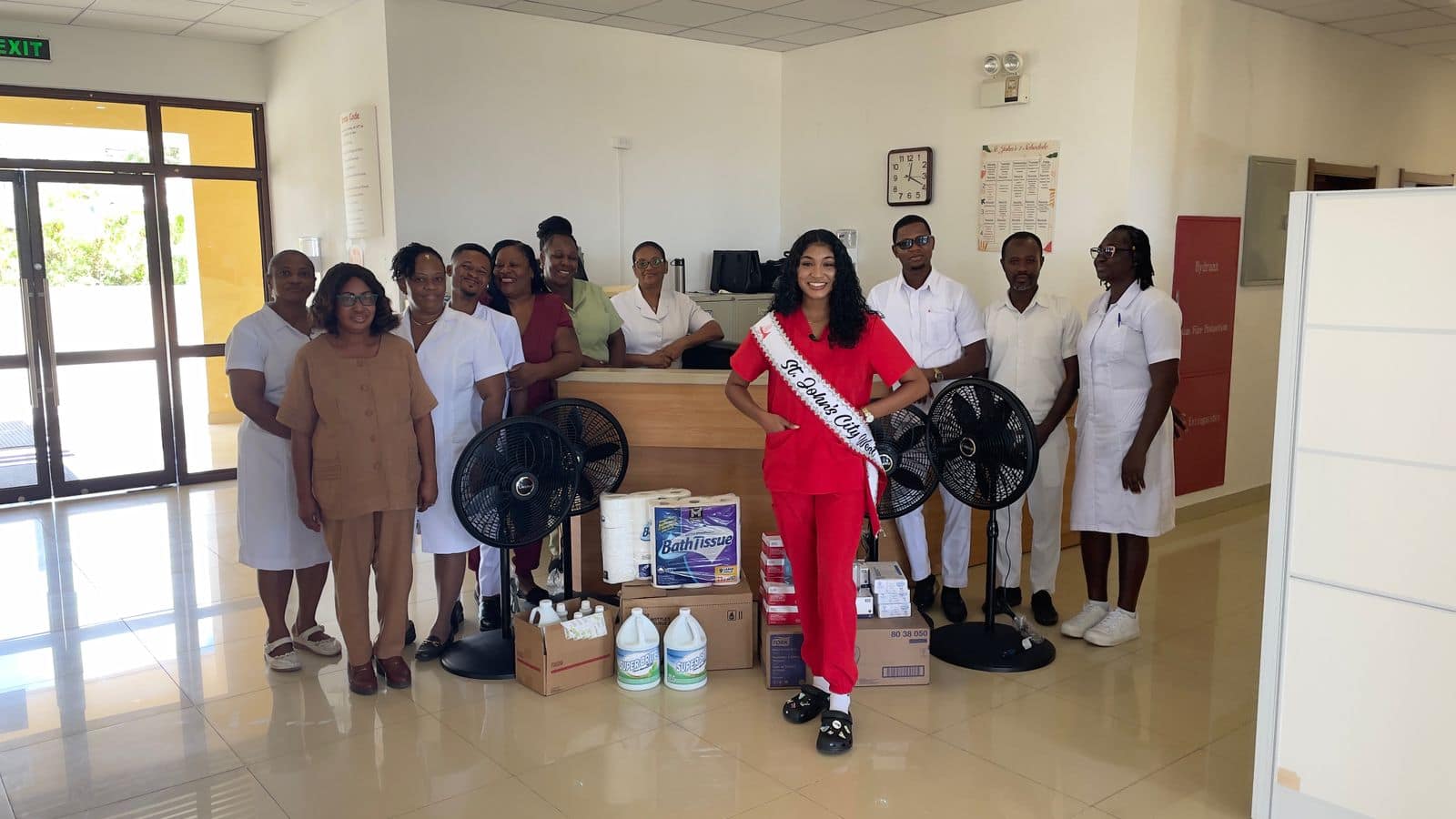
The annual Antigua and Barbuda Labour Party (ABLP) Queen Pageant is breaking traditional beauty competition norms this year, reframing its core mission around civic action and grassroots community impact. Instead of focusing solely on appearance and stage presentation, the 2024 iteration requires all competing delegates to design and execute targeted community projects across their home constituencies, tying the pageant directly to public service.\n\nOrganized through the pageant’s Queen’s Committee, the new mandate tasks each contestant with launching an initiative that centers on ‘giving back and making a difference right where it matters most.’ This reimagined framework, branded ‘Queens with a Purpose,’ evaluates contestants on both their on-stage presence and their tangible contributions to local residents.\n\nThree contestants have already rolled out distinct, community-aligned projects tailored to their constituencies’ unique needs. Treveisha Adams, the delegate for St. John’s Rural West, kicked off her initiative with a constituency-wide community walk alongside Senator Michael M. Joseph. The walk was designed not as a campaign stunt, but as an opportunity to connect directly with constituents, listen to their concerns, and strengthen social bonds across the district. Adams also took part in the grand opening of a new public playground in Five Islands, where she reflected on how shared public spaces form the backbone of strong connected communities. Following the opening, she noted that the experience reinforced how important accessible gathering spaces are for fostering shared moments among neighbors of all ages.\n\nFor Mia Griffith, the St. John’s City West delegate, the project aligned perfectly with her professional and personal passion: healthcare. A third-year nursing student, Griffith organized a supply drive alongside her team, collecting and donating critical medical and operational supplies to the Villa Polyclinic. Working with local MP and ABLP leader the Honorable Gaston Browne, Griffith’s team selected the clinic because of their core belief that even small acts of service can ripple out to improve outcomes for both patients and frontline healthcare staff. Clinic officials told pageant organizers the donation fills key gaps in the facility’s daily operations, and they extended sincere gratitude to Griffith and her team for the contribution. The project also reflects Griffith’s ongoing training and commitment to patient care as she works toward becoming a full-time registered nurse.\n\nSt. George delegate Nakierra Martin centered her project on democratic engagement, leaning into the current election cycle to connect with constituents across her district. Martin participated in a full slate of local campaign events, holding one-on-one conversations with voters, listening to their policy priorities, and experiencing grassroots electoral organizing firsthand. Reflecting on her work, Martin shared that the experience gave her a new, firsthand understanding of how impactful transparent representation, open dialogue, and active citizen participation are to a healthy democracy.\n\nPageant organizers emphasized that the ‘Queens with a Purpose’ framework is a permanent shift for the competition, designed to move beyond outdated judging standards that prioritize only aesthetics. Contestants are ranked on the reach and impact of their community work alongside their presentation and performance in traditional pageant segments. As part of the ABLP’s broader calendar of public engagement activities, delegates will continue their community outreach efforts through the lead-up to the final main pageant event, maintaining their connections with constituents across the country.
-

LETTER: Fairy Tale Sports Complex Would Cost YOU Billions
When the United Progressive Party (UPP) unveiled its ambitious new AI-generated concept for a sprawling regional sports complex, the renderings painted an impressive picture: a multi-purpose arena, multiple competition-ready stadiums, and a regulation Olympic-sized swimming pool. But behind the polished digital visuals lies a critical, unanswered question that has dominated public discussion of the proposal: where will the billions of dollars in required funding come from?
Critics of the plan have outlined three potential outcomes that could impact everyday residents if the project moves forward: steep increases in local taxes, a massive expansion of public sector borrowing, or deep cuts to already strained core public services that working communities rely on. These at-risk services include the development of affordable housing, ongoing road improvement projects, upgrades to aging water infrastructure, and the maintenance of basic municipal support programs.
Beyond the funding gap, the proposal has also sparked questions about the UPP’s ability to deliver on large-scale public infrastructure. The party has long been plagued by persistent internal infighting and factional disputes, leaving it struggling to maintain internal cohesion. Political observers point out that if the UPP cannot effectively govern its own internal party dynamics, there is little reason to trust it to manage a multi-billion dollar complex public works project.
In stark contrast, the incumbent Antigua and Barbuda Labour Party (ABLP) has already moved forward with a concrete, financially secured alternative initiative focused on sports-led development. The party has announced a dedicated funding stream for a carefully planned Cricket West Indies High-Performance Campus located at Coolidge, a phased development project built around clear, achievable goals. Unlike the UPP’s broad, unfunded concept, the ABLP’s plan is centered on tangible outcomes: elite athlete training, new local job creation, expanded sports tourism, and sustained, real economic activity that benefits the broader community.
The gulf between the two proposals highlights a core difference in governing philosophy, critics argue. The ABLP has put forward a detailed plan with confirmed financing aligned with public needs, while the UPP’s proposal is dismissed as an unrealistic campaign-style fairy tale that would only deliver economic pain to residents in the form of higher taxes, heavier debt, or reduced access to essential services.
While widespread public support exists for improving local sports infrastructure across the country, residents and observers alike agree that good governance requires transparency around project costs, and leadership that prioritizes the most pressing public needs over flashy, unfunded political promises.