分类: politics

  • LETTER Big. Fat. Chupes.

    LETTER Big. Fat. Chupes.

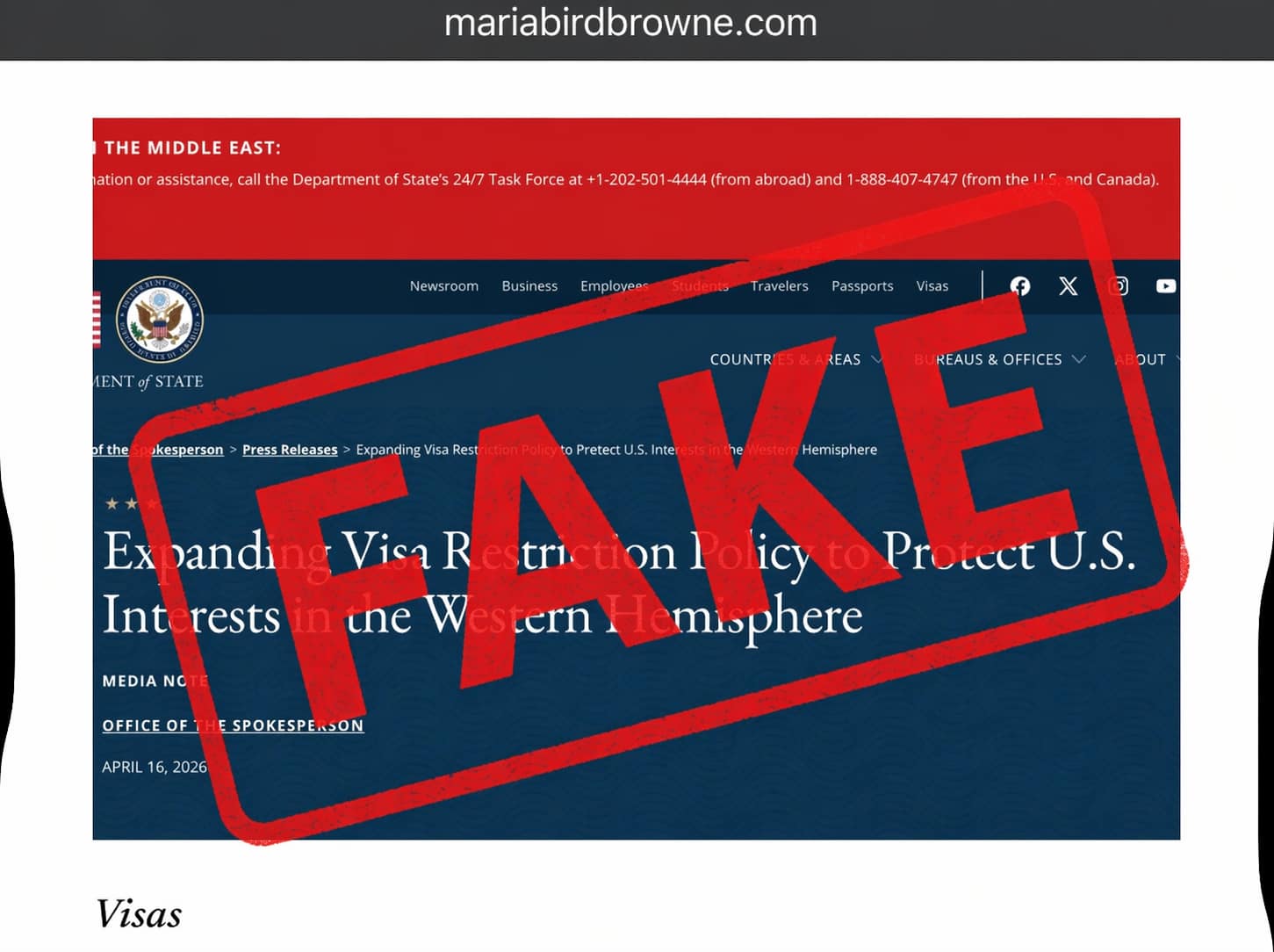
    In the chaotic, noise-filled landscape of modern political campaigning, a cynical tactic has come into sharp focus: the deployment of unsubstantiated smears paired with calculated deniability. Political actors pushing these false claims repeatedly tease damaging, baseless allegations, only to publicly claim they have “no connection” to the origin of the smear, all while continuing to amplify the false narrative to their audience. This is a deliberate, well-worn political trick – spread the lie to seed doubt and damage an opponent, then step back and feign innocence, reaping all the political benefits of the harm caused without accepting any accountability for spreading misinformation.

    This strategy has nothing to do with holding public figures or opponents accountable for legitimate missteps. Instead, it is a clear sign of profound election desperation: when a campaign or political party abandons policy debate and legitimate criticism to embrace outright falsehoods, it signals that they believe they cannot win on the merits of their own platform or ideas. This dynamic raises a fundamental question that voters must grapple with: if a political group is willing to rely on such transparently false claims to win elected office, what precedent does that set for how they will behave once they hold power? Can a political organization that cuts ethical corners during a campaign to gain power ever be trusted to govern honestly and in the public interest?

  • PM: Govt moving ahead with police restructuring in crime response

    PM: Govt moving ahead with police restructuring in crime response

    Against a backdrop of growing public unease over surging violent crime, the government of Barbados has commenced a comprehensive restructuring of the Barbados Police Service, Prime Minister Mia Mottley has confirmed. While announcing urgent institutional changes, the prime minister has emphasized that law enforcement reform alone cannot reverse the island’s worsening crime trends.

    Mottley’s public address on the issue came during Wednesday’s Ideas Forum, where a resident with professional law enforcement experience drew attention to deep-seated flaws in the existing police structure. The speaker argued that the current force is ill-prepared to tackle Barbados’ rapidly shifting security landscape and the increasingly bold criminal activity taking hold across the island. He warned that patterns of crime that have plagued other Caribbean nations are now emerging locally, and called for a long-term, fundamental reinvention of the national police service.

    “The Barbados Police Service as it is currently structured is not equipped to manage the state of crime on this island,” the resident stated, noting that meaningful reform would require adopting new investigative techniques, increasing institutional support, and raising officer compensation to successfully attract and keep skilled personnel.

    In her response, Mottley confirmed that the modernization process is already well underway, stressing that the institution must be updated to meet 21st-century security demands. “We are very much in the process of the restructuring of The Barbados Police Service,” she said, adding that every core system and operational practice must be aligned with modern realities. The prime minister outlined that government has spent months working to address longstanding challenges around staffing, officer retention, and internal institutional capacity.

    She pointed to earlier policy moves to regrade the pay scales of detectives and Special Branch officers as a key step to fix long-standing pay disparities, a change designed to stop the outflow of experienced law enforcement personnel. A broader public sector pay reclassification exercise is also in the works, with policing marked as one of several critical sectors prioritized for adjustment.

    Beyond compensation, the reforms target deep structural gaps within the organization, including the absence of key senior administrative roles. Mottley questioned how a force of more than 1,300 sworn officers, plus additional non-police support staff, could operate effectively without a dedicated human resources director. She similarly noted that an agency with an annual budget of roughly $200 million cannot function properly without a qualified director of financial services leading budget management.

    The prime minister also outlined plans to redraw decades-old policing district boundaries that no longer reflect current population distribution across Barbados, alongside plans to expand and upgrade police infrastructure. Several communities are set to receive new or renovated police stations, and widespread technology upgrades are being rolled out to improve coordination between police and other emergency response services.

    Even as she laid out the ambitious reform agenda, Mottley stressed that institutional change on its own will not solve the island’s crime crisis. “The major lifting that has to be done if we are to be successful in this country is us,” she said, urging all Barbadians to take greater responsibility for security within their own households and local communities.

    She explained that widespread access to illegal firearms, combined with a culture of silence where community members choose not to report suspicious activity, are key contributing factors to the current security environment, and called for far greater public cooperation with law enforcement. “What cannot happen is people seeing things and doing nothing, saying nothing and then being surprised at the outcome,” she noted. While Mottley acknowledged that fear of retaliation stops many residents from coming forward with information, she emphasized that anonymous and protected reporting channels are already available to support those who wish to share details about criminal activity.

    Mottley also placed Barbados’ current challenges in a broader regional context, noting that multiple Caribbean nations have faced similar surges in violent crime in recent months, framing the issue as a shared systemic challenge across the region.

    Despite rising public anxiety, the prime minister maintained that the situation remains controllable, as long as the country pursues sustained, coordinated action. “This is not yet bad enough that we can’t pull it back,” she said. She added that long-term success will depend on a combination of robust law enforcement, adaptive policy making, adequate resourcing, and active participation from ordinary citizens.

    Mottley reaffirmed that her administration is continuing to invest heavily in strengthening the police service, from expanded recruitment and better retention support to improved training and operational upgrades. Still, she warned that meaningful cultural and institutional change cannot happen overnight. “A cruise ship can’t just turn like a speedboat… it takes space and time,” she explained, adding that rebuilding public confidence and restoring widespread security will require both systemic police reform and a fundamental shift in public behavior. “If we are to be successful in pulling it back, it is not dependent on the police alone… it is dependent on the people in this country,” she reiterated.
  • Works Minister Says Roadworks Will Increase, Not Slow After Elections

    Works Minister Says Roadworks Will Increase, Not Slow After Elections

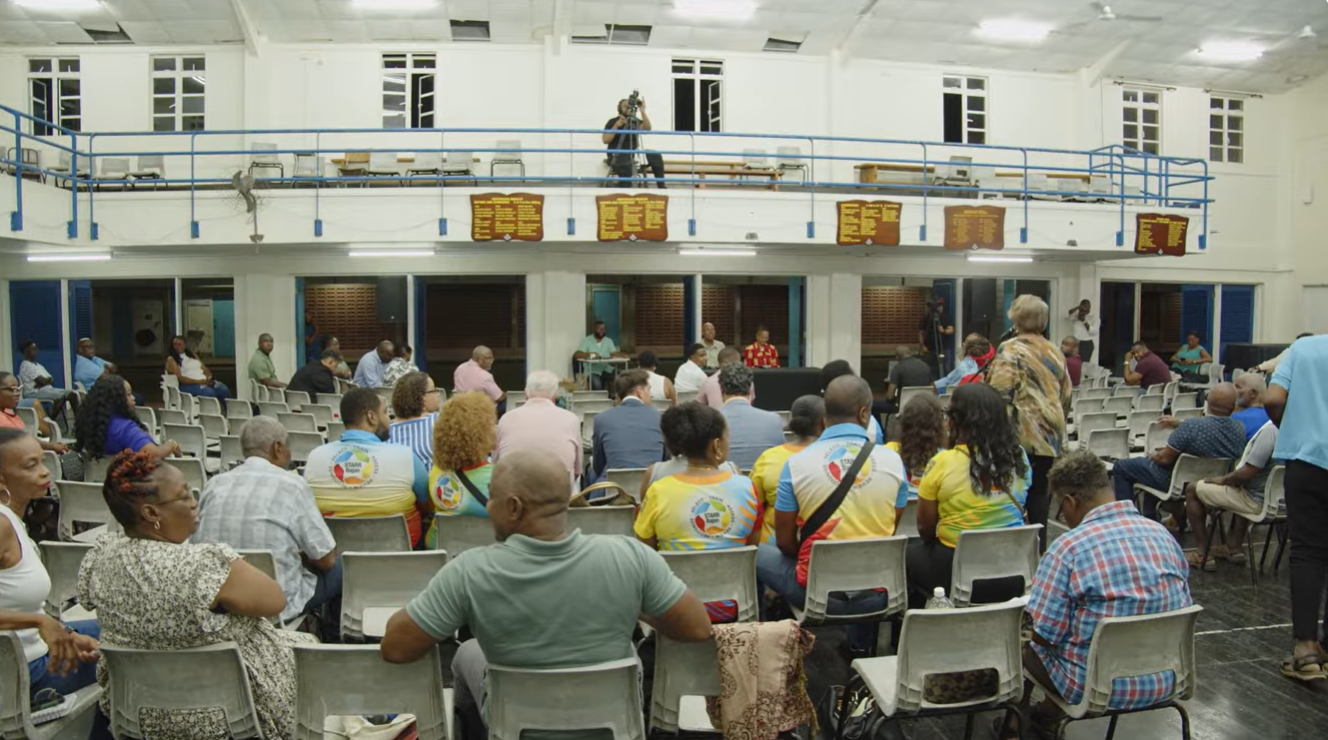
    As the country prepares for its upcoming general election on April 30, a sharp uptick in nationwide road construction activity has sparked speculation that the infrastructure push is merely a short-term pre-election political gesture. However, Public Works Minister Browne has pushed back firmly against these claims during a recent \”Know Your Candidate\” interview, framing the expanded works programme as the product of years of deliberate strategic planning that will continue to grow long after ballots are cast.

  • Freeland Says Parts of St. George Could Get Water Within a Year After Decades Without Supply

    Freeland Says Parts of St. George Could Get Water Within a Year After Decades Without Supply

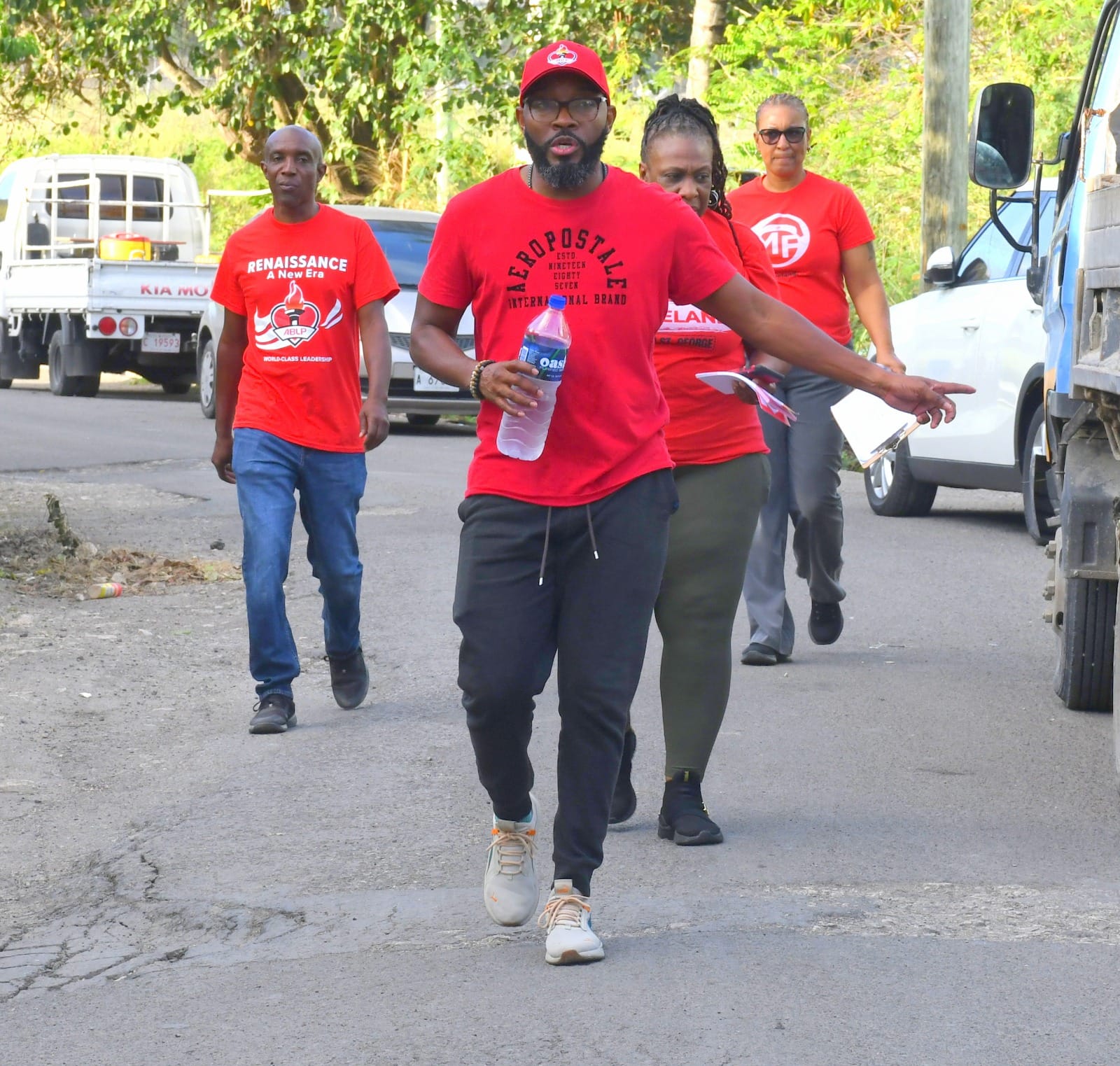
    As the April 30 general election approaches, Antigua and Barbuda Labour Party (ABLP) candidate Michael Freeland has pledged that long-running, generations-old water access crises in multiple underserved communities across St. George will finally be resolved within the next year.

    Freeland made the promise during a pre-election “Know Your Candidates” interview, where he highlighted that unreliable and non-existent water supply remains one of the most persistent and infuriating challenges for local residents. The problem is concentrated in three key areas of the constituency: sections of New George’s, Carlisle’s and Potter’s, where entire neighborhoods have gone without consistent access to clean running water for up to 30 years.

    Freeland explained that the decades-long crisis is rooted in obsolete, aging water infrastructure that has failed to keep pace with growing community demand across the constituency. The existing outdated distribution networks cannot deliver adequate water to outlying neighborhoods, even as residential and commercial development has stretched existing supply thinner over the years.

    However, Freeland noted that ongoing national water infrastructure upgrades have created a turning point for the struggling communities. He confirmed that senior government officials and water management leaders have already committed to advancing the targeted fixes, which will center on installing new, modern water pipelines and building out more efficient distribution networks.

    “I’ve been assured by the minister and the water manager that they have all the necessary equipment on hand, and they are ready to move forward with installing these new pipes,” Freeland said, reassuring frustrated residents who have waited generations for reliable service.

    The local infrastructure upgrades will also be backed by a national expansion in water production. Freeland referenced Prime Minister’s recent announcements that the country has boosted daily water output by millions of gallons, a capacity increase that will directly support the improved distribution networks and ensure consistent supply for long-underserved neighborhoods.

    While acknowledging that decades of unaddressed need have left residents deeply frustrated, Freeland emphasized that tangible change is now on the near horizon. “I know the frustration is there, but I’m working for you,” he said. “Within short order, we’ll have these problems addressed.” He clarified that full upgrades will not be completed overnight, but residents can expect visible, meaningful improvements to water access within the next 12 months.

    The water access crisis has emerged as a defining campaign issue for the St. George constituency, joining other top voter priorities including road maintenance, drainage systems, and affordable housing. Freeland’s pledge underscores how long-running infrastructure failures remain a key factor shaping voter choices ahead of the April 30 general election.

  • Government to pay school cooks, janitors in August

    Government to pay school cooks, janitors in August

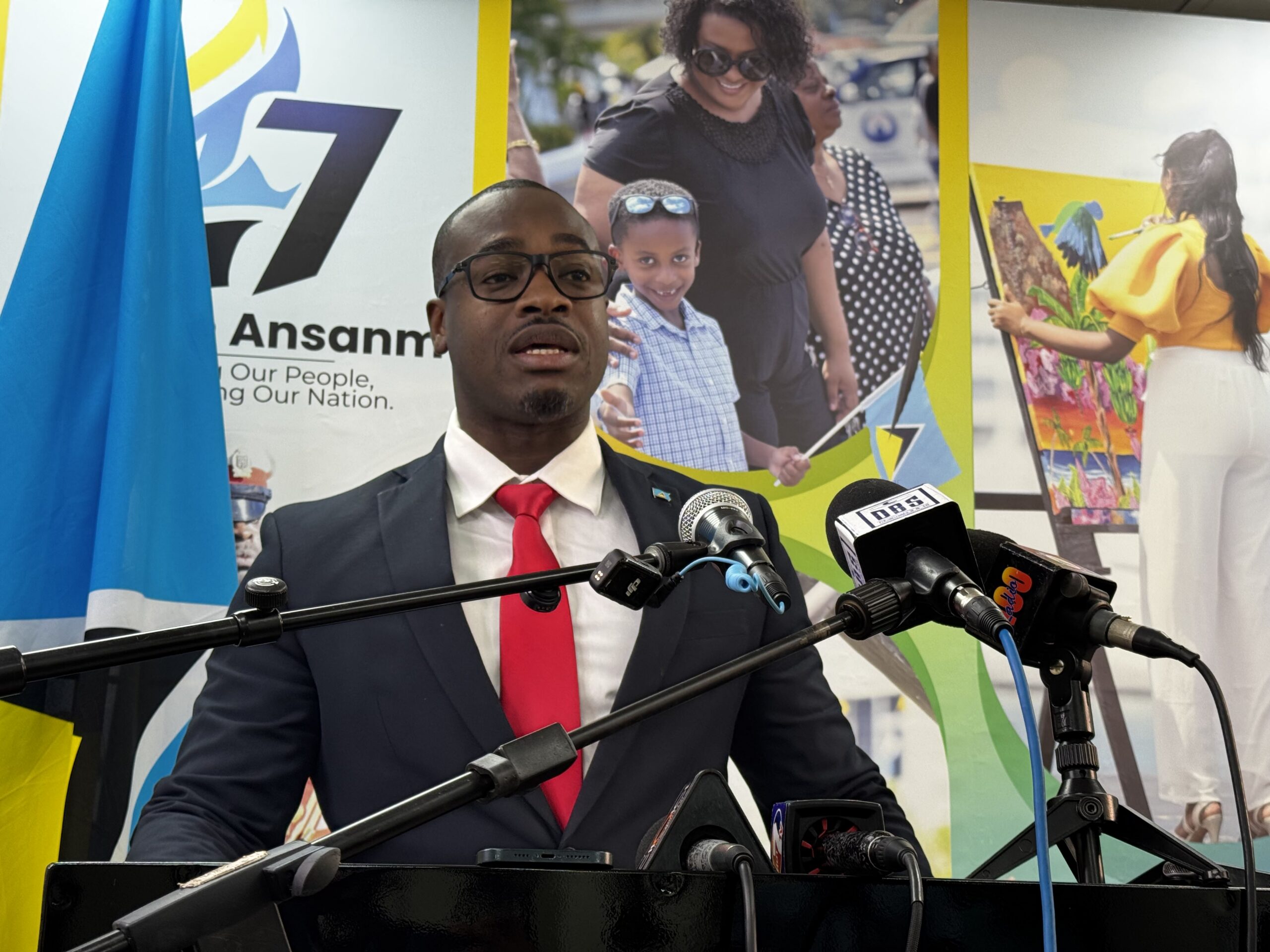
    CASTRIES, Saint Lucia – The government of Saint Lucia is moving forward with two landmark policy changes aimed at advancing equity in education and supporting low-wage education workers, announced by Education Minister Kenson Casimir this Wednesday. Speaking during the debate over the national Appropriation Bill in the country’s House of Assembly, Casimir outlined details of the two progressive initiatives set to roll out in the coming term.

    The first reform centers on expanding the island nation’s period poverty relief program, which has already delivered free menstrual sanitary products to all secondary school students since its launch in the 2024/25 fiscal year. Moving forward, the initiative will extend coverage to primary school learners, with plans to eventually include students enrolled at Sir Arthur Lewis Community College, bringing free access to students across every academic level in the country.

    Officials designed the program from its inception to address two critical interconnected challenges: reducing the financial strain placed on low and middle-income households, and eliminating barriers to consistent school attendance for students who struggle to access affordable menstrual products. By expanding the program to cover all grade levels, policymakers aim to ensure no student is forced to miss class or manage menstrual hygiene in unsafe conditions due to cost barriers.

    In a second, separate announcement, Minister Casimir confirmed that for the first time in the country’s history, school cooks and janitorial staff will receive full pay during the annual August vacation period. To fund this commitment, the government has allocated $407,000 for cook salaries and an additional $558,000 for sanitation worker pay, bringing the total allocated funding to just under $1 million. This policy follows a similar step the current administration took in 2025, when it moved to guarantee full vacation salaries for temporary teachers, closing another gap in income support for education workers.

    Hundreds of school support staff across Saint Lucia previously went without any income during the six-week August break, as their contracts only covered active school terms. The new guarantee is expected to provide much-needed financial stability to these workers, many of whom rely on the monthly income to cover basic household needs.

  • Rawdon Turner Opens PARES Community Centre in Pares Village

    Rawdon Turner Opens PARES Community Centre in Pares Village

    On a recent milestone event for community advancement in St. Peter, Antigua and Barbuda Labour Party (ABLP) constituency candidate Rawdon Turner has unveiled the newly constructed Pares Village Community Centre, framing the facility as a core pillar of his campaign and policy agenda focused on investing in young people and long-term local growth.

    During the opening ceremony, Turner highlighted a touching, candid moment from the gathering to underscore the mission driving his work. Pointing to a young girl who stood beside him at the event, he remarked, “That smile beside me—that’s the future. That’s the reason behind every long day, every tough decision, every step forward.”

    Designed to meet the evolving needs of Pares Village residents, the new community centre is tailored to prioritize youth programming and inclusive local gatherings. It will offer a dedicated, accessible space for after-school activities, youth workshops, community events, and recreational opportunities that were previously limited for local families.

    Turner emphasized that his work representing the St. Peter constituency is rooted in delivering intergenerational benefit, rather than short-term political gains. “The true measure of leadership is not what we achieve for ourselves, but what we create for those who come after us,” he explained, framing the community centre as just one component of a broader vision for sustained local improvement.

    Closing his remarks, Turner reaffirmed his unwavering commitment to continuing development work across St. Peter, tying his mission back to the young people he aims to serve. “For her. For every child like her. I will keep working,” he said.

  • LETTER: Leadership Rooted In Service And Presence

    LETTER: Leadership Rooted In Service And Presence

    Across every sector of modern society, from local community organizations to national governments, the debate over what makes for truly effective leadership continues to divide observers and practitioners alike. In this contributed opinion piece, the author makes a clear, forceful case that the strongest, most enduring leadership is not built on personal ambition or hierarchical power—it is rooted in two non-negotiable pillars: a commitment to serving the public good and consistent, visible presence among the people a leader is elected or appointed to represent.

    Too often, the author notes, contemporary leaders prioritize photo opportunities over genuine engagement, and policy drafting behind closed doors over listening to the on-the-ground concerns of the constituents they serve. This disconnect, the piece argues, erodes public trust over time, leaving communities feeling disenfranchised and disillusioned with political and institutional leadership. When leaders remove themselves from daily interactions with the people they lead, they lose touch with the real-world impacts of their decisions, leading to policies that fail to address actual needs.

    By contrast, the author outlines how leadership that centers service as its core mission, and prioritizes regular, in-person (or accessible virtual) presence, creates lasting bonds of trust. Leaders who show up to community meetings, listen to opposing viewpoints without defensiveness, and prioritize collective benefit over personal political gain build stronger, more cohesive communities. This approach, the piece contends, does more than solve immediate problems—it reinforces the legitimacy of leadership institutions themselves for future generations.

    The letter concludes by calling on current and aspiring leaders at all levels to reorient their approach around these two foundational principles, arguing that this shift is the only sustainable path to reversing declining public trust and building more equitable, responsive governance.

  • OAS to Deploy Electoral Observation Mission to Antigua and Barbuda for 2026 General Elections

    OAS to Deploy Electoral Observation Mission to Antigua and Barbuda for 2026 General Elections

    As Antigua and Barbuda gears up for its 2026 General Elections on April 30, the Organization of American States (OAS) has finalized preparations to deploy its fifth independent Electoral Observation Mission (EOM) to the twin-island nation, scheduled to begin field work days ahead of polling day on April 23. This year’s international observation effort is being led by Maricarmen Plata, a former OAS Secretary for Access to Rights and Equity, and brings together 17 seasoned election experts and observers drawn from 11 different countries across the globe.

    Unlike broad, unfocused monitoring efforts, the 2026 mission has outlined clear priority areas for its assessment, centering on five core components of the electoral process. Observers will examine the operational efficiency of electoral organizing bodies, the security and functionality of digital and analog electoral technology systems, the independence and fairness of electoral judicial bodies, the transparency of political campaign financing, and barriers or enablers of equal political participation for women. These targeted focus areas are designed to deliver a nuanced, actionable assessment of the election’s integrity.

    In the week leading up to the April 30 vote, Plata and her full team will hold a series of consultations with a broad cross-section of national stakeholders to collect input from all sides of the political spectrum. These meetings will include sitting government officials, independent electoral commission leaders, representatives from all major and minor registered political parties, competing election candidates, and civil society and grassroots organization leaders. The goal of these pre-election discussions is to capture diverse perspectives on the pre-voting climate and identify potential points of concern before polls open.

    On Election Day itself, observers will be deployed to polling stations across the country to monitor every phase of the voting process, from the opening of polling locations in the early morning, through in-person and absentee voting activities, all the way to the final tabulation of results and their official transmission to national electoral authorities. This end-to-end monitoring allows the mission to spot irregularities or procedural issues that may arise on voting day.

    After the conclusion of the election, the OAS EOM will publish a public First Report that lays out all of its on-the-ground observations and includes targeted recommendations to strengthen Antigua and Barbuda’s democratic institutions and electoral frameworks moving forward. The entire deployment of the mission is made possible through financial contributions from a coalition of international donors, including the governments of Colombia, the Dominican Republic, Peru, South Korea, and the United States.

  • Political Parties Told to Clear Campaign Material From Polling Areas Ahead of Vote

    Political Parties Told to Clear Campaign Material From Polling Areas Ahead of Vote

    As the Caribbean nation of Antigua and Barbuda counts down to its April 30 general election, the top official of the country’s independent electoral body has laid out critical pre-voting requirements for political parties and voters alike, as organizers ramp up efforts to deliver a free, fair and credible democratic process.

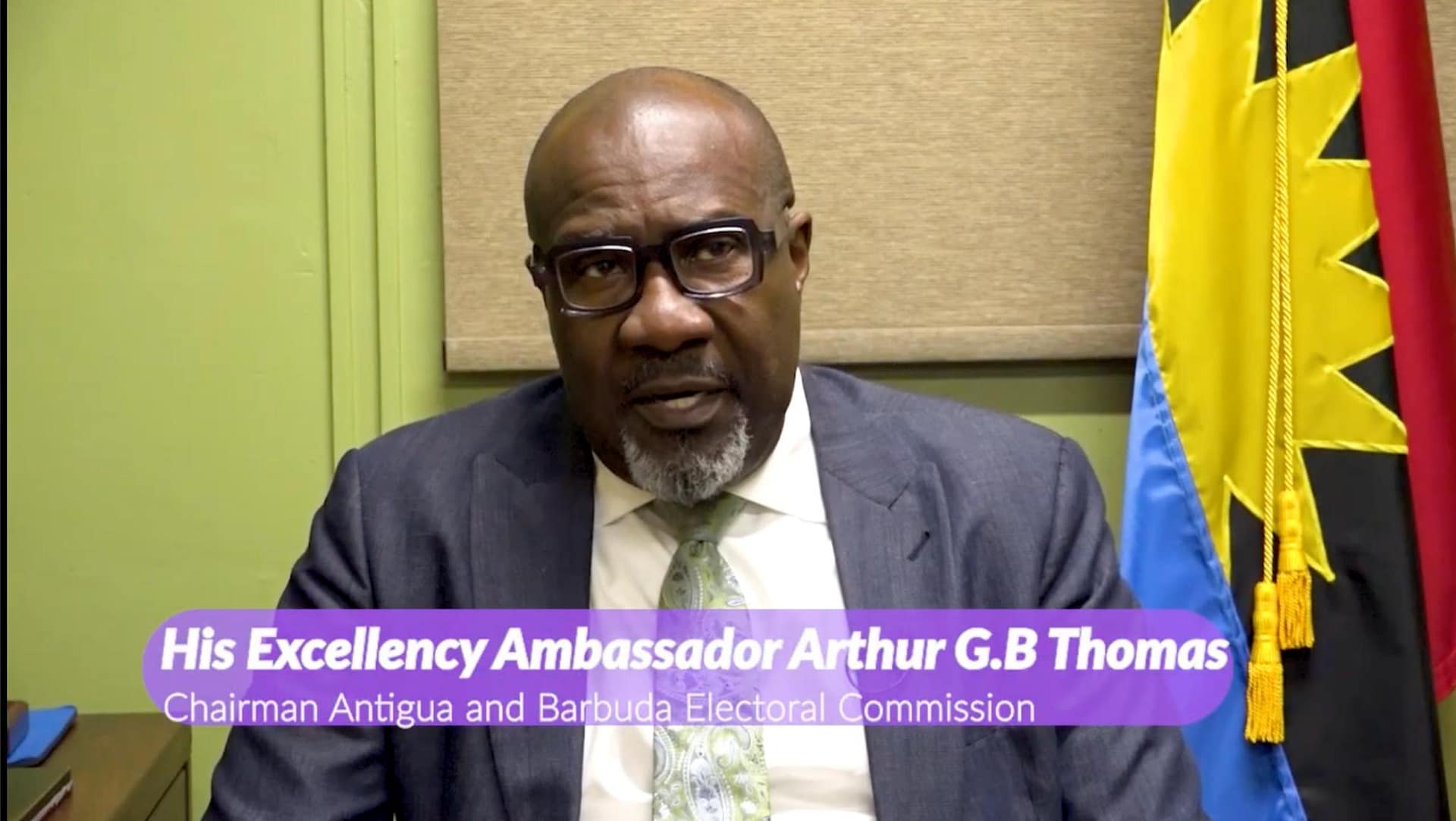
    Arthur Thomas, chairman of the Antigua and Barbuda Electoral Commission, used a recent national address to issue a formal order requiring all political parties to clear all campaign materials from every polling division ahead of Election Day. Thomas emphasized that voting spaces must remain strictly neutral environments, completely free from any form of undue voter influence that could undermine the integrity of the ballot.

    “I also take this opportunity to remind all political parties of their legal and civic obligations to remove political paraphernalia from polling divisions ahead of Election Day,” Thomas stated in the address. “The polling environment must remain neutral, orderly and free from undue influence.”

    This directive comes as the Electoral Commission enters the final stretch of preparations for the high-stakes national vote, with administrative officials working around the clock to resolve logistical details and lay the groundwork for a smooth, transparent voting process. Beyond requirements for political groups, Thomas also issued a urgent reminder to eligible voters: only citizens with a valid voter identification card will be allowed to cast a ballot, and anyone who has not yet replaced their outdated ID must complete the process immediately.

    “If you have not yet replaced your voter’s ID card, you must do so immediately,” Thomas said. “Let me be clear: No elector can be permitted to vote without a valid voter identification card.”

    To support voters in meeting this requirement, the commission has already implemented a series of accessibility adjustments: extended operating hours for ID service centers, additional trained staff to process applications, and extra resources deployed across the country to speed up the replacement workflow. Despite these accommodations, Thomas stressed that the onus now falls on individual voters to take prompt action to avoid being turned away from the polls on April 30.

    In addition to addressing logistical preparations, the commission chairman made a public appeal to all citizens to maintain peaceful, orderly conduct throughout Election Day. He called on voters to respect election officials, on-site security personnel, and fellow citizens who support opposing political parties, framing these basic standards of conduct as non-negotiable for a trusted election outcome.

    “Order, compliance and mutual respect are not optional. They are essential to the credibility of the outcome,” Thomas noted.

    Framing free, competitive elections as the foundational cornerstone of any healthy democracy, Thomas urged all eligible Antigua and Barbudan citizens to participate in the electoral process “responsibly, peacefully and lawfully.” He closed by noting that upholding the country’s longstanding democratic traditions is a collective responsibility that falls on every participant, from political party leaders to ordinary voting citizens.

  • ABEC’s Chairman Pre-Election Day Address

    ABEC’s Chairman Pre-Election Day Address

    In the lead-up to the highly anticipated April 30 general election in Antigua and Barbuda, the chairman of the country’s Electoral Commission has issued a critical, time-sensitive warning to all registered voters: anyone without a valid, updated voter identification card will be barred from casting a ballot on polling day.

    Speaking in a national address from St. John’s, the commission head delivered a firm message to the electorate, emphasizing that there will be no exceptions to the new identification rule. “If you have not yet replaced your voter’s ID card, you must do so immediately,” he stated, reinforcing that “No elector can be permitted to vote without a valid voter identification card.”

    To help voters meet this mandatory requirement, the Electoral Commission has already implemented a series of adaptive measures to streamline the ID replacement process. Operating hours for commission offices have been extended across the country, additional trained staff have been brought on to handle increased demand, and extra resources have been deployed to local processing centers to cut down on wait times. Even with these institutional adjustments, however, the chairman stressed that the onus now falls on individual voters to take action and complete their ID updates well before election day.

    Beyond the identification mandate, the commission leader also outlined key expectations for all participants in the electoral process, calling for disciplined, peaceful conduct across the board. He emphasized that meaningful democratic participation goes hand in hand with respect for the rule of law and fellow stakeholders, outlining four core pillars of respectful engagement: “Respect the electoral process and its rules. Respect opposing political parties and their supporters. Respect the election officials … and respect the security personnel.” The chairman made clear that order, compliance, and mutual respect are not optional suggestions, but non-negotiable requirements for the poll.

    In a specific directive to competing political parties, he reminded campaign teams of their legal obligation to remove all campaign materials, posters, and promotional paraphernalia from all polling divisions before voting opens. The chairman noted that strict neutrality is a foundational requirement for polling stations, and all efforts must be made to keep voting areas free from any form of undue influence on voters.

    Framing free and fair general elections as the cornerstone of Antigua and Barbuda’s democratic system, the chairman closed his address by urging all eligible citizens to honor the country’s long-standing democratic traditions by preparing to cast their votes in a responsible, peaceful, and lawful manner on April 30.