The Caribbean Community (CARICOM) has lauded Saint Vincent and the Grenadines for its exemplary leadership and steadfast commitment to regional unity as the nation commemorates its 46th Independence anniversary on October 27. In a formal statement, CARICOM Secretary-General Dr. Carla Barnett extended her congratulations to Prime Minister Ralph Gonsalves, highlighting the country’s recent milestone in fully implementing the free movement regime alongside three other CARICOM member states. This achievement underscores Saint Vincent and the Grenadines’ enduring dedication to regional integration. Dr. Barnett also commended the nation’s proactive role in enhancing intra-regional connectivity, particularly as the lead Head of Government for Transport within the CARICOM Quasi-Cabinet, overseeing both maritime and aviation sectors. In her message, Dr. Barnett emphasized the significance of the anniversary theme, “Celebrating Our Identity, Inspiring Our Future,” which encourages reflection on unity and national pride while fostering continued development. CARICOM expressed its best wishes for the nation’s ongoing growth and prosperity, acknowledging its invaluable contributions to the regional community.
分类: politics
-
Immigration Department Rejects Social Media Claims about engagement with DR Community
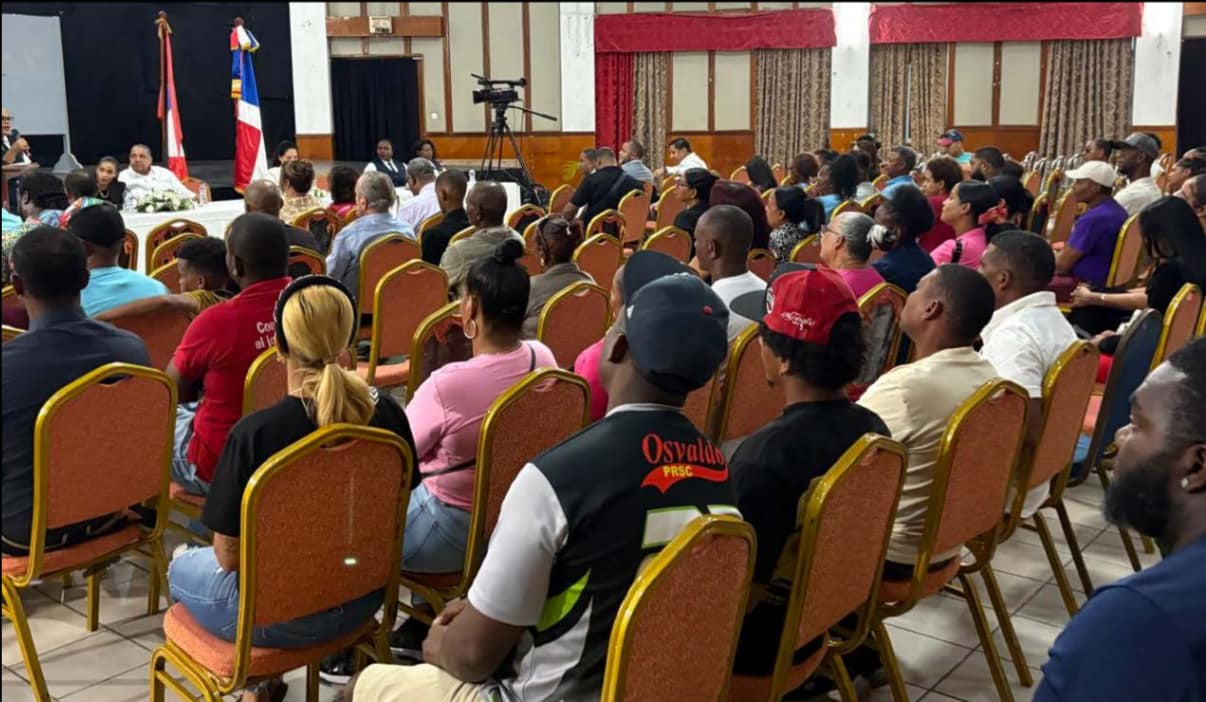
A significant diplomatic gathering in Antigua and Barbuda saw the participation of prominent officials, including Acting Prime Minister Sir Steadroy Benjamin, Dominican Republic Ambassador Yolanda Alexandra Victoria, and Consul General Joaquín Díaz López. The event, which also featured Chief Immigration Officer Katrina Yearwood and other senior figures, was marked by heightened security protocols. Authorities emphasized that these measures aligned with international standards, ensuring the safety of all attendees. Contrary to circulating claims, the department clarified that no discomfort was caused by security checkpoints, nor were attendees required to present passports for entry. All procedures were reportedly executed with uniformity and professionalism. Representatives from the Dominican Republic, who also spoke at the event, raised no complaints regarding the arrangements. The gathering underscored the importance of robust security practices in hosting high-profile diplomatic engagements.
-
Making change and shaping our future
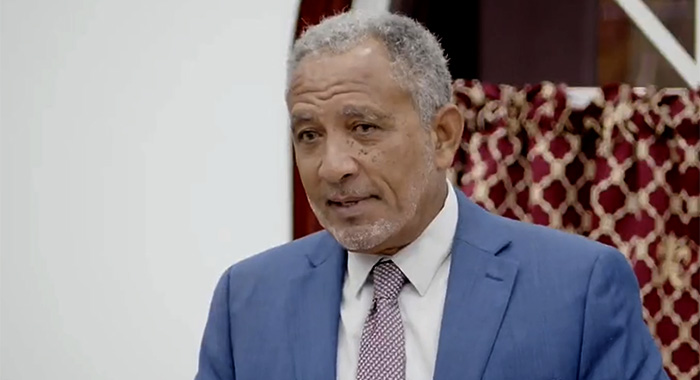
In his 46th Independence Day address, Dr. the Hon Godwin Friday, Leader of the Opposition, emphasized the importance of gratitude, unity, and collective action in addressing the nation’s challenges. He began by acknowledging the divine grace that has sustained the country through the years and expressed appreciation for the global support that has bolstered national development. Dr. Friday highlighted the sacrifices of citizens, both celebrated and unsung, who have contributed to the nation’s sovereignty and progress. He urged the public to draw inspiration from their dedication and strive for a brighter future.
Dr. Friday addressed pressing issues such as rising living costs, unemployment, inadequate infrastructure, and a struggling healthcare system. He expressed deep concern over the surge in violent crime and the lack of protection for vulnerable groups, particularly women and girls. The Opposition Leader criticized the neglect of law enforcement, citing poor training and working conditions as factors undermining their effectiveness.
Despite these challenges, Dr. Friday remained optimistic, calling for unity and active participation in the democratic process. He emphasized the upcoming general elections as a pivotal opportunity to demand change and hold the government accountable. Dr. Friday urged citizens to reflect on the nation’s progress, evaluate whether the promises of independence have been fulfilled, and make informed decisions at the polls.
Concluding his address, Dr. Friday extended Independence Day wishes and invoked divine blessings for the nation. He encouraged citizens to take responsibility for shaping the country’s future, ensuring a better life for current and future generations.
-
Venezuela veroordeelt ‘militaire provocatie’ door CIA en Trinidad; waarschuwing voor escalatie
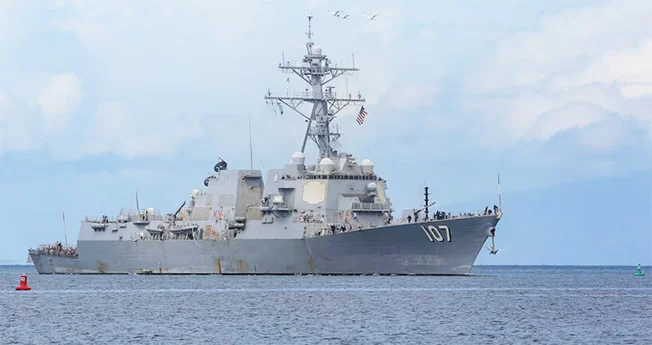
The arrival of the USS Gravely in Port of Spain on Sunday for a joint military exercise with Trinidad has sparked intense criticism from the Venezuelan government, which labeled the move as a ‘military provocation’ orchestrated by the CIA in collaboration with Trinidad and Tobago. Caracas alleges that these activities aim to destabilize Venezuela, particularly near the disputed Essequibo region, and represent an act of ‘imperial interference.’ This accusation has raised international concerns, with Barbados Prime Minister Mia Amor Mottley expressing alarm over escalating military tensions in the Caribbean. Mottley emphasized the need to avoid geopolitical power struggles in the region and called for immediate diplomatic coordination within the Caribbean Community (Caricom).
Surinamese President Jennifer Simons echoed these sentiments during a recent press conference, reiterating that South America and the Caribbean must remain a war-free zone. Simons highlighted Suriname’s commitment to peaceful dialogue, multilateral cooperation, and adherence to international law, warning that military escalation is never a viable solution. The heightened tensions surrounding Venezuela, coupled with the long-standing territorial dispute with Guyana and the growing geopolitical presence of major powers in the region, have prompted Caribbean leaders to advocate for urgent diplomatic discussions. They are urging a unified Caricom approach focused on peace, security, and regional stability.
-
Dominican Trade Union calls on government to support ending U.S. blockade of Cuba
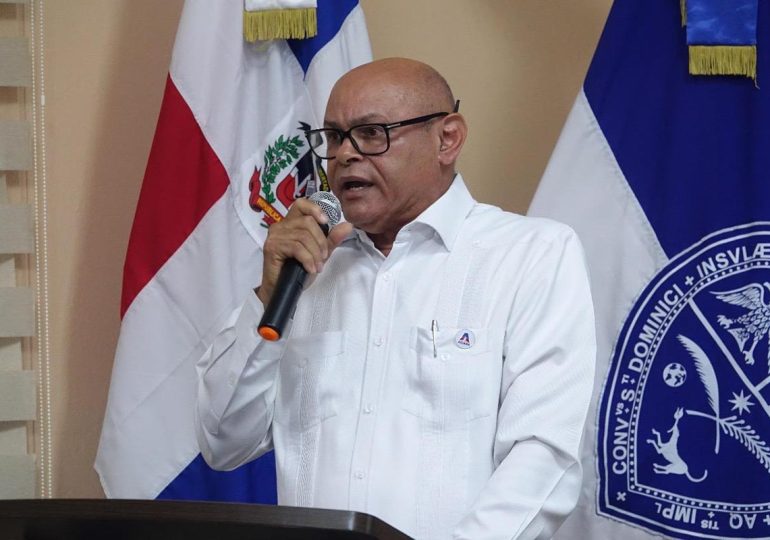
In Santo Domingo, the Unión Clasista de Trabajadores (Classist Union of Workers) has issued a compelling appeal to President Luis Abinader, urging him to reaffirm the Dominican Republic’s stance against the longstanding U.S. economic, commercial, and financial blockade on Cuba. This embargo, in effect since 1962, has been widely criticized as a violation of the United Nations Charter. Juan Núñez, the union’s Secretary General, highlighted the severe repercussions of the blockade, which has inflicted profound hardships on the Cuban population for over six decades. The restrictions have severely limited access to essential goods such as medicines, food, medical equipment, raw materials, and machinery, while also crippling international trade and hindering sustainable development. The union expressed unwavering solidarity with Cuban workers, citizens, and their government in their ongoing struggle to lift the blockade. Furthermore, they called on the Dominican government to uphold its support for Cuba, aligning its actions with both the Dominican Constitution and the principles enshrined in the UN Charter.
-
Dominican Republic partners with Ghana to improve prison system
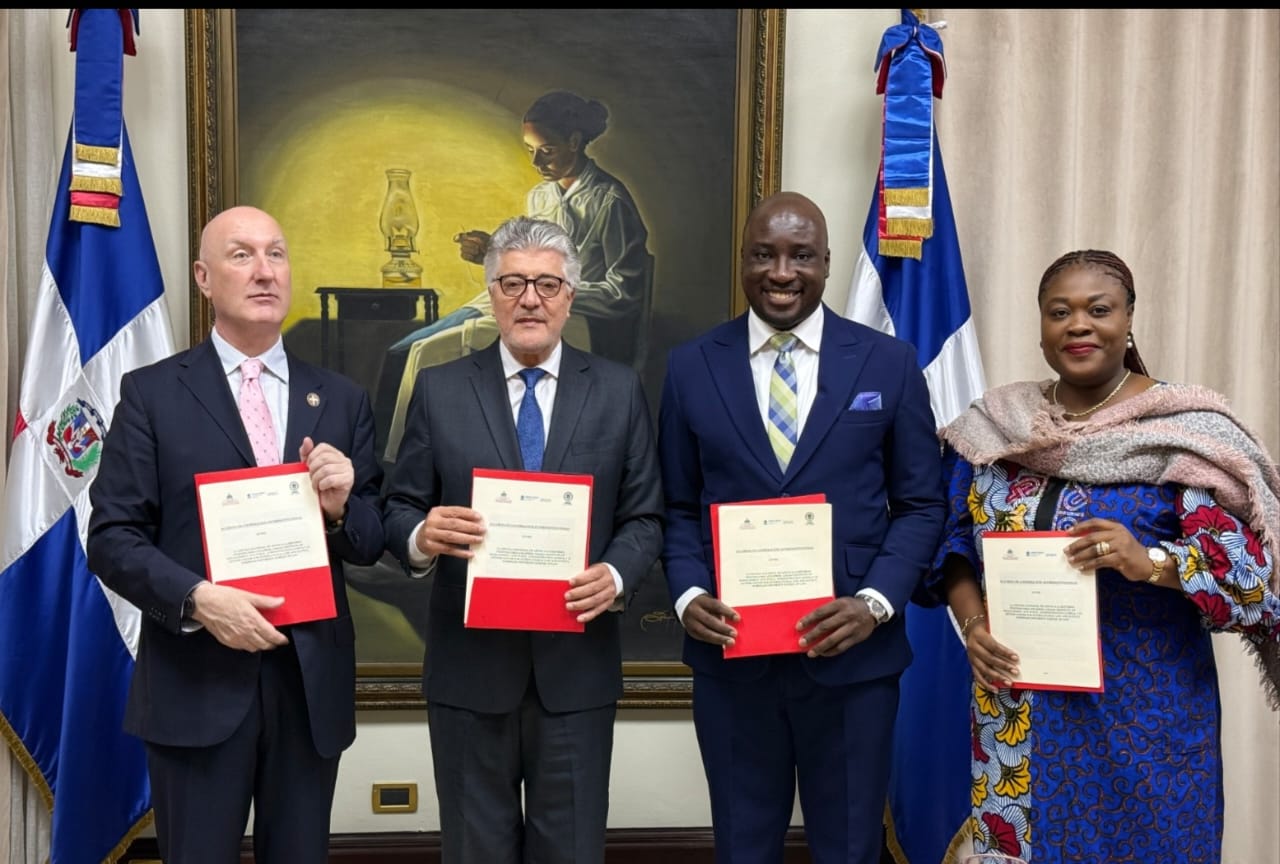
In a significant step toward enhancing its penitentiary system, the Dominican Republic has entered into a groundbreaking international cooperation agreement with the Ghana Institute of Management and Public Administration (GIMPA) and Fordham University’s Leitner Center for International Law and Justice. The pact, formalized at the National Palace’s Los Trinitarios Hall, aims to drive prison reform, bolster human rights, and strengthen legal and technical training within the country. The agreement was signed by key figures including Roberto Santana, Presidential Advisor on Penitentiary Services; Dr. Kwaku Agyeman-Budu, Dean of GIMPA’s School of Law; and Paolo Galizzi from Fordham University. The event also saw the presence of Dr. Diana Asonabo Dapaah, former Deputy Minister of Justice of Ghana. Coordinated through the National Office for Support to Penitentiary Reform (ONAPREP), the collaboration will focus on joint research, academic exchanges, and specialized training for prison personnel. It also seeks to draw inspiration from Ghana’s remarkable success in reducing pretrial detention rates from 68% to below 15% within three years. Furthermore, the partnership will organize an International Conference on Human Rights, the Penitentiary System, Global Challenges, and Good Practices, bringing together global experts to share insights and foster sustainable justice reforms. The three-year agreement, with provisions for automatic renewal, will be managed by an Interinstitutional Coordination Committee, with Dr. Juan Dionicio Rodríguez representing the Dominican Republic.
-
OPINION: Nuts and bolts of Caricom ‘free movement’ for Saint Lucia in the future (Part 2)
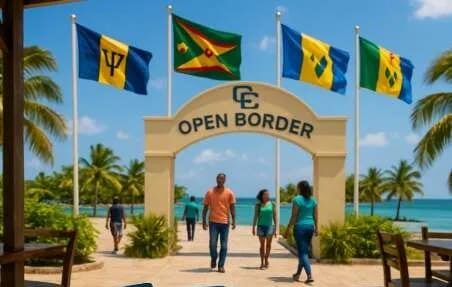
Saint Lucia’s economic and societal development could be significantly accelerated by embracing freedom of movement, a policy that not only allows individuals to relocate but also to contribute meaningfully to the local economy. These individuals would pay taxes, contribute to national insurance, participate in the local economy through shopping and dining, fill labor gaps, and bring valuable educational and vocational expertise. However, freedom of movement is a reciprocal arrangement; Saint Lucians would also gain the right to move freely, improving their quality of life abroad while stimulating economic activity and enriching the social fabric of host countries.
Under CARICOM law, Article 7 prohibits discrimination based on nationality, and Article 8 bars any member state from receiving more favorable treatment than another. The Caribbean Court of Justice (CCJ) ruling in Maurice Tomlinson v. Trinidad and Tobago and Belize further clarifies that domestic legislation conflicting with regional integration law does not constitute a breach unless the state’s practices are incompatible. This means Saint Lucia’s actions at ports of entry and within the country must align with treaty obligations.
Article 46, which grants the right to seek employment, could help address the skills gap that public officials have long lamented. However, it could also increase competition for jobs currently held by Saint Lucians. To manage this, a comprehensive dialogue is needed on how to manage competition for scarce jobs while creating pathways for upskilling, cross-migration, and employment in emerging sectors. A radical expansion of tertiary education and skills training is essential to ensure Saint Lucians remain competitive in both regional and global markets.
Policy guardrails must also be considered. Local content policies in Trinidad and Tobago and Guyana raise questions about non-discrimination and most-favored nation treatment. Differentiation must be based on qualifications, expertise, and experience rather than nationality. Upskilling the local population is the best defense against perceived intrusion.
Logistical and transportation issues must be addressed to make air and sea travel across the region more affordable, accessible, reliable, and user-friendly. This would unlock the full benefits of freedom of movement. Additionally, the Revised Treaty of Chaguaramas (RTC) anticipates a future where passports are no longer the sole means of verifying identity within the Caribbean community. Other forms of identification, such as synchronized driver’s licenses, should also be considered.
Addressing myths and misconceptions is crucial. Data from the OECS shows that even with full freedom of movement, migration remains moderate and manageable. People tend to move where skill gaps exist, not indiscriminately. Job security and public services remain intact, and managed migration will continue to exclude those who pose genuine threats.
Caribbean history is a history of migration, and the richness of Saint Lucian experience has long been shaped by the intermingling of skills, talents, and perspectives from across the region. Fear-mongering around this policy is unwarranted. Saint Lucia stands to gain from the infusion of new skillsets, economic, and social capital, and educational and vocational expertise, all of which can strengthen both the country and the wider Caribbean. However, there remains an urgent need to root this vision in the minds, hearts, and souls of the people through consultation, education, and meaningful engagement.
-
Leaders urged to serve with humility and faith
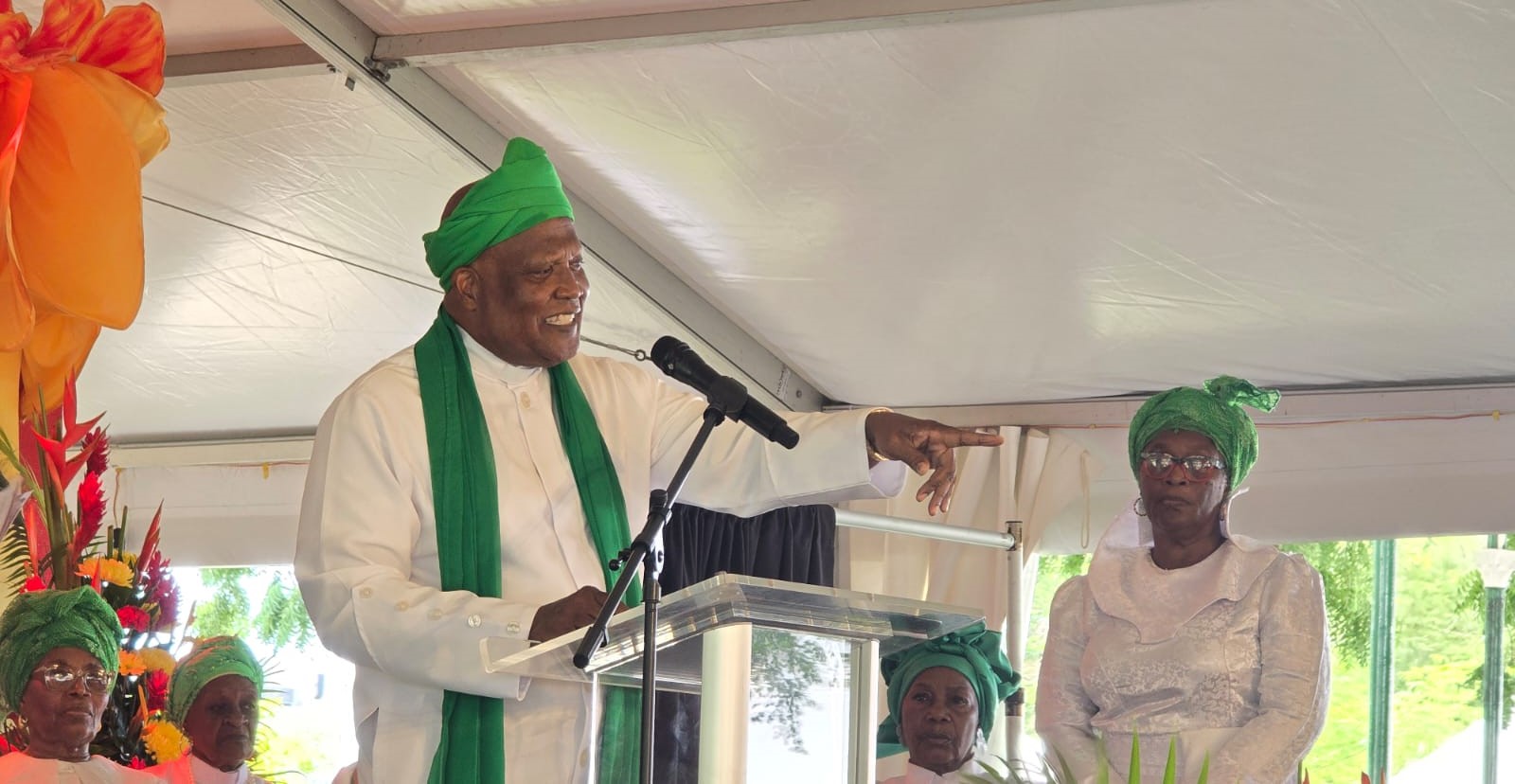
At the 85th Barbados Labour Party (BLP) Annual Conference held at Queen’s Park on Sunday, Bishop Marlon Jones delivered a powerful sermon emphasizing the sacred nature of leadership and the importance of humility, sincerity, and compassion in public service. Addressing party members and delegates, Bishop Jones underscored that leadership is not a pursuit of personal gain but a divine calling rooted in service to the nation. He reflected on the BLP’s 87-year history, reminding attendees of the party’s enduring commitment to care and service. ‘You have a calling; the calling is for labour to serve,’ he declared, urging members to uphold the mandate of their predecessors. The bishop highlighted that responsibility extends beyond top leaders to every individual within the organization, emphasizing unity and collective effort. He likened public service to standing ‘on the battlefields of life,’ where criticism and sacrifice are inevitable. ‘When you enter the public arena, you expose yourself, but you cannot turn back,’ he cautioned. Bishop Jones also acknowledged the loneliness that can accompany leadership, encouraging leaders to draw strength from faith. ‘Lean upon God; sometimes you must stand alone, but God will not leave you,’ he advised. Concluding his sermon, he called for compassion across political and social divides, urging the congregation to support their leaders. He reminded all present that true greatness lies not in power but in serving others with humility and empathy.
-
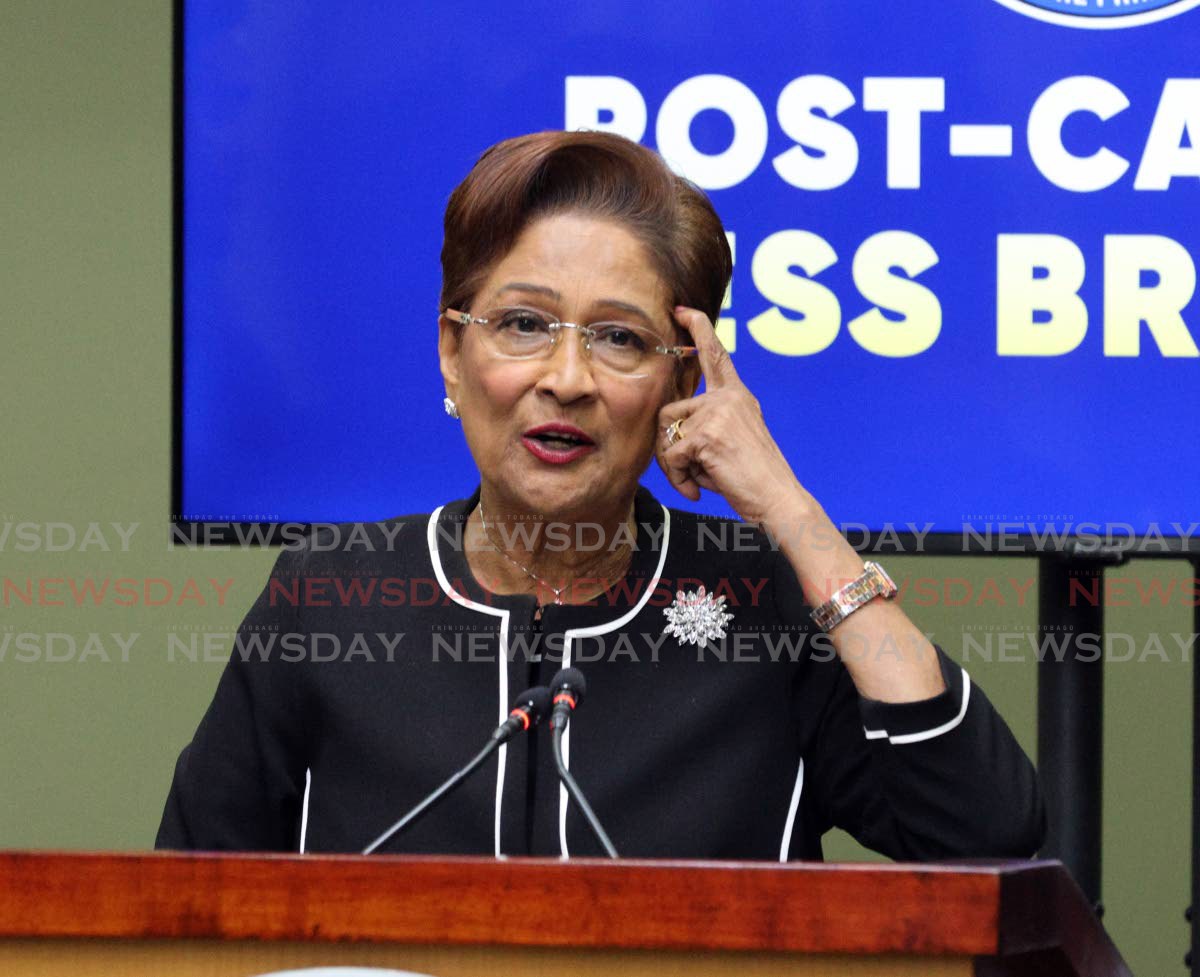
Prime Minister announces SoE extension on TV show
Prime Minister Kamla Persad-Bissessar of Trinidad and Tobago has revealed plans to extend the ongoing state of emergency (SoE), citing recommendations from the Commissioner of Police. The announcement was made during an interview on the prime-time TV programme Crime Watch, hosted by Ian Alleyne, on October 27. The current SoE, initially declared on July 18 and extended on July 28, is set to expire on October 28. A motion to prolong the SoE has been tabled in Parliament for debate on October 31, requiring a three-fifths majority in both the House of Representatives and the Senate for approval. The SoE was originally implemented in response to the alleged emergence of a dangerous criminal network targeting senior government officials and national institutions. Under the SoE, the Trinidad and Tobago Police Service and Defence Force have been granted enhanced powers, including the authority to arrest suspects, conduct searches, and detain individuals without bail. Additionally, several high-security prisoners have been relocated to military bases. The Prime Minister has not specified the duration of the proposed extension, but constitutional provisions limit further extensions to three-month increments, necessitating support from independent senators for a three-fifths majority.
-
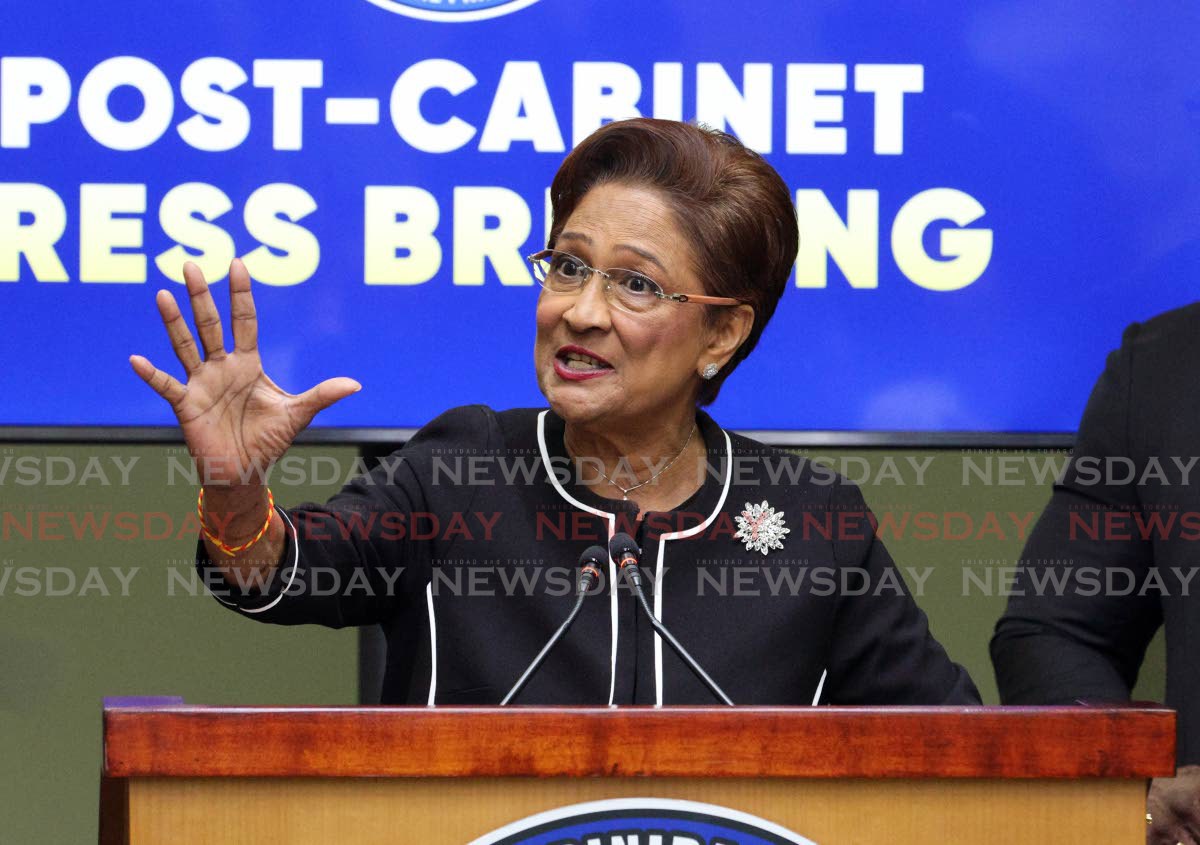
Kamla: Caricom chose Venezuela over Trinidad and Tobago, not a reliable partner
In a recent appearance on the Crime Watch television show hosted by Ian Alleyne on October 27, Trinidad and Tobago’s Prime Minister Kamla Persad-Bissessar expressed her dissatisfaction with Caricom, labeling it as an unreliable partner. She accused the regional organization of siding with Venezuela over its own member state, Trinidad and Tobago. Her remarks came shortly after Venezuelan Vice President Delcy Rodriguez announced that Venezuela would not collaborate with Trinidad and Tobago on any energy projects. Rodriguez had previously criticized Trinidad and Tobago for what she described as an act of aggression—the docking of the US destroyer USS Gravely at the Port of Spain. The vessel is part of a US anti-narcotics fleet currently stationed in the Southern Caribbean, which some analysts speculate could be aimed at influencing regime change in Venezuela. Persad-Bissessar countered by asserting that Trinidad and Tobago does not depend on Venezuelan gas, highlighting alternative projects in both energy and non-energy sectors. Additionally, she announced that the House of Representatives would convene on October 31 to vote on extending the current state of emergency (SoE), initially declared on July 18 and extended on July 28 for three months. The SoE was prompted by allegations of criminal gangs plotting to overthrow the government. Meanwhile, former Foreign Affairs Minister Dr. Amery Browne criticized Persad-Bissessar, accusing her of isolating Trinidad and Tobago from Caricom and rejecting the concept of a zone of peace. Browne emphasized the importance of unity within Caricom, stating, ‘The truth about TT and Caricom is that we are always stronger together.’