
In a significant address this Tuesday, Army General Raúl Castro Ruz, a pivotal figure in the Cuban Revolution, conveyed a message to the National Defense Council. Castro highlighted his ongoing oversight of the measures implemented to counteract the impacts of Hurricane Melissa. He expressed his approval of the Council’s diligent efforts and the high level of preparedness achieved. Castro stressed the importance of sustained vigilance and strict discipline during both the hurricane and the subsequent recovery period. Furthermore, he voiced his unwavering belief in the nation’s ability to triumph over this latest challenge, reinforcing his confidence in the resilience and unity of the Cuban people.
分类: politics
-
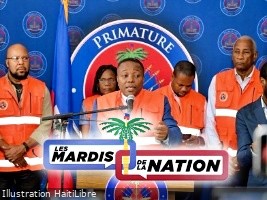
Politic : The Government mobilized in response to Hurricane Melissa
In a proactive response to the impending threat of Hurricane Melissa, the Haitian government has launched a comprehensive emergency plan to safeguard its citizens. On October 28, 2025, the National Emergency Operations Center (COUN) convened a press conference during the 27th annual ‘Tuesdays of the Nation’ event to disseminate critical safety guidelines, particularly targeting residents in the vulnerable Southern Peninsula region. Hurricane Melissa, classified as a Category 5 storm, is advancing at 15 km/h, with wind gusts peaking at 295 km/h and projected rainfall exceeding 42 cm. These severe conditions pose significant risks of flooding, landslides, and river overflow. Under the leadership of Prime Minister Alix Didier Fils-Aimé, the National Committee for Risk and Disaster Management (CNGRD) has implemented urgent measures to mitigate the storm’s impact. The government has activated the Emergency Relief Fund (ERF) in affected areas, established operational reception centers, pre-positioned hygiene and food supplies, and initiated cash transfers via mobile money accounts to assist vulnerable families. A coordinated effort involving multiple ministries—Public Works, Transport and Communications, Economy and Finance, Social Affairs and Labor, Environment, Agriculture, and Public Health—is underway to minimize casualties and property damage.
-
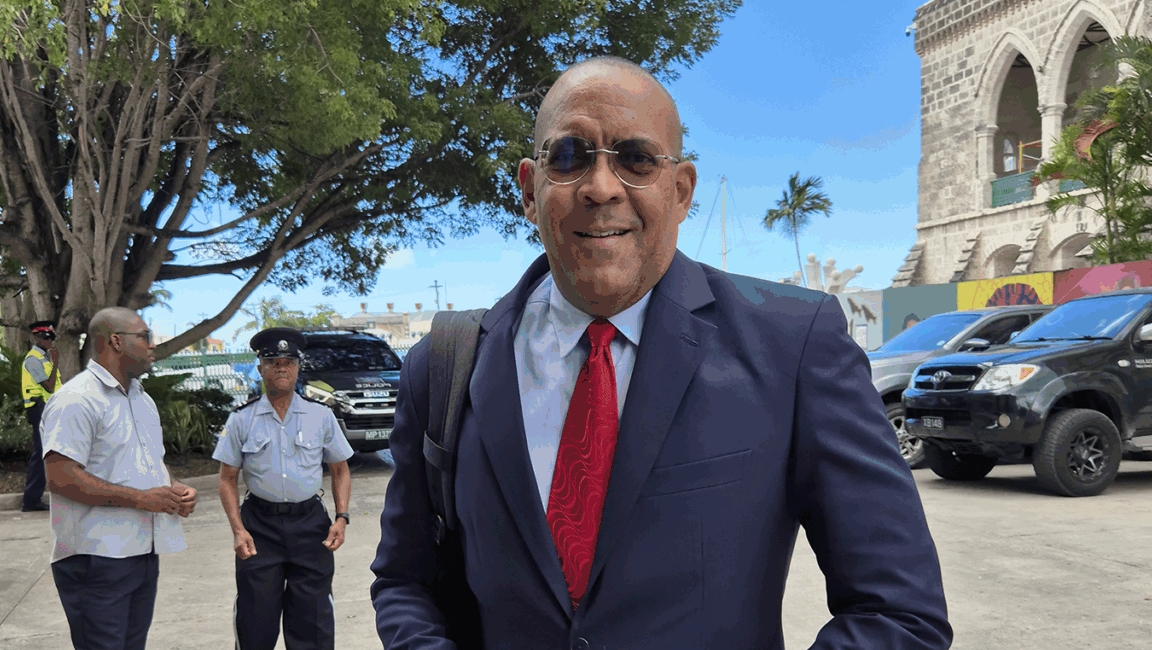
Symmonds: Accelerate shift from fossil fuels amid rising regional tensions
Barbados’ Minister of Foreign Affairs and Foreign Trade, Kerrie Symmonds, has emphasized the urgent need for the nation to expedite its transition away from fossil fuels, citing escalating geopolitical tensions in the southern Caribbean as a critical driver. Speaking during a parliamentary debate on the Barbados National Energy Company (Transfer and Vesting of Assets) Bill, Symmonds highlighted the potential catastrophic consequences of conflicts in the region, particularly between Venezuela and the United States. He warned that any military escalation could disrupt energy supply routes and destabilize the Petrocaribe agreement, which has historically provided Caribbean nations with oil on favorable terms. Symmonds stressed that Barbados must take control of its energy future to mitigate the risks posed by volatile global oil prices and geopolitical instability. He referenced recent Central Bank data, noting that fuel import costs had fluctuated dramatically, from $538.5 million in the first half of 2024 to $262.5 million in the same period of 2025. Such unpredictability, he argued, underscores the necessity of reducing reliance on fossil fuels. The minister outlined the government’s broader strategy to consolidate national energy assets, streamline investments, and accelerate the adoption of renewable technologies. This includes transitioning the island’s 110,000 privately owned vehicles and public transport systems to electric and hybrid models. Symmonds highlighted progress in the public transport sector, with 89 electric buses now operational and 35 more on the way. He also emphasized the need for government support to help private operators transition to greener alternatives, including through concessionary financing. Symmonds concluded by asserting that Barbados must emancipate itself from the vulnerabilities of the international petroleum market to ensure a sustainable and secure energy future.
-
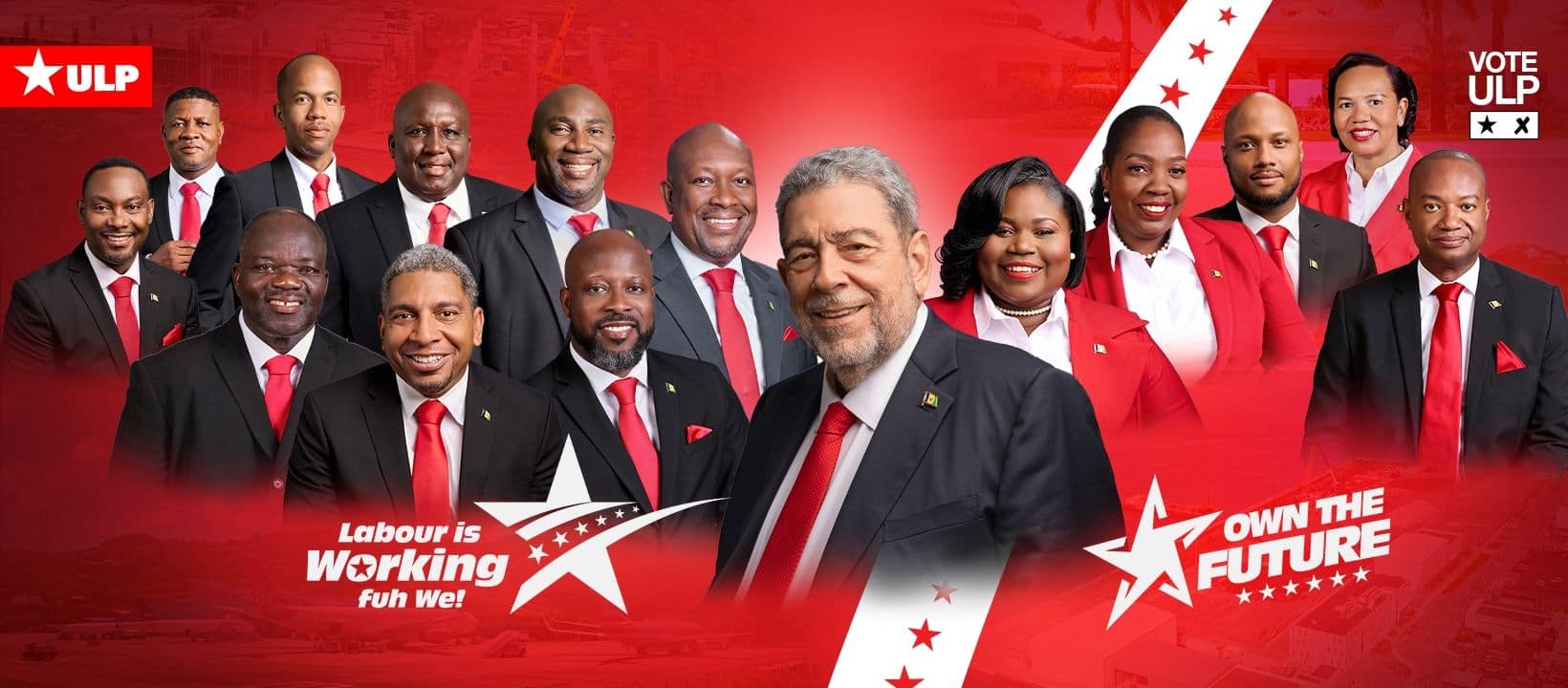
Gonsalves Sets November 27 Date for St. Vincent and the Grenadines General Election
Prime Minister Ralph Gonsalves has officially declared that the citizens of St. Vincent and the Grenadines will cast their votes on November 27 to determine the nation’s next government. The announcement was made during the Unity Labour Party’s (ULP) “Labour Strong Rally” held at Richmond Hill. Gonsalves confirmed that Parliament was dissolved on October 28, with Nomination Day scheduled for November 10. While the ULP’s five-year term officially concludes this month, the Constitution allows the current administration to remain in office until February 2026. This election marks a pivotal moment for the country as voters prepare to decide the future leadership and direction of their nation.
-
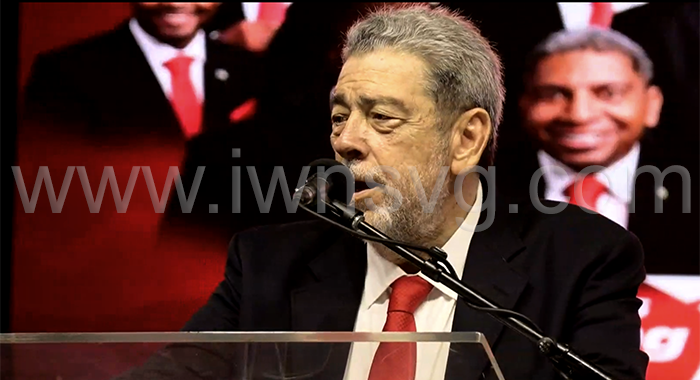
Gonsalves announces Nov. 27 general election
St. Vincent and the Grenadines is gearing up for a pivotal general election on November 27, as announced by Prime Minister Ralph Gonsalves during the Unity Labour Party’s (ULP) “Labour Strong Rally” at Richmond Hill. The 15-seat Parliament was dissolved on October 28, with Nomination Day scheduled for November 10. This election marks the second time Vincentians will vote in a November general election since universal adult suffrage was introduced in 1951. The ULP, led by Gonsalves, will remain in office for three weeks beyond its five-year term, although the Constitution permits the government to stay in power until February 2026 before calling an election. Gonsalves, who has been Prime Minister since 2001, has previously announced election dates at the Richmond Hill Playing Field in 2005 and 2015. The ULP has secured five consecutive terms, with the 2020 election resulting in a 9-6 majority, despite losing the popular vote for the first time since 1998. The opposition New Democratic Party (NDP), led by Godwin Friday, is making its second bid for power, focusing on everyday issues and promising to double public assistance payouts and reduce VAT. The election campaign has officially begun, with both parties vying for voter support. Gonsalves has pledged to transform St. Vincent and the Grenadines into a “first-world country of a special type” within 15 years, while the NDP emphasizes immediate improvements in public services and infrastructure. The election outcome will determine the country’s direction for the next five years and beyond.
-
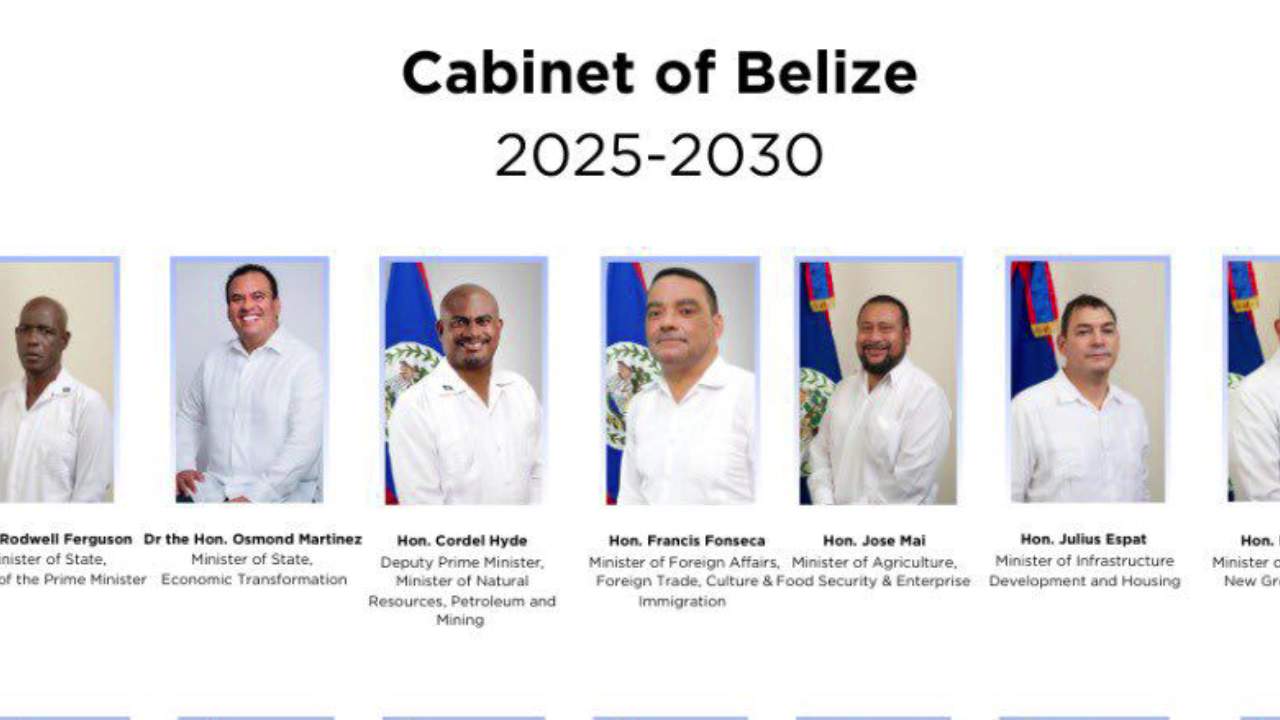
Five-year Milestone Sparks Talk of Cabinet Shake-up
As the Briceño administration in Belize approaches its five-year anniversary in November 2025, speculation about a potential Cabinet reshuffle has intensified. Prime Minister John Briceño, when questioned on Monday, neither confirmed nor denied the possibility, leaving room for conjecture. ‘You always contemplate that at all times,’ Briceño remarked, emphasizing the need for continuous improvement in governance. He highlighted the ongoing implementation of PLAN BELIZE 2.0, a strategic initiative aimed at national development. While Briceño acknowledged the possibility of changes, he stopped short of providing concrete details, stating, ‘Whether we’re going to have a reshuffle or not, that’s left to be seen.’ The administration’s focus remains on executing its policies effectively, but the milestone has sparked discussions about potential adjustments to the Cabinet lineup. This development comes amid growing public interest in the government’s performance and future direction.
-
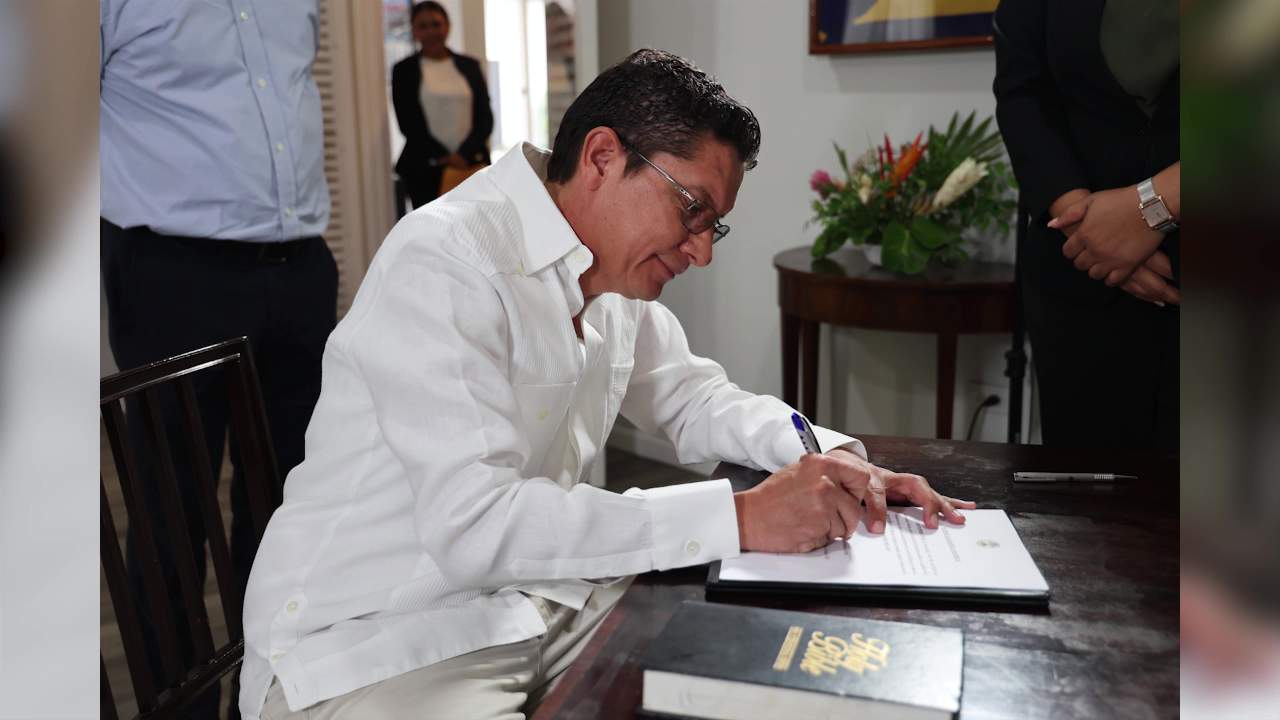
Chris Coye’s Exit Fuels Talk of Trouble in Briceno’s Second Term
In a significant development within Belize’s Ministry of Finance, Christopher Coye, a key ally of Prime Minister John Briceño, has announced his resignation as Minister of State. Coye, who has been a pivotal figure in the government since November 2020, is set to return to private legal practice. This move has ignited widespread speculation about its implications for the Briceño administration, particularly as it comes early in their second term. Prime Minister Briceño addressed the situation, emphasizing that Coye’s departure is a personal decision driven by professional obligations. Briceño assured the public that Coye would continue to support the government in an advisory capacity, ensuring the Ministry of Finance remains on track. The Prime Minister also hinted at forming a small team to oversee financial matters, maintaining the administration’s successful track record over the past five years. Despite these reassurances, the timing of Coye’s exit has raised questions about potential challenges within the administration.
-
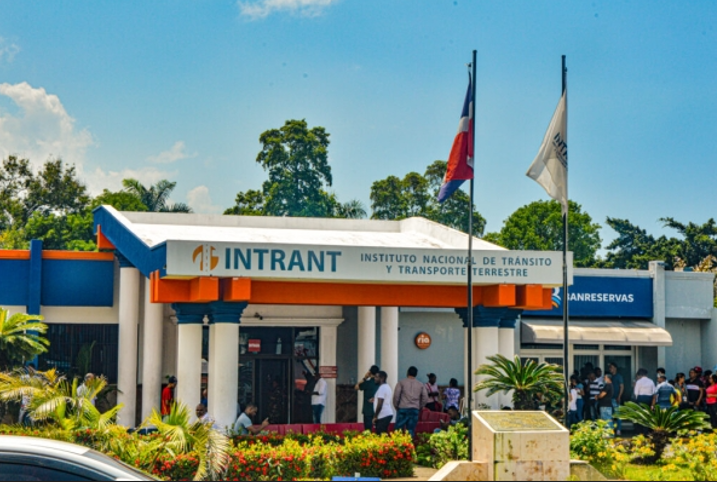
PEPCA uncovers alleged corruption in INTRANT’s RD$1.3 billion traffic light contract
The Specialized Prosecutor’s Office for the Prosecution of Administrative Corruption (PEPCA) has exposed a major corruption scandal involving a RD$1.3 billion contract for the modernization of Santo Domingo’s traffic light system. The contract, awarded by the National Institute of Transit and Land Transportation (INTRANT), is at the heart of the Operation Chameleon investigation. Prosecutors allege that the tender process, labeled INTRANT-CCC-LPN-2022-0003, was rigged from the outset to favor Transcore Latam SRL, a company reportedly controlled by José Ángel Gómez Canaán (Jochi Gómez) through a series of shell companies.
According to the indictment, the tender was specifically designed to benefit Transcore Latam, featuring inflated costs that were 1,053% higher than the project’s actual value and technical requirements that effectively barred competitors. Despite being established in 2021 with a mere RD$100,000 in capital and no prior experience in traffic systems, Transcore Latam secured INTRANT’s largest technology contract within a year. Prosecutors claim that documentation presented to the evaluation committee falsely indicated an affiliation with U.S.-based Transcore Holdings, Inc., a connection that does not exist.
PEPCA further alleges that INTRANT officials, including members of its Procurement and Contracting Committee, collaborated in the scheme under the direction of then-director Hugo Beras. Other bidders were reportedly disqualified for minor issues, ensuring Transcore Latam’s selection. Despite the substantial budget, the modernization project remains unfinished, with much of the equipment unused. Payments totaling RD$489 million by December 2024 were allegedly funneled to companies OML Inversiones SRL and Aurix SAS, both linked to Gómez Canaán.
Prosecutors have also connected the case to a cyberattack on Santo Domingo’s traffic light network in August 2024, which was traced to a server associated with Transcore Latam. The attack is believed to have been an attempt to erase digital evidence of the contract and financial transfers. While no charges have been filed for the sabotage, PEPCA considers it a crucial element of the ongoing investigation into the financial and technological scheme.
-
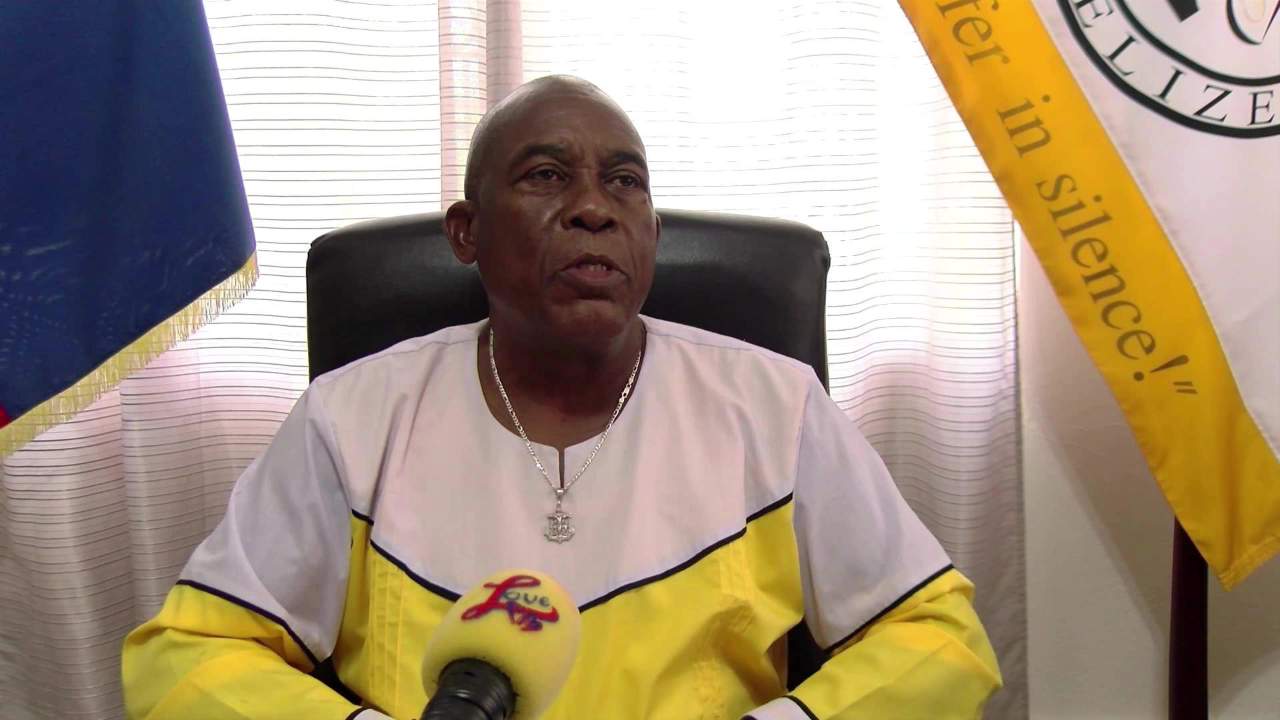
Prime Minister Questions Ombudsman’s Authority on FOIA Request
In a recent development surrounding a Freedom of Information Act (FOIA) request, Prime Minister John Briceño has cast doubt on the authority of the Office of the Ombudsman. The Ombudsman had previously directed the Attorney General to release information sought by social activist Jeremy Enriquez. However, during a press interaction on Monday, the Prime Minister refrained from confirming whether the Ombudsman possesses the legal mandate to issue such directives.
When questioned about the matter, Briceño stated, ‘I think that’s a question to ask the Attorney General, because I don’t know. I’m not a lawyer. I don’t know if the Ombudsman even has that authority, but that’s a matter for I don’t know, so I don’t want to, so don’t twist anything that I am saying.’
The Prime Minister’s comments have sparked debate over the extent of the Ombudsman’s powers and the broader implications for government transparency. While Briceño affirmed his general support for transparency, he emphasized that the responsibility for public accountability extends beyond his office. ‘As much as you do,’ he remarked to a reporter, adding, ‘But you do give a public good. So, you also have a responsibility.’
This incident highlights the ongoing tension between government institutions and the public’s right to access information, raising questions about the mechanisms in place to ensure accountability and openness in governance.
-
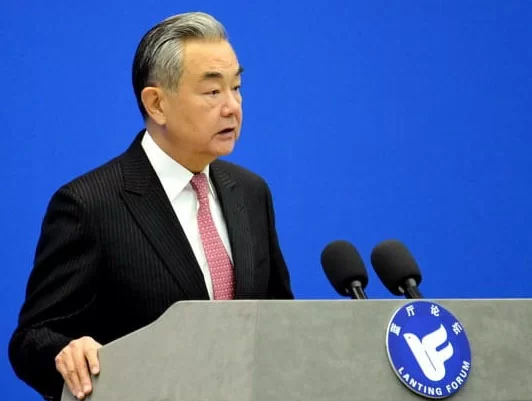
China pleit voor vrede en dialoog in Palestina en Oekraïne
At the 23rd Lanting Forum in Beijing, Chinese Foreign Minister Wang Yi reiterated China’s stance on the ongoing conflicts in Palestine and Ukraine, emphasizing the need for peace, dialogue, and international cooperation. Addressing the Middle East situation, Wang Yi welcomed the first-phase agreement regarding the Gaza conflict, which has helped alleviate the humanitarian crisis. However, he cautioned that regional peace remains fragile. China advocates for a sincere, comprehensive, and lasting ceasefire, stressing the importance of Palestinian self-governance and the pursuit of a two-state solution to ensure enduring peace and stability. Recently, China has expressed hope for a permanent and comprehensive ceasefire in Gaza to further improve the humanitarian situation and reduce regional tensions, underscoring its commitment to supporting Palestinian self-determination and promoting Middle Eastern stability. Regarding the Ukraine crisis, Wang Yi reaffirmed China’s objective and impartial position, highlighting its active support for peace negotiations and willingness to collaborate with the international community to advance peace efforts. In April 2025, China urged the involved parties in the Ukraine war to avoid irresponsible remarks after Ukrainian President Zelensky claimed that Chinese citizens were recruited by Russia to fight. China reiterated its neutral stance and dedication to a peaceful resolution of the conflict. Wang Yi emphasized the importance of maintaining a world of universal and shared security as a fundamental responsibility of the international community, calling for the avoidance of escalation and the pursuit of peaceful solutions to conflicts.