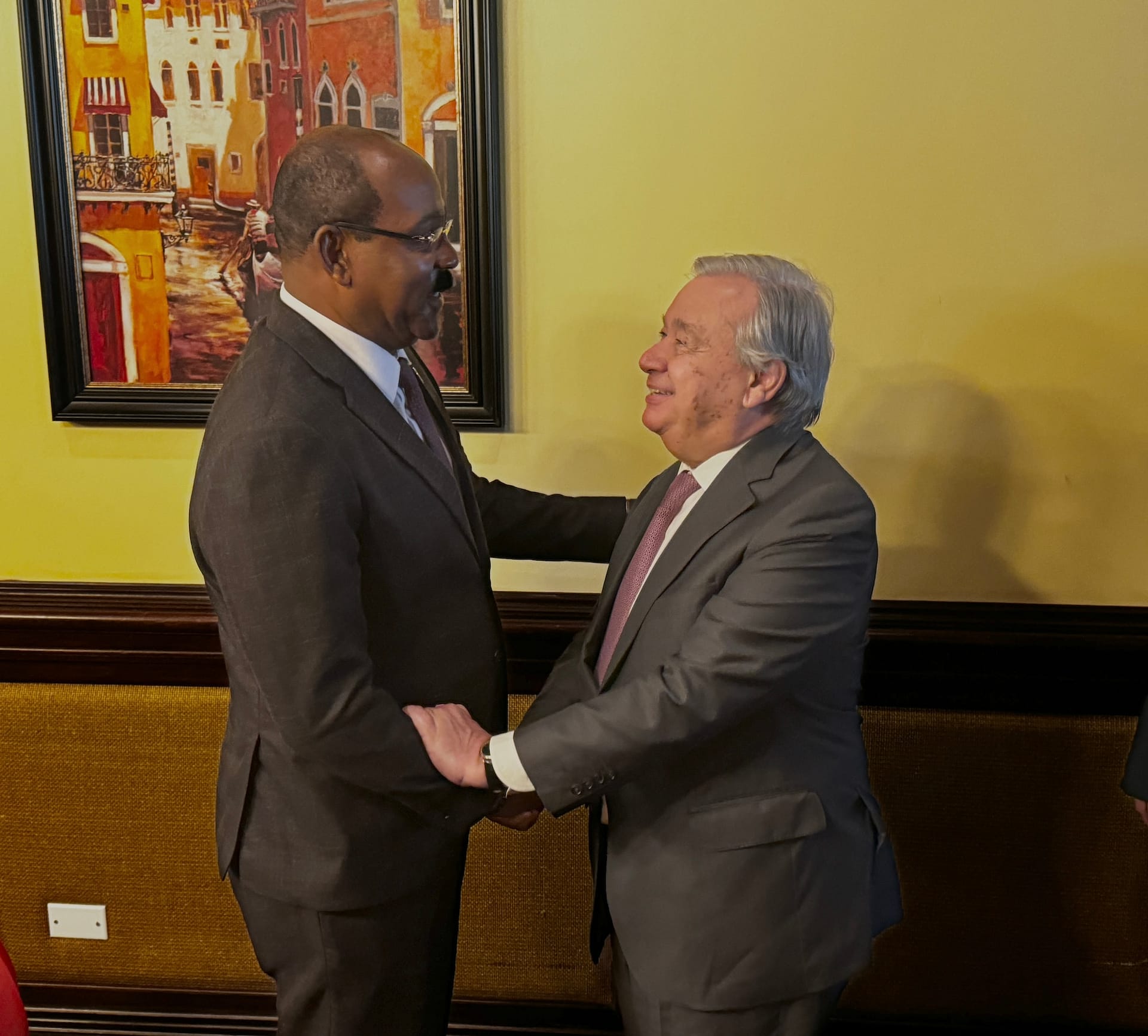
Prime Minister Gaston Browne of Antigua and Barbuda has emphasized the nation’s growing prominence on the global stage, asserting that small states can wield significant influence in advocating for justice, equality, and climate resilience. In his Independence Day address, Browne highlighted the country’s remarkable achievements, including hosting major international conferences and leading regional development rankings, as evidence of its outsized impact. He proudly noted that Antigua and Barbuda now tops the Caribbean region on the United Nations Human Development Index, a testament to the nation’s effective governance and global relevance. Browne described the twin-island nation as “small, but substantial; modest in geography, but consequential in influence,” underscoring its recognition as a global leader. The Prime Minister pointed to the country’s recent successes in hosting significant international events, such as the UN SIDS4 Conference in 2024, the Organization of American States (OAS) General Assembly in 2025, and the upcoming Commonwealth Heads of Government Meeting (CHOGM) in 2026, as affirmations of its capabilities. He attributed this global respect to the nation’s unwavering commitment to principles of love, truth, and justice. Browne also reiterated Antigua and Barbuda’s advocacy for reforming the international financial system, ensuring fair treatment for small island developing states, and intensifying global efforts to combat climate change. “Our global standing is not a gift,” he declared. “It is the earned respect of a country determined to stand up for principle and justice — not only for ourselves, but for all those who are threatened or disadvantaged.”
分类: politics
-
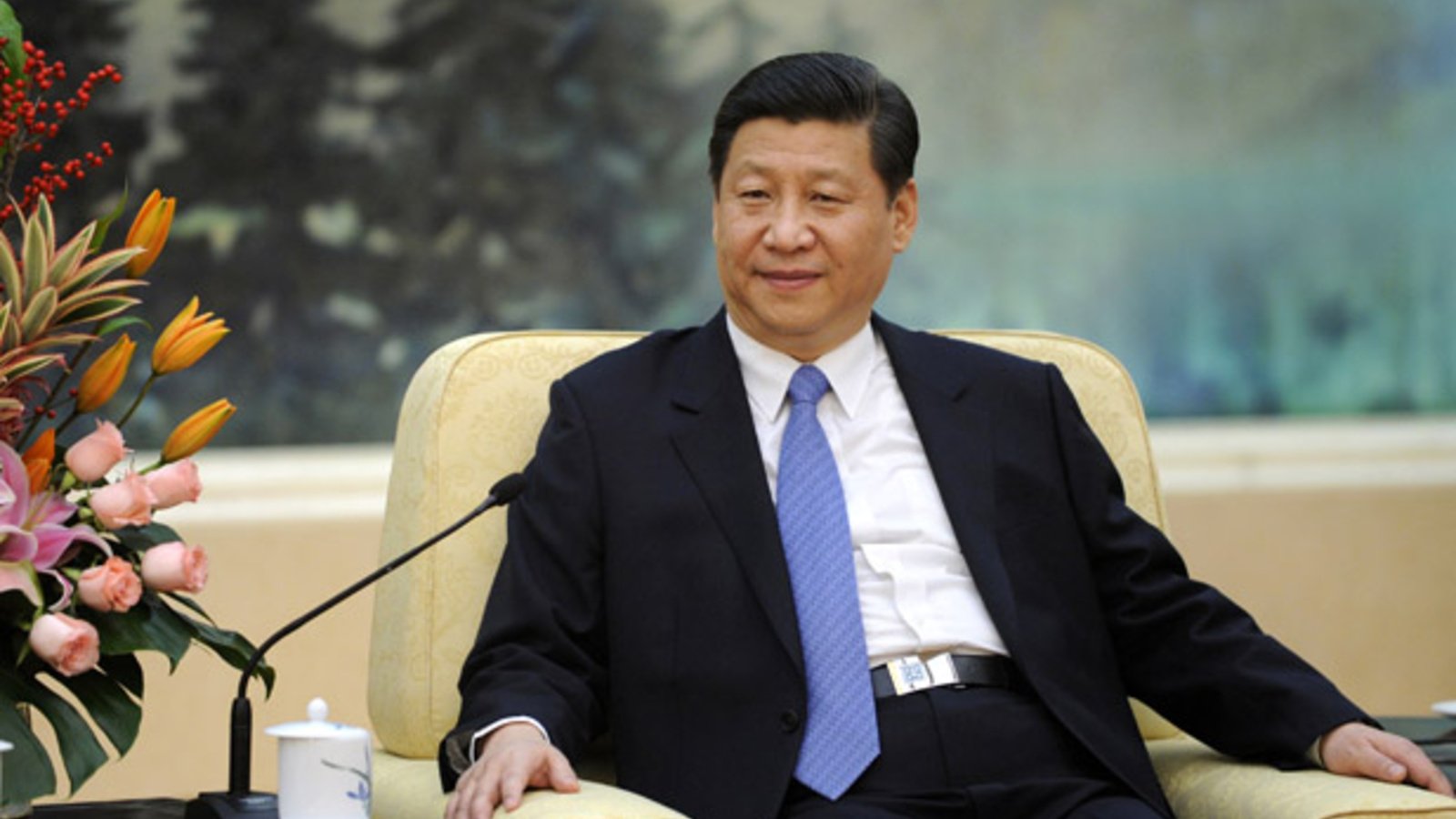
President Xi Jinping: China, US should work for good of both countries, world
Chinese President Xi Jinping and US President Donald Trump underscored the importance of collaboration between their nations during a meeting on October 30 in Busan, Republic of Korea (ROK). The talks took place ahead of the 32nd APEC Economic Leaders’ Meeting and Xi’s state visit to the ROK. This marked their first in-person discussion since Trump’s re-election, following three phone conversations and several exchanges of letters. Xi emphasized that China and the US, as major global powers, share a responsibility to work together for the benefit of their countries and the world. He highlighted the progress made during recent economic and trade consultations in Kuala Lumpur, Malaysia, which laid the groundwork for constructive dialogue. ‘Dialogue is better than confrontation,’ Xi stated, urging both nations to maintain communication at various levels to foster mutual understanding. Trump echoed this sentiment, describing the US-China relationship as ‘fantastic’ and expressing optimism about its future. He announced plans to visit China early next year and invited Xi to the US. The two leaders agreed to maintain regular interactions, recognizing the significance of their bilateral relationship, which accounts for over 40% of global GDP. Xi stressed that economic ties should remain a cornerstone of their relationship, avoiding friction and fostering long-term cooperation. ‘The two sides should think big and recognize the long-term benefits of collaboration,’ he said. Despite occasional disagreements, Xi emphasized that China and the US should be partners and friends, a lesson reinforced by history and current realities. Trump concluded by affirming the potential for both nations to achieve great things together for the world.
-
EDITORIAL: Zone of Peace: Reality or fallacy
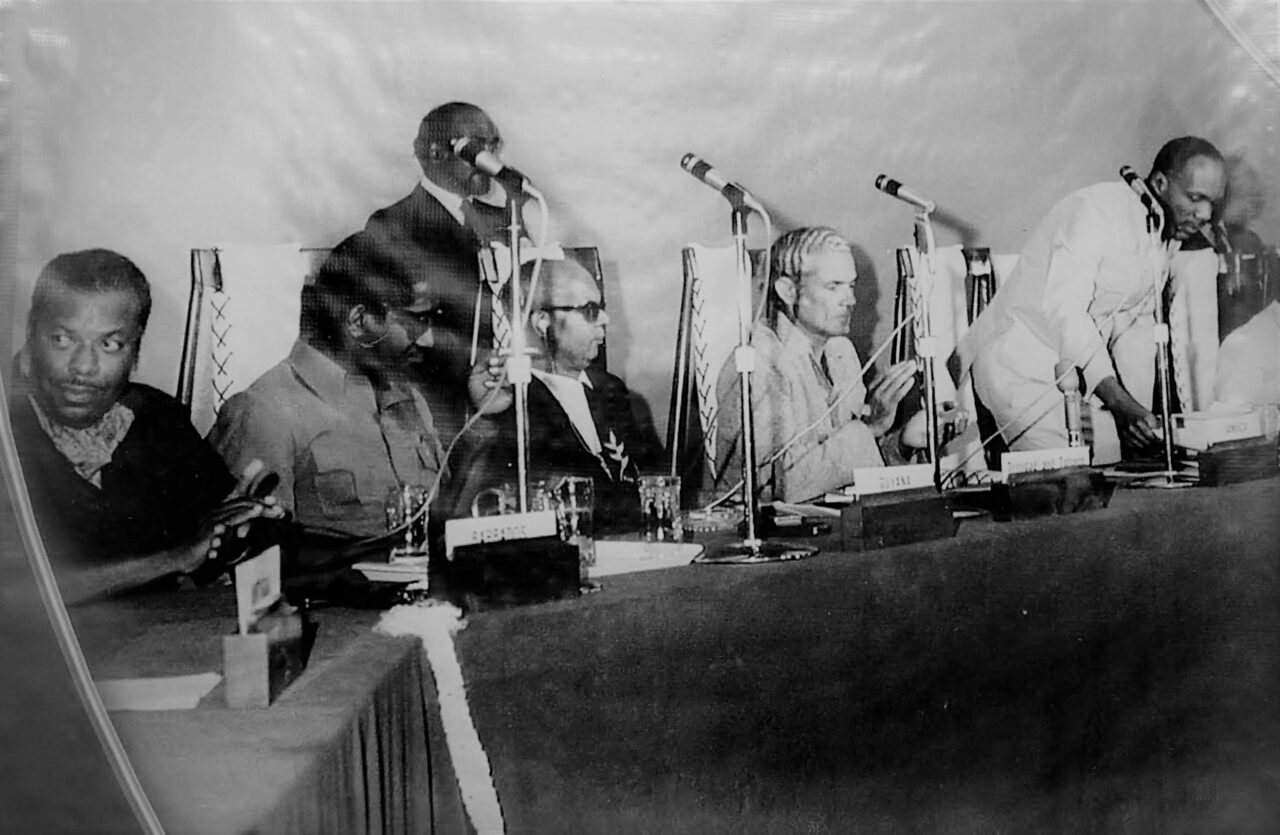
Since the Treaty of Chaguaramas in 1973, Caribbean leaders have consistently advocated for the region to remain a zone of peace, free from foreign military intervention and domination. This vision, however, has been tested by a history marked by colonial struggles, slavery revolts, and political instability. Nations like Haiti have endured multiple coups, while events such as the Grenada Revolution and subsequent U.S. invasion in 1983 underscore the region’s turbulent past. Even Trinidad and Tobago experienced a brief coup in 1990. By the 2000s, the Caribbean had achieved relative stability, though political unrest and racial tensions persisted in some areas. In 2014, the Community of Latin American and Caribbean States (CELAC) declared the region a ‘Peace Zone,’ emphasizing peaceful conflict resolution and international law. Recent U.S. military activities, particularly targeting drug trafficking, have reignited concerns about foreign intervention. CARICOM has reaffirmed its commitment to peace, sovereignty, and combating narco-trafficking and illegal arms trade. However, the rise in gang violence, homicides, and drug trafficking poses significant challenges to this vision. Regional leaders must address these issues with decisive action to ensure true peace and security for all Caribbean citizens.
-
Luke cites health minister stint as he makes 4th East K’town bid
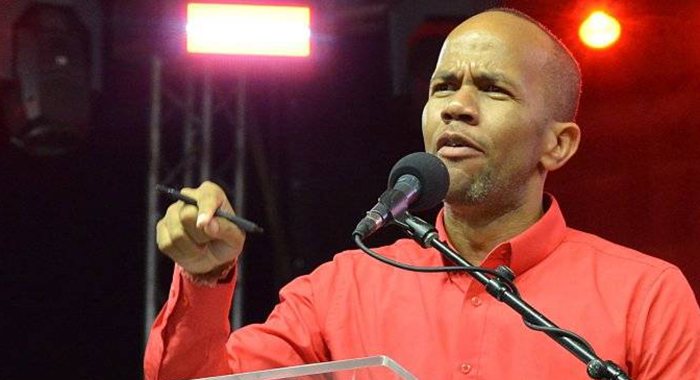
Luke Browne, a seasoned politician and former Minister of Health, is embarking on his fourth campaign to secure the East Kingstown constituency for the Unity Labour Party (ULP). Addressing supporters in Richmond Hill, Browne expressed confidence, stating, “East Kingstown is finally going to come home to Labour.” This constituency has been a stronghold of the New Democratic Party (NDP) for the past four decades, making Browne’s challenge a significant political endeavor.
-
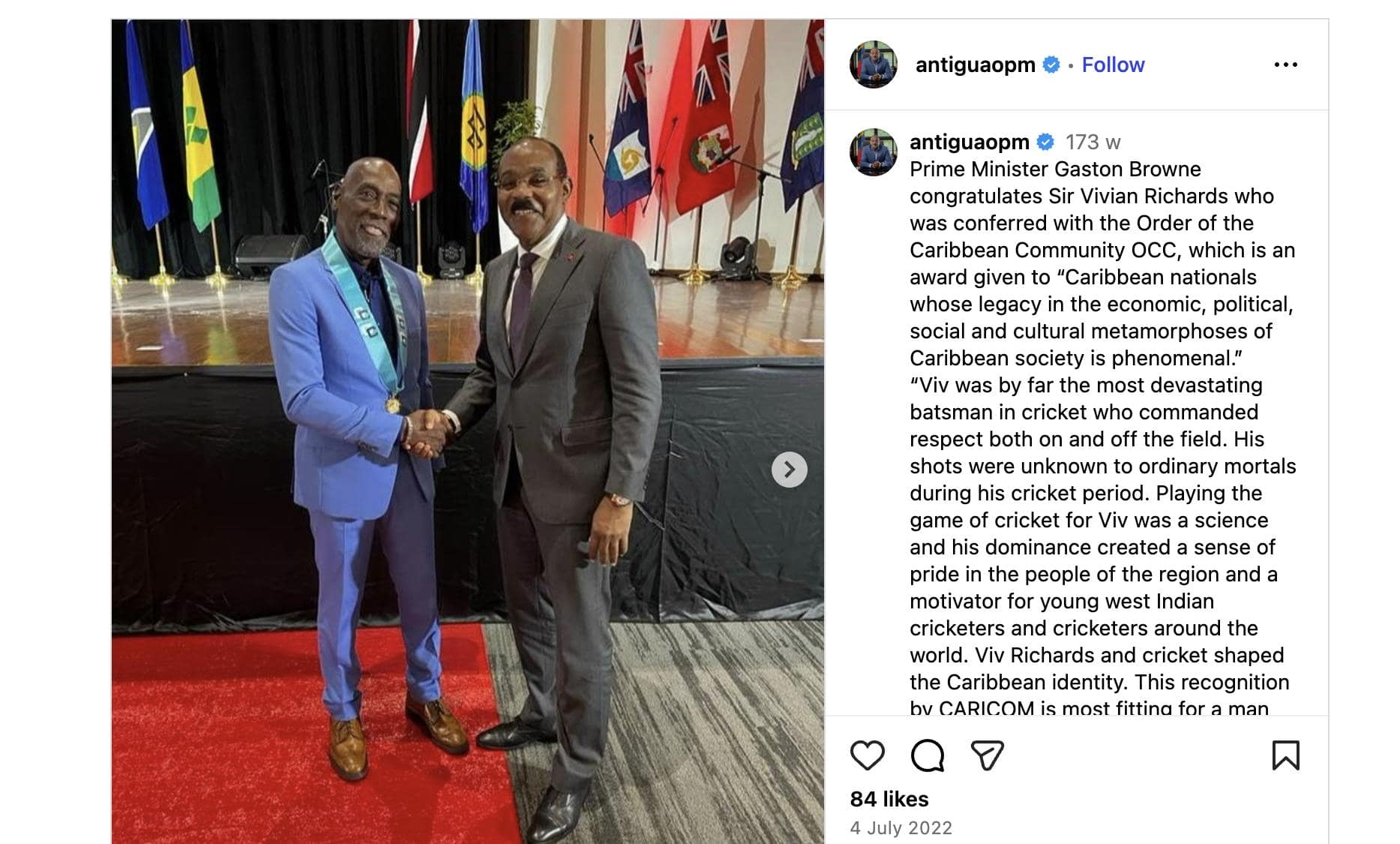
LISTEN: PM Advises Sir Viv To Stay Out of the Political Fray or “TEK What Yuh Get”
In a recent public statement, the Prime Minister has cautioned cricket legend Sir Viv Richards against engaging in political activities, using the local phrase ‘TEK What Yuh Get’ to emphasize the potential consequences. The PM’s remarks come amid growing speculation about Sir Viv’s possible involvement in political discourse, particularly given his influential status in the Caribbean. While the PM acknowledged Sir Viv’s contributions to sports and national pride, he stressed that political matters require a different skill set and cautioned against mixing sports with politics. This statement has sparked debates among citizens, with some supporting the PM’s stance and others defending Sir Viv’s right to express his views. The incident highlights the delicate balance between public figures’ influence and their role in political spheres.
-
Hope for the best, prepare for the worst
The Caribbean region finds itself at a critical crossroads as escalating tensions between the United States and Venezuela threaten to destabilize the area. Recent military actions, including a strike on a speedboat in international waters allegedly carrying Trinidadian fishermen, have heightened fears among local communities. The U.S. has bolstered its naval presence in the region, citing efforts to combat drug trafficking, but many view these moves as part of a broader geopolitical strategy. This has left Caribbean citizens, particularly fishermen, living in fear of violent, extrajudicial consequences. The lack of clear communication and leadership from Caribbean Community (CARICOM) leaders has only exacerbated the situation. CARICOM, established in 1973 to coordinate foreign policies and ensure regional security, has failed to address the crisis effectively. Citizens are calling for an emergency session to discuss the conflict and demand a joint statement outlining a path forward. Historically, the Caribbean has been a bastion of peace, often mediating disputes in Latin America. However, the current silence from regional leaders risks undermining this legacy. The region’s collective voice, amplified through organizations like the United Nations and the Organisation of American States, holds significant potential to influence global discourse. Yet, without decisive action, the Caribbean risks becoming collateral damage in a conflict that could have dire consequences for its people and economies. Long-term solutions, such as bolstering national security and drafting evacuation plans, are essential. The time has come for Caribbean leaders to demonstrate true statesmanship and prioritize the safety and well-being of their citizens over political posturing.
-
Fraser has ‘mega solution’ for ‘major problem’ in Central Kingstown
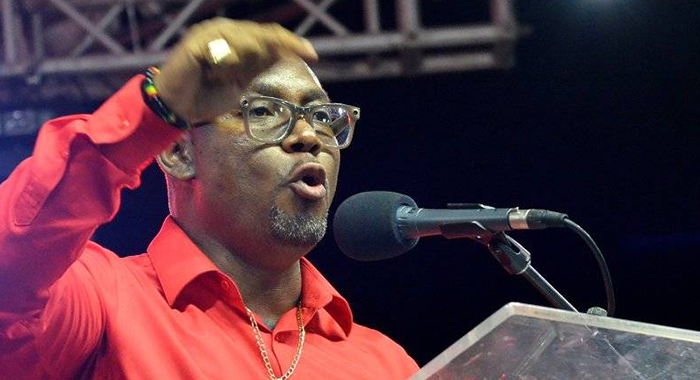
Marvin “Mega” Fraser, the Unity Labour Party (ULP) candidate for Central Kingstown, delivered a compelling speech during his campaign launch for the upcoming November 27 general elections. Fraser, leveraging his nickname and punning on the military title of his opponent, Major St. Clair Leacock, emphasized his deep-rooted connection to the community and his professional expertise. He described himself as a problem-solver, stating, “I am somebody that people call when they want their problems fixed,” and promised a “mega solution” for Central Kingstown’s challenges. Fraser highlighted his upbringing in Kingstown, detailing his experiences in various neighborhoods and his active involvement in local football, which he believes positions him as a true representative of the constituency. He also underscored his professional background as an IT systems engineer, citing his work with Karib Cable, the Mustique Company, and Glossy Bay in Canouan, where he designed IT infrastructure for prominent buildings. Fraser’s football legacy, including his role as president of the St. Vincent and the Grenadines Football Federation (SVGFF) and his achievements with Avenues United Football Club, further solidified his reputation as a leader who delivers. He praised the ULP’s track record in Central Kingstown, citing initiatives such as low-income housing, scholarships, and support for seniors and hurricane-affected homes. Fraser concluded by emphasizing the ULP’s commitment to inclusivity and development, asserting, “We walk the walk. We are here for development, and the ULP has developed and delivered for the people of Central Kingstown.”
-
Pringle Declines COP29 Invitation from Prime Minister Browne
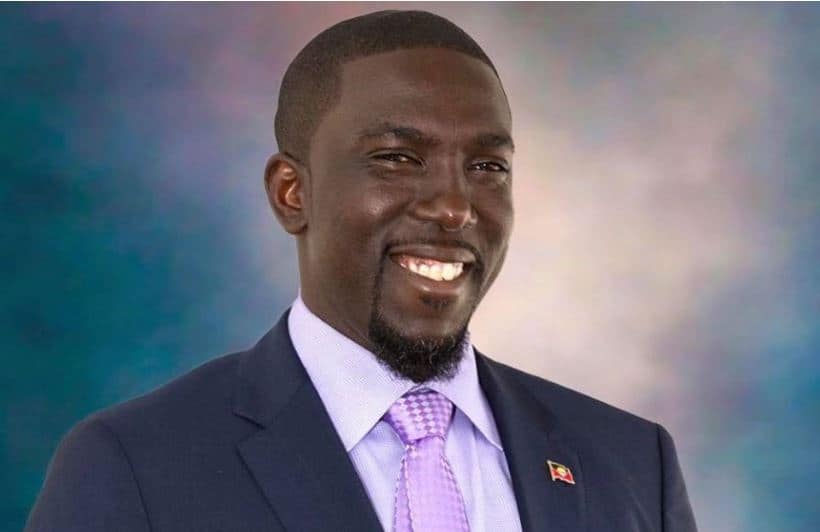
Opposition Leader Jamale Pringle has turned down an invitation from Prime Minister Gaston Browne to be part of Antigua and Barbuda’s delegation to the United Nations Climate Change Conference (COP29) in Brazil. The invitation was extended as a symbolic gesture to foster national unity on climate advocacy, a critical issue for small island states. However, government officials revealed during a recent discussion that Pringle declined the offer, prompting criticism from the Prime Minister. Browne emphasized that true leadership prioritizes national interests over partisan politics, citing his own participation in national events during his time in opposition as an example of such commitment. He described Pringle’s decision as a missed opportunity to present a united front on climate change, a matter of existential importance for vulnerable nations like Antigua and Barbuda. The country will join other Caribbean nations at COP29, where discussions will center on climate finance, loss and damage, and support for developing countries disproportionately affected by climate change.
-
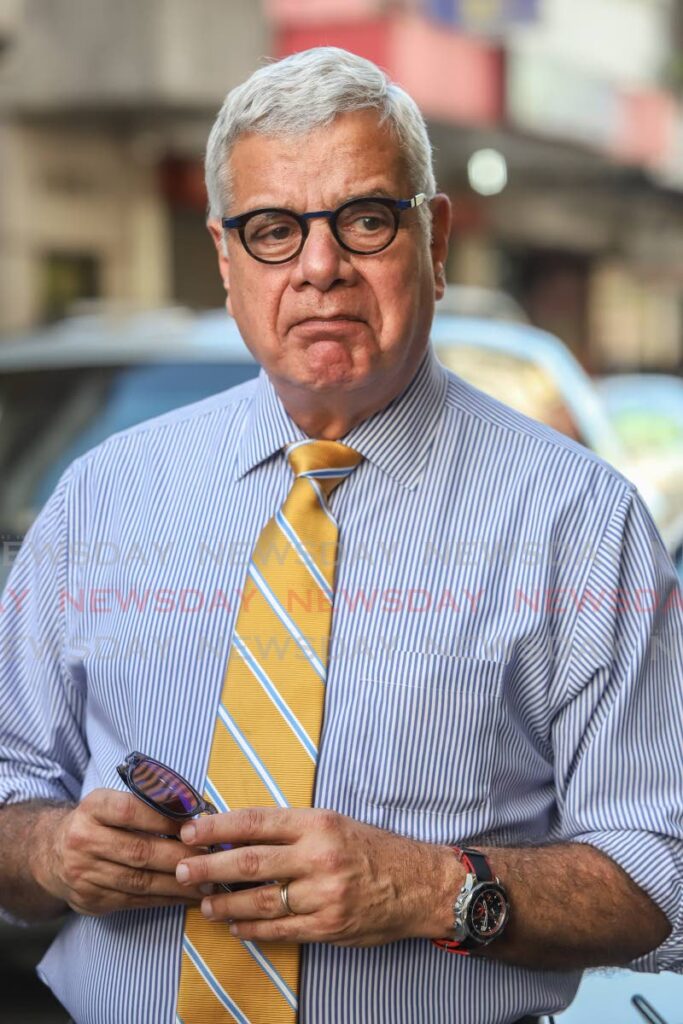
DOMA head: Nothing good comes from panic
Gregory Aboud, President of the Downtown Owners and Merchants Association (DOMA), emphasized the importance of maintaining composure in the face of heightened military alertness and public speculation. In a phone interview on November 2, Aboud reflected on the recent order for all military personnel to report to their bases on October 31, stating that the mobilization of police and military forces did not directly disrupt Port of Spain. Instead, he attributed the unrest to the public’s reaction to the situation. Aboud dismissed the notion of impending danger, pointing out that the atmosphere was dominated by threats and counter-threats between the US and Venezuela, along with increased military presence. He questioned the logic behind fears that Venezuela might retaliate against Trinidad and Tobago (TT) if the US took military action, calling such assumptions unrealistic. Aboud stressed the need for rationality and calm, highlighting TT’s longstanding issues with porous borders that facilitate the illegal trade of drugs and firearms. He expressed concern over the spread of inaccurate stories and rumors, which have damaged reputations and deterred good citizens from participating in national development. Aboud voiced support for robust national defense measures to secure TT’s borders and curb the societal corruption fueled by illicit activities. He acknowledged the government’s stance on American intervention in the region, viewing it as a potential means to disrupt the damaging illegal trade that has plagued TT for decades. Aboud concluded by advocating for greater transparency and information sharing, where possible, to alleviate public panic and foster a more informed society.
-
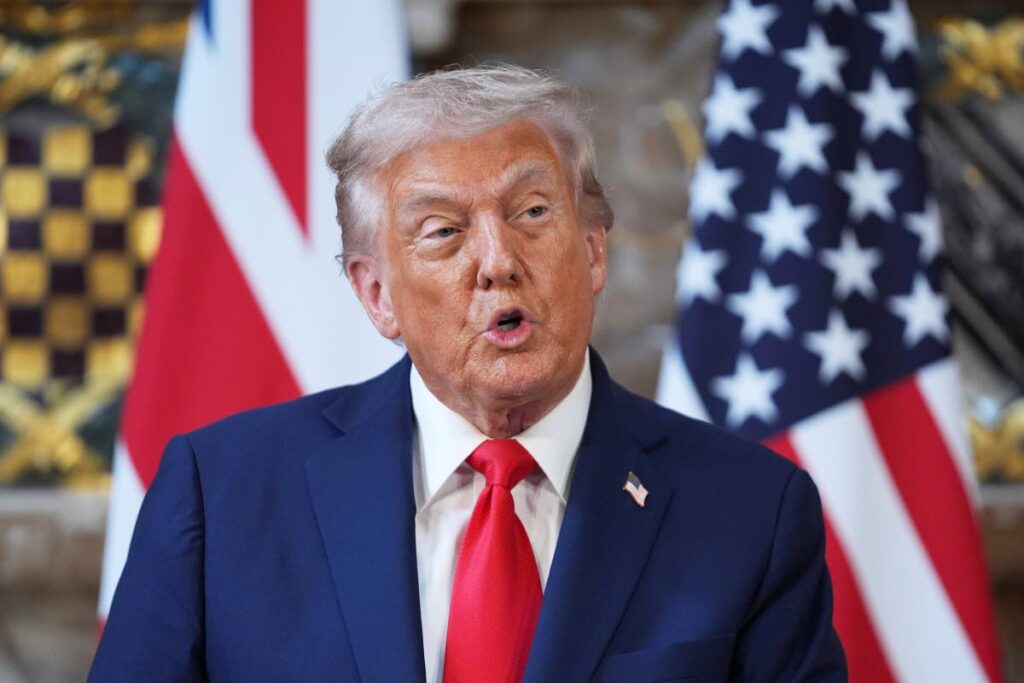
Trump: Maduro’s days are numbered
Amid ongoing US military operations in the Southern Caribbean, President Donald Trump has suggested that Venezuelan President Nicolas Maduro’s tenure may be nearing its end. During an interview with CBS’s 60 Minutes host Norah O’Donnell at his Mar-a-Lago club in Florida, Trump addressed a range of topics, including Venezuela, the Israel-Palestine conflict, and nuclear tests. When questioned about the possibility of war with Venezuela, Trump responded ambiguously, stating, ‘I doubt it. I don’t think so,’ but added that Venezuela has treated the US ‘very badly,’ particularly regarding drug trafficking and the alleged release of prisoners and mental health patients into the US. The US military buildup in the region, which began in late August, includes a guided missile destroyer, attack helicopters, stealth fighter jets, and a nuclear submarine, with the USS Gerald Ford aircraft carrier en route. Officially, the operations aim to combat narco-terrorism, with at least nine air strikes reportedly killing 60 people on vessels accused of smuggling drugs. However, Trump hinted that the campaign also addresses broader issues, including Venezuela’s actions toward the US. When asked if Maduro’s days were numbered, Trump affirmed, ‘I would say, yeah. I think so, yeah.’ Despite speculation about potential land strikes, Trump refused to disclose details, emphasizing he wouldn’t discuss military plans with reporters. Recent reports of a planned strike on Venezuelan military targets were denied by Secretary of State Marco Rubio and Trump. Meanwhile, the TT Defence Force was placed on high alert, causing public unease, though officials described it as a drill. The presence of the USS Gravely in Trinidad and Tobago’s waters sparked protests and condemnation from Venezuela, with the TT government defending the visit as part of long-standing security and humanitarian collaboration.