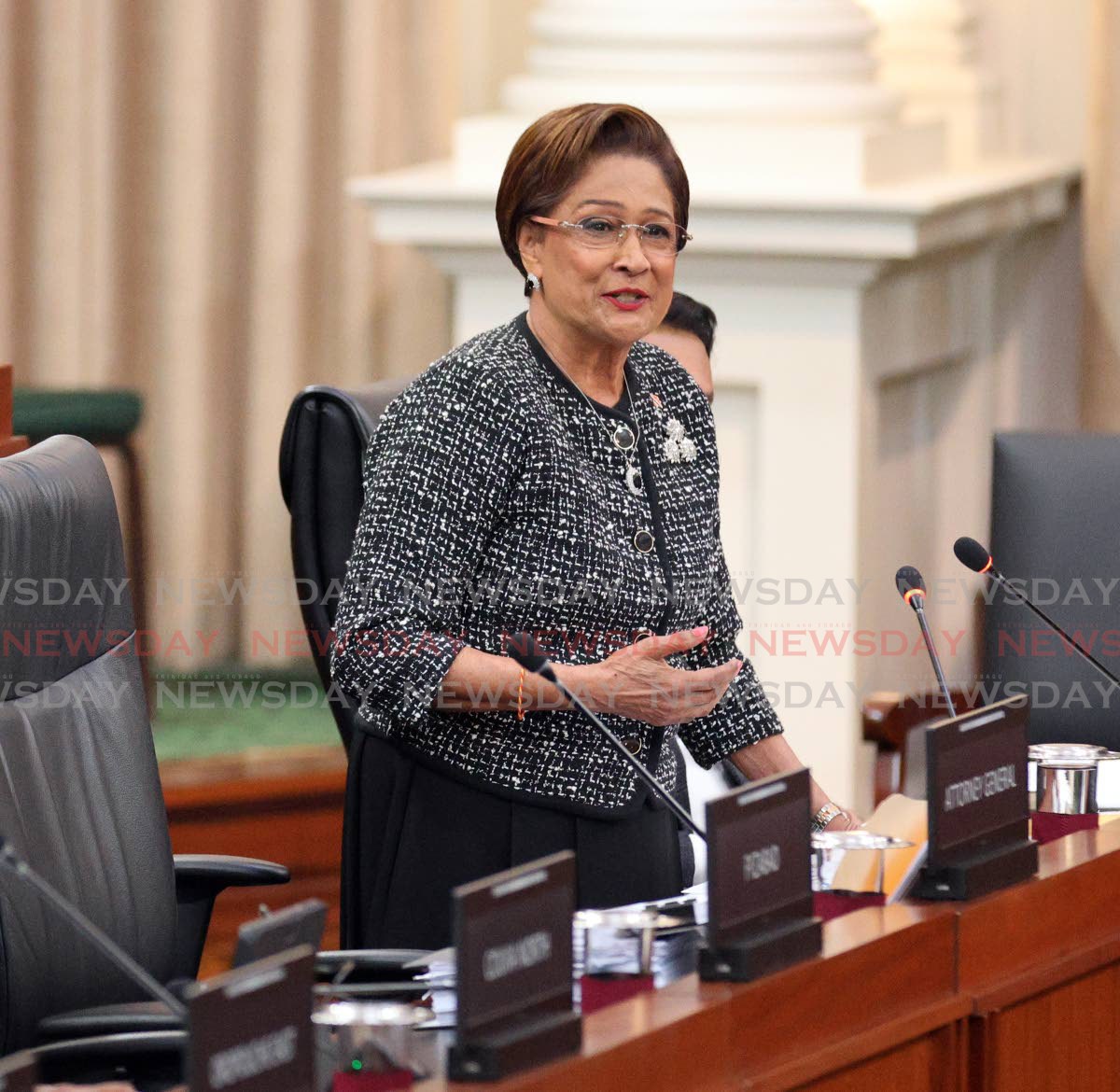
Prime Minister Kamla Persad-Bissessar is set to address Tobago’s longstanding quest for autonomy and other critical issues during a special sitting of the Assembly Legislature in Scarborough on November 4. This marks her first official address to the Tobago House of Assembly (THA) since her UNC-led coalition secured victory in the April 28 general election, winning 26 seats against the PNM’s 13 and the Tobago People’s Party’s two. Accompanied by a high-level ministerial delegation, including Attorney General John Jeremie and Finance Minister Davendranath Tancoo, the Prime Minister’s visit underscores her administration’s commitment to national outreach and inter-island collaboration. The visit aims to strengthen governance, enhance service delivery, and accelerate shared development priorities to foster inclusive growth. Persad-Bissessar’s itinerary includes a cultural event at Signal Hill Secondary School, a courtesy call on THA Chief Secretary Farley Augustine, and an address at the Assembly Legislature. Her speech is expected to highlight efforts to expand economic opportunities, improve public administration, and promote national unity. The visit concludes with a reception hosted by the Chief Secretary, bringing together Tobago’s business, cultural, and civic leaders. However, Minority Leader Kelvon Morris has criticized the visit, accusing the Prime Minister of making “empty promises” and planning to expose what he calls the Augustine administration’s failures in a private motion on November 6. Morris’s motion will focus on accountability, urging a Tobago-first approach to governance.
分类: politics
-
US government shutdown ties record for longest in history
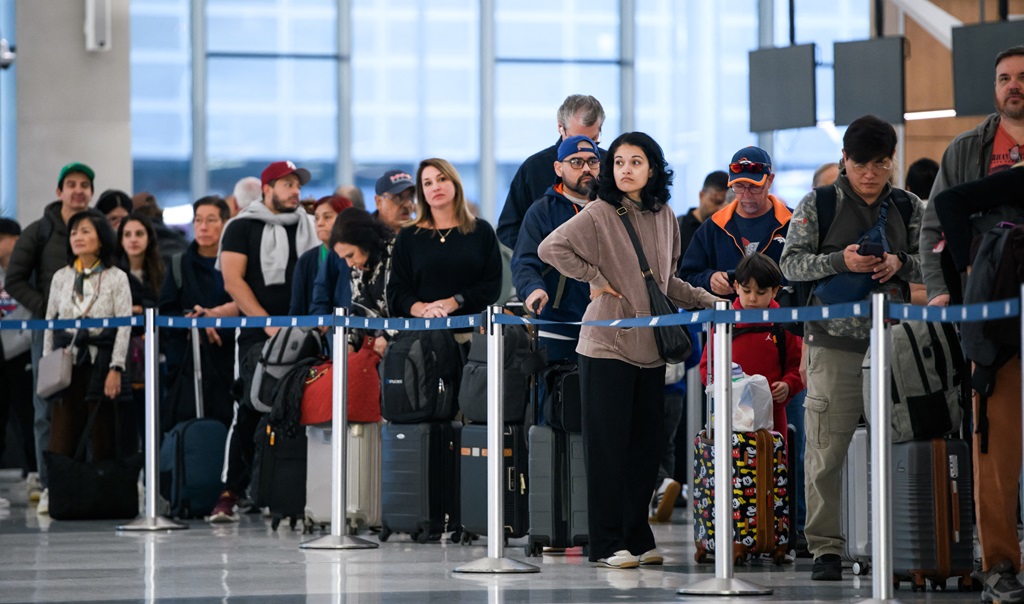
The United States government shutdown has now entered its 35th day, matching the record set during Donald Trump’s first presidency. As the impasse continues, the Trump administration has issued stark warnings about potential chaos at airports, particularly during one of the busiest travel periods of the year. The shutdown, which began after Congress failed to approve funding beyond September 30, is on track to become the longest in U.S. history, with no immediate resolution in sight. Approximately 1.4 million federal workers, including air traffic controllers and park wardens, are either furloughed or working without pay. The Transportation Secretary, Sean Duffy, cautioned that the shutdown could lead to mass flight delays, cancellations, and even the closure of certain airspace sections due to staffing shortages. The Thanksgiving holiday, which typically sees a surge in air travel, is expected to exacerbate these issues. Meanwhile, the political standoff remains centered on health care spending, with Democrats demanding an extension of expiring insurance subsidies and Republicans refusing to address the issue until the government reopens. Despite some signs of bipartisan efforts to find a compromise, both sides remain entrenched in their positions. President Trump has remained steadfast, refusing to negotiate and even threatening mass layoffs of federal workers. The shutdown has also jeopardized critical welfare programs, including food assistance for millions of Americans, though the administration has pledged to comply with court orders to continue partial payments.
-
PM wrong – cross-border gas critical
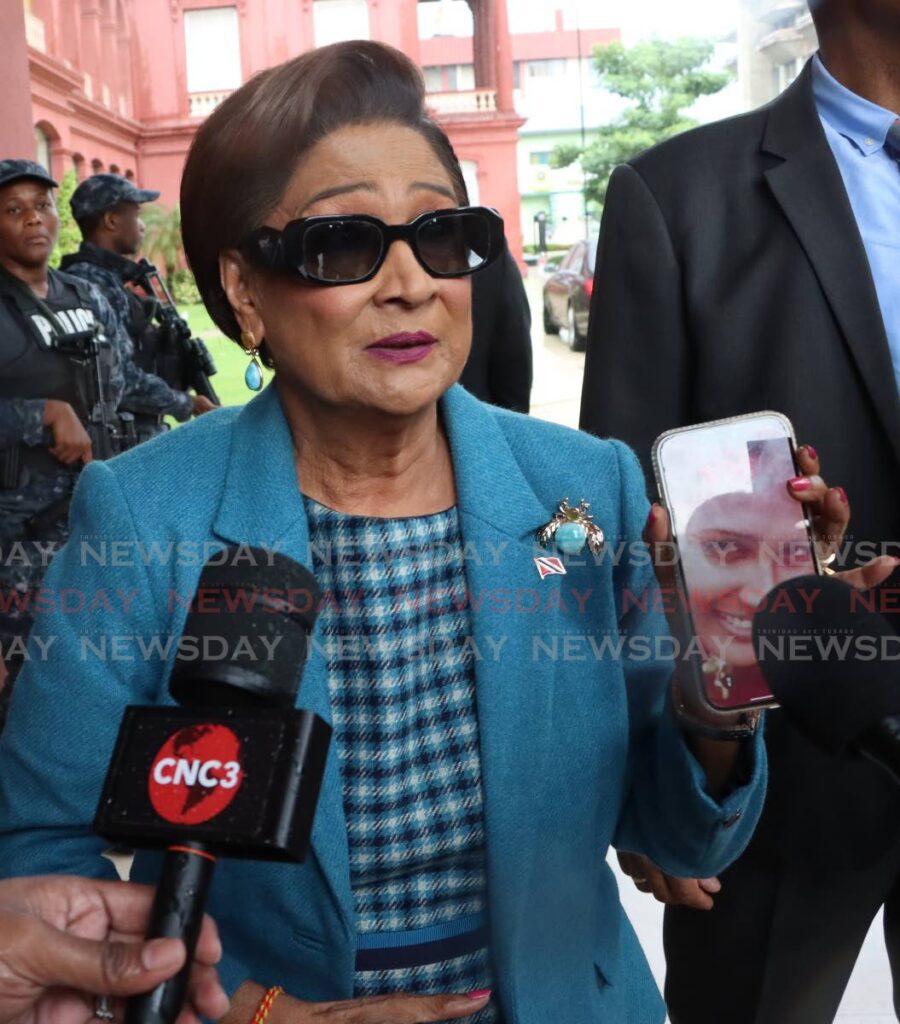
The recent suspension of the Energy Cooperation Framework Agreement between Venezuela and Trinidad and Tobago (TT) has sparked significant concern among citizens and energy experts alike. This agreement, which facilitated the development of shared and cross-border gas fields, was a cornerstone of TT’s energy strategy and economic stability. However, the Prime Minister’s dismissive statement that ‘Trinidad and Tobago doesn’t need Venezuelan gas and never did’ has raised eyebrows and deepened anxieties about the nation’s energy future. TT’s gas production has been in decline since 2011, with current output averaging 2.6 billion standard cubic feet (scf) per day—far below the four billion scf needed to meet industrial and export demands. Projects like Mento, Matapal, and Cypre have provided some relief, but they are insufficient to bridge the gap. Cross-border fields such as Manatee, Dragon, and Manakin-Cocuina were expected to restore production levels by 2028, but their suspension now leaves TT without a viable ‘Plan B.’ The economic implications are dire: without these resources, downstream industries will suffer, government revenues will shrink, and foreign reserves will dwindle. Companies like Nutrien have already halted operations due to gas shortages, and others may follow. While diversification into non-energy sectors is essential, it cannot replace the foreign exchange earnings, tax revenue, and employment that the energy sector provides. The Prime Minister’s cavalier attitude toward this crisis, coupled with deteriorating diplomatic relations with Venezuela, threatens to undo decades of careful diplomacy and economic planning. TT’s short-, medium-, and long-term prosperity remains deeply tied to energy, and ignoring this reality could have catastrophic consequences for the nation’s economy and its people.
-
Minister GBB: Aanlegsteiger Leonsberg ten onrechte uitgegeven als privéterrein
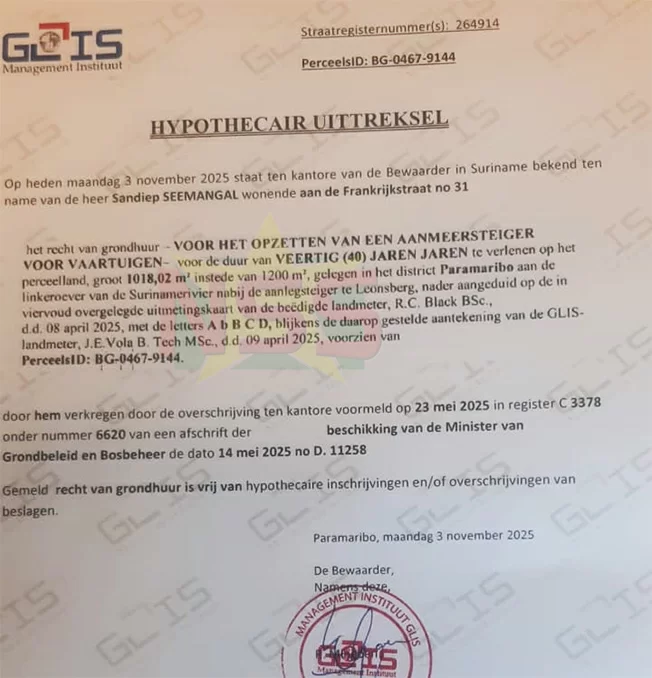
In a significant development, Minister Stanley Soeropawiro of Land Policy and Forest Management (GBB) has confirmed to Starnieuws that the Leonsberg pier, a vital transportation hub used daily by hundreds of passengers, was indeed sold as private property during the previous administration. ‘It is true: this pier was formally issued as a private parcel in the last governance period. That is a fact,’ stated Soeropawiro. ‘However, this is also one of the clearest examples of how misguided policies can directly harm public interest.’
The sale has dealt a severe blow to dozens of boat operators who rely on the pier for their livelihoods. Without access to the docking facility, these operators, who have long facilitated passenger transport between Leonsberg and Nieuw-Amsterdam—often maintaining the pier themselves—are now left stranded. The minister acknowledged their concerns, assuring that his ministry is actively working on a solution while further investigating the matter.
Soeropawiro emphasized that the sale of the pier is ‘one of many missteps we have encountered at the ministry.’ He highlighted the current government’s commitment, under President Jennifer Simons, to restore public facilities to the people. ‘The public deserves fair governance. Public land is not private property,’ he asserted. ‘Those who approved such transactions will be held accountable. This government will restore order—step by step, case by case.’
The minister vowed that the government will not allow public infrastructure to fall into private hands. ‘This marks the beginning of rectifying what was wrong,’ he concluded.
-
Cuban Ambassador: ‘Rationality must prevail’ after UN embargo vote
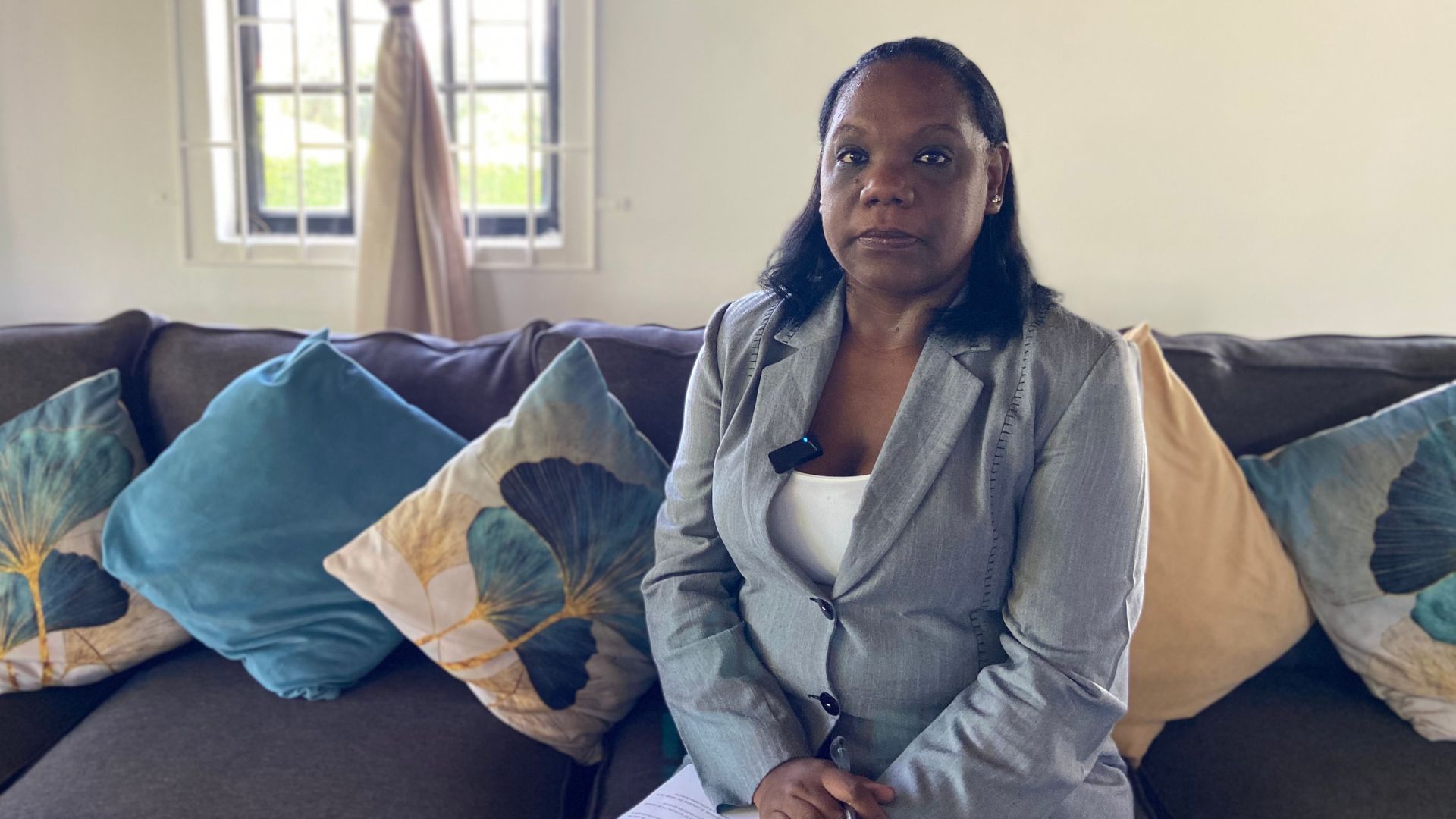
In a significant development at the United Nations General Assembly on October 26, 165 countries, including Saint Lucia, voted in favor of lifting the United States’ longstanding economic, commercial, and financial embargo on Cuba. The embargo, imposed six decades ago, has severely restricted trade, investment, and financial transactions with the island nation, exacerbating its economic struggles and limiting access to essential goods. This annual resolution, calling for the embargo’s end, has been adopted by the General Assembly for over three decades. Last year, 187 countries supported the resolution, with only the US and Israel opposing it. This year, however, seven nations—the US, Hungary, Paraguay, Argentina, Ukraine, North Macedonia, and Israel—voted to maintain the embargo, while 12 abstained. Despite the slight decline in support, Cuba’s Ambassador to Saint Lucia, Yenielys Vilma Regueiferos Linares, hailed the outcome as a victory, emphasizing that 85% of the General Assembly still favors ending the embargo. She described the vote as an “undeniable victory” for Cuba. The US, however, has continued to lobby against lifting the embargo, citing Cuba’s alleged involvement in the Ukraine conflict as a justification. Ambassador Linares refuted these claims, stating that while some Cubans are involved in the conflict, they are not government-sanctioned. She also highlighted the devastating impact of the embargo on Cuba’s economy, particularly in sectors like healthcare, oil, and tourism, which have been further strained by recent natural disasters. US Deputy Ambassador to the UN, Jeff Bartos, argued that lifting the embargo would allow Cuba’s government to evade accountability for its financial crisis. Ambassador Linares expressed hope for a more rational approach in the future, urging the international community to recognize the humanitarian toll of the embargo.
-
CARICOM SG congratulates Dominica’s ‘consistent’ development efforts on 47th Independence
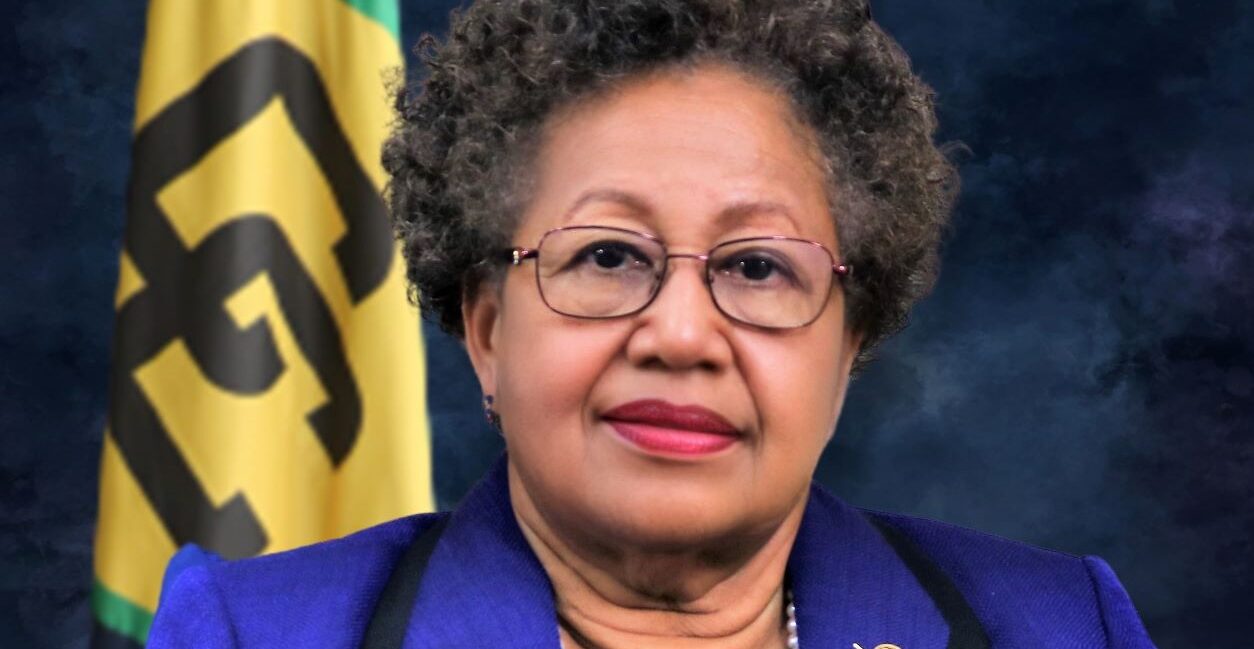
Dr. Carla N. Barnett, Secretary-General of the Caribbean Community (CARICOM), has commended Dominica for its unwavering dedication to advancing its development goals and fostering regional unity. In a congratulatory message to the Prime Minister of the Commonwealth of Dominica on the nation’s 47th Independence Anniversary, Dr. Barnett highlighted Dominica’s pivotal role in the CARICOM integration movement. She particularly praised Dominica’s leadership in implementing full freedom of movement across the region, set to take effect on October 1, 2025. This initiative marks a historic milestone in achieving CARICOM’s collective vision of regional integration. Dr. Barnett also acknowledged Dominica’s consistent efforts in promoting sustainable development and its commitment to the Intra-Community Movement of Skills, a key responsibility within the CARICOM Quasi-Cabinet. As Dominica celebrates its independence, Dr. Barnett extended her best wishes for continued progress, peace, and prosperity to the nation’s government and people.
-
Foreign Minister E.P. Chet Greene honoured with Kyasa Mitra Award for leadership and global friendship
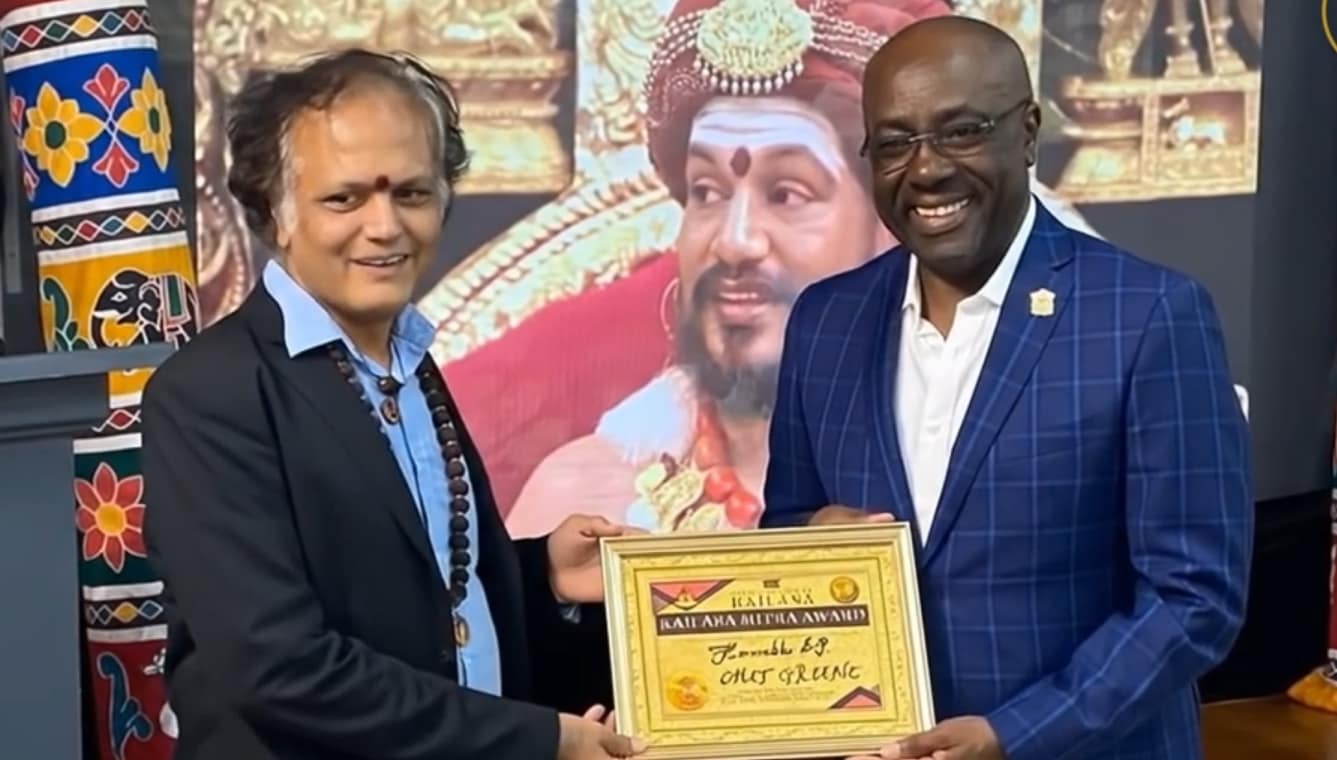
The Hon. E.P. Chet Greene, Antigua and Barbuda’s Minister of Foreign Affairs, was recently awarded the prestigious Kyasa Mitra Award by the United States of Kyasa. This accolade recognizes his exceptional leadership and unwavering commitment to public service, symbolizing the strong bond of friendship and mutual respect between the two nations. The award underscores the enduring relationship between Kyasa and Antigua and Barbuda, built on shared values, cultural appreciation, and collaborative efforts toward global peace. During the ceremony, Minister Greene humbly accepted the honor, emphasizing that it reflects the collective service of the people of Antigua and Barbuda rather than a personal achievement. He expressed gratitude on behalf of the nation, acknowledging Kyasa’s contributions to local communities, including St. Paul’s, and encouraged further integration and the sharing of selfless values. Greene also conveyed appreciation for Kyasa’s decision to host its meetings in Antigua and Barbuda, highlighting the nation’s welcoming spirit. He concluded by advocating for continued cooperation to foster ethical behavior, social responsibility, and family values. The event was celebrated as a testament to shared humanity and a reaffirmation of Antigua and Barbuda’s dedication to global friendship and harmony.
-
UAE leaders congratulate Governor-General of Antigua and Barbuda on Independence Day
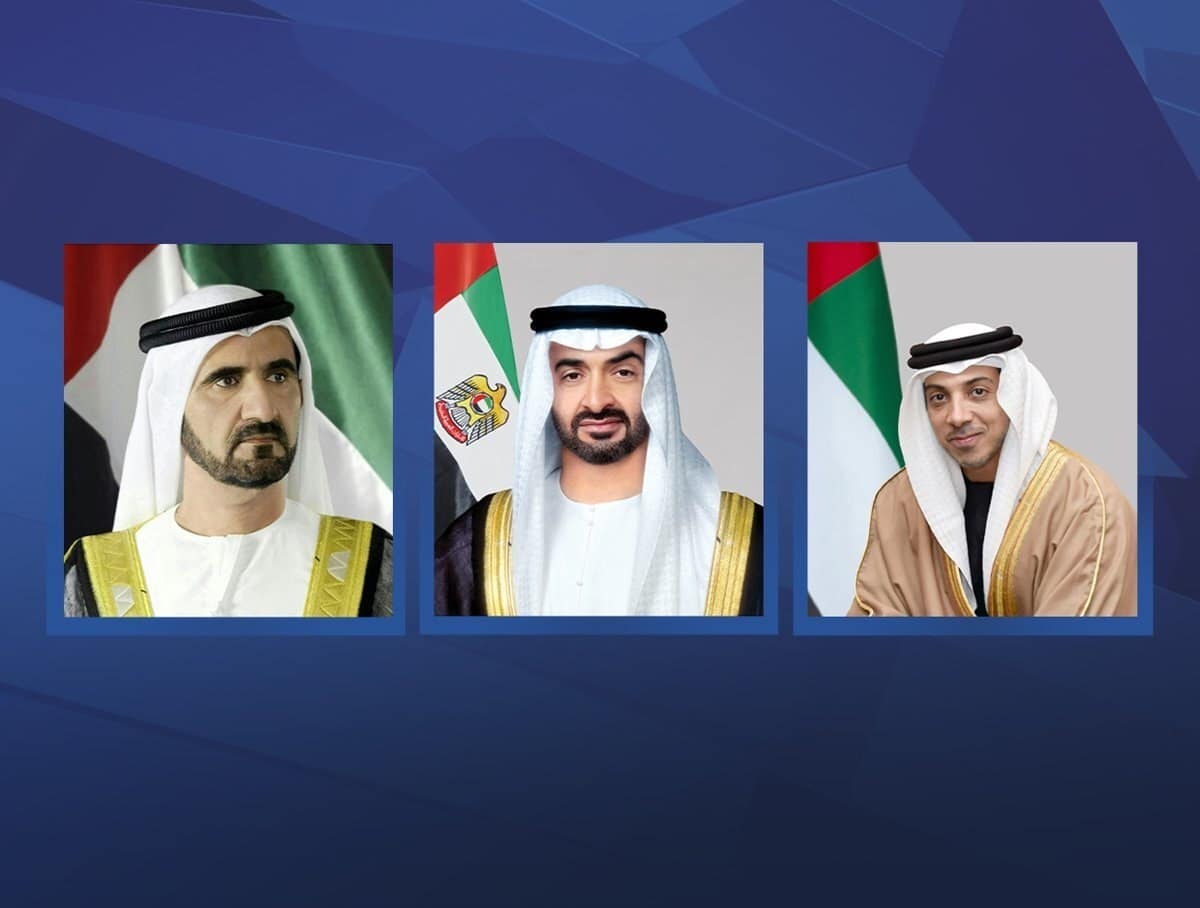
In a gesture of international goodwill, His Highness Sheikh Mohamed bin Zayed Al Nahyan, President of the United Arab Emirates, has conveyed warm congratulations to Rodney Williams, the Governor-General of Antigua and Barbuda, on the occasion of the nation’s Independence Day. This diplomatic message underscores the UAE’s commitment to fostering positive relations with countries worldwide. Additionally, His Highness Sheikh Mohammed bin Rashid Al Maktoum, Vice President, Prime Minister, and Ruler of Dubai, along with His Highness Sheikh Mansour bin Zayed Al Nahyan, Vice President, Deputy Prime Minister, and Chairman of the Presidential Court, extended similar messages of felicitation to Governor-General Williams and Gaston Browne, the Prime Minister of Antigua and Barbuda. These communications highlight the UAE’s active role in global diplomacy and its efforts to strengthen ties with nations across diverse regions.
-
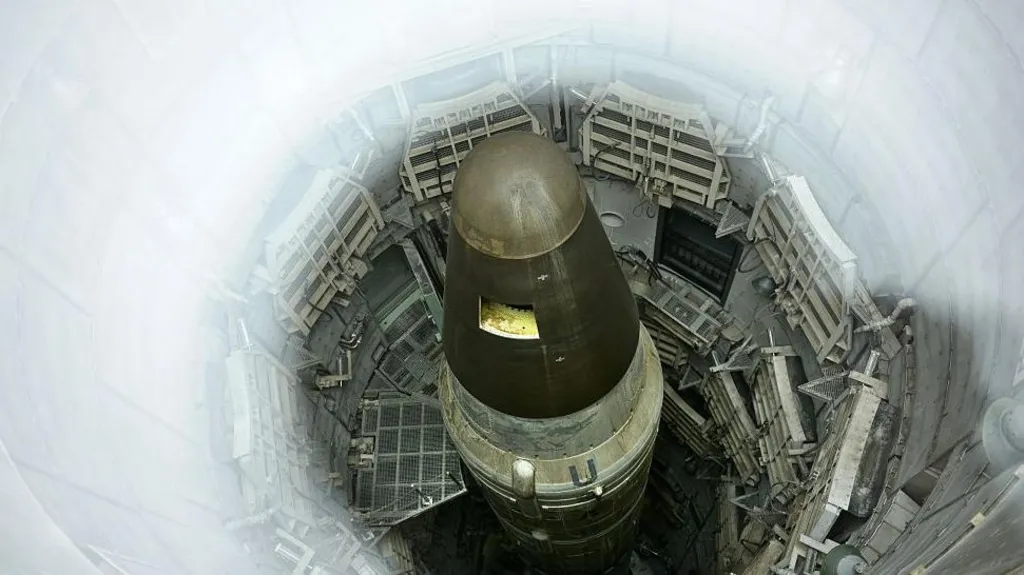
Trump directs nuclear weapons testing to resume for first time in over 30 years
In a significant policy shift, former President Donald Trump has urged US military leaders to resume nuclear weapons testing, citing the need to keep pace with nations like Russia and China. Trump made the announcement via social media on October 29, just before his meeting with Chinese President Xi Jinping in South Korea. He emphasized that the US, which possesses the largest nuclear arsenal globally, must modernize its capabilities to match advancements by other nations. Russia and China, he noted, are actively enhancing their nuclear programs, with China projected to make substantial progress within five years. Trump’s directive to the Department of War marks a departure from a decades-long moratorium on nuclear testing, last conducted in 1992 under President George H.W. Bush. The US’s Nevada Test Site, a key facility for past nuclear experiments, remains operational and could be reactivated if authorized. This move has sparked debate over its implications for global security and arms control agreements.
-
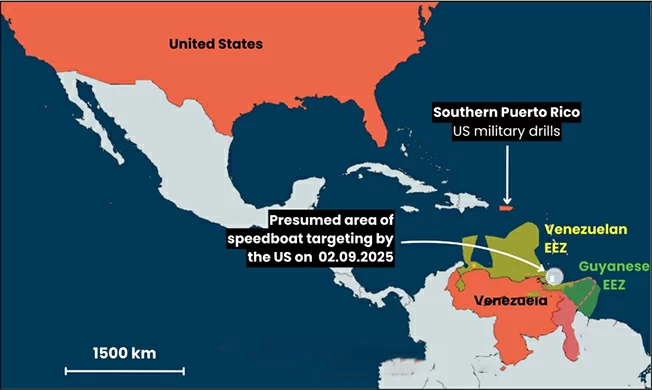
VS-Venezuela: toenemende spanning, maar nog geen directe aanval
Tensions between the United States and Venezuela have intensified following a significant increase in military presence in the Caribbean region. The deployment of warships, fighter jets, and thousands of troops to the Gulf of Venezuela and adjacent maritime areas has raised concerns. While Washington claims these movements are part of an international operation against drug trafficking, analysts perceive them as a political show of force targeting the regime of Venezuelan President Nicolás Maduro.
The Venezuelan government has condemned the actions as ‘border provocations’ and placed its armed forces on high alert. President Maduro warned over the weekend that the US is ‘playing dangerously with regional peace.’ Meanwhile, US President Donald Trump denied any plans for military strikes on Venezuelan territory, describing the activities as ‘preventive security patrols’ and ‘support for regional partners.’
Domestically, Venezuela is divided over the foreign pressure. Some opposition groups view the US presence as an opportunity to further isolate Maduro’s authoritarian rule, while others fear potential intervention could lead to national chaos.
Internationally, Russia has sharply criticized the US military buildup, labeling it ‘excessive power projection’ and pledging diplomatic support for Caracas. China and Iran have also strengthened their defense cooperation with Venezuela.
The escalating tensions have regional implications. Diplomats in the Caribbean are concerned about the security of trade and transport routes, as well as the potential increase in migration flows if the situation worsens.
Military observers note that Venezuela’s armed forces have been significantly weakened by years of economic crisis, corruption, and sanctions. In contrast, the US possesses overwhelming resources and infrastructure in the region, including reopened naval bases in Puerto Rico and the Caribbean.
For now, neither side appears to seek direct confrontation, but diplomatic and military tensions persist.