分类: politics

  • Court Throws Out Shyne’s Case Over ‘UDP Red’

    Court Throws Out Shyne’s Case Over ‘UDP Red’

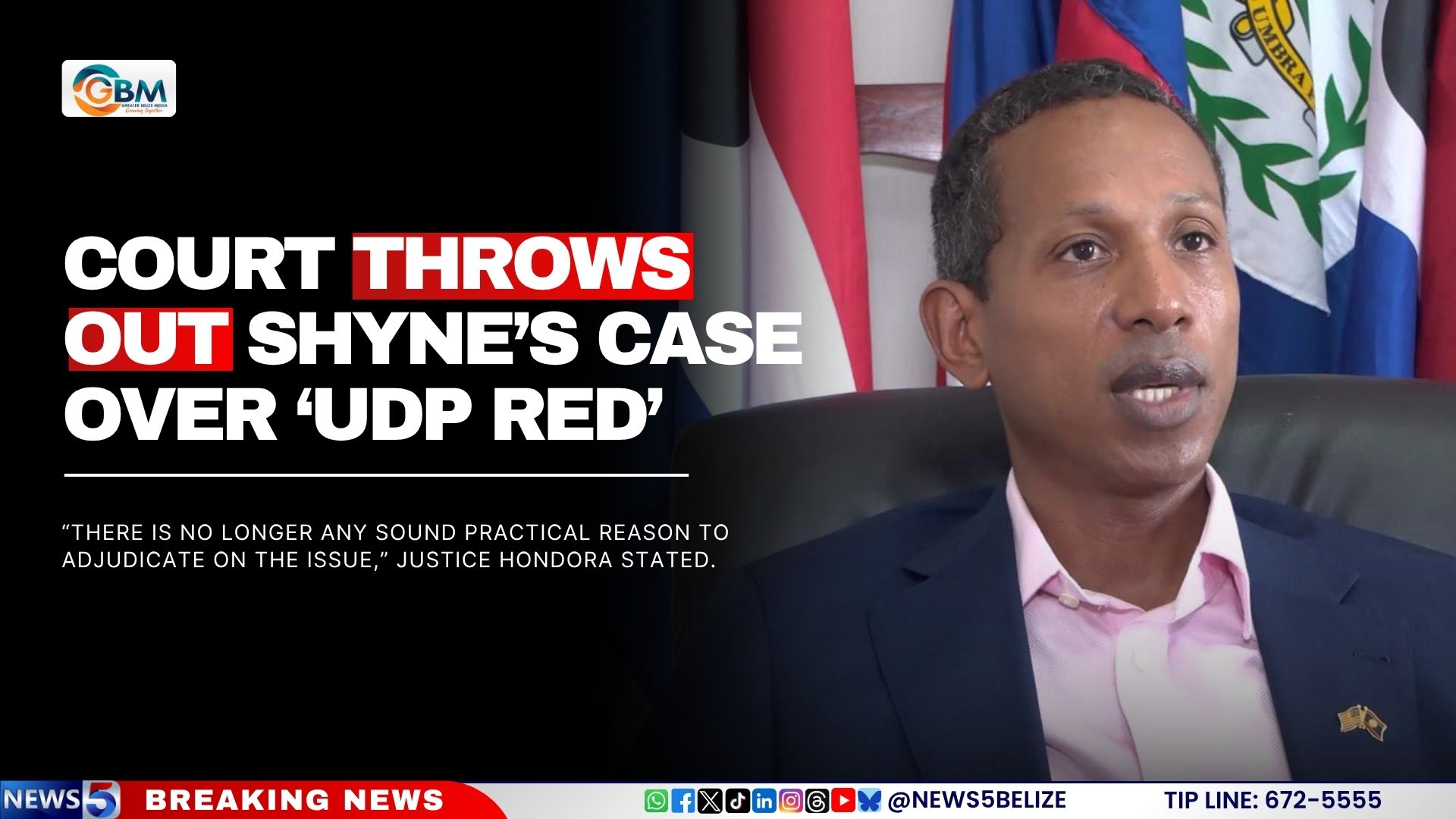
    The Supreme Court has dismissed a legal challenge brought by Moses ‘Shyne’ Barrow regarding the use of the color red in the 2025 general election, deeming the case ‘moot’ and filed with ‘unreasonable delay.’ Barrow, alongside co-claimant Alberto August, had contested the Elections and Boundaries Commission’s (EBC) decision to allow candidates aligned with Tracy Panton’s Alliance for Democracy to use the United Democratic Party’s (UDP) signature red. Barrow argued that these candidates were not genuine UDP members and accused the EBC of ‘acting in bad faith.’

    Justice Hondora, presiding over the case, ruled that the matter had been ‘overtaken by events’ since the election had concluded without any challenges to the results. The judge emphasized that revisiting the EBC’s decision at this stage ‘serves no useful purpose.’ Barrow had also sought to prevent Panton’s candidates from identifying themselves as UDP members, but he later conceded that this request was no longer relevant.

    The court further criticized the delayed handling of the case, noting that while Barrow filed the application on March 3, it remained inactive until July. Justice Hondora stressed that acting ‘promptly’ requires more than just filing an application and leaving it unattended. With Tracy Panton now serving as the Leader of the Opposition, the court found no practical reason to revisit the EBC’s decision.

    Barrow and August were represented by attorney Matthew L. Morris, while the EBC was represented by Hector Guerra of Marine Parade Chambers. The ruling effectively closes the chapter on this contentious issue, allowing the political landscape to move forward.
  • OECS says burden of regional military strikes could be detrimental; urges consultation

    OECS says burden of regional military strikes could be detrimental; urges consultation

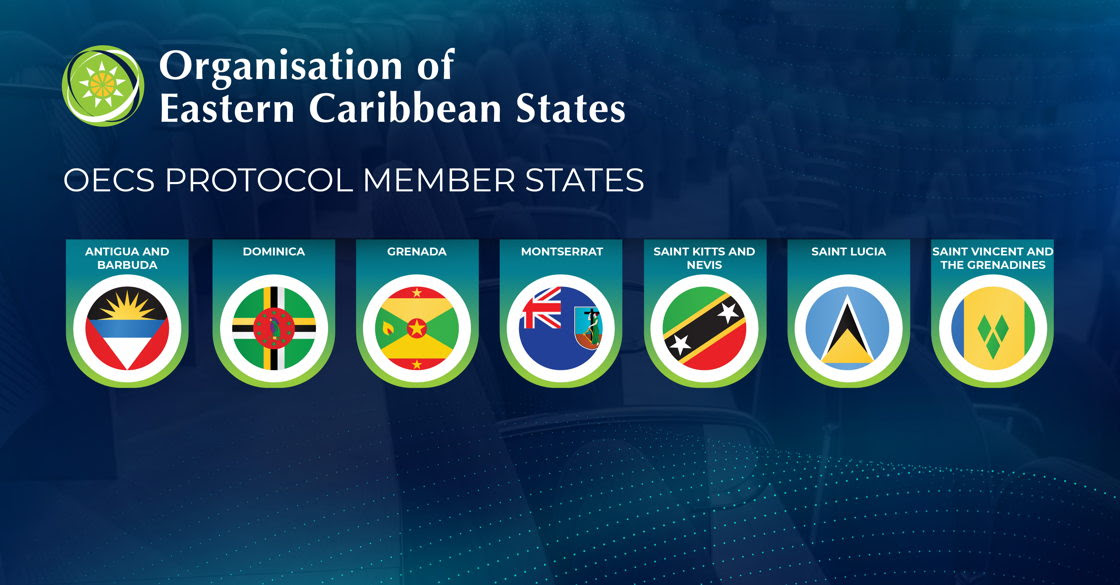
    The Organisation of Eastern Caribbean States (OECS) has issued a strong collective statement condemning recent escalations in military activities by external forces in the southern Caribbean region. The bloc expressed particular concern over the U.S. destruction of Venezuelan vessels suspected of drug trafficking, which was conducted without proper interception or verification. The OECS emphasized that such actions not only violate international legal norms but also pose a significant threat to regional stability and the collective well-being of Caribbean nations. While reaffirming their commitment to combating transnational crimes like drug trafficking, the member states underscored the importance of maintaining the Caribbean as a Zone of Peace, a principle supported by the United Nations General Assembly. The OECS warned that unilateral military actions risk escalating tensions, fostering misunderstandings, and jeopardizing decades of diplomatic efforts. Instead, the group advocated for peaceful dialogue, respect for sovereignty, and non-interference as the foundation for regional security. The statement concluded with a call for all external partners to engage in open consultations with the Caribbean Community and the OECS before undertaking any initiatives that could alter the regional security landscape, highlighting the Caribbean’s strength in unity, diplomacy, and peaceful conflict resolution.

  • Decision for radar installation still going through technical discussions

    Decision for radar installation still going through technical discussions

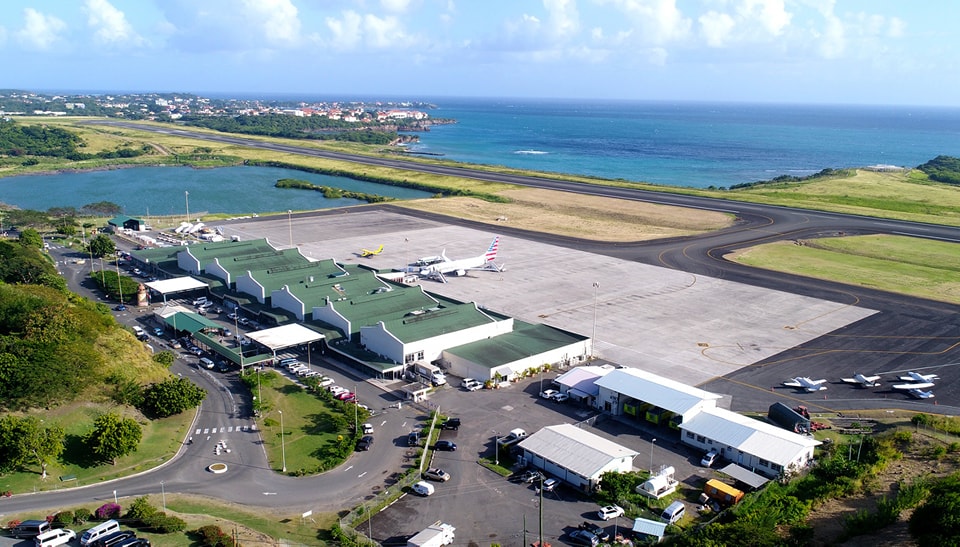
    In August 2025, the Trump Administration formally requested permission from the Grenadian government to temporarily install radar equipment at the Maurice Bishop International Airport (MBIA). Prime Minister Dickon Mitchell, who also serves as the Minister for National Security and Civil Aviation, has assured the public that the decision-making process will be transparent and compliant with both domestic and international laws. Speaking before the Lower House of Parliament on November 4, Mitchell emphasized that no secret agreements would be made, and the public would be fully informed of any developments. He stated, ‘We will not enter into an agreement that violates Grenada’s laws or international law. The technical discussions are ongoing, and any decision will be made openly.’ The US Southern Command identified two potential sites at MBIA for the radar installation, with a preference for one location. However, Grenada has yet to provide a definitive response due to unresolved technical and safety concerns. Mitchell highlighted that the government is prioritizing safety and technical feasibility before making a final decision. Grenada and the US have longstanding cooperation agreements in national and regional security, which continue to underpin their bilateral relations.

  • Former acting PM: Election winner too early to call

    Former acting PM: Election winner too early to call

    Michael ‘Mikey’ Pilgrim, former interim Prime Minister of Saint Lucia and deputy political leader of the now-defunct Progressive Labour Party (PLP), shared his insights on the upcoming general elections in an interview with St. Lucia Times. Pilgrim, who served as interim prime minister from January to May 1982, emphasized that it is too early to predict the election outcome, stating, ‘At the moment, I think it is too early for me to make a call as to who will win the elections.’ He clarified that his remarks on November 4 were purely personal opinions. Pilgrim anticipates a fiercely contested election, noting that while the Labour Party gained momentum in the previous election, the current political landscape appears more settled. He advised voters to carefully consider which party is best suited to lead the nation in the coming years. Pilgrim also highlighted the evolving nature of political campaigns, contrasting the traditional community meetings of the 1980s with today’s reliance on social media. He observed that many young people now follow campaigns online, partly due to safety concerns and increased sophistication among voters. Pilgrim called for more substantive discussions during public engagements, urging politicians to focus on issues rather than personal attacks. He stressed the importance of presenting evidence-based facts and preparing thoroughly for public appearances to minimize mistakes. Pilgrim concluded by advocating for clean, fact-driven elections that prioritize the nation’s welfare over political theatrics.

  • Antigua’s Gaston Browne reiterates call for Caribbean to be a zone of peace

    Antigua’s Gaston Browne reiterates call for Caribbean to be a zone of peace

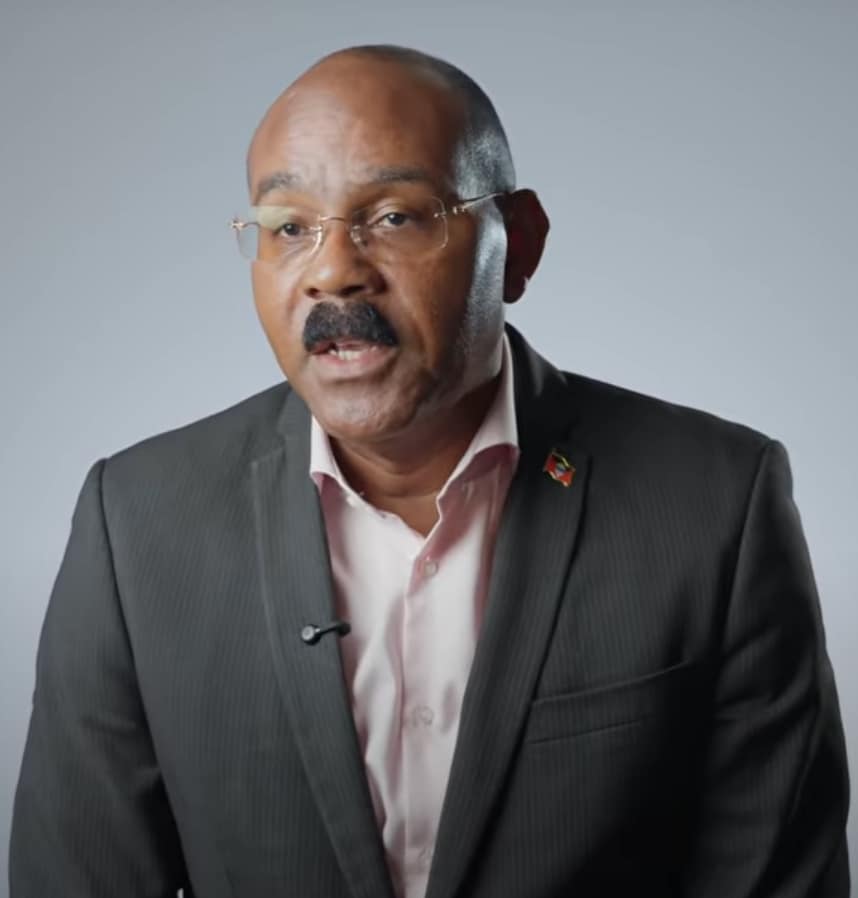
    Antigua and Barbuda Prime Minister Gaston Browne has issued a fervent call for the Caribbean to remain a ‘zone of peace,’ expressing deep concerns over the United States’ escalating military presence in the region. Speaking at the launch of the Commonwealth Heads of Government Conference (CHOGM), set for November 1-4, 2024, Browne warned that any conflict arising from this build-up would disproportionately affect small island states, particularly those in the Organisation of Eastern Caribbean States (OECS). He highlighted the region’s vulnerability, noting that even basic necessities like fruits are imported from North America. Browne drew parallels to the economic fallout from the Russia-Ukraine war, which caused prices in the Caribbean to surge by up to 10%, and cautioned that military action in the hemisphere would have far more severe consequences. He urged Caribbean nations to unite against any form of military intervention, emphasizing that the region should not be drawn into geopolitical disputes. Browne also condemned recent US airstrikes on alleged drug trafficking vessels in international waters, which have been criticized by the UN High Commissioner for Human Rights, Volker Türk, for lacking evidence. The Prime Minister called for global peace, justice, and unity, reminding the world that humanity shares a common ancestry and that undermining any nation undermines all of humanity.

  • Gonzales: Is PM fit to lead National Security Council?

    Gonzales: Is PM fit to lead National Security Council?

    Marvin Gonzales, the Opposition Chief Whip and MP for Arouca/Lopinot, has publicly criticized Prime Minister Kamla Persad-Bissessar and Defense Minister Wayne Sturge for their perceived inaction during a period of heightened public anxiety on October 31. The concerns arose following reports of a potential US military strike in the region, which sparked widespread panic, traffic disruptions, and panic-buying among citizens. Gonzales addressed these issues during a briefing at the Opposition Leader’s office in Port of Spain on November 4. He accused the Prime Minister of providing an inadequate response by merely urging the public to remain calm without addressing the underlying fears. Gonzales highlighted the chaos of that day, including the early dismissal of workers and the heightened alert status of local military and police forces. He also revealed that the opposition had attempted to seek clarification from Sturge through parliamentary procedures, but the Defense Minister declined to respond, citing national interest. Gonzales further questioned the Prime Minister’s leadership, noting her apparent lack of awareness regarding the heightened state of security forces upon her arrival at the Red House. He called for the resignation of both Persad-Bissessar and Sturge, accusing them of failing to manage the crisis effectively. Gonzales also scrutinized the Prime Minister’s recent meeting with newly appointed defense officials, questioning why she did not seek updates on the security situation during these interactions. He urged the Prime Minister to clarify her ability to lead the National Security Council and demanded transparency regarding the status of Southcom’s operations in the Caribbean. Additionally, Gonzales raised concerns about the non-functioning of the state of emergency tribunal and the ongoing hunger strike by detainees at the Eastern Correctional Facility, attributing these issues to the alleged negligence of Homeland Security Minister Roger Alexander.

  • PM gives Tobago more financial control: Make your own money

    PM gives Tobago more financial control: Make your own money

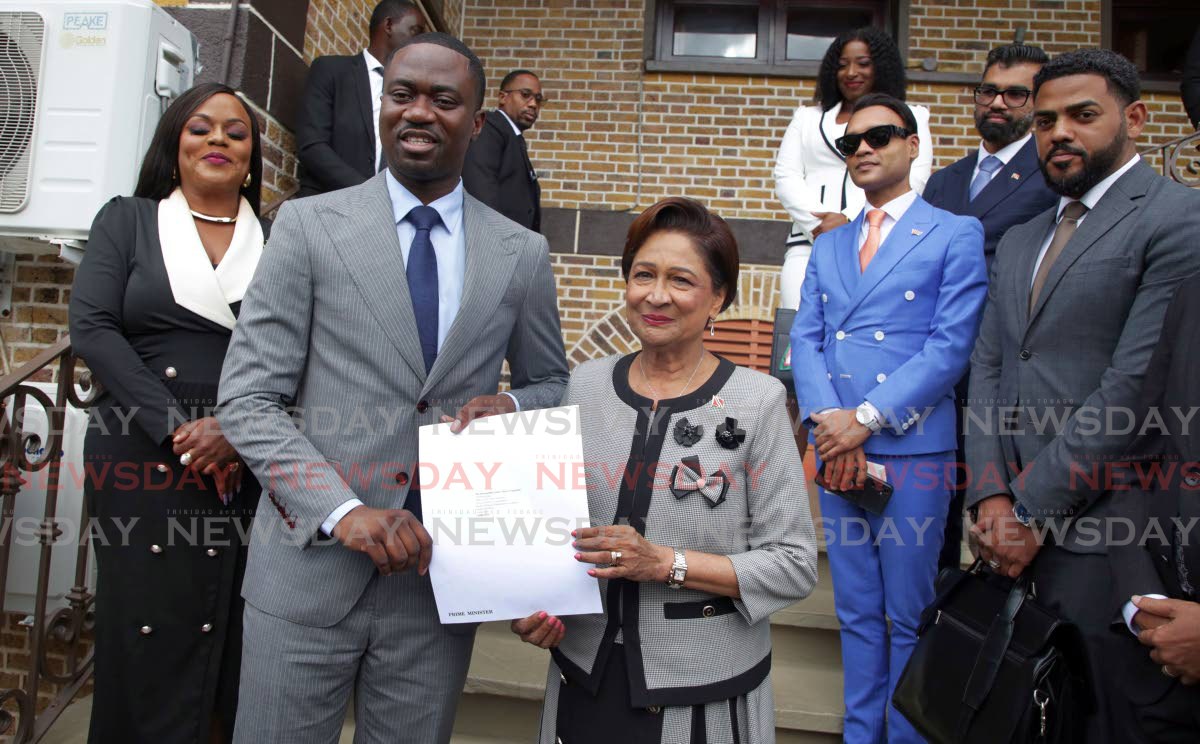
    In a landmark move to bolster Tobago’s financial independence, Prime Minister Kamla Persad-Bissessar presented an export licence to the Tobago House of Assembly (THA) on November 4. The licence, granted to Studley Park Enterprises Ltd, aims to enable the island to market its aggregate regionally and generate much-needed foreign exchange. The announcement was made during a special sitting of the Assembly Legislature in Scarborough, attended by key Cabinet members and THA officials. This initiative marks a significant step in addressing Tobago’s long-standing quest for greater autonomy and economic self-sufficiency. Persad-Bissessar emphasized the importance of Tobago and Trinidad coexisting as equal partners, pledging her government’s commitment to fostering development and fairness. She also unveiled plans to transition from population-based budgeting to project-based budgeting, ensuring larger allocations for Tobago’s strategic development projects. Additionally, the Prime Minister announced the revival of the Riseland housing project in Carnbee, which had been previously halted. Persad-Bissessar’s visit to Tobago, her first since the UNC-led coalition’s election victory in April, was met with enthusiasm and optimism, signaling a new era of collaboration and progress for the twin-island nation.

  • Kamla urges fisherfolk to stay in Trinidad and Tobago waters

    Kamla urges fisherfolk to stay in Trinidad and Tobago waters

    Prime Minister Kamla Persad-Bissessar has issued a stern warning to Trinidad and Tobago (TT) fishermen, urging them to remain within the nation’s maritime boundaries following US missile strikes targeting drug-trafficking vessels in the Southern Caribbean. Since September 2, the US has reportedly killed at least 60 individuals in such operations across the Caribbean Sea and Pacific, raising concerns among local fishermen about venturing far out to sea. President Donald Trump has also acknowledged the fear gripping the fishing community in the wake of these bombings. Speaking to the media after a special sitting at the Assembly Legislature in Scarborough on November 4, Persad-Bissessar emphasized that TT is not a target of these operations, stating, ‘Stay in TT waters and you will be safe.’ She clarified that the US actions are aimed at narco-traffickers, gun-runners, and human traffickers, not the nation’s fishermen. The Prime Minister also dismissed claims that tourism is being affected, citing the recent Tobago carnival, which attracted thousands of visitors. She highlighted the increasing prices of illegal drugs in Trinidad as evidence of the effectiveness of anti-drug efforts. Addressing rumors of TT’s potential withdrawal from Caricom, Persad-Bissessar reaffirmed the country’s commitment to the regional bloc while advocating for broader international partnerships. She stressed the need for TT to attract global investors to foster economic growth, noting that the country remains the only Caricom member with investment-grade ratings. Despite criticism from other Caricom states over TT’s support for US military actions, Persad-Bissessar maintained that peace is unattainable without addressing drug trafficking.

  • Beckles: Foreign Ministry facilitated Venezuelan envoy meeting

    Beckles: Foreign Ministry facilitated Venezuelan envoy meeting

    Opposition Leader Pennelope Beckles has firmly defended her courtesy meeting with Venezuelan Ambassador Alvaro Sanchez Cordero, asserting that the engagement was both appropriate and coordinated through official channels. The meeting, which took place on October 30, was arranged following a letter from Trinidad and Tobago’s Ministry of Foreign and Caricom Affairs dated October 28. Beckles emphasized that the encounter was brief, lasting only 15 minutes, and focused on expressing appreciation for her party’s support for Latin America and the Caribbean as a zone of peace, as declared by CELAC in 2014. She also clarified that similar courtesy calls have been arranged with envoys from Ireland, India, Palestine, Cuba, and Japan, all facilitated by the ministry. Beckles dismissed accusations of unpatriotic behavior, stating, ‘I hope that clears up the misconception that you are going against the government and not being patriotic.’ The opposition leader also criticized Prime Minister Kamla Persad-Bissessar for labeling the meeting as a ‘huge mistake’ and accusing her of siding with a ‘narco government.’ Beckles called these remarks ‘reckless’ and ‘calculated to cause mischief,’ particularly given the timing amid budget discussions. She further highlighted the Venezuelan National Assembly’s recent declaration of Persad-Bissessar as persona non grata, stressing that her meeting with Cordero was unrelated to this development. Beckles also warned that the impending presence of the USS Gerald Ford aircraft carrier in the region could deter foreign investment in Trinidad and Tobago. She urged the government to prioritize regional integration, citing concerns over trade rifts with Caricom countries and the recent hike in excise duties on alcohol and tobacco products.

  • Boodoosingh legally appointed as CJ

    Boodoosingh legally appointed as CJ

    The recent appointment of Justice of Appeal Ronnie Boodoosingh as Chief Justice of Trinidad and Tobago has sparked significant political controversy. Acting President Wade Mark’s decision to appoint Boodoosingh has been criticized by government detractors, who argue that the process lacked proper constitutional consultation. While there is no dispute over Boodoosingh’s qualifications, the opposition claims that the swift nature of the appointment violated constitutional norms. The controversy stems from the sudden retirement of former Chief Justice Ivor Archie on October 22, 2025, which necessitated an immediate replacement. Mark, acting under Section 102 of the Constitution, consulted with Prime Minister Kamla Persad-Bissessar and Opposition Leader Pennelope Beckles. While the Prime Minister expressed no preference, Beckles argued that insufficient time was provided for meaningful consultation. Despite these objections, Mark proceeded with Boodoosingh’s swearing-in. Critics argue that the process undermines the constitutional mandate of the political directorate and the Cabinet. However, supporters of the appointment emphasize that the President retains the sole constitutional prerogative to appoint the Chief Justice, in line with the principle of the separation of powers. The debate raises broader questions about the balance of power and the role of consultation in judicial appointments. Legal experts suggest that any challenge to the legitimacy of the consultation process should be addressed through the courts. Israel B Rajah-Khan SC, president of the Criminal Bar Association, has highlighted the need for transparency and fairness in such appointments to uphold public trust in the judiciary.