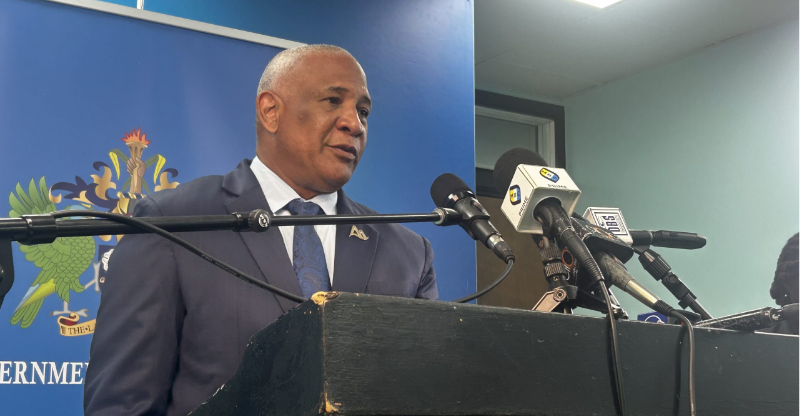
The Eastern Caribbean Supreme Court recently dismissed an injunction sought by Allen Chastanet against Dr. Ernest Hilaire, the Minister overseeing Saint Lucia’s Citizenship by Investment Programme (CIP). This decision has sparked contrasting reactions from supporters of the Saint Lucia Labour Party (SLP) and the United Workers Party (UWP). The SLP views the ruling as a validation of the programme’s legality, while the UWP emphasizes that the case’s substantive issues remain unresolved. The court’s decision highlights the complexities of interim injunctions, particularly in public law, and underscores the importance of evidence in judicial proceedings. Chastanet’s claims, which included allegations of unlawful practices and irregularities in the CIP, were deemed insufficient to meet the evidentiary threshold required for an injunction. The court also considered the potential economic impact of halting the programme, noting that existing statutory safeguards could mitigate any alleged harms. The case underscores the broader challenges of balancing legal scrutiny with economic interests in governance.
分类: politics
-

Rusland over Chinalco: We jagen geen serieuze investeerders weg; president op de hoogte
Suriname’s Vice President Gregory Rusland has addressed recent confusion stemming from President Jennifer Simons’ remarks regarding Chinalco, a leading Chinese mining company. Rusland emphasized that the president is fully briefed on all significant matters, including the recent visit of Chinalco’s CEO to Suriname. Speaking to Starnieuws, Rusland clarified that he maintained regular communication with the president, even during her overseas trips, and informed her in advance about the meeting with the Chinalco delegation.
The CEO of Chinalco arrived in Suriname on November 3 for a brief visit, following a request made to Rusland on November 1. During the discussions, Rusland expressed his disagreement with the terms of an agreement presented by the previous administration. He stressed that Suriname should not merely export raw materials, as outlined in the initial Memorandum of Understanding (MOU). Instead, he advocated for local processing of resources to create added value and ensure greater benefits for the country.
Rusland also highlighted the importance of considering the interests of local communities and adhering to environmental standards in any future agreements. The Chinalco CEO reportedly expressed willingness to discuss these concerns, with Rusland assuring that the government would formalize its stance.
The vice president reiterated Suriname’s openness to dialogue with credible investors but emphasized the need for clear conditions. He stated that while Suriname must navigate the complexities of international power dynamics, it should also define its own objectives clearly. “We do not deter serious investors, but they must contribute to sustainable development and local value creation,” Rusland affirmed.
On a personal note, Rusland marked his 66th birthday quietly, out of respect for the passing of former President and Honorary Chairman Ronald Venetiaan.
-
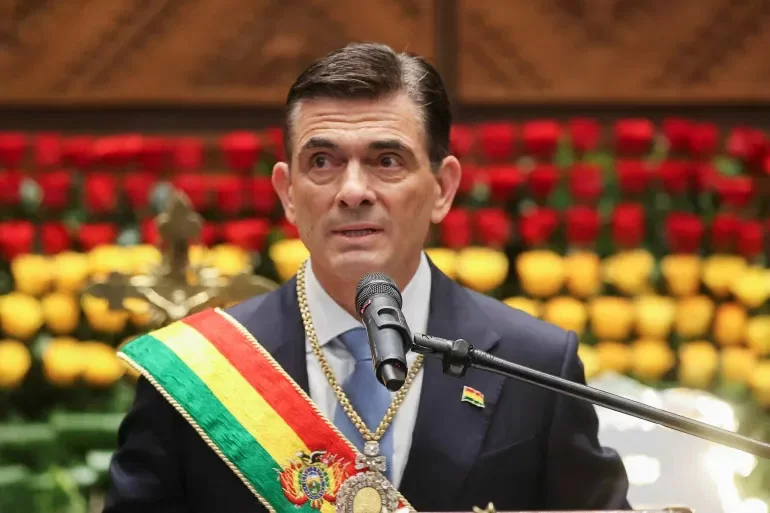
Paz beëdigd als president van Bolivia, belooft ‘kapitalisme voor iedereen’
Rodrigo Paz has officially assumed the presidency of Bolivia, marking a significant shift in the nation’s political landscape after nearly 20 years of governance by the Movement for Socialism (MAS) party. The 58-year-old conservative business advocate and son of a former president was sworn in during a ceremony at the Plurinational Legislative Assembly in La Paz, Bolivia, on Saturday. His inauguration was met with applause from attendees, signaling hope for a new direction.
In his inaugural address, Paz emphasized a commitment to ‘God, family, and homeland,’ and declared that Bolivia is now open to the world after two decades of leftist rule. He pledged to address the country’s severe economic crisis, which includes annual inflation exceeding 20%, chronic fuel shortages, and a depletion of foreign currency reserves. The outgoing administration of Luis Arce had exhausted nearly all reserves to sustain fuel subsidies, leaving Paz with a daunting task.
Paz, a Christian Democrat, campaigned on a platform of ‘capitalism for all,’ promising economic reforms centered on decentralization, lower taxes, fiscal discipline, and continued social spending. However, economists have expressed skepticism about the feasibility of simultaneously stabilizing the economy and maintaining social programs.
In a bold move, Paz also vowed to restore ties with the United States and collaborate with international security organizations, including the U.S. Drug Enforcement Administration, which was expelled by former President Evo Morales in 2008. ‘Never again a Bolivia isolated by failed ideologies or turning its back on the world,’ Paz declared during the ceremony, attended by delegations from over 70 countries and local dignitaries.
Paz’s presidency signals a departure from the state-centric economic model of the MAS era, which thrived during the early 2000s commodity boom but later faltered due to declining natural gas exports and unsustainable subsidies. His administration faces the challenge of navigating Bolivia’s worst economic crisis in 40 years while balancing the demands of reform and social welfare.
-
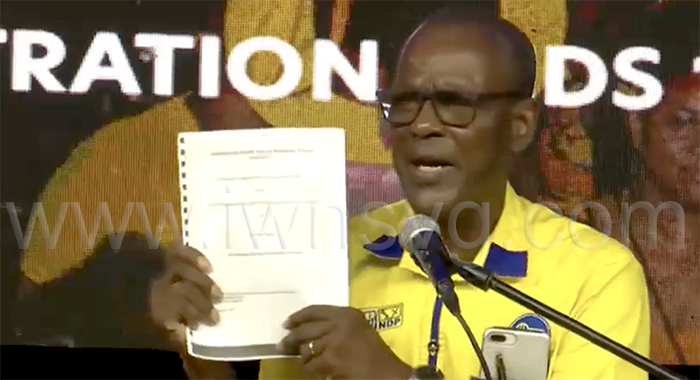
$144,000 contract between gov’t, Walters a ‘disgrace’ – Cummings
The Government of St. Vincent and the Grenadines has sparked significant controversy by awarding a one-year contract worth EC$144,000 to Grace Walters, a Hospital Administrator and Unity Labour Party (ULP) candidate for North Windward, to advise on healthcare system reforms. The contract, part of the Strengthening Health System Resilience Project (SHSRP), runs from January 15, 2025, to January 14, 2026, and was disclosed by Opposition spokesperson on health, Daniel Cummings, at a New Democratic Party (NDP) rally in North Union. Cummings criticized the appointment, questioning Walters’ qualifications and performance as a hospital administrator, and suggesting that the funds could have been better utilized to hire three top-class nurses. He also highlighted ongoing issues in the healthcare system, such as the lack of nurses in certain clinics and the poor conditions at the Milton Cato Memorial Hospital. Walters, who holds a doctorate in healthcare administration and management, is tasked with supporting the implementation of healthcare quality and patient safety standards, planning the transition to the Arnos Vale Acute Care Referral Hospital, and advising on procurement and information systems. Despite her credentials, Cummings argued that the appointment reflects nepotism and a lack of seriousness in addressing the country’s healthcare needs. He pledged that an NDP government would prioritize healthcare, ensuring properly staffed facilities with adequate medication and equipment. The controversy underscores the political tensions surrounding healthcare reform in St. Vincent and the Grenadines, with the ULP defending its decision and the NDP vowing to address systemic issues if elected.
-

Who deserves your vote?
As St. Vincent and the Grenadines (SVG) enters another election season, the familiar sights and sounds of campaigning are in full swing. Campaign vehicles traverse villages, loudspeakers echo across hillsides, and social media buzzes with partisan fervor. Yet, beneath this vibrant spectacle lies a critical question every voter must confront: who truly deserves their vote? This election is not merely a ritual of democracy but a pivotal moment that will shape the nation’s future.
-
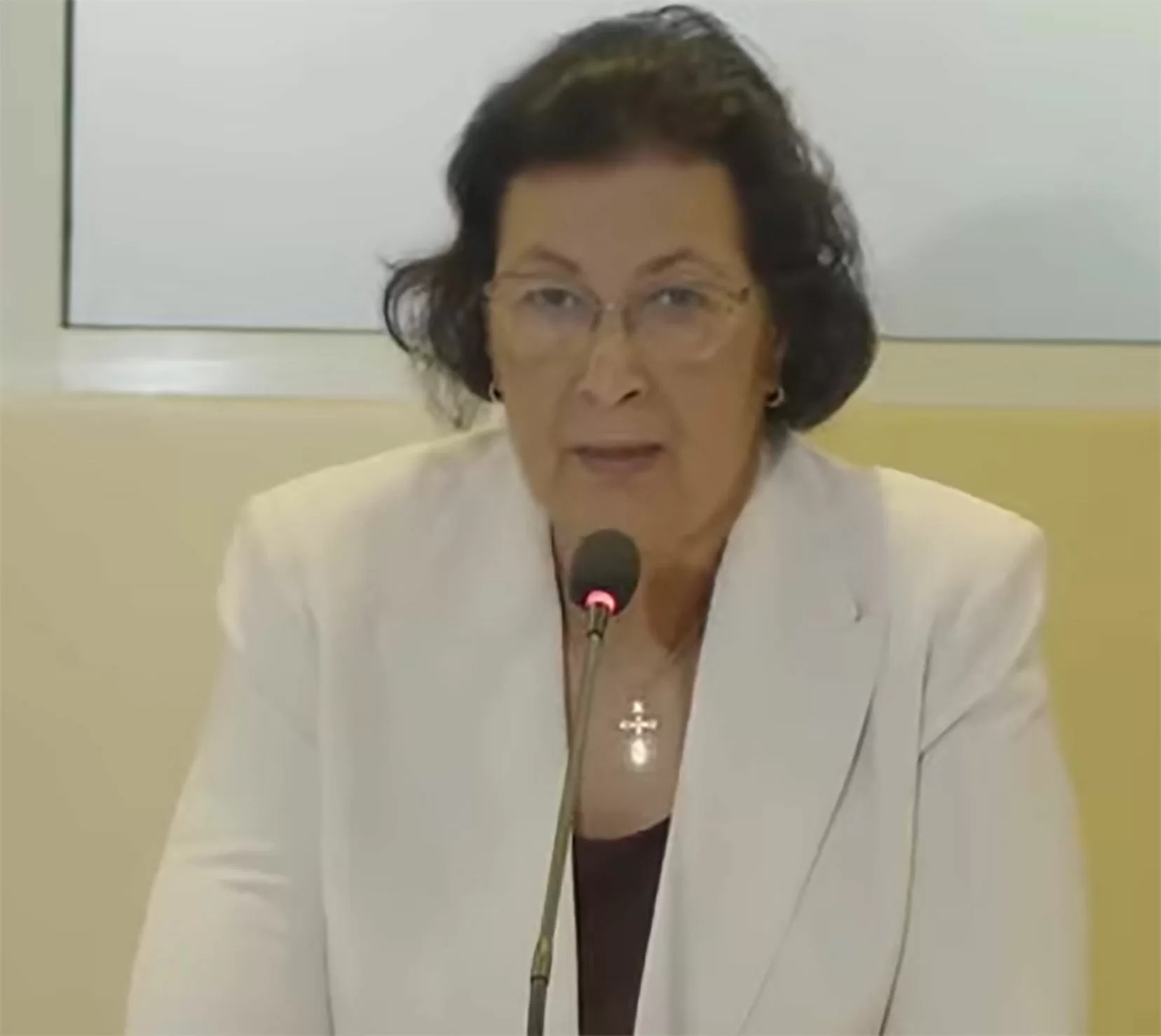
Simons: Regering niet in gesprek met Chinalco
Suriname’s President Jennifer Simons has firmly denied reports of government negotiations with Chinese multinational Chinalco regarding the mining and export of bauxite from West Suriname. Speaking at a press conference upon her return to the country, Simons emphasized that no agreements or discussions are underway, and Suriname will not export bauxite from the region under any circumstances. She acknowledged that Vice President Gregory Rusland had been approached by Chinalco and engaged in a single conversation but clarified that this did not represent official government negotiations. ‘The government consists of the president, vice president, and the Council of Ministers,’ Simons stated. ‘One member having a conversation does not equate to government negotiations.’
Simons highlighted the need for Suriname to make deliberate choices in utilizing its natural resources to foster development. The country is rich in gold, bauxite, and other resources but is internationally committed to preserving at least 90% of its forest area. ‘If the world expects us to uphold this commitment, they must compensate us for forest conservation,’ she asserted. ‘Only then can we make a fair assessment.’
The president noted that revenues from the oil sector could alleviate economic pressure on other resources. ‘Oil discoveries may slightly slow deforestation, as we anticipate income from this sector,’ she explained. However, Simons warned against overburdening the economy, stating, ‘A country with just 600,000 inhabitants cannot tackle everything simultaneously. Overextension risks economic overheating and new challenges.’
Addressing the issue of Mennonite communities seeking agricultural land, Simons firmly opposed deforestation for large-scale farming. ‘Clearing tropical rainforest for agriculture is not my approach,’ she declared. She also reiterated that all land allocations over the past five years were unlawful. ‘They were issued illegally. I’ve said this for years, and now the Audit Office has confirmed it,’ she said. Simons emphasized that officials had failed to adhere to legal requirements, citing Article 13 of the Anti-Corruption Act, which nullifies unlawfully issued allocations. The government has temporarily halted land allocations pending a review of past transactions.
-
Only legally registered NGOS can pick GYEITI’s civil society reps
The Ministry of Natural Resources in Guyana has announced that only legally registered civil society organizations (CSOs) and non-governmental organizations (NGOs) will be eligible to nominate representatives for the Guyana Extractive Industries Transparency Initiative (GYEITI). This decision was communicated by Dr. Ivor English, the Civil Society Convenor, who emphasized the importance of adhering to legal frameworks in the selection process. A caucus is scheduled for November 20-21 at the Marriott Hotel to renew the representation on the Multistakeholder Group (MSG) of the GYEITI. Dr. English, a member of the Guyana Conference of Seventh-day Adventists (GCSDA), has been appointed to guide this process, ensuring it is open, independent, and participatory, in line with the EITI Standard. The GCSDA, one of Guyana’s largest civil society organizations, boasts over 68,000 members across 31 districts. The first day of the caucus will focus on developing rules for selecting representatives, while the second day will involve the actual election or selection of these representatives. This move comes after a previous fallout between the Guyana government and the Policy Forum Guyana, which had initially been responsible for convening civil society representatives. The government’s decision to involve only legally registered entities aims to enhance transparency and credibility in the GYEITI process, ensuring that civil society is fully, actively, and effectively engaged.
-
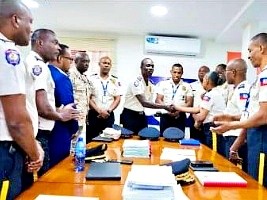
FLASH : 6,284 irregular promotions in 14 months within the Haitian National Police
A shocking report released on November 8, 2025, by the Internal Control and Human Resources Analysis Commission of the Haitian National Police (PNH) has unveiled widespread irregularities within the institution. The Commission, established under the directive of Acting Commander-in-Chief Vladimir Paraison and led by Inspector General Marie Elva Sinora Nassar Pierre, was tasked with scrutinizing the promotions and movements of PNH personnel. Over a 14-month period from June 2024 to August 2025, a staggering 6,284 promotions were granted, many of which violated established procedures, leading to institutional chaos. This mirrors a similar issue reported by the Ministry of Economy and Finance between 2019 and 2020, which had placed an unsustainable financial burden on the state. The report meticulously identifies all beneficiaries of these irregular promotions and highlights the legal framework used in the investigation, including the 1987 Constitution, presidential decrees, and the PNH’s internal regulations. The Commission’s methodology involved rigorous hearings and deliberations, requiring a qualified majority for decisions. The final report not only details the extent of the irregularities but also provides specific recommendations to the PNH Commander-in-Chief to rectify the system and restore institutional integrity. The Commission, chaired by Inspector General Marie Elva Sinora Nassar Pierre, included key members such as Inspector General Jackson Hilaire and Divisional Commissioner John Games Olivier, among others.
-
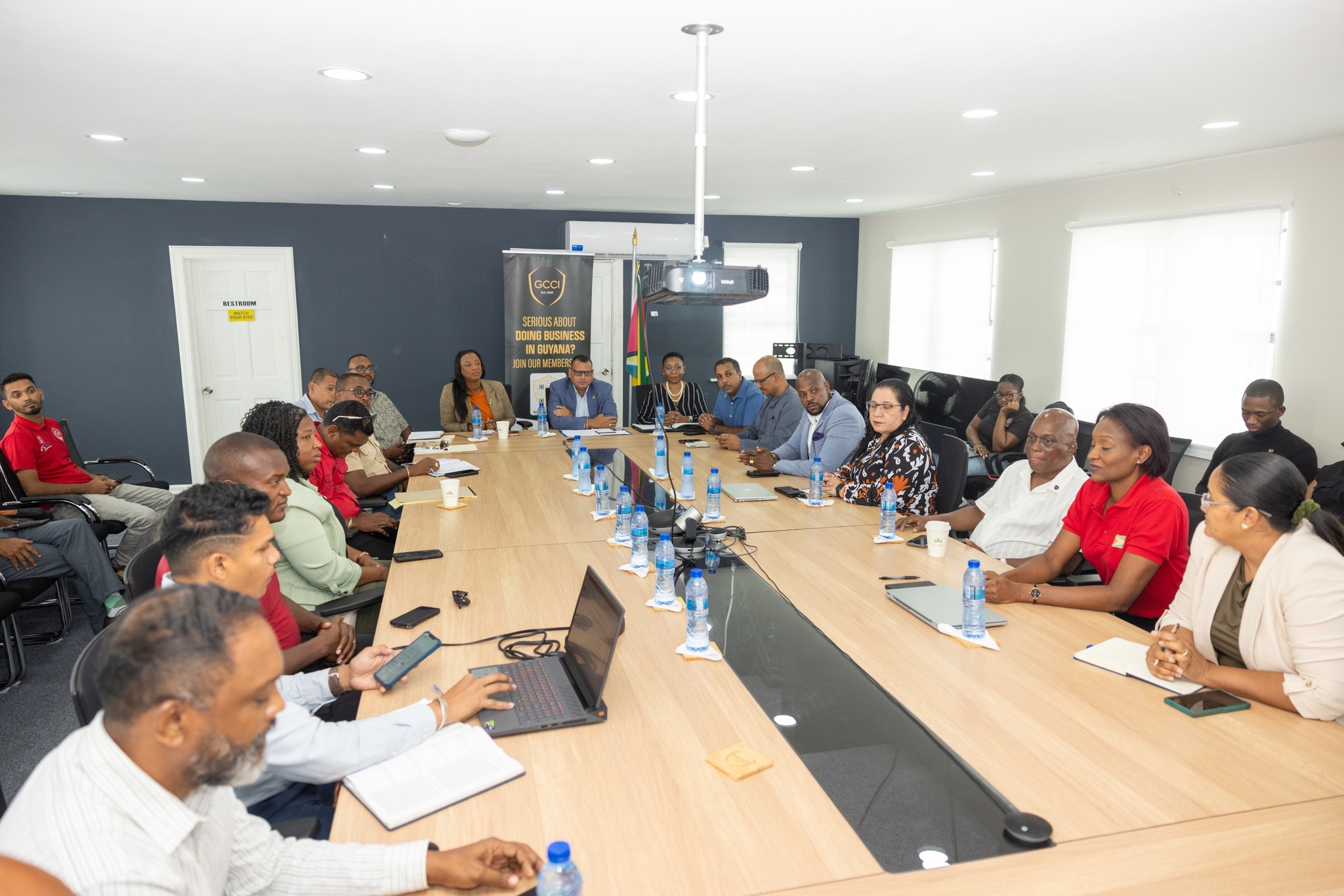
Georgetown mayor demands gov’t consult council on improvement plan
Georgetown Mayor Alfred Mentore has publicly criticized the Irfaan Ali-led administration for its alleged failure to consult the elected City Council regarding plans to enhance drainage and parking systems in the capital. Speaking on Saturday, November 8, 2025, Mayor Mentore emphasized the necessity of formal, transparent, and structured consultations with the City Council before any further steps are taken. He argued that as democratically elected representatives, the council has a constitutional right to be involved in decisions affecting municipal assets. The mayor’s concerns were particularly focused on a proposal to cover canals for paid parking, which lacked critical details such as targeted waterways, engineering standards, and revenue management. Mentore clarified that the council is not opposed to the government’s plans but is frustrated by the exclusion of the elected body in favor of private sector organizations like the Georgetown Chamber of Commerce and Industry. He also highlighted that the Municipal and District Councils Act places infrastructure such as drains, canals, and roads under the jurisdiction of the City Council. The mayor demanded proper coordination with the council on any proposals affecting city assets, warning that nothing less would be tolerated. Despite the ongoing political rivalry between the council, controlled by the People’s National Congress Reform-led APNU, and the PPPC-led central government, Mentore acknowledged the urgent need for infrastructure improvements in Georgetown. He plans to formally register the council’s concerns with the government this week.
-

Army : Handover of 7 armored vehicles to the FAd’H (video)
On November 8, 2025, a significant milestone in Haiti’s national security strategy was marked as Prime Minister Alix Didier Fils-Aimé, alongside key government and military officials, formally handed over seven armored vehicles to the Armed Forces of Haiti (FAd’H). The ceremony, attended by Presidential Advisor Leslie Voltaire, Defense Minister Jean-Michel Moïse, Minister of Justice and Public Security Dr. Patrick Pélissier, and Major General Jonas Jean, Deputy Commander-in-Chief of the FAd’H, underscored the government’s commitment to enhancing the nation’s defense capabilities. This delivery represents the initial phase of a larger order totaling 17 armored vehicles, aimed at bolstering the operational efficiency of the FAd’H in their mission to restore and maintain national security. Prime Minister Fils-Aimé emphasized the strategic importance of revitalizing and modernizing the armed forces, describing it as a cornerstone of Haiti’s broader recovery efforts. He reiterated the government’s dedication to building a disciplined, republican army capable of defending the nation, protecting its citizens, and upholding constitutional values. This initiative reflects a broader policy of institutional strengthening and sovereignty, signaling a renewed focus on long-term security and stability.